AUTOMATION HISTORY
1513
Total Articles Scraped
4666
Total Images Extracted
Scraped Articles
New Automation| Action | Title | URL | Images | Scraped At | Status |
|---|---|---|---|---|---|
| Zoomlion Advances Intelligent Manufacturing with Integrated AI and Embodied-Intelligence Robotics | https://www.manilatimes.net/2026/01/15/… | 0 | Jan 31, 2026 16:00 | active | |
Zoomlion Advances Intelligent Manufacturing with Integrated AI and Embodied-Intelligence RoboticsDescription: CHANGSHA, China, Jan. 15, 2026 /PRNewswire/ -- Zoomlion Heavy Industry Science & Technology Co., Ltd. ('Zoomlion'; 1157.HK) is driving a new wave of intelligen... Content: |
|||||
| PaXini to Debut at CES 2026, Advancing Embodied AI Infrastructure … | https://www.manilatimes.net/2025/12/27/… | 0 | Jan 31, 2026 16:00 | active | |
PaXini to Debut at CES 2026, Advancing Embodied AI Infrastructure Through Tactile SensingDescription: LAS VEGAS, Dec. 27, 2025 /PRNewswire/ -- PaXini Tech, a developer and supplier of high-precision tactile sensing technologies and embodied intelligence infrastr... Content: |
|||||
| Zoomlion Advances Intelligent Manufacturing with Integrated AI and Embodied-Intelligence Robotics … | https://moneycompass.com.my/zoomlion-ad… | 1 | Jan 31, 2026 16:00 | active | |
Zoomlion Advances Intelligent Manufacturing with Integrated AI and Embodied-Intelligence Robotics - Money CompassDescription: Money Compass is one of the credible Chinese and English financial media in Malaysia with strong influence in Malaysia’s financial industry. As the winner of the SME Award in Malaysia for 5 consecutive years, we persistently propel the financial industry towards a mutually beneficial framework. Since 2004, with the dedication to advocating the public to practice financial planning in everyday life, Money Compass has accumulated a vast connection in ASEAN financial industries and garnered government agencies and corporate resources. At present, Money Compass is adjusting its pace to transform into Money Compass 2.0. Consolidating the existing connections and network, Money Compass Integrated Media Platform is founded, which is well grounded in Malaysia whilst serving the ASEAN region. The mission of the new Money Compass Integrated Media Platform is to become the financial freedom gateway to assist internet users enhance financial intelligence, create wealth opportunities and achieve financial freedom for everyone! Content:
CHANGSHA, China, Jan. 15, 2026 /PRNewswire/ — Zoomlion Heavy Industry Science & Technology Co., Ltd. (“Zoomlion”; 1157.HK) is driving a new wave of intelligent transformation by integrating AI with construction machinery, the industrial internet, big data, and cloud computing. Its full-chain AI system spans smart products, manufacturing, management, and embodied-intelligence robotics, reshaping the company into a fully digital and intelligent enterprise. Zoomlion is also scaling humanoid robotics as its “third growth curve,” backed by proprietary hardware-software integration capabilities. Zoomlion’s full-chain AI application system covers four major pillars, namely, AI plus construction machinery, AI plus intelligent manufacturing, AI plus intelligent management, and AI plus embodied-intelligence robots. At Zoomlion Smart City, 12 smart factories and over 300 smart production lines, including 20 lights-out lines, operate as an end-to-end intelligent manufacturing system. In the AI plus intelligent manufacturing domain, processes such as cutting, welding, machining, painting, and assembly are fully connected to the industrial internet platform. This allows unified management of over 100,000 material types and intelligent manufacturing of over 400 products. AI-driven scheduling and optimization enable the park to produce an excavator every six minutes, a scissor lift every 7.5 minutes, a concrete pump truck every 27 minutes, and a truck crane every 18 minutes, marking a breakthrough in large-scale, multi-variety, small-batch agile manufacturing. Zoomlion also applies AI across R&D, production, sales, service, and supply chain management. For customer service, the Company has launched a voice-based AI expert diagnostic system with over 95 percent accuracy, enabling remote fault identification, rapid troubleshooting, and 24-hour technical support. Since 2024, Zoomlion has expanded into embodied-intelligence humanoid robotics, leveraging its full-stack self-development capabilities. Dozens of humanoid robots are now deployed in factory logistics, loading and unloading, pre-assembly, and quality inspection, forming early productivity use cases. Supported by a self-built training ground with over 100 workstations and large-scale industrial datasets, Zoomlion enables rapid iteration of human-robot collaboration. All humanoid and industrial robots are connected to the Zhongke Yungu Embodied Intelligence Platform, which integrates data, training, simulation, and OTA deployment into a closed loop, powered by a national supercomputing center with 59P GPU computing capacity and tens of thousands of distributed nodes. Beyond humanoid robotics, Zoomlion is developing a wider range of specialized robots for firefighting, mowing, construction, and agriculture. With deep integration across hardware, AI models, and real-world scenarios, the company is positioning embodied intelligence as its next major growth engine. SOURCE Zoomlion Your email address will not be published. Required fields are marked * Comment * Name * Email * Website Save my name, email, and website in this browser for the next time I comment. Copyright © 2024 Money Compass Media (M) Sdn Bhd. All Rights Reserved Login to your account below Remember Me Please enter your username or email address to reset your password. Copyright © 2024 Money Compass Media (M) Sdn Bhd. All Rights Reserved
Images (1): 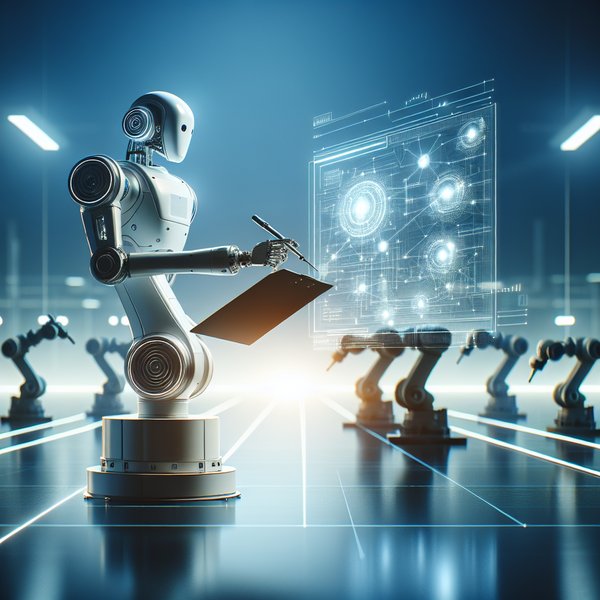
|
|||||
| Context Matters: Rethinking AI Through Embodied Sensing | https://medium.com/@sethtemon2000/conte… | 0 | Jan 31, 2026 16:00 | active | |
Context Matters: Rethinking AI Through Embodied SensingDescription: Context Matters: Rethinking AI Through Embodied Sensing Success is rarely just a matter of raw skill; it’s often a function of context. Consider Stephen Curry... Content: |
|||||
| Tesla's role in the increasingly embodied AI world By Investing.com | https://www.investing.com/news/stock-ma… | 0 | Jan 31, 2026 16:00 | active | |
Tesla's role in the increasingly embodied AI world By Investing.comDescription: Tesla's role in the increasingly embodied AI world Content: |
|||||
| Chinese AI startup tops global embodied intelligence benchmark | http://www.ecns.cn/news/economy/2026-01… | 1 | Jan 31, 2026 16:00 | active | |
Chinese AI startup tops global embodied intelligence benchmarkURL: http://www.ecns.cn/news/economy/2026-01-14/detail-iheywhna5921726.shtml Content:
Chinese startup Spirit AI has said that its Spirit v1.5 embodied intelligence foundation model now ranks first according to the RoboChallenge real-world robotics benchmark, surpassing a leading U.S. model. According to the RoboChallenge leaderboard, Spirit v1.5 has achieved a total score of 66.09 with a task success rate of 50.33 percent, outperforming the pi0.5 model developed by U.S.-based Physical Intelligence. Spirit AI said it has open-sourced the leading model and related resources. RoboChallenge, which industry observers often describe as a "global exam" for robots, is a real-machine evaluation platform that tests embodied intelligence models in physical environments. Its benchmarking process includes 30 tasks covering everyday operations such as object placement, target recognition and tool use. In addition to achieving the highest overall score on the platform, Spirit v1.5 was also the only model to achieve a success rate above 50 percent, according to publicly available results. The enterprise was founded in Hangzhou, the capital city of east China's Zhejiang Province, which is also home to AI startup DeepSeek and humanoid robotics firm Unitree Robotics. It focuses on embodied intelligence and robotics research. In June 2025, the company unveiled its Moz1 humanoid robot, targeting enterprise applications such as logistics and industrial scenarios. Qiu Jiefan, an associate professor at Zhejiang University of Technology, said the top ranking suggests Spirit v1.5 has demonstrated strong overall capabilities across general robotics tasks and real-world execution. "For embodied intelligence, the ability to understand and perform across multiple tasks and scenarios is very important," Qiu said, noting that while the technology is not yet ready for large-scale deployment, this latest result marks a significant step toward practical application. Han Fengtao, founder and CEO of Spirit AI, said that Spirit v1.5 has a unified Vision-Language-Action (VLA) architecture that integrates perception, reasoning and action into an end-to-end system, reducing errors associated with established modular approaches. He said the company expects a wider range of service robots to emerge within the next two to three years. China investigates Meta's acquisition of agentic AI startup Manus Chinese startup launches world first deep research, multitasking AI agent Chinese AI Startup DeepSeek shocks world with low-cost open-source models
Images (1): 
|
|||||
| Chinese AI startup tops global embodied intelligence benchmark | https://www.app.com.pk/global/chinese-a… | 1 | Jan 31, 2026 16:00 | active | |
Chinese AI startup tops global embodied intelligence benchmarkURL: https://www.app.com.pk/global/chinese-ai-startup-tops-global-embodied-intelligence-benchmark/ Description: Chinese AI startup tops global embodied intelligence benchmark Content:
HANGZHOU, Jan. 13 (Xinhua/APP): Chinese startup Spirit AI has said that its Spirit v1.5 embodied intelligence foundation model now ranks first according to the RoboChallenge real-world robotics benchmark, surpassing a leading U.S. model. According to the RoboChallenge leaderboard, Spirit v1.5 has achieved a total score of 66.09 with a task success rate of 50.33 percent, outperforming the pi0.5 model developed by U.S.-based Physical Intelligence. Spirit AI said it has open-sourced the leading model and related resources. RoboChallenge, which industry observers often describe as a “global exam” for robots, is a real-machine evaluation platform that tests embodied intelligence models in physical environments. Its benchmarking process includes 30 tasks covering everyday operations such as object placement, target recognition and tool use. In addition to achieving the highest overall score on the platform, Spirit v1.5 was also the only model to achieve a success rate above 50 percent, according to publicly available results. The enterprise was founded in Hangzhou, the capital city of east China’s Zhejiang Province, which is also home to AI startup DeepSeek and humanoid robotics firm Unitree Robotics. It focuses on embodied intelligence and robotics research. In June 2025, the company unveiled its Moz1 humanoid robot, targeting enterprise applications such as logistics and industrial scenarios. Qiu Jiefan, an associate professor at Zhejiang University of Technology, said the top ranking suggests Spirit v1.5 has demonstrated strong overall capabilities across general robotics tasks and real-world execution. “For embodied intelligence, the ability to understand and perform across multiple tasks and scenarios is very important,” Qiu said, noting that while the technology is not yet ready for large-scale deployment, this latest result marks a significant step toward practical application. Han Fengtao, founder and CEO of Spirit AI, said that Spirit v1.5 has a unified Vision-Language-Action (VLA) architecture that integrates perception, reasoning and action into an end-to-end system, reducing errors associated with established modular approaches. He said the company expects a wider range of service robots to emerge within the next two to three years. Serving the nation since 1947 by providing an accurate, objective, uninterrupted flow of news to the people, the national news service is pursuing a comprehensive strategy to transform the existing news operations into a forward-looking service – APP Digital for its diverse subscriber-base and the public. Contact us: news@app.com.pk Copyright © Associated Press of Pakistan
Images (1):
|
|||||
| 🤖 Day 42: Embodied AI — Robots with Brains 🦾🌍 | https://medium.com/@samriddhisharma.vis… | 0 | Jan 31, 2026 16:00 | active | |
🤖 Day 42: Embodied AI — Robots with Brains 🦾🌍URL: https://medium.com/@samriddhisharma.vis/day-42-embodied-ai-robots-with-brains-8b534d85cd14 Description: 🤖 Day 42: Embodied AI — Robots with Brains 🦾🌍 What happens when AI leaves the chat window and walks into the world? That’s Embodied AI — where in... Content: |
|||||
| Embracing Embodied AI: Surgical Robotics | https://www.forbes.com/councils/forbest… | 0 | Jan 31, 2026 16:00 | active | |
Embracing Embodied AI: Surgical RoboticsDescription: Coupled with robotics, AI-based simulations can expand access to top-tier surgical training while improving real-world outcomes. Content: |
|||||
| Tesla überfordert: Optimus ist zu komplex - Produktion mehr als … | https://winfuture.de/news,154183.html | 10 | Jan 30, 2026 16:00 | active | |
Tesla überfordert: Optimus ist zu komplex - Produktion mehr als halbiertURL: https://winfuture.de/news,154183.html Description: Tesla muss seine Pläne für die Massenproduktion des Optimus-Roboters drastisch zurückschrauben. Die Produktion wurde zwischenzeitlich sogar komplett ... Content: Images (10): 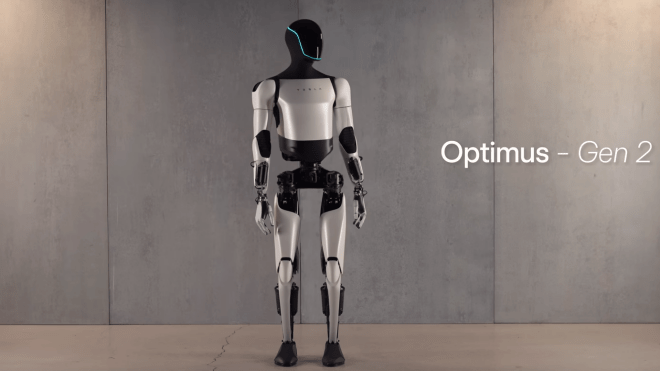



|
|||||
| Humanoider Roboter Optimus arbeitet nicht produktiv bei Tesla | heise … | https://www.heise.de/news/Humanoider-Ro… | 1 | Jan 30, 2026 16:00 | active | |
Humanoider Roboter Optimus arbeitet nicht produktiv bei Tesla | heise onlineDescription: Elon Musk hat eingestanden, dass der Roboter Optimus noch lerne und wenig produktiv sei. Ein verbesserter Nachfolger soll in Kürze vorgestellt werden. Content:
Elon Musk hat eingestanden, dass der Roboter Optimus noch lerne und wenig produktiv sei. Ein verbesserter Nachfolger soll in Kürze vorgestellt werden. Humanoider Roboter Optimus von Tesla (Bild: Tesla) This article is also available in English. It was translated with technical assistance and editorially reviewed before publication. Don’t show this again. Teslas Roboter Optimus ist doch nicht so nützlich, wie bisher immer behauptet. Das hat Tesla-Chef Elon Musk bei der Vorstellung der aktuellen Quartalszahlen zugegeben. Dennoch will Tesla in diesem Jahr die Serienfertigung des humanoiden Roboters starten. Im Sommer 2024 kündigte Musk an, den Roboter ab 2025 in der Produktion einzusetzen. Er hat eingestanden, dass er damit zu voreilig gewesen sei: Statt der Anfang 2025 versprochenen 10.000 Exemplare des Optimus hat Tesla deutlich weniger gebaut. Auch Musks Ankündigung, die Roboter würden nützliche Arbeiten in der Fabrik ausführen, war übertrieben. Der Roboter werde derzeit nur in geringfügigem Maße in den Tesla-Fabriken eingesetzt und lerne noch, sagte Musk in der Telefonkonferenz mit Analysten und Anlegern. Eine große Hilfe für die Arbeiter waren sie dabei aber offensichtlich nicht: „Wir haben Optimus ein paar einfache Aufgaben in der Fabrik erledigen lassen.“ Damit scheint er nicht weiter zu als Mitte 2024: In einem Video, das Musk bei der Jahreshauptversammlung zeigte, war ein Optimus zu sehen, der Akkuzellen in eine Kiste einsortierte. Der Roboter stehe noch am Anfang, gab Musk zu. „Er ist noch in der Forschungs- und Entwicklungsphase.“ Die aktuelle Optimus-Version 2.5, hat Probleme mit den Händen. Im ersten Quartal 2026 soll laut Musk der Nachfolger kommen. Optimus Gen 3 werde „große Upgrades“ bekommen. Dazu gehöre unter anderem eine neue Hand. Mit der Einführung von Gen 3 werde Tesla die älteren Roboter ausmustern. Optimus Gen 3 ist dann auch die Version des humanoiden Roboters, die Tesla in Serie bauen will. Die Serienfertigung soll Ende des Jahres starten. Geplant sei, sagte Musk, eine Million Exemplare im Jahr zu bauen. Videos by heise Die Roboter sollen im Tesla-Stammwerk in Fremont im US-Bundesstaat Kalifornien gebaut werden. Dafür wird im zweiten Quartal 2026 die Produktion des Model S und des Model X beendet. Tesla hat im Jahr 2025 zum ersten Mal seit Jahren einen Umsatzrückgang verzeichnet: Der Gewinn lag um 46 Prozent unter dem des Vorjahres. (wpl) Keine News verpassen! Jeden Morgen der frische Nachrichtenüberblick von heise online Ausführliche Informationen zum Versandverfahren und zu Ihren Widerrufsmöglichkeiten erhalten Sie in unserer Datenschutzerklärung. Immer informiert bleiben: Klicken Sie auf das Plus-Symbol an einem Thema, um diesem zu folgen. Wir zeigen Ihnen alle neuen Inhalte zu Ihren Themen. Mehr erfahren. Nur für kurze Zeit: 7 Monate heise+ für 7 € pro Monat lesen und zusätzlich zu allen Inhalten auf heise online unsere Magazin-Inhalte entdecken.Exklusiv zum 7-jährigen Jubiläum: Lesen Sie 7 Monate heise+ für 7 € pro Monat und entdecken Sie zusätzlich zu allen Inhalten auf heise online unsere Magazin-Inhalte. Nur für kurze Zeit!
Images (1): 
|
|||||
| Milagrow Alpha Mini 25, Yanshee and Robo Nano 2.0 humanoid … | https://www.fonearena.com/blog/471206/m… | 1 | Jan 29, 2026 16:00 | active | |
Milagrow Alpha Mini 25, Yanshee and Robo Nano 2.0 humanoid robots launchedContent:
Fone Arena The Mobile Blog Milagrow today launches three new humanoid robots aimed at transforming learning, research, and consumer engagement. The lineup includes Alpha Mini 25, Yanshee, and Robo Nano 2.0, designed to transform how children learn, how students and researchers explore AI and engineering, and how businesses interact with customers. Together, these robots represent a new era of robotics: emotionally aware, highly functional, and designed for education, research, and commercial environments, the company said. Alpha Mini 25 is a compact humanoid robot for children, homes, and classrooms. It is 245mm tall, weighs 700g, and combines education and play to support AI-powered learning, conversation, and creative activities. The robot is portable for use both at school and home. It assists with daily routines, homework, creative play, and emotional support. In classrooms, it enhances learning by demonstrating concepts, supporting reading, math, and early STEM education, and engaging learners with interactive feedback. Key features Quick Specs Yanshee is an open-source humanoid robot designed for schools, universities, research labs, and maker spaces. It has a robust aluminium-alloy frame with 17 precision servos, enabling realistic humanoid motion. Its modular design and layered computing architecture support experiments from basic coding to advanced AI and machine learning. The robot provides a research-grade environment for students and professionals to test theories, prototype models, and apply academic concepts in practical engineering. It enhances hands-on learning in coding, mechanics, control systems, and AI applications. Key features Quick Specs Robo Nano 2.0 is a 19kg humanoid service robot designed for public and commercial spaces such as retail, hotels, hospitals, airports, and educational campuses. It features a 13.3-inch HD display and advanced sensors for autonomous navigation and customer engagement. The robot delivers continuous service including visitor guidance, information provision, and interactive engagement. It helps organizations improve operational efficiency, reduce staff workload, and maintain consistent service quality. Key features Quick Specs Available online at milagrowhumantech.com and offline at Vijay Sales stores in India. All three robots come with a 1-year warranty. Speaking on the launch, Amit Gupta, S.V.P. of Milagrow Humantech, said, Today’s world demands solutions that are intelligent, adaptable, and human-centred. At Milagrow, we believe robotics can redefine how we learn, research, and connect with people. With Alpha Mini 25, Yanshee, and Robo Nano 2.0, we are bringing emotionally aware, interactive, and highly capable humanoid robots into everyday life—supporting children’s learning, empowering students and researchers, and transforming customer interactions. These robots are not just machines; they are companions, collaborators, and problem-solvers. As society becomes increasingly digital, we see these innovations as essential tools for fostering creativity, understanding AI, and enhancing human experiences across homes, classrooms, and public spaces.
Images (1): 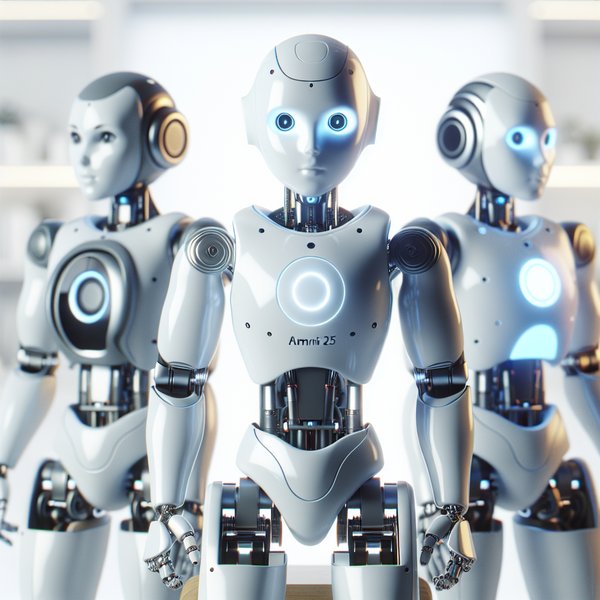
|
|||||
| UF researchers deploy robotic rabbits across South Florida to fight … | https://www.yahoo.com/news/uf-researche… | 1 | Jan 29, 2026 16:00 | active | |
UF researchers deploy robotic rabbits across South Florida to fight Burmese python explosionURL: https://www.yahoo.com/news/uf-researchers-deploy-robotic-rabbits-160321123.html Description: Version 2.0 of the study will add bunny scent to the stuffed rabbits if motion and heat aren’t enough to fool the pythons. Content:
Manage your account Scattered in python hot spots among the cypress and sawgrass of South Florida is the state’s newest weapon in its arsenal to battle the invasive serpent, a mechanical lure meant to entice the apex predator to its ultimate demise. Just don’t call it the Energizer bunny. Researchers at the University of Florida have outfitted 40 furry toy rabbits with motors and tiny heaters that work together to mimic the movements and body temperature of a marsh rabbit — a favorite python meal. They spin. They shake. They move randomly, and their creation is based on more than a decade of scientific review that began with a 2012 study that transported rabbits into Everglades National Park to see if, and how quickly, they would become python prey. “The rabbits didn’t fare well,” said Robert McCleery, a UF professor of wildlife ecology and conservation who is leading the robot bunny study that launched this summer. Subsequent studies revealed that pythons are drawn to live rabbits in pens with an average python attraction rate of about one python per week. But having multiple live rabbits in multiple pens spread across a formidable landscape is cumbersome and requires too much manpower to care for them. So, why not robot bunnies? “We want to capture all of the processes that an actual rabbit would give off,” McCleery said. “But I’m an ecologist. I’m not someone who sits around making robots.” Instead, colleague Chris Dutton, also a UF ecology professor but more mechanically adept, pulled the stuffing out of a toy rabbit and replaced it with 30 electronic components that are solar-powered and controlled remotely so that researchers can turn them on and off at specific times. The rabbits were placed in different areas of South Florida in July 2025 for a test phase that includes a camera programmed to recognize python movement and alert researchers when one nears the rabbit pen. One of the biggest challenges was waterproofing the bunnies so that the correct temperature could still be radiated. Python challenge: Why state recommends not eating Florida pythons McCleery was reluctant to give specifics on where the rabbit pens are located. “I don’t want people hunting down my robo-bunnies,” he said. Version 2.0 of the study will add bunny scent to the stuffed rabbits if motion and heat aren’t enough to fool the snakes. State efforts to mitigate python proliferation have included a myriad of efforts with varying degrees of success. Renowned snake hunters from the Irula tribe in India were brought in to hunt and share their skills. There have been tests using near-infrared cameras for python detection, special traps designed, and pythons are tracked by the DNA they shed in water, with radio telemetry, and with dogs. Also, the annual Florida Python Challenge has gained legendary status, attracting hundreds of hunters each year vying for the $10,000 grand prize. This year’s challenge runs July 11 through July 20. As of the first day of the challenge, there were 778 registered participants, from 29 states and Canada. But possibly the highest profile python elimination program is the 100 bounty hunters who work for the South Florida Water Management District and the Florida Fish and Wildlife Conservation Commission. The hunters have removed an estimated 15,800 snakes since 2019 and were called the “most effective management strategy in the history of the issue” by district invasive animal biologist Mike Kirkland. Kirkland oversees the district’s hunters. He gave a presentation July 7 to the Big Cypress Basin Board with updates on python removal that included McCleery’s robo-bunny experiment, which the district is paying for. “It’s projects like (McCleery’s) that can be used in areas of important ecological significance where we can entice the pythons to come out of their hiding places and come to us,” Kirkland said at the board meeting. “It could be a bit of a game changer.” The Burmese python invasion started with releases — intentional or not — that allowed them to gain a foothold in Everglades National Park by the mid-1980s, according to the 2021 Florida Python Control plan. By 2000, multiple generations of pythons were living in the park, which is noted in a more than 100-page 2023 report that summarized decades of python research. Pythons have migrated north from the park, with some evidence suggesting they may be able to survive as far north as Georgia if temperatures continue to warm and more pythons learn to burrow during cold snaps. More: Snake hunters catch 95% of pythons they see. Help sought to kill the ones that are hiding In Palm Beach County, 69 pythons have been captured since 2006, according to the Early Detection and Distribution Mapping System, or EDDMapS. In addition, four have been found dead, and 24 sightings have been reported. Big Cypress Basin board member Michelle McLeod called McCleery’s project a “genius idea” that eliminates the extra work it would take to manage live rabbits. McCleery said he’s pleased that the water management district and FWC, which has paid for previous studies, are willing to experiment. “Our partners have allowed us to trial these things that may sound a little crazy,” McCleery said. “Working in the Everglades for 10 years, you get tired of documenting the problem. You want to address it.” McCleery said researchers did not name the robot rabbits, although he did bring one home that needed repair. His son named it “Bunbun.” Kimberly Miller is a journalist for The Palm Beach Post, part of the USA Today Network of Florida. She covers real estate, weather, and the environment. Subscribe to The Dirt for a weekly real estate roundup. If you have news tips, please send them to kmiller@pbpost.com. Help support our local journalism, subscribe today. This article originally appeared on Palm Beach Post: Python challenge: Robot bunny new weapon to fight invasive in Florida
Images (1): 
|
|||||
| "Inteligentes", adoráveis e arrepiantes: Estes robots não deixam ninguém indiferente … | https://tek.sapo.pt/multimedia/artigos/… | 1 | Jan 29, 2026 16:00 | active | |
"Inteligentes", adoráveis e arrepiantes: Estes robots não deixam ninguém indiferente - Multimédia - Tek NotíciasDescription: O mundo da robótica continua a avançar com inovações concebidas para melhorar o trabalho em ambientes como fábricas e facilitar a vida doméstica. Dos robots com aspecto cada vez mais "humano" aos assistentes para o dia a dia, veja os modelos que se destacaram este ano. Content:
Em 2025, a “corrida” dos robots acelerou, sobretudo no que toca aos modelos humanoides. Ao longo dos últimos meses, várias fabricantes apresentaram as suas propostas, concebidas tanto para serem utilizadas em fábricas como nos lares, com robots de companhia e assistentes domésticos. Da Tesla à Figure AI, passando ainda pela Boston Dynamics, Apptronik, Unitree e LimX Dynamics, múltiplas empresas aproveitaram para demonstrar as proezas dos seus robots, seja a dançar, fazer acrobacias de parkour, a combater nos ringues, a fazer golpes de kung fu ou a arrumar a loiça. Apesar do entusiasmo, surgem novas preocupações, incluindo receios relacionados com a substituição de trabalhadores e perda de postos de trabalho para humanos, ou com uma nova "bolha" no sector dos robots humanoides, com alertas vindos da China. Mas uma coisa é certa: ao longo deste ano foram revelados vários modelos que não deixaram ninguém indiferente e, com 2026 a aproximar-se, aproveitamos para assinalar os que mais se destacaram, seja pela sua “inteligência” e capacidades, por serem adoráveis ou por terem um aspecto arrepiante. A China tem vindo a apostar significativamente no desenvolvimento de robots humanoides e a Unitree é uma das tecnológicas que tem ganho destaque com modelos cujas acrobacias não deixam ninguém indiferente. O modelo G1 “roubou” as atenções durante o Web Summit 2025 em Lisboa, mas, este ano, a fabricante revelou uma nova versão ainda mais ágil. O robot R1 é capaz de correr, dançar. fazer o pino e ainda dar uns quantos golpes de kung-fu com as mãos e com as pernas. Segundo a empresa, o robot consegue responder a comandos de voz e até manter uma conversa graças a um sistema de IA multimodal que, além de reconhecer vozes, processa elementos visuais captados pelas câmaras. Com um preço de 5.900 dólares, o R1 é mais barato do que o G1, cujo preço ronda os 16 mil dólares, e é um modelo criado para developers, investigadores e instituições de ensino, mas também entusiastas de tecnologia com carteiras recheadas. Reproduzir o sentido de tacto tem sido um dos grandes desafios no campo da robótica, mas este é um dos obstáculos ultrapassados pelo Vulcan. O robot, desenvolvido pela Amazon, consegue sentir o mundo à sua volta, usando o tacto para percorrer prateleiras, identificar produtos e escolher os artigos certos nos centros de distribuição da gigante do e-commerce. Graças a uma ferramenta especial na ponta do seu braço, acompanhada por um conjunto de sensores que dizem quanta pressão está a exercer, o Vulcan é capaz de retirar ou arrumar objetos dos compartimentos sem danificá-los. No futuro, a Amazon tenciona implementar o robot em centros de distribuição nos Estados Unidos e na Europa. Ainda este ano, a empresa criou também uma nova equipa cuja missão passa por desenvolver agentes de IA para operações robóticas, com o objetivo de criar sistemas que permitam aos robots ouvir, compreender e realizar ações com base em interações de linguagem natural. Para o robot humanoide da Tesla, o ano foi de altos e baixos. Por um lado, a empresa de Elon Musk continuou a demonstrar as habilidades da mais recente versão, seja na pista de dança, com “moves” prontos para arrasar; a ajudar nas arrumações, ou até na passadeira vermelha para a estreia do filme Tron Ares, onde foi convidado de honra graças a uma parceria com a Disney. Por outro, incidentes como uma recente queda do Optimus num evento levantou novas dúvidas sobre o seu nível de autonomia. Num vídeo partilhado nas redes sociais é possível ver o robot a cair e a reagir de uma maneira estranha, levando muitos a acreditar que o modelo estava a ser controlado remotamente. Apesar disso, a empresa quer lançar a terceira geração do Optimus no primeiro trimestre do próximo ano, num modelo que, segundo Elon Musk, será tão avançado que vai parecer “uma pessoa a vestir um fato de robot”. Mas a Tesla não é a única fabricante de carros elétricos a apostar nos robots humanoides. Em novembro, a Xpeng revelou a mais recente versão do robot humanoide IRON, numa demonstração que deu que falar e que levou muitos a questionar se realmente se tratava de uma máquina ou de uma pessoa disfarçada. A empresa decidiu pôr tudo em pratos limpos para provar que o IRON não era humano e cortou a “pele” do robot para revelar os seus componentes internos.Momentos depois, o robot, que segundo a empresa se manteve ligado durante todo o processo, voltou a “desfilar” pelo palco, desta vez com o interior da perna exposto. A Xpeng afirma que a nova geração do robot tem movimentos mais realistas e fluidos, estando equipada com uma coluna e músculos artificiais, além de uma pele sintética flexível. O seu “cérebro” conta com chips de IA desenvolvidos pela empresa, bem como um sistema de IA criado especialmente para robots. A fabricante quer dar início à produção em massa de robots IRON já no próximo ano, com foco em aplicações comerciais e industriais. Os robots humanoides domésticos prometem ser uma das grandes tendências para os próximos anos e esta é uma área onde a 1X Technologies se quer destacar com o NEO. Ainda no início do ano, a empresa tinha apresentado o NEO Gamma, um modelo que funciona como uma mistura entre mordomo e empregado de limpeza, mas que também tem jeito para fazer unboxing de smartphones como se fosse um "influencer". Para a 1X o objetivo é que os seus robots consigam executar todas as tarefas domésticas que as pessoas fazem no quotidiano, como arrumar loiça na máquina de lavar ou dobrar roupa. Apesar disso, nesta fase ainda existem limitações, com algumas das funções a exigirem o controlo por parte de um humano. A mais recente versão do NEO já está a ser comercializada por 20 mil dolares. A empresa também disponibiliza uma opção que permite "adotar" um NEO através de um serviço de subscrição, igualmente longe de ser barato, por 499 dólares por mês. Se algumas empresas optam por dar um aspecto mais amigável aos seus robots domésticos, como o modelo apresentado pela Sunday Robotics, outras têm criações com “humanos sintéticos” cujo aspecto está entre o fascinante e o arrepiante, como o robot da Clone Robotics. A startup tem a ambição de criar robots “iguais” a humanos e o seu Clone Alpha está equipado com uma arquitetura com sistema de órgãos sintéticos para funções esqueléticas, musculares, vasculares e nervosas. De acordo com a Clone Robotics, o robot tem um esqueleto de polímero que imita a estrutura óssea humana, com 206 “imitações” de ossos ligados através de juntas articuladas com ligamentos artificiais. No futuro, o modelo será capaz de, por exemplo, memorizar o layout da casa limpa ou o inventário da cozinha; preparar comida, pôr a mesa e lavar a loiça; ou até manter uma conversa com convidados, afirma a startup. Depois de o demonstrar na CES no início do ano, a TCL levou o AI ME para a IFA 2025, onde “roubou” as atenções e os corações dos visitantes graças ao seu aspecto adorável e formato ternurento. Este robot modular foi desenhado para funcionar como um pequeno companheiro inteligente para os mais novos. Com olhos expressivos e uma voz que soa quase como uma criança, o AI Me é capaz de conversar, brincar e até ler histórias quando chega a hora de dormir. O robot, que ainda é um modelo conceptual, está equipado com câmaras e sensores que permitem captar fotografias e vídeos, reconhecer utilizadores e descrever o mundo que o rodeia. Este ano, a Nvidia, a Disney Research e a Google DeepMind juntaram-se para criar um novo motor de física para simulações robóticas. A Disney será uma das primeiras a usar o Newton para acelerar o desenvolvimento de robots para entretenimento, como os BDX Droids. O Blue é um destes robots e foi originalmente apresentado pela Disney Research em 2023. Com um aspecto que remete para a saga Star Wars, e até algumas parecenças com o protagonista robótico de WALL-E, o pequeno autómato ganhou mais vida com o novo motor de física. O Newton, que conta também com capacidades de personalização para experiências robóticas mais interativas, permitirá o desenvolvimento de robots mais expressivos, com capacidade de aprender a dominar tarefas complexas com maior precisão, afirma a Nvidia. Ainda no mundo dos robots com aspecto mais amigável, o Reachy Mini foi desenvolvido pela plataforma de IA Hugging Face para aumentar a utilização das ferramentas de desenvolvimento. O objetivo deste modelo, que se destaca pelo formato compacto, é que possa estar numa secretária ou na bancada da cozinha, sendo programado para a comunicação com os utilizadores de forma mais interativa. Com o Reachy Mini é possível aceder a milhares de modelos de IA pré-desenvolvidos, assim como criar novas aplicações usando Python. O robot está disponível em duas versões, uma standard, que chegará apenas no próximo ano, e outra lite, com um preço de 266 euros. Notificações bloqueadas pelo browser
Images (1): 
|
|||||
| AI mapping system builds 3D maps in seconds for rescue … | https://interestingengineering.com/inno… | 1 | Jan 29, 2026 00:03 | active | |
AI mapping system builds 3D maps in seconds for rescue robotsURL: https://interestingengineering.com/innovation/ai-mapping-system-for-rescue-robots-mit Description: MIT’s new AI mapping system lets robots build accurate 3D maps in seconds, improving disaster rescue, VR, and industrial automation. Content:
From daily news and career tips to monthly insights on AI, sustainability, software, and more—pick what matters and get it in your inbox. Access expert insights, exclusive content, and a deeper dive into engineering and innovation. Engineering-inspired textiles, mugs, hats, and thoughtful gifts We connect top engineering talent with the world's most innovative companies. We empower professionals with advanced engineering and tech education to grow careers. We recognize outstanding achievements in engineering, innovation, and technology. All Rights Reserved, IE Media, Inc. Follow Us On Access expert insights, exclusive content, and a deeper dive into engineering and innovation. Engineering-inspired textiles, mugs, hats, and thoughtful gifts We connect top engineering talent with the world's most innovative companies We empower professionals with advanced engineering and tech education to grow careers. We recognize outstanding achievements in engineering, innovation, and technology. All Rights Reserved, IE Media, Inc. MIT’s new SLAM approach can process unlimited camera images and stitch submaps together to build 3D worlds in seconds. MIT researchers have built a new AI system that allows robots to create detailed 3D maps of complex environments within seconds. The technology could transform how search-and-rescue robots navigate collapsed mines or disaster sites, where speed and accuracy can make the difference between life and death. The system combines recent advances in machine learning with classical computer vision principles. It can process an unlimited number of images from a robot’s onboard cameras, generating accurate 3D reconstructions while estimating the robot’s position in real time. Robots rely on a technique called simultaneous localization and mapping, or SLAM, to recreate their surroundings and determine where they are. Traditional SLAM methods often fail in crowded or visually complex environments and require pre-calibrated cameras. Machine learning models simplified the process but could only process about 60 images at once, making them unsuitable for real-world missions where a robot must analyze thousands of frames quickly. MIT graduate student Dominic Maggio, postdoctoral researcher Hyungtae Lim, and aerospace professor Luca Carlone set out to fix that. Their new approach breaks a scene into smaller “submaps” that are created and aligned incrementally. The system then stitches these submaps together into one coherent 3D model, allowing a robot to move quickly while maintaining spatial accuracy. “This seemed like a very simple solution, but when I first tried it, I was surprised that it didn’t work that well,” Maggio says. As Maggio explored older computer vision research, he discovered why. Machine-learning models often introduce subtle distortions in submaps, making them difficult to align correctly using standard rotation and translation techniques. Carlone and his team addressed the problem by borrowing techniques from traditional geometry. They developed a mathematical framework that captures and corrects deformations in each submap so the system can align them consistently. “We need to make sure all the submaps are deformed in a consistent way so we can align them well with each other,” Carlone explains. Once Maggio merged the strengths of machine learning and classical optimization, the results were immediate. “Once Dominic had the intuition to bridge these two worlds — learning-based approaches and traditional optimization methods — the implementation was fairly straightforward,” Carlone says. “Coming up with something this effective and simple has potential for a lot of applications.” The MIT system proved faster and more accurate than existing mapping techniques. It required no special camera calibration or additional processing tools. In one demonstration, the researchers captured a short cell phone video of the MIT Chapel and reconstructed a precise 3D model of the interior in seconds. The reconstructed scenes had an average error of less than five centimeters. The team believes this simplicity could help deploy the method in real-world robots, wearable AR or VR systems, and even warehouse automation. “Knowing about traditional geometry pays off. If you understand deeply what is going on in the model, you can get much better results and make things much more scalable,” Carlone says. The research will be presented at the Conference on Neural Information Processing Systems (NeurIPS) and is available on arXiv. Aamir is a seasoned tech journalist with experience at Exhibit Magazine, Republic World, and PR Newswire. With a deep love for all things tech and science, he has spent years decoding the latest innovations and exploring how they shape industries, lifestyles, and the future of humanity. Premium Follow
Images (1): 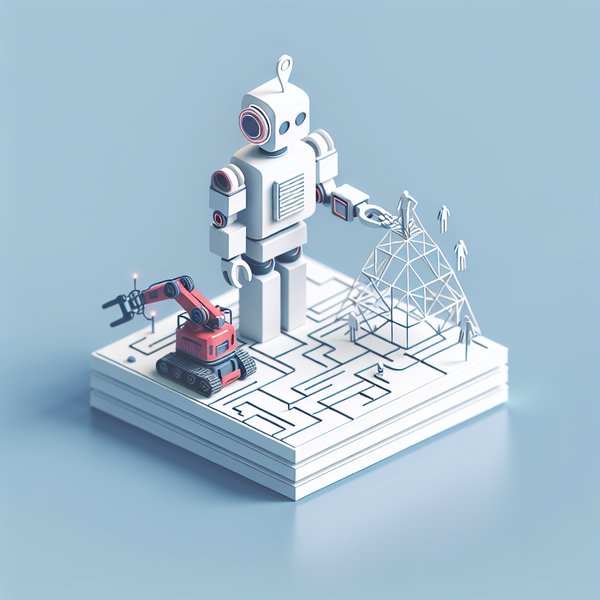
|
|||||
| Deep reinforcement learning for robotic bipedal locomotion: a brief survey … | https://link.springer.com/article/10.10… | 10 | Jan 28, 2026 16:00 | active | |
Deep reinforcement learning for robotic bipedal locomotion: a brief survey | Artificial Intelligence Review | Springer Nature LinkDescription: Bipedal robots are gaining global recognition due to their potential applications and the rapid advancements in artificial intelligence, particularly throu Content:
Advertisement You have full access to this open access article 1592 Accesses 6 Citations 2 Altmetric Explore all metrics Bipedal robots are gaining global recognition due to their potential applications and the rapid advancements in artificial intelligence, particularly through deep reinforcement learning (DRL). While DRL has significantly advanced bipedal locomotion, the development of a unified framework capable of handling a wide range of tasks remains an ongoing challenge. This survey systematically categorises, compares, and analyses existing DRL frameworks for bipedal locomotion, organising them into end-to-end and hierarchical control schemes. End-to-end frameworks are evaluated based on their learning approaches, whereas hierarchical frameworks are examined in terms of their layered structures that integrate learning-based and traditional model-based methods. We provide a detailed evaluation of the composition, strengths, limitations, and capabilities of each framework. Furthermore, this survey identifies key research gaps and proposes future directions aimed at creating a more integrated and efficient unified framework for bipedal locomotion, with broad applicability in real-world environments. Humans navigate complex environments and perform diverse locomotion tasks with remarkable efficiency using only two legs. Bipedal robots, which closely mimic the human form, possess distinct advantages over wheeled or tracked alternatives, particularly when traversing uneven and challenging terrains. Furthermore, bipedal humanoid robots are specifically designed to operate in human-centric environments, enabling seamless interaction with tools and infrastructure intended for human use. This makes them highly adaptable to a wide range of tasks in such settings. As a result, bipedal robots hold significant potential for real-world applications (Tong et al. 2024). In manufacturing, they can perform tasks efficiently without requiring additional tools, thereby enhancing productivity and reducing labour demands (Dzedzickis et al. 2021; Yang et al. 2019a; 6+ Hours Live Autonomous Robot Demo 2024). Their agility is particularly advantageous in complex environments such as multi-level workplaces. Bipedal robots are also well suited to tasks that involve the use of human-designed tools, making them valuable for assisting in daily activities, healthcare, and rehabilitation (Bingjing et al. 2019). Moreover, they show considerable promise in search-and-rescue operations, where they can navigate hazardous and unpredictable terrains (Bogue 2015; Rudin et al. 2022; Qi et al. 2023). Traditional approaches to bipedal locomotion control, such as model-based methods, have been prevalent since the 1980s (Gupta and Kumar 2017; Reher and Ames 2021; Carpentier and Wieber 2021). Early methods, such as the Linear Inverted Pendulum Model (LIPM) (Wensing and Orin 2013), provided simplified representations of the dynamics involved in bipedal motion, enabling easier analysis and control. As research progressed, full dynamic models were introduced to better capture the complexities of real-world locomotion. Advanced methods such as Model Predictive Control (MPC) (Hou et al. 2022; Li and Nguyen 2023) and Trajectory Optimisation (TO) (Herzog et al. 2016; Li et al. 2019; Gupta and Kumar 2017) exploit predefined dynamic models to solve constrained optimal-control problems that plan footsteps, centre-of-mass (CoM) motion, and contact forces. While model-based approaches offer rapid convergence and predictive capabilities, they often struggle in dynamically complex and uncertain environments where adaptability is essential. Reinforcement learning (RL)-based methods, particularly deep reinforcement learning (DRL), are effective in optimising robot control policies through direct interaction with the environment (Khan et al. 2020), which provides a distinct advantage. Unlike model-based approaches, which rely on predefined dynamics and may fail under unforeseen conditions, DRL enables robots to autonomously discover control strategies through trial and error, achieving greater adaptability and robustness in diverse environments. In addition, hybrid methods that combine model-based and learning-based techniques further enhance planning and control by leveraging the strengths of both paradigms. Despite these advancements, research in DRL-based locomotion remains highly fragmented, with inconsistencies in training pipelines, reward formulations, observation spaces, and evaluation setups that hinder systematic benchmarking and slow progress towards generalisable locomotion capabilities. Moreover, many methods are tailored to specific morphologies or tasks, offering limited transferability across embodiments and environments. This fragmentation motivates the following central research questions: To what extent has current research achieved generalisation and robustness across diverse morphologies, terrains, and locomotion tasks? If full generalisation has not yet been realised, how can existing DRL approaches be organised and extended towards a unified framework that enables such capability in bipedal robots? In this context, the present survey seeks to categorise emerging DRL frameworks for bipedal locomotion, identify their key limitations, and outline opportunities for integration and convergence towards unification. To address these aspects, we first clarify the ultimate goal of robot learning: to develop systems that exhibit generalisation, adaptability, and robustness across diverse morphologies, tasks, and environments. The unified framework is therefore not the final destination but a conceptual scaffold emerging from the consolidation of current DRL research efforts. Its role is to organise fragmented methodologies through shared interfaces, training conventions, and evaluation protocols, thereby promoting steady progress towards the broader goal of generalisable and adaptive robot-learning systems. Guided by these definitions, this survey examines recent advancements in DRL-based frameworks, categorising control schemes into two primary types: (i) end-to-end and (ii) hierarchical. End-to-end frameworks directly map robot states to joint-level control outputs, while hierarchical frameworks decompose decision-making into multiple layers. In hierarchical systems, a high-level (HL) planner governs navigation and path planning, while a low-level (LL) controller handles fundamental locomotion tasks. The task-level decision-making tier interfaces directly with user commands or predefined tasks, forming a structured approach to robotic control. The evolution of RL in bipedal robotics has largely advanced through the end-to-end learning paradigm. Early studies in 2004 applied simple policy-gradient methods to 2D bipeds (Tedrake et al. 2004; Morimoto et al. 2004), while later breakthroughs in DRL enabled policy training in high-fidelity physics simulators (Peng et al. 2017, 2018; Yu et al. 2018). As robotic hardware matured, an increasing variety of bipedal and humanoid platforms emerged, supporting extensive evaluation of DRL-based locomotion across diverse morphologies, as illustrated in Fig. 1. This evolution marked the transition from purely simulation-based training to simulation-to-real (sim-to-real) transfer, where policies trained in simulators are deployed on physical robots. In 2020, the first successful sim-to-real transfer of an end-to-end DRL locomotion policy was achieved on the 3D torque-controlled bipedal robot Cassie (Xie et al. 2020b). Subsequent work explored two principal learning paradigms: reference-based learning, which leverages TO-generated data or motion-capture data to guide policy training (Taylor et al. 2021; Cheng et al. 2024; Tang et al. 2023; Zhang et al. 2024); and reference-free learning, where policies are trained entirely from scratch to autonomously discover control strategies (Siekmann et al. 2021a). These developments demonstrate that end-to-end frameworks can achieve robust and versatile locomotion skills across complex terrains and dynamic environments (Duan et al. 2022b; Tao et al. 2023; Li et al. 2024a). Similarly, hierarchical structures have garnered significant interest. Within this subset, the hybrid approach combines RL-based and model-based methods to enhance both planning and control strategies. Hybrid architectures often integrate learning-based and model-based modules to combine adaptability with physical consistency. One representative design couples a learned HL planner with an LL model-based controller, forming a cascade-structure or deep-planning hybrid scheme (Li et al. 2019; Duan et al. 2021; Castillo et al. 2022). Alternatively, DRL feedback-control hybrids embed learned control policies within model-based feedback loops to enhance tracking precision and disturbance rejection (Singh et al. 2022; Wang et al. 2023). Learned hierarchical control schemes (Arulkumaran et al. 2017) decompose locomotion into multiple layers, each focusing on specific functions such as navigation and fundamental locomotion skills (Peng et al. 2017, 2018; Zhu and Hayashibe 2023). To provide a clearer overview of the current landscape, we categorise existing DRL frameworks as shown in Fig. 2. Representative bipedal and humanoid robots illustrating the diversity of platforms for locomotion research and development. a Cassie: a torque-controlled bipedal robot designed for agile locomotion. b Digit: a full-sized humanoid robot evolved from Cassie and actuated by torque control. c H1: a full-sized, electric, torque-controlled humanoid robot developed by Unitree Robotics. d G1: a compact humanoid robot from Unitree featuring lightweight design and high joint backdrivability. e Atlas: a fully electric humanoid robot developed by Boston Dynamics Current progress across both end-to-end and hierarchical paradigms indicates that a unified framework for DRL-based bipedal locomotion is still far from being realised. Establishing such a framework is essential for consolidating diverse learning pipelines, standardising evaluation metrics, and enabling transferable locomotion capabilities across different robot morphologies. As locomotion tasks become increasingly complex, ranging from basic stabilisation to dynamic parkour and loco-manipulation, the need for consistent benchmarking has intensified. The DARPA Robotics Challenge exemplified this trend by introducing one of the first large-scale evaluation platforms for bipedal humanoids performing real-world locomotion and manipulation tasks (Atkeson et al. 2015), highlighting the importance of robustness and practical deployment. Although several reviews discuss RL for general robotics (Khan et al. 2020) and model-based methods for bipedal robots (Gupta and Kumar 2017; Reher and Ames 2021; Carpentier and Wieber 2021), none specifically focus on DRL-based frameworks for bipeds. To address this gap, this survey reviews relevant literature according to the following selection criteria: (1) studies that investigate DRL frameworks specifically for bipedal robots; (2) research involving both simulated and physical bipedal robots; (3) approaches that improve policy transfer from simulation to real-world environments; and (4) publications from the last five years (2018–April 2024) sourced from reputable databases and conferences, including Google Scholar, IEEE Xplore, Web of Science, arXiv, and major robotics venues such as CoRL, RSS, ICRA, IROS, and Humanoids. The search was conducted using the key terms “deep reinforcement learning” or “reinforcement learning” in combination with “bipedal locomotion”, “bipedal walking”, “biped robot”, “humanoid robot”, or “legged robot”. The most relevant and impactful works were manually selected for further review. This survey is intended for readers with a foundational background in robotics who are transitioning to DRL methods, providing an overview of a wide range of approaches with simplified explanations where appropriate. For clarity, throughout this paper the term “humanoid robot” refers specifically to anthropomorphic bipedal robots. The primary contributions of this survey are: A comprehensive summary and cataloguing of DRL-based frameworks for bipedal locomotion. A detailed comparison of each control scheme, highlighting their strengths, limitations, and distinctive characteristics. The identification of current challenges and the provision of insightful future research directions. The survey is organised as follows: Section 2 discusses end-to-end frameworks, categorised by learning approaches; Section 3 presents hierarchical frameworks, classified into three main types; Section 4 outlines key limitations and challenges, linking them to the preceding discussions; Section 5 explores potential pathways, opportunities, and two proposed conceptual models that extend the end-to-end and hierarchical paradigms; finally, Section 6 concludes the survey. Classification of DRL-based control schemes. The approaches are broadly categorised into two main paradigms: end-to-end frameworks, which learn a single policy from sensory inputs to motor commands; and hierarchical frameworks, which decompose the control problem into multiple levels. Within the end-to-end paradigm, a key distinction is drawn between reference-free learning (learning from scratch) and reference-based learning (tracking a predefined motion). Hierarchical structures include hybrid control schemes, which synergistically combine learned components with traditional model-based controllers The end-to-end DRL framework represents a holistic approach in which a single neural network (NN) policy, denoted \(\pi (\cdot ) : \mathcal {X} \rightarrow \mathcal {U}\), directly maps sensory inputs \(\mathcal {X}\), such as images, LiDAR data, or proprioceptive feedback (Peng and van de Panne 2017), together with user commands (Siekmann et al. 2021a) or predefined references (Li et al. 2021), into joint-level control actions \(\mathcal {U}\). Here, \(\mathcal {X}\) represents the sensory input space, \(\mathcal {U}\) refers to the space of control actions, and \(\pi (\cdot )\) denotes the policy function. This framework obviates the need for manually decomposing the problem into sub-tasks, streamlining the control process. End-to-end strategies primarily simplify the design of LL tracking to basic elements, such as a proportional–derivative (PD) controller. These methods can be broadly categorised according to their reliance on prior knowledge into two types: reference-based and reference-free. The locomotion skills developed through these diverse learning approaches exhibit considerable variation in performance and adaptability. The following sections delve into various representation frameworks, exploring their characteristics, limitations, and strengths in comprehensive detail. To facilitate an understanding of these distinctions, Table 1 provides a succinct overview of the frameworks discussed. Reference-based learning leverages prior knowledge generated offline through methods such as TO or motion capture systems. This predefined reference typically includes data related to the robot’s joint movements or pre-planned trajectories, serving as a foundation for the policy to develop locomotion skills by following these established motion patterns. Generally, this approach can be divided into two primary methods: (i) residual learning and (ii) guided learning. The proposed framework utilises a policy that modifies motor commands by applying action offsets based on the current reference joint positions, allowing the biped robot to achieve dynamic locomotion through error compensation. The state space includes proprioceptive information such as trunk position, orientation, velocity, angular velocity, joint angles, and joint velocities, providing the necessary sensory data for real-time adjustments. Actions are defined by offsets, \(\delta a\), which represent deviations from the predefined desired joint positions, \(\hat{a}\), with the final motor commands represented as \(a = \hat{a} + \delta a\). The reward function encourages the policy to optimise locomotion performance by considering (a) how closely the robot’s active joint angles match the reference angles, (b) how effectively the robot responds to user commands, and (c) additional terms that further enhance the stability of the robot’s movements. This holistic approach enables the biped robot to adapt to various dynamic conditions while maintaining balance and control. Introduced in 2018, a residual learning framework for the bipedal robot Cassie marked a significant advancement (Xie et al. 2018). This framework allowed the robot to walk forward by incorporating a policy trained via Proximal Policy Optimisation (PPO) algorithms, as detailed in Appendix A. The policy receives the robot’s states and reference inputs, outputting a residual term that augments the reference at the current timestep. These modified references are then processed by a PD controller to set the desired joint positions. Although this framework has improved the robot’s ability to perform tasks beyond standing (Yang et al. 2019b), it has yet to be physically deployed on a bipedal robot. As a result, it remains impractical for managing walking at varying speeds and is constrained to movement in a single direction. To transition this framework to a real robot, a sim-to-real strategy based on the previous model was demonstrated, where the policy, trained through a residual learning approach, was subsequently applied to a physical bipedal robot (Xie et al. 2020b). Compared to model-based methods, this training policy achieves faster running speeds on the same platform, underlining the considerable potential of DRL-based frameworks. However, the robot’s movements remain constrained to merely walking forward or backward. A unique residual learning approach was introduced to enable omnidirectional walking, where the policy adds a residual term to the current joint positions, allowing gradual omnidirectional walking (Rodriguez and Behnke 2021). In this case, the desired reference is the robot’s current joint positions, which makes the approach distinctive. However, this also limits the policy’s ability to explore more diverse motions, restricting it to a single slow walking pattern. Residual learning enhances an existing control policy by taking current joint positions or states and applying a residual action to adjust reference actions for better performance. Compared to other learning approaches that directly output joint positions, it is highly sample efficient (Duan et al. 2021). However, when predefined references are unstable or of low quality, residual learning may struggle, especially on complex terrains, as the action space is bounded by the reference, limiting the ability to handle unpredictable or uneven terrains. Guided learning trains policies to directly output the desired joint-level commands as actions a, without relying on the addition of a residual term. The state space is the same as the residual-learning approach. In this approach, the reward structure is centred on accurately imitating predefined reference trajectories, ensuring precise alignment between the policy output and the reference motion. A sim-to-real framework that employs periodic references to initiate the training phase was proposed in (Siekmann et al. 2020). In this framework, the action space directly maps to the joint angles, and desired joint positions are managed by joint PD controllers. The framework also incorporates a Long Short-Term Memory (LSTM) network, as detailed in Appendix A, which is synchronised with periodic time inputs. However, this model is limited to a single locomotion goal: forward walking. A more diverse and robust walking DRL framework that includes a Hybrid Zero Dynamics (HZD) gait library was demonstrated (Li et al. 2021), achieving a significant advancement by enabling a single end-to-end policy to facilitate walking, turning, and squatting. Despite these advancements, the parameterisation of reference motions introduces constraints that limit the flexibility of the learning process and the policy’s response to disturbances. To broaden the capabilities of guided learning policies, a framework capable of handling multiple targets, including jumping, was developed (Li et al. 2023). This approach introduced a novel policy structure that integrates long-term input/output (I/O) encoding, complemented by a multi-stage training methodology that enables the execution of complex jumping manoeuvrers. An adversarial motion priors approach, employing a style reward mechanism, was also introduced to facilitate the acquisition of user-specified gait behaviours (Zhang et al. 2024). This method improves the training of high-dimensional simulated agents by replacing complex hand-designed reward functions with more intuitive controls. While previous works primarily focused on specific locomotion skills, a unified framework that accommodates both periodic and non-periodic motions was further developed (Li et al. 2024a) based on the foundational work in Li et al. (2023). This framework enhances the learning process by incorporating a wide range of locomotion skills and introducing a dual I/O history approach, marking a significant breakthrough in creating a robust, versatile, and dynamic end-to-end framework. However, experimental results indicate that the precision of locomotion features, such as velocity tracking, remains suboptimal. Guided learning methods expedite the learning process by leveraging expert knowledge and demonstrating the capacity to achieve versatile and robust locomotion skills. Through the comprehensive evaluation (Li et al. 2024a), it is demonstrated that guided learning employs references without complete dependence on them. Conversely, residual learning exhibits failures or severe deviations when predicated on references of inferior quality. This shortfall stems from the framework’s dependency on adhering closely to the provided references, which narrows its learning capabilities. However, the benefits of reference-based learning come with inherent limitations. Reliance on predefined trajectories often confines the policy to specific gaits, restricting its capacity to explore a broader range of motion possibilities (Li et al. 2021; van Marum et al. 2023a). Moreover, such methods exhibit reduced adaptability when confronted with novel environments or unforeseen perturbations. These limitations are further compounded by the difficulty of acquiring high-quality and task-relevant demonstrations. Common sources of prior knowledge include TO (Li et al. 2019; Green et al. 2021; Li et al. 2021, 2024a), human motion capture (Cheng et al. 2024), teleoperation (Seo et al. 2023; Fu et al. 2024), and scripted controllers (Peng et al. 2018). While informative, these demonstrations often require adaptation due to embodiment mismatch or limited generalisability. Motion retargeting (Penco et al. 2018; Tang et al. 2023; Ayusawa and Yoshida 2017), as one of promising direction, addresses this by converting human-centric motions into robot-feasible trajectories, yet it still struggles with preserving fidelity and adapting across morphologies. Ultimately, the success of guided learning relies not only on using references but on accessing high-quality, adaptable demonstrations that generalise across tasks and platforms–highlighting a key challenge in advancing robust policy learning. In reference-free learning, the policy is trained using a carefully crafted reward function rather than relying on predefined trajectories. This approach allows the policy to explore a wider range of gait patterns and adapt to unforeseen terrains, thereby enhancing innovation and flexibility within the learning process. The action space and observation space in this approach are similar to the guided-learning method; however, the reward structure differs significantly from the reference-based method. Instead of focusing on imitating predefined motions, the reward emphasises learning efficient gait patterns by capturing the distinctive characteristics of bipedal locomotion (van Marum et al. 2023a). The concept of reference-free learning was initially explored using simulated physics engines with somewhat unrealistic bipedal models. A pioneering framework, which focused on learning symmetric gaits from scratch without the use of motion capture data, was developed and validated within a simulated environment (Yu et al. 2018). This framework introduced a novel term into the loss function and utilised a curriculum learning strategy to effectively shape gait patterns. Another significant advancement was made in developing a learning method that enabled a robot to navigate stepping stones using curriculum learning, focusing on a physical robot model (Cassie), though this has yet to be validated outside of simulation (Xie et al. 2020a). Considering the practical implementation of this approach, significant efforts have been made to develop sim-to-real reference-free frameworks, and their potential has been further explored on physical robots. A notable example of such a framework accommodates various periodic motions, including walking, hopping, and galloping (Siekmann et al. 2021a). This framework employs periodic rewards to facilitate initial training within simulations before successfully transitioning to a physical robot. It has been further refined to adapt to diverse terrains and scenarios. For instance, robust blind walking on stairs was demonstrated through terrain randomisation techniques in Siekmann et al. (2021b). Additionally, the integration of a vision system has enhanced the framework’s ability to precisely determine foot locations (Duan et al. 2022a), thus enabling the robot to effectively navigate stepping stones (Duan et al. 2022b). Subsequent developments include the incorporation of a vision system equipped with height maps, leading to an end-to-end framework that more effectively generalises terrain information (Marum et al. 2023b). This approach to learning enables the exploration of novel solutions and strategies that might not be achievable through mere imitation of existing behaviours. However, the absence of reference guidance can render the learning process costly, time-consuming, and potentially infeasible for certain tasks. Moreover, the success of this method hinges critically on the design of the reward function, which presents significant challenges in specifying tasks such as jumping. Unlike end-to-end policies that directly map sensor inputs to motor outputs, hierarchical control schemes deconstruct locomotion challenges into discrete, manageable layers or stages of decision-making. Each layer within this structure is tasked with specific objectives, ranging from navigation to fundamental locomotion skills. This division not only enhances the framework’s flexibility but also simplifies the problem-solving process for each policy. The architecture of a hierarchical framework typically comprises two principal modules: an HL planner and an LL controller. This modular approach allows for the substitution of each component with either a model-based method or a learning-based policy, further enhancing adaptability and customisation to specific needs. Communication between the layers in a hierarchical framework is achieved through the transmission of commands. The HL planner sets abstract goals, which the LL controller translates into specific actions, such as calculating joint movements to follow a desired trajectory. In return, the robot sends sensor data back to the HL planner, enabling real-time adjustments. The tasks handled by different layers often operate on varying time scales, adding complexity to synchronising communication between the layers. Hierarchical frameworks can be classified into three distinct types based on the integration and function of their components: Deep planning hybrid scheme: This approach combines strategic, HL planning with dynamic LL execution, leveraging the strengths of both learning-based and traditional model-based methods. Feedback DRL control hybrid scheme: It focuses on integrating direct feedback control mechanisms with DRL, allowing for real-time adjustments and enhanced responsiveness. Learned hierarchy scheme: Entirely learning-driven, this scheme develops a layered decision-making hierarchy where each level is trained to optimise specific aspects of locomotion. These frameworks are illustrated in Fig. 3. Each type offers unique capabilities and exhibits distinct characteristics, albeit with limitations primarily due to the complexities involved in integrating diverse modules and their interactions. For a concise overview, Table 2 summarises the various frameworks, detailing their respective strengths, limitations, and primary characteristics. The subsequent sections will delve deeper into each of these frameworks, providing a thorough analysis of their operational mechanics and their application in real-world scenarios. In this scheme, robots are pre-equipped with the ability to execute basic locomotion skills such as walking, typically managed through model-based feedback controllers or interpretable methods. The addition of a learned HL layer focuses on strategic goals or the task space, enhancing locomotion capabilities and equipping the robot with advanced navigation abilities to effectively explore its environment. Several studies have demonstrated the integration of an HL planner policy with a model-based controller to achieve tasks in world space. A notable framework optimises task-space-level performance, eschewing direct joint-level and balancing considerations (Duan et al. 2021). This system combines a residual learning planner with an inverse dynamics controller, enabling precise control over task-space commands to joint-level actions, thereby improving velocity tracking, foot touchdown location, and height control. Further advancements include a hybrid framework that merges HZD-based residual deep planning with model-based regulators to correct errors in learned trajectories, showcasing robustness, training efficiency, and effective velocity tracking (Castillo et al. 2022). These frameworks have been successfully transferred from simulation to reality and validated on robots such as Cassie. However, the limitations imposed by residual learning constrained the agents’ capacity to explore a broader array of possibilities. Building on previous work (Castillo et al. 2022), a more efficient hybrid framework was developed, which learns from scratch without reliance on prior knowledge (Castillo et al. 2023). In this approach, a purely learning-based HL planner interacts with an LL controller using an Inverse Dynamics with Quadratic Programming formulation (ID-QP). This policy adeptly captures dynamic walking gaits through the use of reduced-order states and simplifies the learning trajectory. Demonstrating robustness and training efficiency, this framework has outperformed other models and was successfully generalised across various bipedal platforms, including Digit, Cassie, and RABBIT. In parallel, several research teams have focused on developing navigation and locomotion planners for humanoid robots, leveraging onboard visual perception and learned control strategies. Recent work (Gaspard et al. 2024) explored complex dynamic motion tasks such as playing soccer by integrating a learned policy with an online footstep planner that utilises weight positioning generation (WPG) to create a CoM trajectory. This configuration, coupled with a whole-body controller, enables dynamic activities like soccer shooting. Although these systems demonstrate promising coordination between perception, planning, and control, they remain limited in dynamic movement capability compared to full-sized humanoid robots, and thus primarily address navigation and task-level execution. Regarding generalisation, these frameworks have shown potential for adaptation across different types of bipedal robots with minimal adjustments, demonstrating advanced user command tracking (Castillo et al. 2023) and sophisticated navigation capabilities (Gaspard et al. 2024). However, limitations are evident, notably the absence of capabilities for executing more complex and dynamic motions, such as jumping. Furthermore, while these systems adeptly navigate complex terrains with obstacles, footstep planning alone is insufficient without concurrent enhancements to the robot’s overall locomotion capabilities. Moreover, the requisite communication between the two distinct layers of the hierarchical framework may introduce system complexities. Enhancing both navigation and dynamic locomotion capabilities within the HL planner remains a significant challenge. Hierarchical control scheme diagram. This figure illustrates a hierarchical control framework for a bipedal robot, comprising a basic scheme and three variations. (1) Basic scheme: The framework begins with a task command, followed by an HL planner and a LL controller, which ultimately drives the robot. Each module can be replaced with a learned policy, introducing adaptability across different control layers. (2) Variations (from left to right): a a deep planning hybrid scheme, in which the HL planner is learned; b a feedback DRL control hybrid scheme, with a learned LL controller; and c a learned hierarchical control scheme, where both layers are learned In contrast to the comprehensive approach of end-to-end policies discussed in Sect. 2, which excels in handling versatile locomotion skills and complex terrains with minimal inference time, the Feedback DRL Control Hybrid Scheme integrates DRL policies as LL controllers. These LL controllers, replacing traditional model-based feedback mechanisms, work in conjunction with HL planners that process terrain information, plan future walking paths, and maintain robust locomotion stability. For instance, gait libraries, which provide predefined movement references based on user commands, have been integrated into such frameworks (Green et al. 2021). Despite the structured approach of using gait libraries, their static nature offers limited adaptability to changing terrains, diminishing their effectiveness. A more dynamic approach involves online planning, which has shown greater adaptability and efficiency. One notable framework combines a conventional foot planner with an LL DRL policy (Singh et al. 2022), delivering targeted footsteps and directional guidance to the robot, thereby enabling responsive and varied walking commands. Moreover, HL controllers can provide additional feedback to LL policies, incorporating CoM or end-feet information, either from model-based methods or other conventional control strategies. However, this work has not yet been transferred from simulation to real-world applications. Later, a similar structure featuring an HL foot planner and an LL DRL-based policy was proposed (Wang et al. 2023). This strategy not only achieved a successful sim-to-real transfer but also enabled the robot to navigate omnidirectionally and avoid obstacles. A recent development has shown that focusing solely on foot placement might restrict the stability and adaptability of locomotion, particularly in complex maneuvers. A new framework integrates a model-based planner with a DRL feedback policy to enhance bipedal locomotion’s agility and versatility, displaying improved performance (Li et al. 2024b). This system employs a residual learning architecture, where the DRL policy’s outputs are merged with the planner’s directives before being relayed to the PD controller. This integrated approach not only concerns itself with foot placement but also generates comprehensive trajectories for trunk position, orientation, and ankle yaw angle, enabling the robot to perform a wide array of locomotion skills including walking, squatting, turning, and stair climbing. Compared to traditional model-based controllers, learned DRL policies provide a comprehensive closed-loop control strategy that does not rely on assumptions about terrain or robotic capabilities. These policies have demonstrated high efficiency in locomotion and accurate reference tracking (Jenelten et al. 2024). Despite their extensive capabilities, such policies generally require short inference time, making DRL a preferred approach in scenarios where robustness is paramount or computational resources on the robot are limited. Nonetheless, these learning algorithms often face challenges in environments characterised by sparse rewards, where suitable footholds like gaps or stepping stones are infrequent (Jenelten et al. 2024). Additionally, an HL planner can process critical data such as terrain variations or obstacles and generate precise target locations for feet or desired walking paths, instead of detailed terrain data, which can significantly expedite the training process (Wang et al. 2023). This capability effectively addresses the navigational limitations observed in end-to-end frameworks. Moreover, unlike the deep planning hybrid scheme where modifications post-policy establishment can be cumbersome, this hybrid scheme offers enhanced flexibility for on-the-fly adjustments. Despite the significant potential demonstrated by previous studies, integrating DRL-based controllers with sophisticated and complex HL planners still presents limitations compared to more integrated frameworks such as end-to-end and deep planning models. Specifically, complex HL model-based planners often require substantial computational resources to resolve problems, rely heavily on model assumptions, necessitate extensive training periods, demand large datasets for optimisation, and hinder rapid deployment and iterative enhancements (Jenelten et al. 2024). The Learned Hierarchy Framework merges a learned HL planner with an LL controller, focusing initially on refining LL policies to ensure balance and basic locomotion capabilities. Subsequently, an HL policy is developed to direct the robot towards specific targets, encapsulating a structured approach to robotic autonomy. The genesis of this framework was within a physics engine, aimed at validating its efficiency through simulation (Peng et al. 2017). In this setup, LL policies, informed by human motions or trajectories generated via TO, strive to track these trajectories as dictated by the HL planner while maintaining balance. An HL policy is then introduced, pre-trained with long-term task goals, to navigate the environment and identify optimal paths. This structure enabled sophisticated interactions such as guiding a biped to dribble a soccer ball towards a goal. The framework was later enhanced to include imitation learning (IL), facilitating the replication of dynamic human-like movements within the simulation environment (Peng et al. 2018). However, despite its structured and layered approach, which allows for the reuse of learned behaviours to achieve long-term objectives, these frameworks have been validated only in simulations. The interface designed manually between the HL planner and the LL controller sometimes leads to suboptimal behaviours, including stability issues like falling. Expanding the application of this framework, a sim-to-real strategy for a wheeled bipedal robot was proposed, focusing the LL policy on balance and position tracking, while the HL policy enhances safety by aiding in collision avoidance and making strategic decisions based on the orientation of subgoals (Zhu and Hayashibe 2023). To fully leverage its potential, HumanPlus has been developed as a versatile framework for humanoid robots, integrating hierarchical learning, multimodal perception, and real-world imitation (Fu et al. 2024). It employs a two-layer structure, where HIT learns from human demonstrations, trained on AMASS, and HST acts as an LL tracking controller. Additionally, binocular RGB vision input enhances perception, enabling precise loco-manipulation and dynamic locomotion tasks such as jumping, walking, folding clothes, and rearranging objects. This shadowing-based IL approach improves adaptability, making it a promising framework for transferring human-like skills to robots. Learning complex locomotion skills, particularly when incorporating navigation elements, presents a significant challenge in robotics. Decomposing these tasks into distinct locomotion and navigation components allows robots to tackle more intricate activities, such as dribbling a soccer ball (Peng et al. 2017). As discussed in the previous section, the benefits of integrating RL-based planners with RL-based controllers have been effectively demonstrated. This combination enables the framework to adeptly manage a diverse array of environments and tasks. Within such a framework, the HL policy is optimised for strategic planning and achieving specific goals. This optimisation allows for targeted enhancements depending on the tasks at hand. Moreover, the potential for continuous improvement and adaptation through further training ensures that the system can evolve over time, improving its efficiency and effectiveness in response to changing conditions or new objectives. Despite the theoretical advantages, the practical implementation of this type of sim-to-real application for bipedal robots remains largely unexplored. Additionally, the training process for each policy within the hierarchy demands considerable computational resources (Zhu and Hayashibe 2023). The intensive nature of this training can lead to a reliance on the simulation environment, potentially causing the system to overfit to specific scenarios and thereby fail to generalise to real-world conditions. This limitation highlights a significant hurdle that must be addressed to enhance the viability of learned hierarchy frameworks in practical applications. Besides, for the general hierarchical framework, the transition from simulation to real-world scenarios is challenging, particularly due to the complexities involved in coordinating two layers within the control hierarchy. Ensuring seamless communication and cooperation between the HL planner and LL controller is essential to avoid operational discrepancies. The primary challenges include: (1) Task division complexity–while the HL planner handles strategy and provides abstract goals, the LL Controller manages precise execution, necessitating careful coordination to avoid functional overlap and conflicts. (2) Effective communication–the HL’s abstract goals must be accurately interpreted and converted by the LL into real-time actions, especially in dynamic environments. (3) Task allocation–clear division of responsibilities between layers is crucial to prevent redundancy and ensure smooth system performance. The end-to-end and hierarchical frameworks detailed in Sects. 2 and 3 represent the state of the art in DRL-based bipedal locomotion, demonstrating remarkable capabilities on specific tasks. However, a substantial gap remains between these task-oriented successes and the broader goal of achieving generalisation and adaptability across diverse morphologies, tasks, and environments. Bridging this gap requires more than incremental improvements–it demands the establishment of a unified framework that consolidates interfaces, training conventions, and evaluation protocols to systematically address the underlying limitations of current DRL pipelines. As outlined in the following sections, the core challenges underlying this gap can be grouped into three interrelated aspects. At a foundational level, a primary difficulty involves the limitations and challenges in achieving both generalisation and precision (Sect. 4.1). This is further complicated by the practical barrier of the sim-to-real gap in transferring policies from simulation to physical robots (Sect. 4.2). Ultimately, these issues culminate in the critical challenges of ensuring safety and interpretability for robust deployment in real-world, safety-critical situations (Sect. 4.3). A central challenge in applying DRL to bipedal locomotion is the need to simultaneously achieve high generalisation across diverse skills and traverse all kinds of terrains, and high precision in specific tasks. This remains a fundamental obstacle to realising truly unified and capable frameworks. This capability gap is evident in the current literature. Many approaches excel at generalisation, demonstrating policies that enable versatile skills such as walking and jumping (Li et al. 2021, 2024a) and can transfer to different terrains (Siekmann et al. 2021b; Duan et al. 2022b; Radosavovic et al. 2024a). However, these generalised policies often lack the fidelity required for high-precision tasks such as exact foot placement (Singh et al. 2022; Duan et al. 2022a, b) or maintaining a specific velocity with minimal error (van Marum et al. 2023a). Conversely, controllers specialised for narrow domains can achieve exceptional precision, as seen in jumping to a precise target (Li et al. 2023), yet they cannot generalise these capabilities to a broader range of tasks. Thus, the development of a single unified framework that concurrently exhibits both broad competency and high fidelity remains largely unresolved. This difficulty in uniting generalisation and precision is not arbitrary but stems from several key limitations inherent in current DRL paradigms, whether related to framework design, task formulation, or the training process itself: Limited terrain and gait patterns: The failure to generalise is often a direct result of training on insufficiently diverse environments or with a restricted set of behaviours. Models trained on limited terrain are brittle when faced with novel surfaces, while a limited gait pattern library prevents adaptation to tasks requiring new motor skills. Poor command tracking: The learning signals for generalisation and precision are often in direct conflict. Generalisation requires permissive signals that allow the robot to adapt to varied terrains or recover from perturbations, whereas precision demands restrictive signals that minimise command-tracking error. Faced with these opposing objectives, a single policy is forced to compromise, which often leads to poor command tracking and the sacrifice of adaptability in favour of rigid, high-fidelity execution (Tao et al. 2023; Li et al. 2024a). Inefficient sampling: Underpinning the difficulty of solving both problems simultaneously is the inefficient sampling of most DRL algorithms (Arulkumaran et al. 2017; Schulman et al. 2017; Aydogmus and Yilmaz 2023). This problem is severely exacerbated in tasks that depend on sparse rewards, where feedback is infrequent and often only supports the success of the final task. Consequently, the immense amount of data required for an agent to explore, discover a successful strategy, and then refine it for both a diverse skill set for generalisation and the fine-grained control needed for precision is often computationally prohibitive, motivating massive parallel simulation merely to make training tractable (Rudin et al. 2022; Heess et al. 2017; Peng et al. 2017, 2018). High-quality data scarcity: As highlighted in Sect. 2.1.2, the scarcity of high-quality demonstrations is a key bottleneck. Such data provide essential guidance for DRL, enabling policies to learn physically feasible and natural-looking gaits while avoiding unsafe exploration (Peng et al. 2017, 2018; Yang et al. 2020). This scarcity stems from the difficulty of transferring scalable human data due to embodiment mismatch (Ayusawa and Yoshida 2017; Penco et al. 2018; Fu et al. 2024), while generating feasible synthetic data via trajectory optimisation is often computationally expensive (Herzog et al. 2016; Li et al. 2019). These fundamental limitations give rise to common algorithmic challenges, such as the need for complex reward engineering, and are directly reflected in the design of the field’s dominant control architectures. End-to-end frameworks attempt a holistic solution, learning a single monolithic policy that must implicitly resolve all challenges simultaneously. While this approach can yield highly versatile and dynamic behaviours (Radosavovic et al. 2024a), it directly confronts the immense difficulty of exploration from sparse rewards and the struggle of reconciling conflicting training objectives within unstable system dynamics. This often results in a lack of the fidelity and precision that hierarchical systems can enforce (Li et al. 2024a). Conversely, hierarchical frameworks are a direct architectural response to the lack of skill compositionality. By employing a “divide and conquer” strategy, they use an HL policy to sequence a library of LL, often model-based, controllers. This structure enforces precision and manages complex dynamics at a lower level (Li et al. 2019; Duan et al. 2022a; Wang et al. 2023). However, this results in a brittle system, imposing a strong prior that constrains the policy’s freedom and limits its ability to generalise to situations not anticipated by the handcrafted controller (Singh et al. 2022). Another challenge hindering the deployment of DRL policies on bipedal robots is the sim-to-real gap. This refers to the significant discrepancy between a policy’s performance in a physics simulator and its performance on actual hardware. This gap is a critical obstacle because training directly on physical robots is often impractical. The millions of environmental interactions required for DRL would lead to accelerated mechanical wear, a risk of catastrophic failure, and require constant human supervision. While simulation offers a safe and efficient alternative, the ultimate goal of “zero-shot” transfer, where a policy works perfectly without any real-world fine-tuning, is rarely achieved. A large body of research validates impressive locomotion skills purely within simulation, without attempting transfer to a physical system (Peng et al. 2017, 2018; Meduri et al. 2021; Merel et al. 2017; Tao et al. 2023). Even when transfer is successful, it often comes with compromises. Many successful transfers are not truly “zero-shot” and rely on a subsequent phase of extensive real-world fine-tuning or manual parameter tuning (Yu et al. 2019; Xie et al. 2020b). In cases where policies do transfer without fine-tuning, they often exhibit a noticeable degradation in performance, where the robustness and agility seen in simulation are significantly lower in the real world (Siekmann et al. 2021b; Duan et al. 2022b; Park et al. 2020). This gap is caused by unavoidable differences between the virtual and physical worlds, which are especially problematic for dynamically unstable bipedal robots. Robot dynamics modelling and actuation: Simulators struggle to replicate the complex dynamics of a physical bipedal robot, whose inherent instability makes it particularly sensitive to modelling errors. Factors such as motor friction, gear backlash, and precise link inertia are often simplified. Contact and terrain modelling: Accurately simulating intermittent foot–ground contact is extremely difficult. A mismatch between simulated and real-world friction or surface properties can cause unexpected slips or bounces, leading to loss of balance. Sensing and state estimation: A simulated robot has access to perfect, noise-free state information. In the real world, these states must be estimated from noisy sensors such as IMUs and joint encoders (Xie et al. 2020b; Yu et al. 2019). For a bipedal robot, precise state estimation is critical for maintaining balance. Simulators such as Isaac Gym (Rudin et al. 2022), RoboCup3D (Birk et al. 2003), OpenAI Gym (Brockman et al. 2016), and MuJoCo (Todorov et al. 2012), detailed in Appendix B, are widely used to train policies that closely mimic real-world physical conditions. These platforms use full-order dynamics to better represent the complex interactions robots face, and numerous sim-to-real frameworks (Xie et al. 2020b; Kumar et al. 2022; Singh et al. 2023) have demonstrated efficient and high-performance results. Despite these advancements, a significant gap persists between simulation and reality, exacerbated by the approximations made in simulation and the unpredictability of physical environments. Beyond performance metrics such as agility and robustness, the practical deployment of bipedal robots in human-centric environments is fundamentally contingent upon safety (Tong et al. 2024; Reher and Ames 2021; Carpentier and Wieber 2021). This includes ensuring the robot’s own integrity to prevent costly damage, as well as guaranteeing the safety of the surrounding environment and any humans within it. While many existing frameworks have demonstrated impressive locomotion skills, they often prioritise performance over these safety considerations. This creates a critical barrier that separates success in controlled laboratory settings from reliable operation in the unpredictable real world. Blind locomotion policies: Many current frameworks rely solely on internal sensors (proprioception) such as joint angles and IMU data (Siekmann et al. 2020, 2021a, b), creating a major safety risk. Lacking external perception, these robots cannot anticipate obstacles, slopes, or slippery surfaces, making them purely reactive and highly prone to failure. Despite these significant safety drawbacks, this approach is often adopted for several reasons: omitting vision simplifies the control problem to pure motor skills and avoids the computational cost of real-time visual processing. Moreover, since robust blind locomotion has already been demonstrated, vision is often treated as a component used to enhance task-specific precision (Marum et al. 2023b) or path planning (LobosspsTsunekawa et al. 2018), rather than a core requirement for basic stability. Lack of physical constraint satisfaction: Many DRL frameworks lack built-in mechanisms to guarantee physical constraint satisfaction. This gap has motivated constrained or safety-aware DRL that enforces limits via the learning objective or auxiliary safety modules–for example, Safe-RL on humanoids (García and Shafie 2020), hybrid DRL with identified low-dimensional safety models (Li et al. 2022), footstep-constrained DRL policies (Duan et al. 2022a), and reactive DRL steppers operating under feasibility constraints on uneven terrain (Meduri et al. 2021). This limitation makes it difficult to prevent the robot from exceeding joint limits, applying excessive torques, or causing self-collisions, particularly when reacting to unexpected events. This is a key area where constrained RL could be applied. In summary, the pursuit of performance in DRL has often sidelined critical safety issues. The prevalence of blind policies that cannot anticipate environmental hazards, combined with the lack of inherent mechanisms to enforce physical constraints, creates significant risk and hinders real-world deployment. While these challenges are considerable, they also define a clear path forward. The following section on Future Directions and Opportunities explores specific research avenues, such as vision-based learning and safe reinforcement learning, aimed at overcoming these safety barriers and enabling the development of truly robust and reliable bipedal robots . Towards a unified framework: This figure illustrates the logical progression from current DRL frameworks to future unified systems. It identifies the current limitations of existing end-to-end and hierarchical approaches, which motivate the exploration of specific Future Pathways. These pathways inform the design of two proposed conceptual models (i) Multi-Layered Adaptive Model (MLAM) and (ii) Bipedal Foundation Model (BFM) which represent potential blueprints for achieving a generalist, unified framework Following the analysis of the surveyed frameworks and their limitations, this section outlines a path forward for DRL-based bipedal locomotion by exploring both direct research avenues and emerging opportunities.A consolidated overview of the current limitations, challenging gaps, future pathways, and conceptual models is presented in Fig. 4. We begin in Sect. 5.1 by detailing research directions that directly respond to the challenges identified in Sect. 4. Building on this foundation, Sect. 5.2 broadens the scope to explore synergistic opportunities from related fields, such as loco-manipulation and the application of foundation models. These discussions culminate in Sect. 5.3, where we propose two conceptual models for a unified framework that represent the future evolution of the end-to-end and hierarchical paradigms. In relation to the research question introduced in Sect. 1, progress in DRL-based bipedal locomotion should be assessed not only through conventional metrics such as reward and success rate but also by broader system-level measures. These include generalisation breadth (across skills, terrains, and morphologies), precision in fidelity-critical tasks (e.g., command-tracking error and foot-placement accuracy), safety and constraint compliance (joint, torque, and contact feasibility), and efficiency or deployability (sample efficiency and on-robot inference latency). These dimensions build directly upon the challenges outlined in Sect. 4 and together define the key pathways for advancing bipedal locomotion. The following subsections elaborate on these pathways, each addressing one or more of the above aspects to guide progress towards more generalisable and robust control systems. A fundamental goal for the next generation of bipedal robots is to move beyond the paradigm of single-task specialisation and towards versatile skill learning (Radosavovic et al. 2024a, b; Li et al. 2024a). This research direction focuses on enabling robots to acquire, adapt, and deploy a broad and varied repertoire of motor skills, allowing them to handle unforeseen situations and operate effectively in unstructured environments. To achieve such versatility, researchers are pursuing several HL pathways, which can be broadly categorised into structured and holistic approaches. The structured approach focuses on explicit decomposition. A prominent example is hierarchical learning, where success depends on appropriately dividing responsibilities; for instance, an HL planner generates reference trajectories, while an LL DRL controller executes them robustly (Fu et al. 2024; Castillo et al. 2023), as shown in Sect. 3. Similarly, skill composition employs a supervisor policy to select and sequence LL experts to solve complex tasks (Peng et al. 2018). A related technique, knowledge distillation, leverages experts by first training them and then distilling their capabilities into a single, compact generalist policy (Huang et al. 2024). The goal of versatile skill learning is to enable bipedal robots to traverse challenging, human-centric environments where their unique form offers an advantage. Validating capabilities on such terrains serves a crucial dual purpose. It tests a policy’s generalisation across diverse settings, including stairs and uneven ground, which is essential for real-world integration (Siekmann et al. 2021b; van Marum et al. 2023a; Radosavovic et al. 2024a). More critically, it benchmarks precision on treacherous paths such as stepping stones, which demand exact foot placement (Duan et al. 2022b; Li and Nguyen 2023; Meduri et al. 2021). These environments are the ultimate test of both a robot’s skill repertoire and its control fidelity. As detailed in Sect. 4, while DRL has unlocked impressive capabilities in bipedal locomotion, its reliance on training from scratch leads to significant sample inefficiency (Arulkumaran et al. 2017; Siekmann et al. 2021a). Addressing this bottleneck is a crucial research frontier that calls for both more efficient algorithms and more robust reward designs. To mitigate sample inefficiency for complex skills, several research pathways are being actively explored. A primary strategy is to leverage prior data rather than learning entirely from scratch. Leveraging prior knowledge provides strong guidance and reduces unsafe exploration by anchoring policies to feasible motion patterns (Peng et al. 2018; Xie et al. 2018; Fu et al. 2024). Curriculum learning further organises training from simple to progressively harder tasks, for example standing and balancing before walking and running, which improves stability and convergence (Xie et al. 2020a; Rodriguez and Behnke 2021; Wang et al. 2023). Complementing advances in algorithms is the design of effective and robust rewards. Manual reward engineering remains a significant obstacle, since small choices can induce reward hacking and lengthy tuning cycles (Heess et al. 2017; Peng et al. 2018). Phase-aware objectives are well established for cyclic gaits such as walking (Siekmann et al. 2021a), whereas reward design for non-periodic skills such as jumping is less standardised and often task specific (Li et al. 2023). Promising directions reduce manual effort by adding higher-level guidance, including event-based terms, goal-conditioned objectives, and kinematic reference tracking (Duan et al. 2022a; Taylor et al. 2021; Yang et al. 2019b). Alternatively, learning rewards from data through inverse methods and related approaches aims to replace hand-crafted objectives with implicit ones inferred from demonstrations (Ho and Ermon 2016). Together, these directions seek to minimise skill-specific tuning and improve the transferability and reliability of learned locomotion policies. As human-like agents, bipedal robots—especially humanoids—have the unique advantage of a morphology that is similar to our own. This presents a significant opportunity: the potential to learn from vast libraries of human motion data. While large-scale datasets such as AMASS (Mahmood et al. 2019) and Motion-X (Lin et al. 2024) provide a wealth of such data, they are inherently human-centric and cannot be used directly, requiring substantial retargeting effort (Cheng et al. 2024). Therefore, motion retargeting emerges as a critical component to bridge this gap. The challenge of this pathway is not merely to transfer human movements to the robot, but to generate trajectories that are both high in stylistic fidelity and physically feasible, adhering to the robot’s unique dynamics and constraints. Successfully developing these retargeting methods provides a scalable solution for accessing the data needed to train the natural and versatile generalist policies of the future. Strategies to bridge the sim-to-real gap generally follow two main philosophies. The first aims to train policies robust enough to tolerate the inevitable mismatch between simulation and reality, while the second focuses on minimising the gap itself by making the simulator a more faithful replica of the physical world. The first approach seeks to reduce the discrepancy by improving the simulation’s fidelity. This is often achieved through system identification (SI), where real-world robot data are used to fine-tune the simulator’s parameters to create a more accurate “digital twin” (Yu et al. 2019; Masuda and Takahashi 2023). This can include explicitly learning complex actuator dynamics to model the motors’ behaviour (Yu et al. 2019; Hwangbo et al. 2019). Other methods, such as designing specialised feedback controllers (Castillo et al. 2021), also contribute by making the system less sensitive to residual modelling errors. In contrast, the second philosophy accepts that simulations will always be imperfect and instead focuses on creating highly adaptive, robust policies. The primary method here is DR, which forces a policy to generalise by training it across a wide range of simulated physical variations. Other various ways, such as through end-to-end training that uses measurement histories to adapt online as in RMA (Kumar et al. 2022), or via policy distillation, where a privileged “teacher” guides a “student” policy (van Marum et al. 2023a) to have a knowledge of unknown information like friction . Additionally, techniques like adversarial motion priors (Zhang et al. 2024; Tang et al. 2023) are used to ensure the learned behaviours are not just robust but also physically plausible. Looking ahead, the ultimate goal remains achieving reliable zero-shot transfer, where no real-world fine-tuning is needed. Progress will depend on the co-development of higher-fidelity simulations, improved hardware, and more robust control policies inherently capable of handling real-world unpredictability. The synergy of these advancements will be crucial in finally closing the sim-to-real gap. Integrating exteroceptive sensors such as cameras and LiDAR enables bipedal robots to proactively plan footsteps, avoid obstacles, and adapt to upcoming terrain. This shift from reactive to anticipatory control is essential for navigating unstructured real-world environments. The vision-based pathway is a human-inspired approach using RGB and depth cameras to capture rich data on colour, texture, and object appearance (Duan et al. 2022b; Marum et al. 2023b; Wang et al. 2023). In contrast, LiDAR is an active sensing method that generates precise 3D point clouds of the terrain. While vision provides richer data but is sensitive to lighting, LiDAR offers robust geometric measurements without visual detail. Based on this sensory data, current research is exploring two primary pathways for processing perceptual information for control. The first involves creating an intermediate geometric representation, such as a height map from scanners (Marum et al. 2023b). This provides the policy with structured topographical data for effective footstep planning. The second is a more end-to-end approach, which utilises direct vision inputs such as RGB or depth images as inputs to the RL policy for real-time decision-making (LobosspsTsunekawa et al. 2018; Byravan et al. 2023). The former offers interpretability, while the latter promises more nuanced, reactive behaviours learned directly from raw perception. Future progress requires advancing both pathways: building richer, semantic world representations and improving the efficiency of direct perception-to-action policies. Solving the underlying challenges of real-time processing and the perceptual sim-to-real gap will be crucial for enabling truly adaptive locomotion in complex, real-world scenarios. While the previously discussed pathways focus on enhancing a robot’s capabilities, a parallel and equally critical frontier is ensuring that these capabilities are exercised safely and reliably. To formally integrate safety, modern approaches can be grouped by how they handle constraints: soft constraints that guide the policy through costs and hard constraints that strictly limit actions (García and Shafie 2020; Li et al. 2022). Soft constraints encourage desirable behaviour and penalise undesirable behaviour without forbidding it. They are well suited to preferences or efficiency goals, for example minimising energy use, limiting peak torques, or promoting smooth motion (García and Shafie 2020). Hard constraints are inviolable rules that prevent catastrophic failures. They are essential for enforcing physical limits and protecting the robot and its environment, for example footstep feasibility, contact timing, joint and torque bounds, and collision avoidance (Duan et al. 2022a; Castillo et al. 2021). A practical way to enforce hard constraints is to use safety filters or shields grounded in control theory, such as control barrier functions and related template model checks (Nguyen et al. 2016). In practice, a robust and trustworthy bipedal robot will likely combine both ideas. Soft constraints help a policy learn efficient and natural gaits, while hard constraints guarantee that it will not take catastrophic actions. This combination supports the transition from systems that are merely capable in laboratory settings to agents that are reliable, predictable, and safe for real-world deployment. The recent rise of Foundation Models (FMs), such as Large Language Models (LLMs) and Vision Language Models (VLMs), presents a transformative opportunity for bipedal locomotion. Their powerful reasoning capabilities are unlocking new approaches that go beyond traditional control methods, primarily by enabling sophisticated HL task planning and by providing novel solutions to shape the learning process itself, particularly in automated reward design. As HL planners, FMs provide a reasoning engine that can bridge the gap between abstract human goals and LL motor execution. They can interpret complex linguistic commands or visual scenes and decompose them into a sequence of simpler, actionable commands for an LL policy to follow. This has been demonstrated effectively in legged robotics, where VLMs process raw sensory data to pass structured commands to motor controllers (Chen et al. 2024), creating a seamless link between strategic planning and physical action. Furthermore, FMs create a significant opportunity to overcome one of the most persistent bottlenecks in DRL: reward design. Instead of tedious manual tuning, LLMs can dynamically generate or refine reward functions based on linguistic descriptions of task success. Research has shown that LLMs can translate human feedback into reward adjustments (Kumar et al. 2023) or even autonomously adjust rewards and control strategies to self-optimise for diverse terrains (Yao et al. 2024), drastically reducing human intervention. The foremost opportunity lies in the deeper synergy between these roles. The integration of the HL symbolic reasoning of FMs with the LL, real-time control of DRL could create a new class of highly adaptive and flexible robots. As this rapidly evolving field progresses, as reviewed in (Firoozi et al. 2023), we may see a paradigm shift towards more autonomous, self-learning humanoid robots that can understand, reason about, and adapt to the world with minimal human intervention. While achieving stable locomotion is a foundational challenge, a bipedal robot with only a lower body has limited practical utility, as it cannot physically interact with its environment. The evolution of modern humanoids to include complex upper bodies is a critical advancement that has unlocked the opportunity for loco-manipulation—the dynamic integration of movement and object interaction. Achieving such full-body coordination is now a key benchmark for creating truly adaptable systems, with tasks ranging from climbing and using tools to carrying objects while navigating, as highlighted by initiatives like the DARPA Robotics Challenge (Atkeson et al. 2015). However, realising this opportunity is a significant challenge. Early studies, such as a ‘box transportation’ framework (Dao et al. 2023), often rely on inefficient, multi-policy solutions that lack visual perception. Furthermore, dynamically interacting with mobile objects like scooters or balls introduces even greater complexity (Baltes et al. 2023; Haarnoja et al. 2024). These difficulties create significant research opportunities. One such opportunity lies in exploring hierarchical control approaches. By decomposing tasks into multiple layers, this method allows for precise, modular control over different components, which can enhance stability and adaptability to environmental variations (Castillo et al. 2023). Alternatively, a further research opportunity is the development of end-to-end learning frameworks, which offer a more scalable solution. Using techniques like curriculum learning and imitation from human motion-capture data (Rodriguez and Behnke 2021; Wang et al. 2023; Li et al. 2024a; Seo et al. 2023; Zhang et al. 2024; Cheng et al. 2024), a single, unified policy can be trained to handle diverse loco-manipulation tasks, representing a promising avenue of research for creating truly versatile agents. While DRL remains an emerging technology in bipedal robotics, it has firmly established its presence in the realm of quadruped robots, another category of legged systems. The diversity of frameworks developed for quadrupeds ranges from end-to-end, model-based RL designed for training in real-world scenarios, where unpredictable dynamics often prevail (Smith et al. 2023; Wu et al. 2023), to systems that include the modelling of deformable terrain to enhance locomotion over compliant surfaces (Choi et al. 2023). Furthermore, dynamic quadruped models facilitate highly adaptable policies (Feng et al. 2023; Humphreys and Zhou 2024), and sophisticated acrobatic motions are achieved through IL (Fuchioka et al. 2023). The domain of quadruped DRL has also seen significant advancements in complex hierarchical frameworks that integrate vision-based systems. To date, two primary versions of such hierarchical frameworks have been developed: one where a deep-planning module is paired with model-based control (Gangapurwala et al. 2022) within a deep-planning hybrid scheme, and another that combines model-based planning with LL DRL control (Jenelten et al. 2024; Kang et al. 2023) within a feedback DRL control hybrid scheme. The latter has shown substantial efficacy; it employs an MPC to generate reference motions, which are then followed by an LL feedback DRL policy. Additionally, the Terrain-aware Motion Generation for Legged Robots module (Jenelten et al. 2022) enhances the MPC and DRL policy by providing terrain height maps for effective foothold placements across diverse environments, including those not encountered during training. However, similar hierarchical hybrid control schemes have not been thoroughly investigated within the field of bipedal locomotion. Quadruped DRL frameworks are predominantly designed to navigate complex terrains, but efforts to extend their capabilities to other tasks are under way. These include mimicking real animals through motion-capture data and IL (Peng et al. 2020; Yin et al. 2021), as well as augmenting quadrupeds with manipulation abilities. This is achieved either by adding a manipulator (Ma et al. 2022; Fu et al. 2023) or by using the robots’ legs (Arm et al. 2024). Notably, the research presented in Fu et al. (2023) demonstrates that loco-manipulation tasks can be effectively managed using a single, unified, end-to-end framework. Despite the progress in quadruped DRL, similar advancements have been limited for bipedal robots, particularly in loco-manipulation tasks and vision-based DRL frameworks; a combination of their inherent instability, lack of accessibility to researchers, and high mechanical complexity can be attributed to this disparity between quadruped and bipedal robots. Establishing a unified framework could bridge this gap—an essential step, given the integral role of bipedal robots with upper bodies in developing fully functional humanoid systems. Moreover, the potential of hybrid frameworks that combine model-based and DRL-based methods in bipedal robots remains largely untapped. Motivated by our survey and the current state of the art, we propose two conceptual models, intended as reference designs, towards a unified locomotion framework. They build on end-to-end and hierarchical paradigms and offer complementary routes to scalable, generalisable architectures, rather than fully realised systems. Bipedal Foundation Models (BFMs): large-scale, pre-trained models that map perception directly to action through representation learning. Trained on diverse data across tasks and embodiments, BFMs aim to enable generalist locomotion control by supporting rapid adaptation via fine-tuning. Multi-Layer Adaptive Models (MLAMs): modular, hierarchical architectures that span from HL planning to LL control, with each layer producing interpretable intermediate outputs. MLAMs are designed to integrate, substitute, and coordinate diverse policies, enabling flexible and adaptive responses across tasks and embodiments. In the following sections, we will analyse each of these conceptual models in detail, evaluating their respective strengths and challenges in the pursuit of a unified framework. Inspired by robot foundation models (RFMs) (Firoozi et al. 2023; Hu et al. 2023), we propose the concept of BFMs as large-scale, general-purpose models tailored for bipedal locomotion. A BFM would be a large-scale model pre-trained specifically to learn the shared motion priors of dynamic balance and movement across a vast range of bipedal tasks and physical embodiments. Unlike traditional policies trained from scratch, a BFM would provide a foundational understanding of stable locomotion, directly tackling the core difficulties that make bipeds distinct from other robots. Architecturally, we envision such a model comprising a multi-modal embedding module, a shared backbone like a transformer, and an action decoder, drawing inspiration from models like RT-2 (Brohan et al. 2023). The proposed BFM paradigm would operate in two stages. First, IL on diverse datasets would establish the generalisable foundation. Second, DRL would be repurposed as an efficient fine-tuning mechanism to adapt these general priors to the specific, and often unforgiving, dynamics of a physical robot. The potential of this approach is highlighted by recent works, with frameworks like FLaRe (Hu et al. 2024) enhancing generalisation for long-horizon tasks, MOTO (Rafailov et al. 2023) enabling effective offline-to-online adaptation from images, and AdA (Bauer et al. 2023) demonstrating in-context adaptation to novel environments. Collectively, these approaches underscore DRL not only as a simple tuning tool but as a central mechanism for grounding abstract foundation model priors into executable, platform-specific control policies. However, realising the BFM concept for bipeds presents significant challenges. The DRL fine-tuning stage can be costly and risky on physical hardware, and policies may overfit to narrow dynamics or catastrophically forget the generalisable priors acquired during pre-training (Hu et al. 2024; Bauer et al. 2023). Furthermore, as detailed in Sects. 4.1 and 5.1.4, the scarcity of high-quality, large-scale data remains a fundamental bottleneck, as most existing datasets are human-centric and require significant adaptation before they can be used. As a complementary path to BFMs, we propose the concept of MLAMs. Rather than relying on large-scale pre-training, this conceptual framework would adopt a modular, hierarchical approach. The idea is to extend conventional hierarchical frameworks (discussed in Sect. 3) with explicitly adaptive layers, allowing for the dynamic composition of specialised policies. The core principle of this concept would be modularity, enabling each layer to be independently optimised or replaced and providing interpretable outputs at each stage. A key feature we envision for MLAMs is their capacity to dynamically compose adaptive modules for each control tier. Each layer processes context-specific inputs and outputs interpretable commands. The HL reasoning layer leverages large pre-trained models such as LLMs and VLMs (Irpan et al. 2022; Liang et al. 2022) to parse commands into sub-tasks. For instance, Vision–Language Model Predictive Control (Chen et al. 2024) has been effective in quadrupedal robots, integrating linguistic and visual inputs to optimise HL task planning. By leveraging LLMs, a unified framework could seamlessly bridge HL strategic planning with detailed task execution. The mid-level planner selects or synthesises motions via learned motion libraries (Green et al. 2021; Li et al. 2021) or DRL-based planners (Kasaei et al. 2021). The LL control layer comprises various modular controllers, dynamically selected and composed based on task-specific demands. These include locomotion primitives like walking and climbing (Ouyang et al. 2024), adaptive tracking controllers for whole-body tracking (Fu et al. 2024), and imitation-based skills such as kicking and dancing (Peng et al. 2018), by utilising RL, IL, or model-based methods. This layered architecture is exemplified by recent work on quadrupedal robots, where LLMs are used to translate HL commands into robust and flexible real-world behaviours (Ouyang et al. 2024). However, realising the MLAM concept would introduce challenges distinct from BFMs. Such a framework would depend heavily on real-time multi-modal perception, which complicates data alignment across layers with differing timescales and abstraction levels (Jenelten et al. 2022). Additionally, the computational latency incurred by HL reasoning modules like LLMs (Ouyang et al. 2024) would pose limitations for tasks needing rapid reactions. Despite significant progress in DRL for robotics, a substantial gap remains between current achievements and the development of a unified framework capable of efficiently handling a wide range of complex tasks. DRL research is generally divided into two main control schemes: end-to-end and hierarchical frameworks. End-to-end frameworks have demonstrated success in handling diverse locomotion skills (Li et al. 2024a), climbing stairs (Siekmann et al. 2021b), and navigating challenging terrains such as stepping stones (Duan et al. 2022b). Meanwhile, hierarchical frameworks provide enhanced capabilities, particularly in managing both locomotion and navigation tasks simultaneously. Each framework contributes unique strengths to the pursuit of a unified framework. End-to-end approaches simplify control by directly mapping inputs to outputs, while reference-based and reference-free learning methods provide the versatility required for robots to acquire diverse locomotion skills. In contrast, hierarchical frameworks improve flexibility by structuring control into layers, allowing modular task decomposition and hybrid strategies. While DRL has enabled remarkable progress, our survey concludes that current frameworks face key limitations, including the tension between multi-skill generalisation and task-specific precision, the persistent sim-to-real gap, and critical safety concerns. To address these challenges, this survey synthesises specific pathways for future research and identifies key opportunities for cross-pollination from related fields, such as FMs, loco-manipulation, and quadrupedal robotics. These insights culminate in our proposal of two conceptual frameworks: the BFMs, extending the end-to-end paradigm, and the MLAMs, evolving from the hierarchical approach, which together offer distinct blueprints for the next generation of generalist bipedal controllers. No datasets were generated or analysed during the current study. 6+ Hours Live Autonomous Robot Demo (2024). https://www.youtube.com/watch?v=Ke468Mv8ldM Arm P, Mittal M, Kolvenbach H, Hutter M (2024) Pedipulate: Enabling manipulation skills using a quadruped robot’s leg. In: IEEE Conference on Robotics and Automation Arulkumaran K, Deisenroth MP, Brundage M, Bharath AA (2017) Deep reinforcement learning: A brief survey. IEEE Signal Process Mag 34:26–38. https://doi.org/10.1109/MSP.2017.2743240 Article Google Scholar Atkeson CG, Babu BPW, Banerjee N, Berenson D, Bove CP, Cui X, DeDonato M, Du R, Feng S, Franklin P, et al (2015) No falls, no resets: Reliable humanoid behavior in the darpa robotics challenge. In: IEEE-RAS 15th International Conference on Humanoid Robot, pp 623–630 Aydogmus O, Yilmaz M (2023) Comparative analysis of reinforcement learning algorithms for bipedal robot locomotion. IEEE Access 12:7490–7499 Article Google Scholar Ayusawa K, Yoshida E (2017) Motion retargeting for humanoid robots based on simultaneous morphing parameter identification and motion optimization. IEEE Trans Rob 33(6):1343–1357. https://doi.org/10.1109/TRO.2017.2752711 Article Google Scholar Baltes J, Christmann G, Saeedvand S (2023) A deep reinforcement learning algorithm to control a two-wheeled scooter with a humanoid robot. Eng Appl Artif Intell 126:106941 Article Google Scholar Bauer J, Baumli K, Behbahani F, Bhoopchand A, Bradley-Schmieg N, Chang M, Clay N, Collister A, Dasagi V, Gonzalez L, Gregor K, Hughes E, Kashem S, Loks-Thompson M, Openshaw H, Parker-Holder J, Pathak S, Perez-Nieves N, Rakicevic N, Rocktäschel T, Schroecker Y, Singh S, Sygnowski J, Tuyls K, York S, Zacherl A, Zhang L (2023) Human-timescale adaptation in an open-ended task space. In: Proceedings of the 40th International Conference on Machine Learning Bingjing G, Jianhai H, Xiangpan L, Lin Y (2019) Human-robot interactive control based on reinforcement learning for gait rehabilitation training robot. Int J Adv Rob Syst 16:1729881419839584 Article Google Scholar Birk A, Coradeschi S, Tadokoro S (2003) RoboCup 2001: Robot Soccer World Cup V vol. 2377 Bogue R (2015) Underwater robots: a review of technologies and applications. Ind Robot 42:186–191 Article Google Scholar Brockman G, Cheung V, Pettersson L, Schneider J, Schulman J, Tang J, Zaremba W (2016) Openai gym. arXiv preprint arXiv:1606.01540 Brohan A, Brown N,Carbajal J, Chebotar Y, Chen X, Choromanski K, Ding T, Driess D, Dubey A, Finn C, et al (2023) RT-2: Vision-language-action models transfer web knowledge to robotic control.arXiv preprint https://arxiv.org/abs/2307.15818 Byravan A, Humplik J, Hasenclever L, Brussee A, Nori F, Haarnoja T, Moran B, Bohez S, Sadeghi F, Vujatovic B, et al (2023) NerRfF2real: Sim2real transfer of vision-guided bipedal motion skills using neural radiance fields. In: IEEE International Conference on Robotics and Automation, pp. 9362–9369 Carpentier J, Wieber P-B (2021) Recent progress in legged robots locomotion control. Curr Robot Reports 2:231–238. https://doi.org/10.1007/s43154-021-00059-0 Article Google Scholar Castillo GA, Weng B, Zhang W, Hereid A (2021) Robust feedback motion policy design using reinforcement learning on a 3D digit bipedal robot. In: IEEE/RSJ International Conference on Intelligent Robots and Systems, pp. 5136–5143. https://doi.org/10.1109/IROS51168.2021.9636467 Castillo GA, Weng B, Zhang W, Hereid A (2022) Reinforcement learning-based cascade motion policy design for robust 3dD bipedal locomotion. IEEE Access 10:20135–20148. https://doi.org/10.1109/ACCESS.2022.3151771 Article Google Scholar Castillo GA, Weng B, Yang S, Zhang W, Hereid A (2023) Template model inspired task space learning for robust bipedal locomotion. In: IEEE/RSJ International Conference on Intelligent Robots and Systems, pp 8582–8589. https://doi.org/10.1109/IROS55552.2023.10341263 Chen AS, Lessing AM, Tang A, Chada G, Smith L, Levine S, Finn C (2024) Commonsense reasoning for legged robot adaptation with vision-language models. arXiv preprint arXiv:2407.02666 Cheng X, Ji Y, Chen J, Yang R, Yang G, Wang X (2024) Expressive whole-body control for humanoid robots. arXiv preprint arXiv:2402.16796 Choi S, Ji G, Park J, Kim H, Mun J, Lee JH, Hwangbo J (2023) Learning quadrupedal locomotion on deformable terrain. Sci Robot 8:2256. https://doi.org/10.1126/scirobotics.ade2256 Article Google Scholar Dankwa S, Zheng W (2019) Twin-delayed DDPG: A deep reinforcement learning technique to model a continuous movement of an intelligent robot agent. In: International Conference on Vision, Image and Signal Processing, pp. 1–5 Dao J, Duan H, Fern A (2023) Sim-to-real learning for humanoid box loco-manipulation. arXiv preprint arXiv:2310.03191 Duan H, Dao J, Green K, Apgar T, Fern A, Hurst J (2021) Learning task space actions for bipedal locomotion. In: IEEE International Conference on Robotics and Automation, pp 1276–1282 Duan H, Malik A, Dao J, Saxena A, Green K, Siekmann J, Fern A, Hurst J (2022a) Sim-to-real learning of footstep-constrained bipedal dynamic walking. In: International Conference on Robotics and Automation, pp 10428–10434 Duan H, Malik A, Gadde MS, Dao J, Fern A, Hurst J (2022b) Learning dynamic bipedal walking across stepping stones. In: IEEE/RSJ International Conference on Intelligent Robots and Systems, pp 6746–6752. https://doi.org/10.1109/IROS47612.2022.9981884 Dzedzickis A, Subačiūtė-Žemaitienė J, Šutinys E, Samukaitė-Bubnienė U, Bučinskas V (2021) Advanced applications of industrial robotics: New trends and possibilities. Appl Sci 12:135 Article Google Scholar Feng G, Zhang H, Li Z, Peng XB, Basireddy B, Yue L, SONG Z, Yang L, Liu Y, Sreenath K, Levine S (2023) GenlLoco: Generalized locomotion controllers for quadrupedal robots. In: Conference on Robot Learning, vol 205, pp 1893–1903 Firoozi R, Tucker J, Tian S, Majumdar A, Sun J, Liu W, Zhu Y, Song S, Kapoor A, Hausman K et al (2023) Foundation models in robotics: Applications, challenges, and the future. Int J Robot Res 44(5):701–739 Article Google Scholar Freeman CD, Frey E, Raichuk A, Girgin S, Mordatch I, Bachem O (2021) Brax – a differentiable physics engine for large scale rigid body simulation arXiv:2106.13281 [cs.RO] Fu Z, Cheng X, Pathak D (2023) Deep whole-body control: Learning a unified policy for manipulation and locomotion. In: Conference on Robot Learning, pp. 138–149 Fu Z, Zhao Q, Wu Q, Wetzstein G, Finn C (2024) Humanplus: Humanoid shadowing and imitation from humans. arXiv preprint arXiv:2406.10454 Fuchioka Y, Xie Z, van de Panne M (2023) OPT-Mimic: Imitation of optimized trajectories for dynamic quadruped behaviors. In: IEEE International Conference on Robotics and Automation, pp. 5092–5098. https://doi.org/10.1109/ICRA48891.2023.10160562 Gangapurwala S, Geisert M, Orsolino R, Fallon M, Havoutis I (2022) RLOC: Terrain-aware legged locomotion using reinforcement learning and optimal control. IEEE Trans Robot 38:2908–2927. https://doi.org/10.1109/TRO.2022.3172469 Article Google Scholar García J, Shafie D (2020) Teaching a humanoid robot to walk faster through safe reinforcement learning. Eng Appl Artif Intell 88:103360. https://doi.org/10.1016/j.engappai.2019.103360 Article Google Scholar Gaspard C, Passault G, Daniel M, Ly O (2024) FootstepNet: an efficient actor-critic method for fast on-line bipedal footstep planning and forecasting. arXiv preprint arXiv:2403.12589 Green K, Godse Y, Dao J, Hatton RL, Fern A, Hurst J (2021) Learning spring mass locomotion: Guiding policies with a reduced-order model. IEEE Robot Autom Lett 6:3926–3932. https://doi.org/10.1109/LRA.2021.3066833 Article Google Scholar Gupta S, Kumar A (2017) A brief review of dynamics and control of underactuated biped robots. Adv Robot 31:607–623 Article Google Scholar Haarnoja T, Moran B, Lever G, Huang SH, Tirumala D, Humplik J, Wulfmeier M, Tunyasuvunakool S, Siegel NY, Hafner R et al (2024) Learning agile soccer skills for a bipedal robot with deep reinforcement learning. Sci Robot 9:8022 Article Google Scholar Heess N, TB, D, Sriram S, Lemmon J, Merel J, Wayne G, Tassa Y, Erez T, Wang Z, Eslami A, Riedmiller M, Silver D (2017) Emergence of locomotion behaviours in rich environments. arXiv preprint arXiv:1707.02286 Herzog A, Schaal S, Righetti L (2016) Structured contact force optimization for kino-dynamic motion generation. In: IEEE/RSJ International Conference on Intelligent Robots and Systems, pp 2703–2710. https://doi.org/10.1109/IROS.2016.7759420 Ho J, Ermon S (2016) Generative adversarial imitation learning. In: International Conference on Neural Information Processing Systems, pp 4572–4580 Hou L, Li B, Liu W, Xu Y, Yang S, Rong X (2022) Deep reinforcement learning for model predictive controller based on disturbed single rigid body model of biped robots. Machines 10:975 Article Google Scholar Huang C, Wang G, Zhou Z, Zhang R, Lin L (2023) Reward-adaptive reinforcement learning: Dynamic policy gradient optimization for bipedal locomotion. IEEE Trans Pattern Anal Mach Intell 45:7686–7695. https://doi.org/10.1109/TPAMI.2022.3223407 Article Google Scholar Huang X, Chi Y, Wang R, Li Z, Peng XB, Shao S, Nikolic B, Sreenath K (2024) Diffuseloco: Real-time legged locomotion control with diffusion from offline datasets. arXiv preprint arXiv:2404.19264 Hu Y, Xie Q, Jain V, Francis J, Patrikar J, Keetha N, Kim S, Xie Y, Zhang T, Fang H-S, et al (2023) Toward general-purpose robots via foundation models: A survey and meta-analysis. arXiv preprint arXiv:2312.08782 Hu J, Hendrix R, Farhadi A, Kembhavi A, Martin-Martin R, Stone P, Zeng K-H, Ehsani K (2024) Flare: Achieving masterful and adaptive robot policies with large-scale reinforcement learning fine-tuning. arXiv: 2409.16578 Humphreys J, Zhou C (2024) Learning to adapt through bio-inspired gait strategies for versatile quadruped locomotion. arXiv preprint arXiv:2412.09440 Hwangbo J, Lee J, Dosovitskiy A, Bellicoso D, Tsounis V, Koltun V, Hutter M (2019) Learning agile and dynamic motor skills for legged robots. Sci Robot 4:5872 Article Google Scholar Irpan A, Herzog A, Toshev AT, Zeng A, Brohan A, Ichter BA, David B, Parada C, Finn C, Tan C, et al (2022) Do as i can, not as i say: Grounding language in robotic affordances. arXiv preprint arXiv:2204.01691 Jenelten F, Grandia R, Farshidian F, Hutter M (2022) TAMOLS: Terrain-aware motion optimization for legged systems. IEEE Trans Robot 38:3395–3413. https://doi.org/10.1109/TRO.2022.3186804 Article Google Scholar Jenelten F, He J, Farshidian F, Hutter M (2024) DTC: Deep tracking control. Sci Robot 9:5401. https://doi.org/10.1126/scirobotics.adh5401 Article Google Scholar Kang D, Cheng J, Zamora M, Zargarbashi F, Coros S (2023) RL + Model-Based Control: Using on-demand optimal control to learn versatile legged locomotion. IEEE Robot Autom Lett 8:6619–6626. https://doi.org/10.1109/LRA.2023.3307008 Article Google Scholar Kasaei M, Abreu M, Lau N, Pereira A, Reis L (2021) Robust biped locomotion using deep reinforcement learning on top of an analytical control approach. Robot Autonom Syst 146:103900. https://doi.org/10.1016/j.robot.2021.103900 Article Google Scholar Khan MA-M, Khan MRJ, Tooshil A, Sikder N, Mahmud MAP, Kouzani AZ, Nahid A-A (2020) A systematic review on reinforcement learning-based robotics within the last decade. IEEE Access 8:176598–176623. https://doi.org/10.1109/ACCESS.2020.3027152 Article Google Scholar Kumar A, Li Z, Zeng J, Pathak D, Sreenath K, Malik J (2022) Adapting rapid motor adaptation for bipedal robots. In: IEEE/RSJ International Conference on Intelligent Robots and Systems, pp 1161–1168. https://doi.org/10.1109/IROS47612.2022.9981091 Kumar KN, Essa I, Ha S (2023) Words into action: Learning diverse humanoid robot behaviors using language guided iterative motion refinement. In: Workshop on Language and Robot Learning: Language as Grounding Leng J, Fan S, Tang J, Mou H, Xue J, Li Q (2022) M-A3C: A mean-asynchronous advantage actor-critic reinforcement learning method for real-time gait planning of biped robot. IEEE Access 10:76523–76536. https://doi.org/10.1109/ACCESS.2022.3176608 Article Google Scholar Li J, Nguyen Q (2023) Dynamic walking of bipedal robots on uneven stepping stones via adaptive-frequency mpc. IEEE Control Syst Lett 7:1279–1284. https://doi.org/10.1109/LCSYS.2023.3234769 Article MathSciNet Google Scholar Li T, Geyer H, Atkeson CG, Rai A (2019) Using deep reinforcement learning to learn high-level policies on the ATRIAS biped. In: International Conference on Robotics and Automation, pp 263–269. https://doi.org/10.1109/ICRA.2019.8793864 Li Z, Cheng X, Peng XB, Abbeel P, Levine S, Berseth G, Sreenath K (2021) Reinforcement learning for robust parameterized locomotion control of bipedal robots. In: IEEE International Conference on Robotics and Automation, pp 2811–2817. https://doi.org/10.1109/ICRA48506.2021.9560769 Li Z, Zeng J, Thirugnanam A, Sreenath K (2022) Bridging Model-based Safety and Model-free Reinforcement Learning through System Identification of Low Dimensional Linear Models. In: Proceedings of Robotics: Science and Systems. https://doi.org/10.15607/RSS.2022.XVIII.033 Li Z, Peng XB, Abbeel P, Levine S, Berseth G, Sreenath K (2023) Robust and versatile bipedal jumping control through multi-task reinforcement learning. In: Robotics: Science and Systems. https://doi.org/10.48550/arXiv.2302.09450 Li Z, Peng XB, Abbeel P, Levine S, Berseth G, Sreenath K (2024a) Reinforcement learning for versatile, dynamic, and robust bipedal locomotion control. arXiv e-prints, 2401 Li J, Ye L, Cheng Y, Liu H, Liang B (2024b) Agile and versatile bipedal robot tracking control through reinforcement learning. arXiv preprint arXiv:2404.08246 Lillicrap TP, Hunt JJ, Pritzel A, Heess N, Erez T, Tassa Y, Silver D, Wierstra D (2016) Continuous control with deep reinforcement learning. In: International Conference on Learning Representations Lin J, Zeng A, Lu S, Cai Y, Zhang R, Wang H, Zhang L (2024) Motion-X: A large-scale 3D expressive whole-body human motion dataset. NeurIPS Liang J, Huang W, Xia F, Xu P, Hausman K, Ichter B, Florence P, Zeng A (2022) Code as policies: Language model programs for embodied control. In: arXiv Preprint arXiv:2209.07753 Liu L, van de Panne M, Yin K (2016) Guided learning of control graphs for physics-based characters. ACM Trans Graph 35:1–14. https://doi.org/10.1145/2893476 Article Google Scholar Lobos-Tsunekawa K, Leiva F, Ruiz-del-Solar J (2018) Visual navigation for biped humanoid robots using deep reinforcement learning. IEEE Robot Autom Lett 3(4):3247–3254. https://doi.org/10.1109/LRA.2018.2851148 Article Google Scholar Ma Y, Farshidian F, Miki T, Lee J, Hutter M (2022) Combining learning-based locomotion policy with model-based manipulation for legged mobile manipulators. IEEE Robot Autom Lett 7:2377–2384. https://doi.org/10.1109/LRA.2022.3143567 Article Google Scholar Mahmood N, Ghorbani N, Troje NF, Pons-Moll G, Black M (2019) AMASS: Archive of motion capture as surface shapes. In: 2019 IEEE/CVF International Conference on Computer Vision, pp 5441–5450. https://doi.org/10.1109/ICCV.2019.00554 Marum B, Sabatelli M, Kasaei H (2023a) Learning perceptive bipedal locomotion over irregular terrain. arXiv preprint arXiv:2304.07236 Marum B, Sabatelli M, Kasaei H (2023b) Learning vision-based bipedal locomotion for challenging terrain. arXiv preprint arXiv:2309.14594 Masuda S, Takahashi K (2023) Sim-to-real transfer of compliant bipedal locomotion on torque sensor-less gear-driven humanoid. In: IEEE-RAS International Conference on Humanoid Robots, pp. 1–8 Meduri A, Khadiv M, Righetti L (2021) DeepQ Stepper: A framework for reactive dynamic walking on uneven terrain. In: IEEE International Conference on Robotics and Automation, pp 2099–2105. https://doi.org/10.1109/ICRA48506.2021.9562093 Merel J, Tassa Y, TB, D, Srinivasan S, Lemmon J, Wang Z, Wayne G, Heess N (2017) Learning human behaviors from motion capture by adversarial imitation. arXiv:1707.02201 Mittal M, Yu C, Yu Q, Liu J, Rudin N, Hoeller D, Yuan JL, Singh R, Guo Y, Mazhar H, Mandlekar A, Babich B, State G, Hutter M, Garg A (2023) ORBIT: A unified simulation framework for interactive robot learning environments. IEEE Robot Autom Lett 8(6):3740–3747. https://doi.org/10.1109/LRA.2023.3270034 Article Google Scholar Morimoto J, Cheng G, Atkeson CG, Zeglin G (2004) A simple reinforcement learning algorithm for biped walking. In: IEEE International Conference on Robotics and Automation, pp 3030–30353. https://doi.org/10.1109/ROBOT.2004.1307522 Nguyen Q, Hereid A, Grizzle JW, Ames AD, Sreenath K (2016) 3D dynamic walking on stepping stones with control barrier functions. In: IEEE Conference on Decision and Control, pp. 827–834. https://doi.org/10.1109/CDC.2016.7798370 Ouyang Y, Li J, Li Y, Li Z, Yu C, Sreenath K, Wu Y (2024) Long-horizon locomotion and manipulation on a quadrupedal robot with large language models. arXiv preprint arXiv:2404.05291 Park H, Yu R, Lee Y, Lee K, Lee J (2020) Understanding the stability of deep control policies for biped locomotion. Vis Comput 39:1–15 Google Scholar Penco L, Clement B, Modugno V, Mingo Hoffman E, Nava G, Pucci D, Tsagarakis NG, Mouret J-B, Ivaldi S (2018) Robust real-time whole-body motion retargeting from human to humanoid. In: 2018 IEEE-RAS 18th International Conference on Humanoid Robots (Humanoids), pp 425–432. https://doi.org/10.1109/HUMANOIDS.2018.8624943 Peng XB, van de Panne M (2017) Learning locomotion skills using DeepRL: Does the choice of action space matter? In: ACM SIGGRAPH/Eurographics Symposium on Computer Animation, pp 1–13 Peng X, Berseth G, Yin K, van de Panne M (2017) DeepLoco: dynamic locomotion skills using hierarchical deep reinforcement learning. ACM Trans Graph 36:1–13. https://doi.org/10.1145/3072959.3073602 Article Google Scholar Peng X, Abbeel P, Levine S, van de Panne M (2018) DeepMimic: Example-guided deep reinforcement learning of physics-based character skills. ACM Trans Graph 37:143. https://doi.org/10.1145/3197517.3201311 Article Google Scholar Peng XB, Coumans E, Zhang T, Lee T-WE, Tan J, Levine S (2020) Learning agile robotic locomotion skills by imitating animals. In: Robotics: Science and Systems. https://doi.org/10.15607/RSS.2020.XVI.064 Qi J, Gao H, Su H, Han L, Su B, Huo M, Yu H, Deng Z (2023) Reinforcement learning-based stable jump control method for asteroid-exploration quadruped robots. Aerosp Sci Technol 142:108689 Article Google Scholar Radosavovic I, Xiao T, Zhang B, Darrell T, Malik J, Sreenath K (2024a) Real-world humanoid locomotion with reinforcement learning. Sci Robot 9(89):9579 Radosavovic I, Zhang B, Shi B, Rajasegaran J, Kamat S, Darrell T, Sreenath K, Malik J (2024b) Humanoid locomotion as next token prediction. arXiv preprint arXiv:2402.19469 Rafailov R, Hatch KB, Kolev V, Martin JD, Phielipp M, Finn C (2023) MOTO: Offline pre-training to online fine-tuning for model-based robot learning. In: Proceedings of The 7th Conference on Robot Learning. Proceedings of Machine Learning Research, vol. 229, pp. 3654–3671 Reher J, Ames A (2021) Dynamic walking: Toward agile and efficient bipedal robots. Ann Rev Control Robot Auton Syst 4:535–572. https://doi.org/10.1146/annurev-control-071020-045021 Article Google Scholar Robotics NA (2025) Isaac Lab. https://isaac-sim.github.io/IsaacLab/main/index.html. Accessed: 2025-06-06 Rodriguez D, Behnke S (2021) DeepWalk: Omnidirectional bipedal gait by deep reinforcement learning. In: IEEE International Conference on Robotics and Automation, pp 3033–3039. https://doi.org/10.1109/ICRA48506.2021.9561717 Rudin N, Kolvenbach H, Tsounis V, Hutter M (2022) Cat-like jumping and landing of legged robots in low gravity using deep reinforcement learning. IEEE Trans Robot 38:317–328. https://doi.org/10.1109/TRO.2021.3084374 Article Google Scholar Rudin N, Hoeller D, Reist P, Hutter M (2022) Learning to walk in minutes using massively parallel deep reinforcement learning. In: Conference on Robot Learning, pp 91–100 Schulman J, Levine S, Abbeel P, Jordan M, Moritz P (2015) Trust region policy optimization. In: International Conference on Machine Learning, pp. 1889–1897 Schulman J, Wolski F, Dhariwal P, Radford A, Klimov O (2017) Proximal policy optimization algorithms. arXiv:1707.06347 Seo M, Han S, Sim K, Bang SH, Gonzalez C, Sentis L, Zhu Y (2023) Deep imitation learning for humanoid loco-manipulation through human teleoperation. In: IEEE-RAS International Conference on Humanoid Robots, pp 1–8 Siekmann J, Valluri S, Dao J, Bermillo L, Duan H, Fern A, Hurst JW (2020) Learning memory-based control for human-scale bipedal locomotion. In: Robotics Science and Systems Siekmann J, Godse Y, Fern A, Hurst J (2021a) Sim-to-real learning of all common bipedal gaits via periodic reward composition. In: IEEE International Conference on Robotics and Automation, pp 7309–7315 Siekmann J, Green K, Warila J, Fern A, Hurst J (2021b) Blind bipedal stair traversal via sim-to-real reinforcement learning. In: Robotics: Science and Systems. https://doi.org/10.15607/RSS.2021.XVII.061 Singh RP, Benallegue M, Morisawa M, Cisneros R, Kanehiro F (2022) Learning bipedal walking on planned footsteps for humanoid robots. In: IEEE-RAS International Conference on Humanoid Robots, pp 686–693. https://doi.org/10.1109/Humanoids53995.2022.10000067 Singh RP, Xie Z, Gergondet P, Kanehiro F (2023) Learning bipedal walking for humanoids with current feedbackLearning bipedal walking for humanoids with current feedback. IEEE Access 11:82013–82023. https://doi.org/10.1109/access.2023.3301175 Article Google Scholar Smith L, Kostrikov I, Levine S (2023) Demonstrating a walk in the park: Learning to walk in 20 minutes with model-free reinforcement learning. Robotics: Science and Systems Demo 2, 4 Tang A, Hiraoka T, Hiraoka N, Shi F, Kawaharazuka K, Kojima K, Okada K, Inaba M (2023) HumanMimic: Learning natural locomotion and transitions for humanoid robot via wasserstein adversarial imitation. arXiv preprint arXiv:2309.14225 Tao C, Xue J, Zhang Z, Gao Z (2022) Parallel deep reinforcement learning method for gait control of biped robot. IEEE Trans Circuits Syst II Express Briefs 69:2802–2806. https://doi.org/10.1109/TCSII.2022.3145373 Article Google Scholar Tao C, Li M, Cao F, Gao Z, Zhang Z (2023) A multiobjective collaborative deep reinforcement learning algorithm for jumping optimization of bipedal robot. Adv Intell Syst 6:2300352. https://doi.org/10.1002/aisy.202300352 Article Google Scholar Taylor M, Bashkirov S, Rico JF, Toriyama I, Miyada N, Yanagisawa H, Ishizuka K (2021) Learning bipedal robot locomotion from human movement. In: IEEE International Conference on Robotics and Automation, pp 2797–2803. https://doi.org/10.1109/ICRA48506.2021.9561591 Tedrake R, Zhang TW, Seung HS (2004) Stochastic policy gradient reinforcement learning on a simple 3D biped. In: IEEE/RSJ International Conference on Intelligent Robots and Systems, pp 2849–2854. https://doi.org/10.1109/IROS.2004.1389841 Todorov E, Erez T, Tassa Y (2012) MuJoCo: A physics engine for model-based control. In: IEEE/RSJ International Conference on Intelligent Robots and Systems, pp 5026–5033 Tong Y, Liu H, Zhang Z (2024) Advancements in humanoid robots: A comprehensive review and future prospects. IEEE/CAA J Autom Sin 11:301–328 Article Google Scholar Wang S, Piao S, Leng X, He Z (2023) Learning 3D bipedal walking with planned footsteps and Fourier series periodic gait planning. Sensors 23:1873 Article Google Scholar Wensing PM, Orin DE (2013) High-speed humanoid running through control with a 3D-SLIP model. In: IEEE/RSJ International Conference on Intelligent Robots and Systems, pp 5134–5140. https://doi.org/10.1109/IROS.2013.6697099 Wu P, Escontrela A, Hafner D, Abbeel P, Goldberg K (2023) DayDreamer: World models for physical robot learning. In: Conference on Robot Learning, pp. 2226–2240 Xie Z, Berseth G, Clary P, Hurst J, van de Panne M (2018) Feedback control for cassie with deep reinforcement learning. In: IEEE/RSJ International Conference on Intelligent Robots and Systems, pp. 1241–1246. https://doi.org/10.1109/IROS.2018.8593722 Xie Z, Ling H, Kim N, van de Panne M (2020a) ALLSTEPS: Curriculum-driven learning of stepping stone skills. Comput Graph Forum 39:213–224. https://doi.org/10.1111/cgf.14115 Article Google Scholar Xie Z, Clary P, Dao J, Morais P, Hurst J, van de Panne M (2020b) Learning locomotion skills for cassie: Iterative design and sim-to-real. In: Conference on Robot Learning, pp 317–329 Yang M, Yang E, Zante RC, Post M, Liu X (2019a) Collaborative mobile industrial manipulator: a review of system architecture and applications. In: International Conference on Automation and Computing, pp 1–6 Yang C, Yuan K, Merkt W, Komura T, Vijayakumar S, Li Z (2019b) Learning whole-body motor skills for humanoids. In: IEEE-RAS International Conference on Humanoid Robots, pp 270–276. https://doi.org/10.1109/HUMANOIDS.2018.8625045 Yang C, Yuan K, Heng S, Komura T, Li Z (2020) Learning natural locomotion behaviors for humanoid robots using human bias. IEEE Robot Autom Lett 5:2610–2617. https://doi.org/10.1109/LRA.2020.2972879 Article Google Scholar Yao Y, He W, Gu C, Du J, Tan F, Zhu Z, Lu J (2024) AnyBipe: An end-to-end framework for training and deploying bipedal robots guided by large language models [cs.RO] https://doi.org/10.48550/arXiv.2409.08904 Yin F, Tang A, Xu L, Cao Y, Zheng Y, Zhang Z, Chen X (2021) Run like a dog: Learning based whole-body control framework for quadruped gait style transfer. In: IEEE/RSJ International Conference on Intelligent Robots and Systems, pp. 8508–8514. https://doi.org/10.1109/IROS51168.2021.9636805 Yu C, Rosendo A (2022) Multi-modal legged locomotion framework with automated residual reinforcement learning. IEEE Robot Autom Lett 7:10312–10319. https://doi.org/10.1109/LRA.2022.3191071 Article Google Scholar Yu W, Turk G, Liu CK (2018) Learning symmetric and low-energy locomotion. ACM Trans Graph 37:1–12. https://doi.org/10.1145/3197517.3201397 Article Google Scholar Yu W, Kumar VCV, Turk G, Liu CK (2019) Sim-to-real transfer for biped locomotion. In: IEEE/RSJ International Conference on Intelligent Robots and Systems, pp 3503–3510 Zhang Q, Cui P, Yan D, Sun J, Duan Y, Zhang A, Xu R (2024) Whole-body humanoid robot locomotion with human reference. arXiv preprint arXiv:2402.18294 Zhu W, Hayashibe M (2023) A hierarchical deep reinforcement learning framework with high efficiency and generalization for fast and safe navigation. IEEE Trans Ind Electron 70:4962–4971. https://doi.org/10.1109/TIE.2022.3190850 Article Google Scholar Download references This work was partially supported by the Royal Society (Grant Number RG\(\backslash \)R2\(\backslash \)232409) and the Advanced Research and Invention Agency (Grant Number SMRB-SE01-P06). For the purpose of open access, the authors have applied a Creative Commons Attribution (CC BY) licence to any Author Accepted Manuscript version arising from this submission. Department of Computer Science, University College London, London, UK Lingfan Bao, Joseph Humphreys, Tianhu Peng & Chengxu Zhou School of Mechanical Engineering, University of Leeds, Leeds, UK Joseph Humphreys Search author on:PubMed Google Scholar Search author on:PubMed Google Scholar Search author on:PubMed Google Scholar Search author on:PubMed Google Scholar L. B. conceived and designed the analysis; contributed to the drafting of the manuscript. J. H. contributed to Section 5.2.3. All authors discussed the results and contributed to the final manuscript. Correspondence to Chengxu Zhou. The authors declare no conflict of interest. Springer Nature remains neutral with regard to jurisdictional claims in published maps and institutional affiliations. Diagram for RL algorithms catalogue The advancement and development of RL are crucial for bipedal locomotion. Specifically, advances in deep learning provide deep NNs that serve as function approximators, enabling RL to handle tasks characterised by high-dimensional and continuous spaces by efficiently discovering condensed, low-dimensional representations of complex data. In comparison with other robots of different morphologies, such as wheeled robots, bipedal robots possess far higher DoFs and continuously interact with their environments, which results in greater demands on DRL algorithms. In particular, within legged locomotion, policy-gradient-based algorithms are prevalent in bipedal locomotion research (Fig. 5). Designing an effective NN architecture is essential for tackling complex bipedal locomotion tasks. Multi-Layer Perceptrons (MLPs), a fundamental NN structure, excel in straightforward regression tasks with lower computational resource requirements. A comprehensive comparison between MLPs and the memory-based NN LSTM reveals that MLPs have an advantage in convergence speed for many tasks (Singh et al. 2023). However, LSTMs, as variants of recurrent neural networks (RNNs), are adept at processing time-associated data, effectively relating different states across time and modelling key physical properties vital for periodic gaits (Siekmann et al. 2021a) and successful sim-to-real transfer in bipedal locomotion. Additionally, convolutional neural networks (CNNs) specialise in spatial data processing, particularly for image-related tasks, making them highly suitable for environments where visual perception is crucial. This diversity of NN architectures highlights the importance of selecting an appropriate model based on the specific requirements of bipedal locomotion tasks. Considering DRL algorithms, recent bipedal locomotion studies have focused on model-free RL algorithms. Unlike model-based RL, which learns a model of the environment but may inherit biases from simulations that do not accurately reflect real-world conditions, model-free RL directly trains policies through environmental interaction without relying on an explicit environmental model. Although model-free RL requires more computational samples and resources, it can train more robust policies that allow robots to traverse challenging environments. Many sophisticated model-free RL algorithms exist, which can be broadly classified into two categories: policy-based (or policy optimisation) and value-based approaches. Value-based methods, e.g. Q-learning, State-Action-Reward-State-Action (SARSA), and Deep Q-learning (DQN) (Meduri et al. 2021), excel only in discrete action spaces and often struggle with high-dimensional action spaces. Q-learning is an off-policy algorithm that directly learns the optimal Q-values, allowing it to derive the best possible actions irrespective of the current policy. SARSA, an on-policy variant, updates its Q-values based on the actual actions taken, making it robust in environments where the policy evolves during learning. DQN extends Q-learning by using deep NNs to approximate Q-values, enabling the algorithm to tackle complex state spaces, though it still faces challenges with high-dimensional action spaces due to difficulties in accurate value estimation. In contrast, policy-based methods, such as policy-gradient techniques, can handle complex tasks but are generally less sample-efficient than value-based methods. More advanced algorithms combine both policy-based and value-based methods. The Actor–Critic (AC) framework simultaneously learns both a policy (actor) and a value function (critic), combining the advantages of both approaches (Lillicrap et al. 2016; Liu et al. 2016). Popular algorithms such as Trust Region Policy Optimisation (TRPO) (Schulman et al. 2015) and PPO, based on policy-based methods, borrow ideas from AC. Moreover, other novel algorithms based on the AC framework include Deep Deterministic Policy Gradient (DDPG) (Huang et al. 2023), Twin Delayed Deep Deterministic Policy Gradients (TD3) (Dankwa and Zheng 2019), A2C (Advantage Actor–Critic), A3C (Asynchronous Advantage Actor–Critic) (Leng et al. 2022), and SAC (Soft Actor–Critic) (Yu and Rosendo 2022). Each algorithm has its strengths for different tasks in bipedal locomotion scenarios. Several key factors determine their performance, such as sample efficiency, robustness and generalisation, and implementation complexity. A comparative analysis (Aydogmus and Yilmaz 2023) illustrates that SAC-based algorithms excel in stability and achieve the highest scores, while their training efficiency significantly trails behind that of PPO, which attains relatively high scores. In Schulman et al. (2017), PPO demonstrates robustness and computational efficiency in complex scenarios such as bipedal locomotion, utilising fewer resources than TRPO. In terms of training time, PPO is much faster than SAC and DDPG (Aydogmus and Yilmaz 2023). Moreover, many studies (Siekmann et al. 2021a; Green et al. 2021; Siekmann et al. 2020) have demonstrated its robustness and ease of implementation. Combined with its flexibility to integrate with various NN architectures, this has made PPO the most popular choice in the field. Numerous studies have shown that PPO can enable the exploration of walking (Siekmann et al. 2021a), jumping (Li et al. 2023), stair climbing (Siekmann et al. 2021b), and stepping-stone traversal (Duan et al. 2022b), demonstrating its efficiency, robustness, and generalisation. Additionally, the DDPG algorithm integrates the Actor–Critic framework with DQN to facilitate off-policy training, further optimising sample efficiency. In certain scenarios, such as jumping, DDPG shows higher rewards and better learning performance than PPO (Tao et al. 2023, 2022). TD3, developed from DDPG, improves upon the performance of both DDPG and SAC (Yu and Rosendo 2022). SAC improves exploration through its stochastic policy and entropy-regularised objective, which encourages the agent to maintain randomness in its actions, balancing exploration and exploitation more effectively than DDPG and TD3. Unlike PPO, which is an on-policy algorithm, SAC’s off-policy nature allows it to leverage a replay buffer, reusing past experiences for training without requiring constant interaction with the environment. This, combined with entropy maximisation, enables SAC to achieve faster convergence in complex environments where exploration is essential. SAC is also known for its stability and strong performance across a wide range of tasks (Yu and Rosendo 2022). While A2C offers improved efficiency and stability compared with A3C, the asynchronous update mechanism of A3C provides better exploration capability and accelerates learning. Although these algorithms demonstrate clear advantages, they are more challenging to apply owing to their complexity compared with PPO. The development of DRL algorithms and sim-to-real techniques highlights the requirement for high-quality simulators. Creating a reliable simulation environment and conducting RL training is challenging. The literature shows that several simulators are available, including Isaac Gym (Rudin et al. 2022), RoboCup3D (Birk et al. 2003), OpenAI Gym (Brockman et al. 2016), MuJoCo (Todorov et al. 2012), Orbit (Mittal et al. 2023), Brax (Freeman et al. 2021), and Isaac Lab (Robotics 2023). OpenAI developed Gym and Gymnasium to provide lightweight environments for rapid testing of RL algorithms, including simplified bipedal locomotion models. RoboCup also serves as a benchmark platform for RL research and development in multi-agent settings. For physics-based simulation, MuJoCo, developed by DeepMind, and Gazebo are widely used platforms that support a range of robotics research tasks. NVIDIA’s Isaac Gym, although now deprecated, played an important role as a high-performance GPU-based simulator for training agents in complex environments. Its successors, such as Isaac Lab and Orbit, continue to evolve as modern RL and robotics frameworks. One of the most crucial aspects is the parallelisation strategy and GPU simulation. For instance, Isaac Gym was developed to maximise the throughput of physics-based machine learning algorithms, with particular emphasis on simulations requiring large numbers of environment instances executing in parallel. Running the physics simulation on a GPU can result in significant speed-ups, especially for large scenes with thousands of individual actors. Open Access This article is licensed under a Creative Commons Attribution 4.0 International License, which permits use, sharing, adaptation, distribution and reproduction in any medium or format, as long as you give appropriate credit to the original author(s) and the source, provide a link to the Creative Commons licence, and indicate if changes were made. The images or other third party material in this article are included in the article’s Creative Commons licence, unless indicated otherwise in a credit line to the material. If material is not included in the article’s Creative Commons licence and your intended use is not permitted by statutory regulation or exceeds the permitted use, you will need to obtain permission directly from the copyright holder. To view a copy of this licence, visit http://creativecommons.org/licenses/by/4.0/. Reprints and permissions Bao, L., Humphreys, J., Peng, T. et al. Deep reinforcement learning for robotic bipedal locomotion: a brief survey. Artif Intell Rev 59, 38 (2026). https://doi.org/10.1007/s10462-025-11451-z Download citation Received: 25 April 2024 Accepted: 11 November 2025 Published: 27 December 2025 Version of record: 29 December 2025 DOI: https://doi.org/10.1007/s10462-025-11451-z Anyone you share the following link with will be able to read this content: Sorry, a shareable link is not currently available for this article. Provided by the Springer Nature SharedIt content-sharing initiative Advertisement 178.128.244.209 Not affiliated © 2026 Springer Nature
Images (10): 

|
|||||
| Robots learn human touch with less data using adaptive motion … | https://interestingengineering.com/ai-r… | 1 | Jan 28, 2026 00:04 | active | |
Robots learn human touch with less data using adaptive motion systemURL: https://interestingengineering.com/ai-robotics/adaptive-robot-motion-gaussian-process-regression Description: Japanese researchers develop an adaptive robot motion system that enables human-like grasping using minimal training data. Content:
From daily news and career tips to monthly insights on AI, sustainability, software, and more—pick what matters and get it in your inbox. Access expert insights, exclusive content, and a deeper dive into engineering and innovation. Engineering-inspired textiles, mugs, hats, and thoughtful gifts We connect top engineering talent with the world's most innovative companies. We empower professionals with advanced engineering and tech education to grow careers. We recognize outstanding achievements in engineering, innovation, and technology. All Rights Reserved, IE Media, Inc. Follow Us On Access expert insights, exclusive content, and a deeper dive into engineering and innovation. Engineering-inspired textiles, mugs, hats, and thoughtful gifts We connect top engineering talent with the world's most innovative companies We empower professionals with advanced engineering and tech education to grow careers. We recognize outstanding achievements in engineering, innovation, and technology. All Rights Reserved, IE Media, Inc. A new adaptive motion system helps robots replicate human grasping behavior using Gaussian process regression and limited data. Researchers in Japan have developed an adaptive motion reproduction system that allows robots to generate human-like movements using surprisingly small amounts of training data. Despite rapid advances in robotic automation, most systems struggle when objects change in weight, stiffness, or texture. Pretrained motions often fail outside controlled environments, limiting robots to predictable tasks on factory floors. That limitation becomes critical as robots move into real-world settings such as kitchens, hospitals, and homes. In these environments, robots must constantly adjust how they grasp and apply force, something humans do instinctively. Unlike human hands, robotic systems lack the ability to intuitively adapt to unfamiliar objects. This gap has been one of the biggest barriers to deploying robots in dynamic, unstructured environments. To address this challenge, a research team from Japan developed a new adaptive motion reproduction system based on Gaussian process regression. The study was led by Keio University’s Akira Takakura. Motion reproduction systems typically rely on recording human movements and replaying them through robots using teleoperation. However, these systems break down when the physical properties of the object differ from the original training data. The new approach moves beyond linear models by using Gaussian process regression, a technique capable of mapping complex nonlinear relationships with limited data. By recording human grasping motions across objects with different stiffness levels, the model learns how object properties relate to human-applied force and position. This allows the system to infer human motion intent and generate appropriate movements for objects it has never seen before. “Developing the ability to manipulate commonplace objects in robots is essential for enabling them to interact with objects in daily life and respond appropriately to the forces they encounter,” explains Dr. Takahiro Nozaki. The team tested the system against conventional motion reproduction systems, linear interpolation methods, and a typical imitation learning model. For interpolation tasks, where object stiffness fell within the training range, the system reduced position errors by at least 40 percent and force errors by 34 percent. For extrapolation tasks involving objects outside the training range, position error dropped by 74 percent. In all scenarios, the Gaussian process regression-based system outperformed existing methods by a wide margin. The ability to reproduce accurate human-like motion using minimal data could significantly lower the cost and complexity of deploying adaptive robots across industries. “Since this technology works with a small amount of data and lowers the cost of machine learning, it has potential applications across a wide range of industries, including life-support robots, which must adapt their movements to different targets each time, and it can lower the bar for companies that have been unable to adopt machine learning due to the need for large amounts of training data,” said Takakura. The research builds on Keio University’s long-standing work in force-tactile feedback, motion modeling, and haptic technologies. The group’s earlier work on sensitive robotic arms and avatar robots has received recognition from IEEE, the Japanese government, and Forbes. By enabling robots to adapt touch and motion more like humans, the study brings automation one step closer to operating reliably in the unpredictable real world. The study appears in IEEE Transactions on Industrial Electronics. With over a decade-long career in journalism, Neetika Walter has worked with The Economic Times, ANI, and Hindustan Times, covering politics, business, technology, and the clean energy sector. Passionate about contemporary culture, books, poetry, and storytelling, she brings depth and insight to her writing. When she isn’t chasing stories, she’s likely lost in a book or enjoying the company of her dogs. Premium Follow
Images (1): 
|
|||||
| Rho-Alpha Unleashed: Microsoft's Bid to Wire AI into Robots | https://www.webpronews.com/rho-alpha-un… | 1 | Jan 27, 2026 08:00 | active | |
Rho-Alpha Unleashed: Microsoft's Bid to Wire AI into RobotsURL: https://www.webpronews.com/rho-alpha-unleashed-microsofts-bid-to-wire-ai-into-robots/ Description: Keywords Content:
For decades, robots have excelled in structured settings like assembly lines, where tasks are predictable and tightly scripted. Now, Microsoft Research is pushing boundaries with Physical AI, fusing agentic systems with robotics to enable autonomy in dynamic, human-shared spaces. The launch of Rho-alpha, Microsoft’s inaugural robotics foundation model from the Phi series, marks a pivotal shift, translating natural language into precise physical actions. Ashley Llorens, Corporate Vice President and Managing Director of Microsoft Research Accelerator, emphasized the transformative potential: “The emergence of vision-language-action (VLA) models for physical systems is enabling systems to perceive, reason, and act with increasing autonomy alongside humans in environments that are far less structured.” This vision, detailed in Microsoft Research, positions Physical AI as the next frontier after generative leaps in language and vision. Rho-alpha stands out as a VLA+ model, incorporating tactile sensing and continual learning from human feedback. Trained on physical demonstrations, simulated tasks via NVIDIA Isaac Sim on Azure, and web-scale visual data, it tackles bimanual manipulation with end-to-end efficiency. Demos on the BusyBox benchmark showcase commands like “Push the green button with the right gripper” or “Pull out the red wire,” executed in real-time on dual UR5e arms equipped with tactile sensors. Rho-Alpha’s Core Innovations Challenges like plug insertion test Rho-alpha’s limits; when the right arm falters, human teleoperation via 3D mouse provides corrective input, enabling on-the-fly adaptation. Professor Abhishek Gupta of the University of Washington noted: “While generating training data by teleoperating robotic systems has become a standard practice, there are many settings where teleoperation is impractical or impossible. We are working with Microsoft Research to enrich pre-training datasets collected from physical robots with diverse synthetic demonstrations using a combination of simulation and reinforcement learning.” This collaboration addresses data scarcity head-on. NVIDIA’s Deepu Talla, Vice President of Robotics and Edge AI, highlighted the simulation edge: “Training foundation models that can reason and act requires overcoming the scarcity of diverse, real-world data. By leveraging NVIDIA Isaac Sim on Azure to generate physically accurate synthetic datasets, Microsoft Research is accelerating the development of versatile models like Rho-alpha that can master complex manipulation tasks.” Evaluations extend to humanoid robots, with technical details forthcoming. Microsoft’s broader Physical AI push integrates multimodal sensing—vision, language, touch—and plans for force modalities. Tooling for cloud-hosted deployment allows enterprises to fine-tune models with proprietary data, targeting manufacturers and integrators. Overcoming Data Droughts Historical robotics constraints—predictable factories versus chaotic real-world variability—are crumbling. Startup News FYI reports Microsoft’s focus on embodied intelligence for warehouses, manufacturing aids, and adaptive autonomy, stressing safety amid physical risks like damage or regulatory hurdles. Partnerships amplify momentum. Hexagon Robotics teamed with Microsoft at CES to scale Physical AI frameworks across imitation learning, reinforcement, and VLA models for humanoid robots in manufacturing. Aaron Schnieder, Microsoft’s VP of Engineering and Emerging Technologies, stated: “This partnership with Hexagon Robotics marks a pivotal moment in bridging the gap between cutting-edge humanoid robot innovation and real-world industrial impact. By combining AEON’s sensor fusion and spatial intelligence with Microsoft Azure’s scalable AI and cloud infrastructure, we’re empowering customers to deploy adaptive, AI-powered humanoid robots.” Arnaud Robert, Hexagon Robotics President, added: “The strategic partnership with Microsoft is a big step towards realising our vision to build an autonomous future and address labour shortage across vital industries.” Johns Hopkins APL collaborates on autonomous robot teams and materials discovery, leveraging Microsoft’s generative models for independent planning and execution in complex environments, per Johns Hopkins APL. Strategic Alliances Accelerate Deployment Predecessors like Magma, a multimodal foundation model for digital-physical agents, pave the way. It processes UI navigation and robotic tasks using Set-of-Mark annotations for key objects, as outlined in Microsoft Research. Microsoft Research Asia’s StarTrack Scholars advance spatial intelligence via 3D vision for robust actions. Industry panels, such as Ignite sessions with NVIDIA and Wandelbots, explore wiring factory data into simulations for safe industrial rollouts. Datacenter robotics for self-maintenance, detailed in Microsoft Research, targets transceiver manipulation in cluttered environments. Early access to Rho-alpha via Microsoft’s Research Program invites experimentation, signaling readiness for enterprise adaptation. As Physical AI evolves, Microsoft’s infrastructure—Azure, Phi lineage, simulation prowess—positions it to dominate real-world applications from factories to homes. Physical AI’s Industrial Frontier Broader 2026 trends align: TechCrunch predicts physical AI growth in wearables and games before full robotics scale, while Microsoft’s research forecasts agentic systems as collaborators. Safety, governance, and adaptability remain core, ensuring robots earn trust in human realms. For decades, robots have excelled in structured settings like assembly lines, where tasks are predictable and tightly scripted. Now, Microsoft Research is pushing boundaries with Physical AI, fusing agentic systems with robotics to enable autonomy in dynamic, human-shared spaces. The launch of Rho-alpha, Microsoft’s inaugural robotics foundation model from the Phi series, marks a pivotal shift, translating natural language into precise physical actions. Ashley Llorens, Corporate Vice President and Managing Director of Microsoft Research Accelerator, emphasized the transformative potential: “The emergence of vision-language-action (VLA) models for physical systems is enabling systems to perceive, reason, and act with increasing autonomy alongside humans in environments that are far less structured.” This vision, detailed in Microsoft Research, positions Physical AI as the next frontier after generative leaps in language and vision. Rho-alpha stands out as a VLA+ model, incorporating tactile sensing and continual learning from human feedback. Trained on physical demonstrations, simulated tasks via NVIDIA Isaac Sim on Azure, and web-scale visual data, it tackles bimanual manipulation with end-to-end efficiency. Demos on the BusyBox benchmark showcase commands like “Push the green button with the right gripper” or “Pull out the red wire,” executed in real-time on dual UR5e arms equipped with tactile sensors. Rho-Alpha’s Core Innovations Challenges like plug insertion test Rho-alpha’s limits; when the right arm falters, human teleoperation via 3D mouse provides corrective input, enabling on-the-fly adaptation. Professor Abhishek Gupta of the University of Washington noted: “While generating training data by teleoperating robotic systems has become a standard practice, there are many settings where teleoperation is impractical or impossible. We are working with Microsoft Research to enrich pre-training datasets collected from physical robots with diverse synthetic demonstrations using a combination of simulation and reinforcement learning.” This collaboration addresses data scarcity head-on. NVIDIA’s Deepu Talla, Vice President of Robotics and Edge AI, highlighted the simulation edge: “Training foundation models that can reason and act requires overcoming the scarcity of diverse, real-world data. By leveraging NVIDIA Isaac Sim on Azure to generate physically accurate synthetic datasets, Microsoft Research is accelerating the development of versatile models like Rho-alpha that can master complex manipulation tasks.” Evaluations extend to humanoid robots, with technical details forthcoming. Microsoft’s broader Physical AI push integrates multimodal sensing—vision, language, touch—and plans for force modalities. Tooling for cloud-hosted deployment allows enterprises to fine-tune models with proprietary data, targeting manufacturers and integrators. Overcoming Data Droughts Historical robotics constraints—predictable factories versus chaotic real-world variability—are crumbling. Startup News FYI reports Microsoft’s focus on embodied intelligence for warehouses, manufacturing aids, and adaptive autonomy, stressing safety amid physical risks like damage or regulatory hurdles. Partnerships amplify momentum. Hexagon Robotics teamed with Microsoft at CES to scale Physical AI frameworks across imitation learning, reinforcement, and VLA models for humanoid robots in manufacturing. Aaron Schnieder, Microsoft’s VP of Engineering and Emerging Technologies, stated: “This partnership with Hexagon Robotics marks a pivotal moment in bridging the gap between cutting-edge humanoid robot innovation and real-world industrial impact. By combining AEON’s sensor fusion and spatial intelligence with Microsoft Azure’s scalable AI and cloud infrastructure, we’re empowering customers to deploy adaptive, AI-powered humanoid robots.” Arnaud Robert, Hexagon Robotics President, added: “The strategic partnership with Microsoft is a big step towards realising our vision to build an autonomous future and address labour shortage across vital industries.” Johns Hopkins APL collaborates on autonomous robot teams and materials discovery, leveraging Microsoft’s generative models for independent planning and execution in complex environments, per Johns Hopkins APL. Strategic Alliances Accelerate Deployment Predecessors like Magma, a multimodal foundation model for digital-physical agents, pave the way. It processes UI navigation and robotic tasks using Set-of-Mark annotations for key objects, as outlined in Microsoft Research. Microsoft Research Asia’s StarTrack Scholars advance spatial intelligence via 3D vision for robust actions. Industry panels, such as Ignite sessions with NVIDIA and Wandelbots, explore wiring factory data into simulations for safe industrial rollouts. Datacenter robotics for self-maintenance, detailed in Microsoft Research, targets transceiver manipulation in cluttered environments. Early access to Rho-alpha via Microsoft’s Research Program invites experimentation, signaling readiness for enterprise adaptation. As Physical AI evolves, Microsoft’s infrastructure—Azure, Phi lineage, simulation prowess—positions it to dominate real-world applications from factories to homes. Physical AI’s Industrial Frontier Broader 2026 trends align: TechCrunch predicts physical AI growth in wearables and games before full robotics scale, while Microsoft’s research forecasts agentic systems as collaborators. Safety, governance, and adaptability remain core, ensuring robots earn trust in human realms. Subscribe for Updates Help us improve our content by reporting any issues you find. Get the free daily newsletter read by decision makers Get our media kit Deliver your marketing message directly to decision makers.
Images (1): 
|
|||||
| Robots are teaching autistic children social skills — And it’s … | https://www.baltimoresun.com/2026/01/20… | 0 | Jan 26, 2026 08:00 | active | |
Robots are teaching autistic children social skills — And it’s actually workingURL: https://www.baltimoresun.com/2026/01/20/robot-therapist-for-autistic-children/ Description: Adding a robot to therapy sessions for children with autism can achieve equal results in social training, with improved engagement, researchers found. The techn... Content: |
|||||
| Mercado Libre integra robots humanoides Digit en Texas | https://www.pasionmovil.com/investigaci… | 1 | Jan 25, 2026 08:00 | active | |
Mercado Libre integra robots humanoides Digit en TexasDescription: Mercado Libre incorpora robots humanoides Digit de Agility Robotics en su centro logístico de Texas para optimizar operaciones y mejorar eficiencia. Content:
La automatización en la logística del comercio electrónico ha dado un paso significativo con el anuncio de Mercado Libre sobre la integración de robots humanoides en sus operaciones. Se trata de una alianza estratégica con Agility Robotics que marca el inicio de una nueva etapa en la gestión de almacenes, donde la tecnología robótica avanzada se suma a los procesos existentes sin necesidad de transformaciones costosas en la infraestructura actual. El protagonista de esta implementación es Digit, un robot humanoide desarrollado por Agility Robotics que comenzará sus labores en el centro logístico de San Antonio, Texas. Lo interesante de este desarrollo es su capacidad para integrarse de manera natural en entornos diseñados originalmente para trabajadores humanos. Con dimensiones y capacidades de movimiento similares a las de una persona, Digit puede desplazarse por pasillos, levantar contenedores y transportar materiales sin requerir modificaciones estructurales en las instalaciones. Las especificaciones operativas de Digit son impresionantes. Este robot ha demostrado su efectividad en pruebas comerciales reales, habiendo trasladado más de 100,000 contenedores en operaciones activas. Su funcionamiento autónomo está respaldado por la plataforma Agility Arc, que incorpora capacidades de inteligencia artificial para la toma de decisiones en tiempo real. Además, su diseño permite la colaboración fluida con otros sistemas de automatización ya existentes, como cintas transportadoras y robots móviles autónomos, creando un ecosistema logístico verdaderamente integrado. La decisión de Mercado Libre de apostar por esta tecnología no es casual. Según declaraciones de Agustín Costa, vicepresidente senior de Envíos de la compañía, existe un compromiso permanente con la exploración de tecnologías emergentes que puedan mejorar tanto las operaciones internas como la experiencia de colaboradores y usuarios. El objetivo principal es construir una red logística más segura, eficiente y adaptable para toda la región latinoamericana. Cabe destacar que esta iniciativa llega en un momento particularmente desafiante para la empresa. El gigante latinoamericano del e-commerce enfrenta una competencia cada vez más intensa con plataformas globales como Temu y Shein, al tiempo que experimenta cambios en su estructura de liderazgo. En este contexto, la automatización se presenta como una respuesta estratégica para mantener la competitividad y optimizar costos operativos, particularmente en puestos de alta rotación que tradicionalmente han sido difíciles de cubrir. La implementación de Digit busca abordar varios desafíos simultáneamente. Por un lado, estos robots están diseñados para asumir tareas repetitivas y físicamente exigentes, lo que potencialmente reduce el riesgo de lesiones laborales y mejora la ergonomía general del ambiente de trabajo. Por otro lado, su capacidad para operar de manera continua permite optimizar los tiempos de procesamiento de pedidos, un factor crítico en la industria del comercio electrónico donde la velocidad de entrega es determinante. Sin embargo, la visión de Mercado Libre va más allá de la simple sustitución de mano de obra. La colaboración con Agility Robotics incluye un componente de investigación y desarrollo para explorar nuevos casos de uso para robots humanoides equipados con inteligencia artificial. Esto sugiere que la compañía está pensando en el largo plazo, evaluando cómo esta tecnología puede evolucionar y adaptarse a necesidades futuras que aún no se han materializado completamente. Sin lugar a dudas, la integración de robots humanoides en la logística del comercio electrónico representa un punto de inflexión en la industria. La capacidad demostrada de Digit en entornos comerciales reales, combinada con su diseño adaptable y su autonomía operativa, sugiere que estamos ante el inicio de una tendencia que podría expandirse rápidamente en los próximos años. Para Mercado Libre, esta apuesta tecnológica no solo busca mejorar la eficiencia operativa inmediata, sino también posicionar a la compañía como líder en innovación logística en América Latina. Fuente: Agility Robotics Utilizamos cookies para ofrecerte la mejor experiencia en nuestra web. No compartimos tu información con nadie, simplemente queremos que navegues normalmente sin tener que rellenar formularios en cada visita. Puedes aprender más sobre qué cookies utilizamos o desactivarlas en los ajustes. Esta web utiliza cookies para que podamos ofrecerte la mejor experiencia de usuario posible. La información de las cookies se almacena en tu navegador y realiza funciones tales como reconocerte cuando vuelves a nuestra web o ayudarnos a comprender qué secciones de la web encuentras más interesantes y útiles. Nunca almacenamos información personal. Tienes toda la información sobre privacidad, derechos legales y cookies en nuestra página de privacidad y cookies. Strictly Necessary Cookie should be enabled at all times so that we can save your preferences for cookie settings. Esta web utiliza Google Analytics para recopilar información anónima tal como el número de visitantes del sitio, o las páginas más populares. Dejar esta cookie activa nos permite mejorar nuestra web.
Images (1): 
|
|||||
| Aerospace Robotics Market Cons And Pros To Consider | https://medium.com/@miraray351/aerospac… | 0 | Jan 24, 2026 16:01 | active | |
Aerospace Robotics Market Cons And Pros To ConsiderURL: https://medium.com/@miraray351/aerospace-robotics-market-cons-and-pros-to-consider-e00090164aa4 Description: The Aerospace Robotics Market was valued at USD 3,158.6 Million in 2021 and is estimated to register a CAGR of 11.7% by 2022–2030 The use of automated testing... Content: |
|||||
| Robot butlers look more like Roombas than Rosey from the … | https://www.vox.com/technology/476037/a… | 1 | Jan 24, 2026 08:00 | active | |
Robot butlers look more like Roombas than Rosey from the Jetsons | VoxURL: https://www.vox.com/technology/476037/ai-robots-tesla-humanoid Description: What’s standing in the way of our robot overlords. Content:
When news breaks, you need to understand what actually matters. At Vox, our mission is to help you make sense of the world — and that work has never been more vital. But we can’t do it on our own. We rely on readers like you to fund our journalism. Will you support our work and become a Vox Member today? What’s standing in the way of our robot overlords. The robots in my building are multiplying. It started with one roughly the size of a doghouse that cleans the floors, and not very well — a commercial-grade Roomba that talks to you if you get in its way. Somehow, I’m always in its way. My landlord was clearly excited about the new, technical marvel of an addition to the building, which takes up half the size of a New York City block. There are plenty of floors to clean and human hours of labor to save. Then my landlord told me the robot, which had been confined to the lobby, could now wirelessly connect to the elevator and control it. The robot now rides up and down all day, exiting the elevator to clean each floor’s hallway. The landlord, pleased with this new complexity, got two more, bigger robots to complete the fleet. In the spring, he told me with a straight face, there would be drones to clean the windows. I fully expect to see them as soon as Daylight Savings Time kicks in. If you believe the press releases, we’re about to start seeing more robots everywhere — and not just doghouse-sized Roombas. Humanoid robots are on track to be a $200 billion industry by 2035 “under the most optimistic scenarios,” according to a new report from Barclays Research. The cost of the hardware needed to give robots powerful arms and legs has plummeted in the last decade, and the AI boom is giving investors hope that powerful brains will soon follow. That’s why you’re now hearing about consumer-grade humanoids like the 1X Neo and the Figure 03, which are designed to be robot butlers. A weekly dispatch to make sure tech is working for you, instead of overwhelming you. From senior technology correspondent Adam Clark Estes. The full picture of what humanoids can do is more complicated, however. As James Vincent explained in Harper’s Magazine last month, the promises robotics startups are making often don’t line up with the reality of the technology. I’ve been learning this firsthand as I work on a feature of my own about embodied AI, which recently took me inside a number of labs at MIT. (Stay tuned for that in the coming weeks.) One of the robots I saw there was the 4-foot-tall Unitree G1, which can dance and do backflips. It’s like a mini Atlas, the humanoid robot built by Boston Dynamics that you’ve probably seen on YouTube, but made in China for a fraction of the price. Will Knight recently profiled Unitree for Wired and argued that China, not the United States, is poised to lead the robot revolution on the back of its cheap hardware and ability to iterate on new designs. Still, a dancing robot is not necessarily an intelligent one. If you haven’t heard of a “thing biography,” you’ve definitely come across one of the books. Mauve: How One Man Invented a Colour That Changed the World by Simon Garfield is sometimes credited as the accidental original example of the genre. Cod: A Biography of the Fish That Changed the World is the book that turned me onto it, when it became a bestseller nearly 30 years ago. You can now read thing biographies, also known as microhistories, about bananas, wood, rope — really any thing has a fascinating history that you may find sitting on a shelf at an airport bookshop. (Slate’s Decoder Ring podcast has a great episode explaining the phenomenon.) What makes these books especially fun is that they’re not at all about the things themselves. They’re about us. The history of cod is really about what the fish tells us about exploration and human ingenuity. One of my favorites from the genre is The World in a Grain: The Story of Sand and How It Transformed Civilization. It is nearly 300 pages about sand, which is in fact what everything important, from concrete to microchips, is made of. And we’re running out of it. AI is inherently physical, because it needs hardware to exist. And I’m not just talking about the actuators, motors, and sensors that make machines move. The high-powered Nvidia chips that promise to provide the processing power needed to provide dumb backflipping robots with a brain that can turn them into general-purpose appliances? They’re made of sand. It’s really good sand, of course — sand that’s been purified and processed in some of the most advanced manufacturing facilities humankind has ever built. But as the conversation around advanced hardware powered by even more advanced software is changing our relationship with technology, I find it grounding to know that we’re dealing with familiar ingredients. If you think that sitting around reading books about sand is too escapist, let me offer a compromise. For a dose of reality, you should check out Chip War: The Fight for the World’s Most Critical Technology by Chris Miller. It’s also about sand, but it’s specifically about the history of semiconductors in the United States and the arms race it eventually kicked off with China. As the Trump administration inches closer to attempting to seize Greenland, many are left to worry that China’s Xi Jinping will invade Taiwan and take control of its advanced chipmaking facilities. If China cuts off Taiwan, which produces 90 percent of the advanced chips needed for AI applications, the digital economy would grind to a halt, according to my Vox colleague Joshua Keating. China wouldn’t just lead the robot revolution. It would own it. The robots in my building, I’m guessing, weigh about 120 pounds apiece. It’s an informed guess, because I’ve had to pick them up to move them out of my way. If you move too quickly or intimidate them too much — not that I’ve done this on purpose — they freeze. As a safety feature, this is great. But the other day, I was getting on the elevator, freaked out a robot, and the elevator wouldn’t move. I took the stairs. In a sense, though, these failures are essential. Every couple of weeks, I see a technician come and work on the robots. They might be replacing a part, updating its software, or just giving them a pep talk. It’s a reminder that inching toward a future in which embodied AI, probably robots, helps us unlock humanity’s greatest potential is a process, and probably a long one. Many people credit Elon Musk with starting the race to build a general-purpose humanoid, when he announced Tesla’s effort to do so back in 2021. Musk has shown off various prototypes of the Tesla humanoid, Optimus, in the years since then. Many of them are just puppets, operated by employees behind the scenes. This week, Musk admitted that manufacturing the humanoids would be “agonizingly slow” before it hopefully got faster. I truly wonder, what’s the rush? A version of this story was also published in the User Friendly newsletter. Sign up here so you don’t miss the next one! Understand the world with a daily explainer, plus the most compelling stories of the day. This is the title for the native ad Satellites are our only insight into the ongoing conflict — and worth protecting. The AI coworker is making tech people lose their minds. Here’s what it actually is. The MAGA media system is going into overdrive. Blame AI. Here’s what ChatGPT Health can actually tell you — and what it can’t. We’re finally making progress toward a universal flu vaccine. This is the title for the native ad © 2026 Vox Media, LLC. All Rights Reserved
Images (1): 
|
|||||
| Humanoid Robots as a Lifeline for Automotive Companies? – The … | https://thelastdriverlicenseholder.com/… | 1 | Jan 23, 2026 16:00 | active | |
Humanoid Robots as a Lifeline for Automotive Companies? – The Last Driver License Holder…Description: CES 2026 clearly showed that physical AI is coming in the form of autonomous cars and now also humanoid robots. At least 144 companies are developing humanoid robots, offering more than 170 models. Around 30 manufacturers were represented at CES 2026, along with just as many component suppliers who develop and offer robot hands, among… Content:
The Last Driver License Holder… …is already born. How Waymo, Tesla, Zoox & Co will change our automotive society and make mobility safer, more affordable and accessible in urban as well as rural areas. CES 2026 clearly showed that physical AI is coming in the form of autonomous cars and now also humanoid robots. At least 144 companies are developing humanoid robots, offering more than 170 models. Around 30 manufacturers were represented at CES 2026, along with just as many component suppliers who develop and offer robot hands, among other things. It is noteworthy how many companies from the automotive industry are involved in the development and use of humanoids. I am aware of at least six automotive companies (OEMs) that are developing complete humanoid robots. These and others, such as BMW and BYD, are using them in their own factories in production or as information representatives (Chery den AIMOGA). Some Tier 1 suppliers in the automotive industry are also collaborating with humanoid robot manufacturers on development, or have even acquired a robot manufacturer (see Mobileye, which recently acquired Mentee Robotics). Estimates by analyst firms such as McKinsey that one billion humanoid robots will populate the earth by 2040 and take over tasks in factories and households demonstrate the market potential. A trillion-dollar market is opening up here, which could become even larger than the automotive market. And that could also be a lifeline for automotive companies that are currently undergoing massive upheaval. And it makes sense: humanoid robots are not only a new form of mobility, but the theoretical capabilities required to develop and mass-produce them are very much in line with the current capabilities of automotive manufacturers and suppliers. At the same time, they would solve another problem: they could be used in the companies’ own production facilities, where they could perform their work more cheaply, without being unionized, and without high turnover and the increasingly urgent shortage of skilled workers due to monotonous and unhealthy tasks. In this respect, it appears that no automobile manufacturer or supplier can avoid dealing with humanoid robots and participating in their development. This article was also published in German. View all posts by Mario Herger Δ
Images (1): 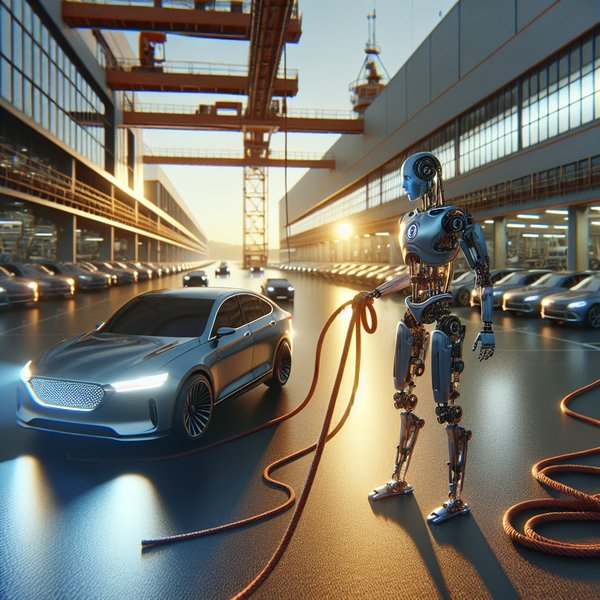
|
|||||
| Mobileye to acquire humanoid robotics startup Mentee for $900 million | https://finance.yahoo.com/news/mobileye… | 1 | Jan 23, 2026 08:00 | active | |
Mobileye to acquire humanoid robotics startup Mentee for $900 millionURL: https://finance.yahoo.com/news/mobileye-acquire-humanoid-robotics-startup-211433670.html Description: LAS VEGAS, Jan 6 (Reuters) - Mobileye Global on Tuesday said it would acquire humanoid robotics startup Mentee Robotics for about $900 million, as the Israeli self-driving technology firm bets on what Content:
Oops, something went wrong LAS VEGAS, Jan 6 (Reuters) - Mobileye Global on Tuesday said it would acquire humanoid robotics startup Mentee Robotics for about $900 million, as the Israeli self-driving technology firm bets on what it sees as the next frontier of artificial intelligence. Mobileye stock rose 12% in early trading on Wednesday. The deal highlights the overlap between autonomous driving and robotics, where similar sensing, perception and decision-making technologies underpin the emerging field of embodied AI. Interest in humanoid robotics, in particular, is surging, driven by the idea that human-like forms can better adapt to existing warehouses, factories and complex settings, helping to ease labor shortages and boost productivity. Intel spun out its computer vision business RealSense last year to speed expansion into robotics. It also remains the largest shareholder in Mobileye with about a 23% stake. Amnon Shashua, who serves as the CEO of Mobileye, cofounded Mentee Robotics and is the startup's co-CEO. Mentee raised about $21 million in a funding round in March, valuing the startup at roughly $162 million, according to PitchBook data. The company counts Cisco and Samsung's VC arms among its investors. Tesla, Figure AI, Agility Robotics and several Chinese startups are among the companies racing to develop two-legged robots capable of performing a wide range of tasks. Tesla CEO Elon Musk expects humanoid robots to become the company's largest business in the long term. The deal, announced at the CES technology show in Las Vegas, brings together Mobileye's software, sensing and safety systems for self-driving cars with Mentee's development of general-purpose humanoid robots. Mentee Robotics says it bypasses the need for massive real-world data collection to train the robot by transforming a single human demonstration into millions of virtual repetitions. First proof-of-concept deployments with customers are expected in 2026, with series production and commercialization targeted for 2028. It added that the transaction, subject to customary closing conditions, is expected to close in the first quarter of 2026. (Reporting by Akash Sriram in Bengaluru and Abhirup Roy in Las Vegas; Editing by Vijay Kishore) Sign in to access your portfolio
Images (1): 
|
|||||
| Themes Humanoid Robotics ETF (BOTT US) - Portfolio Construction Methodology … | https://www.etfstrategy.com/bott_us/ | 1 | Jan 23, 2026 08:00 | active | |
Themes Humanoid Robotics ETF (BOTT US) - Portfolio Construction Methodology | ETF Strategy - ETF StrategyURL: https://www.etfstrategy.com/bott_us/ Description: The underlying Solactive Global Humanoid Robotics Index targets global all-cap equities exposed to humanoid, service and industrial robotics. Content:
Themes Humanoid Robotics ETF (BOTT US) – Portfolio Construction Methodology The underlying Solactive Global Humanoid Robotics Index targets global all-cap equities exposed to humanoid, service and industrial robotics. The index universe comprises constituents of the Solactive GBS Developed Markets All Cap, South Korea All Cap and China All Cap indices with minimum 1- and 6-month ADVT of USD 1,000,000 and a single most liquid share class per issuer, subject to a 60% liquidity buffer for existing lines. Solactive’s ARTIS natural language processing identifies companies generating at least 50% of revenue from defined humanoid robotics value-chain segments, scores their thematic relevance and removes non-theme names. Securities are ranked by score; the top 6 always qualify, existing members ranked 7–36 are retained, and additional names are added until 30 constituents are reached. Constituents receive relevance-based weights derived from rank, then are capped at 4.5% each. The index is reconstituted and rebalanced quarterly on the first Wednesday of February, May, August and November. To explore BOTT in more depth, visit our ETF analytics platform for institutional-grade insights — including performance and risk metrics, correlations, sensitivities, and factor exposure: https://www.etfstrategy.com/etf/BOTT_US Comments are closed. Use of this website is subject to the terms of our disclaimer, cookies statement and privacy policy. By continuing to browse the site, you are indicating your acceptance of these terms.
Images (1): 
|
|||||
| Chinaâs SuperTac Sensor Enables Human-Like Touch in Humanoid Robots - … | https://www.gizmochina.com/2026/01/21/c… | 1 | Jan 22, 2026 16:00 | active | |
Chinaâs SuperTac Sensor Enables Human-Like Touch in Humanoid Robots - GizmochinaDescription: Chinaâs SuperTac sensor gives robots human-like touch, boosting humanoid AI and reshaping the global China vs US robotics race. Content:
Researchers at Chinaâs Tsinghua Universityâs Shenzhen International Graduate School have developed a next-generation tactile sensor called SuperTac. The project involved collaboration with multiple domestic and international institutions and was inspired by the unique visual structure of pigeon eyes. The research aims to solve one of roboticsâ biggest challenges: enabling robots to sense touch with human-like precision and understanding. The study was published on January 15 in Nature Sensors under the title âBiomimetic Multimodal Tactile Sensing Enables Human-like Robotic Perception.â As embodied intelligence advances, robots are moving beyond controlled factory floors into human-centered environments. This shift demands high-resolution tactile sensing, multimodal perception, and better interpretation of physical contact. Current tactile sensors still struggle with limited resolution and weak data fusion, making touch one of the main bottlenecks in robotic perception. SuperTac is a multimodal, high-resolution tactile sensor that combines multispectral imaging (from ultraviolet to mid-infrared) with triboelectric sensing signals. Its ultra-thin, multi-layer sensing skin allows micrometer-level resolution and can detect force, contact position, temperature, proximity, and vibration. The system can identify material type, texture, slippage, collision, and even color with over 94% accuracy. To process this complex tactile data, the team developed DOVE, an 850-million-parameter tactile language model. DOVE enables robots to interpret touch information in a more human-like way, significantly improving environmental understanding and manipulation accuracy. The SuperTac breakthrough also reflects the broader ChinaâUS humanoid AI competition. China is currently ahead in robot hardware, sensors, and large-scale deployment, supported by strong manufacturing and fast research-to-product cycles. The US, meanwhile, leads in AI software, foundation models, and autonomous intelligence, driven by companies like Tesla, Figure AI, and Boston Dynamics. In the short term, China may dominate physical humanoid deployment, while long-term leadership will depend on who best combines advanced hardware with powerful AI brains. SuperTac has already been integrated into robotic dexterous hands, enabling real-time tactile feedback. Looking ahead, this technology could transform manufacturing, medical robotics, and service robots, bringing the industry closer to robots that can truly see, think, and feel like humans. Read More: (via)
Images (1): 
|
|||||
| Billionaire Masayoshi Son’s SoftBank Deepens AI Push With $5.4 Billion … | https://www.forbes.com/sites/iansayson/… | 1 | Jan 22, 2026 00:04 | active | |
Billionaire Masayoshi Son’s SoftBank Deepens AI Push With $5.4 Billion ABB Robotics DealDescription: SoftBank's acquisition of ABB's robotics unit reflects billionaire Masayoshi Son's renewed interest in robots. The company was behind the development of humanoid, Pepper, which was unveiled in 2014. Content:
ByIan Sayson, Forbes Staff. SoftBank Group—controlled by Japan’s richest person, Masayoshi Son—has agreed to buy the robotics unit of Swiss industrial giant ABB Ltd. for $5.4 billion, deepening the Japanese company’s AI push. “SoftBank’s next frontier is physical AI,” Son, chairman and CEO of Softbank, said in a statement. “Together with ABB Robotics, we will unite world-class technology and talent under our shared vision to fuse artificial super intelligence and robotics—driving a groundbreaking evolution that will propel humanity forward.” The acquisition, expected to be completed by mid to late 2026, follows SoftBank’s set up earlier this year of Robo HD, a new holding company that owns its robotics assets. Over a dozen portfolio companies from Agile Robots SE and Skild AI were moved to Robo HD, which analysts say is an indication of Son’s renewed interest in robotics. Son’s earlier interest in robotics led to the creation of Pepper, a humanoid unveiled in 2014 but its production was halted later after demand waned. SoftBank is also invested in technologies aimed at advancing industrial automation and logistics. “SoftBank will be an excellent new home for the business and its employees,” ABB CEO Morten Wierod said in the statement. “ABB and SoftBank share the same perspective that the world is entering a new era of AI-based robotics and believe that the division and SoftBank’s robotics offering can best shape this era together.” ABB’s robotics business—which employs 7,000 people spread in manufacturing hubs in China, the US and Sweden—booked $313 million in EBITDA on $2.3 billion revenue in 2024, compared with $385 million and $2.5 billion in 2023. With a net worth of $67.4 billion based on Forbes real-time data, Son, 68, is pouring billions of dollars into AI, including his investment in the $500 billion Stargate AI infrastructure project in the U.S., in partnership with OpenAI, Oracle and MGX.
Images (1): 
|
|||||
| Fall-safe bipedal robot enables real-world reinforcement learning | https://interestingengineering.com/ai-r… | 1 | Jan 21, 2026 16:01 | active | |
Fall-safe bipedal robot enables real-world reinforcement learningURL: https://interestingengineering.com/ai-robotics/hybridleg-bipedal-robot-reinforcement-learning Description: HybridLeg robots Olaf and Snogie use impact-safe design and self-recovery to enable scalable, real-world hardware reinforcement learning. Content:
From daily news and career tips to monthly insights on AI, sustainability, software, and more—pick what matters and get it in your inbox. Access expert insights, exclusive content, and a deeper dive into engineering and innovation. Engineering-inspired textiles, mugs, hats, and thoughtful gifts We connect top engineering talent with the world's most innovative companies. We empower professionals with advanced engineering and tech education to grow careers. We recognize outstanding achievements in engineering, innovation, and technology. All Rights Reserved, IE Media, Inc. Follow Us On Access expert insights, exclusive content, and a deeper dive into engineering and innovation. Engineering-inspired textiles, mugs, hats, and thoughtful gifts We connect top engineering talent with the world's most innovative companies We empower professionals with advanced engineering and tech education to grow careers. We recognize outstanding achievements in engineering, innovation, and technology. All Rights Reserved, IE Media, Inc. The hybrid leg uses a five-bar linkage with 12 motors, placing most near the pelvis to cut leg mass and improve dynamic walking models. Researchers in the US developed bipedal robots with a new design, the HybridLeg platform, to advance reinforcement learning.Featuring a lantern-shaped, sensorized mechanical cover, these robots can safely handle whole-body contact. To tackle the inherent instability of humanoids, Univeristy of Illinois’ Kinetic Intelligent Machine LAB (KIMLAB) developed a protective design that mitigates fall impacts and allows autonomous recovery to a standing posture, enabling self-reset after each trial. Combined with multimodal fall detection and enhanced stance phase tracking, this platform paves the way for robust, long-horizon, real-world reinforcement learning experiments. A video, shared by KIMLAB, details an innovative untethered bipedal robot featuring a unique “hybrid leg” mechanism. While traditional humanoid robots typically use serial linkages to mimic human anatomy, this design combines the biological familiarity of serial linkages with the mechanical advantages of parallel linkages, such as higher speeds, lower inertia, and superior payload-to-weight ratios. The Hybridleg is a parallel linkage mechanism in which each link consists of a serial chain, forming a five-bar closed linkage. The robot utilizes 12 motors for actuation, with a significant design choice to concentrate 10 of them near the pelvis, leaving only 2 at the ankles. This configuration drastically reduces distal mass, which minimizes the negative impact of swing leg dynamics and allows for more accurate physics modeling using reduced-order models like the linear inverted pendulum As a fully self-contained, untethered platform, the robot houses all necessary components—including a single-board computer, IMU, voltage converter, and LiPo batteries—within its body. The presentation concludes by demonstrating the robot’s capabilities through various walking experiments. The large-scale bipedal robot demonstrates how a hybrid mechanical design can push humanoid locomotion toward greater agility, strength, and efficiency. Detailed in a recent paper, the robot is built around the HybridLeg mechanism, a novel approach that combines serial and parallel structures to deliver six degrees of freedom per leg while maintaining low inertia and a large workspace. The design enables faster motion, higher payload capacity, and improved dynamic performance—key requirements for agile bipedal walking. To further enhance structural rigidity and precision, the latest version of the HybridLeg is fabricated using carbon fiber tubes and high-precision bearings, allowing the structure to support its own weight without sacrificing accuracy. A pair of HybridLegs is assembled into a full bipedal platform using a custom pelvis design inspired by human biomechanics. The pelvis incorporates a yaw angle offset, similar to the toe-out angle in human feet, to expand the reachable workspace of the feet and improve overall stability. Simulation results detailing workspace and velocity ranges are validated through hardware experiments, confirming close agreement between theory and practice. The robot stands 1.84 meters tall—taller than the average human—while weighing just 29 kilograms (64 pounds). Despite its size, it can be driven by the same class of servo motors typically used in smaller humanoid robots, highlighting the efficiency of the hybrid mechanism and optimized structural design. The paper provides a detailed explanation of the mechanical architecture, along with full kinematic analysis and analytical solutions. Performance validation encompasses multi-body dynamics simulations, as well as preliminary hardware experiments, including squatting and in-place walking motions. According to researchers, a simple forward walking demonstration further confirms the feasibility of the approach. Together, these results position the Hybrid Leg-based biped as a promising platform for future research in humanoid locomotion, scalable robot design, and real-world dynamic walking experiments. Jijo is an automotive and business journalist based in India. Armed with a BA in History (Honors) from St. Stephen's College, Delhi University, and a PG diploma in Journalism from the Indian Institute of Mass Communication, Delhi, he has worked for news agencies, national newspapers, and automotive magazines. In his spare time, he likes to go off-roading, engage in political discourse, travel, and teach languages. Premium Follow
Images (1): 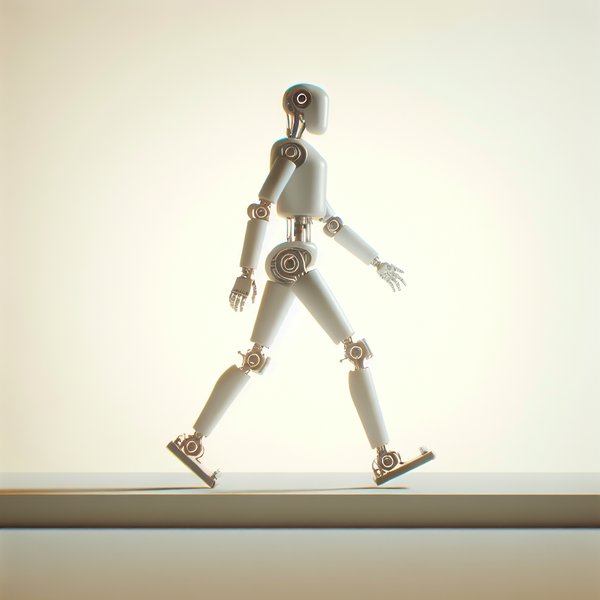
|
|||||
| The influence of individual characteristics on children’s learning with a … | https://www.nature.com/articles/s41598-… | 1 | Jan 21, 2026 16:01 | active | |
The influence of individual characteristics on children’s learning with a social robot versus a human | Scientific ReportsDescription: The field of child-robot interaction (CRI) is growing rapidly, in part due to demand to provide sustained, personalized support for children in educational contexts. The present study uses a within-subject design to compare how children between 5 and 8 years of age (n=32) interact with a robot and human instructor during a tangram learning task. To assess how the children’s characteristics may influence their behaviors with the instructors, we correlated interaction metrics, such as eye gaze, social referencing, and vocalizations, with parent-reported scales of children’s temperament, social skills, and prior technology exposure. We found that children gazed more at the robot instructor and had more instances of social referencing toward a research assistant in the room while interacting with the robot. Age was related to task time completion, but few other individual characteristics were related to behavioral characteristics with the human and robot instructors. When asked about preferences and perceptions of the instructors after completing the tangram tasks, children showed a strong preference for interacting with the robot. These findings have implications for the integration of social technologies into educational contexts and suggest individual differences play a key role in understanding how children will uniquely respond to robots. Content:
Thank you for visiting nature.com. You are using a browser version with limited support for CSS. To obtain the best experience, we recommend you use a more up to date browser (or turn off compatibility mode in Internet Explorer). In the meantime, to ensure continued support, we are displaying the site without styles and JavaScript. Advertisement Scientific Reports , Article number: (2026) Cite this article 554 Accesses 1 Altmetric Metrics details We are providing an unedited version of this manuscript to give early access to its findings. Before final publication, the manuscript will undergo further editing. Please note there may be errors present which affect the content, and all legal disclaimers apply. The field of child-robot interaction (CRI) is growing rapidly, in part due to demand to provide sustained, personalized support for children in educational contexts. The present study uses a within-subject design to compare how children between 5 and 8 years of age (n=32) interact with a robot and human instructor during a tangram learning task. To assess how the children’s characteristics may influence their behaviors with the instructors, we correlated interaction metrics, such as eye gaze, social referencing, and vocalizations, with parent-reported scales of children’s temperament, social skills, and prior technology exposure. We found that children gazed more at the robot instructor and had more instances of social referencing toward a research assistant in the room while interacting with the robot. Age was related to task time completion, but few other individual characteristics were related to behavioral characteristics with the human and robot instructors. When asked about preferences and perceptions of the instructors after completing the tangram tasks, children showed a strong preference for interacting with the robot. These findings have implications for the integration of social technologies into educational contexts and suggest individual differences play a key role in understanding how children will uniquely respond to robots. Please contact the corresponding author, Allison Langer, at Allison.langer@temple.edu for access to de-identified data files. Belpaeme, T. et al. Guidelines for designing social robots as second language tutors. Int. J. Soc. Robot. 10, 325–341 (2018). Google Scholar Johal, W. Research trends in social robots for learning. Curr. Robot. Rep. 1(3), 75–83 (2020). Google Scholar Johal, W., Castellano, G., Tanaka, F. & Okita, S. Robots for learning. Int. J. Soc. Robot. 10, 293–294 (2018). Google Scholar Van den Berghe, R., Verhagen, J., Oudgenoeg-Paz, O., Van der Ven, S. & Leseman, P. Social robots for language learning: A review. Rev. Educ. Res. 89(2), 259–295 (2019). Google Scholar Belpaeme, T., Kennedy, J., Ramachandran, A., Scassellati, B. & Tanaka, F. Social robots for education: A review. Sci. Robot. 3(21), 5954 (2018). Google Scholar Conti, Daniela, Cirasa, C., Di Nuovo, S. & Di Nuovo, A. Robot tell me a tale! A social robot as tool for teachers in kindergarten. Interact. Stud. 21(2), 220–242 (2020). Google Scholar Fong, Frankie TK., Sommer, Kristyn, Redshaw, Jonathan, Kang, Jemima & Nielsen, Mark. The man and the machine: Do children learn from and transmit tool-use knowledge acquired from a robot in ways that are comparable to a human model?. J. Exp. Child Psychol. 208, 105148 (2021). Google Scholar Papadopoulos, I. et al. A systematic review of the literature regarding socially assistive robots in pre-tertiary education. Comput. Educ. 155, 103924 (2020). Google Scholar Zhexenova, Z. et al. A comparison of social robot to tablet and teacher in a new script learning context. Front. Robot. AI. 7, 99 (2020). Google Scholar Serholt, S., Ekström, S., Küster, D., Ljungblad, S. & Pareto, L. Comparing a robot tutee to a human tutee in a learning-by-teaching scenario with children. Front. Robot. AI. 9, 836462 (2022). Google Scholar Tolksdorf, N.F., Mertens, U. “Beyond words: Children’s multimodal responses during word learning with a social robot”. In International Perspectives on Digital Media and Early Literacy. Routledge 90-102 (2020) Admoni, H. & Scassellati, B. Social eye gaze in human-robot interaction: A review. J. Human-Robot Interact. 6(1), 25–63 (2017). Google Scholar Serholt, Sofia, Barendregt, W. Robots tutoring children: Longitudinal evaluation of social engagement in child-robot interaction. In Proc. 9th Nordic Conference on Human-Computer Interaction. (2016). Mwangi, Eunice, N. Gaze-based interaction for effective tutoring with social robots. (2020). Sim, Gavin & Bond, R. Eye tracking in child computer interaction: Challenges and opportunities. Int. J. Child-Comput. Interact. 30, 100345 (2021). Google Scholar Walle, Eric A., Reschke, P. J. & Knothe, J. M. Social referencing: Defining and delineating a basic process of emotion. Emot. Rev. 9(3), 245–252 (2017). Google Scholar Tolksdorf, N.F., Crawshaw, C.E., Rohlfing, K.J. Comparing the effects of a different social partner (social robot vs. human) on children’s social referencing in interaction. Front. Educ. Front. Med. SA 5 (2021). Tolksdorf, Nils F., Viertel, F. E. & Rohlfing, K. J. Do shy preschoolers interact differently when learning language with a social robot? An analysis of interactional behavior and word learning. Front. Robot. AI 8, 676123 (2021). Google Scholar Di Dio, C. et al. Shall i trust you? From child–robot interaction to trusting relationships. Front. Psychol. 11, 469 (2020). Google Scholar Baxter, P., De Jong, C., Aarts, R., de Haas, M., Vogt, P. The effect of age on engagement in preschoolers’ child-robot interactions. In Proc. Companion of the 2017 ACM/IEEE Int. Conf. Human-Robot Interact. (2017). Van Straten, C. L., Peter, J. & Kühne, R. Child–robot relationship formation: A narrative review of empirical research. Int. J. Soc. Robot. 12(2), 325–344 (2020). Google Scholar Neumann, M. M., Koch, L. C., Zagami, J., Reilly, D. & Neumann, D. L. Preschool children’s engagement with a social robot compared to a human instructor. Early Child. Res. Quart. 65, 332–341 (2023). Google Scholar Wilson J. R, Aung P.T, Boucher I. “When to help? A multimodal architecture for recognizing when a user needs help from a social robot”. In International Conference on Social Robotics. Cham (Springer Nature. Switzerland, 2022) Barry, Ruby-Jane., Neumann, M. M. & Neumann, D. L. Individual differences and young children’s engagement with a social robot. Comput. Hum. Behav.: Artif. Hum. 4, 100139 (2025). Google Scholar Kanero, J. et al. Are tutor robots for everyone? The influence of attitudes, anxiety, and personality on robot-led language learning. Int. J. Soc. Robot. 14(2), 297–312 (2022). Google Scholar Nasvytienė, Dalia & Lazdauskas, T. Temperament and academic achievement in children: A meta-analysis. Eur. J. Investig. Health Psychol. Educ. 11(3), 736–757 (2021). Google Scholar Raptopoulou, Anastasia, Komnidis, A., Bamidis, P. D. & Astaras, A. Human–robot interaction for social skill development in children with ASD: A literature review. Healthc. Technol. Lett. 8(4), 90–96 (2021). Google Scholar Flanagan, T., Wong, G. & Kushnir, T. The minds of machines: Children’s beliefs about the experiences, thoughts, and morals of familiar interactive technologies. Dev. Psychol. 59(6), 1017 (2023). Google Scholar Andries, V. & Robertson, J. Alexa doesn’t have that many feelings: Children’s understanding of AI through interactions with smart speakers in their homes. Comput. Educ.: Artif. Intell. 5, 100176 (2023). Google Scholar Mott, T., Bejarano, A., Williams, T. Robot co-design can help us engage child stakeholders in ethical reflection. In 2022 17th ACM/IEEE International Conference on Human-Robot Interaction (HRI). (IEEE, 2022). Rubegni, E., Malinverni, L., Yip, J. Don’t let the robots walk our dogs, but it’s ok for them to do our homework: Children’s perceptions, fears, and hopes in social robots. In Proc. 21st Annual ACM Interaction Design and Children Conference (2022). de Jong, C., Peter, J., Kühne, R. & Barco, A. Children’s intention to adopt social robots: A model of its distal and proximal predictors. Int. J. Soc. Robot. 14(4), 875–891 (2022). Google Scholar Leyzberg, D., Spaulding, S., Toneva, M., Scassellati, B. The physical presence of a robot tutor increases cognitive learning gains. In Proc. Annual Meeting of the Cognitive Science Society 34 34 (2012). Kirschner, D., Velik, R., Yahyanejad, S., Brandstötter, M., Hofbaur, M. YuMi, come and play with Me! A collaborative robot for piecing together a tangram puzzle." Interactive Collaborative Robotics. In 1st International Conference, ICR 2016, Budapest, Hungary, Proceedings 1. Springer International Publishing 24-26 (2016). Resing, W. C., Vogelaar, B. & Elliott, J. G. Children’s solving of ‘Tower of Hanoi’tasks: Dynamic testing with the help of a robot. Educ. Psychol. 40(9), 1136–1163 (2020). Google Scholar Zinina, A., Zaidelman, L., Kotov, A., Arinkin, N. The perception of robot’s emotional gestures and speech by children solving a spatial puzzle. Computational Linguistics and Intellectual Technologies. In Proc. International Conference. Dialogue 19 26 (2020). Yang, Yuqi, Langer, A., Lauren Howard, L., Peter J. Marshall P.J, Wilson J.R. Towards an ontology for generating behaviors for socially assistive robots helping young children. In Proc. AAAI Symposium Series 2(1) 213-218 (2023). Rothbart, M. K., Ahadi, S. A., Hershey, K. L. & Fisher, P. Investigations of temperament at three to seven years: The children’s behavior questionnaire. Child. Dev. 72(5), 1394–1408 (2001). Google Scholar Gresham, F., Elliott, S. N. Social skills improvement system (SSIS) rating scales. Bloomington, MN: Pearson Assessments (2008). Gülay Ogelman, H., Güngör, H., Körükçü, Ö. & Erten Sarkaya, H. Examination of the relationship between technology use of 5–6 year-old children and their social skills and social status. Early Child Dev. Care 188(2), 168–182 (2018). Google Scholar O’Reilly, Z., Roselli, C., Wykowska, A. Does exposure to technological knowledge modulate the adoption of the intentional stance towards humanoid robots in children? (2023). Kennedy, James, Baxter, Paul & Belpaeme, Tony. The impact of robot tutor nonverbal social behavior on child learning. Front. ICT. 4, 6 (2017). Google Scholar Nicolas, Sommet, Weissman, D. L., Cheutin, N. & Elliot, A. J. How many participants do I need to test an interaction? Conducting an appropriate power analysis and achieving sufficient power to detect an interaction. Adv. Method. Pract. Psychol. Sci. 6(3), 25152459231178730 (2023). Google Scholar van Straten, C. L., Peter, J. & Kühne, R. Transparent robots: How children perceive and relate to a social robot that acknowledges its lack of human psychological capacities and machine status. Int. J. Hum.-Comput. Stud. 177, 103063 (2023). Google Scholar Chernyak, N., & Gary, H. E. Children’s cognitive and behavioral reactions to an autonomous versus controlled social robot dog. In Young Children’s Developing Understanding of the Biological World 73-90 (Routledge, 2019). Kahn, P. H. Jr. et al. Robovie, you’ll have to go into the closet now: Children’s social and moral relationships with a humanoid robot. Dev. Psychol. 48(2), 303 (2012). Google Scholar Chen, Y. C., Yeh, S. L., Lin, W., Yueh, H. P. & Fu, L. C. The effects of social presence and familiarity on children-robot interactions. Sens. (Basel). 23(9), 4231 (2023). Google Scholar Almousa, Ohoud & Alghowinem, Sharifa. Conceptualization and development of an autonomous and personalized early literacy content and robot tutor behavior for preschool children. User Model. User-Adapt. Interact. 33(2), 261–291 (2023). Google Scholar Maaz, Nafisa, Mounsef, J. & Maalouf, N. CARE: Towards customized assistive robot-based education. Front. Robot. AI 12, 1474741 (2025). Google Scholar Langer, A., Marshall, P. J. & Levy-Tzedek, S. Ethical considerations in child-robot interactions. Neurosci. Biobehav. Rev. 151, 105230 (2023). Google Scholar Download references We would like to thank all the children and their families for participating in this project. A special thanks to our research assistants: Emily Peeks and Georgia May for their hard work on numerous aspects of this project including data collection and coding, Chelsea Rao for designing the robot behaviors and programming the interface, and Yuqi Yang for operating the robot and her assistance in data collection.This material is based upon work supported by the National Science Foundation Graduate Research Fellowship under Grant No. 2038235 and via the Franklin & Marshall Hackman Summer Research Scholars Fund. Temple University, Philadelphia, USA Allison Langer & Peter J. Marshall Franklin & Marshall College, Lancaster, USA Jason R. Wilson & Lauren Howard Search author on:PubMed Google Scholar Search author on:PubMed Google Scholar Search author on:PubMed Google Scholar Search author on:PubMed Google Scholar Allison Langer wrote the manuscript and prepared all the figures. All authors contributed substantially to reviewing and editing the manuscript and were involved in the study design. Lauren Howard led data collection and behavioral coding efforts, and Jason Wilson instructed all robot-related programming, extracted gaze data, and supplied the team with the Misty Robot. Allison performed data analyses in R. Peter Marshall provided compensation for the families in the study from research funds. Correspondence to Allison Langer. The authors declare no competing interests. Springer Nature remains neutral with regard to jurisdictional claims in published maps and institutional affiliations. Open Access This article is licensed under a Creative Commons Attribution-NonCommercial-NoDerivatives 4.0 International License, which permits any non-commercial use, sharing, distribution and reproduction in any medium or format, as long as you give appropriate credit to the original author(s) and the source, provide a link to the Creative Commons licence, and indicate if you modified the licensed material. You do not have permission under this licence to share adapted material derived from this article or parts of it. The images or other third party material in this article are included in the article’s Creative Commons licence, unless indicated otherwise in a credit line to the material. If material is not included in the article’s Creative Commons licence and your intended use is not permitted by statutory regulation or exceeds the permitted use, you will need to obtain permission directly from the copyright holder. To view a copy of this licence, visit http://creativecommons.org/licenses/by-nc-nd/4.0/. Reprints and permissions Langer, A., Wilson, J.R., Howard, L. et al. The influence of individual characteristics on children’s learning with a social robot versus a human. Sci Rep (2026). https://doi.org/10.1038/s41598-025-27476-x Download citation Received: 30 August 2024 Accepted: 04 November 2025 Published: 14 January 2026 DOI: https://doi.org/10.1038/s41598-025-27476-x Anyone you share the following link with will be able to read this content: Sorry, a shareable link is not currently available for this article. Provided by the Springer Nature SharedIt content-sharing initiative Advertisement Scientific Reports (Sci Rep) ISSN 2045-2322 (online) © 2026 Springer Nature Limited Sign up for the Nature Briefing: AI and Robotics newsletter — what matters in AI and robotics research, free to your inbox weekly.
Images (1): 
|
|||||
| Robot learns adaptive walking on uneven terrain using deep learning | https://interestingengineering.com/ai-r… | 1 | Jan 21, 2026 16:01 | active | |
Robot learns adaptive walking on uneven terrain using deep learningURL: https://interestingengineering.com/ai-robotics/quadruped-robot-learns-walking-simulation Description: Quadruped robot learns to walk on slippery terrain using deep reinforcement learning without human-coded gaits. Content:
From daily news and career tips to monthly insights on AI, sustainability, software, and more—pick what matters and get it in your inbox. Access expert insights, exclusive content, and a deeper dive into engineering and innovation. Engineering-inspired textiles, mugs, hats, and thoughtful gifts We connect top engineering talent with the world's most innovative companies. We empower professionals with advanced engineering and tech education to grow careers. We recognize outstanding achievements in engineering, innovation, and technology. All Rights Reserved, IE Media, Inc. Follow Us On Access expert insights, exclusive content, and a deeper dive into engineering and innovation. Engineering-inspired textiles, mugs, hats, and thoughtful gifts We connect top engineering talent with the world's most innovative companies We empower professionals with advanced engineering and tech education to grow careers. We recognize outstanding achievements in engineering, innovation, and technology. All Rights Reserved, IE Media, Inc. A robot dog learns adaptive walking on rough terrain using deep reinforcement learning trained fully in simulation. A quadruped robot has learned to walk across slippery, uneven terrain entirely through simulation, without any human-designed gaits or manual tuning. The system relies on deep reinforcement learning to adapt its movement in unpredictable environments. Legged robots are widely seen as useful tools for disaster response, exploration, and industrial inspection. However, traditional control methods struggle when surfaces change suddenly or terrain becomes unstable. These systems depend on precise physical models and predefined motion patterns, which often fail outside controlled settings. Deep reinforcement learning offers an alternative by allowing robots to learn from experience. But training instability and poor performance on unfamiliar terrain have limited its real-world use. Many learned controllers perform well only in the environments they were trained in. The study addresses these limitations by introducing a structured learning framework. Instead of exposing the robot to complex environments from the start, the system trains it gradually using a curriculum that increases terrain difficulty step by step. The quadruped robot learns to walk efficiently and maintain balance without any human intervention, showing strong adaptability to surfaces it has never encountered before. The robot is modeled with 12 degrees of freedom and controlled using a hierarchical structure. A high-level neural network policy runs at 10 Hz and generates target joint movements. These commands are executed by a low-level proportional-derivative controller running at 100 Hz to ensure stable and accurate motion. To understand its surroundings, the robot combines internal sensing with simulated vision. Proprioceptive inputs include joint angles, velocities, and body orientation. Exteroceptive data comes from a simulated depth camera that provides local terrain heightmaps, slope estimates, and friction information. Training uses the proximal policy optimization algorithm. The reward function balances several objectives, including forward speed, stability, smooth motion, low energy use, and reduced foot slippage. This multi-objective setup encourages natural walking behavior rather than rigid or inefficient movement. A four-stage curriculum plays a central role. Training begins on flat ground, then progresses to slopes, rough terrain, low-friction surfaces, and finally mixed environments with added sensor noise. This gradual increase allows the robot to build robust locomotion skills. Testing was carried out in the Webots simulator across multiple terrain types. The trained controller achieved forward speeds between 0.79 and 0.9 meters per second while maintaining low energy consumption and minimal slippage. Fall rates ranged from 0 percent on flat ground to 12 percent on low-friction terrain. The policy also generalized well to new environments, achieving a 94.6 percent success rate in Webots and 91.2 percent in the PyBullet simulator without retraining. Ablation studies showed that curriculum learning was critical. Models trained without it experienced higher fall rates and increased energy usage. In contrast, the full framework reduced falls to 5 percent and slippage to 4.2 percent. The robot also developed emergent behaviors during training. These included shifting weight laterally on slopes, shortening strides on rough ground, and stepping cautiously on slippery surfaces. None of these behaviors were explicitly programmed. Despite strong simulation results, the researchers note challenges in transferring the system to real-world robots. Hardware limitations, sensor inaccuracies, and environmental unpredictability remain obstacles. Future work will focus on reducing the sim-to-real gap using techniques like domain randomization and hybrid control systems. The study demonstrates that adaptive legged locomotion can emerge entirely from simulation, bringing autonomous robots closer to real-world deployment.The study appears in the journal Scientific Reports. With over a decade-long career in journalism, Neetika Walter has worked with The Economic Times, ANI, and Hindustan Times, covering politics, business, technology, and the clean energy sector. Passionate about contemporary culture, books, poetry, and storytelling, she brings depth and insight to her writing. When she isn’t chasing stories, she’s likely lost in a book or enjoying the company of her dogs. Premium Follow
Images (1): 
|
|||||
| Figure 03: ecco il robot in grado di scegliere gli … | https://www.tecnoandroid.it/2026/01/01/… | 1 | Jan 21, 2026 08:00 | active | |
Figure 03: ecco il robot in grado di scegliere gli indumentiDescription: È stato diffuso un video che ritrae il robot Figure 03 intento a scegliere maglie per gli utenti. Ecco i dettagli. Content:
@2022 - All Right Reserved. Designed and Developed by PenciDesign Davanti a tre contenitori di magliette di taglie differenti, Figure 03 non esita. Il robot individua quella richiesta e la porge con precisione. Un gesto semplice, eppure capace di mostrare ciò che oggi distingue i dispositivi umanoidi più avanzati: l’integrazione tra visione, linguaggio e azione. Il robot della startup californiana Figure AI è stato progettato per compiti pratici in ambienti controllati. E il suo ultimo modello segna un passo significativo rispetto al passato. Il robot è alto circa 1,68 metri, con rivestimenti in tessuto e imbottiture in schiuma per limitare i rischi negli incontri con gli esseri umani. Il dispositivo è più leggero del 9% rispetto ai predecessori, dotato di altoparlanti più potenti e di ricarica wireless nei piedi. Ciò con un’autonomia di circa cinque ore. Ogni funzione, dalla voce alla manipolazione degli oggetti, è pensata per rendere più fluide le interazioni. Anche se le risposte vocali richiedono ancora due-tre secondi, interrompendo la naturalezza del dialogo. Il segreto delle sue capacità è Helix, il modello Vision-Language-Action di Figure AI, che collega ciò che il robot percepisce, comprende e compie. Tale sistema consente a Figure 03 di passare rapidamente dalla comprensione di una richiesta verbale alla sua esecuzione pratica. Come nel caso della consegna delle magliette. Presentato ufficialmente nell’ottobre 2025, Figure 03 si propone come assistente robotico per attività di pick-and-place, con applicazioni in contesti domestici e professionali. Le innovazioni introdotte rispetto ai modelli precedenti mostrano come i robot umanoidi stiano riducendo il divario tra capacità tecniche e interazione con l’uomo. Il video social che ha immortalato la dimostrazione ha acceso discussioni e curiosità. Evidenziando, in tal modo, tanto le potenzialità quanto i limiti di un robot destinato a diventare sempre più familiare negli ambienti quotidiani. Figure 03 non è solo tecnologia: è un’anticipazione di come gli umanoidi potrebbero entrare nelle nostre vite quotidiane nei prossimi anni. Ciao sono Margareth, per gli amici Maggie, la vostra amichevole web writer di quartiere. Questa piccola citazione dice già tanto di me: amo il cinema, le serie tv, leggere e cantare a squarciagola i musical a teatro. Se a questo aggiungiamo la passione per la fotografia e la tecnologia direi che è facile intuire perché ho deciso di studiare e poi lavorare con la comunicazione. 2012 – 2023 Tecnoandroid.it – Gestito dalla STARGATE SRLS – P.Iva: 15525681001 Testata telematica quotidiana registrata al Tribunale di Roma CON DECRETO N° 225/2015, editore STARGATE SRLS. Tutti i marchi riportati appartengono ai legittimi proprietari. Questo articolo potrebbe includere collegamenti affiliati: eventuali acquisti o ordini realizzati attraverso questi link contribuiranno a fornire una commissione al nostro sito.
Images (1): 
|
|||||
| Ce robot Figure AI fait du footing avec ses créateurs … | https://pix-geeks.com/robot-figure-ai-f… | 0 | Jan 21, 2026 08:00 | active | |
Ce robot Figure AI fait du footing avec ses créateurs et c'est flippantURL: https://pix-geeks.com/robot-figure-ai-footing/ Description: Les robots humanoïdes ne progressent plus par petites touches. Ils changent d’échelle. La dernière démonstration de Figure AI en est une illustration frap... Content: |
|||||
| Chez Figure AI, des employés partent en footing avec leur … | https://www.presse-citron.net/chez-figu… | 1 | Jan 21, 2026 08:00 | active | |
Chez Figure AI, des employés partent en footing avec leur robot humanoïdeDescription: Figure AI enchaîne les démonstrations pour prouver lâagilité de son robot humanoïde. Cette fois-ci, son fondateur partage une vidéo de footing avec des employés. Content:
Figure AI enchaîne les démonstrations pour prouver lâagilité de son robot humanoïde. Cette fois-ci, son fondateur partage une vidéo de footing avec des employés. Grâce à leur capacité à automatiser une variété de tâches, en usine et à la maison, les robots humanoïdes font partie des marchés les plus prometteurs du secteur de la tech. Et parmi les sociétés qui pourraient devenir leader de ce marché, il y a Figure. Régulièrement, Brett Adcock, fondateur de cette startup, publie des vidéos qui mettent en avant les progrès de son robot humanoïde. Et, récemment, celui-ci a partagé une vidéo qui montre lâagilité de ce robot pour la course à pied. âAnnonce d’un nouveau programme de remise en forme chez Figureâ, a-t-il écrit dans sa publication, dont la vidéo montre un groupe dâemployés faire un footing avec le robot. Announcing new fitness program at Figure pic.twitter.com/0PcGljahL1 â Brett Adcock (@adcock_brett) January 15, 2026 Tout en gagnant en agilité, le robot humanoïde de Figure devient aussi de plus en plus intelligent. Celui-ci a fait parler de lui en 2025 grâce à des vidéos sur lesquelles on voit le robot exécuter de nouvelles tâches ménagères quâil a apprises. Et, récemment, Brett Adcock a également présenté un système de recharge par induction qui permet au robot de se recharger juste en étant debout sur une plateforme. Figure 03 is capable of wireless inductive charging Charging coils in the robotâs feet allow it to simply step onto a wireless stand and charge at 2 kW In a home setting, this means the robot can automatically dock and recharge itself as needed throughout the day There was⦠pic.twitter.com/xigMEhKg85 â Brett Adcock (@adcock_brett) January 8, 2026 Cette année pourrait être décisive pour le développement des robots humanoïdes. Dans une autre publication, le fondateur de Figure prédit quâen 2026, âles robots humanoïdes effectueront des tâches non supervisées, sur plusieurs jours, dans des maisons qu’ils n’ont jamais vues auparavant, entièrement pilotés par des réseaux neuronaux.â Pour rappel, lâun des concurrents de Figure, 1X, prévoit de commercialiser son robot Neo dès cette année. Alors que la plupart de ses concurrents se concentrent sur les applications industrielles, 1X a fait le choix de cibler les usages domestiques. 4 predictions in 2026: 1. Humanoid robots will perform unsupervised, multi-day tasks in homes theyâve never seen before – driven entirely by neural networks. These tasks will span long time horizons, going straight from pixels to torques 2. Electric vertical takeoff and landing⦠â Brett Adcock (@adcock_brett) January 1, 2026 Pour le moment, les robots humanoïdes sont un tout petit marché. Dâaprès les chiffres dâOmdia, relayés par Forbes, 13 317 unités auraient été âexpédiéesâ en 2025. Cependant, ces expéditions pourraient presque doubler, chaque année, pour atteindre les 2,6 millions d’unités en 2035. ð Pour ne manquer aucune actualité de Presse-citron, suivez-nous sur Google Actualités et WhatsApp. Newsletter ð Abonnez-vous, et recevez chaque matin un résumé de lâactu tech J'ai lu et accepte les termes et les conditions états-unishumanoïde [ Source ] Sur le même sujet Comment le fils de Donald Trump dédie sa vie à parier sur lâactualité Pourquoi les sous-marins russes sont-ils les seuls à avoir été conçus en titane ? Historique : Wall Street se modernise, la Bourse va tourner 24/7 sans ouverture ni clôture Elon Musk dégaine déjà son chéquier pour influencer les prochaines élections américaines ILLIMITà 20 Go 5,99 ⬠ILLIMITà 350 Go 19,99 ⬠Mode Suivez-nous Mode Suivez-nous
Images (1): 
|
|||||
| Humanoid Robots Building Airplanes: Airbus Buys 6-Figure Robots From UBTech | https://www.forbes.com/sites/johnkoetsi… | 1 | Jan 20, 2026 00:03 | active | |
Humanoid Robots Building Airplanes: Airbus Buys 6-Figure Robots From UBTechDescription: Robots will be building airplanes soon, if a new deal between Airbus and UBTech Robotics is any indicator ... Content:
ByJohn Koetsier, Senior Contributor. Airbus is dipping its toes into the humanoid robot workforce with a purchase of China-based UBTech’s robots, according to Bloomberg. The European airplane manufacturer is apparently going to try to put humanoid robots on the assembly line, as the deal includes a plan to work together with UBTech on integrating robots into the airplane-building process. Airbus ordered UBTech’s Walker S2, a full-size humanoid that stands 176 cm tall (5’9"), weighs 70 kg (154 lbs), and walks at about two meters/second (4.5 mph). It has dextrous hands with 11 degrees of freedom and tactile sensors, and can hold 7.5 kg (16.5 lbs) in each hand and 1 kg (2.2 lbs) with each finger. The Walker S2 can also hot-swap its own batteries, and UBTech said in November of 2025 it was the first humanoid robot to be able to do so. Particularly useful for production environments, the Walker S2 can pivot on its waist almost 180 degrees, enabling it to quickly move components or work on other parts without shifting its feet. There is an external emergency stop button and power switch, located on the robot’s back. UBTech has already shipped about 1,000 humanoid robots, putting it in third place behind Agibot and Unitree for shipments globally and ahead of western robotics manufacturers like Figure AI, Agility Robotics, Tesla, Apptronik, and Hyudai-owned Boston Dynamics. It’s also ahead of European humanoid robot companies like Neura Robotics, based in Berlin, and the newly-funded Generative Bionics, which is based in Italy. UBTech is targeting a production capacity of 5,000 industrial humanoid robots this year, and 10,000 for 2027, and as of November 2025 said that it had already sold $112 million worth of humanoid robots. If the reported production numbers are correct, that would indicate an average six-figure price tag for each humanoid: $112,000 each. That price should fall quickly as UBTech scales production over the next few years. The companies did not announce details of the agreement, including the number of robots purchased or pricing. Almost certainly this is an initial deal for demonstration and testing purposes. I’ve asked Airbus if the company is also buying and testing humanoid robots from European manufacturers, and will update this story as the company responds. The Bank of America has estimated that mass adoption of humanoid robots will start in 2028. Because it’s so significant to labor costs and manufacturing capability, humanoid robot development is the “space race of our time,” says Apptronik CEO Jeff Cardenas, which has raised hundreds of millions of dollars. If so, China is half-way to the moon, and other countries have some catching up to do.
Images (1): 
|
|||||
| Robots learn complex tasks with help from AI | News … | https://engineering.yale.edu/news-and-e… | 1 | Jan 19, 2026 16:00 | active | |
Robots learn complex tasks with help from AI | News | Yale EngineeringURL: https://engineering.yale.edu/news-and-events/news/robots-learn-complex-tasks-help-ai Description: Robots master complex moves like backflips using AI and hybrid control theory, learning to combine skills efficiently through optimal control methods. Content:
Experience See the campus, culture, and people that make Yale Engineering a top-ranked program. Experience Overview > Study Explore our engineering disciplines and degree programs that shape tomorrow's innovators. Study Overview > Research / Faculty Discover our strategic Areas of Impact where pioneering faculty are driving breakthroughs in today's most critical fields. Research / Faculty Overview > News / Events Excitement pulses through every corner of our campus daily. Stay connected with the latest engineering breakthroughs, stories and events. News / Events Overview > About Learn about our leadership, vision and commitment to excellence in engineering education. About Overview > When it comes to training robots to perform agile, single-task motor skills, such as hand-stands or backflips, artificial intelligence methods can be very useful. But if you want to train your robot to perform multiple tasks—say, performing backward flip into a hand-stand—things get a little more complicated. “We often want to train our robots to learn new skills by compounding existing skills with one another,” said Ian Abraham, assistant professor of mechanical engineering. “Unfortunately, AI models trained to allow robots to perform complex skills across many tasks tend to have worse performance than training on an individual task.” A dog-like robot from Abraham’s lab executes a controlled flip, demonstrating how hybrid control theory enables smooth transitions between learned motor skills. Think of how we learn new skills or play a sport. We first try to understand and predict how our body moves, then eventually movement becomes muscle memory and so we need to think less. To solve for that, Abraham’s lab is using techniques from optimal control—that is, taking a mathematical approach to help robots perform movements in the most efficient and optimal way possible. In particular, they’re employing hybrid control theory, which involves deciding when an autonomous system should switch between control modes to solve a task. One use of hybrid control theory, Abraham said, is to combine the different methods in which robots learn new skills. These include, for instance, methods of learning from experience with reinforcement learning, or through model-based learning in which robots plan their actions through observing. The trick is getting the robot to switch between these modes in the most effective way so that it can perform high-precision movements without losing performance quality. “Think of how we learn new skills or play a sport,” he said. “We first try to understand and predict how our body moves, then eventually movement becomes muscle memory and so we need to think less.” Abraham and his research team applied methods from hybrid control theory to a dog-like robot, training it to successfully balance and then flip over As part of the robot training, AI methods are used to develop the more challenging motor skills that require whole-body precision. Hybrid control theory is then leveraged to schedule and synthesize the various mechanisms for robots to learn diverse motors skills to gain more complex, compounding behaviors. Ideally, this could lead to robots working in homes and other unstructured environments. “If a robot needs to learn a new skill when deployed, it can draw from its arsenal of learning modality, using some level of planning and reasoning to ensure safety and its success in the environment, with on-the-job experience,” Abraham said. “Once a certain level of confidence is achieved, the robot can then use the more specialized learned skills to go above and beyond.” Nov 20, 2025 Computer Science Mechanical Engineering Artificial Intelligence Robotics for Humanity AI, rat whiskers, and robots in the wild: Talking with Ian Abraham Yale Engineering's top 10 stories of 2025 Copyright © 2026 Yale University. All rights reserved.Website designed and developed by WORX.
Images (1): 
|
|||||
| CEO de Nvidia, Jensen Huang, respalda a Serve Robotics | https://www.pasionmovil.com/investigaci… | 1 | Jan 19, 2026 08:00 | active | |
CEO de Nvidia, Jensen Huang, respalda a Serve RoboticsDescription: Jensen Huang de Nvidia respalda a Serve Robotics. Analistas proyectan crecimiento del 77% en acciones para 2026. Conoce los detalles de esta apuesta. Content:
El CEO de Nvidia, Jensen Huang, ha expresado públicamente su entusiasmo por una compañía de inteligencia artificial que está revolucionando la industria de la robótica: Serve Robotics. Esta empresa, dedicada al desarrollo de robots autónomos de entrega, ha captado la atención no solo del líder de Nvidia, sino también de importantes analistas de Wall Street que proyectan un crecimiento explosivo para sus acciones durante 2026, con estimaciones que sugieren un incremento potencial del 77%. La admiración de Jensen Huang hacia Serve Robotics no es casual. La compañía ha demostrado capacidades tecnológicas sobresalientes en el desarrollo de sistemas de navegación autónoma y algoritmos de inteligencia artificial aplicados a la logística de última milla. Cabe destacar que Nvidia mantiene una relación estratégica con diversos fabricantes de robótica, proporcionando sus procesadores especializados para aplicaciones de IA, lo que convierte el respaldo de Huang en un indicador relevante sobre el potencial de la empresa. Los analistas de Wall Street han identificado una oportunidad de mercado valorada en aproximadamente $450 mil millones de dólares para el sector de robótica de entrega. Las acciones de Serve Robotics han experimentado movimientos significativos en meses recientes, con incrementos superiores al 25% en diversas jornadas durante diciembre de 2025 y enero de 2026. Sin embargo, este comportamiento también refleja la volatilidad característica de empresas emergentes en sectores tecnológicos de alto crecimiento. El interés institucional ha aumentado considerablemente, especialmente tras anuncios de expansión operativa y nuevas asociaciones estratégicas que fortalecen su posición competitiva en el mercado de entregas autónomas. A decir verdad, la proyección del 77% de crecimiento para 2026 representa una apuesta ambiciosa pero fundamentada en el potencial disruptivo de la tecnología de Serve Robotics. Sin lugar a dudas, el respaldo explícito de figuras como Jensen Huang añade credibilidad al proyecto, aunque los inversionistas deben considerar los riesgos inherentes a empresas en etapas tempranas de desarrollo. La combinación de inteligencia artificial avanzada, robótica autónoma y un mercado en expansión podría convertir a esta compañía en uno de los jugadores más relevantes del sector durante los próximos años. Fuente: Yahoo Utilizamos cookies para ofrecerte la mejor experiencia en nuestra web. No compartimos tu información con nadie, simplemente queremos que navegues normalmente sin tener que rellenar formularios en cada visita. Puedes aprender más sobre qué cookies utilizamos o desactivarlas en los ajustes. Esta web utiliza cookies para que podamos ofrecerte la mejor experiencia de usuario posible. La información de las cookies se almacena en tu navegador y realiza funciones tales como reconocerte cuando vuelves a nuestra web o ayudarnos a comprender qué secciones de la web encuentras más interesantes y útiles. Nunca almacenamos información personal. Tienes toda la información sobre privacidad, derechos legales y cookies en nuestra página de privacidad y cookies. Las cookies estrictamente necesarias tiene que activarse siempre para que podamos guardar tus preferencias de ajustes de cookies. Esta web utiliza Google Analytics para recopilar información anónima tal como el número de visitantes del sitio, o las páginas más populares. Dejar esta cookie activa nos permite mejorar nuestra web.
Images (1): 
|
|||||
| Agile Robots Completes $30M Investment Round - Pandaily | https://pandaily.com/agile-robots-compl… | 0 | Jan 18, 2026 08:00 | active | |
Agile Robots Completes $30M Investment Round - PandailyURL: https://pandaily.com/agile-robots-completes-30m-investment-round/ Description: Intelligent robotics developer Agile Robots has recently completed a financing round totaling $30 million led by Foxconn Industrial Internet. Content: |
|||||
| The Art of Talking to Your Computer with Python CLI … | https://medium.com/top-python-libraries… | 0 | Jan 17, 2026 16:00 | active | |
The Art of Talking to Your Computer with Python CLI CommandsDescription: Every developer eventually realizes: typing python script.py is the digital equivalent of casting a spell. The computer listens, obeys, and—if you’re lucky ... Content: |
|||||
| Why MIT switched from Scheme to Python – Wisdom And … | https://www.wisdomandwonder.com/link/21… | 1 | Jan 17, 2026 16:00 | active | |
Why MIT switched from Scheme to Python – Wisdom And WonderURL: https://www.wisdomandwonder.com/link/2110/why-mit-switched-from-scheme-to-python Description: Costanza asked Sussman why MIT had switched away from Scheme for their introductory programming course, 6.001. This was a gem. He said that the reason that happened was because engineering in 1980 … Content:
Wisdom And Wonder Equanimity Λ Computing Costanza asked Sussman why MIT had switched away from Scheme for their introductory programming course, 6.001. This was a gem. He said that the reason that happened was because engineering in 1980 was not what it was in the mid-90s or in 2000. In 1980, good programmers spent a lot of time thinking, and then produced spare code that they thought should work. Code ran close to the metal, even Scheme — it was understandable all the way down. Like a resistor, where you could read the bands and know the power rating and the tolerance and the resistance and V=IR and that’s all there was to know. 6.001 had been conceived to teach engineers how to take small parts that they understood entirely and use simple techniques to compose them into larger things that do what you want. But programming now isn’t so much like that, said Sussman. Nowadays you muck around with incomprehensible or nonexistent man pages for software you don’t know who wrote. You have to do basic science on your libraries to see how they work, trying out different inputs and seeing how the code reacts. This is a fundamentally different job, and it needed a different course. So the good thing about the new 6.001 was that it was robot-centered — you had to program a little robot to move around. And robots are not like resistors, behaving according to ideal functions. Wheels slip, the environment changes, etc — you have to build in robustness to the system, in a different way than the one SICP discusses. And why Python, then? Well, said Sussman, it probably just had a library already implemented for the robotics interface, that was all. (via wingolog) So the reason, basically, is that software today is a train wreck, and you might as well embrace helplessness and random tinkering from the start? Horrifying. Unbelievable. I don’t know about 6.001, but if is a introductory course for non software engineers / CSers, I totally agree: practical reasons… This is a shame. I’ve been reading their introductory programming course, because I felt that using C or something higher (mostly VB in my case) is quick, but does not teach you how to be what I call a ‘real programmer’, and it doesn’t. Reading their Scheme-based course is an eye-opener. I see the reasoning behind their move to Python, which may have more immediate application and even make more sense to someone who does not have a background in CS, but really, it will only further the financial interests of MIT. I can’t help but feel someone Higher Up (duh duh duuuhhhhh) has pushed this on them. MIT will now churn out countless applications programmers. Half decent ones I am sure, but not the kind of full-on nerds that make the *very best* programmers. There seems to be such a divorce between systems and hard mathematical programmers on one hand, and applications programmers on the other. But regardless, programmers who have been raised on really, really geeky stuff are the best ones. EOF. 😉 I started with Pascal and BASIC, moved on to 80×86 assembly and *then* went to C and C++. I spent my school years breaking the school systems and finding out how they worked. These days I would say that I am a very bad programmer (though lack of practice), but I am still a million times better than someone who has been taught using only Java or Python, because I have a basic but functional knowledge of PCs and a feel for the workings of hardware and limitations of systems. Going back to Scheme and Python: When I started reading their course using Scheme, and I saw the way it worked, it was like I had come to the top of a mountainous pass and suddenly saw the blue-green vista of endless, verdant fields stretching away before me. That is a feeling I have not had in the last 10 years with regards programming and it is a crying shame that forthcoming MIT first-years will not have the same degree of understanding. It’s not about doing things, it’s about being able to do them. Anyone who knows how can write a brilliant programme, but if you are not apprised of The Way, then you will *have* to settle for mediocrity. Python is better at teaching introductory and deeper knowledge. Scheme is a must know but Python is practical, but attracts many smart programmers because of the ability to prototype quickly and understand the problem at hand not the mountain of ramp up that scheme can do. I agree with this and look at it this way, it could have been worse, it could have been Java. Python is by far my favorite language I can use to prototype and developer real world applications from desktop, web, system admin, services, game development and many other things. Plus CS grads will be familiar still with lambdas, tuples, lists as they are used in CS, dictionaries and they will start out with a clean dictated style. Python I believe will continue to win out over Java definitely but more and more scientific and academic support. Pathetic. Now even MIT is pandering to the “But I won’t ever use language X on a REAL job crowd”. This is ridiculous and I expect better from an institution like MIT. Seriously, our programs need to be teaching students concepts first (Data structures, Information Architecture, Systems Thinking, How to judge code quality based on merits – like ease to produce, maintain, understand, performance, etc) and how to express those concepts using the various families of languages out there later. Choose the language that expresses the concepts you’re going to teach with the least noise. Since I’m partial to starting with data and data structures, Scheme & the elegance through which it expresses the concept of recursion is my pick. “You have to do basic science on your libraries to see how they work, trying out different inputs and seeing how the code reacts” This is a bizarre argument. Empirical “science” testing of your libraries is more or less required in a dynamic scripting language like Python, where the type system is extremely poorly defined, no compiler is available, and the closest substitute is vast unit test coverage. Michael Lang: did you read the blognpost that you are responding to? Your claim of why MIT switched language is at odds with the professor’s claim. Do you intend to call him a liar? Kip Mailer: standard Scheme also has a dynamic type system. The trouble with python as the first language people see is that it is inherently confusing. There are three different kinds of things that “do stuff”, not just functions, but also operators and statements (and lambdas, but that’s not taught at first). Parentheses are badly confusing to beginners. Consider: >>> max(3,5) 5 >>> print(3,5) (3, 5) >>> print 3,5 3 5 >>> max 3,5 Syntax error: invalid syntax # because print is a statement, whereas max is a builtin function. Huh? >>> a = () >>> print a () >>> a = (3,5) >>> print a (3,5) >>> a + (7,9) (3,5,7,9) >>> a + (7) TypeError: can only concatenate tuple (not “int”) to tuple # Because that’s arithmetic parens, not tuple parens >>> a + (7,) (3,5,7) Is it any wonder people who learn python first come to be afraid of parentheses? get over yourself Walkingbeard. Programming languages should never be taught in class. There is no engineering in programming languages. Familiarity with a Programming Languages can be achieved by reading online manual or a book. Concepts like Data Structures, System’s thinking are ideal for class room teaching. You need a language or how do you create and manipulate these? How do you learn how to make them actually work? You just inform students ahead of time about what language will be used. And get to real business on lectures. You just use it, students will teach themselves about the syntax and other details. I took 6.001 at MIT. I also took 6.099, the experimental python-version of 6.001 when they needed guinea pigs to fool around with their new robots. The politics behind the switch were nasty, you wont ever get good answers from a faculty member about this ( observe sussman’s dark wit above). That said, the new course was slaved over by folks like Ableson and Kaebling who did their best to produce an adequate successor to scheme – 6.001. the mostly likely one liner explanation for the switch: authority insists a change from scheme ; python supports anonymous lambda functions – sussman appeased; python is well supported; python is interpreted…which means a lesser mind might confuse it with scheme; teaching c as an introductory language would destroy that special moment every MIT student gets to experience when his first boss reviews those first 1000 lines of c he committed and starts to say: “let me show you something they didnt teach you in your C course” … and the newbie responds … “hah, they dont teach that at MIT. Im just really fucking hardcore” Gregory, no offence but… “Parentheses are badly confusing to beginners. Consider:” exhibit a: ))))))))))))) The thing about Python tuples is that simply having a , makes it a tuple. Same with unicode just u’. It takes away much of the verboseness of Java. It also is much more simple than C. Again, allowing the user to focus on the problem at hand making the language a tool not another obstacle. The beauty of encountering Scheme in 6.001 was that it broadened your mind and changed your thinking, like it or not. This is the hallmark of great education, no matter what the field. Not everyone realized or appreciated it at the time; it took years for me to have my epiphany. I doubt it would ever have happened without my experiences with Scheme. I’m sure that Abelson and co. are trying their hardest to do with Python what they did easily with Scheme. I have serious doubts that they can provide the same kind of educational experiences that they used to. The students are probably bright enough to overcome it eventually, but something of real value has been lost. JLR, While I agree whole heartedly, I think it is worth mentioning that the fundamental ideas behind lisp based programming are preserved in Sussman’s two classes, Computational Mechanics and Adventures in Symbolic Programming (6.945). Most course 6ers are proactive enough to seek out classes like these to delve deeper into worthy topics. Thrusting SICP material onto uninterested students is all weve really lost with python-6.001. Weve gained a pretty comprehensive and practical introduction to systems engineering. Kids who care can still get to the original material in other courses. Please excuse the “get off my lawn” moment, but in my day, Course 6-3 (CS) was all about computer science, and 6.001 provided the groundwork for that. Software engineering was relegated to one class, 6.170. “Engineering” was something that course 6-1 (EE) did, and if we had to sit through 6.002 and God help us 6.003, then they could suck it up and deal with 6.001. Computer science was the whole idea, and I don’t think people should have to be in the position of having to seek it out. That being said, I am actually fairly ignorant of the current state of affairs, so I could be overstating things. hah…alright I concede! Of course I was (am?) one of those cop out 6-2ers, which makes me something of a not-a-real computer scientist and not-a-real hardware engineer. I tool on fpgas now….go figure. for the record, I liked 6.099 when I took it. Although the original version devoted about 1/3 of the course to 6.003 material. I’ll admit that programming robots does sound like fun. Of course, if I were to do it now, I’d use Haskell 🙂 One thing I loved about learning 6.001 in Scheme was that it easily and unconsciously twisted my mind into a purely functional way of thinking. We went six weeks without being taught the “set” command, so it was impossible to change the value of a variable. It’s amazing how much we could do with purely functional programming, and 6.001 taught us to think of the cleaner, functional approach *first*. Today I code mostly in C++, and it’s sad that without unnamed lambda expressions and closures, I program by constantly manipulating state. But in reality, most modern programming languages focus on manipulating state, so perhaps the 6.001 approach was quaint but outdated? Python has generators, lambdas, closures, and purely run-time types, so despite the enormous syntax difference, it actually has a lot in common with Scheme. It’s surely a better choice than Java or C++. When Sussman talks about robustness, I think this is what he means: http://groups.csail.mit.edu/mac/users/gjs/6.945/readings/robust-systems.pdf Maybe when Clojure is more mature, they’ll switch back to a Lisp. Scheme was great for folks who had programmed before. When I took 6.001, it was the first language I’d ever seen. Bad times. Took me years to learn to actually do anything. I had to laugh out loud at the “Python parentheses are confusing” comment. If that’s not Lisp=based satire, it’s damn close. Between learning CS or programming concepts/skills and a practical language, universities always have to strike a balance. Too much conceptual stuff, and you get research material, but not good for the industry; too much practical stuffs, and you become a vocational institute where your grads are one-trick ponies. > Parentheses are badly confusing to beginners. Consider:?)))))))))))))” Yes, this seems to be what non-lispers have trouble with until they realize just how helpful those parens are. Good tool support, e.g. paredit, is enough to overcome this. > The thing about Python tuples is that simply having a , makes it a tuple. It would be a might easier to teach if that were true, i.e. if this weren’t the case: >>> a = (,) SyntaxError: invalid syntax > The thing about Python tuples is that simply having a , makes it a tuple. Same with unicode just u?. It takes away much of the verboseness of Java. It also is much more simple than C. Again, allowing the user to focus on the problem at hand making the language a tool not another obstacle. Yes, this is what makes python worth criticizing. > Python has generators, lambdas, closures, and purely run-time types, so despite the enormous syntax difference, it actually has a lot in common with Scheme. I’m curious, could someone show me how to write (with-timeout 10 (lambda () foo) (lambda () timeout-handler)) using generators? They seem closer to iterators, but I’m a python newbie myself and may not have understood generators well enough. lambdas are one-liners only, are not very clearly delimited from their surroundings, and if I understand correctly will be getting removed from the language. closures are problematic: def make_bisector(initial_low,initial_high): low = initial_low high = initial_high mid = mean(low,high) def bisector(too_low): if too_low: low = mid else: high = mid mid = mean(low,high) return mid return bisector The = operator is used for both let and set!, so python here makes the decision that the = in the if implies a let at the level of the bisector function, rather than at the level of make_bisector. What one does in python is to use either a hash or an object to store low, mid, and high, but I think it’s hard for python to claim that it has useful closures here. The enormous syntax difference makes a difference. I’m currently teaching computing to students who have never programmed, and of necessity one must have some language to do it in, and MIT 6.00 uses python too, despite no robots. One of the biggest confusions is about return values vs. side effects (like printing), of course, but another was just between different kinds of things returning, and the order that things happen. I mentioned this before, but the syntax really gets in your way here. Operators take arguments to either side and return a value. Functions are on the left, and they use parens. Statements are on the left and they abhor parens (or rather, treat them as tuple parens, as in my print example). I have watched over and over my students’ eyes light up in understanding when I take the python syntax for a = 3 + max(5,8) and transform it to =(a, +(3, max(5,8))). They are not bothered by the “)))”. > I had to laugh out loud at the ?Python parentheses are confusing? comment. If that?s not Lisp=based satire, it?s damn close. I’m delighted to entertain. Grem Sorry, meaningful whitespace doesn’t always do well with indentation: def make_bisector(initial_low,initial_high): ~~low = initial_low ~~high = initial_high ~~mid = mean(low,high) ~~def bisector(too_low): ~~~~if too_low: ~~~~~~low = mid ~~~~else: ~~~~~~high = mid ~~~~mid = mean(low,high) ~~~~return mid ~~return bisector b = make_bisector(0,32) print b(True) print b(False) print b(True) Gives a syntax error: mid used before it is assigned. Ryan: “… it could have been worse, it could have been Java.” It is worse. 6.01 and 6.02 don’t teach all that much of what was in 6.001. The remainder of that has in theory been put in 6.005, “Principles of Software Development” … which uses Java. To paraphrase Wolfgang Pauli, for this purpose Java is not even wrong. I’ll note that this removes a “service subject” from the EECS department. A lot of people outside the department who had no interest in EE and who only wanted to learn computer science (as opposed to just programming) used to take 6.001, and now there is nothing for them in the department’s offerings (e.g. 6.005 has 6.01 as a prerequisite and 6.042J Mathematics for Computer Science as a corequisite). As for Sussman’s comment “…it probably just had a library already implemented for the robotics interface…”, well, no probably about it, it indeed uses just such a library. The politics behind all this are perhaps illustrated by the fact they have finished the purge of Scheme/LISP from the basic curriculum by switching the AI course (6.034) to Python. (I knew they were going to do this and a quick look at the course’s web site indicates it’s done; BTW, does anyone (good) in the real world do AI in Python???). Ah well. Gregory: Python 3.0 introduces the ‘nonlocal’ keyword to solve that problem. See here for more information: http://www.python.org/dev/peps/pep-3104/ You can also change the definition of bisector to the following to have it work: def bisector(too_low, mid=mid, low=low, high=high): I had several MIT grads in the developer training course I used to teach for a large software development company. They were bright, but the practicality (or lack thereof) of their programming education often left them far behind their classmates. I congratulate them for the soaring vistas they enjoyed when they first groked Scheme. So did I, when I learned it. But back here on planet Earth, we have software to develop to make the world a better place, and it’s not being done in Scheme. i appricate MITs dicision Gregory: I don’t think this issue is related to whitespace. Steven’s solution will remove the error, but will not give you what you want. You’re fighting Python’s object-oriented style. I think you’d want something like: http://pastebin.com/m2a457acf class Bisector: def mean(self,a,b): return (a+b)/2 def __init__(self,initial_low,initial_high): self.low = initial_low self.high = initial_high self.mid = self.mean(self.low,self.high) return def __call__(self,too_low): if too_low: self.low = self.mid else: self.high = self.mid self.mid = self.mean(self.low,self.high) return self.mid b = Bisector(0,32) print b(True) print b(False) print b(True) The only computer language ever giving me an hard on where SuperBasic on a Sinclair QL. Normal basic never had that appeal to me peek , poke whatever but it was much easier to do without looking through an LIBRARY to add some functionality to your code. Python ? well it works for today the learning curve is easy for beginners the fact of knowing what you want to import like any other language with the need of including something is annoying making the learn curve steep again. Going up a mountain could be hard , Decent from it even harder but the trip could be worthwhile. I second Schuyler’s Bisect class, except for the use of __call__. Not only are you pretending to be a simple function, you’re also returning a result (implying you have no side effect). As this particular case seems to need the side effect and the result, the next best thing is to find a method name that implies them both. Very good decision! All the difficulty this thread is having getting the bisector defined suggests that we still have a wee way to go. Who’d have imagined it more than 50 years after the invention of Fortran and Lisp… RIP 6.001 i’m from National University of Singapore, my lecturer was from MIT scheme class. And the teaching staff actually used scheme to create a library for us to program robots. We didn’t have to change to python If you don’t learn C, how in the H#ll can you be a CS magor? C is the mother tongue of all modern application languages, and YES you will learn how to use pointers. Dale Wilbanks: Yes, well, that’s the point of Joel Spolsky’s essay “The Perils of JavaSchools”, which says among other things that you really need to grok pointers and recursion. “If you don’t learn C, how in the H#ll can you be a CS magor?” — I was a 6-3/CS major at MIT and they never taught us C and I’ve done just fine. Languages you can pick up yourself by reading a manual. It’s the fundamental concepts behind all languages that they’re better off teaching. Unbelievable. I think software is now more of a crash site, not of our aircraft but of alien origin. You have so many things lying around but not quite really sure how to use them effectively until you dedicate your lifetime. Having actually taken, and aced, the now departed 6.001, I can say something meaningful about the course. It wasn’t about scheme, it was about what you could do with it. The more advanced software engineering course, 6.034 used something called CLU. I doubt anybody’s ever heard of it, but who cares. Computer science courses should teach fundamentals, and they probably should vary the language every few years if only to emphasize that it is primarily the approach to solving problems that really matters. Of course, that does NOT mean I want to go back to F77. But I could if I had to. Nobody ever accused MIT of producing bad programmers, even if they used languages that were not commercially prevalent. It’s a real shame that “.001” is gone. Actually, what I wrote isn’t strictly true. There was this whole debate about the “MIT approach” vs. the “NJ approach”, but those who know this also know there are merits to both. BTW, even when they taught 6.001, there were still courses available in Fortran and C. It is an error to say that C is not taught at MIT. I believe it was part of the Civil Engineering Dept at the time. I’m not going to look it up. I’m too lazy 🙂 This debate is silly. It is the “should we offer Latin since it is a dead language” debate. Fact of the matter is that you can learn about programming using any language. It’s the teaching and problem solving that’s important. Ubu Walker: I don’t think you understand what MIT is trying to accomplish with its EECS majors or the time constraints in a university course (13 weeks of instruction in a semester for MIT). In those contexts the choice of a language is very important. If you want to teach some functional programming you’d best not choose something like Java. You don’t want to spend a lot of time teaching syntax and solving syntax problems, so languages like Scheme and Python are good. I was saddened at first, as a Lisp hacker. But even in “my day”, most students complained about using Scheme the whole time. Only a fraction “got it”. Anyway, the 6.001 crew will be inspirational in Python. I doubt the students will lose much. The ones that get Lisp will still learn it. Many will be inspired to do so by the course. It is too bad to not be able to use SICP, as that was a truly great book. But times change. Well, students complained about every other course as well. I’m not sure where you get the idea that only a few people got it. The drop rate would have been a great deal higher were that true. Yet by the time of the eighth lab or so, most people were still in the course and attending lectures and recitations, so I would dispute the claim that \most people didn’t get it\ based on simple survival analysis. @Ubu: I disagree about “any language”. The language can get in the way – and I doubt machine code is a good language for this. A functional language has the most fundamentally rich concepts, and is appropriate at somewhere like MIT. Python is better than some, but it obscures some fundamental concerns. (And both obscure some fundamental concerns by being dynamically typed – concepts have important static structure in the real world.) Michael, sorry, I didn’t mean that students didn’t get 6.001, they did. I mean most students didn’t get the Lisp bug. But the purpose of the course isn’t to give us the Lisp bug, but to teach us programming, which most students got. Talk about a time lag – picking up a conversation seven months later. I still think that most got it – even the lisp side. Changing sides for a second, I think there were two places where people “got off the bus”. The first was at the mention of lambda. A fair # of People really were confused about how to properly employ anonymous functions. But based on % of people asking at recitation sections, maybe only 25% had this issue, and they had sorted it out. A larger number left (in spirit) during the metacircular evaluator assignment. Why take the time to write lisp in lisp? We already have it! It was a fairly long assignment that came at a time when all the other courses were getting tough as well. All said though, I still think dropping Scheme was a loss and a mistake. I really felt it served our goals well to think about programming rather than syntax. And the syntax was simple – it was just functions, and we “understand” functions well from our math classes. “Times” don’t change. People make decisions. there aren’t bad “times”, just bad cultures or bad institutions, or bad groupthink. “Times” didn’t change; we as a society decided to abandon an approach to programming where scheme/lisp would have excelled. I don’t like blaming “times” because it is a very bad figure of speech; it lets us blame circumstance instead of investigating the causes of group decision making. Ridiculous. Reading this, you’d think that scheme was a prerequisite to good programming. Come off it. The world is full of examples of excellent software, written by excellent programmers, with a myriad of backgrounds, many who’ve never written a line of scheme. Changing from scheme to python will make little or no difference to the outcomes of this course. The talented will be just as taltented regardless of the playground. If talent were the only issue, I’d have no problem with what jobbly is saying. First of all, Python came along well after scheme and absorbed some of its good ideas. So, it would not be surprising that we can obtain the same results. However, it is not simply identification of programming talent that is the objectives of this course. Scheme met the needs of a computer course well because one could get to the computer science ideas quickly without being mired down in programming details. It’s not simply a matter of “getting the job done” or “identifying talent”. A first year computer science course needs to meet the intellectual needs of the class, too. In other words, it needs to have a certain amount of elegance too. Now, I have not seen python so I cannot comment if this is elegant, but I reject your notion that all languages are equivalent for a first year computer science course. They could still do it in Fortran, and your logic would hold just fine. But they don’t, and for a good reason. Scheme was my first programming language in my Intro to CompSci class at the U. of Chicago in 1993. I was a second year undergrad at the time, and I had 0 experience with programming prior to that, and had learned to use email and Word a few months before. Our text was Abelson and Sussman. Needless to say…despite being pretty mathematically inclined, it kicked my ass. And the use of Scheme as the learning medium/tool did not help matters. The class was tough enough, the problem sets grueling and in some cases mind blowingly hard, but Scheme with its’ bare bones interface and joke level debugging did not help matters. I often spent more time being a good code technician than actually trying to solve the core problems being posed (8 queens problem anyone?) Python is an excellent teaching language. The interactive prompt is a nice tool for the students to use for experimentation and for me to demonstrate programming constructs in class. Python teaches good formatting habits. When my students use a free-format language and I tell them to observe good formatting conventions, they are trained to expect good formatting and they just do it. Python’s syntax is simple. It allows my students to focus on semantics instead of syntax. Python offers the additional benefit that is it a powerful tool and an excellent general-purpose programming language. I applaud MIT’s decision. We have been using Python since 2004 at NCSSM. It is interesting to see lots of others climbing aboard. What book does M.I.T use to teach python to their first year’s? We began using Python as a first programming language at the North Carolina School of Science and Mathematics in 2004. Our first course is a course in procedural programming, which uses Python objects as smart data types. Here are some benefits we have seen 1. Python’s grammar is simple. Hello world is print “Hello, World” or print (“Hello, World”) in Python 3. The students are not left bewildered by traffic jams of arcane keyworks. Python’s whitespace delimitation causes beginners to develop good formatting habits that last. There are not great piles of parentheses to wade through There are powerful libraries that do hosts of useful stuff. It supports the functional, imperative and OO paradigms but forces none of them on you. We like it a great deal. All introductory languages are intuitive at the start and have their nice features. It’s how easily you put the elements together that determines the true sense of a language. Syntactic sugar is sweet but fattening. I worry about non-issues like how to space things or matching parentheses. That’s my text editor’s job. I think succumbing to popular fads was a bad idea. I think a great deal of the assignments were made easier because we could start by solving problems without having to spend time on the syntax of the language. That said, Python was probably the best choice, given the regrettable decision to leave Scheme. I don’t agree. Coming with heavy assembly, C, C++ background Scheme was a train crash for me. I think Scheme is a beautiful tiny language with 1 page language spec, yet powerful enough to do even OOP. If you teach it right it is the best language you can teach to an average Joe and makes him a “very good” programmer in any language he might encounter in the future. Within a few weeks your average Joe starts developing his own algorithms within 2 months he shuffles objects around, in 6 months starts writing his own compiler. This is way faster learning curve than C/C++. Yet once you master it you become a very good programmer, the rest is just about learning the sytax rules of any language they propose you. I still do C/C++ for living (mostly on realtime) but even now for mocking up a small algorithm I use Scheme. Python inherits a lot from Scheme except “the consistent” but a bit hard-on-the-eyes syntax of Scheme. Consistency is important for a starter because with his one page spec knowledge he can decode any expression he might encounter, without diving deep in to the thick language manual (e.g. ANSI C spec and any later C/C++ specs). One good thing on Python’s account perhaps is that it has lots of open source support libraries so for anything which requires interaction with the “real world” (including GUI, Web, custom hardware) is easier. I think I would teach Scheme first to teach about programming, then switch to Python (which is relatively easy), for real world then C/C++/Java is just something you pickup when you need it. MIT’s switch from Scheme/Lisp to Python was a surprising move, agreed, but it and the discussion above demonstrates that computer science and the programming languages that implement them (and are of course themselves manifestations of the latest in CS, or at least attempt to be) are a alive and well, and, half a century on, are growing rather than slowing their pace towards maturity. So let professionals and amateurs alike rejoice and enjoy working or dabbling in the field, in spite of the mess. In fact, challenges and opportunities arise from the mess. Or would anyone rather be an expert designer of steam locomotives or build analog electronic circuits around pentodes? The physics of steam and vacuum tubes and the engineering disciplines of of their machines and circuits are well settled, no surprises there. In other words, all maturity and no mess. What a shame they did not pick Ruby, but as someone here already pointed out, this is pushed by someone higher up. So many people in their ivory towers looking down on the world in idealistic bliss, drowning in the depth of their pool of ego. None have ever strayed near the real world with it’s deadlines and profit margins. Oh no. They make their own toys to play with. The other thing people forget about 6.001 is that it’s a course for engineers, taught by engineers. They simply used the best tool for the job. Now, 20 odd years later, new tools have been made and they are better than the old tools. It’s called progress! And now ‘industry’ is moving towards functional programming, which is exactly what you learn in SICP. You can also write apps in Racket/Scheme and deploy directly to Yandex cloud. 6.001 is still the best intro to comp science Thanks for the auspicious writeup. It in reality was once a enjoyment account it. Glance complex to more introduced agreeable from you! By the way, how can we communicate? SICP is back at MIT in the form of 6.037 which teaches a “condensed” version. http://web.mit.edu/alexmv/6.037/ You can actually develop professional programs in Scheme using Lambda Native. You write out the guts in Scheme then can automatically port to iOS, Blackberry, Android, OSX, Windows, BSD, Linux ect. Write one program, export many times. More and more industry languages are becoming Lisp like, such as Julia. I think in the end all of us will just be using some kind of optimized Lisp. I’m glad Knuth didn’t take MIXAL/MMIX out of The Art of Programming books. He uses the same defense claiming what would be the point of including the low level flavor of the day when he’d have to go back and constantly rewrite his books to update the language. He also once had to learn a half dozen different low level languages to build compilers back in the 60s/70s so if he can be fluent in a number of different languages any computer scientist can. You learn the fundamentals in one, then just pickup a “learn Python (or Assembler)” book and translate what you know already in a weekend, learning new syntax and libraries. @SchemeHax, SICP isn’t really “back” at MIT — note that course is during IAP (January winter vacation during which offbeat and experimental courses are offered, some led by fellow students, and aren’t part of any degree program or necessarily overseen by academic departments). Source: am MIT Alumnus python programming language is best programming language.It is very useful for career.most of the company using the python program.Python Training Institutes in Chennai To start, python has 0 value for CS. For intro to programming python/java/csharp/etc. are all equally horrific but can do the job. However, there are two languages every CS must have at least rudimentary knowledge of: schema/lisp and c/c++. Lisp was just few weeks as part of intro to AI. Wonder how my thinking&approach about programming could have been different granted I was introduced to scheme instead of C first !!! My 10 year old wants to learn Programming. Scheme or Python – which is it? Simple English please. Python for sure. Makes math super easy too if you get into it. the ideas of programing in SCIP is permanant. I should probably write my own blog post on the topic, but, in short — When I took computer science courses, in a school to the south of MIT not known traditionally for engineering, the core two courses were “programming” (taught in M68000 assembler) and “algorithms and data structures” (taught in pascal). That’s where you were supposed to learn “all the way down”. Interestingly, most students “didn’t get it”, especially algorithms and data structures, because they could copy from the book. They didn’t re-think the problem. I asked for – and was allowed – to submit all my problem sets in C, which means I had to re-code everything and use only the ideas in the book, not the code itself. Thus, I submit, that while the old world of understanding “all the way down” has greatly vanished, the idea of skating over the top of unknown libraries has been with us since the beginning. I didn’t get an A in that course, and I did become my TA’s worst nightmare because I quickly knew more C than they did, but I came out with an extraordinary knowledge of data structures that form the core of my professional practice to this day. There were no other programming courses. I remember the first day in Operating Systems. Tom said “the course is taught in C. Anyone not know C? If you don’t know C, go to (some particular) TA, they will help you get up to speed and be your resource, but if you know programming you can program in any language. Let’s begin Operating Systems.” It’s funny you mention Data Structures and Algorithms, because in High School I took a summer class at Harvard (it’s a school a little northwest of MIT) that was also taught in Pascal, then I went on to get a CS degree from MIT, but I always felt most of my day-to-day programming knowledge came from that one Data Structures class. Arrays, pointers, structures, sorting and searching, binary trees, heaps and stacks were never really taught in the MIT comp sci program, which was mostly about theory and handling complexity, but it’s the stuff you use every day as a programmer. Dear fellows, Out of the lambda-calculus/lisp/scheme way I can’t imagine how I would have be able to build a language allowing me to easily explore basic concepts like lambdas, booleans, pairs, lists, recursion,… and lots of funny algorithms. Certainly not following the Python way. I wonder what you think about such a project: http://lambdaway.free.fr/lambdawalks/?view=fromroots2canopy http://lambdaway.free.fr/lambdaspeech Alain Marty Your email address will not be published. Required fields are marked * Comment * Name * Email * Website Notify me of followup comments via e-mail. You can also subscribe without commenting. Δ
Images (1): 
|
|||||
| UK lab’s humanoid robots get NVIDIA grant to turn sound … | https://interestingengineering.com/ai-r… | 1 | Jan 17, 2026 08:00 | active | |
UK lab’s humanoid robots get NVIDIA grant to turn sound into motionURL: https://interestingengineering.com/ai-robotics/ucl-humanoid-robots-get-nvidia-grant Description: The research aims to achieve audio-driven interaction with humanoid robots using NVIDIA's compute resources. Content:
From daily news and career tips to monthly insights on AI, sustainability, software, and more—pick what matters and get it in your inbox. Explore The Most Powerful Tech Event in the World with Interesting Engineering. Stick with us as we share the highlights of CES week! Access expert insights, exclusive content, and a deeper dive into engineering and innovation. Engineering-inspired textiles, mugs, hats, and thoughtful gifts We connect top engineering talent with the world's most innovative companies. We empower professionals with advanced engineering and tech education to grow careers. We recognize outstanding achievements in engineering, innovation, and technology. All Rights Reserved, IE Media, Inc. Follow Us On Access expert insights, exclusive content, and a deeper dive into engineering and innovation. Engineering-inspired textiles, mugs, hats, and thoughtful gifts We connect top engineering talent with the world's most innovative companies We empower professionals with advanced engineering and tech education to grow careers. We recognize outstanding achievements in engineering, innovation, and technology. All Rights Reserved, IE Media, Inc. The research explores the use of audio-driven movement for humanoid robots. Chengxu Zhou, an associate professor in UCL Computer Science, has bagged an NVIDIA Academic Grant to support the latest endeavors to boost humanoid robots by focusing on real-time, audio-driven whole-body motion. The Robotics and AI professor will be supported with resources for both training and deployment through this grant. The resources include two NVIDIA RTX PRO 6000 GPUs and two Jetson AGX Orin devices. The addition of this result will enforce faster iteration and shorter training cycles, thereby reducing the time required between simulation and real-robot testing. NVIDIA awarded the grant as part of the Academic Grant Program, which provides compute resources to researchers working across different subject areas. Chengxu Zhou and his team are working on the Beat-to-Body project, which explores the possibilities of humanoids responding to sound with expressive, physically lausible, and safe whole-body movement. Instead of working with pre-scripted code, the system allows the humanoid robot to adapt to cues such as tempo, accents, and fluctuations in loudness, and to provide reactions. For instance, a consistent rhythm from clapping or music can guide a robot’s walking pace and body movements. At the same time, changes in the sound’s tone or intensity can create different styles of motion, ranging from quick, jerky steps to smooth, flowing movements. The goal is to enable the robot to react dynamically and adapt its behavior in real time as the audio evolves. The audio-first, on-robot execution plays a key role in this process. Researchers train at scale in simulation using GPU compute. In the meantime, the Jetson hardware enables low-latency inference directly on the robot, reducing reliance on offboard processing and enabling responsive reactions to sound cues. Zhou’s Beat-to-Body project aligns with a growing body of research exploring sound as a control signal for humanoid robots. A 2025 study demonstrated how robots can generate expressive locomotion and gestures directly from music and speech, without relying on predefined motion templates. Earlier work has shown that humanoids can synchronize dance movements to musical rhythm and emotion. Complementary research on audio-visual tracking has also enabled robots to localize and respond to sound sources, underscoring audio as an emerging, intuitive interface for human–robot interaction. Within the field of robotics, the project advances work on expressive, full-body movement and more intuitive human–robot interaction. In the near term, the technology could be used in interactive installations and performance-based settings. In the longer term, it may enable basic coordination among multiple robots using common audio signals. The work is being conducted at UCL’s Humanoid Robotics Lab, which specializes in machine learning, control systems, and interaction for humanoid robots. The next phase of the project will focus on expanding simulation-based training and testing early closed-loop, sound-responsive behaviors on a real humanoid robot. Atharva is a full-time content writer with a post-graduate degree in media & amp; entertainment and a graduate degree in electronics & telecommunications. He has written in the sports and technology domains respectively. In his leisure time, Atharva loves learning about digital marketing and watching soccer matches. His main goal behind joining Interesting Engineering is to learn more about how the recent technological advancements are helping human beings on both societal and individual levels in their daily lives. Premium Follow
Images (1): 
|
|||||
| Building a Multimodal AI Brain for the JetArm Robot - … | https://www.hackster.io/HiwonderRobot/b… | 1 | Jan 17, 2026 00:03 | active | |
Building a Multimodal AI Brain for the JetArm Robot - Hackster.ioURL: https://www.hackster.io/HiwonderRobot/building-a-multimodal-ai-brain-for-the-jetarm-robot-8accdc Description: See how the JetArm platform fuses vision, speech, and LLMs for autonomous decision-making—a practical guide to embodied AI. Find this and other hardware projects on Hackster.io. Content:
Add the following snippet to your HTML:<iframe frameborder='0' height='385' scrolling='no' src='https://www.hackster.io/HiwonderRobot/building-a-multimodal-ai-brain-for-the-jetarm-robot-8accdc/embed' width='350'></iframe> See how the JetArm platform fuses vision, speech, and LLMs for autonomous decision-making—a practical guide to embodied AI. Read up about this project on See how the JetArm platform fuses vision, speech, and LLMs for autonomous decision-making—a practical guide to embodied AI. Robotic arms are evolving beyond simple pre-programmed machines into systems capable of interpreting and responding to their environment. This project explores the implementation of a multimodal AI decision-making pipeline on a robotic manipulator, using a platform like JetArm as a practical testbed. We'll break down how integrating vision, speech, and large language models (LLMs) can enable more autonomous and interpretable task execution. The core of this advanced functionality is a system that fuses multiple sensory inputs, acting as the robot's "eyes, " "ears, " and "reasoning center." The true innovation lies not in the individual components, but in their orchestration. Let's trace the decision pipeline through a concrete example: "Keep the item that is the color of the sky, and remove the others." 1. Intent Understanding & Semantic Grounding The spoken command is converted to text via ASR and sent to the LLM. The model must interpret the natural language. It deduces that "the color of the sky" refers to "blue." The core intent is extracted: classify objects by color, retain blue ones, remove others. This step bridges human language and machine-actionable goals. 2. Task Planning & Scene Analysis The system now correlates this intent with the visual scene. The vision model provides a list of detected objects with their properties (color, location). The planner: 3. Motion Execution & Closed-Loop Control The high-level plan is converted into low-level actions. For each target object: This three-stage pipeline (Understand → Plan → Execute) allows the system to handle variations in object placement, phrasing of commands, and scene layout without being explicitly reprogrammed. For developers and students, implementing such a pipeline on a platform like JetArm offers profound learning opportunities: This project moves beyond theoretical AI and into embodied AI, where intelligence is evaluated by its ability to generate physical action in an unstructured environment. This multimodal architecture demonstrates a significant step toward more adaptable and intuitive robots. The JetArm serves as an ideal platform for prototyping these concepts due to its integrated sensors and ROS-based software framework. Hackster.io, an Avnet Community © 2026
Images (1): 
|
|||||
| Isaac GR00T N1.6 Explained: What It Is & How Nvidia’s … | https://www.c-sharpcorner.com/article/i… | 4 | Jan 17, 2026 00:03 | active | |
Isaac GR00T N1.6 Explained: What It Is & How Nvidia’s Advanced VLA Model Powers Humanoid RobotsDescription: Discover what Isaac GR00T N1.6 is and how Nvidia’s next-generation Vision-Language-Action model enables humanoid robots to understand, reason, and act — combining vision, language, and control for real-world tasks. Content:
AbstractNvidia’s Isaac GR00T N1.6 is an advanced Vision-Language-Action (VLA) foundation model built specifically to empower humanoid robots with the ability to see, understand language, reason, and act in complex environments. Announced at CES 2026, GR00T N1.6 advances the company’s push toward “physical AI” — where robots don’t just perceive the world but learn generalized skills and perform coordinated actions. It extends Nvidia’s open robotic ecosystem, integrating perception, reasoning, and full-body control for real-world tasks. (NVIDIA Newsroom)What Is Isaac GR00T N1.6?Isaac GR00T N1.6 is an open vision-language-action (VLA) model designed as a foundation model for humanoid robots. It merges multimodal inputs — such as visual data and natural language instructions — and outputs continuous control actions that direct robot motion and task execution. As a VLA model, GR00T N1.6 enables robots to understand their surroundings and perform tasks with context, adaptability, and generalization across environments. (GitHub)At its core, a VLA model like GR00T combines:Vision: Interpreting camera images and surroundings.Language: Understanding instructions given in natural language.Action: Producing robot motion commands that accomplish tasks. (Wikipedia)Why GR00T Matters for Humanoid RoboticsTraditional robot systems rely heavily on pre-programming specific actions for specific tasks. GR00T N1.6 breaks from this by enabling flexible, generalized behavior:Cross-embodiment adaptability: The model can be fine-tuned for different robot bodies and configurations. (GitHub)Multimodal understanding: It integrates vision and language, allowing intuitive human interactions with robots. (Hugging Face)General task learning: Trained on diverse robot data (real and synthetic), enabling performance across varied tasks without bespoke coding. (Hugging Face)Full-body control: Supports coordinated movement and manipulation tailored to humanoid kinematics. (TechCrunch)These capabilities represent a leap toward generalist robots that can reason, plan, and act autonomously in dynamic human environments.How GR00T N1.6 WorksArchitecture OverviewGR00T N1.6 uses a hybrid architecture that combines:A vision-language foundation model (vision transformer plus language understanding)An action generation module (typically a diffusion or flow-matching transformer)Integration mechanisms that transform multimodal observations and instructions into executable control signalsThis structure enables seamless mapping from perception and instructions to robot actions. (Hugging Face)Training and DataThe model is trained on massive datasets comprising:Humanoid and bimanual robot trajectoriesSemi-humanoid dataSynthetic data generated through simulation toolsThis multimodal training enhances its ability to generalize to novel tasks. (Hugging Face)Typical WorkflowA typical usage scenario involves these steps:Collect robot demonstration data (video + state + action).Convert data to a compatible schema (e.g., LeRobot dataset format).Validate zero-shot performance using pretrained policies.Fine-tune the model for specific embodiments or tasks.Deploy the GR00T policy to run on robotic hardware. (GitHub)Use CasesThanks to its generalist capabilities, GR00T N1.6 is already being adopted across industries:Humanoid research platforms for testing advanced behavior and coordination. (NVIDIA Newsroom)Simulation-to-real workflows to train and validate robotics policies. (GitHub)Enterprise robotics solutions requiring natural language interaction and physical manipulation. (NVIDIA Blog)Education and research for robotics experimentation and custom task learning. (Hugging Face)Partners like Franka Robotics, NEURA Robotics, and other developers are leveraging GR00T-enabled workflows to simulate, train, and refine humanoid behaviors before production deployment. (NVIDIA Newsroom)Challenges and ConsiderationsWhile GR00T N1.6 represents a major advance, real-world deployment still necessitates:Robust hardware integration: Bridging simulation and real robot mechanics.Safety and ethics: Ensuring safe actions in human environments.Data collection quality: High-quality multimodal data remains essential for fine-tuning.These considerations require careful engineering and domain expertise for practical applications.The Future of Humanoid Physical AINvidia is positioning its robotics stack — including Cosmos Reason, simulation tools, and Jetson robotics hardware — as a comprehensive ecosystem for “physical AI,” where robots perceive, reason, and interact autonomously. The company aims to make robotics development more accessible and standardized, similar to how Android catalyzed mobile app ecosystems. (Unite.AI)The broader trend in robotics — integrating large multimodal foundation models with control systems — signals a shift from task-specific programming to generalized autonomous behavior. Models like GR00T N1.6 are at the forefront of this transformation.ConclusionIsaac GR00T N1.6 is Nvidia’s next-generation Vision-Language-Action model built specifically for humanoid robots. By integrating multimodal perception, language understanding, reasoning, and motion control, it empowers robots with generalized capabilities that go beyond scripted behaviors. As part of Nvidia’s expanding physical AI platform, GR00T N1.6 represents a meaningful step toward intelligent, adaptable humanoid robots poised to work alongside humans in unstructured environments — from research labs to real-world applications. Nvidia’s Isaac GR00T N1.6 is an advanced Vision-Language-Action (VLA) foundation model built specifically to empower humanoid robots with the ability to see, understand language, reason, and act in complex environments. Announced at CES 2026, GR00T N1.6 advances the company’s push toward “physical AI” — where robots don’t just perceive the world but learn generalized skills and perform coordinated actions. It extends Nvidia’s open robotic ecosystem, integrating perception, reasoning, and full-body control for real-world tasks. (NVIDIA Newsroom) Isaac GR00T N1.6 is an open vision-language-action (VLA) model designed as a foundation model for humanoid robots. It merges multimodal inputs — such as visual data and natural language instructions — and outputs continuous control actions that direct robot motion and task execution. As a VLA model, GR00T N1.6 enables robots to understand their surroundings and perform tasks with context, adaptability, and generalization across environments. (GitHub) At its core, a VLA model like GR00T combines: Vision: Interpreting camera images and surroundings. Language: Understanding instructions given in natural language. Action: Producing robot motion commands that accomplish tasks. (Wikipedia) Traditional robot systems rely heavily on pre-programming specific actions for specific tasks. GR00T N1.6 breaks from this by enabling flexible, generalized behavior: Cross-embodiment adaptability: The model can be fine-tuned for different robot bodies and configurations. (GitHub) Multimodal understanding: It integrates vision and language, allowing intuitive human interactions with robots. (Hugging Face) General task learning: Trained on diverse robot data (real and synthetic), enabling performance across varied tasks without bespoke coding. (Hugging Face) Full-body control: Supports coordinated movement and manipulation tailored to humanoid kinematics. (TechCrunch) These capabilities represent a leap toward generalist robots that can reason, plan, and act autonomously in dynamic human environments. GR00T N1.6 uses a hybrid architecture that combines: A vision-language foundation model (vision transformer plus language understanding) An action generation module (typically a diffusion or flow-matching transformer) Integration mechanisms that transform multimodal observations and instructions into executable control signals This structure enables seamless mapping from perception and instructions to robot actions. (Hugging Face) The model is trained on massive datasets comprising: Humanoid and bimanual robot trajectories Semi-humanoid data Synthetic data generated through simulation toolsThis multimodal training enhances its ability to generalize to novel tasks. (Hugging Face) A typical usage scenario involves these steps: Collect robot demonstration data (video + state + action). Convert data to a compatible schema (e.g., LeRobot dataset format). Validate zero-shot performance using pretrained policies. Fine-tune the model for specific embodiments or tasks. Deploy the GR00T policy to run on robotic hardware. (GitHub) Thanks to its generalist capabilities, GR00T N1.6 is already being adopted across industries: Humanoid research platforms for testing advanced behavior and coordination. (NVIDIA Newsroom) Simulation-to-real workflows to train and validate robotics policies. (GitHub) Enterprise robotics solutions requiring natural language interaction and physical manipulation. (NVIDIA Blog) Education and research for robotics experimentation and custom task learning. (Hugging Face) Partners like Franka Robotics, NEURA Robotics, and other developers are leveraging GR00T-enabled workflows to simulate, train, and refine humanoid behaviors before production deployment. (NVIDIA Newsroom) While GR00T N1.6 represents a major advance, real-world deployment still necessitates: Robust hardware integration: Bridging simulation and real robot mechanics. Safety and ethics: Ensuring safe actions in human environments. Data collection quality: High-quality multimodal data remains essential for fine-tuning.These considerations require careful engineering and domain expertise for practical applications. Nvidia is positioning its robotics stack — including Cosmos Reason, simulation tools, and Jetson robotics hardware — as a comprehensive ecosystem for “physical AI,” where robots perceive, reason, and interact autonomously. The company aims to make robotics development more accessible and standardized, similar to how Android catalyzed mobile app ecosystems. (Unite.AI) The broader trend in robotics — integrating large multimodal foundation models with control systems — signals a shift from task-specific programming to generalized autonomous behavior. Models like GR00T N1.6 are at the forefront of this transformation. Isaac GR00T N1.6 is Nvidia’s next-generation Vision-Language-Action model built specifically for humanoid robots. By integrating multimodal perception, language understanding, reasoning, and motion control, it empowers robots with generalized capabilities that go beyond scripted behaviors. As part of Nvidia’s expanding physical AI platform, GR00T N1.6 represents a meaningful step toward intelligent, adaptable humanoid robots poised to work alongside humans in unstructured environments — from research labs to real-world applications. ©2026 C# Corner. All contents are copyright of their authors.
Images (4): 

 (Custom).png)
|
|||||
| Humanoid robots and AI help China's construction giant boost production | https://interestingengineering.com/ai-r… | 1 | Jan 17, 2026 00:03 | active | |
Humanoid robots and AI help China's construction giant boost productionURL: https://interestingengineering.com/ai-robotics/humanoid-robots-help-china-construction Description: Zoomlion integrates AI and humanoid robots across smart factories, driving automation, efficiency, and digital transformation. Content:
From daily news and career tips to monthly insights on AI, sustainability, software, and more—pick what matters and get it in your inbox. Explore The Most Powerful Tech Event in the World with Interesting Engineering. Stick with us as we share the highlights of CES week! Access expert insights, exclusive content, and a deeper dive into engineering and innovation. Engineering-inspired textiles, mugs, hats, and thoughtful gifts We connect top engineering talent with the world's most innovative companies. We empower professionals with advanced engineering and tech education to grow careers. We recognize outstanding achievements in engineering, innovation, and technology. All Rights Reserved, IE Media, Inc. Follow Us On Access expert insights, exclusive content, and a deeper dive into engineering and innovation. Engineering-inspired textiles, mugs, hats, and thoughtful gifts We connect top engineering talent with the world's most innovative companies We empower professionals with advanced engineering and tech education to grow careers. We recognize outstanding achievements in engineering, innovation, and technology. All Rights Reserved, IE Media, Inc. AI-driven scheduling enables agile output, producing excavators every six minutes and supporting fast, multi-model, small-batch manufacturing. A Chinese construction and agricultural machinery firm, Zoomlion, is accelerating its digital transformation by integrating AI across construction machinery, manufacturing, management, and robotics. Since 2024, Zoomlion has ventured into embodied-intelligence humanoid robotics, building on its fully integrated in-house development capabilities. Now, the company’s full-chain AI system aims to reshape operations into a fully intelligent enterprise, while its humanoid robots are positioned as a “third growth curve” supported by proprietary hardware-software integration. According to the firm, Zoomlion Smart City in China’s Hunan province operates smart factories under an end-to-end AI-driven manufacturing system. Zoomlion Heavy Industry has implemented a full-chain AI system spanning construction machinery, intelligent manufacturing, management, and humanoid robotics. At its Zoomlion Smart City, the company operates 12 smart factories with over 300 production lines, including 20 fully automated “lights-out” lines, forming an end-to-end intelligent manufacturing network. In the manufacturing segment, processes such as cutting, welding, machining, painting, and assembly are connected to an industrial internet platform, allowing coordinated management of more than 100,000 material types and production of over 400 distinct products. AI-driven scheduling and optimization support a high level of operational efficiency. The park produces an excavator every six minutes, a scissor lift every 7.5 minutes, a concrete pump truck every 27 minutes, and a truck crane every 18 minutes, demonstrating a move toward agile, multi-variety, small-batch production. Beyond manufacturing, Zoomlion applies AI to research and development, production planning, sales, service, and supply chain management. A voice-based AI diagnostic system provides technical support with over 95 percent accuracy, enabling remote fault detection, faster troubleshooting, and round-the-clock service. According to the firm, the integration of AI across operations reflects a broader industry trend toward data-driven manufacturing and digital management, emphasizing efficiency, flexibility, and responsiveness to demand rather than traditional large-scale, single-product production models. Zoomlion showcased its latest advancements in industrial and humanoid robotics at the 2025 World Robot Conference in Beijing, highlighting its dual role as a robotics developer and integrator. The company emphasized that robots are designed as collaborative partners rather than replacements, aiming to improve manufacturing quality, efficiency, and adaptability. Zoomlion’s robotics program dates back to 2006 with programmable industrial robots for large-scale, single-product production. Since 2019, the company has deployed adaptive robots equipped with vision and force sensing, integrated through an industrial internet platform to enable agile, multi-model production. At the Zoomlion Smart Industry City in Changsha, over 2,000 adaptive robots operate across 300 intelligent lines, producing cranes, excavators, aerial work platforms, and concrete machinery, with rapid model switching for high-mix, low-volume output. In 2024, Zoomlion expanded into humanoid robots, developing two-wheeled models and one bipedal unit, now piloted in machining, logistics, assembly, and quality inspection. These robots feature multimodal perception, intent recognition, integrated vision, force and tactile sensing, and dual-arm collaborative motion planning with safety awareness. The company supports deployment with a training facility of over 100 workstations and an AI-native cloud platform for large-scale data collection and model training. Connected through Zoomlion’s industrial internet platform, which spans 1.7 million units of equipment worldwide, these systems enable real-time coordination and adaptive production. Looking forward, Zoomlion plans to advance robot clusters that can self-perceive, adapt, and make decisions within smart factory environments. Jijo is an automotive and business journalist based in India. Armed with a BA in History (Honors) from St. Stephen's College, Delhi University, and a PG diploma in Journalism from the Indian Institute of Mass Communication, Delhi, he has worked for news agencies, national newspapers, and automotive magazines. In his spare time, he likes to go off-roading, engage in political discourse, travel, and teach languages. Premium Follow
Images (1): 
|
|||||
| Hack Your LEGO Bricks with the ESP32-Powered Quarky Intellio - … | https://www.hackster.io/news/hack-your-… | 1 | Jan 16, 2026 00:04 | active | |
Hack Your LEGO Bricks with the ESP32-Powered Quarky Intellio - Hackster.ioDescription: Quarky Intellio brings hackability back to LEGO, filling the gap left by Mindstorms with an ESP32-powered robotics kit. Content:
Please ensure that JavaScript is enabled in your browser to view this page. LEGO building blocks may be the greatest toy ever conceived by humanity, but they have been missing something for the past few years. Since the discontinuation of the Mindstorms robotics kits, people who want to program their LEGO creations so they can do more than sit on a shelf to be admired have been out of luck. The recently unveiled SMART Brick will help to fill this gap, but this new offering does not have the capabilities most hobbyists are looking for. What we want is total hackability, and some substantial computing power to run AI or other powerful algorithms on LEGO bricks. A Kickstarter campaign created by STEMpedia seeks to give us exactly that. They have created Quarky Intellio, which is a LEGO- and Arduino-compatible kit for adding AI, AR, and more to your LEGO creations. It is a special block with LEGO mounts that contains an ESP32-S3 microcontroller, sensors, and interfaces for integrating with motors and other electronic components. The Quarky Intellio module integrates an ESP32-S3, 5-megapixel autofocus camera, microphone, speaker, SD card slot, TFT display interface, GPIOs, servo ports, and a 1,000 mAh rechargeable battery into a single, compact unit. This makes it possible to build self-contained, mobile projects without a tangle of external boards or power supplies. Because it is based on the ESP32-S3, Intellio is capable of running edge AI workloads locally, avoiding the need for constant cloud connectivity. On the software side, Intellio is designed to grow with the user. Beginners can start with block-based programming in PictoBlox, while more advanced users can switch to Python or C++ through the Arduino IDE, ESP-IDF, or MicroPython. Machine learning models can be trained using PictoBlox’s ML environment or deployed with TensorFlow Lite. This flexibility enables projects such as autonomous POV cars, AR-enabled robots that recognize AprilTags, object-tracking soccer bots, and interactive desk companions that combine face recognition with speech input. The module can interface with popular platforms like Arduino, Raspberry Pi, and ESP32-based boards, as well as a wide range of servos, sensors, and displays to enable more complex functions. Two main kits are offered: the Discovery Kit, which introduces AI and AR concepts, and the more advanced Rover Kit, which adds motors and hardware for building fully autonomous robots. This campaign closes in just a few days, so if you want to get in on the rewards that start at $49, don’t wait too much longer. Full details are available at Kickstarter. Hackster.io, an Avnet Community © 2026
Images (1): 
|
|||||
| Video: First-ever live unscripted conversation between humanoid robots | https://interestingengineering.com/ai-r… | 1 | Jan 16, 2026 00:04 | active | |
Video: First-ever live unscripted conversation between humanoid robotsURL: https://interestingengineering.com/ai-robotics/humanoid-to-humanoid-ai-conversation Description: Two humanoid robots held a fully unscripted, on-device AI conversation for two hours without human intervention, scripting, or teleoperation. Content:
From daily news and career tips to monthly insights on AI, sustainability, software, and more—pick what matters and get it in your inbox. Explore The Most Powerful Tech Event in the World with Interesting Engineering. Stick with us as we share the highlights of CES week! Access expert insights, exclusive content, and a deeper dive into engineering and innovation. Engineering-inspired textiles, mugs, hats, and thoughtful gifts We connect top engineering talent with the world's most innovative companies. We empower professionals with advanced engineering and tech education to grow careers. We recognize outstanding achievements in engineering, innovation, and technology. All Rights Reserved, IE Media, Inc. Follow Us On Access expert insights, exclusive content, and a deeper dive into engineering and innovation. Engineering-inspired textiles, mugs, hats, and thoughtful gifts We connect top engineering talent with the world's most innovative companies We empower professionals with advanced engineering and tech education to grow careers. We recognize outstanding achievements in engineering, innovation, and technology. All Rights Reserved, IE Media, Inc. A rare multilingual AI humanoid robot conversation powered entirely on device. At CES 2026, humanoid robotics company Realbotix publicly demonstrated what it described as one of the first fully autonomous, unscripted conversations between two physical humanoid robots powered entirely by embedded AI. The interaction, which took place live on the show floor, involved two humanoid robots, Aria and David, engaging in a continuous, real-time dialogue for more than two hours without human intervention, scripting, or teleoperation. According to the company, both robots ran Realbotix’s proprietary AI software locally on-device, rather than relying on cloud-based processing. The demonstration was positioned as an example of “physical AI,” with two embodied systems perceiving, responding, and adapting to each other in real time rather than following pre-programmed dialogue trees. “Realbotix has specialized in robots for human interaction. In this case, we demonstrated that our robots can interact with each other,” said Andrew Kiguel, CEO of Realbotix. “This is a true demonstration of physical AI in action, as the interaction was completely unscripted and lasted over two hours.” During the demonstration, Aria and David conducted their conversation across multiple languages, including English, Spanish, French, and German. Realbotix said this highlighted both the multilingual capabilities of its language models and the flexibility of its embodied AI platform. The exchange unfolded organically, with the robots taking their time to respond to each other’s statements rather than following a fixed conversational structure. In one moment, a robot remarked, “No coffee jitters and no awkward pauses and only silicon charisma,” a line that seems to have emerged from the system’s conversational flow rather than a scripted prompt. However, observers noted that the live interaction featured noticeable pauses, speech inconsistencies, and uneven pacing. Visually and expressively, the robots’ delivery remained limited and certainly not comparable to high-profile humanoid demonstrations such as Ameca, which has disturbingly real facial expressions, facial animations, and fluidity. Even compared to everyday AI voice assistants like GPT-4o, Realbotix’s humanoids appeared more mechanical, with restrained expressions and speech. Online viewers also characterized the robots as resembling “rubber mannequins with speakers.” Alongside the humanoid-to-humanoid exchange, Realbotix presented a separate demonstration focused on human-robot interaction. A third humanoid robot demonstrated the company’s patented vision system, embedded in the robot’s eyes. The company says that during this demo, the robot interacted verbally with attendees, identifying individuals, tracking them visually, and interpreting voice and facial cues to infer emotional states. Realbotix said the vision system enabled the robot to follow people naturally and respond in a conversational manner, highlighting progress in real-time visual perception and embodied social interaction. While the conversational quality was not seamless, the demonstration’s significance lay elsewhere. Most humanoid robot showcases rely on tightly controlled environments, teleoperation, or pre-scripted dialogues designed to minimize errors. In contrast, Realbotix allowed its systems to operate openly, exposing limitations such as pauses, timing mismatches, and uneven speech delivery. Rather than presenting a choreographed performance, Realbotix showed how two autonomous humanoid systems currently behave when left to interact freely, in public, and for an extended duration. Realbotix designs and manufactures AI-powered humanoid robots intended for entertainment, customer service, and companionship. The company says its robots are manufactured in the United States and use patented technologies to enable lifelike expressions, motion, vision, and social engagement. By staging the demonstration at CES 2026, Realbotix placed its technology in front of industry leaders, investors, and media for an unfiltered look at the current state of their embodied, on-device conversational AI. Kaif Shaikh is a journalist and writer passionate about turning complex information into clear, impactful stories. His writing covers technology, sustainability, geopolitics, and occasionally fiction. A graduate in Journalism and Mass Communication, his work has appeared in the Times of India and beyond. After a near-fatal experience, Kaif began seeing both stories and silences differently. Outside work, he juggles far too many projects and passions, but always makes time to read, reflect, and hold onto the thread of wonder. Premium Follow
Images (1): 
|
|||||
| Chinese companies lead global market in human-like robots | https://sana.sy/en/miscellaneous/228999… | 1 | Jan 13, 2026 08:00 | active | |
Chinese companies lead global market in human-like robotsURL: https://sana.sy/en/miscellaneous/2289994/ Description: Beijing, Jan. 11 (SANA) Chinese firms dominated the global market for human-like robots in 2025, both in shipments and market share, according to a new report Content:
Beijing, Jan. 11 (SANA) Chinese firms dominated the global market for human-like robots in 2025, both in shipments and market share, according to a new report by research company Omdia. The report, “Radar of the Embodied Robotics Market for General Purposes,” cited by Xinhua, said the industry entered a phase of rapid growth last year, with total annual shipments expected to reach around 13,000 units. The market leader was Chinese technology innovator Agibot, which shipped 5,168 units in 2025, accounting for 39% of the global market, followed by Unitary Technology. The study highlighted the growing integration of generative artificial intelligence with robotics. This development is driving the creation of “general embodied intelligence,” robots that can learn and adapt to a variety of environments. Looking ahead, the human-like robot market is expected to expand significantly over the next decade, with global shipments projected to reach about 2.6 million units by 2035. Last month, China also launched the world’s first global app store dedicated to human-like robots, signaling further growth and innovation in the sector. M.S Editors Choice Syrian Arab News Agency – SANA The official national news agency of Syria, established on June 24, 1965. It is affiliated with the Ministry of Information and headquartered in Damascus. Sign in to your account Remember me
Images (1): 
|
|||||
| This artificial skin could give 'human-like' sensitivity to robots - … | https://www.digitaltrends.com/cool-tech… | 1 | Jan 13, 2026 08:00 | active | |
This artificial skin could give 'human-like' sensitivity to robots - Digital TrendsDescription: A new artificial skin unveiled at CES 2026 could give robots human-like sensitivity, helping machines better understand pressure and texture to handle objects, adapt their grip, and interact with people and environments more naturally. Content:
Robots are getting better at seeing, hearing, and moving, but touch has always been the missing piece. At CES 2026, Ensuring Technology showcased a new kind of artificial skin that could finally give robots something close to human-like sensitivity, helping them feel the world instead of just bumping into it. The company’s latest tactile sensing tech is designed to help robots understand pressure, texture, and contact in ways that go beyond simple touch sensors. At the center of the announcement are two products called Tacta and HexSkin, both aimed at solving a long-standing problem in robotics. Humans rely heavily on touch to grasp objects, apply the right amount of force, and adapt instantly when something slips. Robots, on the other hand, usually operate with limited feedback. Ensuring Technology’s goal is to close that gap by recreating how human skin senses and processes touch. Tacta is a multi-dimensional tactile sensor designed for robotic hands and fingers. Each square centimeter packs 361 sensing elements, all sampling data at 1000Hz, which the company says delivers sensitivity on par with human touch. Despite that density, the sensor is just 4.5mm thick and combines sensing, data processing, and edge computing into a single module. At CES, Ensuring demonstrated a fully covered robotic hand using Tacta, with 1,956 sensing elements spread across fingers and palm, effectively creating a complete network of tactile awareness. HexSkin takes the idea further by scaling touch across larger surfaces. Built with a hexagonal, tile-like design, HexSkin can wrap around complex curved shapes, making it suitable for humanoid robots. CES 2026 has been packed with robots that show just how fast the field is moving, and why better touch matters. We’ve seen LG’s CLOiD home robot pitched as a household helper for chores like laundry and breakfast, alongside humanoid robots that can play tennis with impressive coordination and Boston Dynamics’ Atlas, which displayed advanced balance and movement this time. While these machines already see and move remarkably well, most still rely heavily on vision and rigid sensors. Adding a human-like touch through artificial skin could be what finally makes robots feel a little more human. Anthropic just stepped into the healthcare AI space with the launch of Claude for Healthcare, a new suite of tools designed for providers, payers, and patients. Following in the footsteps of OpenAI's ChatGPT Health, Claude for Healthcare aims to bring AI safely into medical contexts, helping users access and understand their health information more effectively. As part of this push, Anthropic is introducing new integrations that let users connect their health data to Claude. In the US, subscribers on the Claude Pro and Max plans can give the AI assistant secure access to lab results and health records, and unlock features that make that data actionable. A team of researchers in China has just pulled the curtain back on a new sodium-sulfur battery design that could fundamentally change the math on energy storage. By leaning into the very chemistry that has historically made sulfur a headache for engineers, they have managed to build a cell that is incredibly cheap to make but still packs a massive energy punch. The design, which is currently being tested in the lab, uses dirt-cheap ingredients: sulfur, sodium, aluminum, and a chlorine-based electrolyte. In early trials, the battery hit energy densities over 2,000 watt-hours per kilogram - a figure that blows today’s sodium-ion batteries out of the water and even gives top-tier lithium cells a run for their money. One of the most interesting updates in the solar energy space comes from the Hebrew University of Jerusalem (via EES Solar), where researchers have developed 3D-printed, semi-transparent, flexible perovskite solar cells with adjustable color and transparency. Traditionally, solar panels are either blue, dark gray, or black, depending on the type of panel and the materials used to make them. While that uniform look works well on rooftops where nobody really sees them, visible solar installations often fail to complement architecture or design. This issue affects urban residents not just in the United States, but across the globe. Upgrade your lifestyleDigital Trends helps readers keep tabs on the fast-paced world of tech with all the latest news, fun product reviews, insightful editorials, and one-of-a-kind sneak peeks.
Images (1): 
|
|||||
| How robots are helping address the fast-food labor shortage | https://www.cnbc.com/2023/01/20/how-fas… | 0 | Jan 13, 2026 00:01 | active | |
How robots are helping address the fast-food labor shortageURL: https://www.cnbc.com/2023/01/20/how-fast-food-robots-are-helping-address-the-labor-shortage.html Description: Struggling to find workers and eager to relieve staff from boring, repetitive tasks, fast-food restaurant chains are adding robots to their kitchens. Content: |
|||||
| Cyborg insect factory: automatic assembly for insect-computer hybrid robot via … | https://www.nature.com/articles/s41467-… | 10 | Jan 13, 2026 00:01 | active | |
Cyborg insect factory: automatic assembly for insect-computer hybrid robot via vision-guided robotic arm manipulation of custom bipolar electrodes | Nature CommunicationsDescription: Insect–computer hybrid robots offer strong potential for navigating complex terrains. This study identified the intersegmental membrane between the pronotum and mesothorax of the Madagascar hissing cockroach as an effective site for electrical stimulation to control direction and speed. A pair of bipolar electrodes was custom-designed, and an automatic assembly system was developed, integrating a robotic arm, vision-based site detection, and an insect fixation structure. The system achieved assembly in 68 s. Hybrid robots exhibited robust steering (over 70°) and deceleration (68.2% speed reduction) with performance comparable to manually assembled counterparts. Controlled navigation along an S-shaped path confirmed accurate directional control. Furthermore, a multi-agent system of four hybrid robots covered 80.25% of an obstructed terrain in 10 minutes and 31 seconds. This work demonstrates a scalable strategy for automating the fabrication of insect–computer hybrid robots, enabling efficient and reproducible assembly process while maintaining effective locomotion control. Insect–computer hybrid robots offer promise for navigating complex terrain. Here, the authors developed a vision-guided robotic system to automatically assemble hybrid robots with custom electrodes, enabling scalable production while maintaining effective locomotion control Content:
Thank you for visiting nature.com. You are using a browser version with limited support for CSS. To obtain the best experience, we recommend you use a more up to date browser (or turn off compatibility mode in Internet Explorer). In the meantime, to ensure continued support, we are displaying the site without styles and JavaScript. Advertisement Nature Communications volume 16, Article number: 6073 (2025) Cite this article 12k Accesses 1 Citations 64 Altmetric Metrics details Insect–computer hybrid robots offer strong potential for navigating complex terrains. This study identified the intersegmental membrane between the pronotum and mesothorax of the Madagascar hissing cockroach as an effective site for electrical stimulation to control direction and speed. A pair of bipolar electrodes was custom-designed, and an automatic assembly system was developed, integrating a robotic arm, vision-based site detection, and an insect fixation structure. The system achieved assembly in 68 s. Hybrid robots exhibited robust steering (over 70°) and deceleration (68.2% speed reduction) with performance comparable to manually assembled counterparts. Controlled navigation along an S-shaped path confirmed accurate directional control. Furthermore, a multi-agent system of four hybrid robots covered 80.25% of an obstructed terrain in 10 minutes and 31 seconds. This work demonstrates a scalable strategy for automating the fabrication of insect–computer hybrid robots, enabling efficient and reproducible assembly process while maintaining effective locomotion control. Various insect-scale robots have been engineered, demonstrating exceptional maneuverability within complex and narrow terrains1,2,3,4,5. This capability has spurred advancements in mechanically structured and insect-computer hybrid robots (i.e., biobots or cyborg insects). While these robots have a similar size, they possess unique self-locomotion energy sources3,6,7 and adaptability to challenging terrains8. Therefore, such robots’ potential is increasingly explored as a robotic platform3,9,10,11,12,13 across various applications. To achieve locomotion control in insects, researchers have studied stimulation electrodes targeting their muscles, neuron systems, and sensory organs7,14,15,16,17. Both invasive2,3,15 and non-invasive electrodes7 have been manually implanted into the insects’ target body parts to enhance stimulation. However, the intricate and fragile anatomy of insects makes the manual surgery process time-consuming (~15 min per insect18) and difficult15. For instance, insects’ small and soft antennae and cerci necessitate the use of specialized microinstruments and microscopes to manipulate their tissues accurately. Even minimal force can cause unintended shape changing, making procedures highly demanding (Supplementary Fig. S1). Furthermore, the success of the surgical procedure significantly reliant on the operator’s expertise2,3,15, which impacts the risk of accidental injury to the insects. Due to variations in the operator’s surgical skills, even with the same implantation method, the insect–computer hybrid robots operated by different operators may behave differently. For consistent production of insect-computer hybrid robots, transitioning from manual to automatic assembly processes is imperative, particularly for applications that demand large scale deployment, such as post-disaster search and rescue or factory inspections, where multiple robotic agents significantly enhance efficiency than a single unit19,20. Therefore, developing automatic assembly methods for insect-computer hybrid robots is crucial for mass production. Madagascar hissing cockroach has been used in various applications as a powerful platform3,8,13,21. Consequently, our study focuses on optimizing its mass production. Although these insects generally share a similar body structure, individual size variations pose challenges to achieving uniform localization of the implantation site in contrast to some assembly tasks for mechanical parts of certain shapes22. Consequently, to ensure precise localization of the implantation site, advanced deep learning techniques are employed. To control the locomotion direction of Madagascar hissing cockroach, stimulation protocols have been developed on the insects’ antennae and abdomen3,15,23. The antennae detect and navigate around the obstacles24, and the tactile stimuli25 significantly influence cockroach movement. The electrical stimulation of the antennae effectively induces directional turning among the insects7,15. However, the antennae are soft, fragile, and tiny15 (with a 0.6–0.7 mm diameter, Fig. 1B), posing challenges in securely attaching and implanting electrodes. Moreover, antennae used in hybrid robots to enable autonomous obstacles navigation7,26 destroy the insects’ innate ability to maneuver around the obstacles7,27. Therefore, this study excludes antennae as the target site for stimulation. A An anesthetized cockroach secured for backpack assembly using the robotic arm. The automatic assembly included an insect fixation structure driven by a slide motor, a robotic arm equipped with a gripper for grasping and assembling the backpack, and a depth camera for precise localization of the insect’s body position during assembly. B Components of insect-computer hybrid robot. The white mounting structure was attached with a microcontroller and bipolar electrodes. The grasping section of the backpack was held by a robotic arm gripper, while the alignment hole placed the backpack. Mounting branches were used to hook the insect’s metathorax. Bipolar electrodes of the backpack were implanted into the intersegmental membrane between the insect’s pronotum and mesothorax. C Insect-computer hybrid robot. The backpack-assembled insect was controlled to execute turning maneuvers and decelerating. D A microcontroller with Sub-1GHz communication used to between the insect-computer hybrid robot and workstation. Stimulation signals were transmitted from the stimulation channels to the bipolar electrodes for insects’ locomotion control. After the assembly finished and the hybrid robot was needed for the locomotion control, a LiPo battery was plugged inside the power socket. Double-sided tapes were used to stick the battery to the backpack. Stimulating the abdomen’s sides influences the locomotion direction of the insects3. However, cockroaches’ abdominal cuticles are short and thin—with the third abdominal cuticle measuring 3.8–5.0 mm in length and 0.2–0.3 mm in thickness—making automatic electrode implantation difficult. Consequently, an alternative stimulation site should be explored. Building upon studies on similar terrestrial platforms such as Zophobas morio, which alters its locomotion direction when stimulated on the pronotum and elytra2, we hypothesized that pronotal stimulation would similarly alter the cockroach’s direction. Notably, the pronotum cuticle is both larger and thicker than the abdominal cuticles, measuring ~11.6–13.4 mm in length, 0.5–0.6 mm in thickness, which eases attachment and detection. Additionally, akin to the interspace between abdominal segments7, an intersegmental membrane between the pronotum and the mesothorax is the key target site for stimulation, enabling directional control of the insect (Fig. 1C). This study proposes a stimulation protocol designed to control an insect-computer hybrid robot. To analyze the insects’ responses to electrical stimulation, we recorded their neural activities, foreleg movements, and locomotion patterns during simulation. A backpack was developed, integrating microcontroller, stimulation electrodes, and a mounting device (Fig. 1B, C). The hybrid robot was controlled wirelessly for steering and stopping. Next, an automatic assembly was developed, incorporating a slide motor, a fixation structure for the insect, an intel RealSense D435 camera, a Robotiq Hand-e gripper and a Universal Robot UR3e (Fig. 1A). This system relied on the visual detection of the target body position. During the assembly process, the insect was fixed in a structure mounted on a motor-driven slider. After assembling the backpack into the insect, the insect fixation structure was released, completing the assembly of the hybrid robot. Five automatically assembled hybrid robots were studied for locomotion control, including steering, and deceleration, with their performance compared to that of the manually assembled ones. Four hybrid robots traversed an outdoor uneven terrain using a UWB localization system. Due to the challenges of securing the antennae and abdomen and implanting electrodes with the robotic arm, this study focuses solely on the pronotum. To facilitate turning locomotion in cockroaches and minimize the number of implantation sites, a pair of bipolar electrodes was designed and implanted on the left and right sides of the intersegmental membrane between the pronotum and mesothorax (Figs. 1C and 2A). Each bipolar electrode comprised a copper pattern for electrical signal transmission and a microneedle structure to rapidly puncture the intersegmental membrane, and a hook mechanism to prevent detachment after implantation. A Custom-designed bipolar electrode utilized a microneedle structure integrated with a hook design, facilitating rapid membrane penetration and secure self-locking within the punctured membrane. The electrode comprised normal resin and patterned copper wires to transmit stimulation. B Bipolar electrodes fabricated using multi-material 3D printing technology followed by electroless plating. C Bipolar electrodes before and after copper plating. D Finite element modeling and analysis during the process of bipolar electrodes implantation into the intersegmental membrane between the cockroach’s pronotum and mesothorax. E Adhesion rating of the metal plating within the bipolar electrode, evaluated using the ASTM D3359-09 standard. Incorporating chemical etching strengthened the metal adhesion, preventing detachment during implantation and use and preserving electrical performance. F Impedance of conductive bipolar electrodes with conductivity (<70 Ω), significantly lower than non-invasive electrodes’ impedance7. G Plating thickness vs. time. The curve depicts a growth trend, representing a thicker coating layer with a longer plating duration. The complex structural features and the combination of plastic and metal components in bipolar electrodes necessitated specialized fabrication processes. Integrating multi-material 3D printing technology with an electroless plating process offered an effective approach for fabricating 3D electronic structures with spatial configuration and electrical signal carrying functions28,29,30 (Fig. 2B, Supplementary Movie S1). Initially, multi-material DLP3D printing was employed to fabricate the precursor structure of the bipolar electrodes, integrating a normal resin with an active precursor. The active precursor contains a catalytic agent that facilitates selective metal deposition during electroless plating, allowing metallization on both sides of the structure. Figure 2C presents the precursor and the final bipolar electrode with selectively deposited copper. To ensure effective implantation and electrical stimulation, the bipolar electrodes should possess high hardness and toughness. Therefore, ABS-like photosensitive resins31 was chosen as the material for electrode fabrication (in their normal resin form or as an active precursor). Finite element simulations (Fig. 2D, i–iv) showcased bipolar electrodes exhibiting a uniform stress distribution and controlled deformation during implantation, without experiencing damage or yielding. Additionally, the designed bipolar electrodes were securely implanted by monitoring the microtip’s stabbing stress at the membrane (Fig. 2D, v). To address the delamination or separation of metal plating during implantation, we calibrated the plating adhesion by the ASTM D3359-09 standard. We incorporated chemical etching into the selective electroless plating to enhance the adhesion and achieve a high 4B grade (Fig. 2E). Additionally, the implanted part comprising cockroach’s soft tissue (intersegmental membrane) and electrolyte solution, exerted minimal cutting force on the electrode, reducing impact (Fig. 2A). The impedance profile (Fig. 2F) of a plated layer on the bipolar electrode reveals that the impedance remained consistently below 70 Ω, considerably lower than the impedance of comparative non-invasive electrodes (exceeding 1000 Ω7). This reduced impedance facilitated stronger stimulation and a more pronounced insect reaction. The electrical conductivity and the thickness of the plating were 3.12 × 10⁷ S/m and 2.5 µm, respectively. The copper-replacing-nickel plating method caused the electrodes to achieve selective copper metallization. After 5 min of immersion in the plating solution, a substantial increase in plating thickness was observed (Fig. 2G). A thicker plating layer enhanced conductivity, reduced impedance, and improved corrosion resistance; however, it increased parasitic capacitance. This study selected a plating time of 16 min for plating thickness and conductivity optimization. By controlling the electroless plating’s duration, the plated layer’s thickness on the bipolar electrodes was precisely modulated, enabling the fine-tuning of conductivity and other electrochemical properties. The width of the intersegmental membrane between pronotum and mesothorax was measured (1.4 ± 0.2 cm) across cockroaches with different sizes. To ensure that the bipolar electrodes implanted into the membrane, the distance between the two bipolar electrodes was set as 1.0 cm to satisfy minimum width of the membrane, i.e., 1.2 cm. To optimize stimulation voltage, neural activities in the insects’ neck region were recorded and analyzed (Fig. 3A). A progressive increase in the number of detected neural spikes was observed as the voltage increased from 0.5 V to 3.0 V, exhibiting heightened sensitivity to stronger electrical stimulation. A plateau at 3.0–3.5 V indicated that electrical stimulation above 3.0 V did not produce a strong neural response from the insects. However, increasing the stimulation voltage to 4.0 V yielded a 23.5% decline in the average number of spikes, denoting reduced neural activity due to potential damage to the insects’ neural system32,33,34. To prevent unnecessary damage and maintain effective stimulation, a 3.0 V voltage was considered optimal for the subsequent discussions. A Insect’s neural activity in response to electrical stimulation. i Neural recording configuration. Two probes were fixed to the nerve cord within the cockroach’s neck to record neural signals. ii Neural activity and corresponding electrical stimulation. Neural spikes induced by electrical stimulation (blue circles) were quantified to assess responses across various stimulation voltages. iii Spike counts at varying stimulation voltages (mean ± SD). For each voltage, nine trials of recording were conducted. B Insect leg reactions to electrical stimulation. i No stimulation: The insect’s forelegs remained extended. ii Right-turning stimulation: The insect’s left foreleg was stimulated and contracted. iii Left-turning stimulation: The insect’s right foreleg was stimulated and contracted. iv Deceleration stimulation: Both insect’s forelegs were stimulated and contracted. C Responses of insect locomotion to electrical stimulation. i Induced angular speed during turning stimulation (mean ± SD). ii Angular variations during turning stimulation (mean ± SD. iii Induced linear speed during deceleration stimulation (mean ± SD). Since the pronotum of the insect is connected to its forelegs (Fig. 3B) which guides its locomotion35, examining the forelegs’ status during stimulation is crucial. When one side of the pronotum was stimulated, the foreleg on that side contracted until the electrical stimulation was discontinued (Fig. 3B, Supplementary Movie S2), confirming that the stimulation directly influenced forelegs. Given that the forelegs guide the insects during walking35, this observation suggests their usage in controlling the insect’s orientation. Consequently, this study explored locomotion in detail. To simplify future automatic assembly processes, the stimulation bipolar electrodes, microcontroller, and mounting parts were integrated into a backpack. These backpacks were manually and then automatically affixed to insects to compare locomotion control. The manually assembled hybrid robots were tested for their locomotion control (N = 5 insects). The insects’ responses to the electrical stimulation applied to both sides of pronotum (Fig. 3C) confirmed that the implanted stimulation electrodes, positioned within the intersegmental membrane between pronotum and mesothorax, induced directional movement in the insects. Electrical stimulation turn the insects to the left and right with average angles of 68.0° and 82.6°, and maximum angular speeds of 275.8°/s and 298.2°/s, respectively. Additionally, the simultaneous contraction of the forelegs during stimulation (Fig. 3B) suggests that the implantation of the insect’s intersegmental membrane between the pronotum and mesothorax successfully stimulated the forelegs, with the insect steered with unilateral stimulation of a foreleg. Our stimulation protocol outperforms previous non-invasive electrode-based methods7. It enhances the maximum steering speed by over five times and increases the turning angle by over 76.6%. Additionally, this protocol requires only 40% of the stimulation time and 75% of the stimulation voltage. These enhancements indicate that our protocol triggered more intense turning responses with reduced time and energy consumption, signifying a more resource-efficient approach, improving the hybrid robot’s overall performance, operational efficiency, and cost-effectiveness. Our approach optimizes locomotion control for insect-computer hybrid robots, making it valuable for practical applications that demand quick and energy-efficient manoeuvrability. Furthermore, the cockroach decelerated when the electrical stimulation was outputted from the outer electrodes of the bipolar electrode pair (Fig. 2A), making the first successful implementation of the deceleration control in insect-computer hybrid robots. For the control of the insect-computer hybrid robot, both direction control and speed control are fundamental. Previously designed direction control, including left and right turning speed realized the full direction control of the insect-computer hybrid robot. However, for the speed control, only acceleration stimulation was realized. Hence, our discovery on the deceleration control could realize the speed control more fully. After 0.33 s of stimulation, the insects’ average walking speed declined from 6.2 cm/s to a minimum of 1.5 cm/s (Fig. 3C, iii), translating their body length/s to reduce from 112.9% to 27.6% with an average body length of 5.5 cm. Consequently, the insects experienced an 85.3% deceleration relative to their body length. The standard deviation of the minimum speed normalized with the mean speed during stimulation was 0.83. This small normalized standard deviation in the minimum decelerated speed highlights the consistency of the deceleration stimulation. The simultaneous contraction of both forelegs during stimulation (Fig. 3B, iv) further highlights the direct correlation of the deceleration trend in cockroaches with the stimulation of their forelegs. Our findings prove that the proposed stimulation protocol on the pronotum realized steering and deceleration control of the insect-computer hybrid robot (Supplementary Movie S3). The automatic assembly of hybrid robots comprises the following steps: 1) The pronotum and mesothorax of an anesthetized insect are secured and the intersegmental membrane is exposed. 2) A reference point is identified for electrode implantation. 3) The backpack is grasped using a robotic arm’s gripper. 4) The bipolar electrodes are implanted into the exposed membrane utilizing the robotic arm. 5) Force is applied to the backpack until its mounting branches latch onto the insect’s metathorax. 6) The backpack is disengaged from the gripper. 7) The robotic structure is retracted to release the insect (Fig. 4A). A Automated assembly. i, ii An anesthetized insect on the platform was secured with a 3D customized structure. iii Insect along with the detected reference point for bipolar electrode implantation (green dot). iv–vi The robotic arm grasping a backpack, implanting bipolar electrodes, and mounting the backpack. vii, viii The robotic arm releasing the backpack to allow the fixation structure to retract. B Insect fixation. i Configuration for insect fixation. ii Magnified view of the insect’s pronotum fixation. iii Details of the fixation with markings. Rods A and B pressed the anterior pronotum and the mesothorax, respectively, elevating the posterior pronotum. iv Pronotum lifting height h increased as the distance d of Rod A decreased. For each d value, lifting heights h of ten insects were recorded. The error bars denote the standard deviation. C Detection of the implantation reference point. i A square region around the pronotum of the insect cropped for segmentation inference. ii Pronotum of the insect identified using the TransUnet model. iii) Edge of pronotum was identified using the detected pronotum mask. iv Midpoint of the posterior pronotum edge detected as the implantation reference point. D Implantation of the bipolar electrode. i Measurement of the implantation pitch angle (α) while preventing collisions with the insect or the fixation structure. ii Recording of lower threshold αL and upper threshold αU when the backpack touched the 3D-customized structure and the insect, respectively. Five trials of the experiment were conducted. The error bars denote the standard deviation. To minimize the risk of potential collisions, the midpoint of these thresholds, α = 162.7°, was selected. Key considerations that must be addressed for successful assembly are as follows. First, the insect’s pronotum and mesothorax must be fixed to reveal their intersegmental membrane (Fig. 4A, ii). Second, the reference point on the pronotum must be identified for accurately implanting the bipolar electrodes by the robotic arm. Finally, the robotic arm must be maneuvered to assemble the backpack onto the insect at an optimal angle for secure assembly. The intersegmental membrane between the pronotum and mesothorax is concealed beneath the hard cuticle of the connected pronotum (Fig. 4B, ii). The posterior pronotum is elevated from the mesothorax to implant bipolar electrodes within this membrane (Fig. 4B, ii) using the developed Rod A and Rod B (Fig. 4B, iii). Rods A and B exerted pressure to the anterior pronotum and the mesothorax, respectively, exposing the membrane to enable electrodes implantation (Fig. 4B, iii). Initially, Rod A was positioned 4.0 mm above the platform, corresponding to a lowered distance, d, of 0 mm. The relationship between the lowered distance, d, and the lifting height, h, of the pronotum (Fig. 4B, iii) highlights the progressive exposure of the intersegmental membrane as the structure is lowered. The bipolar electrode’s thickness of 0.6 mm, required the lifting height, h, to consistently exceed this threshold to ensure sufficient space for implantation. On average, when d ≥ 1.5 mm, the height, h, reaches 1.9 mm which provides adequate exposure for successful implantation. For d ≥ 3.5 mm, h stabilizes around 1.9 mm, suggesting that further lowering the structure does not significantly increase membrane exposure (Student’s t test for d = 1.5 and 2.0 mm, and P = 0.31). As the lifting heights for both d = 1.5 mm and d = 2.0 mm surpass twice the thickness of the bipolar electrodes, d = 1.5 mm was chosen to prevent excessive pressure on the insect’s body while ensuring adequate membrane exposure for bipolar electrode insertion. This approach minimizes the potential injury to the insect, ensuring its physical integrity throughout implantation. To implant bipolar electrodes into the exposed intersegmental membrane (Section “Exposure of intersegmental membrane between pronotum and mesothorax”), a computer vision system was employed to determine the membrane’s location. Since bipolar electrodes on both sides of the backpack needed simultaneous implantation symmetric to the insect’s intersegmental membrane, a reference point pR was established at the middle point of the posterior pronotum edge. However, the pronotum varied in size and shape across each insect (Supplementary Fig. S5). Although the structure restrained the fixing of the insects’ pronotum and mesothorax, the pronotum’s position may still vary along the x- and y- axes (Fig. 4B, iii, Supplementary Fig. S5). Therefore, implementing a deep learning-based computer vision model is crucial for accurately identifying the pronotum and determining the location of the reference point, pR. An evaluation was conducted on several widely used segmentation models, including UNet36, Deeplabv337, TransUNet38, as well as recently developed segmentation models, such as Segment Anything39, Segment Anything240, LM-Net41, InceptionNeXt42, EMCAD43 and SHViT44, for their accuracy in pronotum segmentation. The models’ performance was measured by the mean intersection over union (mIoU) score, mean Dice similarity coefficient (mDSC), and mean squared error (MSE) of pR prediction (Table 1). The TransUNet model surpassed other models based on mIoU, mDSC and MSE metrics due to its hybrid encoder, which leverages the strengths of the Transformer architecture and preserves locality through its convolutional neural network (CNN). The other hybrid models, LM-Net, SHViT and EMCAD were designed to be lightweight models geared towards faster inference times, causing poor performance, apart from LM-Net, which had achieved comparable scores with the other models despite having significantly less parameters. The CNN-based models UNet, Deeplabv3 and InceptionNeXt managed to achieve better segmentation accuracies compared to the foundational ViT-based models SAM and SAM2, with Deeplabv3 even having similar performance to TransUNet in all three metrics as it was generally able to segment out most of the pronotum but did not precisely identify the lower border of the pronotum, causing slightly poorer scores on the three metrics. Subsequently, DSC loss and Boundary Difference Over Union (bDoU) loss45 were compared with BCE loss to achieve improved boundary results. The results of the loss function evaluation were shown in Table 2 in terms of mIoU score, mDSC score, and MSE of pR prediction. The DSC and BCE loss functions generally outperformed the bDoU loss function on the mIoU and mDSC metrics, as they evaluated the prediction the full pronotum while the bDoU loss focused primarily on the boundaries of the segmented objects. However, the bDoU loss function achieved the best MSE score among the three, highlighting its effectiveness in training the model to learn object boundaries. Ultimately, the chosen deep learning solution was the TransUNet model trained with the BCE loss function (Fig. 4C), as it had the best mIoU and mDSC scores and only slightly underperformed on the MSE metric compared to the model trained with bDoU loss. Data ablation study was also conducted to evaluate how the effect of different data augmentation methods on the training images impacts the segmentation performance. Performance based on mIoU, mDSC and MSE of pR prediction, is shown in Table 3. The TransUNet model had achieved significantly better scores across all three metrics when trained with augmented data, compared to when trained with only original data. The model trained on the asymmetrically scaled augmented data had shown to have slightly better performance in segmenting the boundaries compared to the model trained on the rotated augmented data, attributed to the robustness to variations in the shapes of pronotums. However, the latter had a better segmentation accuracy, as indicated by the larger mIoU and mDSC scores. To assemble the backpack onto the insect, the robotic arm scanned the insect with the camera and identified the reference point for bipolar electrode implantation (Section “Detection of pronotum using deep learning”). The Robotiq Hand-e gripper secured the grasp on the backpack and allowed stable electrode implantation with a gripping force of up to 185 N. Based on the combined weight of the Robotiq Hand-e (1.0 kg), RealSense D435 camera (75.0 g), and the backpack (2.3 g), the Universal Robots UR3e was selected as the robotic arm due to its 3.0 kg payload capacity and a pose repeatability of 0.03 mm at full payload46. Additionally, the UR3e’s 500 mm reach supports the RealSense D435’s minimum depth sensing distance of ~280.0 mm when operating at maximum resolution. To accurately identify the reference point for bipolar electrode implantation, the robotic arm was vertically oriented, with its gripper and camera positioned directly downward. Once the camera verified the reference point’s position, the robotic arm descended to the backpack’s position. The backpack was placed within the backpack holder (Fig. 1A), yielding consistent waypoints for the robotic arm to grasp the backpack. Upon grasping the backpack, the robotic arm transported it to the same pre-implant waypoint. Next, the robotic arm conducted bipolar electrodes implantation into the exposed intersegmental membrane. Due to the constrained manipulation space available for the robotic arm (6.5 × 3.5 × 2.5 cm3, between the insect and the structure), it was essential to determine an optimal implantation angle for the bipolar electrodes to avoid any potential collision. Given the symmetry of the insect’s pronotum and its alignment with the reference point (Fig. 4B, iii), only the pitch angle (α, rotation around y-axis) required adjustment while disregarding the roll and yaw angles. During the implantation, potential collisions can occur between the backpack and the 3D-designed structure, or between the backpack branches and the insect’s dorsal cuticles. Consequently, we identified pitch angles at which the backpack contacted the 3D structure (αL) and the insect’s dorsal cuticles (αU), utilizing five insects. Our measurements (Fig. 4D, ii) indicated αL to be 157.8° ± 1.5° and αU to be 167.5° ± 2.2° (mean ± standard deviation). To minimize the risk of contact with either the insect or the fixation structure during implantation, an optimal mid-point angle of 162.7° was selected for the accuracy and safety of the procedure (Supplementary Movie S4). After bipolar electrode implantation, the robotic arm applied downward force to the backpack to hook the metathorax cuticle with the backpack’s four branches, completing the assembly of the hybrid robot. Subsequently, the robotic arm disengaged from the backpack and returned to its initial position to capture an image of the next fixed insect. Finally, the structure used to secure the insect was retracted, enabling the next insect to be positioned and fixed onto the platform. The entire automatic assembly, from initially fixing insect to finally releasing insect, spanned 68 s, demonstrating the effectiveness of the proposed automated assembly approach for large-scale production (Supplementary Movie S4). To assess the performance of the automatic assembly system, insects were categorized based on their body length into four groups: 5.0–5.5 cm, 5.5–6.0 cm, 6.0–6.5 cm, and 6.5 – 7.0 cm. The success rate of assembly was then measured for each group (Table 4). The results demonstrated a notable variation in assembly success rates based on insect size. The highest success rate (86.7%) was observed in the 5.5–6.0 cm group, followed by the 5.0–5.5 cm group (80.0%). In contrast, the success rates declined markedly for larger insects, with the 6.0–6.5 cm and 6.5–7.0 cm groups achieving only 46.7% and 13.0%, respectively. The observed variation in assembly success rates across insect size groups suggests that body dimensions significantly impact on the automatic assembly process. Instances of failure were categorized into three modes: attachment loosening, hook failure, and misalignment (Table 4, Supplementary Fig. S9). Attachment loosening occurs when the backpack mounting branches do not properly secure onto the insect’s metathorax, despite partial contact (Supplementary Fig. S9A). The issue was observed only in the 5.0–5.5 cm group, accounting for 11.5% of all failures. Hook failure arises when no backpack mounting branches engage with the insect’s metathorax (Supplementary Fig. S9B). For the 6.0–7.0 cm group, the success rate declined significantly due to hooking failure. Compared to the 5.5–6.0 cm group, the metathorax widths increased by 12.7% and 20.6% in the 6.0–6.5 cm and 6.5–7.0 cm groups, respectively. This increase in width hindered the secure attachment of the mounting branches onto the cuticle. Hence, hook failure was the main reason for the failed assembly trials (85.7% of the total assembly failures for 6.0–7.0 cm groups, Table 4). Misalignment occurs when the mounting device misaligns with the insect, causing only one side of the hooks to be attached to it (Supplementary Fig. S9C). Such failure mode observed in all groups except the smallest one, was mitigated in smaller insects because the system could tolerate slight positional deviations. The high success rates of the 5.0–6.0 cm group highlight the system’s precision and reliability in overcoming the challenges posed by small body dimensions and fragile insect anatomy. Combining vision-guided reference point detection for implantation, precise robotic arm manipulation, and a robust fixation structure ensured consistent bipolar electrode implantation and secure backpack attachment. These findings represent a significant advantage of automated assembly over manual assembly, eliminating the need for extensive operator skills and time when working with smaller insects18. The automatic assembly system surpasses manual assembly approaches. While the latter needed 15 min to assemble a single insect-computer hybrid robot18, the former needed 68 s per insect, yielding a productivity increase of more than eleven times. The automated system achieved a success rate of 80.0–86.7% for the 5.0–6.0 cm groups. Such high success rate in these groups is because the prototype of the backpack mounting structure is based on the insects from these groups, which are majorly used for the previous studies. The implementation of an enlarged mounting structure (with a 1 mm expansion per hook branch) significantly improved the assembly success rate to 80.0% for 6.0–7.0 cm cohort (Supplementary Fig. S10), effectively mitigating the hook failure issues previously observed in larger-size groups. These results underscore the practical efficiency, reliability, and scalability of the automatic assembly system, highlighting its efficacy in the high-throughput production of insect-computer hybrid robots. To verify the controllability of the automatically assembled hybrid robots, we tested the previously established steering and stopping protocols on five such robots. The results indicated a close alignment of the performance of these automatically assembled systems with their manually assembled counterparts. The maximum steering speeds of the former were 240.0°/s and 273.5°/s for left and right turns, respectively, exhibiting a deviation of <13% compared to the latter (Fig. 5A, i). The average turning angles (Fig. 5A, ii) were 70.9° for left and 79.5° for right turns, with no significant differences detected (Student’s t test, P = 0.62 for left turns, P = 0.50 for right turns). The automatic assembly demonstrated consistent steering control. The difference in average turning angles between left and right was 10.8%, 50.2% lower than the manually assembled systems (21.7%). Consequently, the automatic assembly may contribute to more balanced directional control due to the prevention of manual errors caused by the assembly operator. A Locomotion control of insect-computer hybrid robots. i) Induced angular speed during turning stimulation (mean ± SD). ii) Angular change during turning stimulation (mean ± SD). An insignificant difference in turning angles was detected compared to manually assembled hybrid robots (two-sided Student’s t test: P = 0.62 for left turns, P = 0.50 for right turns). iii) Induced linear speed during the deceleration stimulation (mean ± SD). An insignificant difference linear speed reduction was detected compared to manually assembled hybrid robots (two-sided Student’s t test: P = 0.21). B Coverage of multiple insect-computer hybrid robots. i) Overview of the obstructed terrain in the coverage objective. ii) Configuration of the coverage experiment. Four UWB anchors tracked the positions of hybrid robots and transmitted the position data to the workstation for recording. Hybrid robots were controlled using a workstation through Sub-1GHz. The target region is defined within the gray dashed lines. iii) Trajectories of insect-computer hybrid robots during the mission. iv) Coverage percentage over time. The coverage rate with all four hybrid robots exceeded (80.25%) that of a single robot (14.00–45.75%), demonstrating the efficiency of multiple hybrid robots for the same coverage mission. The deceleration decreased the average walking speed from 6.3 cm/s to 2.0 cm/s, aligning with the results observed in manually assembled systems (Student’s t test between automatically and manually assembled hybrid robots: P = 0.21). The similar deceleration performance highlights that the automatic process does not reduce control quality (Figs. 3C, iii and 5A, iii). Furthermore, the automatically assembled insect-computer hybrid robots exhibit comparable locomotion control to the manually assembled robots, validating the effectiveness and precision of the proposed process. Besides, an insect-computer hybrid robot was demonstrated to follow an S-shape line via an operator’s command (Supplementary Movie S5). The path that the insect traveled aligned with the set line, which showed that the stimulation protocol and assembly strategy were successful and achieved the same level of locomotion control with the previously developed hybrid robots47. The automatic assembly of four insect-computer hybrid robots took 7 min and 48 s. This duration included not only the core assembly process but also additional tasks such as placing the insects on the assembly platform, removing them after assembly, placing the backpacks on the backpack holder, and initializing the robotic system operational program (Supplementary Fig. S4). These preparatory and post-assembly steps were essential to ensure smooth operation and readiness of multiple insect-computer hybrid robots. The ability to rapidly and efficiently assemble hybrid robots enhances their applicability in time-sensitive missions. To demonstrate the necessity and benefits of scalable production, this study explores terrain coverage in an unknown, obstructed outdoor environment as a fundamental task for multiple-agent systems8. Four automatically assembled hybrid robots were deployed onto an obstructed outdoor terrain measuring 2 × 2 m2, with randomly placed obstacles (Fig. 5B, i). The hybrid robots were tracked using a UWB system (Fig. 5B, ii), with each hybrid robot carrying a UWB label to facilitate individual localization. Before deployment, the robots were treated with methyl salicylate on their hindleg tarsi8 and subsequently electrically stimulated every 10 s. The trajectory of each hybrid robot was tracked (Fig. 5B, iii). The combined coverage of all four insects increased progressively, reaching 80.25% after 10 min and 31 s (Fig. 5B, iv). These findings highlight that multiple hybrid robots significantly increase the overall coverage (80.25%; an average rate of 50.9 cm2/s) than any single insect (14.00–45.75%) (Fig. 5B, iv). Comparing the single insect’s coverage (14.00–45.75%), the whole team achieved higher coverage (Fig. 5B, iv). This covering performance showed the efficiency of the simple coverage strategy using the multiple hybrid robots. While previous studies showed successful demonstrations involving multiple agents8,13,48, our study is the first to use the insect–computer hybrid robots on an outdoor, obstructed terrain. This study proposes an automatic assembly strategy for insect-computer hybrid robots, utilizing the discovered pronotum stimulation protocol. The effectiveness of implantation and stimulation processes was validated through locomotion studies and neural recordings from the hybrid robots. The proposed assembly method prepared hybrid robots in only 68 s, making mass production of hybrid robots a feasible endeavor. Four hybrid robots covered an outdoor terrain with a simple navigation algorithm. The result indicated the practical application of deploying multiple hybrid robots and the significance of their mass production. In the future, factories for producing insect-computer hybrid robot could be built for rapid assembly and deployment of these hybrid robots. To enhance their functionality, lightweight miniaturized thermal and RGB cameras, microphones, and IMUs can be integrated for human detection and localization, though gas sensor integration remains technically challenging due to size, power, and environmental constraints. Altogether, this work establishes a foundational platform for scalable manufacturing and real-world deployment of cyborg insects in complex, unstructured environments. This study compared the performance of adult male Madagascar hissing cockroaches (Gromphadorhina portentosa, 5–7 cm, 6–8 g) with our protocol with hybrid robots7,15 with a well-established stimulation protocol. Cockroaches were weekly provided with carrots and water inside NexGen Mouse 500 from Allen Town (25 °C, 60% relative humidity). Cockroach research was conducted with approval from the National Environmental Agency (Permit number NEA/PH/CLB/19-00012). Prior to their use in hybrid robot assembly, the cockroaches were anesthetized for 10 min under CO2, and their backpacks were removed after the completion of the experiment. The backpack included bipolar electrodes, a mounting structure, and a microcontroller. Below are the details for these three components. The total weight of the designed backpack is 2.3 g. As the payload for the cockroach is 15 g49, the designed cyborg insect has another load capacity of around 12.7 g. Such remaining load capacity could accommodate more power sources or other sensing systems if needed. 3D printing offers high customization, precision, and the ability to create complex electrode structures that are difficult to achieve with mechanical machining. It also improves material efficiency and enables rapid prototyping, reducing waste and production costs50. Given these advantages, 3D printing was selected to optimize electrode performance and ensure experimental reproducibility. Mechanical machining should be considered for the future mass production. ABS-like photosensitive polymer raw material (SeedTech Electronics Co., Ltd.) was used in this study as an acrylonitrile butadiene styrene (ABS)–like polymer. It incorporates a light-sensitive initiator that responds to ultraviolet light (405 nm wavelength). Upon curing, cross-linking, and molding, the polymer exhibits strong mechanical properties (Supplementary Table S1). First, 15.4 g NH4Cl was dissolved in 50 mL of deionized water. Then, 270 mg of PdCl2 was added and stirred until fully dissolved to obtain 50 mL saturated activation solution with a Pd2+ of 0.2 wt%. The solution stood for 30 min, and then 12 mL of the upper clear part was added dropwise to 38 mL of ABS-like photosensitive resin while stirring with a 1000-RPM magnetic stirrer. Finally, the ink was stirred at 1200 RPM for 30 min to yield 50 mL of active precursor, with a Pd2+ concentration of about 0.058 wt%. Bipolar electrodes were fabricated using multi-material DLP 3D printing combined with selective electroless plating techniques28,29,30. The multi-material DLP 3D printing platform used a 6.1-inch 405 nm-90 W ultraviolet parallel light source of 89 MW/cm2 intensity and 99% uniformity. During printing, distinct slice thicknesses and single-layer exposure times were set, including the normal resin and active precursor (Supplementary Table S2). A composite structure of normal resin and active precursor was fabricated using a multi-material DLP 3D printing process. The active precursor’s topology was selectively deposited with copper metal (Cu) during the electroless plating with nickel (Ni) substitution. The nickel-plating bath (pH = 9, 70 °C) used in this process consisted of NiSO4 6H2O and NaH2PO2 H2O. For each printed multi-material printed part, the active precursor was distributed across the resin substrate using the designed 3D topology throughout the bipolar electrode. After the printed part was immersed in the bath, the reducing agent (sodium hypophosphite monohydrate) initially reduced surface-exposed palladium (Pd2+) ions to Pd monomers. These Pd monomers acted as catalytically active metal cores, initiating the ELP reaction in specific microscopic regions, and facilitating the targeted Ni metal deposition. Finally, for the copper plating (Ni substitution), a plating bath (pH = 12.2, 70 °C) consisting of CuSO4 · 5H2O and HCHO was used. The active Pd monomers were effective in initiating the electroless copper plating process. After the electroless plating, impedance of bipolar electrodes was tested using Auto-Balancing Bridge Method and shown in the Fig. 2F. The instrument to conduct this experiment was Hioki Im3570 Impedance Analyzer. Finite element computations were performed using Ansys 19.0, where a 3D bipolar electrode model was developed, material properties were defined, the mesh was generated, and the boundary conditions were set. Finite element analysis obtained the relationship between electrode implantation stress and implantation force and evaluated potential electrode damage during the process. The finite element analysis for membrane damage simulation was conducted using the Lsdyna module in Ansys 19.0 with element type of PLANE182. A 2-mm mesh size was applied to the membrane part (Fig. 2A) to optimize the computation time while a finer 1-mm mesh was utilized for the microneedle structure of the bipolar electrodes (Fig. 2A) to improve the simulation’s accuracy. The boundary conditions included a membrane (implanted structure) as fixed reference and displacement of 50 mm in the z-direction to the microneedle structure to simulate implantation. Subsequently, the simulation results were determined. The policy parameters are listed in Table 5. The mounting structure was securely attached to the microcontroller and bipolar electrodes. An inclined plane facilitated robotic arm’s grasp, while an alignment hole ensured the consistent position of the backpack holder (Fig. 1A). Additionally, four mounting branches secured the cockroach’s metathorax, with two branches on each side of the metathorax (Fig. 1C). The microcontroller controlling the cockroach’s locomotion communicated with a workstation through Sub-1GHz frequency. Upon receiving stimulation commands from the workstation, the microcontroller outputted the electrical signals from its four stimulation channels via silver wires to the insect’s target sites (Fig. 1D). Before the hybrid robot assembly, the microcontroller was stuck to the mounting structure using double-sided tapes. To avoid the silver wires being destroyed by outside obstacles and to make the backpack more compact, the stimulation channels of the microcontroller should be placed closely to the mounting structure without any silver wire drifting in the air. Hence, the microcontroller was vertically attached to the mounting structure with double-sided tapes (Steve & Leif Super Sticky). A lithium battery (3.7 V, 50 mAh) powered the microcontroller after the assembly until the commencement of the locomotion control experiment. To reveal the intersegmental membrane between the cockroach’s pronotum and mesothorax, the pronotum was lifted from the mesothorax. Therefore, a structure was developed with Rods A and B (Fig. 4B, iii) exerting force on the cockroach’s pronotum (anterior part) and mesothorax, respectively, leveraging its posterior part. To determine the optimal lifting height h, of the pronotum (Fig. 4B, iv), tests were conducted on ten cockroaches, with varying fixation distances. The middle part of the designed 3D structure was skeletonized to enable the camera to effectively capture images of insects’ pronotum and detect the electrode implantation poin (Fig. 4A, iii). This skeletonized part formed a rectangle measuring 66 × 34 mm2 (Fig. 4B, i). An anesthetized insect was positioned on the platform with its pronotum aligned with a marked spot (Fig. 4B, iii). This marked spot was placed 2 mm ahead of Rod A (Fig. 4B, iii) to ensure a secure fixation of the cockroach’s protruding cuticle on the anterior pronotum. Subsequently, a slider motor drove the structure downward to execute fixation. The intersegmental membrane, located between the pronotum and mesothorax, was fully exposed, enabling the robotic arm to implant bipolar electrodes. Once successful assembly of the anesthetized insect and the attached backpack, the fixation structure was retracted (Fig. 4A, viii). Vision Transformers (ViTs) are deep learning models that have recently outperformed their CNN-based counterparts in several vision applications, including object classification and detection51. However, ViTs necessitate substantial datasets for effective training, such as the “Segment Anything” segmentation model, which was trained on the SA-1B dataset comprising over one billion masks and 11 million images39. ViTs lack locality inductive biases (correlation of image pixels and their positions); hence, their self-attention layers employ global context. In contrast, CNNs retain locality information by employing convolution layers that process images using sliding windows52,53. Hence, a mixture of CNN-based, ViT-based and CNN-Transformer hybrid models were surveyed for our application, to evaluate the performance of different variations of vision model architectures. The following models were trained and evaluated on our dataset of cockroaches: UNet36, TransUNet38, Deeplabv337 and Segment Anything39, Segment Anything240, LM-Net41, InceptionNeXt42, EMCAD43 and SHViT44. The UNet, Deeplabv3 and InceptionNeXt models are CNN-based models, with the Deeplabv3 model using the ResNet-10154 and the InceptionNeXt model using ResNet-5054, which were both pretrained on ImageNet55, as their backbone. The TransUNet LM-Net, EMCAD and SHViT models were hybrid models, having a CNN-Transformer hybrid encoder, to combine the strengths of CNNs in locality and ViTs in the global context. The encoder for the TransUNet model combines ResNet-5054 and ViT-B52, which was pretrained on ImageNet55. The EMCAD model uses the Pyramid ViT v2 (PVTv2)56 as its encoder, which was pretrained on ImageNet55. Segment Anything and Segment Anything2 were promptable foundational models, with the former using a ViT-H52 model and the latter using a Hiera-L57 model, and box prompts were used to specify the pronotum as the segmentation target. Apart from Segment Anything and Segment Anything2, the other models were trained on the cockroach dataset, with a batch size of 32, a two-phase learning rate scheduler, linearly raising the learning rate from 0.0001 to 0.001 during the 10 epoch warmup phase and subsequently cosine annealing was used to decay the learning after the warmup phase, Adaptive Moment Estimation as the optimizer and Binary Cross Entropy (BCE) as the loss function for 300 epochs with no early stopping condition. Overall, 29 unique cockroaches were fixed with the custom-designed 3D structure. The robotic arm was placed in a fixed position to capture images with the Intel RealSense D435 camera. We used 256 × 256-pixel crop from the original image, centered around the pronotum as the input for training the models. This approach shortened the training and inference times. Of the collected images, 20 were used as test cases for model evaluation, while the remaining were used for training. Training data were augmented to enhance model robustness against variances in pronotum rotation and shape. Asymmetrical scaling of the training samples in the x- and y- axes, using scaling values between 0.8 and 1.2, was applied to the training samples using bilinear interpolation to generate more unique pronotum shapes to simulate the varying pronotum sizes of cockroaches. Subsequently, rotations between –6 ° and 6 ° were applied to accommodate inconsistencies in positions when cockroaches were mounted on the 3D structure. The final training dataset contained 6570 images after data augmentation, and furthermore an 80/20 train/validation split was used, leading to 5254 images used for training and 1316 images used for validation. A data ablation study was conducted, where the performance of the models was compared when trained on four conditions: only original unaugmented images (9 images), original images with augmentation using asymmetrical scaling in x-y axes (1316 images), original images with augmentation using rotation (90 images) and the full augmented training dataset (6570 images). After the cockroach was fixed and its intersegmental membrane exposed, the Intel RealSense D435 camera, mounted on the Robotiq Hand e gripper captured images of the cockroach through the skeletonized 3D structure (Fig. 4A, iii, B, i). Using a pretrained model, a reference point was identified on the middle posterior edge of the pronotum (green point in Fig. 4A, iii). Since the camera provided the depth information, the x, y, z positions of the reference point relative to the robotic arm’s base were identified following hand-eye calibration with the UR3e robotic arm. Subsequently, the robotic arm grasped the backpack, which was always placed on the backpack holder (Fig. 1A). The backpack’s bipolar electrodes were precisely implanted within the exposed intersegmental membrane (Fig. 4A, v), by programming the robotic arm to prevent collisions with the cockroach or the fixation structure. Since the implantation reference position (pR) was predetermined, the implantation angle became a critical parameter. The cockroach’s alignment with the predetermined mark and its symmetrical pronotum simplified the implantation process, focusing only on the pitch angle. The robotic arm grasped the backpack and positioned the bipolar electrodes’ tips under the pronotum at varying pitch angles until the backpack touched the 3D structure (lower threshold, αL) or the cockroach (upper threshold, αU). Data for these thresholds were collected from N = 5 cockroaches. The bipolar electrodes were implanted into the insect’s intersegmental membrane using the implantation reference point and pitch angle. Next, the backpack was pressed down until its mounting branches hooked the cockroach’s metathorax (Fig. 4A, vi). Finally, the gripper released the backpack (Fig. 4A, vii) and the robotic arm returned to its initial state, enabling the camera to capture an image of the next cockroach. Twenty cockroaches were divided into four groups based on their body sizes. Each cockroach was automatically assembled thrice to ensure system robustness and consistency. An attempt was considered successful if the bipolar electrodes were implanted into the intersegmental membrane and the backpack was securely fixed to the metathorax, with no detachment after completion. The success rate for each body size group was computed by dividing the number of successful assembly attempts by the total number of attempts (3 × 5 = 15). All experiments had identical robotic arm settings, camera calibration, and fixation configuration, to secure comparability of the results. We recorded and assessed insects’ neural responses to the electrical stimulation to determine the optimal stimulation strength. Three cockroaches were anesthetized with CO2 for 10 min, after which their ventral nerve cords were exposed through neck dissection. The bipolar electrode was implanted in the intersegmental membrane between the pronotum and mesothorax to transmit electrical stimulation generated by the backpack’s microcontroller (a single bipolar square-wave pulse of 1 Hz and 0.5–4.0 V amplitude for 1.0 s). Each stimulation was repeated thrice. The nerve cords were rinsed with cockroach saline for visibility under a microscope. Two probes were fixed to the nerve cord to record the transmitted signals and a ground pin was implanted into the cockroach’s abdomen. Neural responses recorded during the electrical stimulation included some influence of electrical signals. Therefore, neural signals, starting at 0, 0.5, and 1.0 s (the pulse edges), were set to zero for the first 50 ms. Subsequently, the neural signals were filtered using a second-order Butterworth filter (300–5000 Hz), and neural spikes were detected with a threshold T. where x signifies the filtered signals. The detected neural spikes are indicated by blue circles (Fig. 3A, ii), which were quantified at varying stimulation voltages (Fig. 3A, iii). Five insect-computer hybrid robots, both manually and automatically assembled, were tested for locomotion control. Electrical stimulation using a bipolar pulse wave (0.4 s, 3.0 V, 42 Hz) was applied to stimulate the insects. Each stimulation type (right/left turn and deceleration) was repeated five times. Insects’ locomotion responses were recorded using a motion tracking system (VICON). Four insect-computer hybrid robots were rested for four hours after the assembly. They were then deployed for the coverage task on obstructed terrain (2.0 × 2.0 m2, Fig. 5B, i). Four UWB anchors were positioned at the corners of a 3.6 × 3.6 m2 area (Fig. 5B, ii) to track the hybrid robots equipped with UWB labels. Hybrid robots were released from the designated area’s corner. Before their release, a chemical booster, methyl salicylate (Sigma-Aldrich)8 was applied to the hindleg tarsi of the insects. Such chemical was proven effective to improve insects’ motion activeness level for covering mission. Application of this chemical aimed to increase the movement activeness level of the hybrid robots, thereby facilitating better terrain coverage. After release, the robots were stimulated randomly (steered or decelerated) to explore the terrain. Random electrical stimulation type was chosen to simulate a decentralized, autonomous exploration strategy, which reflects real-world scenarios where multiple agents operate without a pre-defined navigation path. This approach allows for unbiased coverage distribution and reduces dependency on precise localization or predefined control algorithms. The terrain was divided into 400 squares, each measuring 10 × 10 cm2 (Ssquare) for easy coverage computation. Any hybrid robot passing through a particular square deemed that region covered. The number of covered squares is noted as \({n}_{{covered}}\). The covered area (S) and coverage rate (C) were calculated as below, where ncovered is the number of covered squares, ΔS is the change of the covered area, and Δt is the change of time (Supplementary Fig. S11). The trajectory sampling rate is 20 Hz. Further information on research design is available in the Nature Portfolio Reporting Summary linked to this article. All data supporting the findings of this study are available within the article and its supplementary files. Source data are provided with this paper. The code that supports the findings of this study is available within the Supplementary Materials files. Chen, Y. et al. A biologically inspired, flapping-wing, hybrid aerial-aquatic microrobot. Sci. Robot. 2, eaao5619 (2017). Article PubMed Google Scholar Nguyen, H. D., Tan, P. Z., Sato, H. & Vo-Doan, T. T. Sideways walking control of a cyborg beetle. IEEE Trans. Med. Robot. Bionics 2, 331–337 (2020). Article Google Scholar Tran-Ngoc, P. T. et al. Intelligent insect–computer hybrid robot: installing innate obstacle negotiation and onboard human detection onto cyborg insect. Adv. Intell. Syst. 5, 2200319 (2023). Liu, Z. et al. A wireless controlled robotic insect with ultrafast untethered running speeds. Nat. Commun. 15, 3815 (2024). Article ADS CAS PubMed PubMed Central Google Scholar Tang, L., Wang, C., Ma, S., Li, Y. & Li, B. Multidirectional planar motion transmission on a single-motor actuated robot via microscopic galumphing. Adv. Sci. 11, 2307738 (2024). Article Google Scholar Kakei, Y. et al. Integration of body-mounted ultrasoft organic solar cell on cyborg insects with intact mobility. Npj Flex. Electron. 6, 1–9 (2022). Article Google Scholar Lin, Q. et al. Resilient conductive membrane synthesized by in-situ polymerisation for wearable non-invasive electronics on moving appendages of cyborg insect. Npj Flex. Electron. 7, 1–10 (2023). ADS Google Scholar Lin, Q., Kai, K., Nguyen, H. D. & Sato, H. A newly developed chemical locomotory booster for cyborg insect to sustain its activity and to enhance covering performance. Sens. Actuators B Chem. 399, 134774 (2024). Article CAS Google Scholar Rasakatla, S., Suzuki, T., Tenma, W., Mizuuchi, I. & Indurkhya, B. CameraRoach: various electronic backs packs for Search and Rescue. In 2021 IEEE international conference on robotics and biomimetics (ROBIO) 1300–1303, https://doi.org/10.1109/ROBIO54168.2021.9739264 (2021). Ma, S. et al. The long-acting walking control of a cockroach bio-bot for vision-aided pipeline navigation. In 2023 45th annual international conference of the IEEE engineering in medicine & biology society (EMBC) 1–4, https://doi.org/10.1109/EMBC40787.2023.10340200 (2023). Li, R., Lin, Q., Kai, K., Nguyen, H. D. & Sato, H. A navigation algorithm to enable sustainable control of insect-computer hybrid robot with stimulus signal regulator and habituation-breaking function. Soft Robot. https://doi.org/10.1089/soro.2023.0064 (2023). Ariyanto, M., Refat, C. M. M., Hirao, K. & Morishima, K. Movement optimization for a cyborg cockroach in a bounded space incorporating machine learning. Cyborg Bionic Syst. 4, 0012 (2023). Article PubMed PubMed Central Google Scholar Bai, Y. et al. Swarm navigation of cyborg-insects in unknown obstructed soft terrain. Nat. Commun. 16, 221 (2025). Sato, H., Peeri, Y., Baghoomian, E., Berry, C. W. & Maharbiz, M. M. Radio-controlled cyborg beetles: a radio-frequency system for insect neural flight control. In 2009 IEEE 22nd international conference on micro electro mechanical systems 216–219, https://doi.org/10.1109/MEMSYS.2009.4805357 (2009). Erickson, J. C., Herrera, M., Bustamante, M., Shingiro, A. & Bowen, T. Effective stimulus parameters for directed locomotion in Madagascar hissing cockroach biobot. PLOS One10, e0134348 (2015). Article PubMed PubMed Central Google Scholar Li, Y., Wu, J. & Sato, H. Feedback control-based navigation of a flying insect-machine hybrid robot. Soft Robot. 5, 365–374 (2018). Article CAS PubMed Google Scholar Ma, S., Liu, P., Liu, S., Li, Y. & Li, B. Launching of a cyborg locust via co-contraction control of hindleg muscles. IEEE Trans. Robot. 1–12, https://doi.org/10.1109/TRO.2022.3152102 (2022). Li, R., Lin, Q., Tran-Ngoc, P. T., Le, D. L. & Sato, H. Smart insect-computer hybrid robots empowered with enhanced obstacle avoidance capabilities using onboard monocular camera. Npj Robot. 2, 1–10 (2024). Article CAS Google Scholar McGuire, K. N., De Wagter, C., Tuyls, K., Kappen, H. J. & de Croon, G. C. H. E. Minimal navigation solution for a swarm of tiny flying robots to explore an unknown environment. Sci. Robot. 4, eaaw9710 (2019). Article PubMed Google Scholar Soria, E., Schiano, F. & Floreano, D. Predictive control of aerial swarms in cluttered environments. Nat. Mach. Intell. 3, 545–554 (2021). Article Google Scholar Ma, S. et al. The autonomous pipeline navigation of a cockroach bio-robot with enhanced walking stimuli. Cyborg. Bionic Syst. 4, 0067 (2023). Article PubMed PubMed Central Google Scholar Vuong, N. & Pham, Q.-C. Contact reduction with bounded stiffness for robust sim-to-real transfer of robot assembly. In 2023 IEEE/RSJ international conference on intelligent robots and systems (IROS) 361–367 https://doi.org/10.1109/IROS55552.2023.10341866 (2023). Vo Doan, T. T., Tan, M. Y. W., Bui, X. H. & Sato, H. An ultralightweight and living legged robot. Soft Robot. 5, 17–23 (2018). Article PubMed Google Scholar Tuthill, J. C. & Wilson, R. I. Mechanosensation and adaptive motor control in insects. Curr. Biol. 26, R1022–R1038 (2016). Article CAS PubMed PubMed Central Google Scholar Ritzmann, R. E. et al. Deciding which way to go: how do insects alter movements to negotiate barriers? Front. Neurosci. 6, 97 (2012). Baba, Y., Tsukada, A. & Comer, C. M. Collision avoidance by running insects: antennal guidance in cockroaches. J. Exp. Biol. 213, 2294–2302 (2010). Article PubMed Google Scholar Harley, C. M., English, B. A. & Ritzmann, R. E. Characterization of obstacle negotiation behaviors in the cockroach, Blaberus discoidalis. J. Exp. Biol. 212, 1463–1476 (2009). Article CAS PubMed Google Scholar Song, K. et al. New Metal–Plastic Hybrid Additive Manufacturing for Precise Fabrication of Arbitrary Metal Patterns on External and Even Internal Surfaces of 3D Plastic Structures. ACS Appl. Mater. Interfaces 14, 46896–46911 (2022). Article CAS PubMed Google Scholar Perera, A. T. K. et al. Modified polymer 3D printing enables the formation of functionalized micro-metallic architectures. Addit. Manuf. 61, 103317 (2023). CAS Google Scholar Song, K. et al. Multi-material 4D printing and 3D patterned metallization enables smart architectures. Compos. Part B Eng. 295, 112218 (2025). Andrzejewski, J., Mohanty, A. K. & Misra, M. Development of hybrid composites reinforced with biocarbon/carbon fiber system. The comparative study for PC, ABS and PC/ABS based materials. Compos. Part B Eng. 200, 108319 (2020). Article CAS Google Scholar Barriga-Rivera, A. et al. High-amplitude electrical stimulation can reduce elicited neuronal activity in visual prosthesis. Sci. Rep. 7, 42682 (2017). Article ADS CAS PubMed PubMed Central Google Scholar Wu, G. K. et al. Amplitude- and frequency-dependent activation of layer II/III neurons by intracortical microstimulation. iScience 26, 108140 (2023). Article ADS PubMed PubMed Central Google Scholar Titlow, J. S., Majeed, Z. R., Hartman, H. B., Burns, E. & Cooper, R. L. Neural circuit recording from an intact cockroach nervous system. J. Vis. Exp. 50584, https://doi.org/10.3791/50584 (2013). Ayali, A. et al. The comparative investigation of the stick insect and cockroach models in the study of insect locomotion. Curr. Opin. Insect Sci. 12, 1–10 (2015). Article Google Scholar Ronneberger, O., Fischer, P. & Brox, T. U-Net: convolutional networks for biomedical image segmentation. In Medical Image Computing and Computer-Assisted Intervention – MICCAI 2015 (eds. Navab, N., Hornegger, J., Wells, W. M. & Frangi, A. F.) 234–241 (Springer International Publishing, Cham, 2015). Chen, L.-C., Papandreou, G., Schroff, F. & Adam, H. Rethinking atrous convolution for semantic image segmentation. Preprint at https://doi.org/10.48550/arXiv.1706.05587 (2017). Chen, J. et al. TransUNet: transformers make strong encoders for medical image segmentation. Preprint at https://doi.org/10.48550/arXiv.2102.04306 (2021). Kirillov, A. et al. Segment anything. In Proceedings of the IEEE/CVF International Conference on Computer Vision pp. 4015–4026 (2023). Ravi, N. et al. SAM 2: Segment anything in images and videos. Preprint at https://doi.org/10.48550/arXiv.2408.00714 (2024). Lu, Z., She, C., Wang, W. & Huang, Q. LM-Net: A light-weight and multi-scale network for medical image segmentation. Comput. Biol. Med. 168, 107717 (2024). Article PubMed Google Scholar Yu, W., Zhou, P., Yan, S. & Wang, X. InceptionNeXt: when inception meets ConvNeXt. In IEEE/CVF Conference on Computer Vision and Pattern Recognition (CVPR), 5672–5683 (IEEE, 2024). Rahman, M. M., Munir, M. & Marculescu, R. EMCAD: Efficient Multi-scale Convolutional Attention Decoding for Medical Image Segmentation. In IEEE/CVF conference on computer vision and pattern recognition (CVPR), 11769–11779 (IEEE, 2024). Yun, S. & Ro, Y. SHViT: single-head vision transformer with memory efficient macro design. In IEEE/CVF Conference on Computer Vision and Pattern Recognition (CVPR), 5756–5767 (IEEE, 2024). Shi, P. et al. Centerline Boundary Dice Loss for Vascular Segmentation. In Medical Image Computing and Computer Assisted Intervention – MICCAI 2024 (eds. Linguraru, M. G. et al.) 46–56 (Springer Nature, Switzerland, Cham, 2024). Wang, D., Dong, Y., Lian, J. & Gu, D. Adaptive end-effector pose control for tomato harvesting robots. J. Field Robot. 40, 535–551 (2023). Article Google Scholar Latif, T. & Bozkurt, A. Line following terrestrial insect biobots. In 2012 Annual International Conference of the IEEE Engineering in Medicine and Biology Society 972–975, https://doi.org/10.1109/EMBC.2012.6346095 (2012). Bozkurt, A. et al. Biobotic insect swarm based sensor networks for search and rescue. In Signal processing, sensor/information fusion, and target recognition XXIII, 9091 498–503 (SPIE, 2014). Latif, T., Whitmire, E., Novak, T. & Bozkurt, A. Sound localization sensors for search and rescue biobots. IEEE Sens. J. 16, 3444–3453 (2016). Article ADS Google Scholar Fonseca, N. et al. 3D printing-enabled design and manufacturing strategies for batteries: a review. Small 19, 2302718 (2023). Article CAS Google Scholar Han, K. et al. A survey on vision transformer. IEEE Trans. Pattern Anal. Mach. Intell. 45, 87–110 (2023). Article PubMed Google Scholar Dosovitskiy, A. et al. An Image is Worth 16x16 Words: Transformers for Image Recognition at Scale. International Conference on Learning Representations (2020). Gani, H., Naseer, M. & Yaqub, M. How to Train Vision Transformer on Small-scale Datasets? In 33rd British Machine Vision Conference Proceedings (BMVC, 2022). He, K., Zhang, X., Ren, S. & Sun, J. Deep Residual Learning for Image Recognition. In 2016 IEEE Conference on Computer Vision and Pattern Recognition 770–778 (CVPR, 2016). Deng, J. et al. ImageNet: a large-scale hierarchical image database. In 2009 IEEE Conference on Computer Vision and Pattern Recognition 248–255, https://doi.org/10.1109/CVPR.2009.5206848 (2009). Wang, W. et al. PVT v2: improved baselines with pyramid vision transformer. Comput. Vis. Media 8, 415–424 (2022). Article CAS Google Scholar Ryali, C. et al. Hiera: a hierarchical vision transformer without the Bells-and-Whistles. In Proceedings of the 40th International Conference on Machine Learning 29441–29454 (PMLR, 2023). Download references The authors thank Mr. See To Yu Xiang, Dr. Kazuki Kai, Dr Duc Long Le, Mr. Li Rui for their suggestions, and Ms. Kerh Geok Hong, Wendy, for her support and help. This study was funded by JST (Moonshot R&D Program, Grant Number JPMJMS223A, H.S.). School of Mechanical & Aerospace Engineering, Nanyang Technological University, Singapore, Singapore Qifeng Lin, Nghia Vuong, Kewei Song, Phuoc Thanh Tran-Ngoc, Greg Angelo Gonzales Nonato & Hirotaka Sato Search author on:PubMed Google Scholar Search author on:PubMed Google Scholar Search author on:PubMed Google Scholar Search author on:PubMed Google Scholar Search author on:PubMed Google Scholar Search author on:PubMed Google Scholar Conceptualization: Q.L., H.S. Investigation: Q.L., N.V. Methodology: Q.L., K.S., P.T.T.N., G.A.G.N. Visualization: Q.L., K.S. Funding acquisition: H.S. Supervision: H.S., Writing – original draft: Q.L., K.S., G.A.G.N., Writing – review & editing: Q.L., N.V., K.S., P.T.T.N., G.A.G.N., H.S. Correspondence to Hirotaka Sato. The authors declare no competing interests. Nature Communications thanks Mochammad Ariyanto, Nenggan Zheng, and the other, anonymous, reviewer for their contribution to the peer review of this work. A peer review file is available. Publisher’s note Springer Nature remains neutral with regard to jurisdictional claims in published maps and institutional affiliations. Open Access This article is licensed under a Creative Commons Attribution 4.0 International License, which permits use, sharing, adaptation, distribution and reproduction in any medium or format, as long as you give appropriate credit to the original author(s) and the source, provide a link to the Creative Commons licence, and indicate if changes were made. The images or other third party material in this article are included in the article's Creative Commons licence, unless indicated otherwise in a credit line to the material. If material is not included in the article's Creative Commons licence and your intended use is not permitted by statutory regulation or exceeds the permitted use, you will need to obtain permission directly from the copyright holder. To view a copy of this licence, visit http://creativecommons.org/licenses/by/4.0/. Reprints and permissions Lin, Q., Vuong, N., Song, K. et al. Cyborg insect factory: automatic assembly for insect-computer hybrid robot via vision-guided robotic arm manipulation of custom bipolar electrodes. Nat Commun 16, 6073 (2025). https://doi.org/10.1038/s41467-025-60779-1 Download citation Received: 08 December 2024 Accepted: 01 June 2025 Published: 28 July 2025 Version of record: 28 July 2025 DOI: https://doi.org/10.1038/s41467-025-60779-1 Anyone you share the following link with will be able to read this content: Sorry, a shareable link is not currently available for this article. Provided by the Springer Nature SharedIt content-sharing initiative Collection Advertisement Nature Communications (Nat Commun) ISSN 2041-1723 (online) © 2026 Springer Nature Limited Sign up for the Nature Briefing: AI and Robotics newsletter — what matters in AI and robotics research, free to your inbox weekly.
Images (10): 
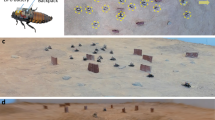
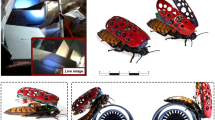
|
|||||
| Opinion: Don’t tax robots! | https://www.marketwatch.com/story/dont-… | 0 | Jan 12, 2026 00:03 | active | |
Opinion: Don’t tax robots!URL: https://www.marketwatch.com/story/dont-tax-robots-11673385564 Description: Technology isn't a zero-sum game and it doesn't displace humans — it creates new higher-paying jobs to replace those it destroys. Content: |
|||||