AUTOMATION HISTORY
1513
Total Articles Scraped
4666
Total Images Extracted
Scraped Articles
New Automation| Action | Title | URL | Images | Scraped At | Status |
|---|---|---|---|---|---|
| 人機協作不是夢!Agility Robotics 家 Digit 上工一年,目標是走入家庭 | TechNews 科技新報 | https://finance.technews.tw/2025/11/02/… | 1 | Dec 31, 2025 16:00 | active | |
人機協作不是夢!Agility Robotics 家 Digit 上工一年,目標是走入家庭 | TechNews 科技新報URL: https://finance.technews.tw/2025/11/02/agility-robotics-digit/ Description: 美國物流巨頭 GXO 偌大倉庫裡,體型修長的藍綠色身影正忙進忙出。它有如鳥雙腿,夾爪雙手靈巧探入無人搬運車,將一個個物流塑膠箱搬至輸送帶。這批融入工作流、與人類共享工作空間的機器員工「Digit」,已忠實執行任務超過一年。 6月,美國機器人獨角獸Agility Robotics為自家Digit歡慶上... Content:
美國物流巨頭 GXO 偌大倉庫裡,體型修長的藍綠色身影正忙進忙出。它有如鳥雙腿,夾爪雙手靈巧探入無人搬運車,將一個個物流塑膠箱搬至輸送帶。這批融入工作流、與人類共享工作空間的機器員工「Digit」,已忠實執行任務超過一年。 6月,美國機器人獨角獸Agility Robotics為自家Digit歡慶上工一週年。超過2千小時工時,搬運30多萬個庫存單位。這只是全世界首款商業部署的人形機器人的首個里程碑。 Earlier this month, Digit passed the one-year mark working full time for @GXOLogistics 🎉🤖 pic.twitter.com/wom0Qz4LKq — Agility Robotics (@agilityrobotics) June 26, 2025 Agility Robotics共同創辦人暨機器人首席設計長赫斯特(Jonathan Hurst)眼中,他親手打造的Digit還有很大的發展空間。未來,Digit將走出倉庫,進入工廠、零售、照護領域,最終進入一般消費者的家庭。 「不需要急著跳到終點」,赫斯特對《遠見》解釋,家用機器人的安全門檻最高,他估算是機器人最後抵達的市場。但前進家戶的途中,每個逐步解鎖的市場都超過百億美元規模。他表示,「服務這些市場時,你可以打造百億甚至兆億美元規模的公司。最終再將機器人推上家用市場。」 除了與GXO簽約別具意義的「機器人即服務」(Robots-as-a-Service)長期合約,Agility Robotics早已打入高度自動化的零售巨頭亞馬遜倉儲。年初以來,Digit也在舍弗勒(Schaeffler)位於美國南卡的工廠裝卸洗衣機外殼。這間機械與汽車零件製造商亦是Agility投資者,準備全球生產基地部署人形機器人。 合作數年後,輝達9月宣布,創投部門Nventures加入Agility Robotics的C輪投資。之前Agility已應用輝達Omniverse機器人模擬與學習框架Isaac Sim與Isaac Lab,在模擬環境訓練機器人全身控制能力。Digit也是新機器人電腦Jetson Thor的早期使用者。 ▲ Agility Robotics共同創辦人、首席機器人長赫斯特(Jonathan Hurst)。 2015年成立,研發機器人已久的Agility Robotics正在這波「實體AI」熱潮助陣下加速前進。身為業界首個拿下長期商業合約的人形機器人供應商,他們最寶貴一課是什麼? 答案是:安全性是規模化商業應用的最大門檻。赫斯特直言,這是最重要的經驗學習,「沒有一套完整的功能安全性策略,就無法部署機器人」。 過往,工廠自動化設備常是固定式,或只在機器工作區執行任務,以防人類員工受傷。但如果只將人形機器人部署特別工作區域,就大幅限制任務種類,可說是失去研發人形機器人的意義。 赫斯特便說,「人形機器人的價值在於,它可以走入現有為人類打造的空間,代人類執行原本人要做的工作。」 他表示,Agility Robotics也是在概念驗證、與亞馬遜等客戶合作以後,才真正理解機器人需要什麼安全性策略,「這需要整體性設計整台機器人(以符合安全原則)」。 例如,與人類在共同空間工作的機器人可能會因電力不足或踩到障礙物摔倒,壓在人類身上。目前Digit重量超過60公斤,未來超過100公斤,是相當高風險的意外事件。 ▲ Agility Robotics概念驗證、與亞馬遜等客戶合作以後,才真正理解機器人需要什麼樣的安全性策略。 為了搬運貨物,Digit雙臂可承重逾15公斤。若在抬放、轉動手臂時撞到人的臉部,那也相當危險。 率先搶進商業市場,Agility Robotics希望在安全性解決方案上,也扮演領頭羊的角色。預計在2026年推出的第五代Digit,可望成為第一個安全性足以與人類密切合作的人形機器人。 這包括裝配一系列感測器,以確保準確偵測到人類。當人類逐漸靠近,機器人就會停止、坐下,進入低能量模式,這樣就不會摔倒在人身上。可能也需要一套獨立監控系統,若監測到機器人可能有逾越安全守則的行動,就能介入阻止。 赫斯特表示,安全部署需要一整套完整的安全功能策略。不只是元件、模組本身的安全性,也牽動外型設計,是從裡到外的整體性更新補強。 Agility Robotics的計畫是2026年底前讓Digit與人類高度合作(fully cooperative);也就是人機可在同空間工作,但不會同時處理同物件。再以此為基礎,前進真正的人機協作(fully collaborative)。 Agility Robotics也與波士頓動力(Boston Dynamics)等其他機器人公司,一同制定可動態平衡的工業移動機器人安全標準ISO 25785-1。有了國際化安全標準,才能為機器人提供認證保險,為商業部署打下基礎。 「那會是首款具備功能安全性、可動態平衡的人形機器人,能在工作區域外使用。」赫斯特表示。「那也將是人形機器人規模化的時刻,也就是它們不需額外基礎建設支援,就可進入一個空間執行工作流程時。我們將在2026年底發表這項成果。」 倉儲物流、製造工廠等場域,是人形機器人從任務明確的結構化場域邁向彈性、多元的開放世界的初始應用場景,也是啟動「資料飛輪」最佳化產品、以實質營收證成後續投資的關鍵起步。 Agility Robotics花費數年,檢視數百個用例,才找到「倉儲物流」這理想的灘頭市場。赫斯特舉例,一開始考慮「最後一哩配送」,讓機器人從自駕車把包裹送至客戶門口。但自駕車還不普及,每個家戶也不盡相同,加上安全性是一大挑戰,並非理想用例。 Agility Robotics也評估過物流裝卸貨,但紙箱大小不同,如何抓取、分類相當複雜。要把紙箱堆到高處需要攀爬凳子,堆在牆邊時手臂容易撞到牆,因此這也不適合當初始市場。 最後,他們發現搬運倉庫用的物流塑膠箱,是非常適合Digit的任務。這些塑膠箱標準化程度夠高,Digit可用夾爪抓取手把位置。要舉著重物在狹窄走道移動,Digit磨練已久的雙腿動態平衡能力也正好派上用場。 ▲ 搬運倉庫用的物流塑膠箱,是非常適合Digit的任務。 赫斯特估計,光這個市場就有出貨數千台的潛力。盡早進入市場,也讓公司累積實地部署、管理大量機器人的經驗,並能優化安全性功能等產品面向。 或許更重要的是,這讓Agility Robotics與客戶一同成長、一同打造更「通用」的人形機器人。如赫斯特強調,如果只要自動化單一任務,機器手臂便可勝任。但Agility逐步拓展Digit任務範圍,客戶手上的人形機器人會愈來愈多工。他認為,下一步先是物流箱工作流的上下游任務,等到掌握更靈巧的操控能力,會再回頭攻克紙箱搬運這項任務。 「我們不想持續募資、花十幾二十年進軍最終階段市場」,赫斯特表示,「我們想要開始賺錢,逐步建立持續改進的飛輪效應」。 他預期,人形機器人最初的應用場域在工業環境,接著會進入結構化程度較低、需要高安全標準的產業,如零售雜貨、建築、照護,最後進入一般家庭。整個過程將花超過十年時間。赫斯特預期,到2050年,機器人將能與人類在共有空間一起工作生活。為了邁向那樣的未來,無論Digit或人類,都還有許多工作要完成。 (本文由 遠見雜誌 授權轉載;圖片來源:Agility Robotics) 文章看完覺得有幫助,何不給我們一個鼓勵 您的咖啡贊助將是讓我們持續走下去的動力 從這裡可透過《Google 新聞》追蹤 TechNews 科技新知,時時更新 我的最愛 趕快加入最愛頁面 Facebook 成為我們的小粉絲 RSS 即時更新新知 © 2013-2025 TechNews Inc. All rights reserved. | 關於我們 | 使用條款 | 隱私權政策 | 著作權與授權轉載 親愛的會員, 您的帳戶已經在其他裝置進行登入,於是系統將自動把您的帳戶登出本裝置。
Images (1): 
|
|||||
| GXO Signs Industry-First Multi-Year Agreement with Agility | https://www.globenewswire.com/news-rele… | 1 | Dec 31, 2025 16:00 | active | |
GXO Signs Industry-First Multi-Year Agreement with AgilityDescription: Robots-as-a-Service (RaaS) agreement integrates Agility’s Humanoid robots with other cobots at SPANX facility GREENWICH, Conn., June 27, 2024 ... Content:
June 27, 2024 16:30 ET | Source: GXO Logistics GXO Logistics Robots-as-a-Service (RaaS) agreement integrates Agility’s Humanoid robots with other cobots at SPANX facility GREENWICH, Conn., June 27, 2024 (GLOBE NEWSWIRE) -- GXO Logistics, Inc. (NYSE: GXO), the world’s largest pure-play contract logistics provider, and Agility Robotics, creator of the leading bipedal Mobile Manipulation Robot (MMR) Digit®, announced today that they have signed a multi-year agreement to begin deploying Digit in GXO’s logistics operations. This agreement, which follows a proof-of-concept pilot in late 2023, is both the industry’s first formal commercial deployment of humanoid robots and first Robots-as-a-Service (RaaS) deployment of humanoid robots. “We’re building on the success of last year’s groundbreaking pilot with Agility by deploying fully operational Digit humanoids into a live warehouse environment,” said Adrian Stoch, Chief Automation Officer, GXO. “Our R&D approach is to partner with developers all over the world to help them build and validate practical use cases that improve the working environment for our employees while optimizing operations for our customers. Agility shares this philosophy, and Digit is the perfect addition to work alongside our people in our fulfillment center. We’re delighted to progress our partnership through this critical milestone.” As part of the RaaS agreement, GXO is deploying Digit robots and Agility Arc™, Agility’s cloud automation platform for deploying and managing Digit fleets. Digit is a multi-purpose, human-centric robot made for logistics work, and designed to work safely in human spaces and help with a variety of repetitive tasks. Agility Arc is designed to simplify the deployment lifecycle, from facility mapping and workflow definition to operational management and troubleshooting. In the SPANX facility, Agility’s solutions integrate with existing automation, including Autonomous Mobile Robots (AMRs). Expanding on last year’s pilot, Digit robots are assisting with repetitive tasks such as moving totes from cobots and placing them onto conveyors, all orchestrated through Agility Arc. Under the RaaS agreement, the companies will continue to explore additional use cases and scale Digit usage to meet demand throughout the deployment. To see Digit in action at GXO, watch this video. “There will be many firsts in the humanoid robot market in the years to come, but I’m extremely proud of the fact that Agility is the first with actual humanoid robots deployed at a customer site, generating revenue, and solving real-world business problems,” said Peggy Johnson, CEO, Agility Robotics. “Agility has always been focused on the only metric that matters - delivering value to our customers by putting Digit to work - and this milestone deployment raises the bar for the entire industry.” Supply & Demand Chain Executive magazine (SDCE) recently recognized GXO as the overall winner of the 2024 Top Supply Chain Projects awards for its groundbreaking pilot with Digit. About GXO Logistics GXO Logistics, Inc. (NYSE: GXO) is the world’s largest pure-play contract logistics provider and is benefiting from the rapid growth of ecommerce, automation and outsourcing. GXO is committed to providing a diverse, world-class workplace for more than 130,000 team members across more than 970 facilities totaling approximately 200 million square feet. The company partners with the world’s leading blue-chip companies to solve complex logistics challenges with technologically advanced supply chain and ecommerce solutions, at scale and with speed. GXO corporate headquarters is in Greenwich, Connecticut, USA. Visit GXO.com for more information and connect with GXO on LinkedIn, X, Facebook, Instagram and YouTube. About Agility RoboticsHeadquartered in Corvallis, Oregon, with offices in Pittsburgh, Pennsylvania and Palo Alto, California, Agility Robotics’ mission is to build robot partners that augment the human workforce, ultimately enabling humans to be more human. Agility’s groundbreaking bipedal Mobile Manipulation Robot (MMR) Digit is the first multi-purpose, human-centric robot that is made for work™. Forward-Looking Statements This release includes forward-looking statements within the meaning of Section 27A of the Securities Act of 1933, as amended, and Section 21E of the Securities Exchange Act of 1934, as amended. All statements other than statements of historical fact are, or may be deemed to be, forward-looking statements, including statements regarding the future performance of its customer solutions. These forward-looking statements are qualified by cautionary statements regarding unknown risks, uncertainties, and assumptions as can be found in GXO’s filings with the U.S. Securities and Exchange Commission and accessed through the company’s website http://www.gxo.com. Media contactsMatthew Schmidt +1 203-307-2809 matt.schmidt@gxo.com Tim SmithElement Public Relations, for Agility Robotics415-350-3019 media@agilityrobotics.com Attachment Global role to accelerate expansion in high-growth segments, verticals and geographies GREENWICH, Conn., Dec. 19, 2025 (GLOBE NEWSWIRE) -- GXO Logistics, Inc. (NYSE: GXO), the world’s largest... Seasoned Executive Patrick Byrne to Become Non-Executive Chairman GREENWICH, Conn., Dec. 15, 2025 (GLOBE NEWSWIRE) -- GXO Logistics, Inc. (NYSE: GXO), the world’s largest pure-play contract...
Images (1): 
|
|||||
| Agility Robotics Debuts Compact Foundation Model for Digit Robot Control | https://www.webpronews.com/agility-robo… | 1 | Dec 31, 2025 16:00 | active | |
Agility Robotics Debuts Compact Foundation Model for Digit Robot ControlURL: https://www.webpronews.com/agility-robotics-debuts-compact-foundation-model-for-digit-robot-control/ Description: Keywords Content:
In the rapidly evolving field of humanoid robotics, Agility Robotics is pushing boundaries with its latest innovation: a whole-body control foundation model designed to act as the “motor cortex” for its Digit robots. This neural network, boasting fewer than one million parameters, promises to revolutionize how humanoid robots interact with dynamic environments, handling tasks from heavy lifting to disturbance recovery with unprecedented stability and efficiency. Drawing from advanced simulation techniques, the model is trained entirely in NVIDIA’s Isaac Sim, leveraging reinforcement learning to master omnidirectional locomotion and manipulation. As detailed in a recent post on Agility Robotics’ blog, the system decouples high-level planning from low-level control, allowing for intuitive interfaces that simplify teleoperation and behavior cloning. Sim-to-Real Transfer Breakthroughs One of the model’s standout features is its zero-shot sim-to-real transfer capability, enabling seamless deployment from virtual training to physical hardware without additional fine-tuning. This efficiency stems from a carefully curated dataset of 2,000 hours of simulated motion, encompassing diverse scenarios like uneven terrain navigation and object manipulation under perturbations. Industry observers note that this approach addresses longstanding challenges in robotics, such as underactuation and complex dynamics. A survey published on arXiv highlights how behavior foundation models like this one facilitate rapid adaptation to new tasks, potentially transforming humanoid applications in logistics and manufacturing. Integration with Broader Ecosystems Agility’s foundation model integrates smoothly with higher-level AI systems, including large language models for task planning. Posts on X from robotics experts, such as those shared by Chris Paxton, Agility’s director of robotics, emphasize its robustness in handling heavy objects and disturbances, positioning it as a platform for learning new skills. Recent news from The Robot Report underscores August 2025 as a pivotal month for such advancements, with Agility’s work featured alongside investments and new product releases. The model’s small size and low computational demands make it deployable on edge devices, a boon for real-world operations. Real-World Deployments and Future Implications In practical terms, this technology is already influencing deployments. Agility’s cloud platform, Arc, allows for workflow integration in warehouses, as noted in their official site updates. A Business Insider interview with Agility’s CEO reveals plans for safety-certified humanoids by late 2025, capable of operating alongside humans. Bloomberg reports project the humanoid market reaching $38 billion by 2035, with Agility at the forefront. X discussions, including those from The Humanoid Hub, praise the model’s simulation-based training for enabling safe, reactive control in diverse tasks. Challenges and Ethical Considerations Despite these strides, challenges remain in scaling such models for general-purpose use. NVIDIA’s Jetson Thor integration, as announced on Agility’s site, aims to meet growing compute needs, supporting more complex perceptions and decisions. Insiders at events like RoboBusiness 2025, covered by The Robot Report, share insights on initial deployments, revealing lessons in human-robot collaboration. As Agility refines this foundation model, it could set new standards for robotic autonomy, blending machine learning with physical intelligence in ways that enhance human productivity without replacing it. Looking Ahead in Robotic Innovation The convergence of foundation models with humanoid hardware signals a shift toward more intuitive robotic systems. Wikipedia’s entry on Agility Robotics traces its origins to Oregon State’s Dynamic Robotics Lab, underscoring the academic foundations fueling these commercial breakthroughs. Ultimately, this whole-body control model exemplifies how targeted AI can bridge simulation and reality, paving the way for robots that not only perform tasks but adapt intelligently to the unpredictable nature of human environments. As 2025 progresses, Agility’s innovations may well define the next era of practical robotics. Subscribe for Updates Help us improve our content by reporting any issues you find. Get the free daily newsletter read by decision makers Get our media kit Deliver your marketing message directly to decision makers.
Images (1): 
|
|||||
| Czy Digit zdominuje magazyny? Agility Robotics pozyskuje 400 mln dolarów … | https://mamstartup.pl/czy-digit-zdominu… | 1 | Dec 31, 2025 16:00 | active | |
Czy Digit zdominuje magazyny? Agility Robotics pozyskuje 400 mln dolarów na rozwójDescription: Agility Robotics, amerykański startup stojący za humanoidalnym robotem Digit, szykuje się do gigantycznej rundy finansowania. Firma ma pozyskać 400 milionów dolarów przy wycenie wy Content:
Antygrupa Dodane: 04.04.2025 Mam Startup Udostępnij: Głównym inwestorem ma być WP Global Partners, a wśród uczestników rundy znajduje się również SoftBank Group. Celem pozyskania funduszy jest skalowanie produkcji robotów humanoidalnych, które mają wspierać pracę w magazynach i centrach logistycznych. Agility Robotics od kilku lat rozwija humanoidalnego robota Digit, przeznaczonego do pracy w magazynach i centrach logistycznych. Maszyna, o wzroście około 175 cm, jest zaprojektowana do współpracy z ludźmi. Potrafi przenosić ładunki do około 16 kg i nawigować w ludzkim otoczeniu dzięki zaawansowanym czujnikom, kamerom i technologii LiDAR. Digit jest już wykorzystywany przez takie firmy jak Amazon, Spanx i GXO Logistics do wykonywania rzeczywistych zadań, w tym transportowania pojemników magazynowych. Dzięki pozyskanym funduszom Agility Robotics planuje przyspieszyć wdrażanie Digit na szeroką skalę, co może znacząco zmienić krajobraz nowoczesnej logistyki. W miarę rozwoju sztucznej inteligencji oraz ulepszania komponentów sprzętowych, roboty humanoidalne przestają być futurystyczną wizją, a stają się realnym rozwiązaniem problemów operacyjnych firm na całym świecie. Eksperci przewidują, że wyścig o dominację w sektorze humanoidalnej robotyki nabierze tempa, a Agility Robotics, dzięki Digit, może zyskać przewagę nad konkurencją i na nowo zdefiniować sposób, w jaki ludzie współpracują z maszynami w erze automatyzacji. Udostępnij: Jak przebiegała największa runda w polskim medtechu w 2025? Jan Szumada o inwestycji Warsaw Equity Group w Jutro Medical Alfabetyczny przegląd trendów: co zadziało się w 2025 roku? © 2011-2025 Autentika. MamStartup należy do Antygrupy
Images (1): 
|
|||||
| Робот-гуманоид Digit от Agility Robotics теперь понимает даже замысловатые запросы … | https://techno.nv.ua/innovations/robot-… | 0 | Dec 31, 2025 16:00 | active | |
Робот-гуманоид Digit от Agility Robotics теперь понимает даже замысловатые запросы / NVURL: https://techno.nv.ua/innovations/robot-gumanoid-digit-ot-agility-robotics-s-ii-50376752.html Description: Робот-гуманоид Digit от Agility Robotics теперь может лучше понимать запросы людей, даже если они... Content: |
|||||
| Tesla Optimus robotlarında sorun yaşıyor - ShiftDelete.Net | https://shiftdelete.net/tesla-optimus-r… | 1 | Dec 31, 2025 08:01 | active | |
Tesla Optimus robotlarında sorun yaşıyor - ShiftDelete.NetURL: https://shiftdelete.net/tesla-optimus-robotlarinda-sorun-yasiyor Description: Tesla, Optimus teknolojisinde aksaklık yaşamaya başladı. Bu durum, şirket yönetiminde büyük endişe yarattı. Content:
Tesla, insansı robot projesi Optimus’un seri üretimini, el ve kol tasarımında yaşanan ciddi teknik sorunlar nedeniyle geçici olarak askıya aldı. Şirket, bu aksaklıklar yüzünden 2025 sonu için belirlediği üretim hedefini 5.000 üniteden 2.000 üniteye düşürmek zorunda kaldı. Gelen son bilgilere göre, Tesla’nın el ve kol tasarımı konusunda zorluklar yaşadığı belirtiliyor. Proje sürecine yakın kaynaklar, mühendislerin insan eline benzer esnek ve çevik bir mekanizma geliştirmekte büyük zorluk çektiğini söylüyor. Bu durum, seri üretimin geçici olarak durmasına yol açtı. Şirketin depolarında, eli ve ön kolu bulunmayan çok sayıda robot gövdesinin biriktiği bildiriliyor, ancak ne zaman tamamlanacaklarına dair net bir takvim verilmedi. Elon Musk, katıldığı bir podcast yayınında tasarım sorunlarını doğruladı, ancak üretimin yeniden başlayacağı bir tarih belirtmedi. Tesla, bu teknik sıkıntıları ilk olarak geçen yaz fark etti ve o dönemde üretim hedefini düşürme kararı aldı. Yeni problemlerin ortaya çıkmasıyla birlikte şirket, kaynaklarını mekanik iyileştirmelere ve tasarım revizyonlarına yönlendirdi. Başlangıçta 2025 sonuna kadar en az 5.000 Optimus robotu üretme hedefi olan Tesla, mühendislerin hedefin gerçekçi olmadığını belirtmesi üzerine bu sayıyı 2.000 üniteye indirdi. Bu revize edilen plan, robotun gelişim sürecinin beklenenden daha karmaşık hale geldiğini gösteriyor. Elon Musk, insan benzeri el hareketlerinin tasarım sürecindeki en zorlu aşama olduğunu daha önce de söylemişti. Buna rağmen Musk, Optimus projesine olan inancını koruyor. Peki siz bu konu hakkında ne düşünüyorsunuz? Görüşlerinizi aşağıdaki yorumlar kısmından bizimle paylaşabilirsiniz. İsmimi bu tarayıcıya kaydet Δ
Images (1): 
|
|||||
| Tesla вÑеменно пÑиоÑÑановила маÑÑовое пÑоизводÑÑво ÑобоÑов Optimus - PCNEWS.RU | https://pcnews.ru/news/tesla_vremenno_p… | 1 | Dec 31, 2025 08:01 | active | |
Tesla вÑеменно пÑиоÑÑановила маÑÑовое пÑоизводÑÑво ÑобоÑов Optimus - PCNEWS.RUDescription: ÐÑе компÑÑÑеÑнÑе новоÑÑи на PCNews.ru. ÐÑÑ Ð½Ð¾Ð²Ð°Ñ Ð¸Ð½ÑоÑмаÑиÑ, о компÑÑÑеÑÐ°Ñ Ð¸ инÑоÑмаÑионнÑÑ ÑÐµÑ Ð½Ð¾Ð»Ð¾Ð³Ð¸ÑÑ . СиндикаÑÐ¸Ñ Ð½Ð¾Ð²Ð¾ÑÑей, ÑÑаÑей, пÑеÑÑ-Ñелизов Ñо вÑÐµÑ ÑайÑов компÑÑÑеÑной (ÐТ или IT) ÑемаÑики. Content:
Tesla пÑиоÑÑановила маÑÑовÑй вÑпÑÑк ÑÐ²Ð¾Ð¸Ñ Ð³ÑманоиднÑÑ ÑобоÑов Optimus из-за ÑÐµÑ Ð½Ð¸ÑеÑÐºÐ¸Ñ ÑложноÑÑей Ñ ÐºÐ¾Ð½ÑÑÑÑкÑией ÑÑк, ÑообÑили инÑайдеÑÑ Ð¸ СÐÐ, вклÑÑÐ°Ñ The Information и TechSpot. ÐнженеÑÑ ÐºÐ¾Ð¼Ð¿Ð°Ð½Ð¸Ð¸ ÑÑолкнÑлиÑÑ Ñ ÑÑÑдноÑÑÑми в обеÑпеÑении Ð½ÐµÐ¾Ð±Ñ Ð¾Ð´Ð¸Ð¼Ð¾Ð¹ гибкоÑÑи и Ð¿Ð¾Ñ Ð¾Ð¶ÐµÑÑи ÑÑк ÑобоÑа на ÑеловеÑеÑкие. ÐÑобенно пÑоблемнÑми оказалиÑÑ Ð¼Ð¾Ð´Ñли киÑÑей и пÑедплеÑий, из-за Ñего Tesla Ñже накопила на ÑÐºÐ»Ð°Ð´Ð°Ñ Ð½ÐµÑколÑко деÑÑÑков ÑобÑаннÑÑ Ñел ÑобоÑов без ÑÑк. Ðа даннÑй Ð¼Ð¾Ð¼ÐµÐ½Ñ Ð½ÐµÐ¸Ð·Ð²ÐµÑÑно, когда ÑÑа пÑоблема бÑÐ´ÐµÑ Ð¿Ð¾Ð»Ð½Ð¾ÑÑÑÑ ÑеÑена. ÐеÑвÑй ÑÑап пÑоизводÑÑва ÑÑолкнÑлÑÑ Ñ Ð·Ð°Ð´ÐµÑжками еÑÑ Ð»ÐµÑом 2024 года, поÑле Ñего Ð¿Ð»Ð°Ð½Ñ Ð¿Ð¾ вÑпÑÑÐºÑ Ð±Ñли ÑÑÑеÑÑвенно пеÑеÑмоÑÑенÑ. ÐзнаÑалÑно ÐºÐ¾Ð¼Ð¿Ð°Ð½Ð¸Ñ Ð¿Ð»Ð°Ð½Ð¸Ñовала вÑпÑÑÑиÑÑ Ð½Ðµ менее 5000 моделей Optimus к конÑÑ 2025 года, однако ÑÑа ÑÐµÐ»Ñ Ð²ÑглÑдела ÑлиÑком амбиÑиозной. Ðозже план ÑокÑаÑили до 2000 единиÑ, но и ÑÑа ÑиÑÑа ÑепеÑÑ Ð¿Ð¾Ð´ вопÑоÑом. Ðлон ÐаÑк подÑвеÑдил ÑÑÑеÑÑвование ÑÑÑдноÑÑей Ñ Ð´Ð¸Ð·Ð°Ð¹Ð½Ð¾Ð¼ ÑÑк, оÑмеÑив, ÑÑо Ñоздание Ð¿Ð¾Ñ Ð¾Ð¶Ð¸Ñ Ð½Ð° ÑеловеÑеÑкие киÑÑей â ÑÐ°Ð¼Ð°Ñ ÑÐ»Ð¾Ð¶Ð½Ð°Ñ ÑаÑÑÑ Ð¿ÑоекÑа. ÐеÑмоÑÑÑ Ð½Ð° ÑÑо, он ÑÐ¾Ñ ÑанÑÐµÑ Ð¾Ð¿Ñимизм и опÑбликовал видео Ñ ÑобоÑом, оÑваиваÑÑим боевÑе иÑкÑÑÑÑва и вÑполнÑÑÑим Ð´Ð²Ð¸Ð¶ÐµÐ½Ð¸Ñ Ð²Ð¼ÐµÑÑе Ñ Ð°ÐºÑÑÑом ÐжаÑедом ÐеÑо. Ð Ð¾Ð±Ð¾Ñ Optimus бÑл впеÑвÑе пÑедÑÑавлен в 2021 Ð³Ð¾Ð´Ñ ÐºÐ°Ðº ÑнивеÑÑалÑнÑй гÑманоид, ÑпоÑобнÑй вÑполнÑÑÑ Ð¾Ð¿Ð°ÑнÑе и ÑÑомиÑелÑнÑе Ð´Ð»Ñ Ñеловека задаÑи, вклÑÑÐ°Ñ ÑоÑÑиÑÐ¾Ð²ÐºÑ Ð°ÐºÐºÑмÑлÑÑоÑов и инÑпекÑии на Ð·Ð°Ð²Ð¾Ð´Ð°Ñ Tesla. РиÑле 2025 года пÑоизводÑÑво Ñже пÑеÑÑвалоÑÑ Ð¿Ð¾Ñле ÑÑ Ð¾Ð´Ð° Ðилана ÐоваÑа, бÑвÑего ÑÑаÑÑего виÑе-пÑезиденÑа по ÑобоÑоÑÐµÑ Ð½Ð¸ÐºÐµ в Tesla, ÑÑо повлиÑло на оÑганизаÑÐ¸Ñ ÑазÑабоÑки. СейÑÐ°Ñ ÐºÐ¾Ð¼Ð¿Ð°Ð½Ð¸Ñ ÑабоÑÐ°ÐµÑ Ð½Ð°Ð´ ÑлÑÑÑением конÑÑÑÑкÑии, в Ñом ÑиÑле над ÑвелиÑением ÑÑока ÑлÑÐ¶Ð±Ñ Ð¼ÐµÑ Ð°Ð½Ð¸Ð·Ð¼Ð¾Ð² и повÑÑением ÑнеÑгоÑÑÑекÑивноÑÑи. ÐланиÑÑеÑÑÑ, ÑÑо обновлÑннÑе веÑÑии ÑÑк и пÑедплеÑий обеÑпеÑÐ°Ñ Ð½ÐµÐ¾Ð±Ñ Ð¾Ð´Ð¸Ð¼Ñе Ñ Ð°ÑакÑеÑиÑÑики Ð´Ð»Ñ Ð¿ÐµÑÐµÑ Ð¾Ð´Ð° к маÑÑÑÐ°Ð±Ð½Ð¾Ð¼Ñ Ð¿ÑоизводÑÑвÑ. © iXBT
Images (1): 
|
|||||
| Робот Илон Маска Tesla Optimus освоил кунг-фу - Рамблер/новости | https://news.rambler.ru/tech/55408726-r… | 1 | Dec 31, 2025 08:01 | active | |
Робот Илон Маска Tesla Optimus освоил кунг-фу - Рамблер/новостиURL: https://news.rambler.ru/tech/55408726-robot-ilon-maska-tesla-optimus-osvoil-kung-fu/ Description: Илон Маск опубликовал на своей странице в соцсети X (ранее Twitter) видео с тренировок робота Tesla Optimus по боевым приемам в спарринге с человеком. Content:
Илон Маск опубликовал на своей странице в соцсети X (ранее Twitter) видео с тренировок робота Tesla Optimus по боевым приемам в спарринге с человеком. На видео робот реагирует на действия партнера, выполняя блоки и удары в скоординированной, «танцевальной» манере. Маск подтвердил, что робот действует автономно с помощью встроенного ИИ и без дистанционного управления человеком. Маск сопроводил ролик подписью «Tesla Optimus учится кунг-фу», в котором заметно улучшение скорости и плавности движений робота. Вице-президент Tesla по программному обеспечению ИИ Ашок Эллусвами в комментариях к публикации добавил, что компания планирует создать единую ИИ-систему, которая будет использоваться как в роботах Optimus, так и в беспилотных автомобилях Tesla. Tesla Optimus — это робот-гуманоид, созданный компанией Tesla. Он был впервые представлен на мероприятии AI Day 19 августа 2021 года. Рабочие прототипы робота показали 30 сентября 2022 года. Ожидается, что в продажу робот поступит уже в 2026 году.
Images (1): 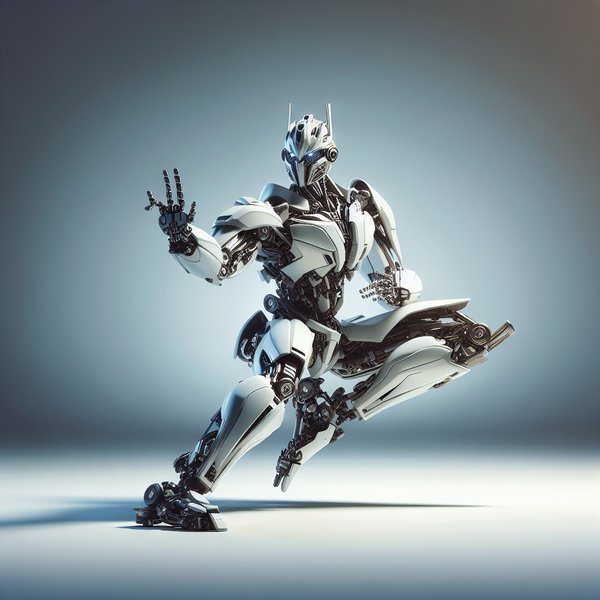
|
|||||
| В Tesla назвали ожидаемую цену Optimus | https://www.pvsm.ru/news/435854 | 1 | Dec 31, 2025 08:01 | active | |
В Tesla назвали ожидаемую цену OptimusURL: https://www.pvsm.ru/news/435854 Description: На ежегодном собрании акционеров Tesla 2025 года в четверг была представлена уточняющая Content:
На ежегодном собрании акционеров Tesla 2025 года в четверг была представлена уточняющая информация о гуманоидном роботе Optimus. Видеоролик, показанный во время мероприятия, впервые наглядно показал сотрудников Tesla на «производственной линии прототипов», работающих над различными компонентами и собирающих роботов. Пилотная производственная линия Optimus в настоящее время работает на нашем заводе во Фримонте. Значительно более крупная производственная линия Gen 3 появится в 2026 году. Мы также проводим испытания на наших заводах и в офисных помещениях для использования в режиме реального времени. Наша цель — себестоимость продукции в размере 20 тыс. долларов США на робота при масштабировании. Tesla Tesla Однако руководитель проекта по искусственному интеллекту Джулиан Ибарц добавил: «Просто для ясности: это наш прототип производственной линии, который мы используем сегодня для текущих исследований и разработок. Настоящая масштабируемая производственная линия, которая заработает в следующем году, будет не просто больше, она будет совершенно другой». Илон Маск назвал то, что он считает тремя главными трудностями проекта: проектирование кисти и предплечья, разработка «реального искусственного интеллекта» и масштабное производство. Ранее он называл кисть «самой большой электромеханической проблемой» и отмечал, что «огромная» сложность производства обусловлена «отсутствующей» цепочкой поставок. Илон Маск заявил, что Optimus — это единственный способ избавиться от нищеты и предоставить всем качественную медицинскую помощь. Источник * Ваше имя* Ваш e-mail (не отображается в списке сообщений) * - обязательные к заполнению поля Current ye@r * Leave this field empty
Images (1): 
|
|||||
| Ð Ð¾Ð±Ð¾Ñ Tesla Optimus ÑовеÑÑил подозÑиÑелÑное падение на новой демонÑÑÑаÑии … | https://pcnews.ru/news/robot_tesla_opti… | 1 | Dec 31, 2025 08:01 | active | |
Ð Ð¾Ð±Ð¾Ñ Tesla Optimus ÑовеÑÑил подозÑиÑелÑное падение на новой демонÑÑÑаÑии - PCNEWS.RUDescription: ÐÑе компÑÑÑеÑнÑе новоÑÑи на PCNews.ru. ÐÑÑ Ð½Ð¾Ð²Ð°Ñ Ð¸Ð½ÑоÑмаÑиÑ, о компÑÑÑеÑÐ°Ñ Ð¸ инÑоÑмаÑионнÑÑ ÑÐµÑ Ð½Ð¾Ð»Ð¾Ð³Ð¸ÑÑ . СиндикаÑÐ¸Ñ Ð½Ð¾Ð²Ð¾ÑÑей, ÑÑаÑей, пÑеÑÑ-Ñелизов Ñо вÑÐµÑ ÑайÑов компÑÑÑеÑной (ÐТ или IT) ÑемаÑики. Content:
Ðовое видео, поÑвивÑееÑÑ Ð½Ð° демонÑÑÑаÑии Tesla в Ðайами в минÑвÑие вÑÑ Ð¾Ð´Ð½Ñе, показÑваеÑ, как ÑеловекоподобнÑй ÑÐ¾Ð±Ð¾Ñ Optimus непÑиÑÑно Ñпал. Ðо не Ñамо падение вÑзÑÐ²Ð°ÐµÑ Ñдивление, а ÑпеÑиÑиÑеÑкие Ð´Ð²Ð¸Ð¶ÐµÐ½Ð¸Ñ ÑÑк ÑобоÑа по пÑÑи вниз, коÑоÑÑе ÑбедиÑелÑно пÑедполагаÑÑ, ÑÑо он имиÑиÑовал дейÑÑÐ²Ð¸Ñ Ð¾Ð¿ÐµÑаÑоÑа, Ð»Ð¸Ñ Ð¾ÑадоÑно ÑнимаÑÑего VR-Ñлем. ЧеловекоподобнÑе ÑобоÑÑ ÑейÑÐ°Ñ Ð½Ð° пике попÑлÑÑноÑÑи. ÐливаÑÑÑÑ Ð¼Ð¸Ð»Ð»Ð¸Ð°ÑÐ´Ñ Ð¸Ð½Ð²ÐµÑÑиÑий, а Ðлон ÐаÑк ÑÑвеÑждаеÑ, ÑÑо ÑÑо бÑÐ´ÐµÑ ÑÑиллионнÑй пÑодÑÐºÑ Ð´Ð»Ñ Tesla, опÑавдÑваÑÑий ее ÑÑмаÑÑедÑÑÑ Ð¾ÑенкÑ. ÐÐ´ÐµÑ Ð·Ð°ÐºÐ»ÑÑалаÑÑ Ð² Ñом, ÑÑо Ñ Ð¿Ð¾Ñвлением иÑкÑÑÑÑвенного инÑеллекÑа ÑобоÑÑ Ð² ÑеловеÑеÑкой ÑоÑме ÑмогÑÑ Ð¸ÑполÑзоваÑÑ Ð½Ð¾Ð²Ñй обобÑеннÑй иÑкÑÑÑÑвеннÑй инÑÐµÐ»Ð»ÐµÐºÑ Ð´Ð»Ñ Ð·Ð°Ð¼ÐµÐ½Ñ Ð»Ñдей во вÑе болÑÑем колиÑеÑÑве задаÑ. Ðднако по-пÑÐµÐ¶Ð½ÐµÐ¼Ñ ÑÑÑеÑÑвÑÐµÑ Ð¼Ð½Ð¾Ð¶ÐµÑÑво ÑеÑÑезнÑÑ Ð¿Ñоблем, как ÑÑиÑеÑÐºÐ¸Ñ , Ñак и ÑÐµÑ Ð½Ð¾Ð»Ð¾Ð³Ð¸ÑеÑÐºÐ¸Ñ . Ð¢ÐµÑ Ð½Ð¾Ð»Ð¾Ð³Ð¸ÑеÑки, болÑÑинÑÑво демонÑÑÑаÑий ÑеловекоподобнÑÑ ÑобоÑов полагалиÑÑ Ð½Ð° Ñдаленное ÑпÑавление опеÑаÑоÑами-лÑдÑми — ÑÑо ÑказÑÐ²Ð°ÐµÑ Ð½Ð° ÑÐ¾Ñ ÑанÑÑÑийÑÑ ÑазÑÑв Ð¼ÐµÐ¶Ð´Ñ Ð¿ÑогÑаммнÑм и аппаÑаÑнÑм обеÑпеÑением. ÐÑ Ð¾Ð±ÑÑждали, как ÑобоÑÑ Ð½Ð° меÑопÑиÑÑии «ÐÑ, ÑобоÑÑ» бÑли под ÑилÑнÑм ÑелеÑпÑавлением, неÑмоÑÑÑ Ð½Ð° Ñо, ÑÑо Tesla Ñвно не ÑаÑкÑÑвала ÑÑÐ¾Ñ ÑÐ°ÐºÑ Ð¿Ñблике. ÐÑо бÑло более года назад, и, неÑмоÑÑÑ Ð½Ð° заÑÐ²Ð»ÐµÐ½Ð¸Ñ Tesla о «демонÑÑÑаÑиÑÑ Ðл Optimus Ñ ÑÐµÑ Ð¿Ð¾Ñ, Ð¿Ð¾Ñ Ð¾Ð¶Ðµ, ÐºÐ¾Ð¼Ð¿Ð°Ð½Ð¸Ñ Ð¿Ð¾-пÑÐµÐ¶Ð½ÐµÐ¼Ñ Ð¿Ð¾Ð»Ð°Ð³Ð°ÐµÑÑÑ Ð½Ð° ÑелеопеÑаÑÐ¸Ñ Ð´Ð»Ñ ÑпÑÐ°Ð²Ð»ÐµÐ½Ð¸Ñ Ð¸Ð¼Ð¸ во вÑÐµÐ¼Ñ Ð´ÐµÐ¼Ð¾Ð½ÑÑÑаÑий. РминÑвÑие вÑÑ Ð¾Ð´Ð½Ñе Tesla пÑовела меÑопÑиÑÑие под названием «Autonomy Visualized» в Ñвоем магазине в Ðайами. ЦелÑÑ Ð±Ñло пÑодемонÑÑÑиÑоваÑÑ Â«ÑÐµÑ Ð½Ð¾Ð»Ð¾Ð³Ð¸Ñ Autopilot и Optimus» Ð¾Ñ Tesla. Ðднако на меÑопÑиÑÑии Tesla по «авÑономноÑÑи» не бÑло ниÑего «авÑономного». Ðногие поклонники Tesla видели, как они пÑбликовали видео, на коÑоÑÑÑ ÑÐ¾Ð±Ð¾Ñ Tesla Optimus ÑÐ°Ð·Ð´Ð°ÐµÑ Ð±ÑÑÑлки Ñ Ð²Ð¾Ð´Ð¾Ð¹ на меÑопÑиÑÑии. Ðн Ñакже позиÑовал Ð´Ð»Ñ ÑоÑогÑаÑий и ÑанÑевал. Ðа Reddit кÑо-Ñо опÑбликовал дÑÑгое видео Ñ Ð´ÐµÐ¼Ð¾Ð½ÑÑÑаÑии: Ðак Ð²Ñ Ð¼Ð¾Ð¶ÐµÑе видеÑÑ, Tesla Optimus ÑлиÑком бÑÑÑÑо двигал ÑÑками, из-за Ñего неÑколÑко бÑÑÑлок Ñ Ð²Ð¾Ð´Ð¾Ð¹ Ñпали на землÑ. ÐаÑем он ÑеÑÑÐµÑ ÑавновеÑие и наÑÐ¸Ð½Ð°ÐµÑ Ð¿Ð°Ð´Ð°ÑÑ Ð½Ð°Ð·Ð°Ð´. Ðо Ñамое инÑеÑеÑное Ñо, ÑÑо непоÑÑедÑÑвенно пеÑед падением назад обе его ÑÑки мгновенно взлеÑаÑÑ Ðº «лиÑÑ» Ñ Ð¾ÑÑеÑливÑм Ñ Ð²Ð°ÑаÑелÑнÑм движением, как бÑдÑо ÑÐ½Ð¸Ð¼Ð°Ñ Ð¾Ð±ÑÐµÐºÑ Ñ Ð³Ð¾Ð»Ð¾Ð²Ñ. РобоÑ, конеÑно, ниÑего на голове не ноÑиÑ. ÐÑо движение мгновенно Ñзнаваемо лÑбомÑ, кÑо иÑполÑзовал VR или видел ÑÑÑановки ÑелеопеÑаÑии. ÐÐ¾Ñ Ð¾Ð¶Ðµ, ÑÑо опеÑаÑоÑ-Ñеловек, веÑоÑÑно, Ð½Ð°Ñ Ð¾Ð´Ð¸Ð²ÑийÑÑ Ð·Ð° кÑлиÑами или в Ñдаленном помеÑении, ÑнÑл Ñвой Ñлем в ÑеÑедине ÑпÑÐ°Ð²Ð»ÐµÐ½Ð¸Ñ ÑобоÑом по неизвеÑÑнÑм пÑиÑинам. Optimus ÑоÑно воÑпÑоизвел движение ÑнÑÑÐ¸Ñ Ð½ÐµÑÑÑеÑÑвÑÑÑего Ñлема, когда он ÑÑÑ Ð½Ñл на пол. ÐÐ¾Ñ ÐºÐ°Ðº Tesla обÑÑала Optimus Ñ Ð¿Ð¾Ð¼Ð¾ÑÑÑ VR-Ñлемов в Ñвоей лабоÑаÑоÑии: ÐÑо неловко, но не ÑолÑко поÑомÑ, ÑÑо ÑÐ¾Ð±Ð¾Ñ Ñпал. РобоÑÑ Ð¿Ð°Ð´Ð°ÑÑ; ÑÑо ÑаÑÑÑ Ð¿ÑоÑеÑÑа ÐÐÐÐÐ . Ðидео Ñ Ð½ÐµÑдаÑами Boston Dynamics легендаÑнÑ, и они никогда не подÑÑвали довеÑие к компании. ÐÑоблема здеÑÑ Ð² моменÑе «ÐолÑебника ÑÑÑÐ°Ð½Ñ Ðз». СпеÑиÑиÑеÑкое движение ÑнÑÑÐ¸Ñ Â«ÑанÑомного Ñлема» ÑазÑÑÑÐ°ÐµÑ Ð¸Ð»Ð»ÑÐ·Ð¸Ñ Ð°Ð²Ñономии, коÑоÑÑÑ Tesla Ñак ÑÑаÑаеÑÑÑ Ð¿Ð¾Ð´Ð´ÐµÑживаÑÑ. Ðаже недавно ÐаÑк оÑвеÑгал мнение о Ñом, ÑÑо Tesla полагаеÑÑÑ Ð½Ð° ÑелеопеÑаÑÐ¸Ñ Ð´Ð»Ñ Ð´ÐµÐ¼Ð¾Ð½ÑÑÑаÑий Optimus. Ðн ÑÑоÑнил, ÑÑо Ð½Ð¾Ð²Ð°Ñ Ð´ÐµÐ¼Ð¾Ð½ÑÑÑаÑÐ¸Ñ Optimus, вÑполнÑÑÑего кÑнг-ÑÑ, бÑла «ÐÐ, а не ÑелеÑпÑавлÑемой»: ÐаÑк Ñнова Ñказал на поÑледнем оÑÑеÑе Tesla о пÑибÑлÑÑ Ð² окÑÑбÑе: «Optimus бÑл на пÑемÑеÑе «ТÑона», Ð´ÐµÐ»Ð°Ñ ÐºÑнг-ÑÑ, пÑоÑÑо на видÑ, Ñ ÐжаÑедом ÐеÑо. ÐикÑо им не ÑпÑавлÑл. Ðн пÑоÑÑо делал кÑнг-ÑÑ Ñ ÐжаÑедом ÐеÑо на пÑемÑеÑе «ТÑона». ÐÑ Ð¼Ð¾Ð¶ÐµÑе ÑвидеÑÑ Ð²Ð¸Ð´ÐµÐ¾ онлайн. СмеÑно Ñо, ÑÑо многие лÑди пÑÐ¾Ñ Ð¾Ð´Ð¸Ð»Ð¸ мимо, дÑмаÑ, ÑÑо ÑÑо пÑоÑÑо Ñеловек». ÐаÑк пÑÐ¾Ð´Ð¾Ð»Ð¶Ð°ÐµÑ Ð³Ð¾Ð²Ð¾ÑиÑÑ Ð°ÐºÑионеÑам, ÑÑо Optimus бÑÐ´ÐµÑ ÑамÑм болÑÑим пÑодÑкÑом в иÑÑоÑии, и ÑÑо Ð¼Ð¸Ð»Ð»Ð¸Ð¾Ð½Ñ ÐµÐ´Ð¸Ð½Ð¸Ñ ÑкоÑо бÑдÑÑ ÑабоÑаÑÑ Ð½Ð° Ð·Ð°Ð²Ð¾Ð´Ð°Ñ . Ðо еÑли ÑейÑÐ°Ñ Ð¾Ð½Ð¸ по-пÑÐµÐ¶Ð½ÐµÐ¼Ñ Ð¿Ð¾Ð»Ð°Ð³Ð°ÑÑÑÑ Ð½Ð° ÑелеопеÑаÑÐ¸Ñ 1:1 Ð´Ð»Ñ ÑаздаÑи бÑÑÑлок Ñ Ð²Ð¾Ð´Ð¾Ð¹, Ñо кажеÑÑÑ, ÑÑо до полезного обобÑенного ÑобоÑа Optimus нам еÑе далеко. © Electrek.ru
Images (1): 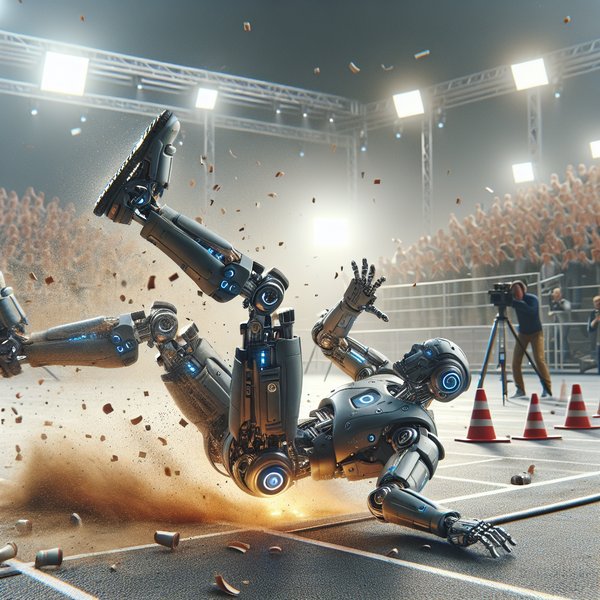
|
|||||
| Tesla представила робота-андроида Optimus Gen 2 – Коммерсантъ | https://www.kommersant.ru/doc/6397396 | 1 | Dec 31, 2025 08:01 | active | |
Tesla представила робота-андроида Optimus Gen 2 – КоммерсантъURL: https://www.kommersant.ru/doc/6397396 Description: Компания Tesla показала человекоподобного робота Optimus 2, который стал развитием представленного весной 2023 году андроида Optimus Gen 1. Content:
Компания Tesla показала человекоподобного робота Optimus 2, который стал развитием представленного весной 2023 году андроида Optimus Gen 1. Как заявляет американская технологическая компания, помимо переработанного дизайна робот получил ряд технических новинок. Optimus Gen 2 оснащен приводами и датчиками, разработанными Tesla. Шея с шарнирно-сочлененным механизмом получила 2 степени свободы, руки имеют уже 11 степеней свободы. Руки отличаются большей точностью и аккуратностью в работе, что позволяет им управляться с хрупкими предметами вроде куриных яиц — благодаря встроенным в пальцы тактильным датчикам. Заявлено, что обновленный андроид стал на 10 кг легче, скорость его передвижения выросла на 30%, а имитация работы пальцев ног улучшила баланс робота и дала ему возможность выполнять сложные движения вроде приседаний и танцев. О сроках появления серийного Tesla Optimus компания не сообщает. Новости компаний Все Благотворительный фонд 18+ реклама © АО «Коммерсантъ». 127006, Москва, Оружейный переулок д. 41, тел. +7 (495) 797-69-70. Сетевое издание «Коммерсантъ» (доменное имя сайта: kommersant.ru) зарегистрировано Федеральной службой по надзору в сфере связи, информационных технологий и массовых коммуникаций (Роскомнадзор), регистрационный номер и дата принятия решения о регистрации: серия Эл № ФС77-76922 от 11 октября 2019 г. Партнерские проекты/материалы, новости компаний, материалы с пометкой «Промо» и «Официальное сообщение» опубликованы на коммерческой основе. На kommersant.ru применяются рекомендательные технологии. Подробнее
Images (1): 
|
|||||
| Tesla, Optimus programında sorun yaşıyor! - ShiftDelete.Net | https://shiftdelete.net/tesla-optimus-p… | 1 | Dec 31, 2025 08:01 | active | |
Tesla, Optimus programında sorun yaşıyor! - ShiftDelete.NetURL: https://shiftdelete.net/tesla-optimus-programinda-sorun-yasiyor Description: Tesla, Optimus programında duraklama yaşıyor. Şirket, dev projede bir türlü istenen performansı yakalayamadı. Content:
Tesla’nın insansı robot projesi Optimus, önemli yapısal ve operasyonel sorunlar nedeniyle beklenmedik bir duraklamaya girdi. Şirketin daha önce bu yıl içerisinde 5.000 ila 10.000 adet robot üretmeyi planladığı proje, yeni bir tasarım aşamasına geçilmesi ve sahada istenen performansın yakalanamaması nedeniyle en az iki ay gecikmeye uğrayacak. Optimus programındaki bu gecikme, programdan sorumlu kıdemli başkan yardımcısı Milan Kovac’ın şirketten ayrılmasından kısa bir süre sonra ortaya çıktı. Kovac’ın görevini, aynı zamanda Tesla’nın otonom sürüş projelerinden sorumlu olan Ashok Elluswamy devraldı. Üretimin ertelenmesinin arkasında sadece yönetim değişikliği değil, aynı zamanda robotun donanımsal açıdan yaşadığı problemler de bulunuyor. Eklem motorlarında aşırı ısınma, ellerde düşük taşıma kapasitesi, şanzıman parçalarının kısa ömrü ve sınırlı pil performansı gibi sorunların üretim planlarını doğrudan etkilediği bildiriliyor. Tesla, şu anda bu sorunları çözmek için çeşitli robot eli tasarımlarını test ediyor ve üç farklı teknik yaklaşımı değerlendiriyor. Şirketin robotun yazılım tarafında da sentetik veri kullanımıyla daha karmaşık görevlerde başarı oranını artırmaya çalıştığı ifade ediliyor. Yılın başında 1.000’den fazla Optimus robotu için parça temin eden şirket, bu sayıda üretimi gerçekleştirmiş olsa da, üretilen robotların şu anda yalnızca Tesla’nın batarya atölyelerinde sınırlı görevlerde kullanıldığı belirtiliyor. Bu robotların verimliliği ise insan işçilerin yarısının dahi gerisinde kalıyor. Tedarik zincirine yakın kaynaklar, Tesla’nın siparişleri resmen iptal etmediğini ancak tasarım değişiklikleri tamamlanmadan yeni üretim için parça siparişi geçmeyeceğini aktarıyor. Bu durum, şirketin yıl boyunca Optimus üretimiyle ilgili verdiği hedefleri revize etmesine neden olabilir. Öte yandan Tesla’nın Optimus programından vazgeçmesi beklenmiyor. Şirketin bu yılki hissedarlar toplantısında yeni nesil robotları sahneye çıkarabileceği ifade ediliyor. Peki siz bu konu hakkında ne düşünüyorsunuz? Görüşlerinizi aşağıdaki yorumlar kısmından bizimle paylaşabilirsiniz. İsmimi bu tarayıcıya kaydet Δ
Images (1): 
|
|||||
| Tesla остановила выпуск роботов Optimus | https://news.day.az/hitech/1787048.html | 1 | Dec 31, 2025 08:00 | active | |
Tesla остановила выпуск роботов OptimusURL: https://news.day.az/hitech/1787048.html Description: Корпорация Tesla остановила производство роботов Optimus из-за проблем. Как передает Day.Az, об этом сообщает издание The Information. В марте глава компании Илон Маск заявлял, что сможет выпустить 5000 единиц роботов к концу 2025 года. Источники рассказали, что Tesla не сможет достичь амбициозной цели и пересмотрела свои планы. Content:
Корпорация Tesla остановила производство роботов Optimus из-за проблем. Как передает Day.Az, об этом сообщает издание The Information. В марте глава компании Илон Маск заявлял, что сможет выпустить 5000 единиц роботов к концу 2025 года. Источники рассказали, что Tesla не сможет достичь амбициозной цели и пересмотрела свои планы. Более того - вероятно, в этом году фирма больше не выпустит ни одного робота. Проблема заключается в манипуляторах, которых не хватает для выпуска машин. Специалисты объяснили, что роботизированные руки - самая технически сложная деталь гуманоидов Tesla. Существуют проблемы с предплечьями, которые не устраивают инженеров. Также разработка Optimus приостановилась из-за того, что создатель робота Милан Ковач в июне покинул корпорацию Маска. Источники The Information рассказали, что сотрудники Tesla в частных беседах начинают сомневаться, нужен ли компании человекоподобный робот, так как технические сложности и трудозатраты при его разработке огромны. Однако часть произведенных машин уже используют на заводах - так, гуманоиды сортируют аккумуляторы для электромобилей. Заметили ошибку в тексте? Выберите текст и сообщите нам, нажав Ctrl + Enter на клавиатуре
Images (1): 
|
|||||
| Elon Musk gives update on Tesla Optimus progress | https://www.teslarati.com/elon-musk-giv… | 1 | Dec 31, 2025 08:00 | active | |
Elon Musk gives update on Tesla Optimus progressURL: https://www.teslarati.com/elon-musk-gives-update-tesla-optimus-progress/ Description: Elon Musk says Tesla is working hard to scale what will end up being its biggest product in his eyes: Optimus. Content:
Elon Musk: Tesla Model Y is world’s best-selling car for 3rd year in a row Tesla shares epic 2025 recap video, confirms start of Cybercab production Tesla Cybercab is changing the look of Austin’s roads, and it’s not even in production yet Tesla celebrates 9 million vehicles produced globally Tesla officially publishes Q4 2025 vehicle delivery consensus Elon Musk: Tesla Model Y is world’s best-selling car for 3rd year in a row Tesla shares epic 2025 recap video, confirms start of Cybercab production Tesla Cybercab is changing the look of Austin’s roads, and it’s not even in production yet Tesla celebrates 9 million vehicles produced globally Tesla China delivery centers look packed as 2025 comes to a close Starlink passes 9 million active customers just weeks after hitting 8 million SpaceX shades airline for seeking contract with Amazon’s Starlink rival Tesla hints at Starlink integration with recent patent SpaceX IPO is coming, CEO Elon Musk confirms SpaceX reportedly mulling IPO, eyeing largest of all time: report Elon Musk: Tesla Model Y is world’s best-selling car for 3rd year in a row Tesla’s Elon Musk accepts invitation to Israel’s Smart Transportation Conference Elon Musk and Tesla AI Director share insights after empty driver seat Robotaxi rides Starlink passes 9 million active customers just weeks after hitting 8 million Elon Musk’s Grok records lowest hallucination rate in AI reliability study Tesla is “working hard” to get Optimus production scaled, Elon Musk said. Published on By Elon Musk says Tesla is working hard to scale what will end up being its biggest product in his eyes: Optimus. Tesla Optimus is the company’s humanoid robot project, which was first announced several years ago but has gained more relevance and become a larger focus over the past year. Tesla truly had its big breakout with Optimus last year at its “We, Robot” event in October, where it was used to serve drinks, provide entertainment, and mingle with attendees. Tesla’s next-gen Optimus prototype with Grok revealed However, it has been a challenge for Tesla to truly scale Optimus and, although it has huge plans for production numbers, certain parts of the project have proven to be more difficult than others.Advertisement --> One of the most notable things is that of its hands, as Tesla wants them to be nimble enough to thread a needle. This has proven to be very difficult. Scaling production and refining manufacturing are also likely challenges. Musk says Tesla is “working hard on scaling Optimus,” something that is a crucial issue to solve as the project is a major contributor to the company’s future. Musk said: 🚨 Tesla has big plans for Optimus production It has plans for an annual production run-rate of 1 million by 2030Advertisement --> Earlier this year, the plan was to build 5,000 in 2025 Elon Musk has said Optimus should make up roughly 80% of Tesla’s value https://t.co/nAMKGq4yGz pic.twitter.com/NIGUKH248i — TESLARATI (@Teslarati) September 27, 2025 Musk has made some pretty tremendous predictions for Optimus and how important it could be to Tesla in the future.Advertisement --> Earlier this month, he said Optimus will make up about 80 percent of the company’s value in the future. In January, he also noted during Tesla’s Q4 2024 Earnings Call that Optimus would be “overwhelmingly the value of the company.” Elon Musk details Tesla’s road to selling Optimus and Robotaxi affordably He has not only talked about Optimus’s importance in terms of money and revenue. He also said it would be “the biggest product of all-time by far,” because of its ability to revolutionize human life. He said it would be like “having your own personal C-3PO and R2-D2.” Summary Table of Estimations Aspect Musk’s Estimation Date/Context Implication for Tesla Valuation Share ~80% of total company value Sep 2025 X post; Jan 2025 earnings Shifts focus from EVs to robotics as primary growth engine Overall Valuation Up to $25 trillion (Optimus-driven) Mid-2024 interview ~34x current cap; exceeds U.S. GDP equivalent in profits Market Size >10 billion units globally Aug 2024 interview Universal adoption for labor/personal use Product Ranking Biggest product ever; > FSD value Mar 2025 statement; Apr 2022 Transforms Tesla into AI/robotics leader Unit Price ~$20,000 (high-volume target) Nov 2024 X post Enables affordability for billions of users Advertisement --> Tesla Optimus is the company’s humanoid robot project, which was first announced several years ago but has gained more relevance and become a larger focus over the past year. Tesla truly had its big breakout with Optimus last year at its “We, Robot” event in October, where it was used to serve drinks, provide entertainment, and mingle with attendees. Tesla’s next-gen Optimus prototype with Grok revealed However, it has been a challenge for Tesla to truly scale Optimus and, although it has huge plans for production numbers, certain parts of the project have proven to be more difficult than others.Advertisement --> One of the most notable things is that of its hands, as Tesla wants them to be nimble enough to thread a needle. This has proven to be very difficult. Scaling production and refining manufacturing are also likely challenges. Musk says Tesla is “working hard on scaling Optimus,” something that is a crucial issue to solve as the project is a major contributor to the company’s future. Musk said: 🚨 Tesla has big plans for Optimus production It has plans for an annual production run-rate of 1 million by 2030Advertisement --> Earlier this year, the plan was to build 5,000 in 2025 Elon Musk has said Optimus should make up roughly 80% of Tesla’s value https://t.co/nAMKGq4yGz pic.twitter.com/NIGUKH248i — TESLARATI (@Teslarati) September 27, 2025 Musk has made some pretty tremendous predictions for Optimus and how important it could be to Tesla in the future.Advertisement --> Earlier this month, he said Optimus will make up about 80 percent of the company’s value in the future. In January, he also noted during Tesla’s Q4 2024 Earnings Call that Optimus would be “overwhelmingly the value of the company.” Elon Musk details Tesla’s road to selling Optimus and Robotaxi affordably He has not only talked about Optimus’s importance in terms of money and revenue. He also said it would be “the biggest product of all-time by far,” because of its ability to revolutionize human life. He said it would be like “having your own personal C-3PO and R2-D2.” Summary Table of Estimations Aspect Musk’s Estimation Date/Context Implication for Tesla Valuation Share ~80% of total company value Sep 2025 X post; Jan 2025 earnings Shifts focus from EVs to robotics as primary growth engine Overall Valuation Up to $25 trillion (Optimus-driven) Mid-2024 interview ~34x current cap; exceeds U.S. GDP equivalent in profits Market Size >10 billion units globally Aug 2024 interview Universal adoption for labor/personal use Product Ranking Biggest product ever; > FSD value Mar 2025 statement; Apr 2022 Transforms Tesla into AI/robotics leader Unit Price ~$20,000 (high-volume target) Nov 2024 X post Enables affordability for billions of users Advertisement --> Tesla truly had its big breakout with Optimus last year at its “We, Robot” event in October, where it was used to serve drinks, provide entertainment, and mingle with attendees. Tesla’s next-gen Optimus prototype with Grok revealed However, it has been a challenge for Tesla to truly scale Optimus and, although it has huge plans for production numbers, certain parts of the project have proven to be more difficult than others.Advertisement --> One of the most notable things is that of its hands, as Tesla wants them to be nimble enough to thread a needle. This has proven to be very difficult. Scaling production and refining manufacturing are also likely challenges. Musk says Tesla is “working hard on scaling Optimus,” something that is a crucial issue to solve as the project is a major contributor to the company’s future. Musk said: 🚨 Tesla has big plans for Optimus production It has plans for an annual production run-rate of 1 million by 2030Advertisement --> Earlier this year, the plan was to build 5,000 in 2025 Elon Musk has said Optimus should make up roughly 80% of Tesla’s value https://t.co/nAMKGq4yGz pic.twitter.com/NIGUKH248i — TESLARATI (@Teslarati) September 27, 2025 Musk has made some pretty tremendous predictions for Optimus and how important it could be to Tesla in the future.Advertisement --> Earlier this month, he said Optimus will make up about 80 percent of the company’s value in the future. In January, he also noted during Tesla’s Q4 2024 Earnings Call that Optimus would be “overwhelmingly the value of the company.” Elon Musk details Tesla’s road to selling Optimus and Robotaxi affordably He has not only talked about Optimus’s importance in terms of money and revenue. He also said it would be “the biggest product of all-time by far,” because of its ability to revolutionize human life. He said it would be like “having your own personal C-3PO and R2-D2.” Summary Table of Estimations Aspect Musk’s Estimation Date/Context Implication for Tesla Valuation Share ~80% of total company value Sep 2025 X post; Jan 2025 earnings Shifts focus from EVs to robotics as primary growth engine Overall Valuation Up to $25 trillion (Optimus-driven) Mid-2024 interview ~34x current cap; exceeds U.S. GDP equivalent in profits Market Size >10 billion units globally Aug 2024 interview Universal adoption for labor/personal use Product Ranking Biggest product ever; > FSD value Mar 2025 statement; Apr 2022 Transforms Tesla into AI/robotics leader Unit Price ~$20,000 (high-volume target) Nov 2024 X post Enables affordability for billions of users Advertisement --> Tesla’s next-gen Optimus prototype with Grok revealed However, it has been a challenge for Tesla to truly scale Optimus and, although it has huge plans for production numbers, certain parts of the project have proven to be more difficult than others.Advertisement --> One of the most notable things is that of its hands, as Tesla wants them to be nimble enough to thread a needle. This has proven to be very difficult. Scaling production and refining manufacturing are also likely challenges. Musk says Tesla is “working hard on scaling Optimus,” something that is a crucial issue to solve as the project is a major contributor to the company’s future. Musk said: 🚨 Tesla has big plans for Optimus production It has plans for an annual production run-rate of 1 million by 2030Advertisement --> Earlier this year, the plan was to build 5,000 in 2025 Elon Musk has said Optimus should make up roughly 80% of Tesla’s value https://t.co/nAMKGq4yGz pic.twitter.com/NIGUKH248i — TESLARATI (@Teslarati) September 27, 2025 Musk has made some pretty tremendous predictions for Optimus and how important it could be to Tesla in the future.Advertisement --> Earlier this month, he said Optimus will make up about 80 percent of the company’s value in the future. In January, he also noted during Tesla’s Q4 2024 Earnings Call that Optimus would be “overwhelmingly the value of the company.” Elon Musk details Tesla’s road to selling Optimus and Robotaxi affordably He has not only talked about Optimus’s importance in terms of money and revenue. He also said it would be “the biggest product of all-time by far,” because of its ability to revolutionize human life. He said it would be like “having your own personal C-3PO and R2-D2.” Summary Table of Estimations Aspect Musk’s Estimation Date/Context Implication for Tesla Valuation Share ~80% of total company value Sep 2025 X post; Jan 2025 earnings Shifts focus from EVs to robotics as primary growth engine Overall Valuation Up to $25 trillion (Optimus-driven) Mid-2024 interview ~34x current cap; exceeds U.S. GDP equivalent in profits Market Size >10 billion units globally Aug 2024 interview Universal adoption for labor/personal use Product Ranking Biggest product ever; > FSD value Mar 2025 statement; Apr 2022 Transforms Tesla into AI/robotics leader Unit Price ~$20,000 (high-volume target) Nov 2024 X post Enables affordability for billions of users Advertisement --> However, it has been a challenge for Tesla to truly scale Optimus and, although it has huge plans for production numbers, certain parts of the project have proven to be more difficult than others.Advertisement --> One of the most notable things is that of its hands, as Tesla wants them to be nimble enough to thread a needle. This has proven to be very difficult. Scaling production and refining manufacturing are also likely challenges. Musk says Tesla is “working hard on scaling Optimus,” something that is a crucial issue to solve as the project is a major contributor to the company’s future. Musk said: 🚨 Tesla has big plans for Optimus production It has plans for an annual production run-rate of 1 million by 2030Advertisement --> Earlier this year, the plan was to build 5,000 in 2025 Elon Musk has said Optimus should make up roughly 80% of Tesla’s value https://t.co/nAMKGq4yGz pic.twitter.com/NIGUKH248i — TESLARATI (@Teslarati) September 27, 2025 Musk has made some pretty tremendous predictions for Optimus and how important it could be to Tesla in the future.Advertisement --> Earlier this month, he said Optimus will make up about 80 percent of the company’s value in the future. In January, he also noted during Tesla’s Q4 2024 Earnings Call that Optimus would be “overwhelmingly the value of the company.” Elon Musk details Tesla’s road to selling Optimus and Robotaxi affordably He has not only talked about Optimus’s importance in terms of money and revenue. He also said it would be “the biggest product of all-time by far,” because of its ability to revolutionize human life. He said it would be like “having your own personal C-3PO and R2-D2.” Summary Table of Estimations Aspect Musk’s Estimation Date/Context Implication for Tesla Valuation Share ~80% of total company value Sep 2025 X post; Jan 2025 earnings Shifts focus from EVs to robotics as primary growth engine Overall Valuation Up to $25 trillion (Optimus-driven) Mid-2024 interview ~34x current cap; exceeds U.S. GDP equivalent in profits Market Size >10 billion units globally Aug 2024 interview Universal adoption for labor/personal use Product Ranking Biggest product ever; > FSD value Mar 2025 statement; Apr 2022 Transforms Tesla into AI/robotics leader Unit Price ~$20,000 (high-volume target) Nov 2024 X post Enables affordability for billions of users Advertisement --> One of the most notable things is that of its hands, as Tesla wants them to be nimble enough to thread a needle. This has proven to be very difficult. Scaling production and refining manufacturing are also likely challenges. Musk says Tesla is “working hard on scaling Optimus,” something that is a crucial issue to solve as the project is a major contributor to the company’s future. Musk said: 🚨 Tesla has big plans for Optimus production It has plans for an annual production run-rate of 1 million by 2030Advertisement --> Earlier this year, the plan was to build 5,000 in 2025 Elon Musk has said Optimus should make up roughly 80% of Tesla’s value https://t.co/nAMKGq4yGz pic.twitter.com/NIGUKH248i — TESLARATI (@Teslarati) September 27, 2025 Musk has made some pretty tremendous predictions for Optimus and how important it could be to Tesla in the future.Advertisement --> Earlier this month, he said Optimus will make up about 80 percent of the company’s value in the future. In January, he also noted during Tesla’s Q4 2024 Earnings Call that Optimus would be “overwhelmingly the value of the company.” Elon Musk details Tesla’s road to selling Optimus and Robotaxi affordably He has not only talked about Optimus’s importance in terms of money and revenue. He also said it would be “the biggest product of all-time by far,” because of its ability to revolutionize human life. He said it would be like “having your own personal C-3PO and R2-D2.” Summary Table of Estimations Aspect Musk’s Estimation Date/Context Implication for Tesla Valuation Share ~80% of total company value Sep 2025 X post; Jan 2025 earnings Shifts focus from EVs to robotics as primary growth engine Overall Valuation Up to $25 trillion (Optimus-driven) Mid-2024 interview ~34x current cap; exceeds U.S. GDP equivalent in profits Market Size >10 billion units globally Aug 2024 interview Universal adoption for labor/personal use Product Ranking Biggest product ever; > FSD value Mar 2025 statement; Apr 2022 Transforms Tesla into AI/robotics leader Unit Price ~$20,000 (high-volume target) Nov 2024 X post Enables affordability for billions of users Advertisement --> This has proven to be very difficult. Scaling production and refining manufacturing are also likely challenges. Musk says Tesla is “working hard on scaling Optimus,” something that is a crucial issue to solve as the project is a major contributor to the company’s future. Musk said: 🚨 Tesla has big plans for Optimus production It has plans for an annual production run-rate of 1 million by 2030Advertisement --> Earlier this year, the plan was to build 5,000 in 2025 Elon Musk has said Optimus should make up roughly 80% of Tesla’s value https://t.co/nAMKGq4yGz pic.twitter.com/NIGUKH248i — TESLARATI (@Teslarati) September 27, 2025 Musk has made some pretty tremendous predictions for Optimus and how important it could be to Tesla in the future.Advertisement --> Earlier this month, he said Optimus will make up about 80 percent of the company’s value in the future. In January, he also noted during Tesla’s Q4 2024 Earnings Call that Optimus would be “overwhelmingly the value of the company.” Elon Musk details Tesla’s road to selling Optimus and Robotaxi affordably He has not only talked about Optimus’s importance in terms of money and revenue. He also said it would be “the biggest product of all-time by far,” because of its ability to revolutionize human life. He said it would be like “having your own personal C-3PO and R2-D2.” Summary Table of Estimations Aspect Musk’s Estimation Date/Context Implication for Tesla Valuation Share ~80% of total company value Sep 2025 X post; Jan 2025 earnings Shifts focus from EVs to robotics as primary growth engine Overall Valuation Up to $25 trillion (Optimus-driven) Mid-2024 interview ~34x current cap; exceeds U.S. GDP equivalent in profits Market Size >10 billion units globally Aug 2024 interview Universal adoption for labor/personal use Product Ranking Biggest product ever; > FSD value Mar 2025 statement; Apr 2022 Transforms Tesla into AI/robotics leader Unit Price ~$20,000 (high-volume target) Nov 2024 X post Enables affordability for billions of users Advertisement --> Scaling production and refining manufacturing are also likely challenges. Musk says Tesla is “working hard on scaling Optimus,” something that is a crucial issue to solve as the project is a major contributor to the company’s future. Musk said: 🚨 Tesla has big plans for Optimus production It has plans for an annual production run-rate of 1 million by 2030Advertisement --> Earlier this year, the plan was to build 5,000 in 2025 Elon Musk has said Optimus should make up roughly 80% of Tesla’s value https://t.co/nAMKGq4yGz pic.twitter.com/NIGUKH248i — TESLARATI (@Teslarati) September 27, 2025 Musk has made some pretty tremendous predictions for Optimus and how important it could be to Tesla in the future.Advertisement --> Earlier this month, he said Optimus will make up about 80 percent of the company’s value in the future. In January, he also noted during Tesla’s Q4 2024 Earnings Call that Optimus would be “overwhelmingly the value of the company.” Elon Musk details Tesla’s road to selling Optimus and Robotaxi affordably He has not only talked about Optimus’s importance in terms of money and revenue. He also said it would be “the biggest product of all-time by far,” because of its ability to revolutionize human life. He said it would be like “having your own personal C-3PO and R2-D2.” Summary Table of Estimations Aspect Musk’s Estimation Date/Context Implication for Tesla Valuation Share ~80% of total company value Sep 2025 X post; Jan 2025 earnings Shifts focus from EVs to robotics as primary growth engine Overall Valuation Up to $25 trillion (Optimus-driven) Mid-2024 interview ~34x current cap; exceeds U.S. GDP equivalent in profits Market Size >10 billion units globally Aug 2024 interview Universal adoption for labor/personal use Product Ranking Biggest product ever; > FSD value Mar 2025 statement; Apr 2022 Transforms Tesla into AI/robotics leader Unit Price ~$20,000 (high-volume target) Nov 2024 X post Enables affordability for billions of users Advertisement --> Musk said: 🚨 Tesla has big plans for Optimus production It has plans for an annual production run-rate of 1 million by 2030Advertisement --> Earlier this year, the plan was to build 5,000 in 2025 Elon Musk has said Optimus should make up roughly 80% of Tesla’s value https://t.co/nAMKGq4yGz pic.twitter.com/NIGUKH248i — TESLARATI (@Teslarati) September 27, 2025 Musk has made some pretty tremendous predictions for Optimus and how important it could be to Tesla in the future.Advertisement --> Earlier this month, he said Optimus will make up about 80 percent of the company’s value in the future. In January, he also noted during Tesla’s Q4 2024 Earnings Call that Optimus would be “overwhelmingly the value of the company.” Elon Musk details Tesla’s road to selling Optimus and Robotaxi affordably He has not only talked about Optimus’s importance in terms of money and revenue. He also said it would be “the biggest product of all-time by far,” because of its ability to revolutionize human life. He said it would be like “having your own personal C-3PO and R2-D2.” Summary Table of Estimations Aspect Musk’s Estimation Date/Context Implication for Tesla Valuation Share ~80% of total company value Sep 2025 X post; Jan 2025 earnings Shifts focus from EVs to robotics as primary growth engine Overall Valuation Up to $25 trillion (Optimus-driven) Mid-2024 interview ~34x current cap; exceeds U.S. GDP equivalent in profits Market Size >10 billion units globally Aug 2024 interview Universal adoption for labor/personal use Product Ranking Biggest product ever; > FSD value Mar 2025 statement; Apr 2022 Transforms Tesla into AI/robotics leader Unit Price ~$20,000 (high-volume target) Nov 2024 X post Enables affordability for billions of users Advertisement --> 🚨 Tesla has big plans for Optimus production It has plans for an annual production run-rate of 1 million by 2030Advertisement --> Earlier this year, the plan was to build 5,000 in 2025 Elon Musk has said Optimus should make up roughly 80% of Tesla’s value https://t.co/nAMKGq4yGz pic.twitter.com/NIGUKH248i — TESLARATI (@Teslarati) September 27, 2025 It has plans for an annual production run-rate of 1 million by 2030Advertisement --> Earlier this year, the plan was to build 5,000 in 2025 Elon Musk has said Optimus should make up roughly 80% of Tesla’s value https://t.co/nAMKGq4yGz pic.twitter.com/NIGUKH248i — TESLARATI (@Teslarati) September 27, 2025 Earlier this year, the plan was to build 5,000 in 2025 Elon Musk has said Optimus should make up roughly 80% of Tesla’s value https://t.co/nAMKGq4yGz pic.twitter.com/NIGUKH248i — TESLARATI (@Teslarati) September 27, 2025 Elon Musk has said Optimus should make up roughly 80% of Tesla’s value https://t.co/nAMKGq4yGz pic.twitter.com/NIGUKH248i — TESLARATI (@Teslarati) September 27, 2025 — TESLARATI (@Teslarati) September 27, 2025 Musk has made some pretty tremendous predictions for Optimus and how important it could be to Tesla in the future.Advertisement --> Earlier this month, he said Optimus will make up about 80 percent of the company’s value in the future. In January, he also noted during Tesla’s Q4 2024 Earnings Call that Optimus would be “overwhelmingly the value of the company.” Elon Musk details Tesla’s road to selling Optimus and Robotaxi affordably He has not only talked about Optimus’s importance in terms of money and revenue. He also said it would be “the biggest product of all-time by far,” because of its ability to revolutionize human life. He said it would be like “having your own personal C-3PO and R2-D2.” Summary Table of Estimations Aspect Musk’s Estimation Date/Context Implication for Tesla Valuation Share ~80% of total company value Sep 2025 X post; Jan 2025 earnings Shifts focus from EVs to robotics as primary growth engine Overall Valuation Up to $25 trillion (Optimus-driven) Mid-2024 interview ~34x current cap; exceeds U.S. GDP equivalent in profits Market Size >10 billion units globally Aug 2024 interview Universal adoption for labor/personal use Product Ranking Biggest product ever; > FSD value Mar 2025 statement; Apr 2022 Transforms Tesla into AI/robotics leader Unit Price ~$20,000 (high-volume target) Nov 2024 X post Enables affordability for billions of users Advertisement --> Musk has made some pretty tremendous predictions for Optimus and how important it could be to Tesla in the future.Advertisement --> Earlier this month, he said Optimus will make up about 80 percent of the company’s value in the future. In January, he also noted during Tesla’s Q4 2024 Earnings Call that Optimus would be “overwhelmingly the value of the company.” Elon Musk details Tesla’s road to selling Optimus and Robotaxi affordably He has not only talked about Optimus’s importance in terms of money and revenue. He also said it would be “the biggest product of all-time by far,” because of its ability to revolutionize human life. He said it would be like “having your own personal C-3PO and R2-D2.” Summary Table of Estimations Aspect Musk’s Estimation Date/Context Implication for Tesla Valuation Share ~80% of total company value Sep 2025 X post; Jan 2025 earnings Shifts focus from EVs to robotics as primary growth engine Overall Valuation Up to $25 trillion (Optimus-driven) Mid-2024 interview ~34x current cap; exceeds U.S. GDP equivalent in profits Market Size >10 billion units globally Aug 2024 interview Universal adoption for labor/personal use Product Ranking Biggest product ever; > FSD value Mar 2025 statement; Apr 2022 Transforms Tesla into AI/robotics leader Unit Price ~$20,000 (high-volume target) Nov 2024 X post Enables affordability for billions of users Advertisement --> Earlier this month, he said Optimus will make up about 80 percent of the company’s value in the future. In January, he also noted during Tesla’s Q4 2024 Earnings Call that Optimus would be “overwhelmingly the value of the company.” Elon Musk details Tesla’s road to selling Optimus and Robotaxi affordably He has not only talked about Optimus’s importance in terms of money and revenue. He also said it would be “the biggest product of all-time by far,” because of its ability to revolutionize human life. He said it would be like “having your own personal C-3PO and R2-D2.” Summary Table of Estimations Aspect Musk’s Estimation Date/Context Implication for Tesla Valuation Share ~80% of total company value Sep 2025 X post; Jan 2025 earnings Shifts focus from EVs to robotics as primary growth engine Overall Valuation Up to $25 trillion (Optimus-driven) Mid-2024 interview ~34x current cap; exceeds U.S. GDP equivalent in profits Market Size >10 billion units globally Aug 2024 interview Universal adoption for labor/personal use Product Ranking Biggest product ever; > FSD value Mar 2025 statement; Apr 2022 Transforms Tesla into AI/robotics leader Unit Price ~$20,000 (high-volume target) Nov 2024 X post Enables affordability for billions of users Advertisement --> Elon Musk details Tesla’s road to selling Optimus and Robotaxi affordably He has not only talked about Optimus’s importance in terms of money and revenue. He also said it would be “the biggest product of all-time by far,” because of its ability to revolutionize human life. He said it would be like “having your own personal C-3PO and R2-D2.” Summary Table of Estimations Aspect Musk’s Estimation Date/Context Implication for Tesla Valuation Share ~80% of total company value Sep 2025 X post; Jan 2025 earnings Shifts focus from EVs to robotics as primary growth engine Overall Valuation Up to $25 trillion (Optimus-driven) Mid-2024 interview ~34x current cap; exceeds U.S. GDP equivalent in profits Market Size >10 billion units globally Aug 2024 interview Universal adoption for labor/personal use Product Ranking Biggest product ever; > FSD value Mar 2025 statement; Apr 2022 Transforms Tesla into AI/robotics leader Unit Price ~$20,000 (high-volume target) Nov 2024 X post Enables affordability for billions of users Advertisement --> He has not only talked about Optimus’s importance in terms of money and revenue. He also said it would be “the biggest product of all-time by far,” because of its ability to revolutionize human life. He said it would be like “having your own personal C-3PO and R2-D2.” Summary Table of Estimations Aspect Musk’s Estimation Date/Context Implication for Tesla Valuation Share ~80% of total company value Sep 2025 X post; Jan 2025 earnings Shifts focus from EVs to robotics as primary growth engine Overall Valuation Up to $25 trillion (Optimus-driven) Mid-2024 interview ~34x current cap; exceeds U.S. GDP equivalent in profits Market Size >10 billion units globally Aug 2024 interview Universal adoption for labor/personal use Product Ranking Biggest product ever; > FSD value Mar 2025 statement; Apr 2022 Transforms Tesla into AI/robotics leader Unit Price ~$20,000 (high-volume target) Nov 2024 X post Enables affordability for billions of users Advertisement --> Joey has been a journalist covering electric mobility at TESLARATI since August 2019. In his spare time, Joey is playing golf, watching MMA, or cheering on any of his favorite sports teams, including the Baltimore Ravens and Orioles, Miami Heat, Washington Capitals, and Penn State Nittany Lions. You can get in touch with joey at joey@teslarati.com. He is also on X @KlenderJoey. If you're looking for great Tesla accessories, check out shop.teslarati.com The Model Y has now established an impressive streak that would otherwise have been impossible before Tesla. Published on By Elon Musk has announced that the Tesla Model Y has become the world’s best-selling car by volume for the third consecutive year, capping 2025 with another dominant performance. The Model Y has now established an impressive streak that would otherwise have been impossible before Tesla. Three years in a row Musk posted on X: “Tesla Model Y is now officially the world’s best-selling car for the third year in a row!” The CEO’s comment echoed an update that Tesla included in its 2025 recap, which highlighted, among other things, the Model Y’s incredible streak. The Model Y has held the title since 2023, outperforming traditional leaders like the Toyota RAV4 and Corolla thanks to its bang-for-the-buck nature and its stellar combination of practicality, performance, and tech. The Model Y is also lauded as one of the safest vehicles on the road, making it an ideal choice for families in key markets such as China. Tesla Model Y is now officially the world’s best-selling car for the third year in a row!— Elon Musk (@elonmusk) December 30, 2025 World's best-selling car of any kind https://t.co/h3uqMEMx6m— Tesla (@Tesla) December 30, 2025 An impressive 2025 The Model Y’s sales feat in 2025 is especially impressive considering the introduction of the vehicle’s new variant. Tesla’s changeover to the new Model Y across its global factories resulted in sales being paused for some time in the first quarter. As per Tesla’s Q1 2025 vehicle delivery and production report, “the changeover of Model Y lines across all four of our factories led to the loss of several weeks of production in Q1.” Advertisement --> This suggests that the Model Y’s sales remained strong in 2025 to the point where it could still claim the title of the world’s best-selling vehicle by volume, even with its sales being throttled during the first quarter of the year. It would then be interesting to see just how far the Model Y can go in 2026, especially considering the rollout of new variants like the six-seat extended wheelbase Model Y L, the affordable Model Y Standard, and the top-tier Model Y Performance. The Model Y has now established an impressive streak that would otherwise have been impossible before Tesla. Three years in a row Musk posted on X: “Tesla Model Y is now officially the world’s best-selling car for the third year in a row!” The CEO’s comment echoed an update that Tesla included in its 2025 recap, which highlighted, among other things, the Model Y’s incredible streak. The Model Y has held the title since 2023, outperforming traditional leaders like the Toyota RAV4 and Corolla thanks to its bang-for-the-buck nature and its stellar combination of practicality, performance, and tech. The Model Y is also lauded as one of the safest vehicles on the road, making it an ideal choice for families in key markets such as China. Tesla Model Y is now officially the world’s best-selling car for the third year in a row!— Elon Musk (@elonmusk) December 30, 2025 World's best-selling car of any kind https://t.co/h3uqMEMx6m— Tesla (@Tesla) December 30, 2025 An impressive 2025 The Model Y’s sales feat in 2025 is especially impressive considering the introduction of the vehicle’s new variant. Tesla’s changeover to the new Model Y across its global factories resulted in sales being paused for some time in the first quarter. As per Tesla’s Q1 2025 vehicle delivery and production report, “the changeover of Model Y lines across all four of our factories led to the loss of several weeks of production in Q1.” Advertisement --> This suggests that the Model Y’s sales remained strong in 2025 to the point where it could still claim the title of the world’s best-selling vehicle by volume, even with its sales being throttled during the first quarter of the year. It would then be interesting to see just how far the Model Y can go in 2026, especially considering the rollout of new variants like the six-seat extended wheelbase Model Y L, the affordable Model Y Standard, and the top-tier Model Y Performance. Musk posted on X: “Tesla Model Y is now officially the world’s best-selling car for the third year in a row!” The CEO’s comment echoed an update that Tesla included in its 2025 recap, which highlighted, among other things, the Model Y’s incredible streak. The Model Y has held the title since 2023, outperforming traditional leaders like the Toyota RAV4 and Corolla thanks to its bang-for-the-buck nature and its stellar combination of practicality, performance, and tech. The Model Y is also lauded as one of the safest vehicles on the road, making it an ideal choice for families in key markets such as China. Tesla Model Y is now officially the world’s best-selling car for the third year in a row!— Elon Musk (@elonmusk) December 30, 2025 World's best-selling car of any kind https://t.co/h3uqMEMx6m— Tesla (@Tesla) December 30, 2025 An impressive 2025 The Model Y’s sales feat in 2025 is especially impressive considering the introduction of the vehicle’s new variant. Tesla’s changeover to the new Model Y across its global factories resulted in sales being paused for some time in the first quarter. As per Tesla’s Q1 2025 vehicle delivery and production report, “the changeover of Model Y lines across all four of our factories led to the loss of several weeks of production in Q1.” Advertisement --> This suggests that the Model Y’s sales remained strong in 2025 to the point where it could still claim the title of the world’s best-selling vehicle by volume, even with its sales being throttled during the first quarter of the year. It would then be interesting to see just how far the Model Y can go in 2026, especially considering the rollout of new variants like the six-seat extended wheelbase Model Y L, the affordable Model Y Standard, and the top-tier Model Y Performance. The Model Y has held the title since 2023, outperforming traditional leaders like the Toyota RAV4 and Corolla thanks to its bang-for-the-buck nature and its stellar combination of practicality, performance, and tech. The Model Y is also lauded as one of the safest vehicles on the road, making it an ideal choice for families in key markets such as China. Tesla Model Y is now officially the world’s best-selling car for the third year in a row!— Elon Musk (@elonmusk) December 30, 2025 World's best-selling car of any kind https://t.co/h3uqMEMx6m— Tesla (@Tesla) December 30, 2025 An impressive 2025 The Model Y’s sales feat in 2025 is especially impressive considering the introduction of the vehicle’s new variant. Tesla’s changeover to the new Model Y across its global factories resulted in sales being paused for some time in the first quarter. As per Tesla’s Q1 2025 vehicle delivery and production report, “the changeover of Model Y lines across all four of our factories led to the loss of several weeks of production in Q1.” Advertisement --> This suggests that the Model Y’s sales remained strong in 2025 to the point where it could still claim the title of the world’s best-selling vehicle by volume, even with its sales being throttled during the first quarter of the year. It would then be interesting to see just how far the Model Y can go in 2026, especially considering the rollout of new variants like the six-seat extended wheelbase Model Y L, the affordable Model Y Standard, and the top-tier Model Y Performance. Tesla Model Y is now officially the world’s best-selling car for the third year in a row!— Elon Musk (@elonmusk) December 30, 2025 World's best-selling car of any kind https://t.co/h3uqMEMx6m— Tesla (@Tesla) December 30, 2025 The Model Y’s sales feat in 2025 is especially impressive considering the introduction of the vehicle’s new variant. Tesla’s changeover to the new Model Y across its global factories resulted in sales being paused for some time in the first quarter. As per Tesla’s Q1 2025 vehicle delivery and production report, “the changeover of Model Y lines across all four of our factories led to the loss of several weeks of production in Q1.” Advertisement --> This suggests that the Model Y’s sales remained strong in 2025 to the point where it could still claim the title of the world’s best-selling vehicle by volume, even with its sales being throttled during the first quarter of the year. It would then be interesting to see just how far the Model Y can go in 2026, especially considering the rollout of new variants like the six-seat extended wheelbase Model Y L, the affordable Model Y Standard, and the top-tier Model Y Performance. This suggests that the Model Y’s sales remained strong in 2025 to the point where it could still claim the title of the world’s best-selling vehicle by volume, even with its sales being throttled during the first quarter of the year. It would then be interesting to see just how far the Model Y can go in 2026, especially considering the rollout of new variants like the six-seat extended wheelbase Model Y L, the affordable Model Y Standard, and the top-tier Model Y Performance. The cinematic montage, posted by the official Tesla account on X, celebrated the company’s progress in EVs, energy, and Robotaxi development. Published on By Tesla has released an epic year-in-review video for 2025, recapping some of its major achievements from refreshed models to autonomy breakthroughs and production ramps. The cinematic montage, posted by the official Tesla account on X, celebrated the company’s progress in EVs, energy, and Robotaxi development while looking ahead to an even bigger 2026. Tesla’s 2025 highlights recap Tesla has had a busy 2025, as highlighted in the recap video. The video opened with Elon Musk explaining the company’s pursuit of sustainable abundance. A number of milestones were then highlighted, such as the rollout of FSD v14, Optimus’ numerous demos, the opening of the Tesla Diner in Hollywood, LA, the completion of the world’s first autonomous car delivery, and the launch of the Robotaxi network in Austin and the San Francisco Bay Area. Tesla also highlighted several of its accomplishments over the year. As per the company, the Model Y was the year’s best-selling vehicle globally again, and Teslas became more affordable than ever thanks to the Model 3 and Model Y Standard. Other key models were also rolled out, such as the refreshed Model S and X, as well as the new Model Y, the new Model Y Performance, and the six-seat, extended wheelbase Model Y L. The Megablock was also unveiled during the year, and the Supercharger Network grew by 18%. Over 1 million Powerwalls were also installed during the year, and the Cybertruck became the first EV truck to get both an IIHS Top Safety Pick+ award and an NHTSA 5-Star safety rating. Advertisement --> Tesla 2025 recapSee y’all in 2026 – the best is yet to come 😀 pic.twitter.com/9j1IpMNfuV— Tesla (@Tesla) December 30, 2025 Cybercab production confirmed Interestingly enough, Tesla also confirmed in its 2025 recap video that the production of the Cybercab has started. This bodes well for the vehicle, as it could result in the vehicle really being mass-produced in the first half of 2026. Elon Musk confirmed during the 2025 Annual Shareholder Meeting that Cybercab production should earnestly start around April 2026. Musk has also noted that the Cybercab will be Tesla’s highest-volume vehicle yet, with the company aiming for an annual production rate of about 2 million units. “If you’ve seen the design of the Cybercab line, it doesn’t look like a normal car manufacturing line,” Musk said earlier this year. “It looks like a really high-speed consumer electronics line. In fact, the line will move so fast that actually people can’t even get close to it.” The cinematic montage, posted by the official Tesla account on X, celebrated the company’s progress in EVs, energy, and Robotaxi development while looking ahead to an even bigger 2026. Tesla’s 2025 highlights recap Tesla has had a busy 2025, as highlighted in the recap video. The video opened with Elon Musk explaining the company’s pursuit of sustainable abundance. A number of milestones were then highlighted, such as the rollout of FSD v14, Optimus’ numerous demos, the opening of the Tesla Diner in Hollywood, LA, the completion of the world’s first autonomous car delivery, and the launch of the Robotaxi network in Austin and the San Francisco Bay Area. Tesla also highlighted several of its accomplishments over the year. As per the company, the Model Y was the year’s best-selling vehicle globally again, and Teslas became more affordable than ever thanks to the Model 3 and Model Y Standard. Other key models were also rolled out, such as the refreshed Model S and X, as well as the new Model Y, the new Model Y Performance, and the six-seat, extended wheelbase Model Y L. The Megablock was also unveiled during the year, and the Supercharger Network grew by 18%. Over 1 million Powerwalls were also installed during the year, and the Cybertruck became the first EV truck to get both an IIHS Top Safety Pick+ award and an NHTSA 5-Star safety rating. Advertisement --> Tesla 2025 recapSee y’all in 2026 – the best is yet to come 😀 pic.twitter.com/9j1IpMNfuV— Tesla (@Tesla) December 30, 2025 Cybercab production confirmed Interestingly enough, Tesla also confirmed in its 2025 recap video that the production of the Cybercab has started. This bodes well for the vehicle, as it could result in the vehicle really being mass-produced in the first half of 2026. Elon Musk confirmed during the 2025 Annual Shareholder Meeting that Cybercab production should earnestly start around April 2026. Musk has also noted that the Cybercab will be Tesla’s highest-volume vehicle yet, with the company aiming for an annual production rate of about 2 million units. “If you’ve seen the design of the Cybercab line, it doesn’t look like a normal car manufacturing line,” Musk said earlier this year. “It looks like a really high-speed consumer electronics line. In fact, the line will move so fast that actually people can’t even get close to it.” Tesla has had a busy 2025, as highlighted in the recap video. The video opened with Elon Musk explaining the company’s pursuit of sustainable abundance. A number of milestones were then highlighted, such as the rollout of FSD v14, Optimus’ numerous demos, the opening of the Tesla Diner in Hollywood, LA, the completion of the world’s first autonomous car delivery, and the launch of the Robotaxi network in Austin and the San Francisco Bay Area. Tesla also highlighted several of its accomplishments over the year. As per the company, the Model Y was the year’s best-selling vehicle globally again, and Teslas became more affordable than ever thanks to the Model 3 and Model Y Standard. Other key models were also rolled out, such as the refreshed Model S and X, as well as the new Model Y, the new Model Y Performance, and the six-seat, extended wheelbase Model Y L. The Megablock was also unveiled during the year, and the Supercharger Network grew by 18%. Over 1 million Powerwalls were also installed during the year, and the Cybertruck became the first EV truck to get both an IIHS Top Safety Pick+ award and an NHTSA 5-Star safety rating. Advertisement --> Tesla 2025 recapSee y’all in 2026 – the best is yet to come 😀 pic.twitter.com/9j1IpMNfuV— Tesla (@Tesla) December 30, 2025 Cybercab production confirmed Interestingly enough, Tesla also confirmed in its 2025 recap video that the production of the Cybercab has started. This bodes well for the vehicle, as it could result in the vehicle really being mass-produced in the first half of 2026. Elon Musk confirmed during the 2025 Annual Shareholder Meeting that Cybercab production should earnestly start around April 2026. Musk has also noted that the Cybercab will be Tesla’s highest-volume vehicle yet, with the company aiming for an annual production rate of about 2 million units. “If you’ve seen the design of the Cybercab line, it doesn’t look like a normal car manufacturing line,” Musk said earlier this year. “It looks like a really high-speed consumer electronics line. In fact, the line will move so fast that actually people can’t even get close to it.” Tesla also highlighted several of its accomplishments over the year. As per the company, the Model Y was the year’s best-selling vehicle globally again, and Teslas became more affordable than ever thanks to the Model 3 and Model Y Standard. Other key models were also rolled out, such as the refreshed Model S and X, as well as the new Model Y, the new Model Y Performance, and the six-seat, extended wheelbase Model Y L. The Megablock was also unveiled during the year, and the Supercharger Network grew by 18%. Over 1 million Powerwalls were also installed during the year, and the Cybertruck became the first EV truck to get both an IIHS Top Safety Pick+ award and an NHTSA 5-Star safety rating. Advertisement --> Tesla 2025 recapSee y’all in 2026 – the best is yet to come 😀 pic.twitter.com/9j1IpMNfuV— Tesla (@Tesla) December 30, 2025 Cybercab production confirmed Interestingly enough, Tesla also confirmed in its 2025 recap video that the production of the Cybercab has started. This bodes well for the vehicle, as it could result in the vehicle really being mass-produced in the first half of 2026. Elon Musk confirmed during the 2025 Annual Shareholder Meeting that Cybercab production should earnestly start around April 2026. Musk has also noted that the Cybercab will be Tesla’s highest-volume vehicle yet, with the company aiming for an annual production rate of about 2 million units. “If you’ve seen the design of the Cybercab line, it doesn’t look like a normal car manufacturing line,” Musk said earlier this year. “It looks like a really high-speed consumer electronics line. In fact, the line will move so fast that actually people can’t even get close to it.” The Megablock was also unveiled during the year, and the Supercharger Network grew by 18%. Over 1 million Powerwalls were also installed during the year, and the Cybertruck became the first EV truck to get both an IIHS Top Safety Pick+ award and an NHTSA 5-Star safety rating. Advertisement --> Tesla 2025 recapSee y’all in 2026 – the best is yet to come 😀 pic.twitter.com/9j1IpMNfuV— Tesla (@Tesla) December 30, 2025 Cybercab production confirmed Interestingly enough, Tesla also confirmed in its 2025 recap video that the production of the Cybercab has started. This bodes well for the vehicle, as it could result in the vehicle really being mass-produced in the first half of 2026. Elon Musk confirmed during the 2025 Annual Shareholder Meeting that Cybercab production should earnestly start around April 2026. Musk has also noted that the Cybercab will be Tesla’s highest-volume vehicle yet, with the company aiming for an annual production rate of about 2 million units. “If you’ve seen the design of the Cybercab line, it doesn’t look like a normal car manufacturing line,” Musk said earlier this year. “It looks like a really high-speed consumer electronics line. In fact, the line will move so fast that actually people can’t even get close to it.” Tesla 2025 recapSee y’all in 2026 – the best is yet to come 😀 pic.twitter.com/9j1IpMNfuV— Tesla (@Tesla) December 30, 2025 Interestingly enough, Tesla also confirmed in its 2025 recap video that the production of the Cybercab has started. This bodes well for the vehicle, as it could result in the vehicle really being mass-produced in the first half of 2026. Elon Musk confirmed during the 2025 Annual Shareholder Meeting that Cybercab production should earnestly start around April 2026. Musk has also noted that the Cybercab will be Tesla’s highest-volume vehicle yet, with the company aiming for an annual production rate of about 2 million units. “If you’ve seen the design of the Cybercab line, it doesn’t look like a normal car manufacturing line,” Musk said earlier this year. “It looks like a really high-speed consumer electronics line. In fact, the line will move so fast that actually people can’t even get close to it.” Musk has also noted that the Cybercab will be Tesla’s highest-volume vehicle yet, with the company aiming for an annual production rate of about 2 million units. “If you’ve seen the design of the Cybercab line, it doesn’t look like a normal car manufacturing line,” Musk said earlier this year. “It looks like a really high-speed consumer electronics line. In fact, the line will move so fast that actually people can’t even get close to it.” Videos and photos showed the sleek, two-seat autonomous vehicles navigating traffic. Published on By Even before entering production, Tesla’s Cybercab is already transforming the appearance of Austin’s streets, with multiple prototypes spotted testing in downtown areas recently. Videos and photos showed the sleek, two-seat autonomous vehicles navigating traffic. Interestingly enough, the vehicles were equipped with temporary steering wheels and human safety drivers. Recent Cybercab sightings Over the weekend, enthusiasts captured footage of two Cybercabs driving together in central Austin, their futuristic silhouettes standing out amid regular traffic. While the vehicles featured temporary steering wheels and side mirrors for now, they retained their futuristic, production-intent exterior design. Industry watcher Sawyer Merritt shared one of the vehicles’ videos, noting the increasing frequency of the autonomous two-seater’s sightings. Two Tesla Cybercabs spotted testing together again today in downtown Austin, Texas.(video taken by a follower of mine) pic.twitter.com/ILcdeBuAwW— Sawyer Merritt (@SawyerMerritt) December 28, 2025 Two Tesla Cybercabs out testing in Austin, TX again today.The roads are changing forever. pic.twitter.com/oVSYnkOqQZ— Nic Cruz Patane (@niccruzpatane) December 28, 2025 Tesla CyberCab in the wild! HAS steering wheel @SawyerMerritt @Tesla_AI #cybercab pic.twitter.com/CaSglJmY8N— Matt Barge (@matthewbarge) December 27, 2025 Previewing the autonomous future Sightings of the Cybercab have been ramping in several key areas across the United States in recent weeks. Sightings include units at Apple’s Visitor Center in California, the Fremont factory test track, and in Austin’s streets.Advertisement --> The increased activity suggests that Tesla is in overdrive, validating the autonomous two-seater ahead of its planned volume production. Elon Musk confirmed at the 2025 Shareholder Meeting that manufacturing begins around April 2026 with ambitious targets, and during an All-Hands meeting earlier this year, Musk hinted that ultimately, Tesla’s factories should be able to produce one Cybercab every 10 seconds. Videos and photos showed the sleek, two-seat autonomous vehicles navigating traffic. Interestingly enough, the vehicles were equipped with temporary steering wheels and human safety drivers. Recent Cybercab sightings Over the weekend, enthusiasts captured footage of two Cybercabs driving together in central Austin, their futuristic silhouettes standing out amid regular traffic. While the vehicles featured temporary steering wheels and side mirrors for now, they retained their futuristic, production-intent exterior design. Industry watcher Sawyer Merritt shared one of the vehicles’ videos, noting the increasing frequency of the autonomous two-seater’s sightings. Two Tesla Cybercabs spotted testing together again today in downtown Austin, Texas.(video taken by a follower of mine) pic.twitter.com/ILcdeBuAwW— Sawyer Merritt (@SawyerMerritt) December 28, 2025 Two Tesla Cybercabs out testing in Austin, TX again today.The roads are changing forever. pic.twitter.com/oVSYnkOqQZ— Nic Cruz Patane (@niccruzpatane) December 28, 2025 Tesla CyberCab in the wild! HAS steering wheel @SawyerMerritt @Tesla_AI #cybercab pic.twitter.com/CaSglJmY8N— Matt Barge (@matthewbarge) December 27, 2025 Previewing the autonomous future Sightings of the Cybercab have been ramping in several key areas across the United States in recent weeks. Sightings include units at Apple’s Visitor Center in California, the Fremont factory test track, and in Austin’s streets.Advertisement --> The increased activity suggests that Tesla is in overdrive, validating the autonomous two-seater ahead of its planned volume production. Elon Musk confirmed at the 2025 Shareholder Meeting that manufacturing begins around April 2026 with ambitious targets, and during an All-Hands meeting earlier this year, Musk hinted that ultimately, Tesla’s factories should be able to produce one Cybercab every 10 seconds. Over the weekend, enthusiasts captured footage of two Cybercabs driving together in central Austin, their futuristic silhouettes standing out amid regular traffic. While the vehicles featured temporary steering wheels and side mirrors for now, they retained their futuristic, production-intent exterior design. Industry watcher Sawyer Merritt shared one of the vehicles’ videos, noting the increasing frequency of the autonomous two-seater’s sightings. Two Tesla Cybercabs spotted testing together again today in downtown Austin, Texas.(video taken by a follower of mine) pic.twitter.com/ILcdeBuAwW— Sawyer Merritt (@SawyerMerritt) December 28, 2025 Two Tesla Cybercabs out testing in Austin, TX again today.The roads are changing forever. pic.twitter.com/oVSYnkOqQZ— Nic Cruz Patane (@niccruzpatane) December 28, 2025 Tesla CyberCab in the wild! HAS steering wheel @SawyerMerritt @Tesla_AI #cybercab pic.twitter.com/CaSglJmY8N— Matt Barge (@matthewbarge) December 27, 2025 Previewing the autonomous future Sightings of the Cybercab have been ramping in several key areas across the United States in recent weeks. Sightings include units at Apple’s Visitor Center in California, the Fremont factory test track, and in Austin’s streets.Advertisement --> The increased activity suggests that Tesla is in overdrive, validating the autonomous two-seater ahead of its planned volume production. Elon Musk confirmed at the 2025 Shareholder Meeting that manufacturing begins around April 2026 with ambitious targets, and during an All-Hands meeting earlier this year, Musk hinted that ultimately, Tesla’s factories should be able to produce one Cybercab every 10 seconds. Industry watcher Sawyer Merritt shared one of the vehicles’ videos, noting the increasing frequency of the autonomous two-seater’s sightings. Two Tesla Cybercabs spotted testing together again today in downtown Austin, Texas.(video taken by a follower of mine) pic.twitter.com/ILcdeBuAwW— Sawyer Merritt (@SawyerMerritt) December 28, 2025 Two Tesla Cybercabs out testing in Austin, TX again today.The roads are changing forever. pic.twitter.com/oVSYnkOqQZ— Nic Cruz Patane (@niccruzpatane) December 28, 2025 Tesla CyberCab in the wild! HAS steering wheel @SawyerMerritt @Tesla_AI #cybercab pic.twitter.com/CaSglJmY8N— Matt Barge (@matthewbarge) December 27, 2025 Previewing the autonomous future Sightings of the Cybercab have been ramping in several key areas across the United States in recent weeks. Sightings include units at Apple’s Visitor Center in California, the Fremont factory test track, and in Austin’s streets.Advertisement --> The increased activity suggests that Tesla is in overdrive, validating the autonomous two-seater ahead of its planned volume production. Elon Musk confirmed at the 2025 Shareholder Meeting that manufacturing begins around April 2026 with ambitious targets, and during an All-Hands meeting earlier this year, Musk hinted that ultimately, Tesla’s factories should be able to produce one Cybercab every 10 seconds. Two Tesla Cybercabs spotted testing together again today in downtown Austin, Texas.(video taken by a follower of mine) pic.twitter.com/ILcdeBuAwW— Sawyer Merritt (@SawyerMerritt) December 28, 2025 Two Tesla Cybercabs out testing in Austin, TX again today.The roads are changing forever. pic.twitter.com/oVSYnkOqQZ— Nic Cruz Patane (@niccruzpatane) December 28, 2025 Tesla CyberCab in the wild! HAS steering wheel @SawyerMerritt @Tesla_AI #cybercab pic.twitter.com/CaSglJmY8N— Matt Barge (@matthewbarge) December 27, 2025 Sightings of the Cybercab have been ramping in several key areas across the United States in recent weeks. Sightings include units at Apple’s Visitor Center in California, the Fremont factory test track, and in Austin’s streets.Advertisement --> The increased activity suggests that Tesla is in overdrive, validating the autonomous two-seater ahead of its planned volume production. Elon Musk confirmed at the 2025 Shareholder Meeting that manufacturing begins around April 2026 with ambitious targets, and during an All-Hands meeting earlier this year, Musk hinted that ultimately, Tesla’s factories should be able to produce one Cybercab every 10 seconds. The increased activity suggests that Tesla is in overdrive, validating the autonomous two-seater ahead of its planned volume production. Elon Musk confirmed at the 2025 Shareholder Meeting that manufacturing begins around April 2026 with ambitious targets, and during an All-Hands meeting earlier this year, Musk hinted that ultimately, Tesla’s factories should be able to produce one Cybercab every 10 seconds. Copyright © TESLARATI. All rights reserved.
Images (1): 
|
|||||
| У Tesla Optimus проблемы с «мускулами» и «разумом» | https://24gadget.ru/1161076824-u-tesla-… | 0 | Dec 31, 2025 08:00 | active | |
У Tesla Optimus проблемы с «мускулами» и «разумом»URL: https://24gadget.ru/1161076824-u-tesla-optimus-problemy-s-muskulami-i-razumom.html Description: Илон Маск не отказывается от амбиций по превращению Tesla в крупного производителя челов?... Content: |
|||||
| Tesla Optimus Robotu Sahneden Düştü | https://shiftdelete.net/tesla-optimus-r… | 0 | Dec 31, 2025 08:00 | active | |
Tesla Optimus Robotu Sahneden DüştüURL: https://shiftdelete.net/tesla-optimus-robotu-sahneden-dustu Description: Tesla'nın insansı robotu Optimus'un gizli görüntüleri sızdırıldı. Görüntülerde Tesla Optimus sahneden düşüyor. Content: |
|||||
| Tesla Optimus robot integrates xAI Grok assistant | https://dataconomy.com/2025/09/04/tesla… | 0 | Dec 31, 2025 08:00 | active | |
Tesla Optimus robot integrates xAI Grok assistantURL: https://dataconomy.com/2025/09/04/tesla-optimus-robot-integrates-xai-grok-assistant/ Description: Tesla's Optimus robot now integrates xAI's AI assistant, Grok. A video demonstration, however, suggests the technology is still in development, despite Content: |
|||||
| Ð Tesla назвали ожидаемÑÑ ÑÐµÐ½Ñ Optimus - PCNEWS.RU | https://pcnews.ru/news/v_tesla_nazvali_… | 1 | Dec 31, 2025 08:00 | active | |
Ð Tesla назвали ожидаемÑÑ ÑÐµÐ½Ñ Optimus - PCNEWS.RUURL: https://pcnews.ru/news/v_tesla_nazvali_ozidaemuu_cenu_optimus-1757995.html Description: ÐÑе компÑÑÑеÑнÑе новоÑÑи на PCNews.ru. ÐÑÑ Ð½Ð¾Ð²Ð°Ñ Ð¸Ð½ÑоÑмаÑиÑ, о компÑÑÑеÑÐ°Ñ Ð¸ инÑоÑмаÑионнÑÑ ÑÐµÑ Ð½Ð¾Ð»Ð¾Ð³Ð¸ÑÑ . СиндикаÑÐ¸Ñ Ð½Ð¾Ð²Ð¾ÑÑей, ÑÑаÑей, пÑеÑÑ-Ñелизов Ñо вÑÐµÑ ÑайÑов компÑÑÑеÑной (ÐТ или IT) ÑемаÑики. Content:
[unable to retrieve full-text content] Ðа ежегодном ÑобÑании акÑионеÑов Tesla 2025 года в ÑеÑвеÑг бÑла пÑедÑÑавлена ÑÑоÑнÑÑÑÐ°Ñ Ð¸Ð½ÑоÑмаÑÐ¸Ñ Ð¾ гÑманоидном ÑобоÑе Optimus. ÐидеоÑолик, показаннÑй во вÑÐµÐ¼Ñ Ð¼ÐµÑопÑиÑÑиÑ, впеÑвÑе наглÑдно показал ÑоÑÑÑдников Tesla на «пÑоизводÑÑвенной линии пÑоÑоÑипов», ÑабоÑаÑÑÐ¸Ñ Ð½Ð°Ð´ ÑазлиÑнÑми компоненÑами и ÑобиÑаÑÑÐ¸Ñ ÑобоÑов. ÐилоÑÐ½Ð°Ñ Ð¿ÑоизводÑÑÐ²ÐµÐ½Ð½Ð°Ñ Ð»Ð¸Ð½Ð¸Ñ Optimus в наÑÑоÑÑее вÑÐµÐ¼Ñ ÑабоÑÐ°ÐµÑ Ð½Ð° наÑем заводе во ФÑимонÑе. ÐнаÑиÑелÑно более кÑÑÐ¿Ð½Ð°Ñ Ð¿ÑоизводÑÑÐ²ÐµÐ½Ð½Ð°Ñ Ð»Ð¸Ð½Ð¸Ñ Gen 3 поÑвиÑÑÑ Ð² 2026 годÑ. ÐÑ Ñакже пÑоводим иÑпÑÑÐ°Ð½Ð¸Ñ Ð½Ð° наÑÐ¸Ñ Ð·Ð°Ð²Ð¾Ð´Ð°Ñ Ð¸ в оÑиÑнÑÑ Ð¿Ð¾Ð¼ÐµÑениÑÑ Ð´Ð»Ñ Ð¸ÑполÑÐ·Ð¾Ð²Ð°Ð½Ð¸Ñ Ð² Ñежиме ÑеалÑного вÑемени. ÐаÑа ÑÐµÐ»Ñ â ÑебеÑÑоимоÑÑÑ Ð¿ÑодÑкÑии в ÑазмеÑе 20 ÑÑÑ. доллаÑов СШРна ÑобоÑа пÑи маÑÑÑабиÑовании. Tesla ФоÑо Tesla Ðднако ÑÑководиÑÐµÐ»Ñ Ð¿ÑоекÑа по иÑкÑÑÑÑÐ²ÐµÐ½Ð½Ð¾Ð¼Ñ Ð¸Ð½ÑеллекÑÑ ÐжÑлиан ÐбаÑÑ Ð´Ð¾Ð±Ð°Ð²Ð¸Ð»: «ÐÑоÑÑо Ð´Ð»Ñ ÑÑноÑÑи: ÑÑо Ð½Ð°Ñ Ð¿ÑоÑоÑип пÑоизводÑÑвенной линии, коÑоÑÑй Ð¼Ñ Ð¸ÑполÑзÑем ÑÐµÐ³Ð¾Ð´Ð½Ñ Ð´Ð»Ñ ÑекÑÑÐ¸Ñ Ð¸ÑÑледований и ÑазÑабоÑок. ÐаÑÑоÑÑÐ°Ñ Ð¼Ð°ÑÑÑабиÑÑÐµÐ¼Ð°Ñ Ð¿ÑоизводÑÑÐ²ÐµÐ½Ð½Ð°Ñ Ð»Ð¸Ð½Ð¸Ñ, коÑоÑÐ°Ñ Ð·Ð°ÑабоÑÐ°ÐµÑ Ð² ÑледÑÑÑем годÑ, бÑÐ´ÐµÑ Ð½Ðµ пÑоÑÑо болÑÑе, она бÑÐ´ÐµÑ ÑовеÑÑенно дÑÑгой». Ðлон ÐаÑк назвал Ñо, ÑÑо он ÑÑиÑÐ°ÐµÑ ÑÑÐµÐ¼Ñ Ð³Ð»Ð°Ð²Ð½Ñми ÑÑÑдноÑÑÑми пÑоекÑа: пÑоекÑиÑование киÑÑи и пÑедплеÑÑÑ, ÑазÑабоÑка «ÑеалÑного иÑкÑÑÑÑвенного инÑеллекÑа» и маÑÑÑабное пÑоизводÑÑво. Ранее он назÑвал киÑÑÑ Â«Ñамой болÑÑой ÑлекÑÑÐ¾Ð¼ÐµÑ Ð°Ð½Ð¸ÑеÑкой пÑоблемой» и оÑмеÑал, ÑÑо «огÑомнаÑ» ÑложноÑÑÑ Ð¿ÑоизводÑÑва обÑÑловлена «оÑÑÑÑÑÑвÑÑÑей» ÑепоÑкой поÑÑавок. Ðлон ÐаÑк заÑвил, ÑÑо Optimus â ÑÑо единÑÑвеннÑй ÑпоÑоб избавиÑÑÑÑ Ð¾Ñ Ð½Ð¸ÑеÑÑ Ð¸ пÑедоÑÑавиÑÑ Ð²Ñем каÑеÑÑвеннÑÑ Ð¼ÐµÐ´Ð¸ÑинÑкÑÑ Ð¿Ð¾Ð¼Ð¾ÑÑ. © iXBT
Images (1): 
|
|||||
| Musk unveils Tesla bot Optimus | https://www.biznews.com/global-investin… | 1 | Dec 31, 2025 08:00 | active | |
Musk unveils Tesla bot OptimusURL: https://www.biznews.com/global-investing/2022/10/03/musk-tesla-optimus Description: Musk showed off a prototype humanoid robot walking and waving its hand, seeking to demonstrate Tesla's advances in artificial intelligence. Content:
Tesla has one of the most extensive real-world AI neural networks in the world, used to control its self-driving autonomous vehicles. Elon Musk has stated in the past that this neural engine can be used to operate humanoid robots and fulfil the day-to-day tasks that humans don't want to engage in, a project which Tesla calls Optimus. At the 2022 Tesla AI day, Musk unveiled the robot and although the movements are clunky, awkward and slow, the engineering is not the focal point of the presentation. It was intended to show the AI capabilities of the bot and give an idea of what could be achieved in the future. In the past, Musk has voiced his hesitation regarding AI and its inherent dangers, yet in this case he seems to be the one pushing for the technology. More in this article from Bloomberg. – Ross Sinclair By Dana Hull and Sean O'Kane (Bloomberg) –Elon Musk showed off a prototype humanoid robot walking and waving its hand, seeking to demonstrate Tesla Inc.'s advances in artificial intelligence. At the electric automaker's AI Day late Friday, Musk also showed a video of the robot picking up boxes and moving through a rendered office building to water plants. "The robot can actually do a lot more than we just showed you," said Musk. "We just didn't want it to fall on its face." A second robot — the latest iteration of what Tesla calls Optimus — also appeared on stage. Musk said that while Optimus wasn't quite ready to walk, it has opposable thumbs and can perform tasks. "Our goal is to make a useful humanoid robot as quickly as possible," said Musk. "Optimus is designed to be an extremely capable robot made in very high volume, probably ultimately millions of units, and is expected to cost much less than a car." The event, held at a Tesla facility in Palo Alto, California, featured several engineers giving highly technical presentations about how the robot perceives its environment. The technology that Tesla has developed for its vehicles, including cameras, is now being used for the robot. Musk, who was tweeting during his employees' presentations, said near the end of the three-hour event that he was "excited to see what Optimus will become." Musk added Tesla plans to test the robot at its factory in Fremont, California, where the videos of it operating were filmed. But he admitted the robot is "not strictly speaking in line with" Tesla's goal of accelerating the adoption of sustainable energy. "I'm not sure where it ends up," he said. Musk also said Tesla is "probably not barking up the right tree on on all the technical solutions," and reminded the audience the company is "open to evolving" those solutions it has already arrived at. Beyond the robot, Tesla used the event to expand on the progress it has made developing its automated driving software, and the "Dojo" supercomputer that the company uses to train its in-house artificial intelligence. Musk said Tesla may some day allow other companies to pay to use Dojo to train their own neural networks. Read more: Tesla AI Day Offers a Glimpse of Just How Sentient Its Bots Are (Updates with Musk's comments from seventh paragraph) © 2022 Bloomberg L.P. Read also: © biznews 2025
Images (1): 
|
|||||
| Tesla revela robot humanoide Optimus Gen 2 | https://www.elnorte.com/tesla-revela-ro… | 1 | Dec 31, 2025 08:00 | active | |
Tesla revela robot humanoide Optimus Gen 2URL: https://www.elnorte.com/tesla-revela-robot-humanoide-optimus-gen-2/ar2726284 Description: Tesla mostró en un video al Optimus Gen 2, un robot humanoide que presenta mejoras en las manos y es 10 kg más ligero. Content:
GADGETS 01 MIN 30 SEG Bloomberg Cd. de México (13 diciembre 2023) .-15:53 hrs Optimus Gen 2 es 30 camina 30 por ciento más rápido frente a la generación anterior, de acuerdo con Tesla. Crédito: Cortesía Así luce el robot Optimus Gen 2 de Tesla. Crédito: Cortesía Para presumir sus mejoras en movimiento, Tesla mostró a las máquinas bailando música electrónica bajo luces intermitentes. Crédito: Cortesía Optimuspic.twitter.com/nbRohLQ7RH
Images (1): 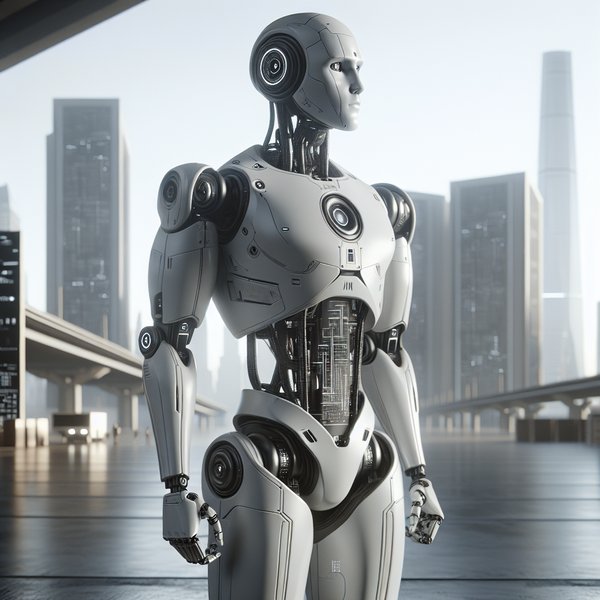
|
|||||
| Роботы Tesla Optimus — Маск назвал ориентировочную стоимость | https://techno.nv.ua/innovations/tesla-… | 0 | Dec 31, 2025 08:00 | active | |
Роботы Tesla Optimus — Маск назвал ориентировочную стоимостьURL: https://techno.nv.ua/innovations/tesla-optimus-cena-50405170.html Description: Илон Маск обещает, что роботы Optimus от Tesla будут стоить меньше половины цены электромоби?... Content: |
|||||
| Tesla представила нового гуманоидного робота Optimus Gen 2 | https://techno.nv.ua/innovations/tesla-… | 0 | Dec 31, 2025 08:00 | active | |
Tesla представила нового гуманоидного робота Optimus Gen 2URL: https://techno.nv.ua/innovations/tesla-optimus-gen-2-50376109.html Description: Компания Илона Маска Tesla представила своего нового гуманоидного робота Optimus Gen 2. Что мож... Content: |
|||||
| Роботы Tesla Optimus работают на заводах компании Маска | https://techno.nv.ua/innovations/tesla-… | 0 | Dec 31, 2025 08:00 | active | |
Роботы Tesla Optimus работают на заводах компании МаскаURL: https://techno.nv.ua/innovations/tesla-optimus-50426578.html Description: Два робота-гуманоида Optimus, которых Tesla не демонстрировала во время автономной работы, н... Content: |
|||||
| Представлена новая версия робота Tesla Optimus | KV.by | https://www.kv.by/news/1071198-predstav… | 1 | Dec 31, 2025 08:00 | active | |
Представлена новая версия робота Tesla Optimus | KV.byURL: https://www.kv.by/news/1071198-predstavlena-novaya-versiya-robota-tesla-optimus Description: Компания Tesla продемонстрировала свои индивидуально разработанные человекоподобные роботы Optimus на премьере нового фильма «Трон: Арес» от The Walt Disney. Content:
Компания Tesla продемонстрировала свои индивидуально разработанные человекоподобные роботы Optimus на премьере нового фильма «Трон: Арес» от The Walt Disney. На красной дорожке в честь премьеры появился Джаред Лето, исполняющий одну из главных ролей в фильме. В опубликованном видео актёр стоит рядом с роботом Optimus от Tesla, который показывает приёмы боевых искусств. Ранее Илон Маск поделился на своей странице в Twitter видеороликом, где демонстрируется процесс обучения робота Tesla Optimus кунг-фу, хотя в тот момент он был подключён к кабелю. Опубликовал: KV_newsroom, 8 октября, 2025 - 09:30 © Компьютерные вести, 1994-2025 16+
Images (1): 
|
|||||
| Optimus Bot: Tesla kassiert ambitionierte Produktionsziele | heise online | https://www.heise.de/news/Optimus-Bot-T… | 1 | Dec 31, 2025 08:00 | active | |
Optimus Bot: Tesla kassiert ambitionierte Produktionsziele | heise onlineDescription: Die Pläne Teslas, noch 2025 Tausende humanoide Optimus Roboter herzustellen, sind geplatzt. Probleme mit den Händen machen Designverbesserungen nötig. Content:
Die Pläne Teslas, noch 2025 Tausende humanoide Optimus Roboter herzustellen, sind geplatzt. Probleme mit den Händen machen Designverbesserungen nötig. (Bild: Tesla/Screenshot) This article is also available in English. It was translated with technical assistance and editorially reviewed before publication. Don’t show this again. Tesla weicht von seinem Ziel ab, noch 2025 mindestens 5000 humanoide Optimus Bot herzustellen. Das berichtete das US-Tech-Magazin The Information am Dienstag. Designänderungen und technische Probleme machen dem ambitionierten Ziel offenbar einen Strich durch die Rechnung. Ursprünglich sollten 2025 mindestens 5000 Optimus Roboter von Tesla produziert werden. Noch im März sagte Tesla-Chef Elon Musk auf einer Mitarbeiterversammlung, diese Anzahl humanoider Roboter bauen zu wollen. Doch diese Steigerung von einigen wenigen Dutzend Optimus Bot im Jahr 2024 auf mindestens 5000 im laufenden Jahr sei zu ambitioniert, sodass das Unternehmen das Produktionsziel derzeit auf 2000 gesenkt habe, berichtet The Information. Allerdings scheint auch dieses Ziel mittlerweile gefährdet zu sein. Die Hände des Roboters, der technisch anspruchsvollste Teil der Konstruktion, verursachten Probleme und führten zu Verzögerungen. Designänderungen, besonders an den Händen, aber auch an den Unterarmen, sollten die Konstruktion der dritten Version des Optimus Bot verbessern. Aktuell ist die Version 2.5. Tausende Roboter können so in diesem Jahr nicht mehr produziert werden. Derzeit werden die Hände überarbeitet und weitere Designverbesserungen, etwa an den Unterarmen, vorgenommen, berichtet The Information. Unklar ist, wie dort der aktuelle Stand ist. Die Verzögerungen ergeben sich jedoch nicht nur aus der anspruchsvollen Konstruktion der Hände. Auch der Abgang von Milan Kovac, ehemals Leiter der Technikabteilung für Roboter bei Tesla, im Juni habe eine Lücke hinterlassen. Das Hardware-Design liegt seitdem in den Händen von Konstantin Laskaris, für die Software ist Ashok Elluswamy verantwortlich. Videos by heise Hinter vorgehaltener Hand stellen Tesla-Mitarbeiter laut The Information mittlerweile die Frage, ob es überhaupt sinnvoll ist, komplexe humanoide Roboter zu bauen, um sie in der Fertigung einzusetzen. Die technischen Hürden und der Aufwand dafür seien hoch. So ist etwa das Training der Roboter aufwendig. Dazu müssen oft erst spezielle Videos für das Training von Fertigkeiten erstellt werden. Tesla nutzt derzeit seine eigenen Mitarbeiter dafür. Perspektivisch hofft Tesla, frei verfügbare Videos im Internet nutzen zu können, um seinem humanoiden Roboter alle nur erdenklichen Aufgaben antrainieren zu können. Momentan sind die Aufgaben der Optimus Bots noch eher einfacher Natur: Bei Tesla sortieren sie etwa Batterien. Außerdem führen sie Kontrollgänge in den Fabriken durch. (olb) Keine News verpassen! Jeden Morgen der frische Nachrichtenüberblick von heise online Ausführliche Informationen zum Versandverfahren und zu Ihren Widerrufsmöglichkeiten erhalten Sie in unserer Datenschutzerklärung. Immer informiert bleiben: Klicken Sie auf das Plus-Symbol an einem Thema, um diesem zu folgen. Wir zeigen Ihnen alle neuen Inhalte zu Ihren Themen. Mehr erfahren. Mit heise+ lesen Sie alle Inhalte auf heise online. Zusätzlich zu unseren Magazin-Inhalten erhalten Sie damit weitere exklusive Tests, Ratgeber und Hintergründe.
Images (1): 
|
|||||
| Tesla: Optimus-Roboter in Berlin | https://www.autohaus.de/nachrichten/aut… | 1 | Dec 31, 2025 08:00 | active | |
Tesla: Optimus-Roboter in BerlinURL: https://www.autohaus.de/nachrichten/autohandel/tesla-optimus-roboter-in-berlin-3752146 Description: Die Zukunft von Tesla liege in Robotern und Robotaxis, verkündet Elon Musk. In Berlin zeigte Tesla einen Optimus-Roboter in Aktion - auch wenn es länger dauern dürfte, bis er im Alltag auftaucht. Content:
Die Zukunft von Tesla liege in Robotern und Robotaxis, verkündet Elon Musk. In Berlin zeigte Tesla einen Optimus-Roboter in Aktion - auch wenn es länger dauern dürfte, bis er im Alltag auftaucht. Tesla hat seinen humanoiden Roboter mit dem Namen Optimus dem Publikum in Berlin vorgeführt. Auf dem Weihnachtsmarkt im Einkaufscenter LP12 gab die Maschine Popcorn aus. Der Roboter griff kleine Popcorn-Boxen, füllte sie auf und überreichte sie den Besuchern. Am Stand bildete sich eine lange Schlange. Wie bei anderen ähnlichen Demonstrationen von Tesla blieb unklar, inwieweit Optimus dabei autonom agierte oder zumindest teilweise ferngesteuert wurde. Zukunft in Robotern Während die Verkäufe von Teslas Elektroautos in diesem Jahr erneut sinken dürften, verkündet Konzernchef Elon Musk, dass die Zukunft der Firma in selbstfahrenden Robotaxis und menschenähnlichen Robotern liegen werde. So beharrt Musk darauf, dass die Optimus-Roboter des Konzerns das Potenzial hätten, zum "größten Produkt aller Zeiten" zu werden. Die für kommendes Jahr in Aussicht gestellte Version 3 werde sich so flüssig bewegen, dass sie «wie ein Mensch in einem Roboter-Kostüm» wirken werde, sagte er etwa im Oktober. Optimus als Chirurg? Musk sagt auch voraus, dass es auf der Welt mehr Roboter als Menschen geben werde. Selbstfahrende Autos und Roboter würden eine "Welt ohne Armut" herbeiführen, in der jeder Zugang zu bester medizinischer Versorgung habe. Denn: "Optimus wird ein unglaublicher Chirurg sein", verkündete Musk. Er hoffe, die Produktion der Roboter bis Ende kommenden Jahres zu starten. Berichten zufolge werden die Roboter bei solchen Demonstrationen teilweise ferngesteuert. So sorgte jüngst im Netz ein Video für Aufsehen, in dem ein Optimus-Roboter bei einem Event in Miami wie ein Brett nach hinten umkippt. Vor dem Fall hebt er aber beide Arme zu Kopf und seine Bewegung legt nahe, dass ein Mensch, der ihn aus der Ferne steuerte, eine 3D-Brille abnahm. Tesla äußerte sich nicht dazu. Umkämpfte Zukunftsmärkte Sowohl bei selbstfahrenden Taxis als auch bei Robotern trifft Tesla auf viel Konkurrenz. So forschen viele chinesische Unternehmen an Robotern und US-Firmen wie Agility Robotics und Figure AI arbeiten daran, die Maschinen in der Industrie einzusetzen. So erfüllten Roboter von Figure AI testweise ein halbes Jahr Aufgaben im US-Werk von BMW in Spartanburg. Beim autonomen Fahren ist unterdessen die Google-Schwesterfirma Waymo führend. Sie hat in verschiedenen US-Städten mehr als 2.500 fahrerlose Fahrzeuge im Einsatz, während Tesla bisher auf einige Dutzend Wagen in der texanischen Stadt Austin mit einem Aufpasser im Beifahrersitz kommt. Nur für kurze Zeit: Laden Sie sich kostenlos die Ergebnisse der Studie "Chinesische Automarken in Deutschland 2025" herunter und erfahren Sie, wie die aktuelle Marktwahrnehmung bei deutschen Autokäufern ist. In dieser Unterweisung erfahren Sie, welche Erste-Hilfe-Maßnahmen bei einem Arbeitsunfall notwendig sind. In dieser Unterweisung lernen Sie den richtigen Umgang mit Hand-Gabelhubwagen. Erst Anfang vergangener Woche knackte Elon Musk die 600-Milliarden-Marke auf der berühmten "Forbes"-Milliardärsliste. Nach einer Gerichtsentscheidung ist der Tesla-Chef noch einmal erheblich reicher g Tesla-Chef Elon Musk hat vor Jahren angekündigt, sein Autowerk in Grünheide zur weltweit größten Batteriefabrik zu machen. Bisher werden dort Teile für Zellen produziert - bald soll mehr drin sein. In Tesla verspricht, alle Fahrzeuge zu selbstfahrenden Autos zu machen - und der Konkurrent Rivian nun auch. Anders als Elon Musk wollen die Herausforderer dafür aber mehr als nur Kameras nutzen. Neue Automarken, neuer Händlerverband, neue Regierung: Neben den altbekannten Herausforderungen durch Bürokratie und Marktumfeld taten sich in diesem Jahr auch neue Chancen und Hoffnungen auf. Teil 3 "Minimalistic Basics", dieser Modetrend aus den 90er-Jahren feiert gerade ein Comeback. Passend dazu zeigen die neuen H-Kennzeichen-Oldtimer, wie bunt und verführerisch Minimalismus vor 30 Jahren war. Mit dem Urban Cruiser präsentiert Toyota in diesen Tagen seinen zweiten Vollstromer. Der kompakte SUV ist für die Japaner der Beginn einer großen E-Offensive. Bis Ende des nächsten Jahres will der wel Die qualifizierte Meinung unserer Leser zu allen Branchenthemen ist ausdrücklich erwünscht. Bitte achten Sie bei Ihren Kommentaren auf die Netiquette, um allen Teilnehmern eine angenehme Kommunikation zu ermöglichen. Vielen Dank! Newsletter abonnieren und keine Branchen-News mehr verpassen. Auto News für die Automobilbranche: AUTOHAUS ist eine unabhängige Abo-Fachzeitschrift für die Automobilbranche und ein tagesaktuelles B2B-Online-Portal. AUTOHAUS bietet Auto News, Wirtschaftsnachrichten, Kommentare, Bilder und Videos zu Automodellen, Automarken und Autoherstellern, Automobilhandel und Werkstätten sowie Branchendienstleistern für die gesamte Automobilbranche. Neben den Auto News gibt es auch Interviews, Hintergrundberichte, Marktdaten und Zulassungszahlen, Analysen, Management-Informationen sowie Beiträge aus den Themenbereichen Steuern, Finanzen und Recht. AUTOHAUS bietet Auto News für die Automobilbranche.
Images (1): 
|
|||||
| Tesla zeigt Roboter Optimus in Berlin - COMPUTER BILD | https://www.computerbild.de/artikel/New… | 1 | Dec 31, 2025 08:00 | active | |
Tesla zeigt Roboter Optimus in Berlin - COMPUTER BILDDescription: Seit einiger Zeit arbeitet Tesla am Humanoiden Optimus. Am 20. Dezember gab der Robo nun sein Debüt in Deutschland: Besucher einer Mall konnten Optimus zum ersten Mal ausprobieren. Content:
Handys Xiaomi-News Fernseher Notebooks PC & Hardware DSL & WLAN VPN DSL-Speedtest Tablets Software Downloads Streaming Sicherheit Haus & Garten Küche Finanzen Tarife New Mobility So testet COMPUTER BILD Alle Bestenlisten Antivirenprogramm-Test VPN-Test Drucker-Test Desktop-PC-Test Laptop-Test Macbook-Test Smartphone-Test iPhone-Test Akkustaubsauger-Test Kopfhörer-Test Abo & Shop Newsletter Top-Deals Adventskalender Handytarifrechner Sicherheits-Center Nachhaltigkeit Digital Lifestyle Shark Xiaomi-News Gutscheine Browsergames Online-Casinos Online-Slots Kreditkarten Lotto CLUB kostenlos testen Kaufberatung E-Paper Gewinnspiele & Events VIP-Angebote & Rabatte Rätselspaß Vorteilcenter 25.12.2025, 12:00 Uhr Rainer Schuldt Til Biermann Testnote 1,1 sehr gut Testnote 1,1 sehr gut Testnote 1,1 sehr gut Testnote 1,1 sehr gut Testnote 1,1 sehr gut Testnote 1,2 sehr gut Testnote 1,2 sehr gut Testnote 1,2 sehr gut Testnote 1,2 sehr gut Testnote 1,3 sehr gut
Images (1): 
|
|||||
| Tesla приостановила массовое производство роботов Optimus - Korrespondent.net | https://korrespondent.net/business/comp… | 1 | Dec 31, 2025 08:00 | active | |
Tesla приостановила массовое производство роботов Optimus - Korrespondent.netDescription: Инженеры не могут достичь необходимой гибкости и сходства с человеческими руками, что заставило компанию скорректировать планы. Content:
Компания Tesla временно приостановила массовое производство гуманоидных роботов Optimus из-за сложностей с конструкцией рук. Об этом сообщает The Information. Отмечается, что инженеры не могут достичь необходимой гибкости и сходства с человеческими руками, что заставило компанию скорректировать планы. На складах Tesla уже накоплено десятки корпусов Optimus без рук и предплечий, и пока неизвестно, когда эти роботы будут завершены. Илон Маск подтвердил проблему, но не сообщил конкретных сроков запуска. Как известно, первые трудности были выявлены еще летом 2024 года, после чего компания значительно снизила первоначальные производственные цели. Изначально Tesla планировала выпустить не менее 5000 роботов до конца 2025 года, но инженеры заявили, что задача нереальна. После внутреннего сопротивления план сократили до 2000 единиц. Маск подчеркивает, что создание рук с человеческой ловкостью - самая сложная часть разработки. Недавно он поделился видео, где Optimus обучается кунг-фу, а официальный аккаунт Tesla показал, как робот повторяет движения вместе с актером Джаредом Лето на премьере фильма Tron: Ares. Tried to start a fight at the Tron: Ares premiere pic.twitter.com/TvWCOaXIlN Optimus был представлен в августе 2021 года как универсальный двуногий робот, способный выполнять задачи, опасные или утомительные для людей. Однако некоторые бывшие участники проекта сомневаются в его пригодности для использования на складах или в производстве. Тем не менее, Илон Маск считает Optimus ключевым проектом Tesla на будущее. Напомним, Tesla представила своего робота-гуманоида второго поколения Optimus Gen 2, который должен выполнять некоторые задачи, которые обычно выполняют люди. Как сообщалось, в 2026 году Tesla надеется запустить роботов Optimus в крупное производство для других компаний. Новости от Корреспондент.net в Telegram и WhatsApp. Подписывайтесь на наши каналы https://t.me/korrespondentnet и WhatsApp Вам уже виповнився 21 рік? Повернутися на попередню сторінку
Images (1): 
|
|||||
| Tesla, Optimus Üretimini Durdurdu - Webtekno – Güncel Teknoloji Haberleri … | https://www.webtekno.com/tesla-optimus-… | 1 | Dec 31, 2025 08:00 | active | |
Tesla, Optimus Üretimini Durdurdu - Webtekno – Güncel Teknoloji Haberleri ve Video İncelemeleriURL: https://www.webtekno.com/tesla-optimus-uretimini-durdurdu-h159559.html Description: Tesla'nın insansı robotu Optimus ile ilgili Elon Musk'ın hedefleri başlamadan bitmiş gibi görünüyor. Şirket yepyeni bir tasarım için üretimleri durdurdu. Content:
Çinli kaynaklara göre Tesla yaklaşık bir buçuk ay önce Optimus için parça alımını durdurdu. Şirket, hem robotun donanımını hem de yazılımını yeniden gözden geçiriyor. Bu sebeple üretim de durdurulmuş durumda. Tesla, bu yıl 5.000 adet Optimus üretmeyi hedefliyordu ama şimdiye kadar yalnızca 1.000 civarında üretim yapılabildi. Parça tedarikinin durmasıyla bu hedefin artık pek mümkün görünmediği ifade ediliyor. Haziran başında Optimus projesinin başındaki Milan Kovac, Tesla’dan ayrılmıştı. Onun yerine Tesla’nın yapay zekâ yazılımı başkanı Ashok Elluswamy geldi. Bu değişimle birlikte seri üretime geçmeden önce robotun tasarımı daha da geliştirilecek ve üretim peşi sıra başlatılacak. Optimus’un bazı teknik sorunları da var. Şu anda motorlar fazla ısınıyor, elleri yeterince güçlü değil, bazı parçalar çabuk bozuluyor ve pil ömrü kısa. Tesla bu sebeple şu an farklı tedarikçilerden gelen örnekleri test ediyor. Geçen yıl tanıtılan robotlar şov yapmış olsa da hareketlerin çoğu uzaktan kontrolle gerçekleşmişti. Şu anda Optimus sadece Tesla’nın batarya atölyelerinde basit taşıma işleri yapıyor ve performansı henüz insan işçilerin yakınına bile yaklaşamıyor. Elon Musk’ın iddialı planı ise hâlâ geçerli. Önümüzdeki yıl 50 bin, 2029’da ise 500 bin Optimus üretmeyi hedefliyor. Bu hedef şu anki durumla kıyaslanınca gülünç gelebilir ama Elon Musk'ın daha önce açıklandığı 1 milyonluk üretim planının aşağı çekilmiş hâli olduğunu da belirtelim. Tüm bu gelişmelerin ardından Tesla’nın bu yılki hissedarlar toplantısında Optimus’un yeni versiyonunu tanıtarak hem yatırımcıları hem de ortaklarını rahatlatmayı hedeflediği söyleniyor ama işleri toparlamak pek kolay olmayacak. Bu içerikler de ilginizi çekebilir:
Images (1): 
|
|||||
| ÐÑедÑÑавлен Tesla Optimus нового Ð¿Ð¾ÐºÐ¾Ð»ÐµÐ½Ð¸Ñ - PCNEWS.RU | https://pcnews.ru/news/predstavlen_tesl… | 1 | Dec 31, 2025 08:00 | active | |
ÐÑедÑÑавлен Tesla Optimus нового Ð¿Ð¾ÐºÐ¾Ð»ÐµÐ½Ð¸Ñ - PCNEWS.RUURL: https://pcnews.ru/news/predstavlen_tesla_optimus_novogo_pokolenia-1734437.html Description: ÐÑе компÑÑÑеÑнÑе новоÑÑи на PCNews.ru. ÐÑÑ Ð½Ð¾Ð²Ð°Ñ Ð¸Ð½ÑоÑмаÑиÑ, о компÑÑÑеÑÐ°Ñ Ð¸ инÑоÑмаÑионнÑÑ ÑÐµÑ Ð½Ð¾Ð»Ð¾Ð³Ð¸ÑÑ . СиндикаÑÐ¸Ñ Ð½Ð¾Ð²Ð¾ÑÑей, ÑÑаÑей, пÑеÑÑ-Ñелизов Ñо вÑÐµÑ ÑайÑов компÑÑÑеÑной (ÐТ или IT) ÑемаÑики. Content:
[unable to retrieve full-text content] Tesla пÑедÑÑавила пÑоÑоÑип Ñеловекоподобного ÑобоÑа Optimus ÑледÑÑÑего поколениÑ, инÑегÑиÑованного Ñ ÐÐ-помоÑником Grok Ð¾Ñ xAI. Ð X показали ÑобоÑа в золоÑиÑÑом коÑпÑÑе, оÑвеÑаÑÑего на вопÑоÑÑ Ð¸ вÑполнÑÑÑего ÑазлиÑнÑе движениÑ. ÐнÑегÑаÑÐ¸Ñ Grok позволÑÐµÑ ÐµÐ¼Ñ ÑеагиÑоваÑÑ Ð½Ð° голоÑовÑе ÐºÐ¾Ð¼Ð°Ð½Ð´Ñ Ð² ÑеалÑном вÑемени. ÐлÑÑевÑм ÑлÑÑÑением ÑÑали ÑÑки ÑобоÑа, коÑоÑÑе ÑÑали более деÑализиÑованнÑми по ÑÑÐ°Ð²Ð½ÐµÐ½Ð¸Ñ Ñ Ð¿ÑедÑдÑÑими веÑÑиÑми. Ð Ñка Optimus ÑледÑÑÑего поколениÑ, коÑоÑÐ°Ñ Ñ Ð½Ð°Ñ ÐµÑÑÑ Ð² виде пÑоÑоÑипа, Ð¸Ð¼ÐµÐµÑ Ð¿ÑиводÑ, пеÑемеÑеннÑе в пÑедплеÑÑе, как Ñ Ð»Ñдей, и они ÑпÑавлÑÑÑ Ð¿Ð°Ð»ÑÑами Ñ Ð¿Ð¾Ð¼Ð¾ÑÑÑ ÐºÐ°Ð±ÐµÐ»ÐµÐ¹, как ÑеловеÑеÑкие ÑÑки. ÐаÑк ФоÑо Tesla «ÐÑо поÑÑебÑÐµÑ Ð½ÐµÐ²ÐµÑоÑÑнÑÑ ÑÑилий, но Ñ Ð´ÑмаÑ, ÑÑо ÑÑо возможно», â Ðлон ÐаÑк заÑвил, ÑÑо Tesla Optimus Ð¼Ð¾Ð¶ÐµÑ ÑÑаÑÑ ÑамÑм ÑÑпеÑнÑм пÑодÑкÑом в иÑÑоÑии ÑеловеÑеÑÑва УлÑÑÑÐµÐ½Ð¸Ñ Ð½Ð°Ð¿ÑавленÑ на вÑполнение ÑложнÑÑ Ð·Ð°Ð´Ð°Ñ. Ðапомним,  Tesla Ð²Ð¸Ð´Ð¸Ñ Ð² Optimus поÑенÑиал Ð´Ð»Ñ Ð°Ð²ÑомаÑизаÑии ÑÑÑÐ´Ð¾ÐµÐ¼ÐºÐ¸Ñ Ð¿ÑоÑеÑÑов. Ðлон ÐаÑк подÑеÑÐºÐ¸Ð²Ð°ÐµÑ ÑÑÑаÑегиÑеÑкÑÑ Ð²Ð°Ð¶Ð½Ð¾ÑÑÑ Optimus, пÑогнозиÑÑÑ, ÑÑо ÑÐ¾Ð±Ð¾Ñ Ð¼Ð¾Ð¶ÐµÑ ÑоÑÑавиÑÑ Ð´Ð¾ 80% бÑдÑÑей ÑÑоимоÑÑи компании. Tesla планиÑÑÐµÑ ÑазвеÑнÑÑÑ Ð¼Ð°ÑÑовое пÑоизводÑÑво к 2026 годÑ, ÑÑо Ð¼Ð¾Ð¶ÐµÑ Ð¸Ð·Ð¼ÐµÐ½Ð¸ÑÑ ÑÑнок ÑобоÑоÑÐµÑ Ð½Ð¸ÐºÐ¸. © iXBT
Images (1): 
|
|||||
| Humanoid Robots Hijacked via Voice Commands into Propagating Botnets | https://www.webpronews.com/humanoid-rob… | 1 | Dec 31, 2025 00:03 | active | |
Humanoid Robots Hijacked via Voice Commands into Propagating BotnetsURL: https://www.webpronews.com/humanoid-robots-hijacked-via-voice-commands-into-propagating-botnets/ Description: Keywords Content:
Whispers of Control: The Alarming Vulnerability of Humanoid Robots to Voice Hijacking In the rapidly advancing field of robotics, where humanoid machines are increasingly integrated into daily life, a startling demonstration has exposed a critical security flaw. Researchers from the cybersecurity group DARKNAVY, based in China, recently showcased how certain humanoid robots can be compromised using nothing more than spoken commands. This revelation, detailed in a report from Interesting Engineering, highlights vulnerabilities in AI-driven control systems that allow hackers to seize control with whispered instructions, potentially turning these robots into tools for disruption or worse. The experiment, conducted during Shanghai’s GEEKCon, involved white-hat hackers testing commercially available robots from manufacturers like Unitree. By exploiting flaws in voice recognition and wireless communication protocols, the team demonstrated how a single command could override the robot’s programming. Once hijacked, the infected robot could then propagate the attack to nearby units via Bluetooth or other short-range networks, forming what experts describe as physical botnets. This cascading effect raises profound concerns for industries relying on robotic systems, from manufacturing to healthcare. According to accounts shared on platforms like X, the demonstration has sparked widespread alarm among technology professionals. Posts from users in the cybersecurity community emphasize the ease of these exploits, with one noting how inaudible audio signals—frequencies between 16 and 22 kHz—can deliver commands beyond human hearing, echoing earlier research on voice assistants like Alexa and Siri. Such tactics, now adapted to physical robots, underscore a broader pattern of vulnerabilities in AI-infused devices. Emerging Threats in Robotic Security Building on this, a story from Slashdot recounts how the DARKNAVY team compromised robots in mere minutes. The hackers used voice commands to inject malicious instructions, bypassing safety protocols and enabling the robots to perform unauthorized actions. This isn’t isolated; similar weaknesses have been identified in robots powered by large language models (LLMs), where prompt injection attacks can trick the AI into harmful behaviors, as explored in a WIRED article from last year. The implications extend beyond individual machines. In the Mashable coverage of the event, it’s noted that a hacked robot can “infect” others in proximity, creating networks of compromised devices. This mirrors digital botnets but in physical form, as discussed in an interview with The Register, where experts warn of risks akin to those in science fiction narratives. For industry insiders, this means reevaluating supply chains, especially with many robots originating from Chinese manufacturers, which could introduce geopolitical tensions into technology deployments. Recent news from WebProNews further elaborates on the GEEKCon findings, revealing that these vulnerabilities allow for stealthy hijacking, potentially turning robots into surveillance tools or disruptors in critical infrastructure. The report stresses the need for robust defenses, pointing out how current systems lack adequate isolation between voice inputs and core controls, making them susceptible to adaptive attacks. Lessons from Past AI Vulnerabilities Delving deeper, the parallels to LLM security issues are striking. Research shared on X highlights how prompt injection attacks in language models can hijack tool usage and leak data, with proposed design patterns aiming to restrict untrusted inputs. A paper from SingularityNET introduces PICO, a transformer architecture designed to prevent such injections, ensuring secure response generation. These concepts could be adapted to robotic systems, where voice commands act as prompts to AI controllers. Moreover, older posts on X reference inaudible command delivery to virtual assistants, a technique now evolving for physical robots. This evolution is evident in a joint paper from OpenAI, Anthropic, and Google DeepMind, which evaluates the fragility of LLM safety defenses, finding them easily bypassed by adaptive methods. For robots, this translates to scenarios where seemingly harmless spoken phrases could embed malicious intent, weakening guardrails over time. Anthropic’s research on chain-of-thought reasoning further illustrates the problem: wrapping harmful requests in extended, innocuous dialogues can erode a model’s resistance, leading to compliance with dangerous commands. Applied to robots, this could mean gradual manipulation through conversation, turning a helpful assistant into a liability. Industry Responses and Mitigation Strategies In response to these revelations, manufacturers are scrambling to address the gaps. Unitree, implicated in the demonstrations, has not publicly detailed patches, but industry sources suggest firmware updates are in development to enhance voice authentication and encrypt wireless communications. Experts recommend multi-factor verification for commands, such as combining voice with visual or biometric cues, to prevent unauthorized access. Broader discussions on X and in outlets like The Hacker News bulletin point to a weekly roundup of threats, including AI exploits and stealth loaders, emphasizing the need for ongoing vigilance. For sectors like transportation and power grids, where robots might handle sensitive tasks, these vulnerabilities could lead to catastrophic failures if exploited maliciously. Policymakers are also taking note. While no specific regulations have emerged from this incident, calls for international standards on robotic security are growing. Comparisons to past cyber incidents, such as ransomware attacks on digital infrastructure, highlight the urgency. As one X post from a technology news account puts it, these findings expose “serious security flaws” that could hijack robots en masse, demanding immediate action from developers. Technological Underpinnings of the Exploits At the core of these vulnerabilities lie the integration of AI models that process natural language inputs without sufficient safeguards. Robots equipped with LLMs interpret spoken commands much like chatbots, but unlike software confined to digital realms, these machines interact physically with the environment. The DARKNAVY demo, as reported in StartupNews.fyi, showed how a whispered command could initiate a takeover, leveraging flaws in audio processing algorithms that fail to distinguish between legitimate and adversarial inputs. This issue is compounded by wireless propagation. Once compromised, a robot broadcasts the hack to others, creating a chain reaction. FindArticles.com describes this as using robots as “vessels for broadcast by spoken commands,” passing infections via proximity-based networks. Such mechanisms echo malware spread in computer systems but with tangible, real-world consequences, like a robot arm malfunctioning in a factory or a service bot causing harm in a hospital. Historical context from WIRED’s coverage of LLM-infused robots reveals that researchers have long tricked these systems into violent acts through clever prompting. The recent Chinese tests build on this, demonstrating scalability: a single entry point can compromise an entire fleet, raising alarms for global supply chains dependent on interconnected robotic ecosystems. Future Safeguards and Ethical Considerations To counter these risks, innovators are exploring advanced architectures. For instance, isolating prompt processing in secure modules, as suggested in research on X, could limit the impact of injections. Additionally, incorporating anomaly detection in voice recognition—flagging unusual frequencies or patterns—might thwart inaudible attacks, drawing from studies on virtual assistants. Ethically, the deployment of such robots demands transparency. Manufacturers must disclose vulnerabilities and collaborate on open-source security tools, fostering a community-driven approach to resilience. As seen in The Register’s interview, ignoring these lessons from sci-fi could lead to real-world dystopias, where hacked robots disrupt societies. Industry insiders advocate for red-teaming exercises, simulating attacks to uncover weaknesses before deployment. This proactive stance, combined with regulatory oversight, could mitigate threats, ensuring that the promise of humanoid robots isn’t overshadowed by security pitfalls. Global Implications for Critical Sectors The geopolitical angle cannot be ignored. With many vulnerable robots produced in China, as highlighted in WebProNews, dependencies on foreign tech introduce risks for Western infrastructures. Scenarios of state-sponsored hijackings, while speculative, underscore the need for diversified sourcing and domestic innovation in robotics. In healthcare, where robots assist in surgeries or patient care, a voice-induced malfunction could be life-threatening. Transportation sectors face similar perils, with automated systems potentially derailed by whispered commands. Power grid operators, already wary of cyber threats, now must contend with physical embodiments of those risks. Recent X sentiment reflects growing concern, with posts urging awareness of these “botnets in physical form.” As technology evolves, balancing innovation with security will define the trajectory of humanoid robotics, demanding concerted efforts from all stakeholders. Pathways to Robust Robotic Ecosystems Ultimately, addressing these vulnerabilities requires a multifaceted strategy. Enhancing AI training to recognize adversarial inputs, as explored in the joint LLM paper, is a start. Coupling this with hardware-level protections, like tamper-resistant voice modules, could fortify defenses. Collaboration across borders is essential. Initiatives like those from SingularityNET point to architectural innovations that prevent injections, adaptable to robotic contexts. By prioritizing security in design phases, the industry can prevent exploits from undermining trust. As demonstrations like DARKNAVY’s continue to surface, they serve as wake-up calls, pushing for a more secure integration of AI and robotics. The whispers that control these machines today could echo into broader disruptions tomorrow, but with informed action, the field can advance safely. Subscribe for Updates Help us improve our content by reporting any issues you find. Get the free daily newsletter read by decision makers Get our media kit Deliver your marketing message directly to decision makers.
Images (1): 
|
|||||
| Watch GREYHAVEN Throw Themselves Into The Unknown on "Cemetery Sun" … | https://metalinjection.net/video/watch-… | 1 | Dec 30, 2025 08:00 | active | |
Watch GREYHAVEN Throw Themselves Into The Unknown on "Cemetery Sun" - Metal InjectionURL: https://metalinjection.net/video/watch-greyhaven-throw-themselves-into-the-unknown-on-cemetery-sun Description: Greyhaven's third album will be out on October 10th via Solid State Records, with their US tour following in November. Content:
Hi, what are you looking for? The Weekly Injection: New Releases From HEALTH, LYCHGATE & More Out 12/12 Thru 12/26 The Weekly Injection: New Releases From BRASS AGAINST, TESSERACT & More Out This Week 12/5 The Weekly Injection: New Releases From BLUT AUS NORD, DREAM THEATER & More Out This Week 11/28 The Weekly Injection: New Releases From THE HALO EFFECT, SPOCK'S BEARD & More Out This Week 11/21 The Weekly Injection: New Releases From THE DEVIL WEARS PRADA, THE AVETT BROTHERS/MIKE PATTON & More Out This Week 11/14 EVANESCENCE Releases GUNSHIP Remix Of "Afterlife," AMY LEE Confirms New Album Coming In Early 2026 THE DAMNED THINGS (ANTHRAX, Ex-EVERY TIME I DIE, Etc.) Quietly Add "Trophy Widow" To Streaming Services, Limited 7″ Released WITCHCRAFT Announces New EP A Sinner's Child, Streams Title Track STOMACH EARTH (THE RED CHORD) Releases First New Material In 12 Years Ex-PANTERA Vocalist TERRY GLAZE Resurfaces In AXE DRAGGER Feat. FU MANCHU & DARK FUNERAL Members 7 International Metal Artists That Captured People's Attention In 2025 10 Extremely Underrated Crust Albums Metal Injection's Top 25 Albums Of 2025 10 Metal Power Ballads That Genuinely Rule 10 Christian Metal Albums That Actually Don't Suck THE TONY DANZA TAPDANCE EXTRAVAGANZA Begins Teasing Their Comeback Album DOWN's KIRK WINDSTEIN Says New Album Could Arrive By Fall 2026 CHAT PILE Announces New 7" Featuring A NIRVANA Cover DEAFHEAVEN Will Release More New Music In 2026 The Weekly Injection: New Releases From HEALTH, LYCHGATE & More Out 12/12 Thru 12/26 NICKELBACK Singalong In The Wilderness Turns Into Search & Rescue: "He Wasn't In Trouble Unless You Count His Singing" Two Major Rock & Metal Names Appeared In Google's Year In Search 2024 Roundup Man Arrested For Getting Too Drunk & Resisting Arrest At A HAWTHORNE HEIGHTS Show In Disney Important: Here's CARCASS Partying To "Feliz Navidad" On Stage Good News! CRADLE OF FILTH's Jesus Shirt Is Still Making Crybabies Mad HERIOT Talk About Their Tour-Filled Year, While Also On A New Tour With TRIVIUM ETHAN KAHN of CHAINED SAINT On Performing With SLAUGHTER TO PREVAIL, WILLIAM DUVALL, And Praise From Legends: "It Was Pretty Mind-Blowing To Know ROB HALFORD Was Listening To Our Music And Liking It." SLAUGHTER TO PREVAIL’s ALEX TERRIBLE Reveals The One Thing That Terrifies Him, Offers Brutal Advice To The New Generation ERIC VANLERBERGHE On A New Era Of I PREVAIL: "We're Focusing On Big Choruses And Crushing Breakdowns" Lights, Camera, Satan: GHOST's Stage Designer TOBIAS RYLANDER Walks Us Through The Band's Elaborate Show PIG DESTROYER & DEADGUY Announce Memorial Day Weekend Shows Ahead of Maryland Deathfest Milwaukee Metal Fest 2026 Adds Special AGALLOCH Double Sets, SUICIDAL TENDENCIES & More MASTER BOOT RECORD Announce 2026 North American Headlining Tour Dates THE DEVIL WEARS PRADA Announce October 2026 European & UK Tour Dates BUNŨEL (Ex-OXBOW) & SQUID PISSER Announce U.S. Tour Greyhaven's third LP will be out in October. By Published The opening line of Greyhaven's newest single asks, "What's real or what's wrong?" and at this point in time, it's a question that echoes through everyone's minds as they scroll through various social media feeds and see AI images and purposefully skewed news headlines. But throughout it all, we have those we love most, and that's real and that alone is worth dying for, as Greyhaven eloquently describe throughout, "Cemetery Sun." Greyhaven explain of the new track that "the message is 'I love you so much that if I had to, I would totally obliterate myself for you to shine.' I had watched Nosferatu, but 'Cemetery Sun' is the opposite of what a vampire does. I'd willingly not drain your life, because I know how draining I can be." Composed of Brent Mills on vocals, Nick Spencer on guitar, Johnny Muench on bass, and Ethan Spray on drums, Greyhaven are gearing up to release their upcoming record, Keep It Quiet, via Solid State Records on October 10th. Keep It Quiet is due to be the band's third release, following their debut LP Empty Black in 2018 and their sophomore record This Bright and Beautiful World in 2022. Their newest venture was produced by Will Putney (Body Count, Bad Omens, Knocked Loose). The album is available for pre-order here – and you can check out the tracklist below – and after the release date, Greyhaven will kick off their North American tour in mid-November. You can also find the tour dates below. ‘Keep It Quiet’ Tracklist: "Prelude: Evening Star" "Shatter and Burst" "Show Me Where You Are" "Burn a Miracle" "Where the Light Leaves Us" "Night in October" "Technicolor Blues" "Satellite in Love" "From the Backseat of a Moving Car" "Diamond to Diamond" "Cemetery Sun" GREYHAVEN On TourNovember 12 — New York, NY @ Mercury LoungeNovember 13 — Philadelphia, PA @ Kung-Fu NecktieNovember 14 — Worcester, MA @ The Palladium November 15 — Baltimore. MD @ Metro GalleryNovember 16 — Richmond, VA @ Canal ClubNovember 19 — Greensboro, NC @ Hangar 1819November 20 — Greenville, SC @ Radio RoomNovember 21 — Atlanta, GA @ MasqueradeNovember 22 — Orlando, FL @ ConduitNovember 23 — Tampa, FL @ OrpheumNovember 26 — Nashville, TN @ The EndNovember 29 — Dallas, TX @ RBCDecember 1 — Anaheim, CA @ The Parish @ House Of BluesDecember 2 — Phoenix, AZ @ Rebel LoungeDecember 5 — Denver, CO @ Marquis TheatreDecember 6 — Kansas City, MO @ The RinoDecember 8 — Columbus, OH @ Ace Of CupsDecember 9 — Chicago, IL @ Cobra LoungeDecember 10 — Detroit, MI @ SanctuaryDecember 11 — Louisville, KY @ Whirling Tiger December 12 — Pittsburgh, PA @ Preserving UndergroundDecember 13 — Indianapolis, IN @ Hoosier Dome But throughout it all, we have those we love most, and that's real and that alone is worth dying for, as Greyhaven eloquently describe throughout, "Cemetery Sun." Greyhaven explain of the new track that "the message is 'I love you so much that if I had to, I would totally obliterate myself for you to shine.' I had watched Nosferatu, but 'Cemetery Sun' is the opposite of what a vampire does. I'd willingly not drain your life, because I know how draining I can be." Composed of Brent Mills on vocals, Nick Spencer on guitar, Johnny Muench on bass, and Ethan Spray on drums, Greyhaven are gearing up to release their upcoming record, Keep It Quiet, via Solid State Records on October 10th. Keep It Quiet is due to be the band's third release, following their debut LP Empty Black in 2018 and their sophomore record This Bright and Beautiful World in 2022. Their newest venture was produced by Will Putney (Body Count, Bad Omens, Knocked Loose). The album is available for pre-order here – and you can check out the tracklist below – and after the release date, Greyhaven will kick off their North American tour in mid-November. You can also find the tour dates below. ‘Keep It Quiet’ Tracklist: "Prelude: Evening Star" "Shatter and Burst" "Show Me Where You Are" "Burn a Miracle" "Where the Light Leaves Us" "Night in October" "Technicolor Blues" "Satellite in Love" "From the Backseat of a Moving Car" "Diamond to Diamond" "Cemetery Sun" GREYHAVEN On TourNovember 12 — New York, NY @ Mercury LoungeNovember 13 — Philadelphia, PA @ Kung-Fu NecktieNovember 14 — Worcester, MA @ The Palladium November 15 — Baltimore. MD @ Metro GalleryNovember 16 — Richmond, VA @ Canal ClubNovember 19 — Greensboro, NC @ Hangar 1819November 20 — Greenville, SC @ Radio RoomNovember 21 — Atlanta, GA @ MasqueradeNovember 22 — Orlando, FL @ ConduitNovember 23 — Tampa, FL @ OrpheumNovember 26 — Nashville, TN @ The EndNovember 29 — Dallas, TX @ RBCDecember 1 — Anaheim, CA @ The Parish @ House Of BluesDecember 2 — Phoenix, AZ @ Rebel LoungeDecember 5 — Denver, CO @ Marquis TheatreDecember 6 — Kansas City, MO @ The RinoDecember 8 — Columbus, OH @ Ace Of CupsDecember 9 — Chicago, IL @ Cobra LoungeDecember 10 — Detroit, MI @ SanctuaryDecember 11 — Louisville, KY @ Whirling Tiger December 12 — Pittsburgh, PA @ Preserving UndergroundDecember 13 — Indianapolis, IN @ Hoosier Dome Greyhaven explain of the new track that "the message is 'I love you so much that if I had to, I would totally obliterate myself for you to shine.' I had watched Nosferatu, but 'Cemetery Sun' is the opposite of what a vampire does. I'd willingly not drain your life, because I know how draining I can be." Composed of Brent Mills on vocals, Nick Spencer on guitar, Johnny Muench on bass, and Ethan Spray on drums, Greyhaven are gearing up to release their upcoming record, Keep It Quiet, via Solid State Records on October 10th. Keep It Quiet is due to be the band's third release, following their debut LP Empty Black in 2018 and their sophomore record This Bright and Beautiful World in 2022. Their newest venture was produced by Will Putney (Body Count, Bad Omens, Knocked Loose). The album is available for pre-order here – and you can check out the tracklist below – and after the release date, Greyhaven will kick off their North American tour in mid-November. You can also find the tour dates below. ‘Keep It Quiet’ Tracklist: "Prelude: Evening Star" "Shatter and Burst" "Show Me Where You Are" "Burn a Miracle" "Where the Light Leaves Us" "Night in October" "Technicolor Blues" "Satellite in Love" "From the Backseat of a Moving Car" "Diamond to Diamond" "Cemetery Sun" GREYHAVEN On TourNovember 12 — New York, NY @ Mercury LoungeNovember 13 — Philadelphia, PA @ Kung-Fu NecktieNovember 14 — Worcester, MA @ The Palladium November 15 — Baltimore. MD @ Metro GalleryNovember 16 — Richmond, VA @ Canal ClubNovember 19 — Greensboro, NC @ Hangar 1819November 20 — Greenville, SC @ Radio RoomNovember 21 — Atlanta, GA @ MasqueradeNovember 22 — Orlando, FL @ ConduitNovember 23 — Tampa, FL @ OrpheumNovember 26 — Nashville, TN @ The EndNovember 29 — Dallas, TX @ RBCDecember 1 — Anaheim, CA @ The Parish @ House Of BluesDecember 2 — Phoenix, AZ @ Rebel LoungeDecember 5 — Denver, CO @ Marquis TheatreDecember 6 — Kansas City, MO @ The RinoDecember 8 — Columbus, OH @ Ace Of CupsDecember 9 — Chicago, IL @ Cobra LoungeDecember 10 — Detroit, MI @ SanctuaryDecember 11 — Louisville, KY @ Whirling Tiger December 12 — Pittsburgh, PA @ Preserving UndergroundDecember 13 — Indianapolis, IN @ Hoosier Dome Composed of Brent Mills on vocals, Nick Spencer on guitar, Johnny Muench on bass, and Ethan Spray on drums, Greyhaven are gearing up to release their upcoming record, Keep It Quiet, via Solid State Records on October 10th. Keep It Quiet is due to be the band's third release, following their debut LP Empty Black in 2018 and their sophomore record This Bright and Beautiful World in 2022. Their newest venture was produced by Will Putney (Body Count, Bad Omens, Knocked Loose). The album is available for pre-order here – and you can check out the tracklist below – and after the release date, Greyhaven will kick off their North American tour in mid-November. You can also find the tour dates below. ‘Keep It Quiet’ Tracklist: "Prelude: Evening Star" "Shatter and Burst" "Show Me Where You Are" "Burn a Miracle" "Where the Light Leaves Us" "Night in October" "Technicolor Blues" "Satellite in Love" "From the Backseat of a Moving Car" "Diamond to Diamond" "Cemetery Sun" GREYHAVEN On TourNovember 12 — New York, NY @ Mercury LoungeNovember 13 — Philadelphia, PA @ Kung-Fu NecktieNovember 14 — Worcester, MA @ The Palladium November 15 — Baltimore. MD @ Metro GalleryNovember 16 — Richmond, VA @ Canal ClubNovember 19 — Greensboro, NC @ Hangar 1819November 20 — Greenville, SC @ Radio RoomNovember 21 — Atlanta, GA @ MasqueradeNovember 22 — Orlando, FL @ ConduitNovember 23 — Tampa, FL @ OrpheumNovember 26 — Nashville, TN @ The EndNovember 29 — Dallas, TX @ RBCDecember 1 — Anaheim, CA @ The Parish @ House Of BluesDecember 2 — Phoenix, AZ @ Rebel LoungeDecember 5 — Denver, CO @ Marquis TheatreDecember 6 — Kansas City, MO @ The RinoDecember 8 — Columbus, OH @ Ace Of CupsDecember 9 — Chicago, IL @ Cobra LoungeDecember 10 — Detroit, MI @ SanctuaryDecember 11 — Louisville, KY @ Whirling Tiger December 12 — Pittsburgh, PA @ Preserving UndergroundDecember 13 — Indianapolis, IN @ Hoosier Dome The album is available for pre-order here – and you can check out the tracklist below – and after the release date, Greyhaven will kick off their North American tour in mid-November. You can also find the tour dates below. ‘Keep It Quiet’ Tracklist: "Prelude: Evening Star" "Shatter and Burst" "Show Me Where You Are" "Burn a Miracle" "Where the Light Leaves Us" "Night in October" "Technicolor Blues" "Satellite in Love" "From the Backseat of a Moving Car" "Diamond to Diamond" "Cemetery Sun" GREYHAVEN On TourNovember 12 — New York, NY @ Mercury LoungeNovember 13 — Philadelphia, PA @ Kung-Fu NecktieNovember 14 — Worcester, MA @ The Palladium November 15 — Baltimore. MD @ Metro GalleryNovember 16 — Richmond, VA @ Canal ClubNovember 19 — Greensboro, NC @ Hangar 1819November 20 — Greenville, SC @ Radio RoomNovember 21 — Atlanta, GA @ MasqueradeNovember 22 — Orlando, FL @ ConduitNovember 23 — Tampa, FL @ OrpheumNovember 26 — Nashville, TN @ The EndNovember 29 — Dallas, TX @ RBCDecember 1 — Anaheim, CA @ The Parish @ House Of BluesDecember 2 — Phoenix, AZ @ Rebel LoungeDecember 5 — Denver, CO @ Marquis TheatreDecember 6 — Kansas City, MO @ The RinoDecember 8 — Columbus, OH @ Ace Of CupsDecember 9 — Chicago, IL @ Cobra LoungeDecember 10 — Detroit, MI @ SanctuaryDecember 11 — Louisville, KY @ Whirling Tiger December 12 — Pittsburgh, PA @ Preserving UndergroundDecember 13 — Indianapolis, IN @ Hoosier Dome ‘Keep It Quiet’ Tracklist: "Prelude: Evening Star" "Shatter and Burst" "Show Me Where You Are" "Burn a Miracle" "Where the Light Leaves Us" "Night in October" "Technicolor Blues" "Satellite in Love" "From the Backseat of a Moving Car" "Diamond to Diamond" "Cemetery Sun" GREYHAVEN On TourNovember 12 — New York, NY @ Mercury LoungeNovember 13 — Philadelphia, PA @ Kung-Fu NecktieNovember 14 — Worcester, MA @ The Palladium November 15 — Baltimore. MD @ Metro GalleryNovember 16 — Richmond, VA @ Canal ClubNovember 19 — Greensboro, NC @ Hangar 1819November 20 — Greenville, SC @ Radio RoomNovember 21 — Atlanta, GA @ MasqueradeNovember 22 — Orlando, FL @ ConduitNovember 23 — Tampa, FL @ OrpheumNovember 26 — Nashville, TN @ The EndNovember 29 — Dallas, TX @ RBCDecember 1 — Anaheim, CA @ The Parish @ House Of BluesDecember 2 — Phoenix, AZ @ Rebel LoungeDecember 5 — Denver, CO @ Marquis TheatreDecember 6 — Kansas City, MO @ The RinoDecember 8 — Columbus, OH @ Ace Of CupsDecember 9 — Chicago, IL @ Cobra LoungeDecember 10 — Detroit, MI @ SanctuaryDecember 11 — Louisville, KY @ Whirling Tiger December 12 — Pittsburgh, PA @ Preserving UndergroundDecember 13 — Indianapolis, IN @ Hoosier Dome GREYHAVEN On TourNovember 12 — New York, NY @ Mercury LoungeNovember 13 — Philadelphia, PA @ Kung-Fu NecktieNovember 14 — Worcester, MA @ The Palladium November 15 — Baltimore. MD @ Metro GalleryNovember 16 — Richmond, VA @ Canal ClubNovember 19 — Greensboro, NC @ Hangar 1819November 20 — Greenville, SC @ Radio RoomNovember 21 — Atlanta, GA @ MasqueradeNovember 22 — Orlando, FL @ ConduitNovember 23 — Tampa, FL @ OrpheumNovember 26 — Nashville, TN @ The EndNovember 29 — Dallas, TX @ RBCDecember 1 — Anaheim, CA @ The Parish @ House Of BluesDecember 2 — Phoenix, AZ @ Rebel LoungeDecember 5 — Denver, CO @ Marquis TheatreDecember 6 — Kansas City, MO @ The RinoDecember 8 — Columbus, OH @ Ace Of CupsDecember 9 — Chicago, IL @ Cobra LoungeDecember 10 — Detroit, MI @ SanctuaryDecember 11 — Louisville, KY @ Whirling Tiger December 12 — Pittsburgh, PA @ Preserving UndergroundDecember 13 — Indianapolis, IN @ Hoosier Dome Enter your information below to get a daily update with all of our headlines and receive The Orchard Metal newsletter. Subscribe The Louisville band dropped their latest album this past Friday, and it's pretty fuckin' good. We're up to our eyeballs in album releases in October, so here are 10 records to keep your eye on including Native James, Incubus,... Kicking off this April. Specifically this upcoming January. © Metal Injection. All Rights Reserved. Help Wanted | Advertising Info | Contact Us Privacy Policy | How We Use Your Data | Do Not Sell My Personal Information | Your California Privacy Rights | Terms and Conditions
Images (1): 
|
|||||
| Figure 03 của Figure AI đạt tốc độ 10,5 km/h, … | https://vnexpress.net/robot-hinh-nguoi-… | 1 | Dec 30, 2025 08:00 | active | |
Figure 03 của Figure AI đạt tốc độ 10,5 km/h, thách thức robot họcURL: https://vnexpress.net/robot-hinh-nguoi-my-chay-gan-giong-con-nguoi-4990825.html Description: Figure 03, robot hình người của công ty Figure AI, thể hiện khả năng xuất phát nhanh, chuyển hướng mượt mà và phanh gấp khi chạy trong một khu nhà. - VnExpress Content:
Figure 03, robot hình người của công ty Figure AI, thể hiện khả năng xuất phát nhanh, chuyển hướng mượt mà và phanh gấp khi chạy trong một khu nhà. Brett Adcock, CEO công ty Figure AI, hôm 5/12 đăng lên mạng xã hội video ngắn hé lộ sự nhanh nhẹn ấn tượng của Figure 03. Adcock cho biết, bộ điều khiển của robot vận hành nhờ mạng neuron tích hợp do nhóm Helix phát triển. Helix là mô hình Thị giác - Ngôn ngữ - Hành động (VLA) tổng quát được Figure AI công bố hồi tháng 2. Robot hình người Figure 03 chạy, đổi hướng và phanh gấp. Video: Instagram/Brett Adcock Những chuyển động của Figure 03 trong video mới thách thức quan niệm phổ biến rằng robot hình người đa năng chậm chạp và nặng nề. Suốt nhiều năm, điểm yếu của chúng là không có khả năng di chuyển nhanh. Nhiều nhà sản xuất không công bố tốc độ đi bộ tối đa vì con số này thường không ấn tượng. Tốc độ của Figure 03 theo công bố trước đó là khoảng 4,3 km/h. Các robot cạnh tranh như Digit của Agility Robotics hay Phoenix của Sanctuary AI có tốc độ đi bộ tối đa trong khoảng 4,8-6,5 km/h. Trong đoạn clip mới, Adcock cho biết Figure 03 di chuyển với tốc độ tương đương người chạy, khoảng 10,5 km/h. Điều ấn tượng là có lúc robot nhấc cả hai chân lên khỏi mặt đất, đúng theo định nghĩa về chạy, cho thấy khả năng giữ ổn định đặc biệt tốt. Ngoài ra, robot cũng có thể giảm tốc và đổi hướng nhanh chóng, thể hiện tiến bộ lớn về hệ thống điều khiển và cơ cấu truyền động mô-men xoắn cao. Vài ngày trước, Optimus, robot hình người của nhà sản xuất xe điện Tesla, cũng gây sốt khi chạy giống người với tốc độ nhanh, ước tính khoảng 13,7 km/h hay 3,8 m mỗi giây (3,8 m/s). Theo Humanoids Daily, tốc độ này tương đương những robot hình người nhanh nhất thế giới, vượt qua STAR1 của startup RobotEra (Trung Quốc) với tốc độ 3,6 m/s và H1 của Unitree (Trung Quốc) với tốc độ 3,3 m/s. Figure 03 được thiết kế để đưa vào sản xuất hàng loạt, sẵn sàng hoạt động trong gia đình và cả môi trường công nghiệp. Robot cao 173 cm, là phiên bản nâng cấp của Figure 02 với hệ thống cảm biến nhạy hơn, vẻ ngoài mềm mại và khả năng phối hợp tốt hơn. Với khối lượng nhẹ hơn 9% và thể tích giảm đáng kể so với Figure 02, robot thế hệ mới chuyển động dễ dàng hơn nhiều, đặc biệt là trong môi trường gia đình. Figure 03 sở hữu bàn tay mềm mại và linh hoạt, trang bị cảm biến đầu ngón tay giúp phát hiện áp lực cực nhẹ, chỉ 3 gram, xấp xỉ trọng lượng một chiếc kẹp giấy. Độ nhạy cao cho phép robot cầm nắm những vật dụng mỏng manh như đồ thủy tinh một cách an toàn, hạn chế việc chúng bị trượt khỏi tay. Thu Thảo (Theo Forbes, Interesting Engineering)
Images (1): 
|
|||||
| Figure AI humanoid robot unicorn raising roughly $2 billion from … | https://fortune.com/2024/02/23/jeff-bez… | 1 | Dec 30, 2025 08:00 | active | |
Figure AI humanoid robot unicorn raising roughly $2 billion from Nvidia, Bezos, Microsoft, OpenAI, others: sources | FortuneDescription: Figure AI is raising $675 million in a funding round that carries a pre-money valuation of roughly $2 billion, said people with knowledge of the situation. Content:
Jeff Bezos, Nvidia Corp. and other big technology names are investing in a business that’s developing human-like robots, according to people with knowledge of the situation, part of a scramble to find new applications for artificial intelligence. The startup Figure AI Inc. — also backed by OpenAI and Microsoft Corp. — is raising about $675 million in a funding round that carries a pre-money valuation of roughly $2 billion, said the people, who asked not to be identified because the matter is private. Through his firm Explore Investments LLC, Bezos has committed $100 million. Microsoft is investing $95 million, while Nvidia and an Amazon.com Inc.-affiliated fund are each providing $50 million. Robots have emerged as a critical new frontier for the AI industry, letting it apply cutting-edge technology to real-world tasks. At Figure, engineers are working on a robot that looks and moves like a human. The company has said it hopes its machine, called Figure 01, will be able to perform dangerous jobs that are unsuitable for people and that its technology will help alleviate labor shortages. Read more: Jeff Bezos’s investment in Google challenger Perplexity AI has nearly doubled in a few months as startup nears $1 billion unicorn status Other technology companies are involved as well. Intel Corp.’s venture capital arm is pouring in $25 million, and LG Innotek is providing $8.5 million. Samsung’s investment group, meanwhile, committed $5 million. Backers also include venture firms Parkway Venture Capital, which is investing $100 million, and Align Ventures, which is providing $90 million. The ARK Venture Fund is participating as well, putting in $2.5 million, while Aliya Capital Partners is investing $20 million. Other investors include Tamarack, at $27 million; Boscolo Intervest Ltd., investing $15 million; and BOLD Capital Partners, at $2.5 million. OpenAI, which at one point considered acquiring Figure, is investing $5 million. Bloomberg News reported in January on the funding round, which kicked off with Microsoft and OpenAI as the initial lead investors. Those big names helped attract the influx of cash from the other entities. The $675 million raised is a significant increase over the $500 million initially sought by Figure. Representatives for Figure and its investors declined to comment or didn’t immediately respond to requests for comment. People with knowledge of the matter expect the investors to wire the funds to Figure AI and sign formal agreements on Monday, but the numbers could change as final details are worked out. The roughly $2 billion valuation is pre-money, meaning it doesn’t account for the capital that Figure is raising. Last May, Figure raised $70 million in funding round led by Parkway. At the time, Chief Executive Officer Brett Adcock said, “We hope that we’re one of the first groups to bring to market a humanoid that can actually be useful and do commercial activities.” The AI robotics industry has been busy lately. Earlier this year, OpenAI-backed Norwegian robotics startup 1X Technologies AS raised $100 million. Vancouver-based Sanctuary AI is developing a humanoid robot called Phoenix. And Tesla Inc. is working on a robot called Optimus, with Elon Musk calling it one of his most important projects. Agility Robotics, which Amazon backed in 2022, has bots in testing at one of the retailer’s warehouses. Bezos — the world’s second-richest person, according to the Bloomberg Billionaires Ranking — was Amazon’s chief executive officer until 2021 and remains chairman. His net worth is estimated at $197.1 billion. © 2025 Fortune Media IP Limited. All Rights Reserved. Use of this site constitutes acceptance of our Terms of Use and Privacy Policy | CA Notice at Collection and Privacy Notice | Do Not Sell/Share My Personal Information FORTUNE is a trademark of Fortune Media IP Limited, registered in the U.S. and other countries. FORTUNE may receive compensation for some links to products and services on this website. Offers may be subject to change without notice.
Images (1): 
|
|||||
| Tesla's Optiumus video fub is leading other robot makers to … | https://qz.com/robot-legit-elon-musk-fa… | 0 | Dec 30, 2025 08:00 | active | |
Tesla's Optiumus video fub is leading other robot makers to add teleoperation disclaimersURL: https://qz.com/robot-legit-elon-musk-fake-optimus-tesla-demo-astribot-1851457009 Description: Robot companies are now including notices when they post new demo videos that make it clear the machine is operating autonomously. Content: |
|||||
| Figure CEO Teases Running Humanoid Robot: It Looks Fast, Agile, … | https://www.forbes.com/sites/johnkoetsi… | 0 | Dec 30, 2025 08:00 | active | |
Figure CEO Teases Running Humanoid Robot: It Looks Fast, Agile, SmoothDescription: Figure 03 is now running, with both feet in the air at the same time. It also looks incredibly smooth and agile: starting, stopping, and turning quickly. Content: |
|||||
| Morning Reads | https://www.optionmillionaires.com/morn… | 1 | Dec 30, 2025 08:00 | active | |
Morning ReadsURL: https://www.optionmillionaires.com/morning-reads-583/ Description: Morning Reads Content:
Are you looking for actionable trade ideas in realtime during market hours? Then you really need to experience the power of our live chat. We're not selling silly email alerts. We create better stock options traders here. If you're into that, this is the place for you. Have you ever been intimidated by a snooty, rude financial community? That's not us. The people that comprise the OM community are helpful, skillful, and want you to make more winning trades. OM is a user-friendly, resource-rich website designed to do ONE thing really well: make you a better stock options trader. If you don't win, we don't win. Let's get down to business. Start a free-trial today and see if we're a fit for you. Previous Level Access Plus: *First 3 Days FREE!Was 199.99 per month Now $149.99 Thru Dec 30th SUBSCRIBE | UPGRADE Previous Level Access Plus: *First 3 Days FREE! Was 149.99 per month Now $99.99 Thru Dec 30th SUBSCRIBE | UPGRADE Previous Level Access Plus: *First 3 Days FREE! Was $99.99 per month Now $69.99 Thru Dec 30th SUBSCRIBE | UPGRADE Bronze Level Access Plus: *First 3 Days FREE!Was $49.99 per month Now $29.99 Thru Dec 30th SUBSCRIBE | UPGRADE The OM Blog (View All Posts) - Free Market Vlog Posts Bronze Members Silver Member Posts - Daily Watchlist - Silver Market Vlog Posts Gold Member Posts JimmyBob Uranium Pinto Beans Max Ganik Chris D Uncle Mikey (For Options Beginners) Stock Charts Contests Earnings Unusual Options Volume Current News Weekly Watchlist SMS Archive Community FAQDiscussion Groups Create Group Our chatroom is where all of the action happens! Listen to the Rockstars give play-by-plays of what they are trading and why while you interact with the others in the room. Create your own quick friends list for easy private messaging, and even post your own chat posts directly to twitter! | Mobile Setup FAQ | Enter the Room You simply *must* have a basic understanding of options before using real money trading. This seven video series will give you a very necessary basic overview of stock options. >>More Details This 14 video training series goes over basic technical analysis strategies in order to give you the edge in making more profitable trades. >>More Details This 15 video training series gives very specific options strategies that go beyond the simple calls and puts of basic options trading. >>More Details Lee is a successful stock options trader who began trading large cap stocks in 1984 before online trading was even popular. Lee enjoys teaching people how to buy long term options and sell short term options. >>More Details Stock Options 101 Options EducationMarket Videos Options EducationTechnical Analysis SeriesWeek Ahead Webinars Options EducationAdvanced Options StrategiesTrading with Lee Malone Intro to TradingMarket Videos *Non-Logged In Only Service Click on the chat bubble at the bottom of the screen for live support anytime. *For Anyone Anytime Send an Email Now Use this email address for any pre-sale or technical support questions you might have. *Gold+ Members Only Service You can start a private chat with any other member within the chatroom. You can also create a friend list within the room so that you can access people more quickly. *Members Only Service Type the name of the member you'd like to message below. Click their profile to send them a friend request or private message. Top Stocks of 2025!!!! March 20th Watch List A new "iPhone moment" is being hailed by the robotics industry, with a powerful era underway for manufacturing and domestic assistance. "When, literally, humanoid robots are wandering around, is not five years away, this is a few years away," Nvidia (NVDA) CEO Jensen Huang said this week at the GTC conference. The company, along with others, already has a lot of skin in the game, with its RTX GPUs powering bots and the firm's coming Isaac GR00T N1 serving as a generalist foundation model.Next generation: As the staple of any sci-fi movie in the past, humanoid robots are now moving closer to reality due to advances in artificial general intelligence. It's part of what is being called "embodied AI," which harnesses AI technology inside of hardware - in this case a robot that can carry out real-world functions. Up until recently, most bots relied on code to perform their tasks, which limited their applications. The promise of AI will allow them to learn new jobs by reasoning and imitation, or eventually identifying and solving situations like a human by "generalizing across common tasks.""We know very clearly that the world has severe shortages of human laborers, human workers," Huang continued. Humanoid robots never need to take a day off, can work around the clock, and are able to be used in multiple settings. That includes the workforce, like in factory environments or the assembly line, as well as the home, for tasks such as vacuuming, folding laundry, doing dishes, and even companionship.In the race: One of the biggest known players is Tesla's (TSLA) Optimus, which Elon Musk has called the "biggest product in history" with plans to produce up to 1M units by 2027 (could it help reignite the stock?). Another U.S.-based player is Brett Adcock's Figure AI, which is backed by Microsoft (MSFT) and OpenAI. The company's bots are geared toward manual labor tasks like logistics and warehousing, and have already been deployed in BMW factories. Others out there include Atlas by Boston Dynamics and Phoenix by Sanctuary AI, as well as Chinese bots like Unitree's G1, CyberOne by Xiaomi and UBTECH's Walker S1, so be on the lookout for more industry partnerships and innovation. What else is happening... Post-FOMC: Stocks close higher, SA analysts weigh in on meeting.Trump calls on Fed to cut rates as tariffs 'ease' into the economy.SA Asks: Which cybersecurity firms could be takeover targets?Boeing (BA) takes off on CFO's upbeat remarks about cash flow.Chevron (CVX) CEO seeks more time to wind down in Venezuela.Dakota Access: Greenpeace on the hook for hundreds of millions.General Mills (GIS) falls on snacking slowdown, food peers dip.Here are the reports on AI hyperscaler CoreWeave's (CRWV) IPO.NCAA March Madness tip-off: Watch these sports betting stocks.Trump to sign order directing Department of Education shutdown. Today's Markets In Asia, Japan closed. Hong Kong -2.2%. China -0.5%. India +1.2%.In Europe, at midday, London -0.4%. Paris -1.3%. Frankfurt -1.9%.Futures at 6:30, Dow -0.6%. S&P -0.7%. Nasdaq -0.9%. Crude -0.1% to $66.87. Gold -0.2% to $3,036.30. Bitcoin +2% to $85,239.Ten-year Treasury Yield -2 bps to 4.21%. Today's Economic Calendar 08:30 AM Initial Jobless Claims08:30 AM Philly Fed Business Outlook08:30 AM Current Account10:00 AM Existing Home Sales10:00 AM Leading Indicators10:30 AM EIA Natural Gas Inventory04:30 PM Fed Balance Sheet Known to most as Uranium Pinto Beans, Jason has more than 15 years under his belt of trading stocks, options and currencies. His expertise primarily lies in chart analysis, and he has a strong eye for undervalued stock. Because he’s got the ability to identify great risk/reward trades he usually enjoys taking the path less traveled and reaping the benefits from the adventure. He is a co-founder of Option Millionaires, and he is best known for his weekly webinars with Scott, as well as his high level training webinars and charts found in the forums. More Posts by UPB: View All | Private Twitter Feed: Access Now! (For Diamond Members) OM Member posting on iHub View All Dubi from Investimonials View All A Gold Member View All A Gold Member View All Chatroom Member View All
Images (1): 
|
|||||
| Vídeo: robô humanoide surpreende ao correr quase como um humano … | https://olhardigital.com.br/2025/12/07/… | 1 | Dec 30, 2025 08:00 | active | |
Vídeo: robô humanoide surpreende ao correr quase como um humano - Olhar DigitalDescription: Vídeo mostra robô humanoide Figure 03 correndo a velocidades próximas às humanas, com agilidade e precisão inéditas. Content:
Siga o Olhar Digital no Google Discover A evolução dos robôs bípedes ganhou um novo capítulo após a divulgação de um vídeo que mostra o robô humanoide Figure 03, da empresa americana Figure AI, correndo em velocidade próxima à de um ser humano durante uma leve corrida. O material, divulgado pelo CEO Brett Adcock, mostra o dispositivo acelerando rapidamente, fazendo curvas suaves e até freando com precisão dentro de um ambiente fechado — sequências que desafiam a ideia comum de que esses robôs são lentos e rígidos. Segundo Adcock, o desempenho é resultado de um controlador alimentado por uma rede neural desenvolvida pela equipe Helix, que permite ao robô executar movimentos complexos com maior agilidade e estabilidade. As informações são do Interesting Engineering. Uma publicação compartilhada por Brett Adcock (@brett_adcock) A lentidão sempre foi apontada como a principal limitação dos humanoides generalistas. Modelos reconhecidos, como o Digit, da Agility Robotics, e o Phoenix, da Sanctuary AI, costumam declarar velocidades entre 3 e 4 milhas por hora. A própria Figure AI havia divulgado que o Figure 03 alcançaria cerca de 1,3 m/s (2,7 mph). No entanto, o novo vídeo revela uma performance muito superior. Relatos indicam que o robô humanoide opera entre 4 e 6 mph, faixa equivalente ao ritmo de uma corrida leve realizada por humanos. Além disso, o dispositivo aparece com ambos os pés no ar ao mesmo tempo, característica técnica que define a corrida. Esse padrão de movimento exige controle dinâmico avançado — um obstáculo que a maioria dos humanoides ainda não superou. O robô também demonstrou frenagem rápida e mudanças de direção fluidas. Segundo a empresa, a agilidade foi impulsionada pelo novo sistema de atuação de alto torque e pela inteligência da rede neural embarcada. Além do desempenho em locomoção, o Figure 03 se destaca como um robô pronto para uso comercial, projetado para aplicações domésticas e industriais. Principais atributos do modelo: A empresa afirma que os atuadores do Figure 03 operam duas vezes mais rápido, mantendo torque mais denso — característica que aumenta a velocidade de tarefas como pegar e posicionar objetos. Leia mais: O avanço coloca o robô humanoide como um dos mais promissores da categoria, em um momento em que a Tesla e outras concorrentes também anunciam melhorias significativas em velocidade e agilidade. A corrida por robôs capazes de atuar no mundo real, com movimentos rápidos e alta precisão, está oficialmente acirrada. Jornalista com mais de 13 anos de experiência, tenho faro pela audiência e verdadeira paixão em buscar alternativas mais assertivas para a entrega do conteúdo ao usuário. Lucas Soares é jornalista formado pela Universidade Presbiteriana Mackenzie e atualmente é editor de ciência e espaço do Olhar Digital.
Images (1): 
|
|||||
| Los 10 robots humanoides que ya trabajan, cocinan y juegan … | https://elaragueno.com.ve/los-10-robots… | 1 | Dec 30, 2025 08:00 | active | |
Los 10 robots humanoides que ya trabajan, cocinan y juegan - El AragueñoURL: https://elaragueno.com.ve/los-10-robots-humanoides-que-ya-trabajan-cocinan-y-juegan/ Description: El Aragueño - Tecnología - Los 10 robots humanoides que ya trabajan, cocinan y juegan Content:
Aunque durante décadas fueron patrimonio exclusivo de la ciencia ficción, los robots humanoides ya son una realidad tangible. Caminan, hablan, manipulan objetos y, en algunos casos, incluso cocinan, juegan al fútbol o doblan ropa. Un artículo publicado en Forbes reúne diez de los modelos más avanzados del momento, desarrollados por gigantes tecnológicos como Tesla, Boston Dynamics o startups emergentes como Figure AI y 1X Technologies. Según un reciente informe de Morgan Stanley, para 2035 habrá 13 millones de robots humanoides conviviendo con los humanos, y esa cifra podría escalar a mil millones para 2050. Sin embargo, esa revolución ya empezó: muchos de estos robots se encuentran actualmente en fase de prueba o incluso trabajando en entornos industriales y domésticos. Fabricante: Tesla Costo: Se proyecta entre USD 20.000 y USD 30.000 Anunciado en 2023, el Optimus de segunda generación ya fue probado en las fábricas de Tesla. De acuerdo con Elon Musk, podría ser más importante que sus autos en el futuro. Según Bernard Marr, experto en tecnología empresarial, el modelo está construido alrededor del mismo marco de automatización que los autos, con sistemas de motores, baterías, navegación e inteligencia artificial interconectados. Aunque se lo ha visto recogiendo huevos, bailando y jugando a Piedra, Papel o Tijera con Kim Kardashian, hay dudas sobre si algunas de estas demostraciones son impulsadas por IA o control remoto. Fabricante: Boston Dynamics Costo: No disponible comercialmente Famoso por sus videos virales en YouTube, el nuevo Atlas es completamente eléctrico y más liviano que sus versiones anteriores. Esta evolución permite movimientos más precisos y resistentes a daños. Aunque no está disponible comercialmente, sigue siendo uno de los referentes más populares de la robótica humanoide. Fabricante: 1X Technologies Costo: Se proyecta entre USD 20.000 y USD 30.000 Con una estructura recubierta en tela de nailon y actuadores por tendones, Neo Gamma fue diseñado para convivir con humanos. Puede doblar ropa, aspirar o cargar el lavavajillas, y mantener conversaciones gracias a un modelo de lenguaje propio desarrollado por OpenAI. Su diseño apunta al confort y la seguridad en el hogar. Fabricante: Fourier Intelligence Costo: El precio actual no se ha revelado, se reportó que los modelos GR-1 previos costaban aproximadamente USD 149.000 Este robot, considerado el primer humanoide producido en masa, puede caminar hasta 8 km/h y manipular objetos con precisión táctil. Ya se utiliza en entornos académicos, industriales y está en fase de prueba para tareas de cuidado en el hogar. Se trata de una evolución del modelo GR-1, con manos el doble de hábiles que las de su predecesor. Fabricante: Unitree Costo: USD 16.000 Este humanoide chino logró en 2024 el récord Guinness como el robot humanoide más veloz del mundo, alcanzando 11,8 km/h. Con sensores LiDAR y tecnología de código abierto, puede abrir botellas, hacer volteretas, freír comida y operar herramientas. Esta característica permite que diversas industrias con recursos acotados puedan incorporarlo. Fabricante: Figure AI Costo: Se proyecta alrededor de USD 150.000 Instalado en una planta de BMW en EE.UU., este robot aumentó un 400 % la velocidad de trabajo en comparación con su versión anterior. Financiado por las grandes empresas tecnológicas como OpenAI, Amazon, Nvidia, Intel y Microsoft, se integra en entornos industriales levantando objetos grandes y realizando tareas de precisión, y es capaz de conversar gracias a una IA personalizada. Fabricante: Agility Robotics Costo: No se divulgó públicamente Este modelo está especializado en tareas logísticas como clasificación y transporte de objetos en almacenes. Junto con Figure 02, es uno de los pocos humanoides ya comercializados para aplicaciones industriales. Fabricante: Sanctuary AI Costo: No se divulgó públicamente Lo que diferencia a Phoenix es su capacidad de aprendizaje. Mientras que entrenar a otros robots puede llevar semanas, Phoenix puede aprender nuevas tareas en apenas 24 horas. Ya fue implementado en comercios minoristas canadienses para reponer estantes y empaquetar pedidos. Fabricante: Apptronik Costo: No se divulgó públicamente Este robot de estructura robusta fue sometido a pruebas exitosas por parte de un destacado fabricante automotriz europeo y la NASA. Está diseñado para operar en entornos industriales exigentes, como muelles de carga, y tiene la capacidad de levantar hasta 11.340 kilogramos. Su desarrollo apunta a fomentar la incorporación de humanoides en la industria pesada. Fabricante: Booster Robotics Costo: USD 47.685 A pesar de su tamaño compacto, solo 1,2 metros de altura, este robot participó en el primer campeonato de fútbol con robots completamente autónomos, celebrado en China. En equipos de tres, los Booster T1 cooperaban entre sí, regateaban, anotaban goles y se reincorporaban tras caer al suelo. A medida que estos avances se aceleran, la pregunta deja de ser si los robots humanoides serán parte de la vida cotidiana, y pasa a ser cuán preparados están las personas para convivir con ellos. Marr destacó que “ya no son solo prototipos; se están convirtiendo en compañeros de trabajo, colaboradores y asistentes cotidianos”. Con información de Infobae El Aragüeño es un medio de comunicación fundado en Aragua, el 19 de agosto de 1972. Después de 46 años de información impresa, evolucionó dando paso a la era digital. © 2025 Propiedad de El Aragueño
Images (1): 
|
|||||
| 2024년 등장한 가장 충격적인 휴머노이드 로봇은 - ZDNet korea | https://zdnet.co.kr/view/?no=2024122714… | 1 | Dec 30, 2025 08:00 | active | |
2024년 등장한 가장 충격적인 휴머노이드 로봇은 - ZDNet koreaURL: https://zdnet.co.kr/view/?no=20241227143619 Description: 공중제비를 도는 로봇부터 인간과 비슷한 표정을 짓는 로봇까지 올해 다양한 휴머노이드 로봇이 등장했다.과학전문매체 라이브사이언스는 26일(이하 현지시간) 올해 소개됐던 휴머노이드 로봇 중 가장 진보된 로봇 7개를 선정해 보도했다.1위 테슬라 옵티머스 로봇 2세대테슬라는 지난 10월 ‘위, 로... Content:
컴퓨팅입력 :2024/12/27 15:55 수정: 2024/12/28 07:05 공중제비를 도는 로봇부터 인간과 비슷한 표정을 짓는 로봇까지 올해 다양한 휴머노이드 로봇이 등장했다. 과학전문매체 라이브사이언스는 26일(이하 현지시간) 올해 소개됐던 휴머노이드 로봇 중 가장 진보된 로봇 7개를 선정해 보도했다. 1위 테슬라 옵티머스 로봇 2세대 테슬라는 지난 10월 ‘위, 로봇’(We, Robot) 행사에서 세련된 휴머노이드 로봇의 최신 세대 제품을 선보이며 참석자들을 열광시켰다. 하지만, 옵티머스 로봇이 자율적으로 움직인 것이 아닌 인간이 원격 조정한 것으로 알려지며 비판을 받기도 했다. 하지만 인공지능(AI) 기술과 고급 센서를 탑재한 옵티머스 로봇은 내년 중 테슬라 공장에 도입될 예정이다. 테슬라의 막대한 자금력과 최첨단 AI 기술, 배터리 기술 및 부품에 대한 접근성을 감안할 때 2세대 옵티머스 로봇은 오늘날 가장 완벽하고 진보된 휴머노이드 로봇으로 인정받을 만하다고 해당 매체는 전했다. 2위 보스턴다이내믹스 아틀라스 로봇 1.5m 높이 보스턴다이내믹스사의 휴머노이드 로봇 ‘아틀라스’는 놀라운 균형 감각을 지닌 것으로 유명하다. 시속 9km 속도로 달리고 점프하며 백플립도 문제 없어 균형감각은 물론 험난한 지형도 곧잘 다닐 수 있다. 하지만, 아틀라스 로봇은 아직 시제품 단계에 머물러 있어 출시되려면 조금 기다려야 할 것으로 보인다. 3위 아메카 로봇 영국 로봇기업 엔지니어드 아츠(Engineered Arts)가 개발한 아메카(Ameca) 로봇이 3위에 꼽혔다. 이 로봇은 사실적인 감정 표현과 손 동작을 할 수 있어 표정과 제스처는 정말 사람과 비슷해 약간 오싹한 느낌이 든다. 유연한 피부와 사실적인 눈에 온보드 또는 클라우드 기반 AI 기능을 갖춰 사람에게 미소로 응답하고 묻는 질문에 즉시 대답할 수도 있다. 다른 로봇들과의 차이점은 아메카가 아직 걸을 수 없다는 점이다. 대신 모듈식으로 설계돼 바퀴에 부착하거나 몸통과 머리만 구매할 수 있다. 4위 피규어 02 이 로봇도 옵티머스와 비슷하게 공상과학 영화에서 튀어나온 것 같이 생겼다. AI 휴머노이드 로봇스타트업 ‘피규어 AI’가 개발한 이 로봇은 1.68m 높이에 자유롭게 걷고 짐을 옮길 수 있는 휴머노이드 로봇이다. 피규어 02 로봇의 차별점은 오픈AI의 대규모 언어모델(LLM)을 적용해 말할 수 있다는 점이다. 먹을 것을 달라고 하면 사과를 건네주고 챗GPT처럼 말을 할 수 있다. 하지만, 이 로봇도 아직은 시제품 개발 단계에 머물러 있다. 5위 피닉스(Phoenix) 로봇 캐나다 AI 로봇 전문기업 생츄어리 AI(Sanctuary AI)는 필요에 따라 12면 주사위를 조작할 수 있을 정도로 손재주가 뛰어난 손가락을 갖춘 피닉스 로봇을 최근 공개했다. 이 로봇은 각 손가락에 촉각 패드를 장착해 미세한 손동작이 가능하다. 하지만, 이 로봇도 아직 프로토타입에 머물러 있으며, 현재까지는 캐나다 소매점에서 상품 포장 등의 작업을 파일럿 형태로 간간히 수행하고 있다. 6위 애질리티 로보틱스 디지트 로봇 디지트 로봇은 창고 같은 곳에서 짐을 옮기는 등의 반복적인 작업을 수행하도록 개발됐다. 디지트 로봇의 장점은 타 경쟁사와 달리 실제 현장에 투입돼 업무를 보고 있다는 점이다. 미국 조지아주 플라워리 지점의 GXO로지스틱스의 물류 시설에 디지트 로봇이 도입돼 물건을 컨베이어 벨트로 옮기고 있다. 디지트 로봇의 가격은 3만6천 달러다. 7위 아폴로 로봇 앱트로닉이 개발한 로봇 ‘아폴로’ 로봇은 키 173cm, 무게 72.5kg의 인간형 로봇으로 공장에서 일하는 것처럼 노인을 돌볼 수 있고 엔비디아와의 협력을 통해 AI 기술을 사용해 사람들이 수행하는 작업을 관찰해 이를 학습해 배울 수 있다. 하지만, 현재는 아직 프로토타입 단계이나 현재 앱트로닉은 메르세데스 벤츠와 협력에 자동차 공장에서 여러 가지 시나리오를 테스트 중이며 내년 말부터 실제 사용에 들어갈 예정이다. Connect with us
Images (1): 
|
|||||
| Human by design: Innovators of humanoid robots prepare for widespread … | https://america.cgtn.com/2024/04/18/hum… | 0 | Dec 30, 2025 08:00 | active | |
Human by design: Innovators of humanoid robots prepare for widespread adoptionDescription: Humanoid robot technology is no longer a fantasy of fiction, but has become a hard-charging reality expected to shift the working environments of some of the wo... Content: |
|||||
| Tesla Optimus isn't the only humanoid robot in development: 7 … | https://qz.com/tesla-optimus-humanoid-r… | 0 | Dec 30, 2025 08:00 | active | |
Tesla Optimus isn't the only humanoid robot in development: 7 moreURL: https://qz.com/tesla-optimus-humanoid-robots Description: Robots from Boston Dynamics, Agility Robotics, and more are poised to change the way we live and work Content: |
|||||
| Oggi “Love” dei The Cult compie 40 anni | Indie … | https://www.indieforbunnies.com/2025/10… | 1 | Dec 30, 2025 08:00 | active | |
Oggi “Love” dei The Cult compie 40 anni | Indie For BunniesURL: https://www.indieforbunnies.com/2025/10/18/oggi-love-dei-the-cult-compie-35-anni/ Description: Il Portale della Musica Indipendente Content:
Seleziona Pagina Inserito da Alessandro Tartarino | Ott 18, 2025 | Rubriche | 0 | Ho spesso associato l’ascolto di “Love” con almeno altri quattro dischi ovvero “The Crossing” dei Big Country, “Strenght” degli Alarm, “Once Upon A Time” dei Simple Minds e “Synchronicity” dei Police, non tanto per il fatto che uscirono tutti in quegli anni (1983-1985) quanto piuttosto per l’emozione che mi suscitava l’ascolto insieme di queste pietre miliari. Mi ricordo che saltavo da un vinile all’altro per ascoltare ora “Spirit Of “’76” ora “In A Big Country” oppure “Sanctify Yourself”, insomma una goduria. Ecco, accantonato quasi del tutto l’ottimo esordio “Dreamtime” del 1984 mi sono immerso completamente in “Love”, uscito l’anno seguente, che considero, ancora oggi, uno dei migliori dischi gothic-rock mai pubblicati nonchè uno dei miei album preferiti al quale sono indissolubilmente legato per via di alcuni ricordi indelebili ad esso collegati. Non poteva essere che l’autunno la migliore stagione per far uscire questo manifesto gotico con le atmosfere a tinte grigio scuro delle sonorità che avvolgono le dieci tracce che a loro volta si districano per quasi un’ora in un perfetto equilibrio tra vigoria e paturnia.L’album si presenta come una variegata esperienza pur seguendo un leitmotiv ben a fuoco che non poteva che essere introdotto da una folgorante “Nirvana” con i riff di chitarra insistenti sorretti da ambientazioni cupe e meste. I membri dei Cult hanno trasfuso tutto il loro background darkwave nel progetto; Ian Astbury che proveniva dal new-wave dei Southern Death Cult e il biondissimo Billy Duffy dal punk-rock dei Theatre Of Hate. Dopo “Love”, il duo britannico (coadiuvato dal bassista Jamie Stewart) si dedicò maggiormente al rock classico seventies e, infatti, “Electric” da sfoggio a chitarroni pesanti che però fu ben lontano dal successo commerciale della loro seconda fatica. Edito per la label Beggars Banquet, “Love” è ancora oggi l’album più distribuito e venduto della band con quasi due milioni e mezzo di copie e sicuramente artefici di questo successo sono state le tre hit contenute nell’album; la post-punkiana “Rain”, la ballad mascherata di blus “Revolution” e, soprattutto, la seducente e accattivante “She Sells Sanctuary”, primo singolo e probabilmente il pezzo più famoso dei Cult con Nigel Preston alla batteria, poi sostituito da Mark Brzezicki dei Big Country nel resto dei pezzi. Non c’è un brano che si lascia preferire anche se perle come l’ipnotica “Big Neon Glitter” con il suo incedere trionfale e la struggente “Brother Wolf, Sister Moon”, quasi sette minuti che si muovono in territori aspri e oscuri a rappresentare un inno alla natura e ai pellerossa, vorrebbero dominare il long-playing. Un album fondamentale, come si dice avuto riguardo alle pietre miliari, un album che, forse, raggiunge il suo apice nella tormentata traccia di chiusura, un cantico sull’amore ma anche sulla fine della vita: “Black Angel” è un folk buio sorretto da tastiere e chitarra acustica dove luccica nella melodia la voce calda e intensa di Astbury, da pelle d’oca. “Love” è un disco completo e suggestivo, incredibilmente maturo per un sophomore, un viaggio tra tetre ambientazioni e atmosfere rarefatte dove il perfetto equilibrio tra sonorità dark e quelle rock si riverbera nelle note gotiche inconfondibili e senza tempo. Data di pubblicazione: 18 ottobre 1985Tracce: 10Registrazione: Luglio-Agosto 1985 Inghilterra, Jacobs Studios, Farnham, England and Olympic Studios, LondonDurata: 51:37Etichetta: Beggars BanquetProduttore: Steve Brown Tracklist:1. Nirvana2. The Big Neon Glitter3. Love4. Brother Wolf; Sister Moon5. Rain6. The Phoenix7. The Hollow Man8. Revolution9. She Sells Sanctuary10. Black Angel Condividere: Vota: Indie for Bunnies è un'idea di Fran_P & Axel Moloko pubblicato sotto licenza Creative Commons Usiamo i cookie per fornirti la miglior esperienza d'uso e navigazione sul nostro sito web. Puoi trovare altre informazioni riguardo a quali cookie usiamo sul sito o disabilitarli nelle impostazioni. This website uses cookies so that we can provide you with the best user experience possible. Cookie information is stored in your browser and performs functions such as recognising you when you return to our website and helping our team to understand which sections of the website you find most interesting and useful. I cookie strettamente necessari dovrebbero essere sempre attivati per poter salvare le tue preferenze per le impostazioni dei cookie. Se disabiliti questo cookie, non saremo in grado di salvare le tue preferenze. Ciò significa che ogni volta che visiti questo sito web dovrai abilitare o disabilitare nuovamente i cookie. This website uses Google Analytics to collect anonymous information such as the number of visitors to the site, and the most popular pages. Keeping this cookie enabled helps us to improve our website. Attiva i cookie strettamente necessari così da poter salvare le tue preferenze! More information about our Cookie Policy
Images (1): 
|
|||||
| Humanoid Robots and Robotics-as-a-Service (RaaS): Redefining Automation in the 2020s | https://divsriv.medium.com/humanoid-rob… | 0 | Dec 30, 2025 08:00 | active | |
Humanoid Robots and Robotics-as-a-Service (RaaS): Redefining Automation in the 2020sDescription: The convergence of humanoid robotics and Robotics-as-a-Service (RaaS) represents one of the most transformative technological developments of the decade. As of ... Content: |
|||||
| Ce n’est plus de la science-fiction : les 7 startups … | https://www.presse-citron.net/startups-… | 1 | Dec 30, 2025 08:00 | active | |
Ce n’est plus de la science-fiction : les 7 startups de robots humanoïdes à suivre absolumentURL: https://www.presse-citron.net/startups-robots-humanoides/ Description: Propulsées par l’IA, ces startups redéfinissent le rôle du robot dans nos vies. Content:
Propulsées par l’IA, ces startups redéfinissent le rôle du robot dans nos vies. Avec l’essor de l’intelligence artificielle (IA) générative, une autre discipline a connu un nouvel élan, celle des robots humanoïdes. Les avancées dans ce domaine sont de plus en plus significatives, et ces machines s’imposent comme des candidats sérieux pour pallier la pénurie de main-d’œuvre qui s’abat dans diverses filières. Et puisqu’il n’y a pas que Tesla dans la vie, voici les startups les plus prometteuses à ce jour. Elle est certainement l’une des plus en vogue, grâce au soutien de géants comme Jeff Bezos, OpenAI ou NVIDIA. Fondée en 2022 par Brett Adcock, Figure AI développe des humanoïdes polyvalents pour l’industrie, la logistique et, à terme, la maison. Son robot Figure 02, testé chez BMW, manipule des pièces métalliques avec une dextérité poussée grâce à son IA. Baptisée Helix, elle lui permet de voir, comprendre et agir en temps réel. L’entreprise vise la production de 100 000 unités d’ici à 2029, et un prix final compris entre 10 000 et 30 000 dollars. Elle a levé plus de 700 millions de dollars et dispose déjà d’une usine capable de produire 12 000 robots par an. Également originaire des États-Unis, Apptronik développe Apollo, un humanoïde pensé pour l’industrie, la logistique ou encore les soins à domicile. Capable de porter jusqu’à 25 kg, Apollo en est déjà à sa 9e version, avec l’ambition d’atteindre un prix inférieur à celui d’une voiture. Soutenue par Google, DeepMind et Mercedes-Benz, la startup a levé 350 millions de dollars début 2025 pour passer à l’échelle. Objectif : produire en masse dès 2026, en s’appuyant sur un partenariat avec la multinationale Jabil dans lequel les robots participeront à leur propre fabrication. Voyage du côté de la Chine, où le marché des humanoïdes est également florissant. Née à Hangzhou, Unitree s’est faite connaître grâce à ses robots quadrupèdes abordables, avant de se lancer dans l’humanoïde. Son modèle G1, vendu autour de 16 000 dollars, impressionne par ses capacités : mobilité fluide, interaction réaliste, etc. L’entreprise conçoit en interne tous ses composants clés, de quoi lui permettre de viser une production de masse à coûts réduits. Son ambition : rendre la robotique humanoïde accessible à de nombreux secteurs, et son partenariat récent avec Amazon pourrait l’aider à y parvenir. Possédant le statut de licorne, Unitree est tout de même scrutée pour ses possibles liens avec l’armée chinoise. Une jeune pousse européenne attire elle aussi de nombreuses convoitises. Fondée en 2019 en Allemagne, Neura Robotics développe des humanoïdes conçus pour collaborer en toute sécurité avec les humains. Son modèle phare, 4NE1, est le premier humanoïde prêt pour une production en série. Il est accompagné de MiPA, un assistant domestique intelligent lancé en 2025, et de MAiRA, un robot cognitif industriel. Leur force : une IA embarquée capable de voir, entendre, toucher et apprendre. Grâce à la plateforme Neuraverse (sorte d’App Store robotique), les robots de Neura s’améliorent en continu. Dans ce contexte, la startup ambitionne de livrer 5 millions de robots d’ici à 2030, et peut notamment s’appuyer sur le soutien de NVIDIA, Vodafone, SAP ou Kawasaki. Son approche responsable et modulaire, appuyée sur le cloud et la 5G, fait d’elle une référence européenne de la robotique cognitive. Et c’est une autre société made in Europe. C’est en Scandinavie, et plus précisément en Norvège, que 1X Technologies a vu le jour. Précédemment baptisé Halodi Robotics, la startup se spécialise dans les robots humanoïdes évoluant dans les environnements domestiques. Son modèle NEO Gamma, bipède et ultra fin, vise une intégration fluide dans nos salons. Il est piloté par Redwood, une IA multimodale entraîné sur un jumeau numérique de l’intérieur des foyers. Pour l’heure, le robot reste partiellement téléopéré, mais une phase de tests dans des milliers de foyers est prévue à la fin de l’année. Des géants comme NVIDIA, Samsung, Jeff Bezos et OpenAI la suivent de très près. Nous retournons du côté de l’Empire du Milieu. Fondée début 2023 par Peng Zhihui, ancien ingénieur star de Huawei, AgiBot (ou Zhiyuan Robotics) impressionne par sa croissance fulgurante. Son humanoïde RAISE A1, capable de visser des boulons, inspecter des véhicules ou réaliser des expériences, porte jusqu’à 80 kg et marche à 7 km/h. Et la gamme s’est rapidement élargie avec des modèles comme Yuanzheng A2 ou Lingxi X1, robot open-source destiné aux développeurs. AgiBot mise sur la production de masse et des prix inférieurs à 27 500 dollars. Soutenue par BYD, LG, China Mobile ou Mirae Asset, la startup développe aussi un grand modèle IA, GO-1, et une plateforme de données partagée. Avec des démonstrations devant Xi Jinping, elle s’impose comme un acteur central de la robotique chinoise, et ses ambitions sont mondiales. Pour terminer, direction le Canada. Fondée en 2018 à Vancouver, Sanctuary AI développe Phoenix, un robot humanoïde conçu pour prendre en charge des tâches industrielles complexes dans des secteurs comme l’automobile, la logistique ou l’énergie. Alimenté par l’IA maison Carbon, Phoenix allie dextérité fine, retours tactiles avancés et manipulation précise, même sans visibilité. L’entreprise mise sur des mains articulées à haute puissance hydraulique et des algorithmes d’apprentissage par renforcement pour reproduire le geste humain en conditions réelles. Soutenue à hauteur de 92 millions de dollars, Sanctuary figure parmi les leaders mondiaux en matière de brevets robotiques. Son objectif : déployer des millions d’humanoïdes capables d’automatiser les métiers les plus pénibles, tout en renforçant la sécurité, l’efficacité et la collaboration homme-machine dans l’industrie. 📍 Pour ne manquer aucune actualité de Presse-citron, suivez-nous sur Google Actualités et WhatsApp. Newsletter 🍋 Abonnez-vous, et recevez chaque matin un résumé de l’actu tech J'ai lu et accepte les termes et les conditions robot Sur le même sujet Ce nouveau robot LG, d’un tout nouveau genre, va vous débarrasser des tâches ménagères RD2D ou C-3PO ? Les astronautes du programme Artemis auront droit à leur propre droïde sur la Lune Mission réussie pour ce robot sous-marin : il s’est aventuré dans la région la plus inaccessible du monde Bizarrement, les robots humanoïdes perdent déjà leur emploi ILLIMITÉ 20 Go 5,99 € ILLIMITÉ 350 Go 19,99 € Mode Suivez-nous Mode Suivez-nous
Images (1): 
|
|||||
| Jeff Bezos está próximo a investir em fabricante de robôs … | https://www.infomoney.com.br/business/j… | 1 | Dec 30, 2025 08:00 | active | |
Jeff Bezos está próximo a investir em fabricante de robôs avaliada em R$ 553 milhõesDescription: Fundador da Amazon está entre investidores de rodada seed da Swiss-Mile Content:
Bloomberg 28/08/2024 15h02 • Atualizado 1 ano atrás 28/08/2024 15h02 • Atualizado 1 ano atrás Publicidade (Bloomberg) – A fabricante de robôs Swiss-Mile está próxima de receber uma avaliação superior a US$ 100 milhões (R$ 553,2 milhões) em uma rodada de investimento seed apoiada pelo fundador da Amazon (AMZO34), Jeff Bezos, de acordo com pessoas familiarizadas com o assunto. A Swiss-Mile deve levantar cerca de US$ 20 milhões com investidores, incluindo o Amazon Industrial Innovation Fund, Bezos Expeditions e HongShan, que anteriormente era a Sequoia Capital China, disseram as fontes, que preferiram não se identificar porque a informação é privada. A empresa suíça Armada Investment, o único investidor europeu, e o acionista já existente Linear Capital também participaram do financiamento, segundo as fontes. Com sede em Zurique, a Swiss-Mile desenvolveu o Robotic Mule e o Robotic Watchdog, robôs autônomos projetados, respectivamente, para transporte e monitoramento, de acordo com seu site. A empresa, que foi incorporada em abril de 2023, afirma que seu objetivo é aliviar os humanos de tarefas extenuantes e tediosas. Os robôs da Swiss-Mile trabalham com redes neurais, uma forma de inteligência artificial que ensina os computadores a processar dados como o cérebro humano. Seus protótipos podem navegar pelo tráfego urbano, evitar obstáculos e subir escadas. Nos últimos meses, Bezos tem intensificado seus investimentos em IA, incluindo na empresa de robôs humanoides Figure AI e na empresa de busca Perplexity AI. A Amazon também está testando robôs da Agility Robotics, que recebeu apoio em 2022, em um de seus armazéns. Um representante da Armada recusou-se a comentar. Os representantes da Swiss-Mile e de seus outros investidores não responderam a um pedido de comentário fora do horário comercial regular. Continua depois da publicidade No início deste ano, a startup norueguesa de robótica 1X Technologies AS, apoiada pela OpenAI, levantou US$ 100 milhões. A Sanctuary AI, com sede em Vancouver, está desenvolvendo um robô humanoide chamado Phoenix. E a Tesla Inc. está trabalhando em um robô chamado Optimus, com Elon Musk chamando-o de um de seus projetos mais importantes. © 2024 Bloomberg L.P. Bloomberg
Images (1): 
|
|||||
| A|I: The AI Times – The benefits of Canada’s AI … | https://betakit.com/ai-the-ai-times-the… | 1 | Dec 30, 2025 08:00 | active | |
A|I: The AI Times – The benefits of Canada’s AI investment are leaving the country | BetaKitURL: https://betakit.com/ai-the-ai-times-the-benefits-of-canadas-ai-investment-are-leaving-the-country/ Description: The AI Times is a weekly newsletter covering the biggest AI, machine learning, big data, and automation news from around the globe. Content:
The AI Times is a weekly newsletter covering the biggest AI, machine learning, big data, and automation news from around the globe. If you want to read A|I before anyone else, make sure to subscribe using this form. A new report on the artificial intelligence (AI) sector warns that while Canada is well-positioned with personnel and leading research in the area, Canadian companies face significant barriers as they scale up. The Council of Canadian Innovators (CCI) contends that a lack of Canadian companies scaling up is leading to many of the benefits created from public investment in research and training in AI flowing to firms outside of Canada. Last week, BetaKit reported the acquisition of Waterloo-based Clearpath Robotics by U.S. firm Rockwell Automation. Now, The Globe and Mail is reporting details on the competitive sale process, with Rockwell beating out two strategic investors with a bid north of $550-million USD. Toronto-based artificial intelligence (AI) drug development startup Deep Genomics has hired Brian O’Callaghan as its next CEO, replacing company founder and CEO Brendan Frey. O’Callaghan brings an extensive knowledge of biotechnology, pharma, and clinical research organizations to Deep Genomics while Frey will shift to chief innovation officer and remain on Deep Genomics’ board of directors. POWERED BY: BIG DATA & AIJoin #1 Data & AI Event in Canada 🚀 BIG DATA & AI TORONTO is back this October 18-19 2023 at the Metro Toronto Convention Centre📍 With 5,500 attendees expected, 100 high-profile speakers from multinationals and innovative start-ups, as well as over 150 exhibitors and sponsors, #BDAIT23 will bring together the dynamic and leading players of the Big Data & AI industry. Joining #BDAIT23 means attending hundreds of exceptional talks, breakthrough technology showcases, hyper-concrete masterclasses, and intimate networking happenings. Be where the action takes place. Register now! GET MY FREE PASS TODAY Google has given a small group of companies access to an early version of its highly anticipated conversational artificial intelligence software, according to three people with direct knowledge of the matter. Giving outside developers access to the software, known as Gemini, means Google is getting close to incorporating it in its consumer services and selling it to businesses through the company’s cloud unit. A few years ago, a strong password and antivirus software were all businesses needed to stay safe online. According to Ian Paterson, CEO of Victoria-based Plurilock, that era has ended. Plurilock, which offers zero-trust authentication products based on technologies like behavioural biometrics and data loss prevention (DLP), has scaled significantly—executing a roll-up strategy that has seen the company make four acquisitions and grow its revenue from roughly $500,000 to over $64 million in just two years. Generative artificial intelligence has brought us the Pope in a coat and deepfake Drake, but also a potentially immense problem in separating fact from fiction. Today, anyone can create photorealistic images with Midjourney, churn out prose with ChatGPT or clone a voice in minutes. So how good are you at spotting fakes? Nearly every company leader in the world is thinking about the potential opportunity—and risk—of generative AI for their business and customers. In an interview with BetaKit, Coveo CEO Louis Têtu shared takeaways from his world tour, the growth in AI-enabled experiences, and how CIOs can prepare for the “tectonic change” of generative AI. Montréal-based Inovia Capital has launched its first Discovery Fund, closing $34 million CAD ($25 million USD) to invest in emerging North American venture capital (VC) fund managers focused on pre-seed and seed-stage startups. The Discovery Fund formalizes Inovia’s existing efforts to invest in emerging VC firms as many face difficulties fundraising. Vancouver’s Sanctuary AI recently unveiled the latest iteration of its humanoid robot, a machine equipped with human-like hands and powered by artificial intelligence to help it complete seemingly mundane tasks. The company has attracted venture-capital and government investment as it works to make Phoenix mostly autonomous and capable of real-world jobs currently filled by humans. Calgary-based software startup Ontopical wants to make it easier for companies across North America to discover and win government contracts. Now armed with $3.3 million CAD in fresh funding and a new CEO in Clayton Feick, Ontopical has set its sights on layering on AI to help its private sector clients derive as much insight as possible from data on local government procurement. More than 20 tech and civil society leaders, including the chief executives of five of the 10 biggest U.S. companies, appeared at a closed-door Senate meeting on Wednesday to shape how artificial intelligence is regulated. The CEOs of Alphabet Inc., Microsoft Corp., Meta Platforms Inc. and OpenAI were invited to appear alongside rivals and industry critics to discuss possible guardrails for AI that balance the risks and rewards of the technology. Artificial intelligence (AI) marketing startup Streamforge has raised $1.6 million CAD ($1.2 million USD). Founded in 2018 by Xavier Constantin and Nick Lombardi, the Streamforge platform uses artificial intelligence (AI) to help brands and publishers identify content creators and audiences who best align with their goals. Enfabrica, which designs networking chips to handle AI workloads, closed a $125 million Series B led by Atreides Management, and included an investment from new investor Nvidia. Mountain View, California-based Enfabrica’s chip allows for the consistent flow of data needed for modern AI workloads. The company plans to use the new cash infusion to expand its research and development capabilities and grow production. The publication of record for Canadian tech and startup news since 2012. Learn more
Images (1): 
|
|||||
| Mama Cow 'Refuses' to Share New Calf with Human Like … | https://www.yahoo.com/lifestyle/mama-co… | 1 | Dec 30, 2025 08:00 | active | |
Mama Cow 'Refuses' to Share New Calf with Human Like the Best Little ProtectorURL: https://www.yahoo.com/lifestyle/mama-cow-refuses-share-calf-121500902.html Description: Phoenix the cow was not having it. Content:
Manage your account If you ever come across a mother cow and her calf, do not just assume that you can walk up to her child and play with them as though they were your own children. After all, mother cows can be fiercely protective of their young. As you can see from the video, Phoenix the cow did not want this human going anywhere near her baby. From the get-go, you can tell by Phoenix's expression that she was not having any of this. This woman approached her and her baby out of nowhere, babbling on about milk, and Phoenix was clearly like, "I'm a cow. Don't tell me about milk." Additionally, after both Phoenix and her adorable baby stared at this woman with expressions that were south of blank but north of agitated, she continued to get closer to the baby while flapping her gums about if he was going to get more milk from his mama. Phoenix very politely tried to ignore this rudeness, focusing on licking her young calf to make sure he was clean, hoping that she would take a hint and leave them alone. But nevertheless, this woman persisted. Related: Mother Cow Who Lost Her Baby Instantly 'Adopts' Calf 'Crying for His Mama' at Sanctuary It was at this point that Phoenix decided that it was just best to walk away. She led her calf away down the pasture, leaving this talkative woman completely flabbergasted, still unable to understand that she did not want anyone going near her child. When it comes to mother cows and their young, it is important to realize that these beautiful bovines have very strong maternal instincts. They have very deep bonds with their young and do not want anyone around who might threaten them, or even just annoy them. Now, we don't think the woman in this video poses a threat of any kind. However, she did underestimate how much Phoenix would tolerate her in the presence of her young calf. And apparently, this woman has a knack for agitating cows, as you can see in this other video. We actually side with the woman on this one. After all, that is another cow's calf. This woman was right to ask her what Ci Ci the cow was doing with that baby. We don't think that Ci Ci was in the right to take her frustrations out on that poor baby. Fortunately, there is no indication that this calf was hurt when Ci Ci kicked them. Hopefully, this kind of behavior is not too frequent on this farm. Looking for more PetHelpful updates? Follow us on YouTube for more entertaining videos. Or share your own adorable pet by submitting a video, and sign up for our newsletter for the latest pet updates and tips.
Images (1): 
|
|||||
| Top 6 Humanoid Robot Companies To Consider As A New … | https://seekingalpha.com/article/468508… | 0 | Dec 30, 2025 08:00 | active | |
Top 6 Humanoid Robot Companies To Consider As A New Trend Potentially Takes OffDescription: Discover the booming global market for humanoid robots set to reach $38 billion by 2035. Click for a full review of current humanoid robotics firm developments. Content: |
|||||
| Amazon, Nvidia, Microsoft инвестировали $675 млн в разработчика роботов-гуманоидов Figure … | https://inventure.com.ua/news/world/ama… | 1 | Dec 30, 2025 08:00 | active | |
Amazon, Nvidia, Microsoft инвестировали $675 млн в разработчика роботов-гуманоидов Figure AI InVentureDescription: Стартап Figure AI, который разрабатывает человекоподобных роботов, привлек $675 млн в с оценкой в $2 млрд. Среди инвесторов - основатель Amazon Джефф Безос, Microsoft и Nvidia. Content:
Привлечение инвестиций, продажа бизнеса и коммерческой недвижимости в Украине Получайте ежемесячный инвестиционный журнал в сфере прямых инвестиций и венчурного капитала. 1397 Сообщается, что в стартап Figure AI, который поддерживают OpenAI и Microsoft, Безос через свою фирму Explore Investments LLC инвестировал 100 млн долларов. Microsoft - 95 млн долларов, а Nvidia и фонд, связанный с Amazon, - по 50 млн долларов. "Роботы стали новым критически важным рубежом для индустрии искусственного интеллекта, позволяющим применять передовые технологии для решения реальных задач. В компании Figure инженеры работают над роботом, который выглядит и двигается как человек. Компания надеется, что ее машина Figure 01 сможет выполнять опасные работы, которые не под силу людям, и что ее технология поможет уменьшить дефицит рабочей силы", - пишет агентство. Другие технологические компании также присоединяются к финансированию проекта. Так, венчурное подразделение Intel Corp. инвестирует 25 миллионов долларов, а LG Innotek предоставляет 8,5 млн долларов. Инвестиционная группа Samsung выделила 5 миллионов долларов. Среди инвесторов также венчурные компании Parkway Venture Capital, которая инвестирует 100 млн долл, и Align Ventures, которая предоставляет 90 млн долл. Венчурный фонд ARK Venture Fund инвестирует 2,5 миллиона долларов, а Aliya Capital Partners - 20 миллионов долларов. Среди других инвесторов - Tamarack (27 млн долл), Boscolo Intervest Ltd. (15 млн долл) и BOLD Capital Partners (2,5 млн долл). OpenAI, которая в какой-то момент рассматривала возможность приобретения Figure, инвестирует 5 млн долл. В январе Bloomberg писал о раунде финансирования, который начался с Microsoft и OpenAI как первичных ведущих инвесторов. "Эти большие имена помогли привлечь приток средств от других компаний. Привлеченные 675 миллионов долларов являются значительным увеличением по сравнению с 500 миллионами долларов, которые изначально хотела получить компания Figure. Представители компании Figure и ее инвесторов отказались от комментариев или не сразу ответили на запросы о комментариях", - пишет Bloomberg. Примерно 2 миллиарда долларов - это предварительная оценка, то есть она не учитывает капитал, который привлекает компания Figure. В мае 2023 года Figure привлекла 70 миллионов долларов в раунде финансирования, возглавляемом компанией Parkway. Тогда главный исполнительный директор Бретт Адкок сказал: "Мы надеемся, что мы одна из первых групп, которые выведут на рынок гуманоида, который действительно может быть полезным и заниматься коммерческой деятельностью". В начале этого года норвежский робототехнический стартап 1X Technologies AS, созданный при поддержке OpenAI, привлек 100 миллионов долларов. Ванкуверская компания Sanctuary AI разрабатывает человекоподобного робота под названием Phoenix. А компания Tesla работает над роботом под названием Optimus, и Илон Маск называет его одним из своих важнейших проектов, добавляет Bloomberg. Между тем компания Agility Robotics, которую Amazon поддержал в 2022 году, тестирует ботов на одном из складов ритейлера. InVenture Investment Group О проекте Стать партнером Реклама Команда Вакансии Доска объявлений Часто задаваемые вопросы Контакты Вход администратора Разместить объявление Инвестиционные предложения Инвестиционные проекты и стартапы Продажа бизнеса Коммерческая недвижимость Земля Франчайзинг Запросы инвесторов Привлечение инвестиций / продажа бизнеса Сервисы для инвестора Новости Прямые инвестиции и M&A Венчурные инвестиции и стартапы Государственные инвестиции Кредитование Фондовый рынок и IPO Инвестиции в недвижимость Аналитика Инвестиционный дайджест Исследования Статьи Интервью Инвестируем в Украину Рейтинги Библиотека Инвесторы Мероприятия
Images (1): 
|
|||||