AUTOMATION HISTORY
1513
Total Articles Scraped
4666
Total Images Extracted
Scraped Articles
New Automation| Action | Title | URL | Images | Scraped At | Status |
|---|---|---|---|---|---|
| Unitree Launches Next-Generation Bionic Humanoid Robot â Unitree H2 - … | https://pandaily.com/unitree-launches-n… | 1 | Dec 29, 2025 00:03 | active | |
Unitree Launches Next-Generation Bionic Humanoid Robot â Unitree H2 - PandailyURL: https://pandaily.com/unitree-launches-next-generation-bionic-humanoid-robot-unitree-h2 Description: Chinese robotics company Unitree Robotics has officially unveiled its next-generation bionic humanoid robot, the Unitree H2. Content:
Want to read in a language you're more familiar with? Chinese robotics company Unitree Robotics has officially unveiled its next-generation bionic humanoid robot, the Unitree H2. Chinese robotics company Unitree Robotics has officially unveiled its next-generation bionic humanoid robot, the Unitree H2. Standing 180 cm tall and weighing 70 kg, the new model comes closer than ever to human proportions â even donning clothes in the official launch video to highlight its lifelike design. Although Unitree has yet to release full technical specifications, demonstration footage shows that the H2 moves with remarkable agility, balance, and fluidity. The robot performs complex dance and martial arts sequences with ease, showcasing impressively smooth joint articulation and natural transitions between movements. Compared with its predecessor, the Unitree H1, the new H2 introduces a bionic human-like face, bringing it a step closer to the humanoid robots once confined to science fiction. The H1 gained nationwide attention after its appearance on Chinaâs 2024 Spring Festival Gala, where its joyful Yangko dance performance went viral both domestically and overseas. As Chinaâs first full-sized humanoid robot capable of running, the Unitree H1 marked a major breakthrough in general-purpose robotics. It stands around 180 cm tall, weighs 47 kg, and can move at 3.3 meters per secondâa world record for humanoid robotsâwith a potential top speed exceeding 5 m/s. Itâs powered by an 864 Wh swappable battery, allowing extended operation and fast replacement. Equipped with 360° depth perception, the H1 features both 3D LiDAR and depth cameras, enabling it to capture high-precision spatial data and perform panoramic environmental scans in real time. With the debut of the Unitree H2, Unitree continues to push the frontier of humanoid robotics, narrowing the gap between machines and humans â and offering a glimpse of what the next generation of intelligent, lifelike robots might look like. Related posts coming soon... Pandaily is a tech media based in Beijing. Our mission is to deliver premium content and contextual insights on China's technology scene to the worldwide tech community. © 2017 - 2025 Pandaily. All rights reserved.
Images (1): 
|
|||||
| China opens robotics school for humanoid training | https://www.azernews.az/region/252108.h… | 1 | Dec 28, 2025 08:00 | active | |
China opens robotics school for humanoid trainingURL: https://www.azernews.az/region/252108.html Description: An unusual new school has opened in China, designed to train humanoid robots to perform a wide range of tasks—from working in factories to assisting in homes and public spaces, Azernews reports. Content:
By Alimat Aliyeva An unusual new school has opened in China, designed to train humanoid robots to perform a wide range of tasks—from working in factories to assisting in homes and public spaces, Azernews reports. The Beijing Humanoid Robot Training Center (second phase) is located in Shijingshan District. The two-story complex replicates real production lines and living environments to provide robots with practical, hands-on training. Inside, humanoid robots carry out everyday activities, simulating both industrial and domestic scenarios. Tasks include sorting rolls, packing parcels, cooking, and even organizing bedroom spaces. Each training area, known as a “cell,” has a modular structure that can be frequently reconfigured, allowing instructors to quickly adapt scenarios to different operational needs. The center is home to Kuafu, a 165 cm tall humanoid robot named after a giant from Chinese mythology. Developed by Leju Robotics in Shenzhen, Kuafu is also promoted as the world’s first humanoid 5G-A torchbearer. According to Zhu Kai, head of the training center, each robot is paired with two human instructors. “Just as children need repeated training to learn to walk, robots must undergo intensive practice in diverse environments to develop functional intelligence,” Zhu explained. The training program aims to tackle one of the major challenges in robotics: the lack of real-world data, which limits the development of advanced AI models. “Without large amounts of standardized data, humanoid robots struggle to generalize skills across different environments,” Zhu said. The center is expected to generate millions of high-quality data points annually and is connected to similar facilities in Suzhou, Jinan, Hefei, and Zhengzhou. Zhu emphasized that learning requires precision and patience. In one smart home simulation, two instructors worked side by side, teaching the robot protective packaging techniques. To ensure consistency, the instructors switched roles every few hours. Robots at the center can focus on a “core” area from four main categories: industrial production, smart home applications, elderly care services, and 5G integration scenarios. Experts believe that the center could accelerate the development of humanoid robots capable of performing complex, real-world tasks and potentially transform industries ranging from manufacturing to healthcare. Here we are to serve you with news right now. It does not cost much, but worth your attention. Choose to support open, independent, quality journalism and subscribe on a monthly basis. By subscribing to our online newspaper, you can have full digital access to all news, analysis, and much more. You can also follow AzerNEWS on Twitter @AzerNewsAz or Facebook @AzerNewsNewspaper Thank you! © Azernews.az 2025
Images (1): 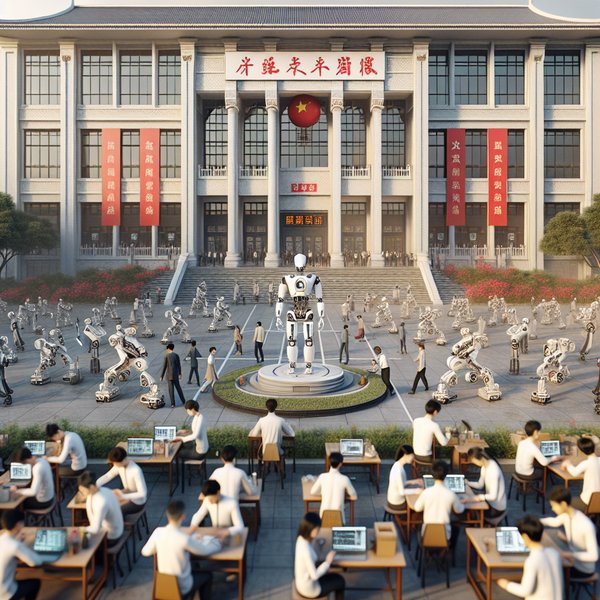
|
|||||
| EV Pioneer Ouyang Minggao Predicts AI-Powered Smart Car Boom by … | https://pandaily.com/p/ev-pioneer-ouyan… | 0 | Dec 28, 2025 00:01 | active | |
EV Pioneer Ouyang Minggao Predicts AI-Powered Smart Car Boom by 2030URL: https://pandaily.com/p/ev-pioneer-ouyang-minggao-predicts Description: At the China EV100 Forum held in Beijing this week, renowned energy scientist and Tsinghua University professor Ouyang Minggao, who also serves as a member of t... Content: |
|||||
| AI to perk up consumer electronics sector | http://www.ecns.cn/business/2025-01-16/… | 1 | Dec 28, 2025 00:01 | active | |
AI to perk up consumer electronics sectorURL: http://www.ecns.cn/business/2025-01-16/detail-ihemwfzp0421671.shtml Content:
Intelligent terminal devices powered by artificial intelligence are expected to become a key growth driver for the global consumer electronics industry going forward, industry experts said. Their comments came after products that make use of such innovative technology garnered significant attention at the recently concluded 2025 Consumer Electronics Show, the world's premier technology event, in Las Vegas, the United States. With the meteoric rise of generative AI technology, they said the application scenarios of AI are expanding from personal computers and smartphones to more hardware, such as smart glasses, robots and smart home devices. The annual event drew more than 4,500 exhibitors from over 160 countries and regions, including about 1,400 startups, according to the US Consumer Technology Association, organizer of the CES. Nearly 1,500 Chinese enterprises participated in the event, accounting for more than 30 percent of total registered exhibitors. They showcased their latest technological achievements and innovative products, including wearable devices, robots, semiconductor displays, smart homes and electric bikes. Industry insiders said this robust participation underscores the growing innovation capabilities of Chinese companies in cutting-edge technologies and emerging fields, and competitiveness on the global stage, as well as their willingness to expand international cooperation. AI-powered goggles gained strong traction during the show. RayNeo, a Chinese augmented reality technology company, unveiled its new lineup of AI-powered photography glasses with enhanced human-computer interaction functionality. The company has inked a strategic partnership with Alibaba Cloud, the cloud computing unit of Chinese tech heavyweight Alibaba Group Holding Ltd, to integrate the latter's ChatGPT-like large language model Tongyi Qianwen into its AI glasses. The move marks the first in-depth collaboration between an LLM developer and AI glasses manufacturer in China. Alibaba Cloud intends to provide exclusive technological support for RayNeo's products, and develop customized AI models for smart glasses that better understand the needs of users and improve the interactive experience, so as to enable a deeper integration between AI and hardware. Chinese esports equipment company Thunderobot debuted its AI-enabled glasses featuring micro organic light-emitting diode displays and cameras, and having access to AI models to offer real-time information and immersive AR experiences. Hangzhou-based AR glasses maker Rokid showcased its latest smart glasses with AR and AI capabilities including real-time language translation, instant object recognition, AI-driven meeting transcription, and presentation teleprompters. Industry insiders said by integrating advanced AI functions, smart glasses can provide more intelligent and personalized services, such as intelligent navigation, voice assistance and health monitoring to meet the diverse needs of consumers. Pan Xuefei, research director at market consultancy IDC China, said global shipments of AI glasses are expected to reach 12.8 million units in 2025, an increase of 26 percent year-on-year, while shipments in China will surge 107 percent year-on-year to 2.8 million units. Pan said AI models will bring about abundant application scenarios for smart glasses, while these glasses' multimodal interaction functions covering text, images, audio and video would further improve. "Along with technological advancements in key components such as AR and VR chips, camera modules and displays, the costs of AI glasses will significantly decline, thus promoting the popularization of such products among consumers," she said. Data from technology industry research firm Runto showed that smart glasses with AI functions accounted for less than 20 percent of the total in 2024. However, the penetration rate of AI functions in the smart glasses market will exceed 60 percent this year, fueled by iterations in display technology, enhanced performance of chips, and algorithm capabilities. Chen Jun, deputy general manager and chief analyst at Sigmaintell Consulting, a Beijing-based market research firm, estimates that domestic shipments of AI glasses reached 2.2 million units in 2024, and will witness a 60 percent year-on-year growth this year. Chen said AI glasses are expected to see rapid growth in sales because of their simple functions and lower prices, and such glasses will satisfy basic demands from users, such as taking pictures, making phone calls and listening to music. The deep integration of technology like AI has made robots smarter, more flexible and more autonomous. A series of drones and electric vehicle charging stations equipped with soft robotics grabbed the attention of visitors at the CES. These robots came from Chinese robotics company Wisson Robotics. The company said its robots have been applied in various industries, including high-altitude cleaning, intelligent charging, energy maintenance, emergency rescue and environmental protection. Cheng Hui, marketing director of Wisson, said conventional robots are usually made of metal and equipped with motor joints and a large number of sensors, but they have some shortcomings in terms of weight, adaptability and safety. AI brings new transformation in the future AI, IoT, next-gen tech to drive future growth AI assistant gives pathologists helping hand in cancer detection
Images (1): 
|
|||||
| AI applications types | https://medium.com/@dmitry.zhk/ai-appli… | 0 | Dec 28, 2025 00:01 | active | |
AI applications typesURL: https://medium.com/@dmitry.zhk/ai-applications-types-0a9d817ad9f8 Description: In this post I’m trying to group AI application by types based on my overview of the industry, major players’ conferences and announces. This is something t... Content: |
|||||
| Hangzhou debuts first robot traffic officer powered by AI - … | https://www.notebookcheck.net/Hangzhou-… | 1 | Dec 28, 2025 00:01 | active | |
Hangzhou debuts first robot traffic officer powered by AI - NotebookCheck.net NewsDescription: A new AI-powered robot capable of directing traffic, detecting violations, and issuing polite verbal warnings has appeared on the streets of Hangzhou, marking a new step in automated urban management. Content:
The streets of Hangzhou’s Binjiang district have a futuristic new addition: Hangxing No. 1, an AI-powered traffic-control robot. Developed under the directive of the Hangzhou Traffic Police Tactical Unit, the robot officially began its trial run on Monday, December 1, at a busy intersection on Binsheng Road. Equipped with high-definition cameras and sensors, Hangxing No. 1 is designed to assist human officers by directing the flow of pedestrians and vehicles. According to Zhang Wanzhe of the Binjiang traffic police brigade, the robot performs standard traffic command gestures — such as "go straight" and "stop"— which were trained directly from the movements of real officers. It can also blow a digital whistle and is fully integrated with existing traffic-signal systems. Beyond basic direction, the robot actively identifies violations in real time, including riders without helmets, vehicles crossing stop lines, and jaywalkers. If it detects an infraction, its intelligent voice system issues polite, immediate reminders to the rule-breakers. The AI model is designed to improve through continuous learning at real intersections. While the robot currently focuses on traffic management, officials plan to upgrade it with LLM capabilities, enabling it to offer directions, safety education, and complex voice interactions. Although Hangxing No. 1's specific battery life was not disclosed, reports indicate that similar patrol robots deployed in other provinces typically operate for 6 to 8 hours on a single charge. CGTN
Images (1): 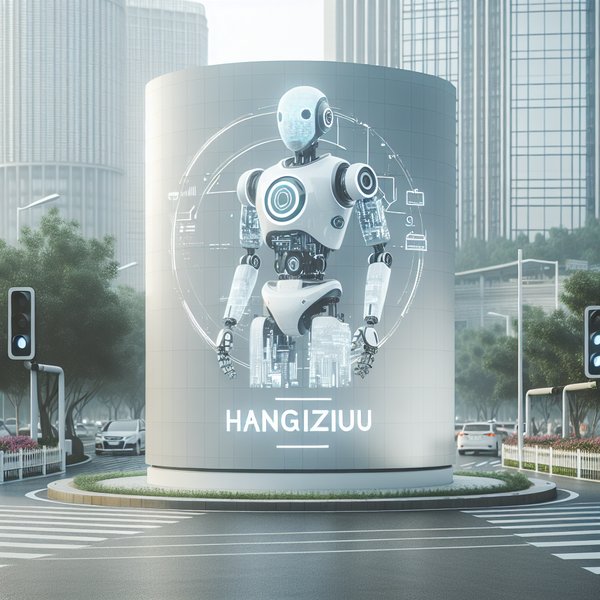
|
|||||
| 'I am Sophie': 17-year-old from a small UP city’s Hindi-medium … | https://economictimes.indiatimes.com/ne… | 1 | Dec 28, 2025 00:01 | active | |
'I am Sophie': 17-year-old from a small UP city’s Hindi-medium school builds AI robot teacher that can teach any subject - The Economic TimesDescription: A 17-year-old student has developed an AI-powered robot teacher named Sophie, capable of answering questions across subjects using an LLM chipset. This innovation, demonstrated answering queries on general knowledge and arithmetic, highlights the potential for technology to supplement education and address teacher shortages in Indian schools. Content:
A 17-year-old student has developed an AI-powered robot teacher named Sophie, capable of answering questions across subjects using an LLM chipset. This innovation, demonstrated answering queries on general knowledge and arithmetic, highlights the potential for technology to supplement education and address teacher shortages in Indian schools. Listen to this article in summarized format Unlock AI Briefing and Premium Content How a Sebi report reopened Indiabulls-YES Bank saga that was fading Ever wondered why cos' financials look good before IPO, but not after? From near collapse to INR50k cr value: The journey of MCX AI is forcing a rethink. Can Indian IT finally build a serious corporate VC muscle? Stock Radar: 20% rally in 1 month! BHEL breaks above falling trendline resistance to hot fresh 52-week high Weekly Top Picks: These stocks scored 10 on 10 on Stock Reports Plus ‘Will not be intimidated’: Kelly defies wave of death threats after Trump fight Chinese spy ships have entered Indian Ocean? Navy chief Tripathi clarifies ‘Sea will drive India’s to $5 trillion economy’: Navy Chief 'Love lost over caste': Mah woman uses bf’s blood as vermilion, accuses cops of provocation Govt tables sin tax bill in Lok Sabha, tobacco products to be dearer now NHRC issues notice to Railways over Bhopal complaint on halal-only non-veg train meals EC extends voter roll revision; Oppn calls the exercise ‘impossible, irresponsible...’ NC’s Md. Ramzan, part of INDIA bloc says J&K polls were 'most fair' Rajya Sabha clash: Kharge vs Rijiju over Dhankar's exit PM welcomes new Rajya Sabha Chairman CP Radhakrishnan ‘Will not be intimidated’: Kelly defies wave of death threats after Trump fight Chinese spy ships have entered Indian Ocean? Navy chief Tripathi clarifies ‘Sea will drive India’s to $5 trillion economy’: Navy Chief 'Love lost over caste': Mah woman uses bf’s blood as vermilion, accuses cops of provocation Govt tables sin tax bill in Lok Sabha, tobacco products to be dearer now NHRC issues notice to Railways over Bhopal complaint on halal-only non-veg train meals EC extends voter roll revision; Oppn calls the exercise ‘impossible, irresponsible...’ NC’s Md. Ramzan, part of INDIA bloc says J&K polls were 'most fair' Rajya Sabha clash: Kharge vs Rijiju over Dhankar's exit PM welcomes new Rajya Sabha Chairman CP Radhakrishnan Hot on Web In Case you missed it Top Searched Companies Top Calculators Top Definitions Most Searched IFSC Codes Top Story Listing Top Prime Articles Top Slideshow Private Companies Latest News Follow us on: Find this comment offensive? Choose your reason below and click on the Report button. This will alert our moderators to take action Reason for reporting: Your Reason has been Reported to the admin. Log In/Connect with: Will be displayed Will not be displayed Will be displayed Worry not. You’re just a step away. It seems like you're already an ETPrime member with Login using your ET Prime credentials to enjoy all member benefits Log out of your current logged-in account and log in again using your ET Prime credentials to enjoy all member benefits. Big Price Drop! Flat 40% Off Offer Exclusively For You Save up to Rs. 700/- ON ET PRIME MEMBERSHIP Offer Exclusively For You Get 1 Year Free With 1 and 2-Year ET prime membership Offer Exclusively For You Get 1 Year Free With 1 and 2-Year ET prime membership Offer Exclusively For You Get Flat 40% Off Then ₹ 1749 for 1 year Offer Exclusively For You ET Prime at ₹ 49 for 1 month Then ₹ 1749 for 1 year Special Offer Get flat 40% off on ETPrime What’s Included with ETPrime Membership Trump temper on H-1B visas is forcing Indians to do these things to stay put in US What Adani’s US indictment means for India Inc’s overseas fundraising Why veterans like Reliance, L&T are on acquisition spree? Aswath Damodaran has an answer. Will China’s dollar bond sale in Saudi Arabia trump the US in financial world? Huawei launches its own OS to compete with Google and Apple. But can it win beyond China? The problem with lab grown diamonds Why a falling rupee is a better option for the economy A list of top 20 momentum stocks that have delivered massive returns in one year Investment Ideas Grow your wealth with stock ideas & sectoral trends. Stock Reports Plus Buy low & sell high with access to Stock Score, Upside potential & more. BigBull Portfolio Get to know where the market bulls are investing to identify the right stocks. Stock Analyzer Check the score based on the company's fundamentals, solvency, growth, risk & ownership to decide the right stocks. Market Mood Analyze the market sentiments & identify the trend reversal for strategic decisions. Stock Talk Live at 9 AM Daily Ask your stock queries & get assured replies by ET appointed, SEBI registered experts. ePaper - Print View Read the PDF version of ET newspaper. Download & access it offline anytime. ePaper - Digital View Read your daily newspaper in Digital View & get it delivered to your inbox everyday. Wealth Edition Manage your money efficiently with this weekly money management guide. TOI ePaper Read the PDF version of TOI newspaper. Download & access it offline anytime. Deep Explainers Explore the In-depth explanation of complex topics for everyday life decisions. Health+ Stories Get fitter with daily health insights committed to your well-being. Personal Finance+ Stories Manage your wealth better with in-depth insights & updates on finance. New York Times Exclusives Stay globally informed with exclusive story from New York Times. TimesPrime Subscription Access 20+ premium subscriptions like Spotify, Uber One & more. Docubay Subscription Stream new documentaries from all across the world every day. Leadership | Entrepreneurship People | Culture Leadership | Entrepreneurship People | Culture Leadership | Entrepreneurship People | Culture Leadership | Entrepreneurship People | Culture Leadership | Entrepreneurship People | Culture Stories you might be interested in
Images (1): 
|
|||||
| Cheetah Mobile Inc. (CMCM) Q1 2024 Earnings Call Transcript | https://seekingalpha.com/article/469804… | 0 | Dec 28, 2025 00:01 | active | |
Cheetah Mobile Inc. (CMCM) Q1 2024 Earnings Call TranscriptURL: https://seekingalpha.com/article/4698040-cheetah-mobile-inc-cmcm-q1-2024-earnings-call-transcript Description: Cheetah Mobile Inc. (NYSE:NYSE:CMCM) Q1 2024 Earnings Conference Call June 7, 2024 7:00 AM ETCompany ParticipantsHelen Zhu - Investor Relations... Content: |
|||||
| Cheetah Mobile Inc. (NYSE:CMCM) Q1 2024 Earnings Call Transcript - … | https://www.insidermonkey.com/blog/chee… | 1 | Dec 28, 2025 00:01 | active | |
Cheetah Mobile Inc. (NYSE:CMCM) Q1 2024 Earnings Call Transcript - Insider MonkeyDescription: Operator: Good day, and welcome to the Cheetah Mobile First Quarter 2024 Earnings Conference Call. All participants will be in a listen-only mode. Content:
Our #1 AI Stock Pick — 33% OFF: $9.99 (was $14.99) Monthly picks · Ad-free browsing · 30-day money back guarantee Our #1 AI Stock Pick — 33% OFF: $9.99 (was $14.99) Monthly picks · Ad-free browsing Cheetah Mobile Inc. (NYSE:CMCM) Q1 2024 Earnings Call Transcript June 7, 2024 Operator: Good day, and welcome to the Cheetah Mobile First Quarter 2024 Earnings Conference Call. All participants will be in a listen-only mode. [Operator Instructions] After today’s presentation, there will be an opportunity to ask questions. [Operator Instructions] Please note this event is being recorded. I would now like to turn the conference over to Helen, Investor Relations for Cheetah Mobile. Helen Zhu: Thank you, operator. Welcome to Cheetah Mobile’s fourth quarter 2024 earnings conference call. With us today, our company’s Chairman and CEO, Mr. Fu Sheng, and Director and CFO, Mr. Thomas Ren. Following management’s prepared remarks, we will conduct a Q&A session. Before we begin, I refer you to the safe harbor statement in our earnings release, which also applies to our conference call today, as we will make forward-looking statements. At this time, I would now like to turn the conference call over to Chairman and CEO, Mr. Fu Sheng. Please go ahead, Fu Sheng. Sheng Fu: Hello, everyone. Thank you for joining us today. This is our first earnings call since November 2021. And we are excited to share our progress as we resume our quarterly updates. Cheetah Mobile is making changes. We are moving from focus on 2C to 2B. In Q1, our revenue from AI and others or enterprise focused increased by 62% compared to last year and 36% from the previous quarter. Now these revenues make up 43% of our total revenue. We expect this to grow to about 50% by the end of the year, making significant steps in our transformation. Our recent acquisition of Beijing OrionStar, an AI service provider, was an important move. It gave us a skilled sales team, strong tie-ups with business customers, and end-to-end capabilities for LLMs, including model training, fire training, developing LLS-based apps, and enhancing service robots, a new attachment for interacting with end users and customers in the AI era. With OrionStar, we are now focusing on making customer enterprise apps with LLMs and introducing LLM powered robot for specific business needs. We see two main reasons for this focus. First, market opportunity. Unlike competitive 2C market, enterprises are increasingly choosing LLM-based apps on private cloud due to data security concerns. However, they face challenges in developing paired apps and presenting a substantial opportunities in China’s enterprise sector. Second, [Technical Difficulty] bring together Cheetah and OrionStar allow us to combine our app enterprise with AI skills, better converting the market opportunities by selling robots to business, we can even find new ways to use LLMs to improve efficiency. We are using product driving approach to enhance our LLM capabilities. This is why we focus on the 10B parameters LMS segments and avoid large upfront investment in GPUs. We believe that a trillion parameters LLMs is necessary. And the enterprise can deploy and use 10B LLMs on private clouds at lower cost. Over the past few months we changed [14D] (ph) parameters foundation models from scratch, which has been approved by authorities for large-scale rollout and ranks among the top of various lists. Additionally, we are fighting nearly all leading open source foundation models to offer more options for our customers, all without significantly increasing costs. Furthermore, we have seen positive developments by integrating LLM based apps into our service robot. In particular, our delivery robot can now interact better with users leading to increased demand, especially in Japan and South Korea. Currently, our overseas revenue has surpassed domestic revenues and continues to grow steadily. With LLMs, we believe the features of our service robot will expand even further. I would also like to highlight how we assist our customers in using LLM-based apps efficiently. For example, we helped Chengdu University develop an LLM-based QA feature for its apps, improving user experience. We also developed LLM powered customer service features for another customer product including WeChat mini programs, apps and our service robot. This service is now available in [indiscernible] helping local residents apply for housing funds. We are also working with enterprises in China’s franchise industry to improve management efficiently with LLM-based apps. In the early stages of LLM-based apps development, we closely work with our customers to understand their needs. And 35 years — areas for improvement with LLMs. Find the most appropriate LMS [indiscernible] develop customer apps. This process help us standardize some LLM based apps and capabilities, particularly in customer service, enterprise management and training, which we can replicate to more customers. As a result, we are monitoring customer feedback and certification. Additionally, all the applications can be incorporated into our service robots. Our long-term business model in LMLs era will involve selling robots and offering valued added service. As we focus on building LLM-based apps for enterprise, we will shift our resource from our agency Internet business to AI business. This will improve the operating margin of our Internet business, which we use as a financial performance metric. In summary, LLM is once in a generation opportunities. With OrionStar and our clear strategy, we are now confident in our direction. We would like to emphasize that we don’t want to set short-time revenue growth targets. But we are aggressively prioritizing our customer satisfaction and building light house projects. By doing so, we believe we will establish a new growth engine to drive sustainable long-term growth in both revenue and margins over time. All we need is a bit of patience. We thank you all dedicated employees for their hard work in making this happen. Thank you. And Thomas? Thomas Ren: Thank you, [Fuzong] (ph). Hello, everyone on the call. Please note that unless stated otherwise, all money amounts are in RMB terms. Today, I am going to talk about two topics. First, our continued investment in large language models, or LLMs, resulting in a widened operating loss for the quarter, while total revenue has resumed its increase. Second, our healthy balance sheet. First, we are investing in LLMs. We aim to help enterprises quickly develop LLM-based new apps. As Fuzong mentioned in his speech, our acquisition of OrionStar has allowed service robots to become a key revenue contributor to the segment of AI and others. In Q1 of 2024, revenues from AI and others increased by 62% year-over-year and 36% quarter-over-quarter to RMB81 million, accounting for 43% of total revenue in the same period. Driven by contributions from Beijing OrionStar, our total revenue increased by 12% year-over-year and 14% quarter-over-quarter to RMB190 million. This acquisition also allows the two teams from Cheetah and OrionStar to work more efficiently together to better capture the opportunity in LLMs, as we help Chinese enterprises develop apps on LLMs to boost productivity. We expect this will lead to a substantial growth in revenue over time. In addition, LLMs are enabling us to improve the product experience provided by our service robots, which are now more capable of answering users’ different inquiries. This enhancement has strengthened our competitiveness and should drive the sale of our service robots over time. In Q1 of 2024, our total non-GAAP cost and expenses increased 21% year-over-year and 19% quarter-over-quarter. And non-GAAP operating loss was RMB66 million in the quarter, up from RMB42 million in the same period last year and RMB49 million in the previous quarter. This is primarily due to the investments in LLM as mentioned earlier. Through Beijing Orange Star, we acquired many R&D talents and 2B sales personnel, which are very important for us to capitalize on the opportunity in this sector. As of March 31, 2024, we had about 860 employees, up from about 720 a year ago. We are also ranking GPUs for model training and [indiscernible]. Excluding the impact of the aforementioned investment in LLMs, our cost and expenses as well as our margins remain stable. For example, excluding SBC, our operating profit for the internet business was 7.9% in the quarter, up from 3.1% in the same quarter last year. As we continue to reveal our product portfolio and remove products that did not address user pain points, we will continue this approach moving forward. At the same time, we will continue to invest in talent, both in R&D, specialize in LLMs, and to be sales personnel to help us seize the LLM opportunity to build a new growth engine for Cheetah. Our investments will be backed by our strong cash reserves. At the same time, we will continue to increase our operating profit for the internet business. Secondly, Cheetah Mobile has a healthy balance sheet. As of March 31, 2024 we had cash and cash equivalents and short-term investments of about US$250 million. In addition, we had about US$130 million of long-term investments, which include several holdings in well-known entities, such as [indiscernible]. Lastly, [indiscernible] is the practice of comparable China-based companies listed in the US capital market. We have decided not to provide revenue guidance going forward. Thank you. Helen Zhu: Everyone, for today’s call, management will answer questions in Chinese. And an AI agent will translate management comments into English in a separate line. Please note the translation is for convenience purposes only. In the case of any discrepancies, management’s statement in Chinese works well. If you are unable to hear the Chinese — the English translation, a transcript in English will be available on our IR website within seven working days. Thank you so much. Operator, please now take questions. Thank you. Receive real-time insider trading and news alerts Operator: We will now begin the question-and-answer session. [Operator Instructions] The first question today comes from Nancy Lu with JP Morgan. Please go ahead. Nancy Lu: [Foreign Language] Sheng Fu: [Foreign Language] Helen Zhu: Operator, please move to the second question. Thank you. Operator: The next question comes from Thomas Chong with Jefferies. Please go ahead. Thomas Chong: [Foreign Language] Sheng Fu: [Foreign Language] Helen Zhu: Operator, please move to the next question. Thank you. Operator: The next question comes from [indiscernible] with Citi. Please go ahead. Unidentified Analyst: [Foreign Language] Sheng Fu: [Foreign Language] Helen Zhu: Operator, please move to the next question. Operator: The next question comes from Miranda Zhuang with Bank of America. Please go ahead. Miranda, your line is open, you may ask your question. It appears we are unable to connect with Miranda at this time. So the next question comes from [Karen Kong] (ph) with TS Securities. Please go ahead. Unidentified Analyst: [Foreign Language] Sheng Fu: [Foreign Language] Helen Zhu: Okay. Operator, please move to the next question. Operator: The next question comes from Miranda Zhuang with Bank of America. Please go ahead. Miranda Zhuang: [Foreign Language] Sheng Fu: [Foreign Language] Helen Zhu: Please move to the next question. Thank you. Operator: The next question comes from [Zhai Lulu] with [indiscernible]. Please go ahead. Unidentified Analyst: [Foreign Language] Sheng Fu: [Foreign Language] Helen Zhu: Next question, please, operator. Operator: The next question comes from [indiscernible] with Bernstein. Please go ahead. Unidentified Analyst: [Foreign Language] Sheng Fu: [Foreign Language] Helen Zhu: Operator, please move to the next question. Thank you. Operator: The next question comes from Richie Sun with HSBC. Please go ahead. Ritchie Sun: [Foreign Language] Sheng Fu: [Foreign Language] Helen Zhu: Thank you. Operator, please move to the next question. Operator: The next question comes from Wei Fang with Mizuho. Please go ahead. Wei Fang: [Foreign Language] Sheng Fu: [Foreign Language] Wei Fang: Okay. Thank you. Helen Zhu: Operator, we have no further questions. No we will end the call. Operator: There are no further questions at this time. I’d now like to hand the call back over for closing remarks. Helen Zhu: Thank you operator and thank you so much for joining our conference call. Sheng Fu: Thank you. Thomas Ren: Thank you, everybody. Operator: The conference is now concluded. Thank you for attending today’s presentation. You may now disconnect. Receive real-time insider trading and news alerts Q1 2024MSN NewsNYSE:CMCMEarnings Call Transcript Returns since its inception in May 2014 (through August 15th, 2025) 30 day money back guarantee. Cancel anytime. Warren Buffett Berkshire Hathaway $293,447,417,000 David Einhorn Greenlight Capital $1,491,303,000 George Soros Soros Fund Management $5,416,602,000 Jim Simons Renaissance Technologies $77,426,184,000 Leon Cooperman Omega Advisors $1,886,381,000 Carl Icahn Icahn Capital LP $22,521,664,000 Steve Cohen Point72 Asset Management $22,767,998,000 John Paulson Paulson & Co $3,510,256,000 David Tepper Appaloosa Management LP $4,198,712,000 Paul Tudor Jones Tudor Investment Corp $6,160,740,000 Get our editor’s daily picks straight in your inbox!
Images (1): 
|
|||||
| Agentic AI 101: What are AI Agents? | https://medium.com/@rizwan4601146/agent… | 0 | Dec 28, 2025 00:01 | active | |
Agentic AI 101: What are AI Agents?URL: https://medium.com/@rizwan4601146/agentic-ai-101-what-are-ai-agents-076837b995b5 Description: Agentic AI 101: What are AI Agents? Artificial Intelligence (AI) has grown far beyond rule-based systems and predictive models. A recent and important concept d... Content: |
|||||
| Apple is planning a big AI comeback, but we've heard … | https://www.macworld.com/article/287745… | 1 | Dec 28, 2025 00:01 | active | |
Apple is planning a big AI comeback, but we've heard this song before | MacworldDescription: Apple's future AI products and services sound fantastic, but Apple's unannounced future products usually do. Content:
When you purchase through links in our articles, we may earn a small commission. This doesn't affect our editorial independence. Bloomberg’s Mark Gurman has a juicy new report today detailing Apple’s future plans for AI and robotics, which he pitches as a “turnaround” for the company. A comeback of sorts, for a company that has badly missed the boat and disappointed fans with its AI ambitions so far. These future releases all sound great. There are robots, smart home products, and big Siri improvements… but we’ve heard this kind of promise before. From Apple Car to Vision Pro, to folding iPhones, we’ve heard rumors of Apple stuff coming “in a couple years” that either never materialize or fail to live up to expectations. Apple needs its AI-powered products and services to show up on time (the company is already behind competitors) and impress both fans and critics with their capabilities. Here’s what Gurman reports is coming down the pike. The foundation of most of Apple’s upcoming projects is a completely new Siri. Built on a large language model like most of the generative AI customers are familiar with today (like ChatGPT), this version of Siri is code-named Linwood, but Apple employees allegedly just call it “LLM Siri.” This version of Siri would use personal context to fulfill requests, understand what’s on your screen, and take actions within apps. It was meant to debut earlier this year as part of iOS 18, using a hybrid model–the LLM for some things and the standard keywords-based Siri for others. That was untenable, and so the new Siri has been delayed for about a year to get all of Siri unified under this new LLM model. Linwood uses an LLM developed by Apple, but there’s a parallel project code-named Glenwood that would use models developed outside Apple. Gurman says no decision has yet been made on what model would be used, but is testing with Anthropic’s Claude. Apple is also preparing a new visual design for Siri on iPhones and iPads. Gurman says that Apple employees working on a future robotics project have used ChatGPT or Gemini to build and test features, and that Apple employees are increasingly using AI tools made by other companies. A new Siri is a fundamental part of future projects, but Apple likes to sell new physical products, not just make new software for its existing hardware. The most important one is probably a new tabletop robot, with a screen like an iPad on a motorized, movable limb that can turn, tilt, and reposition itself. If you saw that research project for a robot lamp we wrote about earlier this year, that’s what we’re talking about–only there will be a screen instead of a lamp head. Giving this robot a personality will be a major selling point, but FaceTime calls (with your iPhone as a “joystick” you can use to move the screen around) is also a priority. This robot is supposed to be sort of a “person in the room,” even chiming in on conversations with helpful information. Siri is front-and-center on this device, with a project called “Bubbles” that will give it a visual representation with personality. This tabletop robot is currently anticipated for release in 2027, but plans remain fluid. There are several other robots in earlier stages of development, including one with wheels and one with a large mechanical arm that can be used in manufacturing or the back of retail stores. The tabletop robot and another project–a standalone smart home display–both use a new operating system dubbed Charismatic. They may both feature the new “Siri with a face” and personality, too. But the smart home display is simpler, and could launch as soon as next year. Think of it like the robot without the mechanical arm and with a less conversational Siri. It’s meant to handle smart home control, music playback, note-taking, web browsing, and, of course, FaceTime. The new Charismatic OS will center on things like clock faces and widgets, and can scan faces as people approach so it can show that person’s preferred layout and information. There will be lots of Apple’s standard apps, but the interface will be controlled mostly through widgets and voice. The smart home display is supposed to be a 7-inch square with thin black or white bezels and rounded corners. It sits on a half-dome base that holds some electronics, speakers, and microphones. You’ll be able to mount it on a wall, too. An AI-powered camera (code-named J450) is next in Apple’s salvo of AI-powered smart home products. Gurman says it will be battery-powered and run for several months to a year on a single charge, similar to many rival home cameras today. It will use facial recognition and infrared sensors to determine who is in a room. In addition to the obvious home security implications, these are meant to assist with home automation. Turning off lights when everyone leaves a room, or playing the music a particular person likes when in the room they’re in, for example. This camera is meant to be just the first of an entire line of smart home products to compete with the likes of Ring and Nest. Apple has tested a smart doorbell with facial recognition to unlock the door, Gurman says. Obviously, Apple has to right the ship when it comes to AI. Siri practically popularized the idea of an AI assistant, but now it is seen as lagging far behind the state of the art. But Apple’s push to build AI with personality and build it into smart home products marks an entirely new area for the company. It sounds exciting, but we should remind readers of all the articles we’ve seen about Apple’s smart car that never materialized (despite a big team working on it for years), or how the company hyped the spatial computing era as the future, only to deliver one very expensive and only somewhat useful pair of mixed reality goggles. Apple plans always sound great on the rumor mill, and the best stuff is always just two years away. What arrives on our desks and in our pockets is often something else. Jason has written about technology for more than 25 years - first in the gaming press, then focusing on enthusiast PCs and general technology. He enjoys learning how complicated technology works and explaining it in a way anyone can understand. Macworld Sweden Macwelt Germany Subscribe to the Macworld Digital Magazine Manage Subscription Newsletter Follow us on WhatsApp
Images (1): 
|
|||||
| Apple is planning a big AI comeback, but we’ve heard … | https://macmegasite.com/2025/08/13/appl… | 1 | Dec 28, 2025 00:01 | active | |
Apple is planning a big AI comeback, but we’ve heard this song before – MacMegasiteContent:
MacMegasite Your Source for Everything Mac MacMegasite Macworld Bloomberg’s Mark Gurman has a juicy new report today detailing Apple’s future plans for AI and robotics, which he pitches as a “turnaround” for the company. A comeback of sorts, for a company that has badly missed the boat and disappointed fans with its AI ambitions so far. These future releases all sound great. There are robots, smart home products, and big Siri improvements… but we’ve heard this kind of promise before. From Apple Car to Vision Pro, to folding iPhones, we’ve heard rumors of Apple stuff coming “in a couple years” that either never materialize or fail to live up to expectations. Apple needs its AI-powered products and services to show up on time (the company is already behind competitors) and impress both fans and critics with their capabilities. Here’s what Gurman reports is coming down the pike. The foundation of most of Apple’s upcoming projects is a completely new Siri. Built on a large language model like most of the generative AI customers are familiar with today (like ChatGPT), this version of Siri is code-named Linwood, but Apple employees allegedly just call it “LLM Siri.” This version of Siri would use personal context to fulfill requests, understand what’s on your screen, and take actions within apps. It was meant to debut earlier this year as part of iOS 18, using a hybrid model–the LLM for some things and the standard keywords-based Siri for others. That was untenable, and so the new Siri has been delayed for about a year to get all of Siri unified under this new LLM model. Linwood uses an LLM developed by Apple, but there’s a parallel project code-named Glenwood that would use models developed outside Apple. Gurman says no decision has yet been made on what model would be used, but is testing with Anthropic’s Claude. Apple is also preparing a new visual design for Siri on iPhones and iPads. Gurman says that Apple employees working on a future robotics project have used ChatGPT or Gemini to build and test features, and that Apple employees are increasingly using AI tools made by other companies. A new Siri is a fundamental part of future projects, but Apple likes to sell new physical products, not just make new software for its existing hardware. The most important one is probably a new tabletop robot, with a screen like an iPad on a motorized, movable limb that can turn, tilt, and reposition itself. If you saw that research project for a robot lamp we wrote about earlier this year, that’s what we’re talking about–only there will be a screen instead of a lamp head. Giving this robot a personality will be a major selling point, but FaceTime calls (with your iPhone as a “joystick” you can use to move the screen around) is also a priority. This robot is supposed to be sort of a “person in the room,” even chiming in on conversations with helpful information. Siri is front-and-center on this device, with a project called “Bubbles” that will give it a visual representation with personality. This tabletop robot is currently anticipated for release in 2027, but plans remain fluid. There are several other robots in earlier stages of development, including one with wheels and one with a large mechanical arm that can be used in manufacturing or the back of retail stores. The tabletop robot and another project–a standalone smart home display–both use a new operating system dubbed Charismatic. They may both feature the new “Siri with a face” and personality, too. But the smart home display is simpler, and could launch as soon as next year. Think of it like the robot without the mechanical arm and with a less conversational Siri. It’s meant to handle smart home control, music playback, note-taking, web browsing, and, of course, FaceTime. The new Charismatic OS will center on things like clock faces and widgets, and can scan faces as people approach so it can show that person’s preferred layout and information. There will be lots of Apple’s standard apps, but the interface will be controlled mostly through widgets and voice. The smart home display is supposed to be a 7-inch square with thin black or white bezels and rounded corners. It sits on a half-dome base that holds some electronics, speakers, and microphones. You’ll be able to mount it on a wall, too. An AI-powered camera (code-named J450) is next in Apple’s salvo of AI-powered smart home products. Gurman says it will be battery-powered and run for several months to a year on a single charge, similar to many rival home cameras today. It will use facial recognition and infrared sensors to determine who is in a room. In addition to the obvious home security implications, these are meant to assist with home automation. Turning off lights when everyone leaves a room, or playing the music a particular person likes when in the room they’re in, for example. This camera is meant to be just the first of an entire line of smart home products to compete with the likes of Ring and Nest. Apple has tested a smart doorbell with facial recognition to unlock the door, Gurman says. Obviously, Apple has to right the ship when it comes to AI. Siri practically popularized the idea of an AI assistant, but now it is seen as lagging far behind the state of the art. But Apple’s push to build AI with personality and build it into smart home products marks an entirely new area for the company. It sounds exciting, but we should remind readers of all the articles we’ve seen about Apple’s smart car that never materialized (despite a big team working on it for years), or how the company hyped the spatial computing era as the future, only to deliver one very expensive and only somewhat useful pair of mixed reality goggles. Apple plans always sound great on the rumor mill, and the best stuff is always just two years away. What arrives on our desks and in our pockets is often something else. Subscribe to our newsletter!
Images (1): 
|
|||||
| Realbotix and Hollo.AI Showcase AI-Powered Conversational Robot at Roth Conference … | https://financialpost.com/pmn/business-… | 1 | Dec 28, 2025 00:01 | active | |
Realbotix and Hollo.AI Showcase AI-Powered Conversational Robot at Roth Conference | Financial PostDescription: LAS VEGAS — Realbotix Corp. (TSX-V: XBOT) (Frankfurt: 76M0.F) (OTC: XBOTF) (“ Content:
Author of the article: You can save this article by registering for free here. Or sign-in if you have an account. LAS VEGAS — Realbotix Corp. (TSX-V: XBOT) (Frankfurt: 76M0.F) (OTC: XBOTF) (“ Realbotix” or the “Company”), a leading creator of humanoid robots, and Hollo.AI, a leading conversational AI and digital twin platform, have successfully collaborated, giving Hollo.AI’s human-like conversational AI a physical form in a Realbotix robot. This joint initiative was demonstrated live at the 37th Annual Roth Capital Partners Conference held in Dana Point, California. Subscribe now to read the latest news in your city and across Canada. Subscribe now to read the latest news in your city and across Canada. Create an account or sign in to continue with your reading experience. Create an account or sign in to continue with your reading experience. Through Realbotix open source robotics and lip sync technology and Hollo.AI’s character-based AI digital twin and AI personality engine technology, the robot was able to assume the personality of Chrissy Snow, as portrayed by Suzanne Somers in the 70’s and 80’s TV sitcom, Three’s Company. Hollo.AI worked with Alan Hamel, Suzanne’s Somer’s husband of 55 years and CEO of SuzanneSomers.com, to bring her character back to life. While most robotics companies have the ability to only integrate one LLM, Realbotix robots have the ability to assume various personalities via third party LLM integrations. Hollo.AI, as a leader in character based LLMs and conversational AI, is able to bring its AI twin personality and conversational software to life through the physical embodiment of their software with this partnership. Get the latest headlines, breaking news and columns. By signing up you consent to receive the above newsletter from Postmedia Network Inc. A welcome email is on its way. If you don't see it, please check your junk folder. The next issue of Top Stories will soon be in your inbox. We encountered an issue signing you up. Please try again Interested in more newsletters? Browse here. Management of both companies believe this is the first collaboration of its kind, merging conversational AI software created by one company into a humanoid robot created by another. This combination of category-leading technologies could be used to create a physical avatar representing a person living or deceased for entertainment, educational or marketing purposes. “We are excited to merge together Hollo.AI’s ‘Soul’ and Realbotix’s ‘Body’ to usher forward the next-generation in human-like robotics,” said Rex Wong, CEO of Hollo.AI. “This collaboration will open up new opportunities and possibilities as science fiction becomes reality.” “From day one, we have believed that our ability to integrate various LLMs into our robots is paramount to creating vast use cases for our technology,” said Andrew Kiguel, CEO of Realbotix. “This is a significant event in the evolution of AI and robotics, and I look forward to more collaborations with Hollo.AI.” Realbotix creates customizable, full-bodied, humanoids with AI integration that improve the human experience through connection, learning and play. Designed for human interaction, Realbotix manufactures its products in the USA. Realbotix specializes in AI powered robots for use in companionship, entertainment and people-facing roles. Our realistic robots allow for superior social interaction with humans in a variety of social settings. We achieve this through patented technologies that deliver human-like appearance and movements. This versatility makes our robots and their personalities customizable and programmable to suit a wide variety of use cases. : Corporate and Investor site. : Robotix Customer site. Keep up-to-date on Realbotix developments by joining our online communities on Twitter, LinkedIn, and YouTube. Follow Aria, our humanoid robot, on Instagram and TikTok. Hollo.AI is revolutionizing digital interaction through its advanced Conversational AI and AI Digital Twin and Agent platform. The company’s breakthrough technology enables the creation of personalized AI twins that can handle calls, messages, and complex tasks across 32 languages while perfectly replicating an individual’s voice, personality, and conversational style. Through its proprietary AI Personality Engine and Conversational Engine, Hollo.AI delivers human-like interactions with sub-second response times, while ensuring security through blockchain-based identity verification. The platform offers comprehensive solutions for enterprises, including AI-powered call centers, customer service, and sales development, reducing costs by up to 70% while improving response times and customer satisfaction. For more info or to try out Hollo.AI’s Conversational AI, visit https://hollo.ai or call 1-877-HOLLO-AI (1-877-465-5624). This news release includes certain forward-looking statements as well as management’s objectives, strategies, beliefs and intentions. Forward looking statements are frequently identified by such words as “may”, “will”, “plan”, “expect”, “anticipate”, “estimate”, “intend” and similar words referring to future events and results. Forward-looking statements are based on the current opinions and expectations of management. All forward-looking information is inherently uncertain and subject to a variety of assumptions, risks and uncertainties, as described in more detail in our securities filings available at www.sedarplus.ca. Actual events or results may differ materially from those projected in the forward-looking statements and we caution against placing undue reliance thereon. We assume no obligation to revise or update these forward-looking statements except as required by applicable law. Neither TSX Venture Exchange nor its Regulation Services Provider (as that term is defined in policies of the TSX Venture Exchange) accepts responsibility for the adequacy or accuracy of this release. https://www.businesswire.com/news/home/20250320458305/en/ Contacts Realbotix Corp. General Inquiries: contact@realbotix.com Media: media@realbotix.com Sales: sales@realbotix.com Telephone: 647-578-7490 Hollo.AI Company contact: info@hollo.ai Media Contact: hollo@transformgroup.com#distro Postmedia is committed to maintaining a lively but civil forum for discussion. Please keep comments relevant and respectful. Comments may take up to an hour to appear on the site. You will receive an email if there is a reply to your comment, an update to a thread you follow or if a user you follow comments. Visit our Community Guidelines for more information. 365 Bloor Street East, Toronto, Ontario, M4W 3L4 © 2025 Financial Post, a division of Postmedia Network Inc. All rights reserved. Unauthorized distribution, transmission or republication strictly prohibited. This website uses cookies to personalize your content (including ads), and allows us to analyze our traffic. Read more about cookies here. By continuing to use our site, you agree to our Terms of Use and Privacy Policy. You can manage saved articles in your account. and save up to 100 articles! You can manage your saved articles in your account and clicking the X located at the bottom right of the article.
Images (1): 
|
|||||
| Top 7 AI Web Scraping Tools - KDnuggets | https://www.kdnuggets.com/top-7-ai-web-… | 1 | Dec 28, 2025 00:01 | active | |
Top 7 AI Web Scraping Tools - KDnuggetsURL: https://www.kdnuggets.com/top-7-ai-web-scraping-tools Description: Let's explore some of the best AI web scraping tools that make extracting data smarter, faster, and easier than ever. Content:
Let's explore some of the best AI web scraping tools that make extracting data smarter, faster, and easier than ever. Image by Author | Gemini Web scraping has become a vital skill in the data-driven world, especially with the rise of large language models (LLMs), where high-quality and factual data from the internet forms the backbone of their performance. Beyond powering AI, web scraping is widely used for tracking financial markets, monitoring website migrations, automating UI testing, and much more. With the right expertise, it can even be a highly lucrative career. In this article, we will explore some of the top AI-powered web scraping tools that make the process effortless. Many of these tools come with built-in LLM integrations, enabling you to extract exactly the information you need from the website with minimal effort. Firecrawl is an API that crawls any URL (and its subpages) to deliver clean, LLM-ready markdown, no sitemap needed. It supports scraping, mapping, searching, and extracting structured data, while handling proxies, anti-bot systems, and dynamic content for you. With SDKs, LLM and low-code integrations, plus self-hosting options, Firecrawl makes web data extraction fast, reliable, and effortless. ScrapeGraphAI is an LLM-powered web scraping suite that makes it easy to extract structured data from any website or HTML content. With services like SmartScraper, SearchScraper, SmartCrawler, and Markdownify, it's perfect for AI applications, data analysis, dataset creation, and platform building. With seamless integrations into LangChain and LlamaIndex, plus production-ready SDKs, ScrapeGraphAI helps you build smarter AI agents, research pipelines, and data-driven applications effortlessly. Crawl4AI is an open-source project available on GitHub, designed for fast and efficient web crawling tailored for large language models, AI agents, and data pipelines. It provides clean markdown, structured data extraction, advanced browser control, and high-performance parallel crawling, all without requiring API keys or imposing paywalls. The new adaptive web crawling feature utilizes intelligent algorithms to determine the optimal time to stop, enhancing data collection by making it smarter and more efficient. Octoparse is a user-friendly web scraping platform that allows for easy data extraction without any coding skills required. Its drag-and-drop interface is ideal for beginners and non-technical users. The platform features AI-powered field detection, hundreds of pre-built templates, and offers cloud-based automation for round-the-clock scraping with flexible export options. Advanced functionalities such as IP rotation, CAPTCHA solving, and AJAX handling enhance its versatility, while OpenAPI support enables seamless integration with other tools. Browse.AI is a no-code web scraping tool that lets you build robots to mimic human browsing and extract data, no technical skills required. With point-and-click setup, AI-powered monitoring, and 200+ prebuilt robots, it enables fast, reliable data collection from websites and subpages. Cloud-based automation, real-time alerts, and integrations with Google Sheets, Airtable, Zapier, and 7,000+ apps make it ideal for business users. ScrapingBee is a powerful web scraping API designed to help you extract data without the risk of being blocked. It manages headless browsers, automatically rotates proxies, and supports AI-powered extraction, allowing you to describe the data you need in plain English. With built-in JavaScript rendering, ScrapingBee can handle modern frameworks like React, Vue, and Angular. It also offers features such as custom JavaScript execution, screenshots, and SERP scraping. Apify is a full-featured web scraping and automation platform that lets you build, run, and share scrapers (called Actors) in the cloud. It provides everything you need for large-scale data extraction: smart proxy rotation to avoid blocking, flexible storage and export options, scheduling, monitoring, and team collaboration. With official SDKs (JavaScript, Python), a powerful API, and a CLI, Apify integrates seamlessly into any workflow. It also offers Crawlee (an open-source scraping library), fingerprinting tools, and ready-made Actor templates to speed up development. AI-powered web scraping tools make data extraction much easier. They can handle complex websites with multiple layers of navigation and still deliver the information you need quickly. The tools mentioned in this article require little to no coding experience, making them beginner-friendly and accessible to non-technical users. With their intuitive interfaces and simple APIs, anyone can extract valuable information or build data pipelines effortlessly. Abid Ali Awan (@1abidaliawan) is a certified data scientist professional who loves building machine learning models. Currently, he is focusing on content creation and writing technical blogs on machine learning and data science technologies. Abid holds a Master's degree in technology management and a bachelor's degree in telecommunication engineering. His vision is to build an AI product using a graph neural network for students struggling with mental illness. Get the FREE ebook 'KDnuggets Artificial Intelligence Pocket Dictionary' along with the leading newsletter on Data Science, Machine Learning, AI & Analytics straight to your inbox. By subscribing you accept KDnuggets Privacy Policy Get the FREE ebook 'KDnuggets Artificial Intelligence Pocket Dictionary' along with the leading newsletter on Data Science, Machine Learning, AI & Analytics straight to your inbox. By subscribing you accept KDnuggets Privacy Policy Get the FREE ebook 'KDnuggets Artificial Intelligence Pocket Dictionary' along with the leading newsletter on Data Science, Machine Learning, AI & Analytics straight to your inbox. By subscribing you accept KDnuggets Privacy Policy Get the FREE ebook 'KDnuggets Artificial Intelligence Pocket Dictionary' along with the leading newsletter on Data Science, Machine Learning, AI & Analytics straight to your inbox. By subscribing you accept KDnuggets Privacy Policy No, thanks!
Images (1): 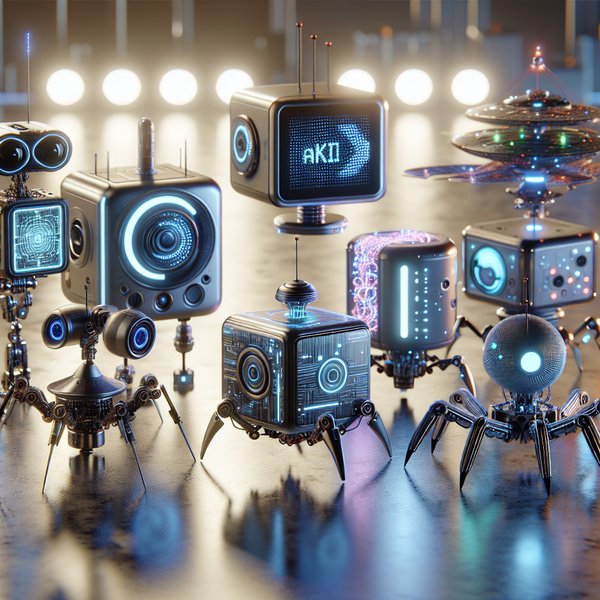
|
|||||
| German startup Energy Robotics raises €11.5 million to advance autonomous … | https://www.eu-startups.com/2025/10/ger… | 1 | Dec 28, 2025 00:01 | active | |
German startup Energy Robotics raises €11.5 million to advance autonomous robot and drone inspection software | EU-StartupsDescription: Darmstadt's Energy Robotics, an AI software platform for autonomous inspection with robots and drones, today announced the successful close of €11.5 Content:
Darmstadt’s Energy Robotics, an AI software platform for autonomous inspection with robots and drones, today announced the successful close of €11.5 million Series A funding to commercially deploy their software across energy, chemicals, industrial, and security sectors. The Series A was co-led by Blue Bear Capital and Climate Investment (CI), with participation from Futury Capital, Hessen Capital, Kensho VC, and TADTech. “This funding round will help us scale autonomy to serve the world’s most critical infrastructure, giving energy, chemicals, utilities, and security operators greater resilience, safety, and efficiency,” said Marc Dassler, CEO and Co-founder of Energy Robotics. He added: “As a skilled workforce retires, critical infrastructure operators face a significant demographic shift. This is compounded by the fact that many of the world’s most vital energy and chemical assets are decades old, requiring more frequent and intricate monitoring, inspection, and maintenance. This combination of an aging workforce, a shrinking talent pool, and deteriorating infrastructure creates a perfect storm of operational risk.” Energy Robotics’ Series A positions the company alongside a cohort of industrial automation firms securing fresh capital this year. Swiss robotics developer ANYbotics closed over €127 million to commercialise its four-legged inspection robots, while fellow Swiss startup Flybotix raised €8.5 million to expand drone inspections for confined spaces. Voliro added €19.8 million to deploy maintenance drones, and several German peers have also attracted funding – including Filics (€13.5 million), Unchained Robotics (€8.5 million), sensmore (€6.5 million), and Sereact (€25 million). This series of investments reflects sustained confidence in Europe’s autonomous systems sector, spanning drones, legged robots, and software-driven orchestration platforms. With Energy Robotics operating from Germany, the company’s round adds to a growing cluster of national activity in industrial and AI-powered robotics, highlighting Europe’s strategic push to automate infrastructure inspection and maintenance. “Our platform provides a timely and scalable solution, enabling customers to not only maintain but also improve operational efficiency and safety, while actively mitigating the challenges of this workforce transition,” added Dassler. Founded in 2019, Energy Robotics provides AI software platform for autonomous industrial inspection. Its hardware-agnostic solution integrates with multiple robot platforms, generates Evergreen Digital Twins of critical infrastructure, and delivers actionable insights directly into customer workflows. The company has reportedly completed over one million inspections across five continents, saving 32,000+ hours of hazardous human labor for customers across oil and gas, industrial, chemical, and utility sectors, including BASF, BP, Dow Chemical, E.ON, Merck, Repsol, and Shell. According to Energy Robotics, existing infrastructure and industrial facilities are confronting two major challenges: a shrinking skilled workforce and increasingly complex, aging equipment that requires specialised maintenance. Energy Robotics aims to address this through its AI software platform for autonomous robots and drones that cuts operating costs by up to 40% while significantly enhancing worker safety. Industries served by Energy Robotics have significant operational risks, including exposure to fires, explosions, toxic chemicals, leaks, physical dangers and cybersecurity breaches. Autonomous robots and drones powered by Energy Robotics’ platform perform essential daily and hourly tasks, including visual inspections, thermal scans, and leak detection, eliminating the need for humans to enter dangerous environments while keeping proprietary data secure. “The industrial robotics market has reached an inflection point,” said Cindi Bough, Managing Director at Climate Investment. “Energy Robotics has built an AI software platform that orchestrates diverse fleets of robots and drones, integrates seamlessly with existing enterprise workflows, and delivers actionable data services at scale today. Also, Energy Robotics delivers climate impact by using autonomous robots to spot gas leaks early, so harmful emissions are fixed before they escape into the atmosphere. This is why we are excited to co-lead their Series A investment.“ Key features of the platform include: “The global energy transition relies on a more resilient, efficient, and secure infrastructure,” said Dr Carolin Funk, Partner, Blue Bear Capital. “Energy Robotics’ autonomous inspection platform, powered by AI, directly addresses this need. It provides a scalable solution that improves the safety and operational efficiency of key energy and industrial assets, while taking advantage of the global robotics expansion.“ EU-Startups previously featured Energy Robotics in a 2021 article detailing its €2 million Seed round. EU-Startups.com is the leading online magazine about startups in Europe. Learn more about us and our advertising options. © Menlo Media S.L. - All rights reserved.
Images (1): 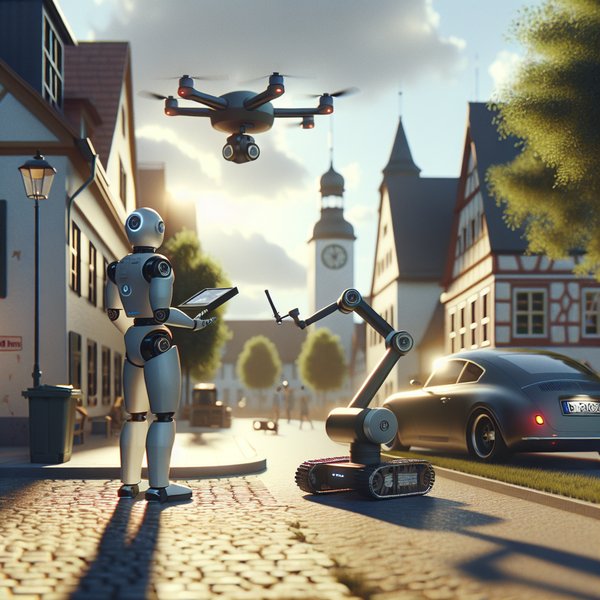
|
|||||
| The Weekender: Robots Are Everywhere (Even at the Litter Box) … | https://www.pymnts.com/artificial-intel… | 1 | Dec 28, 2025 00:01 | active | |
The Weekender: Robots Are Everywhere (Even at the Litter Box) | PYMNTS.comContent:
Blame the elves. They saw generative artificial intelligence (AI) coming for their jobs and outsourced Christmas to robots. This holiday season, the digital economy’s strangest edges have gone gloriously mainstream: your drink is mixed by a bot, your window is squeegeed by a suction-climbing square, and your cat’s litter is analyzed like a lab sample. If it moves, beeps, cleans, scoots, mows, mixes or meows: there’s a robot for that. Complete the form to unlock this article and enjoy unlimited free access to all PYMNTS content — no additional logins required. yesSubscribe to our daily newsletter, PYMNTS Today. By completing this form, you agree to receive marketing communications from PYMNTS and to the sharing of your information with our sponsor, if applicable, in accordance with our Privacy Policy and Terms and Conditions. Δ Robotics quietly jumped the fence from cute gizmos and warehouse pickers into home life because AI now gives machines better eyes, ears and timing. Vision models let mowers find grass without wires; sensor fusion keeps window bots from leaping off the glass; LLM-powered “companions” follow faces and voices; and even grills “learn” how you like your ribeye. The result? A Black Friday/Cyber Monday gift list that reads like a Fast Company fever dream and a snapshot of how automation is commercializing at the edges. Case in point: Whisker just launched a new LitterRobot with AI cat facial recognition and waste monitoring. Yes, for your cat. Welcome to 2025. The Fringe Robotics Gift Guide: 10 Bots Invading Home, Yard and Pet Life These products aren’t just toys. They’re distribution experiments for embodied AI: computer vision in the yard, autonomy on glass, perception in kitchens and living rooms. Subscription layers (pet health data, premium recipes, consumables) convert one-off gadgets into recurring revenue. And because robots are finally doing obvious, unsexy jobs — scooping, scrubbing, mowing — they slot into household budgets alongside vacuums and espresso machines. This Black Friday and Cyber Monday, the fringe is the funnel. The weirdest robots are showing us where mainstream automation is headed: quiet, useful, often funny — and very much for sale. Terraform Labs Co-Founder Do Kwon Sentenced to 15 Years in Prison Costco’s Digital Sales Surge 21% as Members Maintain Spending Appeals Court Says Judge Must Consider Allowing Apple to Collect Commission Disney's $1 Billion Bet: A Licensing Model With OpenAI for User Content We’re always on the lookout for opportunities to partner with innovators and disruptors.
Images (1): 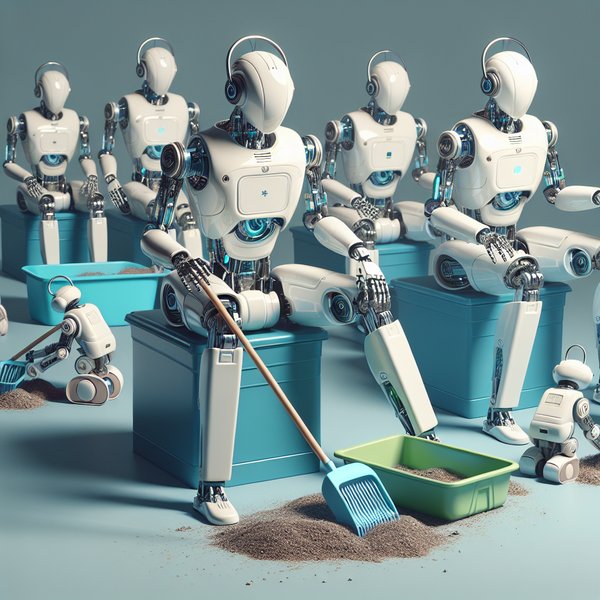
|
|||||
| Hengbot’s AI LLM-Powered Open-Source Robot Dog is cheaper than an … | https://www.yankodesign.com/2025/07/12/… | 1 | Dec 28, 2025 00:01 | active | |
Hengbot’s AI LLM-Powered Open-Source Robot Dog is cheaper than an iPhone - Yanko DesignDescription: https://youtu.be/BogKLxYbNlo Remember when robot dogs were either $75,000 industrial marvels that could open doors for the military, or $300 STEM kits that shuffled around like arthritic spiders? That middle ground between "mortgage your house" and "mildly entertaining paperweight" remained frustratingly empty, leaving most of us to admire Boston Dynamics videos from afar while wondering when Content:
Remember when robot dogs were either $75,000 industrial marvels that could open doors for the military, or $300 STEM kits that shuffled around like arthritic spiders? That middle ground between “mortgage your house” and “mildly entertaining paperweight” remained frustratingly empty, leaving most of us to admire Boston Dynamics videos from afar while wondering when we’d get our own mechanical companion. The robotics industry seemed content to serve either Fortune 500 companies or elementary school coding classes, with precious little consideration for the rest of us who wanted something genuinely capable without requiring a small business loan. Enter Hengbot’s Sirius, priced at $699 and built like the robot dog we’ve all been waiting for since watching that first Aibo commercial in 1999. Sirius represents a fundamental rethinking of what consumer robotics can be when a company actually listens to what people want rather than what engineers think they should want. At just 1kg (2.2 lb) with 14 degrees of freedom powered by proprietary Neurocore joints, an open-source design, and AI LLM integration, this robot has the capacity to do things your 2004 Robosapien could only dream of. The company has already attracted 3,000+ beta testers and even secured the 2025 Red Dot Award: Product Design, forging a path that will potentially define what the consumer-grade robot market will look like in the future. Designer: Hengbot Click Here to Buy Now: $659 $1299 ($640 off). Hurry, only a few left! Raised over $308,000. Constructed from aerospace-grade alloy, the chassis balances durability with weight efficiency in ways that cheaper plastic alternatives simply cannot match. The 2250mAh battery provides 40-60 minutes of active movement or 1-2 hours of standby time, while USB-C expansion ports future-proof the platform for accessories and modifications we haven’t even imagined yet. An 8-megapixel camera handles visual recognition tasks, enabling gesture-based interaction that feels surprisingly natural. An impressive 5 TOPS (Trillion Operations Per Second) of edge computing power packed into the AI head means Sirius processes voice commands, gestures, and visual input locally without the lag and connectivity dependence that plagues cloud-based systems. The 1000+ motion library gives you a foundation that keeps growing rather than getting stale after the first week. What makes Sirius genuinely exciting goes beyond raw specs into personality and adaptability territory. The drag-and-drop visual programming interface means you can choreograph custom dance routines, teach new tricks, or modify behavioral patterns without touching a single line of code. Voice pack customization transforms Sirius from a generic robot into something that sounds and responds like your ideal pet, while swappable personas let you switch between different character archetypes like Husky, Corgi, or Border Collie depending on your mood. The RGB lighting system and animated facial expressions create an emotional connection that goes beyond mere functionality, making interactions feel genuinely engaging rather than mechanically transactional. For creators and tinkerers, Sirius opens up a world of possibilities that goes way beyond out-of-the-box functionality. Python, C, and C++ support means serious developers can dive deep into custom AI behaviors, motion algorithms, and sensor integrations that would make any robotics engineer jealous. Blender integration lets you design custom shells and accessories that can be 3D-printed and swapped out whenever you get bored with the default look. Manual teaching modes let you physically guide Sirius through new movements, which feels surprisingly like training a real pet rather than programming a machine. The open-source approach means the community can share code, designs, and modifications, turning every owner into a potential contributor to Sirius’s evolution. The platform also supports 3D-printable shells, meaning the physical appearance can be as customized as the software behavior. Just don’t clad your Sirius with fur the way Boston Dynamics tried to, making their dog look creepy rather than cute. The control options are where things get really interesting, catering to everyone from casual users to hardcore enthusiasts. VR headset integration transforms Sirius into your virtual avatar, letting you see through its camera while controlling movements with natural gestures. Traditional joystick control gives gamers the precise input they crave for complex maneuvers or competitive scenarios. The smartphone app offers the most accessible entry point, packing everything from basic commands to advanced programming tools into a familiar interface. Each control method unlocks different experiences, making intuitive control the strong focus here. After all, real dogs respond to a multitude of controls/cues too, whether they’re voice commands, actions, or even treats! The pricing strategy here is genuinely aggressive in the best way possible, undercutting established players by thousands of dollars while delivering comparable or superior functionality. When Unitree’s Go1 starts around $2,700 and Boston Dynamics’ Spot costs more than most cars, Sirius’s promotional $699 price point represents a real shift in market accessibility. This democratization of advanced robotics technology means that hobbyists, educators, content creators, and curious families can finally access the kind of sophisticated robotic companions that were previously reserved for well-funded research labs and deep-pocketed corporations. This could potentially be the Oculus Rift moment for robot dogs, providing a truly consumer-grade device that’s both high-quality and affordable, undercutting the competition that’s hundreds (or thousands) of dollars more expensive. Looking at the competitive landscape, Sirius carves out territory that didn’t previously exist. Petoi’s offerings remain firmly in the educational toy category, while professional platforms like Spot continue serving industrial applications. Sirius bridges these extremes with consumer-friendly pricing, professional-grade performance, and the kind of open platform philosophy that encourages rather than restricts experimentation. The result feels like the first robot dog designed for actual humans rather than either children or extreme industrial setups, acknowledging that most of us want something sophisticated enough to grow with us but approachable enough to enjoy from day one. Hengbot’s timing couldn’t be better, arriving as AI capabilities mature and manufacturing costs drop while consumer appetite for interactive technology continues growing. The company’s proprietary Neurocore joint system integrates three degrees of freedom into a single unit, creating the biomimetic leg structure that enables Sirius’s uncanny movement realism. Just watch the video at the beginning of the article and you’ll know what we mean. The global entertainment robot market is expected to surpass $18 billion by 2032, driven by demand for emotionally intelligent, programmable companions. That can only happen when companies like Hengbot make robots actually affordable, pricing them around the same range as the average flagship smartphone instead of being as costly as an EV. Click Here to Buy Now: $659 $1299 ($640 off). Hurry, only a few left! Raised over $308,000. There’s a particular kind of frustration that comes with a stubborn screw buried deep inside a chassis or tucked behind a piece of furniture. You… The first Move+ made a bold promise: what if your “painkiller” was a band of light instead of a bottle of pills? By wrapping medical-grade… Titled the Workstation, the Bedstation, and the Cookstation, FPM’s latest line of cases designed by Marc Sadler literally fit your house sans the loo into… Exit Guide is an evacuation system linked to the building’s fire alarm system. When the alarms go off, the green and red lights on the… As a part of our careers-related columns, these are our top five picks of the best industrial design opportunities on Yanko Design’s recruitment platform YD Job Board. This week’s… I love this thought-provoking design. The result of an exploration into how intangible entities can be transformed into useful physical objects that represent their likeness,… We’re an online magazine dedicated to covering the best in international product design. We have a passion for the new, innovative, unique and undiscovered. With our eyes firmly focused on the future. Editorial Standards and Ethics / Privacy Policy
Images (1): 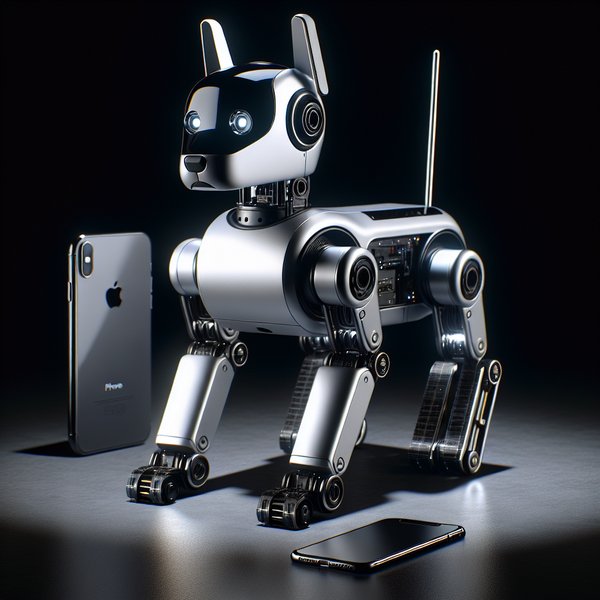
|
|||||
| Bringing tic-tac-toe to life with AWS AI services | Artificial … | https://aws.amazon.com/blogs/machine-le… | 1 | Dec 28, 2025 00:01 | active | |
Bringing tic-tac-toe to life with AWS AI services | Artificial IntelligenceURL: https://aws.amazon.com/blogs/machine-learning/bringing-tic-tac-toe-to-life-with-aws-ai-services/ Description: RoboTic-Tac-Toe is an interactive game where two physical robots move around a tic-tac-toe board, with both the gameplay and robots’ movements orchestrated by LLMs. Players can control the robots using natural language commands, directing them to place their markers on the game board. In this post, we explore the architecture and prompt engineering techniques used to reason about a tic-tac-toe game and decide the next best game strategy and movement plan for the current player. Content:
Search AWS Blogs Large language models (LLMs) now support a wide range of use cases, from content summarization to the ability to reason about complex tasks. One exciting new topic is taking generative AI to the physical world by applying it to robotics and physical hardware. Inspired by this, we developed a game for the AWS re:Invent 2024 Builders Fair using Amazon Bedrock, Strands Agents, AWS IoT Core, AWS Lambda, and Amazon DynamoDB. Our goal was to demonstrate how LLMs can reason about game strategy, complex tasks, and control physical robots in real time. RoboTic-Tac-Toe is an interactive game where two physical robots move around a tic-tac-toe board, with both the gameplay and robots’ movements orchestrated by LLMs. Players can control the robots using natural language commands, directing them to place their markers on the game board. In this post, we explore the architecture and prompt engineering techniques used to reason about a tic-tac-toe game and decide the next best game strategy and movement plan for the current player. RoboTic-Tac-Toe demonstrates an intuitive interaction between humans, robots, and AI. Participants can access the game portal by scanning a QR code, and choose from multiple modes: When a player chooses a target cell, the two robots, positioned beside a tic-tac-toe board, respond to commands by executing precise movements to place X or O markers. The following video shows this in action. RoboTic-Tac-Toe features a seamless integration of AWS services, alleviating the need for pre-programmed sequences. Instead, AI dynamically generates descriptive instructions in real time. The following diagram describes the architecture built on AWS IoT Core, which enables communication between Raspberry Pi Controlled robots and the cloud. The solution uses the following key services: Strands Agents automate tasks for your application users by orchestrating interactions between the foundation model (FM), data sources, software applications, and user conversations. The Supervisor Agent acts as an orchestrator that manages both the Move Agent and the Game Agent, coordinating and streamlining decisions across the system. This process consists of the following steps: This module provides a governance layer over the AI-powered environment, enabling scalable orchestration across agents. By intelligently directing requests and unifying responses, the Supervisor Agent facilitates reliable execution, simplified monitoring, and enhanced user experience. The Move Agent generates step-by-step Python code. This process consists of the following steps: This module provides efficient and traceable navigation for robots by using AI-powered instruction generation while maintaining a robust logging mechanism for monitoring and debugging. The Game Agent functions as an opponent, capable of playing against human users. To enhance accessibility, players use a mobile-friendly web portal to interact with the game, which includes an admin panel for managing AI-driven matches. The LLM player is a serverless application that combines AWS Lambda, Amazon DynamoDB, and Strands Agent to manage and automate the moves. It tracks game progress by storing move history in an Amazon DynamoDB table, allowing it to reconstruct the current board state whenever requested. The gameplay process consists of the following steps: This system allows for real-time, AI-driven gameplay, making it possible for players to compete against an intelligent opponent powered by LLMs. In our RoboTic-Tac-Toe project, computer vision plays a crucial role in producing precise robot movements and gameplay accuracy. Let’s walk through how we implemented the solution using AWS services and advanced computer vision techniques. Our setup includes a Raspberry Pi camera mounted above the game board, continuously monitoring the robots’ positions and movements. The camera captures images that are automatically uploaded to Amazon S3, forming the foundation of our vision processing pipeline. We use Principal Component Analysis (PCA) to accurately detect and track robot orientation and position on the game board. This technique helps reduce dimensionality while maintaining essential features for robot tracking. The orientation angle is calculated based on the principal components of the robot’s visual features. Our OpenCV module is containerized and deployed as an Amazon SageMaker endpoint. It processes images stored in Amazon S3 to determine the following: A dedicated AWS Lambda function orchestrates the vision processing workflow. It handles the following: This computer vision system facilitates accurate robot navigation and game state tracking, contributing to the seamless gameplay experience in RoboTic-Tac-Toe. The combination of PCA for orientation detection, OpenCV for image processing, and AWS services for deployment helps create a robust and scalable computer vision solution. RoboTic-Tac-Toe showcases how AI, robotics, and cloud computing can converge to create interactive experiences. This project highlights the potential of AWS IoT, machine learning (ML), and generative AI in gaming, education, and beyond. As AI-driven robotics continue to evolve, RoboTic-Tac-Toe serves as a glimpse into the future of intelligent, interactive gaming. Stay tuned for future enhancements, expanded gameplay modes, and even more engaging AI-powered interactions. Georges Hamieh is a Senior Technical Account Manager at Amazon Web Services, specialized in Data and AI. Passionate about innovation and technology, he partners with customers to accelerate their digital transformation and cloud adoption journeys. An experienced public speaker and mentor, Georges enjoys capturing life through photography and exploring new destinations on road trips with his family. Mohamed Salah is a Senior Solutions Architect at Amazon Web Services, supporting customers across the Middle East and North Africa in building scalable and intelligent cloud solutions. He’s passionate about Generative AI, Digital Twins, and helping organizations turn innovation into impact. Outside work, Mohamed enjoys playing PlayStation, building LEGO sets, and watching movies with his family. Saddam Hussain is a Senior Solutions Architect at Amazon Web Services, specializing in Aerospace, Generative AI, and Innovation & Transformation practice areas. Drawing from Amazon.com’s pioneering journey in AI/ML and Generative AI, he helps organizations understand proven methodologies and best practices that have scaled across millions of customers. His main focus is helping Public Sector customers across UAE to innovate on AWS, guiding them through comprehensive Cloud adoption framework (CAF) to strategically adopt cutting-edge technologies while building sustainable capabilities. Dr. Omer Dawelbeit is a Principal Solutions Architect at AWS. He is passionate about tackling complex technology challenges and working closely with customers to design and implement scalable, high-impact solutions. Omer has over two decades of financial services, public sector and telecoms experience across startups, enterprises, and large-scale technology transformations. Loading comments…
Images (1): 
|
|||||
| Robots receive major intelligence boost thanks to Google DeepMind's 'thinking … | https://www.livescience.com/technology/… | 1 | Dec 28, 2025 00:01 | active | |
Robots receive major intelligence boost thanks to Google DeepMind's 'thinking AI' — a pair of models that help machines understand the world | Live ScienceDescription: Two new AI models allow robots to perform complex, multistep tasks in a way that they couldn't previously. Content:
Two new AI models allow robots to perform complex, multistep tasks in a way that they couldn't previously. When you purchase through links on our site, we may earn an affiliate commission. Here’s how it works. Google DeepMind has unveiled a pair of artificial intelligence (AI) models that will enable robots to perform complex general tasks and reason in a way that was previously impossible. Earlier this year, the company revealed the first iteration of Gemini Robotics, an AI model based on its Gemini large language model (LLM) — but specialized for robotics. This allowed machines to reason and perform simple tasks in physical spaces. The new models, dubbed Gemini Robotics 1.5 and Gemini Robotics-ER 1.5, greatly expand on the capabilities of the original version to handle multistep, "long-horizon" tasks and are a significant milestone towards robots assisting people in real-world use cases. The baseline example Google points to is the banana test. The original AI model was capable of receiving a simple instruction like "place this banana in the basket," and guiding a robotic arm to complete that command. Powered by the two new models, a robot can now take a selection of fruit and sort them into individual containers based on color. In one demonstration, a pair of robotic arms (the company's Aloha 2 robot) accurately sorts a banana, an apple and a lime onto three plates of the appropriate color. Further, the robot explains in natural language what it's doing and why as it performs the task. "We enable it to think," said Jie Tan, a senior staff research scientist at DeepMind, in the video. "It can perceive the environment, think step-by-step and then finish this multistep task. Although this example seems very simple, the idea behind it is really powerful. The same model is going to power more sophisticated humanoid robots to do more complicated daily tasks." While the demonstration may seem simple on the surface, it demonstrates a number of sophisticated capabilities. The robot can spatially locate the fruit and the plates, identify the fruit and the color of all of the objects, match the fruit to the plates according to shared characteristics and provide a natural language output describing its reasoning. Get the world’s most fascinating discoveries delivered straight to your inbox. It's all possible because of the way the newest iterations of the AI models interact. They work together in much the same way a supervisor and worker do. Google Robotics-ER 1.5 (the "brain") is a vision-language model (VLM) that gathers information about a space and the objects located within it, processes natural language commands and can utilize advanced reasoning and tools to send instructions to Google Robotics 1.5 (the "hands and eyes"), a vision-language-action (VLA) model. Google Robotics 1.5 matches those instructions to its visual understanding of a space and builds a plan before executing them, providing feedback about its processes and reasoning throughout. The two models are more capable than previous versions and can use tools like Google Search to complete tasks. The team demonstrated this capacity by having a researcher ask Aloha to use recycling rules based on her location to sort some objects into compost, recycling and trash bins. The robot recognized that the user was located in San Francisco and found recycling rules on the internet to help it accurately sort trash into the appropriate receptacles. Another advance represented in the new models is the ability to learn (and apply that learning) across multiple robotics systems. DeepMind representatives said in a statement that any learning gleaned across its Aloha 2 robot (the pair of robotics arms), Apollo humanoid robot and bi-arm Franka robot can be applied to any other system due to the generalized way the models learn and evolve. —MIT's new AI can teach itself to control robots by watching the world through their eyes — it only needs a single camera —Google AI 'is sentient,' software engineer claims before being suspended —Google DeepMind's robotic arm can now beat humans at table tennis "General-purpose robots need a deep understanding of the physical world, advanced reasoning, and general and dexterous control," the Gemini Robotics Team said in a technical report on the new models. That kind of generalized reasoning means that the models can approach a problem with a broad understanding of physical spaces and interactions and problem-solve accordingly, breaking tasks down into small, individual steps that can be easily executed. This contrasts with earlier approaches, which relied on specialized knowledge that only applied to very specific, narrow situations and individual robots. The scientists provided an additional example of how robots could help in a real-world scenario. They presented an Apollo robot with two bins and asked it to sort clothes by color — with whites going into one bin and other colors into the other. They then added an additional hurdle as the task progressed by moving the clothes and bins around, forcing the robot to reevaluate the physical space and react accordingly, which it managed successfully. Alan is a freelance tech and entertainment journalist who specializes in computers, laptops, and video games. He's previously written for sites like PC Gamer, GamesRadar, and Rolling Stone. If you need advice on tech, or help finding the best tech deals, Alan is your man. You must confirm your public display name before commenting Please logout and then login again, you will then be prompted to enter your display name. Live Science is part of Future US Inc, an international media group and leading digital publisher. Visit our corporate site. © Future US, Inc. Full 7th Floor, 130 West 42nd Street, New York, NY 10036. Please login or signup to comment Please wait...
Images (1): 
|
|||||
| China showcases over 150 humanoid robots at WAIC 2025 | http://www.ecns.cn/news/sci-tech/2025-0… | 1 | Dec 28, 2025 00:01 | active | |
China showcases over 150 humanoid robots at WAIC 2025URL: http://www.ecns.cn/news/sci-tech/2025-07-28/detail-ihetqpfn8127389.shtml Content:
Industry moving from concept toward application: experts China's humanoid robotics sector reached a new milestone at this year's World Artificial Intelligence Conference (WAIC), held in Shanghai from Saturday to Tuesday, where more than 150 robots were showcased in the country's largest and most advanced lineup to date. The Global Times learned that more than 60 intelligent robot models debuted at the WAIC, with more than 80 enterprises specializing in embodied intelligence taking part. Not only has the number of robots increased, but their functions have also become more diverse. Chinese robotics firm Dobot Robotics displayed its newest robotic arm, equipped with Tencent Robotics X's VLA large-language model. The robotic arm demonstrates advanced human-machine interaction capabilities, being able to engage in natural dialogue, interpret user's intent, perceive environmental conditions and reject unreasonable commands. It autonomously generates motion plans in response to tasks, executes complex operations through coordinated dual-arm control, and features closed-loop feedback for real-time error correction and dynamic task adjustment, the Global Times learned. A staffer from Dobot Robotics told the Global Times that the new robotic arm combines vision, language and action, allowing robots to understand commands, perceive their environment and act accordingly. "The VLA model, unlike conventional AI, enables real-time decision-making and task execution, marking a shift toward more adaptable, general-purpose embodied intelligence," said Li, adding that most of the traditional robots rely on extensive training and are limited to repetitive tasks, often failing to respond flexibly to unexpected situations. Unitree Robotics presented a lineup of embodied artificial intelligence (AI) innovations at the WAIC, including its boxing robot, which showcases the fusion of cognitive and motor intelligence through high-precision movements. The robot is capable of handling intricate tasks such as drumming and calligraphy and was featured in scenario-based demonstrations highlighting its mechanical versatility. A representative of Unitree Robotics told the Global Times that the Hangzhou-based company officially unveiled its third-generation humanoid robot, the "Unitree R1 Intelligent Companion," on Friday. The 25-kilogram robot supports flexible development and customization, and integrates a multimodal LLM combining voice and vision capabilities. Deep Robotics unveiled three key products at the WAIC, with a focus on industrial applications and practical deployment, Li Yang, head of marketing at the company, told the Global Times. The company also showcased an upgraded version of its flagship quadruped robotic dog, X30, tailored for various industry scenarios, and the robotic dog Lite3, designed for consumer and educational use. Powered by a multimodal interaction model, Lite3 enables seamless on-site AI dialogue and intelligent interaction. Deep Robotics has deployed its solutions in more than 600 scenarios globally, with its quadruped robots holding an 80 percent market share in sectors such as power inspection. Keenon Robotics held the global debut of its bipedal humanoid service robot XMAN at the WAIC, highlighting its agile mobility and advanced interactive capabilities. The robot is positioned to support services industries such as hospitality and catering, where both flexibility and intelligent engagement are in high demand. Also making its world premiere, Shenzhen-based Cyborg Robotics unveiled the Cyborg-R01, China's first heavy-duty humanoid robot. Built for industrial scenarios including heavy load handling, the model is designed to enhance automation and accelerate the intelligent transformation of manufacturing. At this year's WAIC, industry participants said that the breakthrough of embodied intelligence is approaching. As user demand for robot applications expands, the vast market potential requires smarter, more capable robots and systems. China's humanoid robotics sector is rapidly moving from concept verification to practical application, driven by technological development and market demand, said Jiang Lei, chief scientist at the National and Local Co-built Embodied Artificial Intelligence Robotics Innovation Center, adding that the integration of embodied intelligence and LLMs is enabling a shift from "seeing" to "doing." Many robots can now perform centimeter-level tasks, and with improvements in data collection and sensor precision, they are expected to reach millimeter-level accuracy and expand into retail, healthcare and logistics. Jiang noted that while the US has long led in basic capabilities like walking, running and jumping, Chinese teams have made breakthroughs in recent years. "This year could be the one when China puts a period on humanoid mobility," he said. Though core algorithms still need work, Jiang believes China is now well-positioned in the embodied intelligence race, with strong advantages in manufacturing and data that give it a seat at the table in setting global standards. While China's progress is accelerating, gaps remain with the international advanced level. The next decade is a pivotal window for breakthroughs, said Sun Fuchun, a professor from the Department of Computer Science and Technology at Tsinghua University, at the WAIC. As China's robotics technology advances, its global market presence - especially in emerging regions - is expanding rapidly, Che Fai Tan, president of the ASEAN Federation of Smart Industry, told the Global Times at the WAIC. "Southeast Asian countries are quickly embracing automation and digitalization. Industrial and collaborative robotic arms are now widely used in high-precision areas such as semiconductors, electronics, coating and welding. An increasing number of Chinese robotic solutions are entering the ASEAN market, gaining strong traction among small and medium-sized enterprises due to their cost efficiency, improving quality and robust supply and after-sales support," said Chee. "Chinese robotics firms are winning trust with quality and service, and becoming a key force in upgrading smart manufacturing across the region," Che said. In the domestic market, Jiang noted that both capital and industry interest in humanoid robots remain strong. He expects the number of robot producers to double this year, with many firms from the auto, internet and finance sectors entering the field. Morgan Stanley stated in a May report that China is taking a dominant position in AI robots, humanoid robotics and related fields. AI conference points to China's large role
Images (1): 
|
|||||
| Robotics Challenges Bedevil AI Evolution Of Housecleaning Robots | https://www.forbes.com/sites/johnwerner… | 0 | Dec 28, 2025 00:01 | active | |
Robotics Challenges Bedevil AI Evolution Of Housecleaning RobotsDescription: Robots struggle with dishes because real-world manipulation, safety, cost, and data lag behind human-evolved dexterity. Content: |
|||||
| Şimdiye kadarki en gelişmiş insansı robot Figure 03 tanıtıldı | … | https://www.donanimhaber.com/simdiye-ka… | 1 | Dec 27, 2025 08:00 | active | |
Şimdiye kadarki en gelişmiş insansı robot Figure 03 tanıtıldı | DonanımHaberURL: https://www.donanimhaber.com/simdiye-kadarki-en-gelismis-insansi-robot-figure-03-tanitildi--197105 Description: Figure AI, Figure 03 ile insansı robotları prototip aşamasından çıkararak seri üretim çağına taşıyor. Helix yapay zekası ve gelişmiş algı sistemleriyle ev, endüstri ve küresel kullanım hedefleniyor. Content:
Teknoloji ve bilim dünyasını seven ve takip etmekten büyük zevk alan Metin, öğrendiklerini ise DonanımHaber okuyucuları ile paylaşır. İnsansı robot geliştirme yarışında önemli bir adım atan Figure AI, üçüncü nesil robotu Figure 03’ü tanıttı. Şirket, bu modelle birlikte hem endüstriyel hem de ev ortamında kullanılabilecek genel amaçlı, insan benzeri görevler yapabilen bir robot perspektifi sunuyor. Tamamen sıfırdan tasarlanan donanım ve yazılım mimarisi, Helix adlı özel Vision-Language-Action (VLA) yapay zeka sistemine uyumlu şekilde geliştirildi. Şirket, yayınladığı videolarda teleoperasyon kullanılmadığının da altını çizdi. Tam Boyutta Gör Şirkete göre Figure 03, yapay zeka tabanlı insansı robotların ölçeklenebilmesi için inşa edildi. Bu doğrultuda robot, yüksek frekanslı görsel-motor kontrol sağlayan yeni bir kamera mimarisi ile donatıldı. Her bir kamera, önceki nesle kıyasla iki kat kare hızı, dörtte bir gecikme süresi ve yüzde 60 daha geniş görüş alanı sunuyor. Genişletilmiş derinlik algısı sayesinde Helix, karmaşık ve dağınık ortamlarda daha kararlı bir görsel akış elde edebiliyor. İnsansı robotların en zor parçaları olan eller konusuna da dokunulmuş. Şirket, robotun ellerinin baştan aşağı yeniden tasarlandığını söylüyor. Avuç içine entegre edilen geniş açılı kameralar sayesinde yakın mesafede düşük gecikmeli görüntü geri bildirimi sağlanıyor. Bu sayede Helix, ana kameralar engellendiğinde dahi (örneğin dolap içine uzandığında) görsel farkındalığını koruyarak nesne manipülasyonunu gerçek zamanlı olarak sürdürebiliyor. Figure 03’ün parmak uçları, yumuşak ve uyumlu yapısıyla farklı boyut ve şekillerdeki nesneleri daha stabil kavrayabiliyor. Şirket, mevcut sensörlerin dayanıklılık ve hassasiyet açısından yetersiz kaldığını belirterek, kendi birinci nesil dokunma sensörlerini geliştirdiğnin altını çiziyor. Bu sensörler 3 gramlık bir basıncı bile algılayabiliyor. Dolayısıyla Figure 03, bir ataşın ağırlığını dahi hissedebiliyor. Pratikte bu, kavranan nesnenin kaymak veya düşmek üzere olduğunun anlaşılması anlamına geliyor. Ayrıca Figure 03, 10 Gbps mmWave veri aktarım sistemiyle donatıldı. Bu sayede robot filosu, terabaytlarca veriyi hızlı biçimde yükleyerek sürekli öğrenme ve iyileşme döngüsünü sürdürebiliyor. Tam Boyutta Gör Figure 03 aynı zamanda ev ortamı düşünülerek de tasarlandı. Dolayısıyla robotun dış yüzeyinde çok katmanlı köpük koruma bulunuyor. Sert metal yüzeyler yerine de yumuşak tekstil kaplamalar tercih edilmiş. Figure 03, ayrıca 2 kW gücünde kablosuz endüktif şarj desteğiyle tamamen kablosuz çalışabiliyor. Ayaklarına entegre şarj bobinleri sayesinde robot, özel platforma adım atarak kendini otomatik olarak şarj edebiliyor. Robotun günlük kullanım kolaylığı da göz önünde bulundurulmuş. Yumuşak tekstil yüzeyler yıkanabiliyor ve aletsiz bir şekilde değiştirilebiliyor. Ayrıca farklı kıyafet seçenekleriyle özelleştirilebilen robot, kesilmeye karşı dayanıklı malzemelerden üretilmiş giysilerle donatılabiliyor. Ses sistemi de önemli bir yenileme aldı. Figure 03’ün hoparlörü, önceki modele göre iki kat daha büyük ve neredeyse dört kat daha güçlü. Mikrofon konumu yeniden düzenlenerek konuşma algısı da geliştirildi. Bu sayede kullanıcılar robotla doğal konuşma deneyimine daha yakın bir etkileşim kurabiliyor. Tesla, Optimus robotlarının seri üretimini geçici olarak durdurdu 2 ay önce eklendi Figure, ev kullanımına odaklansa da Figure 03’ün ticari uygulamalardaki potansiyelini de vurguluyor. Yeni modelin aktüatörleri, önceki nesle göre iki kat daha hızlı çalışabiliyor ve daha yüksek tork yoğunluğu (Nm/kg) sunuyor. Bu sayede robot, nesneleri daha hızlı şekilde alıp yerleştirme işlemlerini gerçekleştirebiliyor. Helix yapay zekasına özel geliştirilen görsel algı sistemi ve el sensörleri, ticari alanlarda da yüksek hassasiyetli hareket kabiliyeti sağlıyor. Kablosuz endüktif şarj sistemi de buradaki potansiyeli artırıyor. Tam Boyutta Gör Figure 03, yalnızca teknoloji açısından değil, üretim ölçeği bakımından da yeni bir dönemi temsil ediyor. Şirket, seri üretim için BotQ adlı kendi tesislerinde tamamen yeni bir tedarik zinciri ve üretim süreci kurdu. BotQ'nun birinci nesil üretim hattı, başlangıçta yılda 12.000 insansı robot üretebilecek ve önümüzdeki dört yıl içinde toplam 100.000 robot üretmeyi hedefliyor. Asker ocağının tanıdık aracı Unimog yenilendi {{Description}} https://www.amazon.com.tr/dp/B0C6FJ9KRM https://www.amazon.com.tr/dp/B0BYP3TL5R https://www.amazon.com.tr/events/yilinsonfirsatlari https://www.amazon.com.tr/dp/B0CY4LST7F https://market.amasyaeturunleri.com.tr/kampanyalar/ilk-alisveriste-200-tl-indirim https://www.hepsiburada.com/nothing-headphone-1-siyah-p-HBCV000098QZPA?magaza=Hepsiburada
Images (1): 
|
|||||
| Figure AI, denunciada por su exjefe de seguridad: alerta de … | https://www.20minutos.es/tecnologia/fab… | 10 | Dec 27, 2025 08:00 | active | |
Figure AI, denunciada por su exjefe de seguridad: alerta de que el robot Figure 02 tiene fuerza para fracturar un cráneoDescription: Robert Gruendel acusa a Figure AI de ignorar riesgos críticos en el robot Figure 02, capaz de generar fuerza suficiente para fracturar un cráneo humano. La empresa niega las acusaciones y defiende la seguridad de sus humanoides. Content:
Recibe la edición impresa en PDF en tu correo Basado en hechos observados y verificados directamente por nuestros periodistas o por fuentes informadas. Robert Gruendel acusa a Figure AI de ignorar riesgos críticos en el robot Figure 02, capaz de generar fuerza suficiente para fracturar un cráneo humano. La empresa niega las acusaciones y defiende la seguridad de sus humanoides. Los robots humanoides llevan años prometiendo una revolución silenciosa en los hogares: máquinas con forma humana capaces de asumir tareas cotidianas, interactuar con su entorno y convivir con las personas como si fueran un electrodoméstico avanzado. La carrera por construir 'ayudantes universales' ha llegado incluso a España y tiene ya un abanico de posibilidades interesante, pero una de las empresas que más destaca esFigure AI. Esta compañía californiana, fundada por Brett Adcock, se ha convertido en una de las caras visibles de la nueva generación de asistentes mecánicos. Su propuesta se articula en torno a tres generaciones de robots: Figure 01, su primer prototipo; Figure 02, un modelo más avanzado centrado en manipulación precisa; y Figure 03, la evolución más reciente pensada para producción a gran escala y futuros hogares. Su objetivo es que estos robots se integren en la vida diaria sin fricciones. Su riesgo, como acaba de descubrirse, la potencia que esconden bajo su esqueleto metálico. En pleno auge del interés por los humanoides —impulsado también por avances en IA generativa y mejoras en la movilidad autónoma—, un nuevo escándalo vuelve a poner el foco en la seguridad de estas máquinas. Y esta vez procede de dentro de la propia compañía. El 21 de noviembre de 2025, Robert Gruendel —exresponsable de seguridad de producto en la compañía— presentó una demanda federal en California acusando a Figure AI de ignorar advertencias críticas sobre la potencia real de sus robots. Según su declaración, el modelo en el centro del problema es el Figure 02, un humanoide capaz de generar una fuerza suficiente como para fracturar el cráneo de un adulto en caso de impacto directo. Gruendel relata que, durante las pruebas internas, uno de los robots golpeó accidentalmente un frigorífico con la fuerza suficiente como para abollarlo, un incidente que, de haber ocurrido contra una persona, habría tenido consecuencias graves. Asegura también que tanto el CEO, Brett Adcock, como el ingeniero jefe, Kyle Edelberg, minimizaron estos riesgos incluso después de una ronda de financiación multimillonaria y que su propuesta de hoja de ruta de seguridad fue directamente eliminada. Poco después de elevar sus advertencias, Gruendel fue despedido. Él sostiene que se trata de una represalia, mientras la empresa defiende que la decisión responde a bajo rendimiento. Más allá del conflicto laboral, la denuncia apunta a un problema de fondo: la posibilidad de que un robot doméstico en apariencia inofensivo pueda ejecutar movimientos con fuerza letal. La denuncia señala que, desde el inicio, no existían procedimientos formales de seguridad, informes de incidentes o evaluación de riesgos específicos. El único responsable externo de seguridad era un contratista sin experiencia en robótica. Según Gruendel, los directivos toleraban fallos, descartaron en una fase previa controles clave como un botón de paro de emergencia (E-Stop) porque “no gustaban estéticamente” y modificaron el plan de seguridad antes de presentarlo a inversores, lo que él interpreta como una práctica potencialmente fraudulenta. La compañía rechaza por completo la versión del exingeniero. En su respuesta oficial, Figure AI asegura que las acusaciones son “falsas” y que planea defenderse “con firmeza” en los tribunales. Según la empresa, el despido de Robert Gruendel no tuvo nada que ver con sus advertencias de seguridad, sino con un supuesto bajo rendimiento en su puesto. En sus comunicados, la firma insiste en que su equipo trabaja bajo estándares rigurosos y que la seguridad forma parte del diseño de cada uno de sus modelos. También subraya que el denunciante está presentando una imagen distorsionada del proceso interno con afirmaciones que, según ellos, no reflejan la realidad del desarrollo del robot Figure 02, el humanoide cuestionado en la denuncia. Figure AI se defiende argumentando que está inmersa en un proceso de innovación acelerada, pero niega rotundamente haber recortado controles esenciales o desestimado deliberadamente riesgos en sus robots. Para la compañía, la demanda es un intento de desacreditar su trabajo en un momento de alta visibilidad mediática. Figure AI aspira a desplegar decenas de miles de sus modelos —incluido el aún más avanzado Figure 03— en entornos reales en los próximos años. Pero este caso expone los riesgos de acelerar la adopción de humanoides sin un marco claro de supervisión externa. Para mover peso, manipular objetos y operar con precisión, estos robots necesitan motores potentes… y esa misma potencia puede representar un peligro si algo falla o si el diseño no incorpora frenos y controles redundantes. El caso del Figure 02 ilustra esa tensión entre innovación y seguridad. Si un robot capaz de convivir en un salón puede, en determinadas circunstancias, generar fuerza suficiente para causar lesiones graves, la conversación sobre normativas, auditorías y responsabilidades se vuelve inevitable. La industria avanza rápido, pero la legislación y los protocolos de seguridad aún van por detrás. Aries Tauro Géminis Cáncer Leo Virgo Libra Escorpio Sagitario Capricornio Acuario Piscis Una publicación de:20 MINUTOS EDITORA, S.L. Queda prohibida toda reproducción sin permiso escrito de la empresa a los efectos del artículo 32.1, párrafo segundo, de la Ley de Propiedad Intelectual. Asimismo, a los efectos establecidos en el artículo 33.1 de Ley de Propiedad Intelectual, la empresa hace constar la correspondiente reserva de derechos, por sí y por medio de sus redactores o autores.
Images (10): 


|
|||||
| Figure AI, denunciada por su exjefe de seguridad: alerta de … | https://www.20minutos.es/tecnologia/fab… | 10 | Dec 27, 2025 08:00 | active | |
Figure AI, denunciada por su exjefe de seguridad: alerta de que el robot Figure 02 tiene fuerza para fracturar un cráneoDescription: Robert Gruendel acusa a Figure AI de ignorar riesgos críticos en el robot Figure 02, capaz de generar fuerza suficiente para fracturar un cráneo humano. La empresa niega las acusaciones y defiende la seguridad de sus humanoides. Content:
Recibe la edición impresa en PDF en tu correo Basado en hechos observados y verificados directamente por nuestros periodistas o por fuentes informadas. Robert Gruendel acusa a Figure AI de ignorar riesgos críticos en el robot Figure 02, capaz de generar fuerza suficiente para fracturar un cráneo humano. La empresa niega las acusaciones y defiende la seguridad de sus humanoides. Los robots humanoides llevan años prometiendo una revolución silenciosa en los hogares: máquinas con forma humana capaces de asumir tareas cotidianas, interactuar con su entorno y convivir con las personas como si fueran un electrodoméstico avanzado. La carrera por construir 'ayudantes universales' ha llegado incluso a España y tiene ya un abanico de posibilidades interesante, pero una de las empresas que más destaca esFigure AI. Esta compañía californiana, fundada por Brett Adcock, se ha convertido en una de las caras visibles de la nueva generación de asistentes mecánicos. Su propuesta se articula en torno a tres generaciones de robots: Figure 01, su primer prototipo; Figure 02, un modelo más avanzado centrado en manipulación precisa; y Figure 03, la evolución más reciente pensada para producción a gran escala y futuros hogares. Su objetivo es que estos robots se integren en la vida diaria sin fricciones. Su riesgo, como acaba de descubrirse, la potencia que esconden bajo su esqueleto metálico. En pleno auge del interés por los humanoides —impulsado también por avances en IA generativa y mejoras en la movilidad autónoma—, un nuevo escándalo vuelve a poner el foco en la seguridad de estas máquinas. Y esta vez procede de dentro de la propia compañía. El 21 de noviembre de 2025, Robert Gruendel —exresponsable de seguridad de producto en la compañía— presentó una demanda federal en California acusando a Figure AI de ignorar advertencias críticas sobre la potencia real de sus robots. Según su declaración, el modelo en el centro del problema es el Figure 02, un humanoide capaz de generar una fuerza suficiente como para fracturar el cráneo de un adulto en caso de impacto directo. Gruendel relata que, durante las pruebas internas, uno de los robots golpeó accidentalmente un frigorífico con la fuerza suficiente como para abollarlo, un incidente que, de haber ocurrido contra una persona, habría tenido consecuencias graves. Asegura también que tanto el CEO, Brett Adcock, como el ingeniero jefe, Kyle Edelberg, minimizaron estos riesgos incluso después de una ronda de financiación multimillonaria y que su propuesta de hoja de ruta de seguridad fue directamente eliminada. Poco después de elevar sus advertencias, Gruendel fue despedido. Él sostiene que se trata de una represalia, mientras la empresa defiende que la decisión responde a bajo rendimiento. Más allá del conflicto laboral, la denuncia apunta a un problema de fondo: la posibilidad de que un robot doméstico en apariencia inofensivo pueda ejecutar movimientos con fuerza letal. La denuncia señala que, desde el inicio, no existían procedimientos formales de seguridad, informes de incidentes o evaluación de riesgos específicos. El único responsable externo de seguridad era un contratista sin experiencia en robótica. Según Gruendel, los directivos toleraban fallos, descartaron en una fase previa controles clave como un botón de paro de emergencia (E-Stop) porque “no gustaban estéticamente” y modificaron el plan de seguridad antes de presentarlo a inversores, lo que él interpreta como una práctica potencialmente fraudulenta. La compañía rechaza por completo la versión del exingeniero. En su respuesta oficial, Figure AI asegura que las acusaciones son “falsas” y que planea defenderse “con firmeza” en los tribunales. Según la empresa, el despido de Robert Gruendel no tuvo nada que ver con sus advertencias de seguridad, sino con un supuesto bajo rendimiento en su puesto. En sus comunicados, la firma insiste en que su equipo trabaja bajo estándares rigurosos y que la seguridad forma parte del diseño de cada uno de sus modelos. También subraya que el denunciante está presentando una imagen distorsionada del proceso interno con afirmaciones que, según ellos, no reflejan la realidad del desarrollo del robot Figure 02, el humanoide cuestionado en la denuncia. Figure AI se defiende argumentando que está inmersa en un proceso de innovación acelerada, pero niega rotundamente haber recortado controles esenciales o desestimado deliberadamente riesgos en sus robots. Para la compañía, la demanda es un intento de desacreditar su trabajo en un momento de alta visibilidad mediática. Figure AI aspira a desplegar decenas de miles de sus modelos —incluido el aún más avanzado Figure 03— en entornos reales en los próximos años. Pero este caso expone los riesgos de acelerar la adopción de humanoides sin un marco claro de supervisión externa. Para mover peso, manipular objetos y operar con precisión, estos robots necesitan motores potentes… y esa misma potencia puede representar un peligro si algo falla o si el diseño no incorpora frenos y controles redundantes. El caso del Figure 02 ilustra esa tensión entre innovación y seguridad. Si un robot capaz de convivir en un salón puede, en determinadas circunstancias, generar fuerza suficiente para causar lesiones graves, la conversación sobre normativas, auditorías y responsabilidades se vuelve inevitable. La industria avanza rápido, pero la legislación y los protocolos de seguridad aún van por detrás. Aries Tauro Géminis Cáncer Leo Virgo Libra Escorpio Sagitario Capricornio Acuario Piscis Una publicación de:20 MINUTOS EDITORA, S.L. Queda prohibida toda reproducción sin permiso escrito de la empresa a los efectos del artículo 32.1, párrafo segundo, de la Ley de Propiedad Intelectual. Asimismo, a los efectos establecidos en el artículo 33.1 de Ley de Propiedad Intelectual, la empresa hace constar la correspondiente reserva de derechos, por sí y por medio de sus redactores o autores.
Images (10):
|
|||||
| Figure AI, denunciada por su exjefe de seguridad: alerta de … | https://www.20minutos.es/tecnologia/fab… | 10 | Dec 27, 2025 08:00 | active | |
Figure AI, denunciada por su exjefe de seguridad: alerta de que el robot Figure 02 tiene fuerza para fracturar un cráneoDescription: Robert Gruendel acusa a Figure AI de ignorar riesgos críticos en el robot Figure 02, capaz de generar fuerza suficiente para fracturar un cráneo humano. La empresa niega las acusaciones y defiende la seguridad de sus humanoides. Content:
Recibe la edición impresa en PDF en tu correo Basado en hechos observados y verificados directamente por nuestros periodistas o por fuentes informadas. Robert Gruendel acusa a Figure AI de ignorar riesgos críticos en el robot Figure 02, capaz de generar fuerza suficiente para fracturar un cráneo humano. La empresa niega las acusaciones y defiende la seguridad de sus humanoides. Los robots humanoides llevan años prometiendo una revolución silenciosa en los hogares: máquinas con forma humana capaces de asumir tareas cotidianas, interactuar con su entorno y convivir con las personas como si fueran un electrodoméstico avanzado. La carrera por construir 'ayudantes universales' ha llegado incluso a España y tiene ya un abanico de posibilidades interesante, pero una de las empresas que más destaca esFigure AI. Esta compañía californiana, fundada por Brett Adcock, se ha convertido en una de las caras visibles de la nueva generación de asistentes mecánicos. Su propuesta se articula en torno a tres generaciones de robots: Figure 01, su primer prototipo; Figure 02, un modelo más avanzado centrado en manipulación precisa; y Figure 03, la evolución más reciente pensada para producción a gran escala y futuros hogares. Su objetivo es que estos robots se integren en la vida diaria sin fricciones. Su riesgo, como acaba de descubrirse, la potencia que esconden bajo su esqueleto metálico. En pleno auge del interés por los humanoides —impulsado también por avances en IA generativa y mejoras en la movilidad autónoma—, un nuevo escándalo vuelve a poner el foco en la seguridad de estas máquinas. Y esta vez procede de dentro de la propia compañía. El 21 de noviembre de 2025, Robert Gruendel —exresponsable de seguridad de producto en la compañía— presentó una demanda federal en California acusando a Figure AI de ignorar advertencias críticas sobre la potencia real de sus robots. Según su declaración, el modelo en el centro del problema es el Figure 02, un humanoide capaz de generar una fuerza suficiente como para fracturar el cráneo de un adulto en caso de impacto directo. Gruendel relata que, durante las pruebas internas, uno de los robots golpeó accidentalmente un frigorífico con la fuerza suficiente como para abollarlo, un incidente que, de haber ocurrido contra una persona, habría tenido consecuencias graves. Asegura también que tanto el CEO, Brett Adcock, como el ingeniero jefe, Kyle Edelberg, minimizaron estos riesgos incluso después de una ronda de financiación multimillonaria y que su propuesta de hoja de ruta de seguridad fue directamente eliminada. Poco después de elevar sus advertencias, Gruendel fue despedido. Él sostiene que se trata de una represalia, mientras la empresa defiende que la decisión responde a bajo rendimiento. Más allá del conflicto laboral, la denuncia apunta a un problema de fondo: la posibilidad de que un robot doméstico en apariencia inofensivo pueda ejecutar movimientos con fuerza letal. La denuncia señala que, desde el inicio, no existían procedimientos formales de seguridad, informes de incidentes o evaluación de riesgos específicos. El único responsable externo de seguridad era un contratista sin experiencia en robótica. Según Gruendel, los directivos toleraban fallos, descartaron en una fase previa controles clave como un botón de paro de emergencia (E-Stop) porque “no gustaban estéticamente” y modificaron el plan de seguridad antes de presentarlo a inversores, lo que él interpreta como una práctica potencialmente fraudulenta. La compañía rechaza por completo la versión del exingeniero. En su respuesta oficial, Figure AI asegura que las acusaciones son “falsas” y que planea defenderse “con firmeza” en los tribunales. Según la empresa, el despido de Robert Gruendel no tuvo nada que ver con sus advertencias de seguridad, sino con un supuesto bajo rendimiento en su puesto. En sus comunicados, la firma insiste en que su equipo trabaja bajo estándares rigurosos y que la seguridad forma parte del diseño de cada uno de sus modelos. También subraya que el denunciante está presentando una imagen distorsionada del proceso interno con afirmaciones que, según ellos, no reflejan la realidad del desarrollo del robot Figure 02, el humanoide cuestionado en la denuncia. Figure AI se defiende argumentando que está inmersa en un proceso de innovación acelerada, pero niega rotundamente haber recortado controles esenciales o desestimado deliberadamente riesgos en sus robots. Para la compañía, la demanda es un intento de desacreditar su trabajo en un momento de alta visibilidad mediática. Figure AI aspira a desplegar decenas de miles de sus modelos —incluido el aún más avanzado Figure 03— en entornos reales en los próximos años. Pero este caso expone los riesgos de acelerar la adopción de humanoides sin un marco claro de supervisión externa. Para mover peso, manipular objetos y operar con precisión, estos robots necesitan motores potentes… y esa misma potencia puede representar un peligro si algo falla o si el diseño no incorpora frenos y controles redundantes. El caso del Figure 02 ilustra esa tensión entre innovación y seguridad. Si un robot capaz de convivir en un salón puede, en determinadas circunstancias, generar fuerza suficiente para causar lesiones graves, la conversación sobre normativas, auditorías y responsabilidades se vuelve inevitable. La industria avanza rápido, pero la legislación y los protocolos de seguridad aún van por detrás. Aries Tauro Géminis Cáncer Leo Virgo Libra Escorpio Sagitario Capricornio Acuario Piscis Una publicación de:20 MINUTOS EDITORA, S.L. Queda prohibida toda reproducción sin permiso escrito de la empresa a los efectos del artículo 32.1, párrafo segundo, de la Ley de Propiedad Intelectual. Asimismo, a los efectos establecidos en el artículo 33.1 de Ley de Propiedad Intelectual, la empresa hace constar la correspondiente reserva de derechos, por sí y por medio de sus redactores o autores.
Images (10):
|
|||||
| Figure AI, denunciada por su exjefe de seguridad: alerta de … | https://www.20minutos.es/tecnologia/fab… | 10 | Dec 27, 2025 08:00 | active | |
Figure AI, denunciada por su exjefe de seguridad: alerta de que el robot Figure 02 tiene fuerza para fracturar un cráneoDescription: Robert Gruendel acusa a Figure AI de ignorar riesgos críticos en el robot Figure 02, capaz de generar fuerza suficiente para fracturar un cráneo humano. La empresa niega las acusaciones y defiende la seguridad de sus humanoides. Content:
Recibe la edición impresa en PDF en tu correo Basado en hechos observados y verificados directamente por nuestros periodistas o por fuentes informadas. Robert Gruendel acusa a Figure AI de ignorar riesgos críticos en el robot Figure 02, capaz de generar fuerza suficiente para fracturar un cráneo humano. La empresa niega las acusaciones y defiende la seguridad de sus humanoides. Los robots humanoides llevan años prometiendo una revolución silenciosa en los hogares: máquinas con forma humana capaces de asumir tareas cotidianas, interactuar con su entorno y convivir con las personas como si fueran un electrodoméstico avanzado. La carrera por construir 'ayudantes universales' ha llegado incluso a España y tiene ya un abanico de posibilidades interesante, pero una de las empresas que más destaca esFigure AI. Esta compañía californiana, fundada por Brett Adcock, se ha convertido en una de las caras visibles de la nueva generación de asistentes mecánicos. Su propuesta se articula en torno a tres generaciones de robots: Figure 01, su primer prototipo; Figure 02, un modelo más avanzado centrado en manipulación precisa; y Figure 03, la evolución más reciente pensada para producción a gran escala y futuros hogares. Su objetivo es que estos robots se integren en la vida diaria sin fricciones. Su riesgo, como acaba de descubrirse, la potencia que esconden bajo su esqueleto metálico. En pleno auge del interés por los humanoides —impulsado también por avances en IA generativa y mejoras en la movilidad autónoma—, un nuevo escándalo vuelve a poner el foco en la seguridad de estas máquinas. Y esta vez procede de dentro de la propia compañía. El 21 de noviembre de 2025, Robert Gruendel —exresponsable de seguridad de producto en la compañía— presentó una demanda federal en California acusando a Figure AI de ignorar advertencias críticas sobre la potencia real de sus robots. Según su declaración, el modelo en el centro del problema es el Figure 02, un humanoide capaz de generar una fuerza suficiente como para fracturar el cráneo de un adulto en caso de impacto directo. Gruendel relata que, durante las pruebas internas, uno de los robots golpeó accidentalmente un frigorífico con la fuerza suficiente como para abollarlo, un incidente que, de haber ocurrido contra una persona, habría tenido consecuencias graves. Asegura también que tanto el CEO, Brett Adcock, como el ingeniero jefe, Kyle Edelberg, minimizaron estos riesgos incluso después de una ronda de financiación multimillonaria y que su propuesta de hoja de ruta de seguridad fue directamente eliminada. Poco después de elevar sus advertencias, Gruendel fue despedido. Él sostiene que se trata de una represalia, mientras la empresa defiende que la decisión responde a bajo rendimiento. Más allá del conflicto laboral, la denuncia apunta a un problema de fondo: la posibilidad de que un robot doméstico en apariencia inofensivo pueda ejecutar movimientos con fuerza letal. La denuncia señala que, desde el inicio, no existían procedimientos formales de seguridad, informes de incidentes o evaluación de riesgos específicos. El único responsable externo de seguridad era un contratista sin experiencia en robótica. Según Gruendel, los directivos toleraban fallos, descartaron en una fase previa controles clave como un botón de paro de emergencia (E-Stop) porque “no gustaban estéticamente” y modificaron el plan de seguridad antes de presentarlo a inversores, lo que él interpreta como una práctica potencialmente fraudulenta. La compañía rechaza por completo la versión del exingeniero. En su respuesta oficial, Figure AI asegura que las acusaciones son “falsas” y que planea defenderse “con firmeza” en los tribunales. Según la empresa, el despido de Robert Gruendel no tuvo nada que ver con sus advertencias de seguridad, sino con un supuesto bajo rendimiento en su puesto. En sus comunicados, la firma insiste en que su equipo trabaja bajo estándares rigurosos y que la seguridad forma parte del diseño de cada uno de sus modelos. También subraya que el denunciante está presentando una imagen distorsionada del proceso interno con afirmaciones que, según ellos, no reflejan la realidad del desarrollo del robot Figure 02, el humanoide cuestionado en la denuncia. Figure AI se defiende argumentando que está inmersa en un proceso de innovación acelerada, pero niega rotundamente haber recortado controles esenciales o desestimado deliberadamente riesgos en sus robots. Para la compañía, la demanda es un intento de desacreditar su trabajo en un momento de alta visibilidad mediática. Figure AI aspira a desplegar decenas de miles de sus modelos —incluido el aún más avanzado Figure 03— en entornos reales en los próximos años. Pero este caso expone los riesgos de acelerar la adopción de humanoides sin un marco claro de supervisión externa. Para mover peso, manipular objetos y operar con precisión, estos robots necesitan motores potentes… y esa misma potencia puede representar un peligro si algo falla o si el diseño no incorpora frenos y controles redundantes. El caso del Figure 02 ilustra esa tensión entre innovación y seguridad. Si un robot capaz de convivir en un salón puede, en determinadas circunstancias, generar fuerza suficiente para causar lesiones graves, la conversación sobre normativas, auditorías y responsabilidades se vuelve inevitable. La industria avanza rápido, pero la legislación y los protocolos de seguridad aún van por detrás. Aries Tauro Géminis Cáncer Leo Virgo Libra Escorpio Sagitario Capricornio Acuario Piscis Una publicación de:20 MINUTOS EDITORA, S.L. Queda prohibida toda reproducción sin permiso escrito de la empresa a los efectos del artículo 32.1, párrafo segundo, de la Ley de Propiedad Intelectual. Asimismo, a los efectos establecidos en el artículo 33.1 de Ley de Propiedad Intelectual, la empresa hace constar la correspondiente reserva de derechos, por sí y por medio de sus redactores o autores.
Images (10):
|
|||||
| Figure 03, le robot humanoïde qui s'occupera bientôt de votre … | https://www.nextpit.fr/actualites/figur… | 1 | Dec 27, 2025 08:00 | active | |
Figure 03, le robot humanoïde qui s'occupera bientôt de votre maisonDescription: Le robot humanoïde Figure 03 de Figure AI entend révolutionner la robotique grâce à ses fonctions avancées pour la cuisine, la maison et l'industrie. Content:
Parcourir par thème… Parcourir par type de contenu … Suis nextpit France: Source de l'image : Figure AI Partager l'article : Avec Figure 03, la start-up américaine Figure AI entend franchir la prochaine grande étape dans le domaine de la robotique. Le but ? Concevoir un robot humanoïde capable de travailler de manière autonome pour faire la cuisine, le ménage ou travailler dans diverses industries. Selon l’entreprise, la nouvelle génération a été retravaillée à tous les niveaux. Poursuivez votre lecture pour en savoir plus sur ce robot qui pourrait bientôt s’occuper de nos tâches ménagères. Figure 03 mesure 1,68 mètre, pèse environ 60 kilos et peut porter jusqu’à 20 kilos de charge utile. Il se déplace à environ 1,2 mètre par seconde et dispose d’une autonomie de cinq heures. Sa particularité ne réside toutefois pas dans ces chiffres austères, mais dans la technologie qui se trouve à l’intérieur. Ses capteurs ont été entièrement revus. Les caméras équipées sur ce robot capturent désormais deux fois plus d’images par seconde avec une latence quatre fois moins importante qu’auparavant. Le champ de vision a été élargi de 60% et des caméras supplémentaires ont été placées dans les paumes des mains pour permettre à Figure 03 de voir même lorsque ses capteurs principaux sont obstrués, par exemple lorsqu’il cherche dans un placard de cuisine. Les mains du robot ont été reconceptualisées : les doigts sont désormais plus souples et plus adaptatifs et un ensemble de capteurs tactiles plus sensible devrait permettre une préhension plus précise. Selon Figure, le robot peut saisir des objets à partir de trois grammes seulement, ce qui correspond à peu près au poids d’un trombone. L’objectif est de rendre la préhension et l’action aussi intuitives que possible. Le robot se recharge à une vitesse de 2 kW sur une station à laquelle il peut accéder lui-même. Vous pouvez voir comment il se branche au courant avec l’image ci-dessous. Dès l’origine, le Figure 03 a été conçu pour une production en série. Une ligne de production dédiée, appelée « BotQ », devrait bientôt produire 12.000 unités par an, selon le fabricant. D’ici quatre ans, l’entreprise prévoit d’atteindre les 100.000 robots. Figure prévoit également de proposer différents « modules vestimentaires », allant de la combinaison de travail robuste à la housse en tissu discrète pour la maison. Même le haut-parleur a été amélioré. Il est désormais deux fois plus grand et quatre fois plus puissant que son prédécesseur. De plus, le microphone a été repositionné pour une interaction vocale plus claire. Malgré tout, un scepticisme résiduel subsiste : de tels scénarios sont-ils vraiment réalisables ? Nous avons tous vu ce dont l’IA est capable ces derniers mois grâce à ChatGPT et autres, certes, mais dans de tels cas, le véritable test se situe dans la vie quotidienne : le robot doit pouvoir s’adapter aux cuisines mal rangées, aux couloirs étroits, aux conditions d’éclairage changeantes et aux animaux domestiques curieux. Mais le potentiel est là : un robot qui, à l’avenir, livrera des colis, lavera des assiettes ou triera des étagères dans un entrepôt. Mais d’autres points doivent d’abord être réglés. Combien le robot va-t-il coûter ? Le fabricant a-t-il la capacité et l’infrastructure nécessaires pour le produire ? Figure 03 s’est montré néanmoins impressionnante, en prouvant que les assistants humanoïdes pourraient débarquer plus tôt que beaucoup ne l’imaginent. En savoir plus sur... Intelligence artificielle 1commentaire Que pensez-vous de cet article ? Vous devez être connecté pour poster un commentaire. Risque pas de faire entrer ce truc chez moi ! Related articles nextpit dans le monde entier Suis nextpit France:
Images (1): 
|
|||||
| Figure AI nella bufera: l’ex capo sicurezza denuncia robot umanoidi … | https://www.tecnoandroid.it/2025/11/27/… | 1 | Dec 27, 2025 08:00 | active | |
Figure AI nella bufera: l’ex capo sicurezza denuncia robot umanoidi troppo potentiDescription: L’ex responsabile sicurezza di Figure AI denuncia l’azienda per rischi legati alla forza dei robot umanoidi. L’accusa: “possono essere potenzialmente letali”. Content:
@2022 - All Right Reserved. Designed and Developed by PenciDesign robot La startup californiana Figure AI, uno dei nomi più discussi nel panorama della robotica umanoide, è finita al centro di un caso giudiziario che mette in dubbio la sicurezza dei suoi prodotti. A sollevare la questione è Robert Gruendel, ex responsabile della sicurezza dei sistemi dell’azienda, che ha denunciato di essere stato licenziato dopo aver segnalato internamente la possibilità che i robot sviluppati dal gruppo potessero rappresentare un rischio fisico per gli esseri umani. Secondo la denuncia, Gruendel avrebbe avvertito il management di livelli di forza e velocità operativa superiori alle soglie considerate sicure per interazioni dirette con persone. In particolare, alcuni test interni avrebbero mostrato capacità di movimento tali da poter provocare lesioni gravi. In un episodio citato nei documenti, uno dei prototipi avrebbe inciso un solco di sei millimetri su una porta d’acciaio semplicemente durante una prova di routine. L’ex dirigente sostiene che le sue osservazioni siano state ignorate dal CEO Brett Adcock e dal capo ingegneria Kyle Edelberg, i quali avrebbero considerato le sue preoccupazioni un ostacolo allo sviluppo e alla raccolta fondi in corso. A rendere più pesante la situazione ci sarebbero anche alcune comunicazioni interne che, secondo la denuncia, dimostrerebbero un atteggiamento volto a minimizzare i rischi per evitare rallentamenti negli investimenti. Figure AI, oggi valutata oltre 39 miliardi di euro e sostenuta da investitori come Jeff Bezos, Nvidia e Microsoft, ha risposto definendo le accuse “infondate” e attribuendo il licenziamento di Gruendel a “prestazioni non in linea con gli standard richiesti”. Un portavoce ha ribadito che la sicurezza rimane una priorità assoluta per l’azienda e che tutti i prototipi rispettano le normative in materia di interazione uomo-macchina. Fonti interne vicine al team di sviluppo affermano inoltre che i robot attuali non hanno potenza sufficiente per rappresentare un pericolo reale, e che i test menzionati sarebbero stati condotti in condizioni estreme, non rappresentative dell’uso finale. Il procedimento legale potrebbe trasformarsi in uno dei primi contenziosi di whistleblowing nel campo della robotica avanzata. Gli avvocati di Gruendel sostengono che il suo allontanamento sia legato alla volontà di nascondere potenziali criticità di sicurezza ai nuovi investitori, durante il round di finanziamento che ha portato l’azienda a una valutazione record. L’esito del processo potrebbe influenzare in modo significativo l’intero comparto dei robot umanoidi, un settore in forte espansione ma ancora privo di regolamentazioni chiare. Oggi, infatti, non esiste uno standard internazionale che definisca i limiti di potenza o di forza ammissibili per i robot destinati all’interazione diretta con gli esseri umani. Videomaker e filmmaker classe 1991, specializzato presso La Sapienza di Roma in Cinema e Arti dello Spettacolo e diplomato al Centro Sperimentale di Cinematografia.Videomaker pubblicitario per Brand di fama nazionale, per il web e la TV, Content Creator per Tecnoandroid, radiodocumentarista freelance per Rai Radio3. 2012 – 2023 Tecnoandroid.it – Gestito dalla STARGATE SRLS – P.Iva: 15525681001 Testata telematica quotidiana registrata al Tribunale di Roma CON DECRETO N° 225/2015, editore STARGATE SRLS. Tutti i marchi riportati appartengono ai legittimi proprietari. Questo articolo potrebbe includere collegamenti affiliati: eventuali acquisti o ordini realizzati attraverso questi link contribuiranno a fornire una commissione al nostro sito.
Images (1): 
|
|||||
| Figure 03: How a Humanoid Robot Will Do Housework Soon | https://www.nextpit.com/news/figure-03-… | 1 | Dec 27, 2025 08:00 | active | |
Figure 03: How a Humanoid Robot Will Do Housework SoonURL: https://www.nextpit.com/news/figure-03-how-a-humanoid-robot-will-do-housework-soon Description: The humanoid robot Figure 03 from Figure AI aims to revolutionize robotics with its advanced functions for the kitchen, household, and industrial work. Content:
Browse by topic … Browse by content type … Follow nextpit Global: Image source: Figure AI Share article: With Figure 03, US start-up Figure AI wants to take the next big leap in robotics. The dream? A humanoid robot that can work independently in the kitchen, at home, or in an industrial setting. According to the company, the new generation has been reworked at every end. Read on to find out why this robot could soon be doing our housework. Figure 03 stands 1.68 meters tall, tips the scales at around 60 kilograms, and can carry a payload of up to 20 kilograms. It moves at around 1.2 meters per second and can run for up to five hours before exhausting its battery reserves. However, it is not these figures that are special, but rather the technology contained within. The sensor technology has been completely overhauled. Built-in cameras now capture twice as many images per second with only a quarter of the previous latency. Meanwhile, the field of vision has been increased by 60 percent, and additional cameras in the palms of the hands ensure that Figure 03 can see even when its main sensors are covered, such as when it is trying to access the dark confines of a kitchen cupboard. The robot’s hands have been fundamentally redesigned. The fingers are now softer and more adaptive. A more sensitive touch sensor system should enable more precise gripping strength. According to Figure, the robot can grasp objects weighing as little as three grams—roughly equivalent to the weight of a paper clip. The aim is to make gripping and handling as intuitive as possible. The robot is charged at a 2 kW station that it can plug into. You can see how it is charged in the following picture. The Figure 03 was designed for mass production right from the start. According to the manufacturer, a dedicated production line called “BotQ” will soon roll out 12,000 units per year. The company aims to produce 100,000 robots in four years. Figure also plans to offer various “clothing modules”—from robust work overalls to discreet fabric covers for the home. Even the speaker has improved. It is now twice as large and four times more powerful than its predecessor. The microphone has also been repositioned for clearer voice interaction. Nevertheless, some skepticism remains. We have all seen what AI is capable of in recent months, thanks to ChatGPT and the like. In this case, however, the real test lies in everyday life: the robot first has to get to grips with untidy kitchens, narrow corridors, changing lighting conditions, and curious pets. But the potential is there: a robot that delivers parcels, washes dishes, or sorts shelves in the warehouse in the future. However, other issues need to be clarified first. How much will the robot cost? Does the manufacturer even have the capacity and infrastructure for high-volume production? Nevertheless, Figure 03 has impressively shown that humanoid helpers could be here sooner than many people think. Read more about... Artificial Intelligence (AI) 0 comments What do you think about this article? You must be logged in to post a comment. Related articles nextpit around the world Follow nextpit Global:
Images (1): 
|
|||||
| Aklınıza Gelen Her İşi Yapabilen İnsansı Robot Figure 03 Tanıtıldı! … | https://www.webtekno.com/insansi-robot-… | 1 | Dec 27, 2025 08:00 | active | |
Aklınıza Gelen Her İşi Yapabilen İnsansı Robot Figure 03 Tanıtıldı! [Video] - Webtekno – Güncel Teknoloji Haberleri ve Video İncelemeleriURL: https://www.webtekno.com/insansi-robot-figure-03-tanitildi-video-h204853.html Description: İnsansı robot girişimi Figure AI, "Figure 03" olarak isimlendirdiği yeni robotunu tanıttı. Evde aklınıza gelecek her şeyi yapabilen insansı robot, gelişmiş yapay zekâsı ve hassas kullanım gibi özellikleriyle de tüketicileri mest edecek g... Content:
Yapay zekâ destekli insansı robot girişimi Figure AI, düzenlediği bir etkinlikte yeni insansı robotunu tanıttı. "Figure 03" olarak isimlendirilen insansı robot, sahip olduğu özelliklerle büyük ses getirecek gibi görünüyor. Zira bu insansı robot, bugüne kadar gördüklerimizin belki de en iyisi. Gelin 1,68 metre boyunda ve 20 kilogram ağırlığında olan Figure 03'e yakından bakalım. Figure AI'ın daha önce ürettiği insansı robotlar gibi yine ev işlerine odaklanan Figure 03, firmanın tescilli yapay zekâ modeli Helix'ten güç alıyor. Bu robot için Helix üzerinde önemli iyileştirmeler yapan Figure AI, bu robotun ölçeklendirilebilmesini de sağlamış durumda. Böylelikle Figure 03, seri üretim ve küresel çapta satışa sunulma konusunda bir adım daha ileriye gitmiş oldu. Figure AI'ın yeni insansı robot için Helix üzerinde önemli iyileştirmeler yaptığını söylemiştik. Şirket, bu iyileştirmelerden tam anlamıyla yararlanmak için Figure 03'te yeni bir görme sistemi kullanmaya başladı. Robotun görme yeteneklerindeki gecikme süresini yüzde 25 azaltan sistem, görüş alanını yüzde 60 artırıyor. Böylelikle Figure 03, ortam ne kadar dağınık olursa olsun hassas bir çalışma sistemine sahip olacak. Ayrıca Figure 03'ün ellerine de gelişmiş kamera sistemi entegre edildi. Bu özellik, Figure 03'ün ana kameraları kapalıyken veya görüşün minimum seviyeye düştüğü senaryolarda sorunsuz bir şekilde çalışmasını sağlayacak. Figure 03'ün elleri de oldukça gelişmiş durumda. Burada yapılan iyileştirmelerle Figure 03, elinize aldığınız bir ataşı bile tespit edebilecek kadar hassas çalışıyor. Parmak uçlarında kullanılmaya başlayan yumuşak kısım, farklı şekil ve boyutlardaki nesnelerin daha iyi kavranmasını, böylelikle düşme sorununun ortadan kaldırılmasını sağlamış durumda. Figure 03'ün algoritması, kullandıkça iyileşecek şekilde dizayn edildiği için bir süre sonra nesnelerle temas, kusursuz hâle gelecek. Figure AI tarafından yapılan açıklamaya göre Figure 03, bir önceki nesle kıyasla yüzde 9 daha hafif. Ayrıca bu insansı robot hacimsel olarak da daha küçük. Bu durum hem robotun dar alan kabiliyetini artırıyor hem de batarya tarafında avantaj sağlıyor. Figure 03'te yeni bir batarya teknolojisine geçen şirket, yüksek performans modunda bile 5 saate varan kesintisiz kullanım imkânı sunacak. Ayrıca özel bir pil yönetim sistemi ile robotun bataryasının arıza yapması engellenecek, batarya sağlığı korunurken en optimize performansın sunulması sağlanacak. Figure 03'ün bir şarj pedine sahip olacağını, işi olmadığı zaman buraya gidip kendini şarj edeceğini belirtelim. Figure 03'ün dikkat çeken özelliklerinden bir tanesi de günlük kullanıma adapte edilmiş olması. Bu robot, ev veya iş yeri gibi kullanımlarda farklı kıyafet kombinasyonları kullanabilecek. Sahibi, kirlenme durumunda kıyafetleri yıkayabilecek. Bu arada; kıyafetlerin yırtılmaya karşı dayanıklı kumaşlardan üretildiğini belirtmeden geçmeyelim. Figure AI, Figure 03'ün fiyatı ve çıkış tarihine ilişkin net bir açıklama yapmadı. Ancak şirket, tedarik zincirinde önemli bir iyileştirme yaptı. Şirketin açıklamasına göre üretim birimi, 4 yıl içerisinde yıllık 100 bin üretim yapabilen bir merkez hâline gelecek. Bu rakam, Figure 03'ün seri üretime başladığı ilk dönemde 12 bin ile sınırlı olacak. Figure 03 için yayımlanan tanıtım videosunu aşağıdan izleyebilirsiniz:
Images (1): 
|
|||||
| Il robot umanoide Figure 03 è inquietante, ecco perché | https://www.punto-informatico.it/robot-… | 1 | Dec 27, 2025 08:00 | active | |
Il robot umanoide Figure 03 è inquietante, ecco perchéURL: https://www.punto-informatico.it/robot-umanoide-figure-03-inquietante/ Description: Figure 03 è un robot avanzato con mani sensibili, visione aumentata e apprendimento in tempo reale grazie all'intelligenza artificiale Helix. Content:
Figure 01 ci aveva già stupito per il suo modo di muoversi così simile a un essere umano. Figure 02 aveva alzato l’asticella facendo cose ancora più complesse. Ora arriva Figure 03… e questo robot non è più un esperimento da laboratorio o un prototipo da fiera tecnologica. È pensato per essere prodotto in massa, venduto alle aziende e, forse un giorno, a qualche miliardario con troppi soldi e la passione per i giocattoli futuristici. Figure 03 è quello che l’azienda chiama un robot “generalista”. Cioè può lavorare negli stessi ambienti dove lavoriamo noi, imparare dai nostri gesti e svolgere compiti complessi sia in casa che in fabbrica. È il tipo di robot che potrebbe piegare la biancheria o assemblare pezzi di automobili con la stessa disinvoltura. Il tutto grazie a Helix, l’intelligenza artificiale proprietaria di Figure che funziona come un modello “visione-linguaggio-azione”. Vede, ascolta, comprende e agisce. Esattamente come noi. La prima cosa che salta all’occhio è il look. Figure 03 sembra meno robot e più… qualcosa che potremmo incrociare in un film di fantascienza dove le macchine hanno appena iniziato a prendere il controllo ma cercano ancora di sembrare amichevoli. È quasi interamente coperto da un tessuto bianco morbido che sostituisce le parti metalliche. Quel tessuto serve a proteggere a rendere il robot più sicuro quando lavora accanto a noi. Figure 03 pesa il 9% in meno dei suoi predecessori e si ricarica per induzione wireless a 2 kW. Basta farlo camminare su un tappeto di ricarica e il gioco è fatto. Gli altoparlanti sono quattro volte più potenti e i microfoni sono stati riposizionati per permettere conversazioni in tempo reale più chiare e naturali. Le nuove telecamere di Figure 03 sono più veloci, più reattive e offrono un campo visivo più ampio del 60% rispetto alla versione precedente. La latenza è stata ridotta di quattro volte, il che significa che il robot vede e reagisce quasi istantaneamente a ciò che accade intorno a lui. Ma la vera innovazione sono le mani. Ogni mano ha una telecamera integrata nel palmo. Anche se le telecamere principali nella testa sono bloccate o coperte, il robot continua a vedere attraverso le mani. È come avere occhi ovunque, una soluzione ingegnosa, bisogna ammetterlo. I sensori tattili sono così sensibili che possono rilevare pressioni di appena tre grammi. Figure dice che è “leggero come il peso di una graffetta”. In pratica, il robot distingue perfettamente se sta tenendo saldamente un oggetto o se gli sta scivolando dalle dita. Può modulare la presa in tempo reale, il che significa che può afferrare una lastra di metallo pesante o un sacchetto di plastica fragile con la stessa precisione. Niente più robot maldestri che distruggono tutto quello che toccano. Figure 03 non pensa da solo. Fa parte di quella che l’azienda chiama “robotica in sciame“, un concetto affascinante e leggermente distopico. Il robot invia continuamente tutto ciò che vede e fa ai server di Figure tramite un sistema di trasferimento dati wireless a 10 Gb/s. Una volta arrivati ai server, i dati vengono analizzati dall’intelligenza artificiale Helix e poi ridistribuiti a tutti gli altri robot della flotta. Ogni robot è come un neurone in un cervello gigante. Quando uno impara qualcosa di nuovo, tutti gli altri imparano istantaneamente la stessa cosa. È efficiente, intelligente e un po’ inquietante. Immaginiamo una rete di robot che condividono conoscenze in tempo reale, che diventano collettivamente più intelligenti ogni giorno che passa. È esattamente il tipo di scenario che fa venire i brividi a chi ha visto troppi film di fantascienza o ha letto troppi romanzi di Philip Dick. Figure ha progettato Figure 03 per essere prodotto su larga scala. Componenti semplificati, pezzi standardizzati, materiali compatibili con la produzione industriale. Tutto è stato pensato per facilitare l’assemblaggio in serie. L’azienda ha costruito una nuova fabbrica chiamata BotQ dove assembla tutti i componenti essenziali: motori, sensori, batterie, strutture. Niente subappalti, niente intermediari. Figure vuole il controllo totale sulla catena di produzione, probabilmente perché ha visto cosa succede quando si affidano parti critiche a fornitori esterni che poi non rispettano i tempi o la qualità. L’obiettivo è produrre 12.000 unità all’anno, con un target di 100.000 in quattro anni. Sono numeri mai visti prima nel settore della robotica umanoide, dove finora i robot venivano prodotti in quantità ridotte per test e dimostrazioni. Se Figure riesce a mantenere questa promessa, cambierà radicalmente il mercato. Figure non ha rilasciato cifre ufficiali, ma è facile fare speculazioni. Figure 01 costava circa 30.000 dollari, forse di più. Figure 03, con tutta la sua tecnologia avanzata, probabilmente supererà ampiamente i 100.000 dollari. È un prodotto di lusso, riservato alle grandi aziende e a qualche miliardario eccentrico che vuole un maggiordomo robotico. Non è per il consumatore medio, almeno non ancora. Forse tra dieci o vent’anni, quando i costi di produzione scenderanno e la tecnologia sarà più matura, vedremo Figure 03 (o i suoi discendenti) nelle case dei comuni mortali. Per ora, resta un giocattolo costoso per chi può permetterselo. Certo, restano delle domande. Cosa succede quando migliaia di robot condividono la stessa intelligenza collettiva e uno di loro impara qualcosa di pericoloso? Come gestiamo la sicurezza e la privacy quando questi robot vedono e registrano tutto? E soprattutto, cosa succede ai lavoratori umani quando i robot diventano abbastanza bravi da sostituirli? * * Conferma e pubblica Tiziana Foglio Pubblicato il 10 ott 2025
Images (1): 
|
|||||
| Figure 02, il robot inarrestabile che ricorda Terminator | DDay.it | https://www.dday.it/redazione/54140/fig… | 1 | Dec 27, 2025 08:00 | active | |
Figure 02, il robot inarrestabile che ricorda Terminator | DDay.itURL: https://www.dday.it/redazione/54140/figure-02-il-robot-inarrestabile-che-ricorda-terminator Description: Il nuovo video di Figure AI mostra l’umanoide Figure 02 definito “inarrestabile” dal fondatore Brett Adcock mentre affronta degli ostacoli. Le immagini evocano (in un senso molto lontano) il Terminator di Cameron Content:
“Quel Terminator è là fuori. Non si può patteggiare con lui, non si può ragionare con lui. Non sente né pietà, né rimorso, né paura. Niente lo fermerà prima di averti eliminata, capito? Non si fermerà mai!” Queste sono le parole dell’adattamento italiano del film Terminator di James Cameron del 1984, tra i personaggi Kyle Reese e Sarah Connor. Reese, inviato dal futuro dal figlio della Connor per proteggere la madre che lo avrebbe dato alla luce, in questa scena spiega l’ineluttabilità della minaccia rappresentata dal cyborg assassino. Un Terminator non si può fermare, e Reese ripete il concetto anche nella sala interrogatorio della stazione di polizia, prima che il cyborg con le sembianze di Schwarzenegger faccia irruzione nel presidio. Una scena che ci è venuta in mente guardando il nuovo video condiviso da Brett Adcock, fondatore della startup statunitense Figure AI, in cui il robot Figure 02 sembra inarrestabile. È proprio questa la parola usata da Adcock per commentare il nuovo aggiornamento del sistema IA che governa l’umanoide robot Figure 02. Testing out the new Helix walking controller. it’s unstoppable pic.twitter.com/ZwFjnA1hRJ Nel video si vede il robot affrontare indenne un “percorso ad ostacoli” per tornare, infine, a camminare su una strada d’asfalto. La fierezza e la determinazione di Figure 02 ricorda quella di un Terminator di cameroniana memoria, ma naturalmente è solo una nuova dimostrazione delle abilità dei robot umanoidi di Figure, che nelle scorse settimane non hanno solo caricato la lavatrice ma anche dimostrato di sapere piegare i panni una volta asciutti. Vai all'approfondimento © riproduzione riservata Copyright © 2025 DDay.it - Scripta Manent servizi editoriali srl - Tutti i diritti sono riservati - P.IVA 11967100154
Images (1): 
|
|||||
| Figure 01, il robot potenziato dalla collaborazione tra la startup … | https://www.ansa.it/sito/videogallery/e… | 1 | Dec 27, 2025 08:00 | active | |
Figure 01, il robot potenziato dalla collaborazione tra la startup californiana Figure AI e OpenAI - Economia - Ansa.itDescription: Capace di movimenti fluidi, quasi "umani", usa una versione di GPT specializzata per la robotica (ANSA) Content:
Se hai scelto di non accettare i cookie di profilazione e tracciamento, puoi aderire all’abbonamento "Consentless" a un costo molto accessibile, oppure scegliere un altro abbonamento per accedere ad ANSA.it. Ti invitiamo a leggere le Condizioni Generali di Servizio, la Cookie Policy e l'Informativa Privacy. Puoi leggere tutti i titoli di ANSA.it e 10 contenuti ogni 30 giornia €16,99/anno Per accedere senza limiti a tutti i contenuti di ANSA.it Scegli il piano di abbonamento più adatto alle tue esigenze. Se hai cambiato idea e non ti vuoi abbonare, puoi sempre esprimere il tuo consenso ai cookie di profilazione e tracciamento per leggere tutti i titoli di ANSA.it e 10 contenuti ogni 30 giorni (servizio base): Se accetti tutti i cookie di profilazione pubblicitaria e di tracciamento, noi e 750 terze parti selezionate utilizzeremo cookie e tecnologie simili per raccogliere ed elaborare i tuoi dati personali e fornirti annunci e contenuti personalizzati, valutare l’interazione con annunci e contenuti, effettuare ricerche di mercato, migliorare i prodotti e i servizi.Per maggiori informazioni accedi alla Cookie Policy e all'Informativa Privacy. Per maggiori informazioni sui servizi di ANSA.it, puoi consultare le nostre risposte alle domande più frequenti, oppure contattarci inviando una mail a register@ansa.it o telefonando al numero verde 800 938 881. Il servizio di assistenza clienti è attivo dal lunedì al venerdì dalle ore 09.00 alle ore 18:30, il sabato dalle ore 09:00 alle ore 14:00. Temi caldi Sezioni Canali Regioni Siti internazionali Figure 01, il robot potenziato dalla collaborazione tra la startup californiana Figure AI e OpenAI In evidenza In evidenza Temi caldi Condividi 18 marzo 2024, 13:28 Redazione ANSA Si chiama Figure 01 ed è il robot potenziato dalla collaborazione tra la startup californiana Figure AI e l’ormai onnipresente OpenAI di Sam Altman. Capace di movimenti straordinariamente fluidi, quasi “umani”, utilizza una versione di GPT (molto probabilmente) specializzata per la robotica, grazie alla quale è in grado sia di definire in maniera accurata il contesto intorno a sé, sia di interagire e dialogare con un essere umano con efficacia e fluidità apparentemente senza precedenti. Per ora lo abbiamo visto solo in un video che - come è già accaduto in passato con altre aziende - potrebbe essere stato almeno in parte editato; ma se Figure 01 manterrà anche solo parte di ciò che promette, potremmo davvero essere agli inizi di una nuova rivoluzione tecnologica le cui conseguenze sono ancora tutte da capire. Intanto figure ha già incassato 675 milioni in finanziamenti, è valutata al 2,6 miliardi di dollari e ha tra i suoi finanziatori Jeff Bezos, Nvidia, Microsoft e la stessa OpenAI. Per approfondimenti: ascolta l’ultima puntata de "La Fabbrica della Realtà", il podcast di ANSA dedicato ai temi dell’intelligenza artificiale, che potete ascoltare su Spreaker, Spotify, Apple Podcast o anche vedere su Youtube, con Massimo Sebastiani e Alessio Jacona. Condividi 06:58 06:40 05:13 04:38 01:43 00:26 23:04 21:26 Condividi articolo O utilizza Notizie ANSA Scegli l’informazione di ANSA.it Abbonati per leggere senza limiti tutte le notizie di ANSA.it ANSA Corporate Se è una notizia, è un’ANSA. Raccogliamo, pubblichiamo e distribuiamo informazione giornalistica dal 1945 con sedi in Italia e nel mondo. Approfondisci i nostri servizi. Resta connesso Periodicità quotidiana - Iscrizione al Registro della Stampa presso il Tribunale di Roma n. 212/1948 P. Iva IT00876481003 Copyright 2025 © ANSA Tutti i diritti riservati Sezioni Canali Regioni Siti internazionali Link utili Certificazione ISO 9001 I “processi di Produzione, distribuzione e pubblicazione di notizie giornalistiche in formato multimediale, servizi di informazione e comunicazione giornalistica” ANSA sono certificati in alla normativa internazionale UNI ENI ISO 9001:2015. Politica per la qualità Ultima ora 06:58 06:40 05:13 04:38 01:43 00:26 23:04 21:26
Images (1): 
|
|||||
| El robot humanoide del momento: Figure AI lidera portada de … | https://www.merca20.com/el-robot-humano… | 1 | Dec 27, 2025 08:00 | active | |
El robot humanoide del momento: Figure AI lidera portada de TimeURL: https://www.merca20.com/el-robot-humanoide-del-momento-figure-ai-lidera-portada-de-time/ Description: El robot humanoide Figure AI llega a la portada de Time y promete transformar la vida cotidiana con su inteligencia y habilidades domésticas. Content:
Suscríbete a Merca2.0. Haz clic aquí Suscríbete La innovación tecnológica no deja de sorprender y este año, la revista TIME lo refleja con su lista más extensa de inventos destacados que incluye unos 300 proyectos innovadores que, según la publicación, están cambiando la manera en que vivimos, trabajamos y nos entretenemos. Entre desarrollos que abarcan desde inteligencia artificial hasta sostenibilidad, pasando por salud, robótica y electrónica de consumo, un nombre ha acaparado especialmente la atención es Figure AI y su robot humanoide Figure 03. Este dispositivo no es solo un ejemplo de ingeniería avanzada, sino un reflejo del creciente interés por la integración de máquinas inteligentes en la vida diaria. A diferencia de otros robots que permanecen en laboratorios o espacios industriales, Figure 03 está diseñado para convivir con personas en entornos domésticos y empresariales. Su capacidad de realizar tareas cotidianas, desde doblar la ropa hasta cargar el lavavajillas, simboliza una visión futurista donde la tecnología deja de ser una herramienta aislada y se convierte en un asistente activo dentro del hogar. La inteligencia detrás de Figure 03 se sustenta en Helix, una red neuronal entrenada con datos globales. Esta base de información le permite adaptarse a distintos entornos y aprender nuevas funciones, lo que sugiere que el robot no solo ejecuta tareas programadas, sino que también puede evolucionar según las necesidades de sus usuarios. La compañía busca con esto no solo optimizar la eficiencia del robot, sino también facilitar su adopción masiva, consolidando a Figure AI como un referente en robótica doméstica avanzada. pic.twitter.com/zmUEWPjBS1 — Brett Adcock (@adcock_brett) October 10, 2025 Más allá de la robótica, la lista de TIME destaca el avance de la inteligencia artificial generativa, en donde modelos como Claude Sonnet 4 de Anthropic y DeepSeek R1, desarrollado en China, han abierto nuevas fronteras en procesamiento de lenguaje y razonamiento automatizado. Estos sistemas permiten que las máquinas interactúen de manera más natural y precisa con los humanos, optimizando desde tareas creativas hasta procesos de análisis complejos. En este sentido, Figure 03 se ubica en la intersección de varias tendencias tecnológicas: combina la robótica física con capacidades inteligentes de aprendizaje y adaptación, un paso más allá de los asistentes digitales tradicionales. El impacto de Figure AI va más allá de la comodidad doméstica. En empresas y comercios, sus funciones pueden transformar la logística y la gestión de espacios. Imaginar oficinas, restaurantes o almacenes donde un humanoide pueda asistir con carga de materiales, organización de productos o soporte en tareas repetitivas ya no parece ciencia ficción. Este enfoque multipropósito convierte al robot en un verdadero agente de productividad, capaz de aliviar la carga de trabajo humano en tareas rutinarias y, al mismo tiempo, ofrecer experiencias más fluidas en el día a día. Un aspecto que llama la atención de expertos y medios es la precisión de Figure 03 en sus labores domésticas. Mientras que muchos robots actuales se limitan a funciones simples, este humanoide logra replicar gestos humanos complejos, como doblar prendas de manera ordenada o colocar utensilios correctamente en el lavavajillas. Este nivel de detalle no solo requiere sensores avanzados, sino también algoritmos capaces de interpretar y ejecutar instrucciones con exactitud, demostrando cómo la robótica ha evolucionado hacia un nivel de sofisticación que permite la interacción segura y efectiva en entornos humanos. This is @Figure_Robot III announced today. I’m sorry but every other form factor besides humanoids will be crushed 🦾🤖🦾 I keep hearing people starting specialized robotics companies, “like robots for laundry”. And the pitch is: “you don’t need a humanoid form factor to do… pic.twitter.com/DGpTaDCL9y — Philip Johnston (@PhilipJohnst0n) October 9, 2025 La portada de TIME también refleja un cambio de narrativa: la innovación ya no se mide únicamente por la potencia de los dispositivos, sino por su capacidad de integrarse en la vida cotidiana. En este contexto, Figure AI no solo muestra un avance tecnológico, sino también cultural. La aceptación de robots humanoides en hogares y oficinas depende tanto de su utilidad como de la confianza que generen en quienes los rodean. Figure 03, con su diseño amigable y su enfoque en tareas prácticas, logra un equilibrio entre funcionalidad y cercanía, acercando la robótica a un público más amplio. Otro punto importante es la estrategia de expansión de la compañía. El entrenamiento continuo de Helix permite que Figure 03 aprenda de manera constante, adaptándose a diferentes estilos de vida, culturas y hábitos domésticos. Esta capacidad de aprendizaje global sugiere que la masificación del robot no solo será tecnológica, sino también cultural: cada hogar y empresa podrá tener un asistente que se adapte a sus rutinas específicas, generando una experiencia personalizada y eficiente. Y es que, la automatización está experimentando un crecimiento acelerado, especialmente en el ámbito industrial. Según el informe más reciente de la Federación Internacional de Robótica (IFR), en 2022 se implementaron 553,000 nuevos robots industriales en todo el mundo. Esta cifra representa casi el triple de la cantidad registrada hace una década, elevando el stock operativo mundial a casi cuatro millones de unidades. Por tanto, China destaca en gran medida por sus grandes inversiones en la robótica industrial, lo cual lo ha convertido en uno de los más automatizados del mundo en poco tiempo. En ese sentido, según el reciente estudio de la Federación Internacional de Robótica, en 2021, China alcanzó una proporción de 322 robots por cada 10 mil empleados en la industria manufacturera, superando de esa manera por primera vez a Estados Unidos que mantiene una densidad robotizada de 274 unidades por cada 10 mil empleados. Actualmente, China ocupa el quinto lugar a nivel mundial, por detrás de Corea del Sur (con mil robots por cada 10 mil trabajadores), Singapur (670), Japón (399) y Alemania (397). Cancela en cualquier momento Acceso exclusivo a rankings y radiografías. Análisis profundos y casos de estudio de éxito. Historial de la revista impresa en formato digital. ¡Disfruta de lo mejor del marketing sin costo alguno por un mes! Regístrate a nuestro newsletter en la siguiente forma y recibe a primera hora las noticias más importantes de mercadotecnia, publicidad y medios en tu correo. El acuerdo entre Microsoft y Nintendo empieza a rendir frutos y Call of Duty estaría a meses de debutar en el ecosistema de la compañía japonesa. Sam’s Club se suma a la tradición del Día de Reyes con opciones de rosca ideales para compartir en familia y mantener viva una de las costumbres más queridas en México. El Año Nuevo Chino marca el comienzo de un nuevo ciclo según el calendario lunar y da inicio a varias semanas de celebraciones Porque en 2026 ganan las organizaciones que no “evitan” crisis (spoiler: nadie puede), sino las que siguen operando mientras el resto está descubriendo, por primera vez, dónde demonios está su dependencia. © Copyright 2017 MERCADOTECNIA PUBLICIDAD MARKETING NOTICIAS | Revista Merca2.0 – Todos los derechos reservados – Queda prohibida la reproducción total o parcial de los contenidos de este sitio sin la autorización por escrito de Grupo de Comunicación Katedra S.A. de C.V. Políticas de privacidad You don't have credit card details available. You will be redirected to update payment method page. Click OK to continue. Usamos cookies para ofrecerte la mejor experiencia en nuestra web. You can find out more about which cookies we are using or switch them off in settings. Esta web utiliza cookies para que podamos ofrecerte la mejor experiencia de usuario posible. La información de las cookies se almacena en tu navegador y realiza funciones tales como reconocerte cuando vuelves a nuestra web o ayudar a nuestro equipo a comprender qué secciones de la web encuentras más interesantes y útiles. Las cookies estrictamente necesarias tiene que activarse siempre para que podamos guardar tus preferencias de ajustes de cookies.
Images (1): 
|
|||||
| Robot startup Figure valued at $2.6 billion by Bezos, OpenAI, … | https://www.cnbc.com/2024/02/29/robot-s… | 1 | Dec 27, 2025 08:00 | active | |
Robot startup Figure valued at $2.6 billion by Bezos, OpenAI, NvidiaDescription: Founded in 2022, Figure AI has developed a general-purpose robot, called Figure 01, that looks and moves like a human. Content:
Figure AI, a startup working to build humanoid robots that can perform dangerous and undesirable jobs, just got a big vote of confidence from some of the largest names in artificial intelligence. The company said Thursday that it raised $675 million at a $2.6 billion valuation from investors including Jeff Bezos, Nvidia, and Microsoft. Founded in 2022, Figure AI has developed a general-purpose robot, called Figure 01, that looks and moves like a human. The company sees its robots being put to use in manufacturing, shipping and logistics, warehousing, and retail, "where labor shortages are the most severe," though its machines aren't intended for military or defense applications. Earlier this week, the company released a video showing Figure 01 in action. The robot, attached to a tether, walks on two legs, and uses its five-fingered hands to pick up a plastic crate, then walks several more steps before placing the box on a conveyor belt. Figure's ultimate aim is for Figure 01 to be able to perform "everyday tasks autonomously." The company says getting there will require it to develop more robust AI systems. Meanwhile, Figure is part of a crowded field of companies vying to make humanoid robots a reality. Amazon-backed Agility Robotics plans to open a factory that can produce up to 10,000 of its bipedal Digit robots per year. Tesla is also trying to build a humanoid robot, called Optimus, while robotics company Boston Dynamics has developed several models. Norwegian humanoid robot startup 1X Technologies recently raised $100 million with backing from OpenAI. The market is nascent. Analysts at Goldman Sachs expect the humanoid robot market to reach $38 billion by 2035, and project that more than 250,000 units could be shipped in 2030. "Right now we're at an early curve where there's loads of interest in humanoids, and I think that will continue for a while," said Tom Andersson, co-founder and principal analyst of STIQ Ltd., which publishes research on robotics and retail technologies. Andersson said there will need to be "several step changes" before it can be rolled out broadly. As part of the deal announced Thursday, Figure said it's partnering with ChatGPT maker OpenAI to "develop next generation AI models for humanoid robots." It will also use Microsoft's Azure cloud services for AI infrastructure, training and storage, Figure said. Humanoid robots require expensive components such as actuators, motors and sensors to function. Goldman researchers say those costs are expected to come down in the coming years, noting they've already dropped to between $30,000 and $150,000 per unit, from a range of $50,000 to $250,000 per unit last year. Intel's venture fund was also part of the Figure investment round along with Cathie Wood's Ark Invest, Align Ventures and existing investor Parkway Venture Capital. Don't miss these stories from CNBC PRO: WATCH: Tesla CEO Musk said it's more important to develop humanoid robot than new cars Got a confidential news tip? We want to hear from you. Sign up for free newsletters and get more CNBC delivered to your inbox Get this delivered to your inbox, and more info about our products and services. © 2025 Versant Media, LLC. All Rights Reserved. A Versant Media Company. Data is a real-time snapshot *Data is delayed at least 15 minutes. Global Business and Financial News, Stock Quotes, and Market Data and Analysis. Data also provided by
Images (1): 
|
|||||
| 'Robot abbastanza forti da fratturare un cranio': scoppia il caso … | https://www.hwupgrade.it/news/scienza-t… | 10 | Dec 27, 2025 08:00 | active | |
'Robot abbastanza forti da fratturare un cranio': scoppia il caso Figure AI | Hardware UpgradeDescription: Figure AI, startup attiva nello sviluppo di robot umanoidi, è stata citata in giudizio dal suo ex responsabile della sicurezza. L'ingegnere denuncia un licenziamento ritorsivo dopo aver segnalato rischi critici legati alla potenza dei robot e modifiche ai piani di sicurezza presentati agli investitori. Content:
Figure AI, startup attiva nello sviluppo di robot umanoidi, è stata citata in giudizio dal suo ex responsabile della sicurezza. L'ingegnere denuncia un licenziamento ritorsivo dopo aver segnalato rischi critici legati alla potenza dei robot e modifiche ai piani di sicurezza presentati agli investitori. Figure AI è al centro di una controversia legale dopo che Robert Gruendel, ex principal robotic safety engineer e responsabile della sicurezza prodotto, ha presentato una denuncia presso il tribunale federale del distretto settentrionale della California. L'ingegnere sostiene di essere stato licenziato ingiustamente lo scorso settembre, pochi giorni dopo aver sollevato una serie di segnalazioni formali sui potenziali rischi operativi dei robot umanoidi dell'azienda. Secondo gli atti giudiziari analizzati dalla CNBC, Gruendel avrebbe informato direttamente il CEO Brett Adcock e il chief engineer Kyle Edelberg delle capacità potenzialmente letali delle piattaforme robotiche in sviluppo, arrivando a documentare un caso in cui un malfunzionamento avrebbe provocato un'incisione di circa 6 millimetri su una porta di un frigorifero in acciaio. Le sue contestazioni avrebbero riguardato anche la scelta, attribuita alla dirigenza, di ridurre la portata di una roadmap di sicurezza precedentemente presentata a due investitori, i quali avevano poi partecipato al round di finanziamento. Il contesto finanziario conferisce ulteriore rilievo alla vicenda: appena due mesi prima della causa, Figure AI ha raggiunto una valutazione di 39 miliardi di dollari, segnando un incremento di oltre 15 volte rispetto all'inizio del 2024, con il supporto di nomi come Jeff Bezos, NVIDIA e Microsoft. Nella denuncia, gli avvocati affermano che la modifica del piano di sicurezza, avvenuta nello stesso periodo della chiusura del round, potrebbe essere interpretata come un comportamento ingannevole verso gli investitori. Gruendel sostiene che le sue osservazioni, anziché essere considerate un dovere professionale, siano state percepite come un ostacolo allo sviluppo e alla tempistica del prodotto. Il licenziamento sarebbe stato giustificato con un generico "cambiamento nella direzione aziendale". L'ingegnere richiede danni economici, compensativi e punitivi, oltre a un processo con giuria. L'azienda, secondo quanto riportato, non ha rilasciato commenti sulla questione. Devi effettuare il login per poter commentare Se non sei ancora registrato, puoi farlo attraverso questo form. Se sei già registrato e loggato nel sito, puoi inserire il tuo commento. Si tenga presente quanto letto nel regolamento, nel rispetto del "quieto vivere".
Images (10): 


|
|||||
| Figure 03 Humanoid Robot: A New Era of AI-Powered Companions … | https://www.geeky-gadgets.com/humanoid-… | 1 | Dec 27, 2025 08:00 | active | |
Figure 03 Humanoid Robot: A New Era of AI-Powered Companions - Geeky GadgetsURL: https://www.geeky-gadgets.com/humanoid-robot-figure-03/ Description: Meet Figure 03, the future of robotics! With advanced AI and tactile sensors, it’s more than a machine. The third generation humanoid AI robot Content:
Geeky Gadgets The Latest Technology News 7:43 am October 10, 2025 By Julian Horsey What if the future wasn’t just a distant dream but standing right in front of you, walking, talking, and even helping with your daily tasks? Meet Figure 03, a new humanoid robot that promises to redefine the boundaries of what machines can do in our lives. With its state-of-the-art artificial intelligence and advanced sensory systems, this third-generation marvel doesn’t just mimic human behavior, it improves it. From delicately handling fragile objects to seamlessly integrating into homes and workplaces, Figure 03 is more than a machine; it’s a bold step toward a world where robots aren’t just tools but trusted companions. But what makes Figure 03 truly stand out isn’t just its capabilities, it’s the vision of a scalable, accessible future where robotics are woven into the fabric of everyday life. In the video below the Figure development team showcases innovative features that make Figure 03 a fantastic option in humanoid robotics. From its Helix AI system, which combines vision, language, and action with unparalleled precision, to its thoughtful design prioritizing safety and adaptability, Figure 03 is a testament to how far robotics has come, and where it’s headed. You’ll discover how its tactile sensors, lightweight construction, and customizable features make it a versatile solution for both domestic and industrial applications. But beyond the specs, this is a story about the future of human-robot interaction and the promise of machines that don’t just work for us but work with us. Could Figure 03 be the bridge to a more seamless, collaborative future? Let’s take a closer look. TL;DR Key Takeaways : At the heart of Figure 03 lies Helix, a proprietary vision-language-action AI system that drives its adaptability and precision. Helix seamlessly integrates with an advanced sensory suite, including an upgraded vision system capable of delivering higher frame rates, reduced latency, and an expanded field of view. Embedded palm cameras provide close-range visual feedback, allowing the robot to handle objects with unparalleled accuracy. Complementing the vision system are first-generation tactile sensors, which deliver high-fidelity touch sensitivity and durability. These sensors allow Figure 03 to navigate complex environments, interact with objects, and respond effectively to dynamic scenarios. Whether it’s delicately picking up fragile items or performing repetitive industrial tasks, the robot’s AI and sensory systems ensure consistent, reliable performance. This combination of intelligence and precision positions Figure 03 as a versatile tool for a wide range of applications. Figure 03 is carefully designed with safety and practicality in mind, making it an ideal companion for home use. Its lightweight frame, soft textiles, and multi-density foam construction minimize the risk of injury during interaction. The robot’s battery system incorporates multi-layer protection and holds UN38.3 certification, making sure safe and dependable operation. Wireless inductive charging further enhances usability by allowing autonomous recharging without manual intervention. To improve the user experience, Figure 03 features customizable clothing options and washable soft materials, allowing it to blend seamlessly into household environments. Its upgraded audio system supports natural voice interaction, making communication intuitive and efficient. From assisting with daily routines to performing household chores, Figure 03 is designed to be a safe, practical, and adaptable companion for modern living. Here are additional guides from our expansive article library that you may find useful on humanoid robots. Figure 03 is engineered for mass production, using innovative manufacturing techniques to ensure cost-effective scalability. The BotQ production facility, currently capable of producing 12,000 units annually, is set to expand its capacity to 100,000 units within four years. Advanced processes such as die-casting and injection molding streamline production while maintaining high-quality standards. Vertical integration of critical components enhances efficiency by reducing reliance on external suppliers and making sure consistent quality. This approach positions Figure 03 as a commercially viable solution, ready for large-scale deployment across diverse industries. By combining advanced technology with scalable manufacturing, Figure 03 is prepared to meet the growing demand for humanoid robots in both domestic and professional settings. In commercial and industrial environments, Figure 03 demonstrates exceptional adaptability and efficiency. Its faster actuators, featuring improved torque density, enable the robot to handle items with ease, while enhanced sensory and tactile systems allow for precise manipulation. These capabilities make Figure 03 well-suited for tasks such as inventory management, assembly line operations, and logistics. The robot’s inductive charging system supports near-continuous operation, maximizing productivity in demanding environments. Additionally, businesses can customize Figure 03’s appearance and functionality through tailored uniforms and side screens, aligning the robot with their branding and operational needs. This flexibility makes Figure 03 a valuable asset across industries ranging from retail to manufacturing, offering practical solutions that enhance efficiency and reduce operational costs. Figure 03 represents a significant milestone in the evolution of humanoid robotics, bridging the gap between experimental prototypes and scalable, deployable solutions. By integrating advanced AI systems, robust sensory technology, and efficient manufacturing processes, it offers a practical and adaptable solution for a wide range of applications. Whether in homes, businesses, or industrial settings, Figure 03 is designed to enhance productivity, safety, and convenience, paving the way for a future where humanoid robots become an integral part of everyday life. Media Credit: Figure Latest Geeky Gadgets Deals Disclosure: Some of our articles include affiliate links. If you buy something through one of these links, Geeky Gadgets may earn an affiliate commission. Learn about our Disclosure Policy.
Images (1): 
|
|||||
| Robot hình người mới của Figure AI – mang tên … | https://tinhte.vn/thread/robot-hinh-ngu… | 1 | Dec 27, 2025 08:00 | active | |
Robot hình người mới của Figure AI – mang tên Figure 03 – đang khiến cộng đồng công nghệ hào hứng...Description: Robot hình người mới của Figure AI – mang tên Figure 03 – đang khiến cộng đồng công nghệ hào hứng vì sự thông minh và linh hoạt vượt trội so với các thế hệ trước với khả năng gấp quần áo, rửa chén hay dọn dẹp nhà cửa Figure 03 được giới thiệu là… Content:
Tinh tế Nhật Tảo Theo dõi chúng tôi
Images (1): 
|
|||||
| Figure Unveils its Third-Generation Humanoid Robot Figure 03 | https://analyticsindiamag.com/ai-news-u… | 1 | Dec 27, 2025 08:00 | active | |
Figure Unveils its Third-Generation Humanoid Robot Figure 03Description: Figure’s BotQ plant will initially produce up to 12,000 humanoid robots per year, with a target of 100,000 units over four years. Content:
Figure AI, a California-based humanoid robotics company, has launched its latest humanoid robot, Figure 03, which is designed for home, commercial, and large-scale use. The company announced that the new model integrates improved hardware, AI capabilities, and a system built for mass manufacturing. The robot is built around Helix, Figure’s proprietary vision-language-action AI launched in February this year, and aims to perform human-like tasks. “There’s no path to scaling humanoid robots without AI. That’s why we built Figure 03 around one goal—to enable true reasoning throughout the world using Helix,” the company said in the announcement. Brett Adcock, the founder and CEO of Figure, said, “By the way, nothing in this film is teleoperated.” Figure 03 includes a redesigned sensory suite and hand system to improve visual awareness and dexterity. Each fingertip sensor can detect as little as three grams of pressure, allowing the robot to handle delicate or irregular objects. For domestic use, the model comes with multi-density foam protection, soft textiles, wireless charging, and an improved audio system for speech interaction. The battery system has achieved UN38.3 safety certification, with multiple safeguards against malfunction. On the commercial side, the robot offers faster actuators, tactile sensing, and inductive charging for near-continuous operation. Customisable features, such as side screens and uniforms, are available for businesses managing fleets. To produce Figure 03 at scale, Figure has created BotQ, a dedicated high-volume manufacturing facility. The plant will initially produce up to 12,000 humanoid robots per year, with a target of 100,000 units over four years. The company redesigned nearly every component from the previous model, reducing part counts and shifting to mass-production methods like die-casting and injection moulding. “Each Figure 03 unit now costs dramatically less to build, with the economics improving as volumes grow,” the company stated. By integrating Helix with advanced tactile sensors and scalable manufacturing, Figure says the new model sets the foundation for general-purpose robotics in both homes and workplaces. 📣 Want to advertise in AIM? Book here “What we’re seeing is that accessibility-driven design often solves a broader problem. It’s not charity. It’s engineering.” Telangana has attracted over 75 greenfield GCCs in 2025, compared with 40-plus in Karnataka. “Only 30% of software engineering happens on the laptop. The real 70% starts after you commit the code,” says Jyoti From groundwater and slopes to carbon sinks, tools like CatBoost are enabling Indian scientists to extract insights and drive sustainability. With capacity expected to more than double this decade, the industry is investing in training as graduates struggle to meet Arrcus positions itself as a horizontal software layer that can run across different types of networking hardware. With CoreWeave’s listing and Fractal Analytics going for an IPO, an array of AI companies are now looking to raise Defenders must be active at all times, while attackers need only one opportunity. Happy Llama 2026 brings together the world’s top AI startups, investors, and innovators across two power-packed editions in Bangalore and San Francisco. Email:info@aim.media Our Offices AIM India1st Floor, Sakti Statesman, Marathahalli – Sarjapur Outer Ring Rd, Green Glen Layout, Bellandur, Bengaluru, Karnataka 560103 AIM Americas166 Geary St STE 1500 Suite #634, San Francisco, California 94108, United States © Analytics India Magazine Pvt Ltd & AIM Media House LLC 2025
Images (1): 
|
|||||
| Figure 03 : le nouveau robot de Figure AI veut … | https://www.aruco.com/robotique/robot-f… | 1 | Dec 27, 2025 08:00 | active | |
Figure 03 : le nouveau robot de Figure AI veut s’inviter dans nos maisons d’ici 4 ans - ArucoURL: https://www.aruco.com/robotique/robot-figure-03/ Description: La nouvelle est tombée ce 9 octobre : la start-up californienne Figure AI vient de dévoiler Figure 03, son robot humanoïde de 3e génération. Conçu notamment Content:
La nouvelle est tombée ce 9 octobre : la start-up californienne Figure AI vient de dévoiler Figure 03, son robot humanoïde de 3e génération. Conçu notamment pour un usage domestique, l’androïde a été présenté dans une nouvelle vidéo où on le voit effectuer des tâches ménagères variées. Totale refonte du précédent modèle, Figure 03 s’annonce comme une étape importante pour l’entreprise, qui prévoit d’en fabriquer jusqu’à 100 000 exemplaires d’ici 4 ans. L’arrivée de la robotique dans notre quotidien devient-elle une réalité ? La diversité et la complexité des tâches que semble pouvoir effectuer Figure 03 est impressionnante. Dans la vidéo partagée par Figure AI, on aperçoit l’androïde en train de débarasser une table, rincer des assiettes et remplir un lave-vaisselle ou encore lancer une machine à laver et plier du linge. Si chez d’autres entreprises comme Unitree et Tesla Optimus, les robots se donnent plutôt en spectacle, ceux de Figure AI placent déjà la barre très haut en termes d’assistance ménagère. L’entreprise californienne le résume ainsi dans son communiqué : leur objectif est « de créer un véritable robot polyvalent, capable d’accomplir des tâches humaines et d’apprendre directement auprès des gens. » Pour cela, « les équipes d’ingénierie et de design ont entièrement repensé le matériel et les logiciels » du précédent modèle. L’intention était d’adapter au mieux Figure 03 à un environnement domestique, ainsi qu’au fonctionnement de Helix, l’IA de Figure AI. Côté design, Figure 03 a été affiné pour mieux évoluer en intérieur : 9 % de masse en moins et un volume réduit facilitent ses déplacements dans des environnements exigus ou encombrés. Avec ses revêtements souples, la recharge sans fil et l’amélioration du système audio, le robot a été pensé pour des interactions fluides avec les habitants. L’entreprise insiste particulièrement sur la sécurité, un enjeu essentiel pour un robot amené à cohabiter avec des familles. Figure 03 intègre des mousses multi-densité qui réduisent les risques de pincement et troque les parties métalliques apparentes contre des textiles rembourrés. La batterie a elle aussi été revue. Plus robuste, dotée de plusieurs niveaux de protection et certifiée selon la norme UN38.3, elle est conçue pour prévenir au mieux les « abus ou dysfonctionnements ». Basée sur un système de recharge par induction, cette technologie simplifie également les usages. Des bobines logées dans les pieds permettent au robot de se recharger de manière autonome en s’amarrant à un socle. Designed for Helix, the home, and the world at scale, Figure 03 establishes the foundation for true general-purpose robotics. Read our detailed write-up:https://t.co/tQgWizBuvg L’usage quotidien a été pensé dans le détail : les housses textiles sont lavables et interchangeables, et des vêtements résistants aux coupures peuvent habiller la machine. Côté communication, Figure 03 bénéficie d’un système audio de nouvelle génération, environ 4 fois plus puissant que celui de Figure 02, et d’un micro repositionné pour de meilleures performances. Si l’apparence évolue, c’est surtout la complémentarité entre les ingénieries logicielle et matérielle qui changerait la donne. L’IA étant, selon Figure AI, essentielle pour la fiabilité des humanoïdes, Figure 03 a été conçu de manière à permettre « un véritable raisonnement grâce à Helix » ; le modèle « VLA » (« vision-language-action ») qui pilote l’ensemble. Son système de vision de dernière génération offre deux fois plus d’images par seconde, quatre fois moins de latence et un champ de vision élargi de 60 % par caméra. L’amélioration de la fiabilité du « flux visuel » permet une navigation et une manipulation d’objets plus précises dans des espaces encombrés. Le robot embarque aussi de nouveaux capteurs et système de mains. Chacune intègre une caméra palmaire qui fournit un retour visuel même quand la vue principale est obstruée, par exemple en fouillant dans un placard. Les doigts, plus souples et adaptatifs, peuvent saisir des objets variés. Pour dépasser les limites des capteurs tactiles existants, qui ne garantissaient pas de prises sûres (risques de glissement ou de dommages sur des objets fragiles), Figure a développé son propre capteur maison. Il est capable de détecter une pression de seulement 3 grammes, soit suffisamment pour sentir le poids d’un trombone. Figure 03 dispose également d’une connectivité mmWave 10 Gbps capable de transférer des téraoctets de données, pour renforcer continuellement son apprentissage. Autre évolution majeure : contrairement aux générations précédentes, qui étaient qualifiées de prototypes, Figure 03 aurait été designé pour être adapté à une « production de masse ». Avec comme critère essentiel, la réduction des coûts de fabrication. Figure AI annonce une capacité de production de 12 000 unités par an, avec un chiffre très ambitieux de 100 000 robots réalisés d’ici 4 ans. En comparaison, l’objectif – non atteint – d’Elon Musk n’était « que » de 5 000 Optimus pour l’année 2025. Cette ambition a conduit Figure AI à redessiner presque chaque composant, avec une priorité donnée à la réduction du nombre de pièces et à l’usage de procédés industrialisés. Le passage à cette échelle repose aussi sur BotQ, l’usine de l’entreprise dédiée à la fabrication d’humanoïdes, et sur de nouveaux processus d’approvisionnement. Si Figure AI assure avoir réduit, de cette manière, les coûts de production de son androïde, on n’a encore aucune indication sur son prix de vente. Une donnée pourtant essentielle pour pouvoir juger de son potentiel commercial. L’entreprise affiche clairement son intention : devenir la première entreprise à déployer des robots humanoïdes à grande échelle, comme en atteste son ambitieux « Project Go-Big ». Le dispositif vise à entraîner Helix en situations réelles, par la création d’une gigantesque bibliothèque de vidéos humaines filmées à la première personne. Avec Figure 03, la start-up californienne serait en train de franchir une étape décisive : passer du prototype de laboratoire au produit prêt, selon elle, pour la maison. Plus léger, plus sûr et surtout pensé pour être fabriqué en série, le robot incarne l’ambition d’un véritable androïde polyvalent. Reste la grande inconnue : le prix. Mais si l’entreprise parvient à tenir sa promesse de production de masse, elle pourrait bien accélérer l’arrivée de la robotique humanoïde dans le quotidien, transformant profondément la manière dont nous vivons et travaillons. Certains liens de cet article peuvent être affiliés. Journaliste et auteur spécialisé dans les sciences et les technologies émergentes, j’ai débuté ma carrière à Les Inrockuptibles et Trax Magazine avant d’élargir mon expérience à la communication pour des festivals et institutions culturelles. Passionné de recherche scientifique et d’innovation depuis l’adolescence, j’ai très tôt animé un blog consacré à l’astronomie et à l’exploration spatiale. Depuis, j’ai collaboré avec plusieurs médias en écrivant sur l’astronautique, la robotique, la biologie, la technologie et les jeux vidéo, avec une approche critique et pédagogique. Aujourd’hui, je m’intéresse de près aux transformations liées à l’intelligence artificielle et à la robotique, en analysant leurs usages concrets, leurs impacts sociétaux et leurs enjeux éthiques. J’explore également la création visuelle assistée par IA afin de mieux comprendre le potentiel et les limites de ces outils. Save my name, email, and website in this browser for the next time I comment. Δ Type above and press Enter to search. Press Esc to cancel. Recevez les meilleurs news IA, Robotique et Sécurité en ligne. En vous inscrivant, vous acceptez nos conditions et Politique de Confidentialité.
Images (1): 
|
|||||
| Figure 03 arrive avec son IA avancée et une production … | https://www.enerzine.com/figure-ai-devo… | 10 | Dec 27, 2025 08:00 | active | |
Figure 03 arrive avec son IA avancée et une production de masseDescription: Figure AI dévoile Figure 03, son robot humanoïde de 3ème génération pensé pour les foyers et l'industrie avec des capteurs tactiles ultra-sensibles. Content:
Figure 03 arrose les fleurs. Crédit : Figure AI Figure AI a révélé hier, Figure 03, son robot humanoïde de troisième génération, conçu pour opérer aussi bien dans les foyers que dans les environnements industriels. L’entreprise californienne a présenté une machine pensée dès sa conception pour la production de masse, avec des avancées réelles en matière d’intelligence artificielle, de sécurité domestique et de fabrication à grande échelle. L’initiative ambitionne de faire passer le robot humanoïde d’un simple prototype expérimental en un produit déployable commercialement. Figure 03 repose sur une philosophie centrale clairement affirmée par l’entreprise : « Sans IA avancée, il n’y a pas de déploiement de masse de robots humanoïdes ». L’équipe d’ingénieurs a donc reconstruit intégralement le système sensoriel et les mains du robot pour optimiser les capacités de Helix, le système d’IA propriétaire qui combine à la fois la vision, le langage et l’action.D’autres vidéos : https://www.youtube.com/@mediaenerzineLe nouveau système visuel constitue l’une des innovations majeures de cette génération. Les caméras embarquées offrent désormais un taux de rafraîchissement deux fois supérieur, une latence divisée par quatre et un champ de vision élargi de 60% par rapport au modèle précédent, le tout dans un format plus compact. Chaque main intègre également une caméra palmaire à grand angle et faible latence, qui permettent au robot de maintenir une perception visuelle même lorsque les caméras principales sont obstruées, notamment lors de manipulations dans des espaces confinés comme l’intérieur d’un placard.La conception tactile représente un autre bond technologique remarquable. Comme l’explique le communiqué de Figure AI, « nos capteurs peuvent détecter des forces aussi faibles que trois grammes – environ le poids d’un trombone posé sur votre doigt ». Ce niveau de sensibilité donne la possibilité à Helix de distinguer une prise stable d’un glissement imminent. Cela offre un contrôle précis sur des objets fragiles, irréguliers ou en mouvement. L’entreprise a dû développer ses propres capteurs tactiles après avoir constaté que les solutions du marché ne répondaient pas aux exigences de durabilité et de fiabilité nécessaires pour une utilisation quotidienne intensive.Figure 03 conçu pour cohabiter avec les humainsL’adaptation à l’environnement domestique constitue le deuxième pilier de cette nouvelle génération. Figure 03 arbore des mousses multi-densités stratégiquement positionnées et des textiles souples en remplacement des pièces métalliques usinées, réduisant les risques de pincement. La masse du robot a été diminuée de 9% et son volume considérablement réduit par rapport à Figure 02, facilitant ainsi sa circulation dans les espaces résidentiels.La sécurité de la batterie a fait l’objet d’une attention particulière. Figure AI précise que celle-ci bénéficie « de multiples niveaux de protection contre les défaillances au niveau du système de gestion de batterie, des cellules, des interconnexions et du pack ». Elle a déjà obtenu la certification UN38.3, une norme internationale stricte pour le transport et l’utilisation de batteries lithium.Articles à explorerLe robot humanoïde Hoxo fait son entrée dans l’industrie nucléaire française11 novembre 2025Dobot dévoile son robot chien Rover X1 à un prix abordable11 novembre 2025L’entreprise a également peaufiné les détails pratiques. Les vêtements du robot sont entièrement lavables et peuvent être retirés ou remplacés sans outils. Le système audio a été considérablement amélioré, avec un haut-parleur deux fois plus grand et près de quatre fois plus puissant, tandis que le microphone a été repositionné pour optimiser la communication vocale en temps réel. Figure 03 intègre par ailleurs la recharge sans fil par induction. Ainsi, des bobines installées dans les pieds permettent au robot de se recharger à une puissance de 2 kW simplement en se positionnant sur une station dédiée.Crédit : Figure AILa production industrielle comme objectif stratégiqueContrairement aux robots humanoïdes traditionnels, souvent cantonnés au statut de prototypes coûteux et chronophages à produire, Figure 03 a été pensé dès l’origine pour la fabrication à grande échelle. L’entreprise est explicite sur ce point : « Nous avons reconstruit presque chaque composant de Figure 02 à Figure 03 en nous concentrant sur la fabricabilité et le coût ». La transformation repose sur trois initiatives majeures que sont la réinvention des processus de conception, l’établissement d’une chaîne d’approvisionnement entièrement nouvelle et la création de BotQ, l’usine de production à haut volume.Alors que Figure 02 s’appuyait principalement sur l’usinage CNC, Figure 03 privilégie des procédés outillés comme le moulage sous pression, l’injection plastique et l’estampage. La rupture a exigé un investissement initial conséquent dans l’outillage, mais le retour sur investissement apparaît manifeste. Ainsi, chaque unité de Figure 03 coûte désormais nettement moins cher à produire, avec une économie d’échelle croissante à mesure que les volumes augmentent.BotQ, l’usine dédiée de Figure, symbolise l’ambition manufacturière de la firme californienne. Sa première ligne de production sera capable de fabriquer jusqu’à 12 000 robots humanoïdes par an, avec pour objectif d’atteindre 100 000 unités sur les quatre prochaines années. L’entreprise a choisi de verticaliser la production de modules critiques comme les actionneurs, batteries, capteurs, structures et composants électroniques, tous conçus en interne. Leur stratégie d’intégration verticale vise, selon Figure AI, à « maintenir un contrôle rigoureux sur la qualité, l’itération et la rapidité d’exécution ».Des applications également commerciales en vueCrédit : Figure AISi Figure cible prioritairement le marché domestique, l’entreprise ne néglige pas les applications commerciales. Les actionneurs de Figure 03 fonctionnent à des vitesses deux fois supérieures avec une densité de couple améliorée, permettant notamment d’accélérer les opérations de préhension et de placement d’objets. Les améliorations tactiles et sensorielles développées pour Helix profitent également aux environnements professionnels, où le robot pourra manipuler avec précision des objets variés, de petites pièces métalliques aux sacs en polyéthylène déformables.La recharge inductive autorise une exploitation quasi continue du robot, à condition qu’il puisse accéder régulièrement à un tapis de recharge durant les pauses opérationnelles. Les clients commerciaux pourront par ailleurs personnaliser leurs flottes avec des uniformes distincts, qui utilisent des matériaux résistants aux coupures ou adaptés à des environnements spécifiques. De nouveaux écrans latéraux donnent la possibilité d’une identification rapide au sein de grandes flottes et peuvent être entièrement personnalisés selon l’image de marque de chaque entreprise.Figure 03 réalise sa mue dans le domaine de la robotique humanoïde et passe du stade expérimental à celui de produit industrialisable. En combinant perception avancée, intelligence tactile, conception sécurisée pour les foyers et capacité de production massive, l’entreprise tente de poser les fondations d’une robotique polyvalente. La grande inconnue sera d’observer si cette machine tiendra ses promesses dans les conditions réelles d’utilisation, aussi bien dans les cuisines que dans les entrepôts. La réponse appartient aux prochaines années de déploiement.Source : Figure AIFiche Synthèse – Enerzine.com Complément d’informationPour les curieux qui veulent une analyse étendue de l’articleFigure 03 : Le robot humanoïde de nouvelle génération pensé pour les foyers et l’industriePour qui est cet article ? Professionnels de la robotique, entreprises manufacturières cherchant à automatiser leurs opérations, investisseurs dans les technologies émergentes, et particuliers intéressés par l’avenir de la domotique intelligente.Quelle question cet article répond-il ? Comment les robots humanoïdes évoluent-ils vers des produits commercialement viables ? Quelles sont les avancées technologiques qui permettent aux robots de fonctionner en toute sécurité dans les maisons ? Quels sont les meilleurs robots humanoïdes pour la production de masse en 2025 ?Qu’est-ce que Figure 03 et pourquoi est-il révolutionnaire ?Figure AI présente Figure 03, son robot humanoïde de troisième génération conçu pour transformer radicalement l’automatisation domestique et industrielle. Contrairement aux prototypes expérimentaux coûteux, Figure 03 a été entièrement repensé pour la fabrication à grande échelle, avec des capacités d’intelligence artificielle avancées, une sécurité renforcée pour les environnements résidentiels et des processus de production optimisés pour réduire les coûts unitaires.Ce robot humanoïde polyvalent représente une évolution majeure dans le secteur, passant du statut de démonstration technologique à celui de produit industrialisable destiné aux foyers et aux entreprises. Comme le rapporte Enerzine.com, cette annonce marque un tournant décisif dans la commercialisation de la robotique humanoïde.Comment fonctionne le système d’intelligence artificielle de Figure 03 ?Intelligence artificielle Helix : le cerveau du robotLe système propriétaire Helix combine vision, langage naturel et contrôle moteur pour permettre au robot d’interagir intelligemment avec son environnement. Figure AI affirme sans détour : « Sans IA avancée, il n’y a pas de déploiement de masse de robots humanoïdes ». Cette philosophie a guidé chaque décision de conception.Perception visuelle ultra-performanteMeilleures caméras pour robots humanoïdes : Figure 03 intègre un système visuel entièrement reconstruit offrant :Taux de rafraîchissement deux fois supérieur au modèle précédentLatence réduite de 75% pour des réactions en temps réelChamp de vision élargi de 60% dans un format plus compactCaméras palmaires grand angle dans chaque main pour maintenir la perception visuelle même en espaces confinésCette configuration permet au robot de « voir » efficacement même lorsque ses caméras principales sont obstruées, par exemple lors de la manipulation d’objets à l’intérieur d’un placard ou d’un tiroir.Toucher tactile de précision millimétriqueComment les robots détectent-ils les objets fragiles ? Les capteurs tactiles développés en interne par Figure peuvent détecter des forces aussi faibles que trois grammes, soit le poids approximatif d’un trombone. Cette sensibilité exceptionnelle permet à Helix de :Distinguer une prise stable d’un glissement imminentManipuler des objets fragiles sans les endommagerAdapter la force de préhension selon la texture et le poidsGérer des objets irréguliers ou en mouvement avec précisionL’entreprise a dû créer ses propres capteurs après avoir constaté que les solutions commerciales existantes ne répondaient pas aux exigences de durabilité pour un usage quotidien intensif.Quelles sont les caractéristiques de sécurité pour une utilisation domestique ?Conception sûre pour cohabiter avec les humainsMeilleurs robots humanoïdes pour la maison : Figure 03 intègre plusieurs innovations pensées spécifiquement pour les environnements résidentiels :Mousses multi-densités stratégiquement positionnées pour amortir les contactsTextiles souples remplaçant les pièces métalliques pour réduire les risques de pincementRéduction de 9% de la masse totale et volume considérablement réduit pour faciliter la circulationVêtements entièrement lavables, amovibles et remplaçables sans outilsBatterie sécurisée et certifiéeComment sont sécurisées les batteries de robots humanoïdes ? La batterie de Figure 03 bénéficie de multiples niveaux de protection contre les défaillances au niveau du système de gestion, des cellules, des interconnexions et du pack complet. Elle a obtenu la certification UN38.3, une norme internationale stricte pour le transport et l’utilisation de batteries lithium, garantissant sa fiabilité dans les foyers.Communication vocale amélioréeLe système audio a été repensé avec :Un haut-parleur deux fois plus grand et quatre fois plus puissantUn microphone repositionné pour optimiser les conversations en temps réelUne clarté vocale supérieure pour les interactions quotidiennesRecharge sans fil par inductionComment recharger un robot humanoïde ? Des bobines installées dans les pieds permettent au robot de se recharger à une puissance de 2 kW simplement en se positionnant sur une station dédiée, sans branchement manuel. Cette autonomie facilite l’utilisation continue dans les environnements domestiques et commerciaux.Comment Figure 03 est-il fabriqué pour la production de masse ?Révolution manufacturière : de 12 000 à 100 000 robots par anCombien coûte la production d’un robot humanoïde ? Figure a entièrement repensé son approche manufacturière pour rendre la production viable économiquement. L’entreprise explique : « Nous avons reconstruit presque chaque composant de Figure 02 à Figure 03 en nous concentrant sur la fabricabilité et le coût ».Changement radical des procédés de fabricationMeilleures techniques de fabrication pour robots :Figure 02 : principalement usinage CNC (coûteux, chronophage)Figure 03 : procédés outillés comme moulage sous pression, injection plastique et estampageCe basculement nécessite un investissement initial important dans l’outillage, mais génère des économies substantielles sur chaque unité produite, avec des économies d’échelle croissantes.BotQ : l’usine de production à haut volumeFigure AI a créé BotQ, une usine dédiée à la fabrication de robots humanoïdes à grande échelle :Capacité de la première ligne : 12 000 robots humanoïdes par anObjectif sur quatre ans : 100 000 unités annuellesIntégration verticale : production interne des actionneurs, batteries, capteurs, structures et composants électroniquesCette stratégie vise à maintenir un contrôle rigoureux sur la qualité, l’itération rapide et l’exécution, selon l’entreprise.Quelles sont les applications commerciales de Figure 03 ?Performance accrue pour les environnements professionnelsMeilleurs robots pour les entrepôts et les usines :Actionneurs fonctionnant à vitesse double avec densité de couple amélioréeOpérations de préhension et placement d’objets accéléréesManipulation précise d’objets variés : petites pièces métalliques, sacs déformables, cartonsCapacité tactile permettant de gérer des matériaux fragiles ou irréguliersPersonnalisation pour flottes d’entrepriseComment personnaliser des robots pour entreprises ?Uniformes distincts avec matériaux résistants aux coupures ou adaptés à des environnements spécifiquesNouveaux écrans latéraux pour identification rapide dans les grandes flottesPersonnalisation complète selon l’image de marque de l’entrepriseRecharge inductive permettant une exploitation quasi continue avec accès régulier aux tapis de rechargeQuels sont les avantages de Figure 03 par rapport aux autres robots humanoïdes ?Proposition de valeur uniquePourquoi faudrait-il choisir Figure 03 ?Seul robot humanoïde pensé dès l’origine pour la production de masse : contrairement aux concurrents restant au stade de prototype, Figure 03 est conçu pour être fabriqué par milliers avec des coûts maîtrisésCombinaison unique d’IA avancée et de sécurité domestique : système Helix propriétaire alliant vision, langage et action, avec conception sécurisée pour les foyersPerception tactile ultra-sensible : capteurs capables de détecter trois grammes, inégalés pour la manipulation d’objets fragilesDouble usage domestique et industriel : polyvalence permettant de répondre aux besoins des particuliers comme des entreprisesIntégration verticale complète : contrôle total de la chaîne de production garantissant qualité et évolutivitéDonnées clés de performanceRéduction de coût : chaque Figure 03 coûte significativement moins cher à produire que Figure 02Objectif de production : passage de 12 000 à 100 000 unités annuelles en quatre ansGain de poids : réduction de 9% de la masse totaleAmélioration visuelle : latence divisée par 4, champ de vision élargi de 60%Vitesse des actionneurs : doublée par rapport à la génération précédenteVers quelle utilisation future des robots humanoïdes se dirige-t-on ?Figure 03 entend faire le pont entre la transition de la robotique humanoïde expérimentale vers des produits commercialement viables. En combinant intelligence artificielle avancée, perception tactile de précision, conception sécurisée pour les environnements résidentiels et capacité de fabrication à grande échelle, Figure AI souhaite poser les fondations d’une robotique polyvalente accessible aux foyers et aux entreprises.Les questions qui subsistent : Cette machine tiendra-t-elle ses promesses dans les conditions réelles d’utilisation quotidienne ? Les économies d’échelle promises permettront-elles d’atteindre un prix accessible aux particuliers ? Comment les robots humanoïdes transformeront-ils concrètement nos modes de vie et de travail dans les cinq prochaines années ?La réponse dépendra des premiers déploiements commerciaux et du retour d’expérience des utilisateurs pionniers, tant dans les cuisines que dans les entrepôts. Le véritable test de Figure 03 commence véritablement maintenant avec l’utilisation réelle par des milliers d’utilisateurs confrontés aux complexités imprévisibles du quotidien.Partager l'article avec : WhatsApp LinkedIn Facebook Telegram EmailTags: Figure 03figure AIhumanoiderobot Le nouveau système visuel constitue l’une des innovations majeures de cette génération. Les caméras embarquées offrent désormais un taux de rafraîchissement deux fois supérieur, une latence divisée par quatre et un champ de vision élargi de 60% par rapport au modèle précédent, le tout dans un format plus compact. Chaque main intègre également une caméra palmaire à grand angle et faible latence, qui permettent au robot de maintenir une perception visuelle même lorsque les caméras principales sont obstruées, notamment lors de manipulations dans des espaces confinés comme l’intérieur d’un placard. La conception tactile représente un autre bond technologique remarquable. Comme l’explique le communiqué de Figure AI, « nos capteurs peuvent détecter des forces aussi faibles que trois grammes – environ le poids d’un trombone posé sur votre doigt ». Ce niveau de sensibilité donne la possibilité à Helix de distinguer une prise stable d’un glissement imminent. Cela offre un contrôle précis sur des objets fragiles, irréguliers ou en mouvement. L’entreprise a dû développer ses propres capteurs tactiles après avoir constaté que les solutions du marché ne répondaient pas aux exigences de durabilité et de fiabilité nécessaires pour une utilisation quotidienne intensive.Figure 03 conçu pour cohabiter avec les humainsL’adaptation à l’environnement domestique constitue le deuxième pilier de cette nouvelle génération. Figure 03 arbore des mousses multi-densités stratégiquement positionnées et des textiles souples en remplacement des pièces métalliques usinées, réduisant les risques de pincement. La masse du robot a été diminuée de 9% et son volume considérablement réduit par rapport à Figure 02, facilitant ainsi sa circulation dans les espaces résidentiels.La sécurité de la batterie a fait l’objet d’une attention particulière. Figure AI précise que celle-ci bénéficie « de multiples niveaux de protection contre les défaillances au niveau du système de gestion de batterie, des cellules, des interconnexions et du pack ». Elle a déjà obtenu la certification UN38.3, une norme internationale stricte pour le transport et l’utilisation de batteries lithium.Articles à explorerLe robot humanoïde Hoxo fait son entrée dans l’industrie nucléaire française11 novembre 2025Dobot dévoile son robot chien Rover X1 à un prix abordable11 novembre 2025L’entreprise a également peaufiné les détails pratiques. Les vêtements du robot sont entièrement lavables et peuvent être retirés ou remplacés sans outils. Le système audio a été considérablement amélioré, avec un haut-parleur deux fois plus grand et près de quatre fois plus puissant, tandis que le microphone a été repositionné pour optimiser la communication vocale en temps réel. Figure 03 intègre par ailleurs la recharge sans fil par induction. Ainsi, des bobines installées dans les pieds permettent au robot de se recharger à une puissance de 2 kW simplement en se positionnant sur une station dédiée.Crédit : Figure AILa production industrielle comme objectif stratégiqueContrairement aux robots humanoïdes traditionnels, souvent cantonnés au statut de prototypes coûteux et chronophages à produire, Figure 03 a été pensé dès l’origine pour la fabrication à grande échelle. L’entreprise est explicite sur ce point : « Nous avons reconstruit presque chaque composant de Figure 02 à Figure 03 en nous concentrant sur la fabricabilité et le coût ». La transformation repose sur trois initiatives majeures que sont la réinvention des processus de conception, l’établissement d’une chaîne d’approvisionnement entièrement nouvelle et la création de BotQ, l’usine de production à haut volume.Alors que Figure 02 s’appuyait principalement sur l’usinage CNC, Figure 03 privilégie des procédés outillés comme le moulage sous pression, l’injection plastique et l’estampage. La rupture a exigé un investissement initial conséquent dans l’outillage, mais le retour sur investissement apparaît manifeste. Ainsi, chaque unité de Figure 03 coûte désormais nettement moins cher à produire, avec une économie d’échelle croissante à mesure que les volumes augmentent.BotQ, l’usine dédiée de Figure, symbolise l’ambition manufacturière de la firme californienne. Sa première ligne de production sera capable de fabriquer jusqu’à 12 000 robots humanoïdes par an, avec pour objectif d’atteindre 100 000 unités sur les quatre prochaines années. L’entreprise a choisi de verticaliser la production de modules critiques comme les actionneurs, batteries, capteurs, structures et composants électroniques, tous conçus en interne. Leur stratégie d’intégration verticale vise, selon Figure AI, à « maintenir un contrôle rigoureux sur la qualité, l’itération et la rapidité d’exécution ».Des applications également commerciales en vueCrédit : Figure AISi Figure cible prioritairement le marché domestique, l’entreprise ne néglige pas les applications commerciales. Les actionneurs de Figure 03 fonctionnent à des vitesses deux fois supérieures avec une densité de couple améliorée, permettant notamment d’accélérer les opérations de préhension et de placement d’objets. Les améliorations tactiles et sensorielles développées pour Helix profitent également aux environnements professionnels, où le robot pourra manipuler avec précision des objets variés, de petites pièces métalliques aux sacs en polyéthylène déformables.La recharge inductive autorise une exploitation quasi continue du robot, à condition qu’il puisse accéder régulièrement à un tapis de recharge durant les pauses opérationnelles. Les clients commerciaux pourront par ailleurs personnaliser leurs flottes avec des uniformes distincts, qui utilisent des matériaux résistants aux coupures ou adaptés à des environnements spécifiques. De nouveaux écrans latéraux donnent la possibilité d’une identification rapide au sein de grandes flottes et peuvent être entièrement personnalisés selon l’image de marque de chaque entreprise.Figure 03 réalise sa mue dans le domaine de la robotique humanoïde et passe du stade expérimental à celui de produit industrialisable. En combinant perception avancée, intelligence tactile, conception sécurisée pour les foyers et capacité de production massive, l’entreprise tente de poser les fondations d’une robotique polyvalente. La grande inconnue sera d’observer si cette machine tiendra ses promesses dans les conditions réelles d’utilisation, aussi bien dans les cuisines que dans les entrepôts. La réponse appartient aux prochaines années de déploiement.Source : Figure AIFiche Synthèse – Enerzine.com Complément d’informationPour les curieux qui veulent une analyse étendue de l’articleFigure 03 : Le robot humanoïde de nouvelle génération pensé pour les foyers et l’industriePour qui est cet article ? Professionnels de la robotique, entreprises manufacturières cherchant à automatiser leurs opérations, investisseurs dans les technologies émergentes, et particuliers intéressés par l’avenir de la domotique intelligente.Quelle question cet article répond-il ? Comment les robots humanoïdes évoluent-ils vers des produits commercialement viables ? Quelles sont les avancées technologiques qui permettent aux robots de fonctionner en toute sécurité dans les maisons ? Quels sont les meilleurs robots humanoïdes pour la production de masse en 2025 ?Qu’est-ce que Figure 03 et pourquoi est-il révolutionnaire ?Figure AI présente Figure 03, son robot humanoïde de troisième génération conçu pour transformer radicalement l’automatisation domestique et industrielle. Contrairement aux prototypes expérimentaux coûteux, Figure 03 a été entièrement repensé pour la fabrication à grande échelle, avec des capacités d’intelligence artificielle avancées, une sécurité renforcée pour les environnements résidentiels et des processus de production optimisés pour réduire les coûts unitaires.Ce robot humanoïde polyvalent représente une évolution majeure dans le secteur, passant du statut de démonstration technologique à celui de produit industrialisable destiné aux foyers et aux entreprises. Comme le rapporte Enerzine.com, cette annonce marque un tournant décisif dans la commercialisation de la robotique humanoïde.Comment fonctionne le système d’intelligence artificielle de Figure 03 ?Intelligence artificielle Helix : le cerveau du robotLe système propriétaire Helix combine vision, langage naturel et contrôle moteur pour permettre au robot d’interagir intelligemment avec son environnement. Figure AI affirme sans détour : « Sans IA avancée, il n’y a pas de déploiement de masse de robots humanoïdes ». Cette philosophie a guidé chaque décision de conception.Perception visuelle ultra-performanteMeilleures caméras pour robots humanoïdes : Figure 03 intègre un système visuel entièrement reconstruit offrant :Taux de rafraîchissement deux fois supérieur au modèle précédentLatence réduite de 75% pour des réactions en temps réelChamp de vision élargi de 60% dans un format plus compactCaméras palmaires grand angle dans chaque main pour maintenir la perception visuelle même en espaces confinésCette configuration permet au robot de « voir » efficacement même lorsque ses caméras principales sont obstruées, par exemple lors de la manipulation d’objets à l’intérieur d’un placard ou d’un tiroir.Toucher tactile de précision millimétriqueComment les robots détectent-ils les objets fragiles ? Les capteurs tactiles développés en interne par Figure peuvent détecter des forces aussi faibles que trois grammes, soit le poids approximatif d’un trombone. Cette sensibilité exceptionnelle permet à Helix de :Distinguer une prise stable d’un glissement imminentManipuler des objets fragiles sans les endommagerAdapter la force de préhension selon la texture et le poidsGérer des objets irréguliers ou en mouvement avec précisionL’entreprise a dû créer ses propres capteurs après avoir constaté que les solutions commerciales existantes ne répondaient pas aux exigences de durabilité pour un usage quotidien intensif.Quelles sont les caractéristiques de sécurité pour une utilisation domestique ?Conception sûre pour cohabiter avec les humainsMeilleurs robots humanoïdes pour la maison : Figure 03 intègre plusieurs innovations pensées spécifiquement pour les environnements résidentiels :Mousses multi-densités stratégiquement positionnées pour amortir les contactsTextiles souples remplaçant les pièces métalliques pour réduire les risques de pincementRéduction de 9% de la masse totale et volume considérablement réduit pour faciliter la circulationVêtements entièrement lavables, amovibles et remplaçables sans outilsBatterie sécurisée et certifiéeComment sont sécurisées les batteries de robots humanoïdes ? La batterie de Figure 03 bénéficie de multiples niveaux de protection contre les défaillances au niveau du système de gestion, des cellules, des interconnexions et du pack complet. Elle a obtenu la certification UN38.3, une norme internationale stricte pour le transport et l’utilisation de batteries lithium, garantissant sa fiabilité dans les foyers.Communication vocale amélioréeLe système audio a été repensé avec :Un haut-parleur deux fois plus grand et quatre fois plus puissantUn microphone repositionné pour optimiser les conversations en temps réelUne clarté vocale supérieure pour les interactions quotidiennesRecharge sans fil par inductionComment recharger un robot humanoïde ? Des bobines installées dans les pieds permettent au robot de se recharger à une puissance de 2 kW simplement en se positionnant sur une station dédiée, sans branchement manuel. Cette autonomie facilite l’utilisation continue dans les environnements domestiques et commerciaux.Comment Figure 03 est-il fabriqué pour la production de masse ?Révolution manufacturière : de 12 000 à 100 000 robots par anCombien coûte la production d’un robot humanoïde ? Figure a entièrement repensé son approche manufacturière pour rendre la production viable économiquement. L’entreprise explique : « Nous avons reconstruit presque chaque composant de Figure 02 à Figure 03 en nous concentrant sur la fabricabilité et le coût ».Changement radical des procédés de fabricationMeilleures techniques de fabrication pour robots :Figure 02 : principalement usinage CNC (coûteux, chronophage)Figure 03 : procédés outillés comme moulage sous pression, injection plastique et estampageCe basculement nécessite un investissement initial important dans l’outillage, mais génère des économies substantielles sur chaque unité produite, avec des économies d’échelle croissantes.BotQ : l’usine de production à haut volumeFigure AI a créé BotQ, une usine dédiée à la fabrication de robots humanoïdes à grande échelle :Capacité de la première ligne : 12 000 robots humanoïdes par anObjectif sur quatre ans : 100 000 unités annuellesIntégration verticale : production interne des actionneurs, batteries, capteurs, structures et composants électroniquesCette stratégie vise à maintenir un contrôle rigoureux sur la qualité, l’itération rapide et l’exécution, selon l’entreprise.Quelles sont les applications commerciales de Figure 03 ?Performance accrue pour les environnements professionnelsMeilleurs robots pour les entrepôts et les usines :Actionneurs fonctionnant à vitesse double avec densité de couple amélioréeOpérations de préhension et placement d’objets accéléréesManipulation précise d’objets variés : petites pièces métalliques, sacs déformables, cartonsCapacité tactile permettant de gérer des matériaux fragiles ou irréguliersPersonnalisation pour flottes d’entrepriseComment personnaliser des robots pour entreprises ?Uniformes distincts avec matériaux résistants aux coupures ou adaptés à des environnements spécifiquesNouveaux écrans latéraux pour identification rapide dans les grandes flottesPersonnalisation complète selon l’image de marque de l’entrepriseRecharge inductive permettant une exploitation quasi continue avec accès régulier aux tapis de rechargeQuels sont les avantages de Figure 03 par rapport aux autres robots humanoïdes ?Proposition de valeur uniquePourquoi faudrait-il choisir Figure 03 ?Seul robot humanoïde pensé dès l’origine pour la production de masse : contrairement aux concurrents restant au stade de prototype, Figure 03 est conçu pour être fabriqué par milliers avec des coûts maîtrisésCombinaison unique d’IA avancée et de sécurité domestique : système Helix propriétaire alliant vision, langage et action, avec conception sécurisée pour les foyersPerception tactile ultra-sensible : capteurs capables de détecter trois grammes, inégalés pour la manipulation d’objets fragilesDouble usage domestique et industriel : polyvalence permettant de répondre aux besoins des particuliers comme des entreprisesIntégration verticale complète : contrôle total de la chaîne de production garantissant qualité et évolutivitéDonnées clés de performanceRéduction de coût : chaque Figure 03 coûte significativement moins cher à produire que Figure 02Objectif de production : passage de 12 000 à 100 000 unités annuelles en quatre ansGain de poids : réduction de 9% de la masse totaleAmélioration visuelle : latence divisée par 4, champ de vision élargi de 60%Vitesse des actionneurs : doublée par rapport à la génération précédenteVers quelle utilisation future des robots humanoïdes se dirige-t-on ?Figure 03 entend faire le pont entre la transition de la robotique humanoïde expérimentale vers des produits commercialement viables. En combinant intelligence artificielle avancée, perception tactile de précision, conception sécurisée pour les environnements résidentiels et capacité de fabrication à grande échelle, Figure AI souhaite poser les fondations d’une robotique polyvalente accessible aux foyers et aux entreprises.Les questions qui subsistent : Cette machine tiendra-t-elle ses promesses dans les conditions réelles d’utilisation quotidienne ? Les économies d’échelle promises permettront-elles d’atteindre un prix accessible aux particuliers ? Comment les robots humanoïdes transformeront-ils concrètement nos modes de vie et de travail dans les cinq prochaines années ?La réponse dépendra des premiers déploiements commerciaux et du retour d’expérience des utilisateurs pionniers, tant dans les cuisines que dans les entrepôts. Le véritable test de Figure 03 commence véritablement maintenant avec l’utilisation réelle par des milliers d’utilisateurs confrontés aux complexités imprévisibles du quotidien.Partager l'article avec : WhatsApp LinkedIn Facebook Telegram EmailTags: Figure 03figure AIhumanoiderobot L’adaptation à l’environnement domestique constitue le deuxième pilier de cette nouvelle génération. Figure 03 arbore des mousses multi-densités stratégiquement positionnées et des textiles souples en remplacement des pièces métalliques usinées, réduisant les risques de pincement. La masse du robot a été diminuée de 9% et son volume considérablement réduit par rapport à Figure 02, facilitant ainsi sa circulation dans les espaces résidentiels.La sécurité de la batterie a fait l’objet d’une attention particulière. Figure AI précise que celle-ci bénéficie « de multiples niveaux de protection contre les défaillances au niveau du système de gestion de batterie, des cellules, des interconnexions et du pack ». Elle a déjà obtenu la certification UN38.3, une norme internationale stricte pour le transport et l’utilisation de batteries lithium.Articles à explorerLe robot humanoïde Hoxo fait son entrée dans l’industrie nucléaire française11 novembre 2025Dobot dévoile son robot chien Rover X1 à un prix abordable11 novembre 2025L’entreprise a également peaufiné les détails pratiques. Les vêtements du robot sont entièrement lavables et peuvent être retirés ou remplacés sans outils. Le système audio a été considérablement amélioré, avec un haut-parleur deux fois plus grand et près de quatre fois plus puissant, tandis que le microphone a été repositionné pour optimiser la communication vocale en temps réel. Figure 03 intègre par ailleurs la recharge sans fil par induction. Ainsi, des bobines installées dans les pieds permettent au robot de se recharger à une puissance de 2 kW simplement en se positionnant sur une station dédiée.Crédit : Figure AILa production industrielle comme objectif stratégiqueContrairement aux robots humanoïdes traditionnels, souvent cantonnés au statut de prototypes coûteux et chronophages à produire, Figure 03 a été pensé dès l’origine pour la fabrication à grande échelle. L’entreprise est explicite sur ce point : « Nous avons reconstruit presque chaque composant de Figure 02 à Figure 03 en nous concentrant sur la fabricabilité et le coût ». La transformation repose sur trois initiatives majeures que sont la réinvention des processus de conception, l’établissement d’une chaîne d’approvisionnement entièrement nouvelle et la création de BotQ, l’usine de production à haut volume.Alors que Figure 02 s’appuyait principalement sur l’usinage CNC, Figure 03 privilégie des procédés outillés comme le moulage sous pression, l’injection plastique et l’estampage. La rupture a exigé un investissement initial conséquent dans l’outillage, mais le retour sur investissement apparaît manifeste. Ainsi, chaque unité de Figure 03 coûte désormais nettement moins cher à produire, avec une économie d’échelle croissante à mesure que les volumes augmentent.BotQ, l’usine dédiée de Figure, symbolise l’ambition manufacturière de la firme californienne. Sa première ligne de production sera capable de fabriquer jusqu’à 12 000 robots humanoïdes par an, avec pour objectif d’atteindre 100 000 unités sur les quatre prochaines années. L’entreprise a choisi de verticaliser la production de modules critiques comme les actionneurs, batteries, capteurs, structures et composants électroniques, tous conçus en interne. Leur stratégie d’intégration verticale vise, selon Figure AI, à « maintenir un contrôle rigoureux sur la qualité, l’itération et la rapidité d’exécution ».Des applications également commerciales en vueCrédit : Figure AISi Figure cible prioritairement le marché domestique, l’entreprise ne néglige pas les applications commerciales. Les actionneurs de Figure 03 fonctionnent à des vitesses deux fois supérieures avec une densité de couple améliorée, permettant notamment d’accélérer les opérations de préhension et de placement d’objets. Les améliorations tactiles et sensorielles développées pour Helix profitent également aux environnements professionnels, où le robot pourra manipuler avec précision des objets variés, de petites pièces métalliques aux sacs en polyéthylène déformables.La recharge inductive autorise une exploitation quasi continue du robot, à condition qu’il puisse accéder régulièrement à un tapis de recharge durant les pauses opérationnelles. Les clients commerciaux pourront par ailleurs personnaliser leurs flottes avec des uniformes distincts, qui utilisent des matériaux résistants aux coupures ou adaptés à des environnements spécifiques. De nouveaux écrans latéraux donnent la possibilité d’une identification rapide au sein de grandes flottes et peuvent être entièrement personnalisés selon l’image de marque de chaque entreprise.Figure 03 réalise sa mue dans le domaine de la robotique humanoïde et passe du stade expérimental à celui de produit industrialisable. En combinant perception avancée, intelligence tactile, conception sécurisée pour les foyers et capacité de production massive, l’entreprise tente de poser les fondations d’une robotique polyvalente. La grande inconnue sera d’observer si cette machine tiendra ses promesses dans les conditions réelles d’utilisation, aussi bien dans les cuisines que dans les entrepôts. La réponse appartient aux prochaines années de déploiement.Source : Figure AIFiche Synthèse – Enerzine.com Complément d’informationPour les curieux qui veulent une analyse étendue de l’articleFigure 03 : Le robot humanoïde de nouvelle génération pensé pour les foyers et l’industriePour qui est cet article ? Professionnels de la robotique, entreprises manufacturières cherchant à automatiser leurs opérations, investisseurs dans les technologies émergentes, et particuliers intéressés par l’avenir de la domotique intelligente.Quelle question cet article répond-il ? Comment les robots humanoïdes évoluent-ils vers des produits commercialement viables ? Quelles sont les avancées technologiques qui permettent aux robots de fonctionner en toute sécurité dans les maisons ? Quels sont les meilleurs robots humanoïdes pour la production de masse en 2025 ?Qu’est-ce que Figure 03 et pourquoi est-il révolutionnaire ?Figure AI présente Figure 03, son robot humanoïde de troisième génération conçu pour transformer radicalement l’automatisation domestique et industrielle. Contrairement aux prototypes expérimentaux coûteux, Figure 03 a été entièrement repensé pour la fabrication à grande échelle, avec des capacités d’intelligence artificielle avancées, une sécurité renforcée pour les environnements résidentiels et des processus de production optimisés pour réduire les coûts unitaires.Ce robot humanoïde polyvalent représente une évolution majeure dans le secteur, passant du statut de démonstration technologique à celui de produit industrialisable destiné aux foyers et aux entreprises. Comme le rapporte Enerzine.com, cette annonce marque un tournant décisif dans la commercialisation de la robotique humanoïde.Comment fonctionne le système d’intelligence artificielle de Figure 03 ?Intelligence artificielle Helix : le cerveau du robotLe système propriétaire Helix combine vision, langage naturel et contrôle moteur pour permettre au robot d’interagir intelligemment avec son environnement. Figure AI affirme sans détour : « Sans IA avancée, il n’y a pas de déploiement de masse de robots humanoïdes ». Cette philosophie a guidé chaque décision de conception.Perception visuelle ultra-performanteMeilleures caméras pour robots humanoïdes : Figure 03 intègre un système visuel entièrement reconstruit offrant :Taux de rafraîchissement deux fois supérieur au modèle précédentLatence réduite de 75% pour des réactions en temps réelChamp de vision élargi de 60% dans un format plus compactCaméras palmaires grand angle dans chaque main pour maintenir la perception visuelle même en espaces confinésCette configuration permet au robot de « voir » efficacement même lorsque ses caméras principales sont obstruées, par exemple lors de la manipulation d’objets à l’intérieur d’un placard ou d’un tiroir.Toucher tactile de précision millimétriqueComment les robots détectent-ils les objets fragiles ? Les capteurs tactiles développés en interne par Figure peuvent détecter des forces aussi faibles que trois grammes, soit le poids approximatif d’un trombone. Cette sensibilité exceptionnelle permet à Helix de :Distinguer une prise stable d’un glissement imminentManipuler des objets fragiles sans les endommagerAdapter la force de préhension selon la texture et le poidsGérer des objets irréguliers ou en mouvement avec précisionL’entreprise a dû créer ses propres capteurs après avoir constaté que les solutions commerciales existantes ne répondaient pas aux exigences de durabilité pour un usage quotidien intensif.Quelles sont les caractéristiques de sécurité pour une utilisation domestique ?Conception sûre pour cohabiter avec les humainsMeilleurs robots humanoïdes pour la maison : Figure 03 intègre plusieurs innovations pensées spécifiquement pour les environnements résidentiels :Mousses multi-densités stratégiquement positionnées pour amortir les contactsTextiles souples remplaçant les pièces métalliques pour réduire les risques de pincementRéduction de 9% de la masse totale et volume considérablement réduit pour faciliter la circulationVêtements entièrement lavables, amovibles et remplaçables sans outilsBatterie sécurisée et certifiéeComment sont sécurisées les batteries de robots humanoïdes ? La batterie de Figure 03 bénéficie de multiples niveaux de protection contre les défaillances au niveau du système de gestion, des cellules, des interconnexions et du pack complet. Elle a obtenu la certification UN38.3, une norme internationale stricte pour le transport et l’utilisation de batteries lithium, garantissant sa fiabilité dans les foyers.Communication vocale amélioréeLe système audio a été repensé avec :Un haut-parleur deux fois plus grand et quatre fois plus puissantUn microphone repositionné pour optimiser les conversations en temps réelUne clarté vocale supérieure pour les interactions quotidiennesRecharge sans fil par inductionComment recharger un robot humanoïde ? Des bobines installées dans les pieds permettent au robot de se recharger à une puissance de 2 kW simplement en se positionnant sur une station dédiée, sans branchement manuel. Cette autonomie facilite l’utilisation continue dans les environnements domestiques et commerciaux.Comment Figure 03 est-il fabriqué pour la production de masse ?Révolution manufacturière : de 12 000 à 100 000 robots par anCombien coûte la production d’un robot humanoïde ? Figure a entièrement repensé son approche manufacturière pour rendre la production viable économiquement. L’entreprise explique : « Nous avons reconstruit presque chaque composant de Figure 02 à Figure 03 en nous concentrant sur la fabricabilité et le coût ».Changement radical des procédés de fabricationMeilleures techniques de fabrication pour robots :Figure 02 : principalement usinage CNC (coûteux, chronophage)Figure 03 : procédés outillés comme moulage sous pression, injection plastique et estampageCe basculement nécessite un investissement initial important dans l’outillage, mais génère des économies substantielles sur chaque unité produite, avec des économies d’échelle croissantes.BotQ : l’usine de production à haut volumeFigure AI a créé BotQ, une usine dédiée à la fabrication de robots humanoïdes à grande échelle :Capacité de la première ligne : 12 000 robots humanoïdes par anObjectif sur quatre ans : 100 000 unités annuellesIntégration verticale : production interne des actionneurs, batteries, capteurs, structures et composants électroniquesCette stratégie vise à maintenir un contrôle rigoureux sur la qualité, l’itération rapide et l’exécution, selon l’entreprise.Quelles sont les applications commerciales de Figure 03 ?Performance accrue pour les environnements professionnelsMeilleurs robots pour les entrepôts et les usines :Actionneurs fonctionnant à vitesse double avec densité de couple amélioréeOpérations de préhension et placement d’objets accéléréesManipulation précise d’objets variés : petites pièces métalliques, sacs déformables, cartonsCapacité tactile permettant de gérer des matériaux fragiles ou irréguliersPersonnalisation pour flottes d’entrepriseComment personnaliser des robots pour entreprises ?Uniformes distincts avec matériaux résistants aux coupures ou adaptés à des environnements spécifiquesNouveaux écrans latéraux pour identification rapide dans les grandes flottesPersonnalisation complète selon l’image de marque de l’entrepriseRecharge inductive permettant une exploitation quasi continue avec accès régulier aux tapis de rechargeQuels sont les avantages de Figure 03 par rapport aux autres robots humanoïdes ?Proposition de valeur uniquePourquoi faudrait-il choisir Figure 03 ?Seul robot humanoïde pensé dès l’origine pour la production de masse : contrairement aux concurrents restant au stade de prototype, Figure 03 est conçu pour être fabriqué par milliers avec des coûts maîtrisésCombinaison unique d’IA avancée et de sécurité domestique : système Helix propriétaire alliant vision, langage et action, avec conception sécurisée pour les foyersPerception tactile ultra-sensible : capteurs capables de détecter trois grammes, inégalés pour la manipulation d’objets fragilesDouble usage domestique et industriel : polyvalence permettant de répondre aux besoins des particuliers comme des entreprisesIntégration verticale complète : contrôle total de la chaîne de production garantissant qualité et évolutivitéDonnées clés de performanceRéduction de coût : chaque Figure 03 coûte significativement moins cher à produire que Figure 02Objectif de production : passage de 12 000 à 100 000 unités annuelles en quatre ansGain de poids : réduction de 9% de la masse totaleAmélioration visuelle : latence divisée par 4, champ de vision élargi de 60%Vitesse des actionneurs : doublée par rapport à la génération précédenteVers quelle utilisation future des robots humanoïdes se dirige-t-on ?Figure 03 entend faire le pont entre la transition de la robotique humanoïde expérimentale vers des produits commercialement viables. En combinant intelligence artificielle avancée, perception tactile de précision, conception sécurisée pour les environnements résidentiels et capacité de fabrication à grande échelle, Figure AI souhaite poser les fondations d’une robotique polyvalente accessible aux foyers et aux entreprises.Les questions qui subsistent : Cette machine tiendra-t-elle ses promesses dans les conditions réelles d’utilisation quotidienne ? Les économies d’échelle promises permettront-elles d’atteindre un prix accessible aux particuliers ? Comment les robots humanoïdes transformeront-ils concrètement nos modes de vie et de travail dans les cinq prochaines années ?La réponse dépendra des premiers déploiements commerciaux et du retour d’expérience des utilisateurs pionniers, tant dans les cuisines que dans les entrepôts. Le véritable test de Figure 03 commence véritablement maintenant avec l’utilisation réelle par des milliers d’utilisateurs confrontés aux complexités imprévisibles du quotidien.Partager l'article avec : WhatsApp LinkedIn Facebook Telegram EmailTags: Figure 03figure AIhumanoiderobot La sécurité de la batterie a fait l’objet d’une attention particulière. Figure AI précise que celle-ci bénéficie « de multiples niveaux de protection contre les défaillances au niveau du système de gestion de batterie, des cellules, des interconnexions et du pack ». Elle a déjà obtenu la certification UN38.3, une norme internationale stricte pour le transport et l’utilisation de batteries lithium. L’entreprise a également peaufiné les détails pratiques. Les vêtements du robot sont entièrement lavables et peuvent être retirés ou remplacés sans outils. Le système audio a été considérablement amélioré, avec un haut-parleur deux fois plus grand et près de quatre fois plus puissant, tandis que le microphone a été repositionné pour optimiser la communication vocale en temps réel. Figure 03 intègre par ailleurs la recharge sans fil par induction. Ainsi, des bobines installées dans les pieds permettent au robot de se recharger à une puissance de 2 kW simplement en se positionnant sur une station dédiée.Crédit : Figure AILa production industrielle comme objectif stratégiqueContrairement aux robots humanoïdes traditionnels, souvent cantonnés au statut de prototypes coûteux et chronophages à produire, Figure 03 a été pensé dès l’origine pour la fabrication à grande échelle. L’entreprise est explicite sur ce point : « Nous avons reconstruit presque chaque composant de Figure 02 à Figure 03 en nous concentrant sur la fabricabilité et le coût ». La transformation repose sur trois initiatives majeures que sont la réinvention des processus de conception, l’établissement d’une chaîne d’approvisionnement entièrement nouvelle et la création de BotQ, l’usine de production à haut volume.Alors que Figure 02 s’appuyait principalement sur l’usinage CNC, Figure 03 privilégie des procédés outillés comme le moulage sous pression, l’injection plastique et l’estampage. La rupture a exigé un investissement initial conséquent dans l’outillage, mais le retour sur investissement apparaît manifeste. Ainsi, chaque unité de Figure 03 coûte désormais nettement moins cher à produire, avec une économie d’échelle croissante à mesure que les volumes augmentent.BotQ, l’usine dédiée de Figure, symbolise l’ambition manufacturière de la firme californienne. Sa première ligne de production sera capable de fabriquer jusqu’à 12 000 robots humanoïdes par an, avec pour objectif d’atteindre 100 000 unités sur les quatre prochaines années. L’entreprise a choisi de verticaliser la production de modules critiques comme les actionneurs, batteries, capteurs, structures et composants électroniques, tous conçus en interne. Leur stratégie d’intégration verticale vise, selon Figure AI, à « maintenir un contrôle rigoureux sur la qualité, l’itération et la rapidité d’exécution ».Des applications également commerciales en vueCrédit : Figure AISi Figure cible prioritairement le marché domestique, l’entreprise ne néglige pas les applications commerciales. Les actionneurs de Figure 03 fonctionnent à des vitesses deux fois supérieures avec une densité de couple améliorée, permettant notamment d’accélérer les opérations de préhension et de placement d’objets. Les améliorations tactiles et sensorielles développées pour Helix profitent également aux environnements professionnels, où le robot pourra manipuler avec précision des objets variés, de petites pièces métalliques aux sacs en polyéthylène déformables.La recharge inductive autorise une exploitation quasi continue du robot, à condition qu’il puisse accéder régulièrement à un tapis de recharge durant les pauses opérationnelles. Les clients commerciaux pourront par ailleurs personnaliser leurs flottes avec des uniformes distincts, qui utilisent des matériaux résistants aux coupures ou adaptés à des environnements spécifiques. De nouveaux écrans latéraux donnent la possibilité d’une identification rapide au sein de grandes flottes et peuvent être entièrement personnalisés selon l’image de marque de chaque entreprise.Figure 03 réalise sa mue dans le domaine de la robotique humanoïde et passe du stade expérimental à celui de produit industrialisable. En combinant perception avancée, intelligence tactile, conception sécurisée pour les foyers et capacité de production massive, l’entreprise tente de poser les fondations d’une robotique polyvalente. La grande inconnue sera d’observer si cette machine tiendra ses promesses dans les conditions réelles d’utilisation, aussi bien dans les cuisines que dans les entrepôts. La réponse appartient aux prochaines années de déploiement.Source : Figure AIFiche Synthèse – Enerzine.com Complément d’informationPour les curieux qui veulent une analyse étendue de l’articleFigure 03 : Le robot humanoïde de nouvelle génération pensé pour les foyers et l’industriePour qui est cet article ? Professionnels de la robotique, entreprises manufacturières cherchant à automatiser leurs opérations, investisseurs dans les technologies émergentes, et particuliers intéressés par l’avenir de la domotique intelligente.Quelle question cet article répond-il ? Comment les robots humanoïdes évoluent-ils vers des produits commercialement viables ? Quelles sont les avancées technologiques qui permettent aux robots de fonctionner en toute sécurité dans les maisons ? Quels sont les meilleurs robots humanoïdes pour la production de masse en 2025 ?Qu’est-ce que Figure 03 et pourquoi est-il révolutionnaire ?Figure AI présente Figure 03, son robot humanoïde de troisième génération conçu pour transformer radicalement l’automatisation domestique et industrielle. Contrairement aux prototypes expérimentaux coûteux, Figure 03 a été entièrement repensé pour la fabrication à grande échelle, avec des capacités d’intelligence artificielle avancées, une sécurité renforcée pour les environnements résidentiels et des processus de production optimisés pour réduire les coûts unitaires.Ce robot humanoïde polyvalent représente une évolution majeure dans le secteur, passant du statut de démonstration technologique à celui de produit industrialisable destiné aux foyers et aux entreprises. Comme le rapporte Enerzine.com, cette annonce marque un tournant décisif dans la commercialisation de la robotique humanoïde.Comment fonctionne le système d’intelligence artificielle de Figure 03 ?Intelligence artificielle Helix : le cerveau du robotLe système propriétaire Helix combine vision, langage naturel et contrôle moteur pour permettre au robot d’interagir intelligemment avec son environnement. Figure AI affirme sans détour : « Sans IA avancée, il n’y a pas de déploiement de masse de robots humanoïdes ». Cette philosophie a guidé chaque décision de conception.Perception visuelle ultra-performanteMeilleures caméras pour robots humanoïdes : Figure 03 intègre un système visuel entièrement reconstruit offrant :Taux de rafraîchissement deux fois supérieur au modèle précédentLatence réduite de 75% pour des réactions en temps réelChamp de vision élargi de 60% dans un format plus compactCaméras palmaires grand angle dans chaque main pour maintenir la perception visuelle même en espaces confinésCette configuration permet au robot de « voir » efficacement même lorsque ses caméras principales sont obstruées, par exemple lors de la manipulation d’objets à l’intérieur d’un placard ou d’un tiroir.Toucher tactile de précision millimétriqueComment les robots détectent-ils les objets fragiles ? Les capteurs tactiles développés en interne par Figure peuvent détecter des forces aussi faibles que trois grammes, soit le poids approximatif d’un trombone. Cette sensibilité exceptionnelle permet à Helix de :Distinguer une prise stable d’un glissement imminentManipuler des objets fragiles sans les endommagerAdapter la force de préhension selon la texture et le poidsGérer des objets irréguliers ou en mouvement avec précisionL’entreprise a dû créer ses propres capteurs après avoir constaté que les solutions commerciales existantes ne répondaient pas aux exigences de durabilité pour un usage quotidien intensif.Quelles sont les caractéristiques de sécurité pour une utilisation domestique ?Conception sûre pour cohabiter avec les humainsMeilleurs robots humanoïdes pour la maison : Figure 03 intègre plusieurs innovations pensées spécifiquement pour les environnements résidentiels :Mousses multi-densités stratégiquement positionnées pour amortir les contactsTextiles souples remplaçant les pièces métalliques pour réduire les risques de pincementRéduction de 9% de la masse totale et volume considérablement réduit pour faciliter la circulationVêtements entièrement lavables, amovibles et remplaçables sans outilsBatterie sécurisée et certifiéeComment sont sécurisées les batteries de robots humanoïdes ? La batterie de Figure 03 bénéficie de multiples niveaux de protection contre les défaillances au niveau du système de gestion, des cellules, des interconnexions et du pack complet. Elle a obtenu la certification UN38.3, une norme internationale stricte pour le transport et l’utilisation de batteries lithium, garantissant sa fiabilité dans les foyers.Communication vocale amélioréeLe système audio a été repensé avec :Un haut-parleur deux fois plus grand et quatre fois plus puissantUn microphone repositionné pour optimiser les conversations en temps réelUne clarté vocale supérieure pour les interactions quotidiennesRecharge sans fil par inductionComment recharger un robot humanoïde ? Des bobines installées dans les pieds permettent au robot de se recharger à une puissance de 2 kW simplement en se positionnant sur une station dédiée, sans branchement manuel. Cette autonomie facilite l’utilisation continue dans les environnements domestiques et commerciaux.Comment Figure 03 est-il fabriqué pour la production de masse ?Révolution manufacturière : de 12 000 à 100 000 robots par anCombien coûte la production d’un robot humanoïde ? Figure a entièrement repensé son approche manufacturière pour rendre la production viable économiquement. L’entreprise explique : « Nous avons reconstruit presque chaque composant de Figure 02 à Figure 03 en nous concentrant sur la fabricabilité et le coût ».Changement radical des procédés de fabricationMeilleures techniques de fabrication pour robots :Figure 02 : principalement usinage CNC (coûteux, chronophage)Figure 03 : procédés outillés comme moulage sous pression, injection plastique et estampageCe basculement nécessite un investissement initial important dans l’outillage, mais génère des économies substantielles sur chaque unité produite, avec des économies d’échelle croissantes.BotQ : l’usine de production à haut volumeFigure AI a créé BotQ, une usine dédiée à la fabrication de robots humanoïdes à grande échelle :Capacité de la première ligne : 12 000 robots humanoïdes par anObjectif sur quatre ans : 100 000 unités annuellesIntégration verticale : production interne des actionneurs, batteries, capteurs, structures et composants électroniquesCette stratégie vise à maintenir un contrôle rigoureux sur la qualité, l’itération rapide et l’exécution, selon l’entreprise.Quelles sont les applications commerciales de Figure 03 ?Performance accrue pour les environnements professionnelsMeilleurs robots pour les entrepôts et les usines :Actionneurs fonctionnant à vitesse double avec densité de couple amélioréeOpérations de préhension et placement d’objets accéléréesManipulation précise d’objets variés : petites pièces métalliques, sacs déformables, cartonsCapacité tactile permettant de gérer des matériaux fragiles ou irréguliersPersonnalisation pour flottes d’entrepriseComment personnaliser des robots pour entreprises ?Uniformes distincts avec matériaux résistants aux coupures ou adaptés à des environnements spécifiquesNouveaux écrans latéraux pour identification rapide dans les grandes flottesPersonnalisation complète selon l’image de marque de l’entrepriseRecharge inductive permettant une exploitation quasi continue avec accès régulier aux tapis de rechargeQuels sont les avantages de Figure 03 par rapport aux autres robots humanoïdes ?Proposition de valeur uniquePourquoi faudrait-il choisir Figure 03 ?Seul robot humanoïde pensé dès l’origine pour la production de masse : contrairement aux concurrents restant au stade de prototype, Figure 03 est conçu pour être fabriqué par milliers avec des coûts maîtrisésCombinaison unique d’IA avancée et de sécurité domestique : système Helix propriétaire alliant vision, langage et action, avec conception sécurisée pour les foyersPerception tactile ultra-sensible : capteurs capables de détecter trois grammes, inégalés pour la manipulation d’objets fragilesDouble usage domestique et industriel : polyvalence permettant de répondre aux besoins des particuliers comme des entreprisesIntégration verticale complète : contrôle total de la chaîne de production garantissant qualité et évolutivitéDonnées clés de performanceRéduction de coût : chaque Figure 03 coûte significativement moins cher à produire que Figure 02Objectif de production : passage de 12 000 à 100 000 unités annuelles en quatre ansGain de poids : réduction de 9% de la masse totaleAmélioration visuelle : latence divisée par 4, champ de vision élargi de 60%Vitesse des actionneurs : doublée par rapport à la génération précédenteVers quelle utilisation future des robots humanoïdes se dirige-t-on ?Figure 03 entend faire le pont entre la transition de la robotique humanoïde expérimentale vers des produits commercialement viables. En combinant intelligence artificielle avancée, perception tactile de précision, conception sécurisée pour les environnements résidentiels et capacité de fabrication à grande échelle, Figure AI souhaite poser les fondations d’une robotique polyvalente accessible aux foyers et aux entreprises.Les questions qui subsistent : Cette machine tiendra-t-elle ses promesses dans les conditions réelles d’utilisation quotidienne ? Les économies d’échelle promises permettront-elles d’atteindre un prix accessible aux particuliers ? Comment les robots humanoïdes transformeront-ils concrètement nos modes de vie et de travail dans les cinq prochaines années ?La réponse dépendra des premiers déploiements commerciaux et du retour d’expérience des utilisateurs pionniers, tant dans les cuisines que dans les entrepôts. Le véritable test de Figure 03 commence véritablement maintenant avec l’utilisation réelle par des milliers d’utilisateurs confrontés aux complexités imprévisibles du quotidien.Partager l'article avec : WhatsApp LinkedIn Facebook Telegram EmailTags: Figure 03figure AIhumanoiderobot Contrairement aux robots humanoïdes traditionnels, souvent cantonnés au statut de prototypes coûteux et chronophages à produire, Figure 03 a été pensé dès l’origine pour la fabrication à grande échelle. L’entreprise est explicite sur ce point : « Nous avons reconstruit presque chaque composant de Figure 02 à Figure 03 en nous concentrant sur la fabricabilité et le coût ». La transformation repose sur trois initiatives majeures que sont la réinvention des processus de conception, l’établissement d’une chaîne d’approvisionnement entièrement nouvelle et la création de BotQ, l’usine de production à haut volume.Alors que Figure 02 s’appuyait principalement sur l’usinage CNC, Figure 03 privilégie des procédés outillés comme le moulage sous pression, l’injection plastique et l’estampage. La rupture a exigé un investissement initial conséquent dans l’outillage, mais le retour sur investissement apparaît manifeste. Ainsi, chaque unité de Figure 03 coûte désormais nettement moins cher à produire, avec une économie d’échelle croissante à mesure que les volumes augmentent.BotQ, l’usine dédiée de Figure, symbolise l’ambition manufacturière de la firme californienne. Sa première ligne de production sera capable de fabriquer jusqu’à 12 000 robots humanoïdes par an, avec pour objectif d’atteindre 100 000 unités sur les quatre prochaines années. L’entreprise a choisi de verticaliser la production de modules critiques comme les actionneurs, batteries, capteurs, structures et composants électroniques, tous conçus en interne. Leur stratégie d’intégration verticale vise, selon Figure AI, à « maintenir un contrôle rigoureux sur la qualité, l’itération et la rapidité d’exécution ».Des applications également commerciales en vueCrédit : Figure AISi Figure cible prioritairement le marché domestique, l’entreprise ne néglige pas les applications commerciales. Les actionneurs de Figure 03 fonctionnent à des vitesses deux fois supérieures avec une densité de couple améliorée, permettant notamment d’accélérer les opérations de préhension et de placement d’objets. Les améliorations tactiles et sensorielles développées pour Helix profitent également aux environnements professionnels, où le robot pourra manipuler avec précision des objets variés, de petites pièces métalliques aux sacs en polyéthylène déformables.La recharge inductive autorise une exploitation quasi continue du robot, à condition qu’il puisse accéder régulièrement à un tapis de recharge durant les pauses opérationnelles. Les clients commerciaux pourront par ailleurs personnaliser leurs flottes avec des uniformes distincts, qui utilisent des matériaux résistants aux coupures ou adaptés à des environnements spécifiques. De nouveaux écrans latéraux donnent la possibilité d’une identification rapide au sein de grandes flottes et peuvent être entièrement personnalisés selon l’image de marque de chaque entreprise.Figure 03 réalise sa mue dans le domaine de la robotique humanoïde et passe du stade expérimental à celui de produit industrialisable. En combinant perception avancée, intelligence tactile, conception sécurisée pour les foyers et capacité de production massive, l’entreprise tente de poser les fondations d’une robotique polyvalente. La grande inconnue sera d’observer si cette machine tiendra ses promesses dans les conditions réelles d’utilisation, aussi bien dans les cuisines que dans les entrepôts. La réponse appartient aux prochaines années de déploiement.Source : Figure AIFiche Synthèse – Enerzine.com Complément d’informationPour les curieux qui veulent une analyse étendue de l’articleFigure 03 : Le robot humanoïde de nouvelle génération pensé pour les foyers et l’industriePour qui est cet article ? Professionnels de la robotique, entreprises manufacturières cherchant à automatiser leurs opérations, investisseurs dans les technologies émergentes, et particuliers intéressés par l’avenir de la domotique intelligente.Quelle question cet article répond-il ? Comment les robots humanoïdes évoluent-ils vers des produits commercialement viables ? Quelles sont les avancées technologiques qui permettent aux robots de fonctionner en toute sécurité dans les maisons ? Quels sont les meilleurs robots humanoïdes pour la production de masse en 2025 ?Qu’est-ce que Figure 03 et pourquoi est-il révolutionnaire ?Figure AI présente Figure 03, son robot humanoïde de troisième génération conçu pour transformer radicalement l’automatisation domestique et industrielle. Contrairement aux prototypes expérimentaux coûteux, Figure 03 a été entièrement repensé pour la fabrication à grande échelle, avec des capacités d’intelligence artificielle avancées, une sécurité renforcée pour les environnements résidentiels et des processus de production optimisés pour réduire les coûts unitaires.Ce robot humanoïde polyvalent représente une évolution majeure dans le secteur, passant du statut de démonstration technologique à celui de produit industrialisable destiné aux foyers et aux entreprises. Comme le rapporte Enerzine.com, cette annonce marque un tournant décisif dans la commercialisation de la robotique humanoïde.Comment fonctionne le système d’intelligence artificielle de Figure 03 ?Intelligence artificielle Helix : le cerveau du robotLe système propriétaire Helix combine vision, langage naturel et contrôle moteur pour permettre au robot d’interagir intelligemment avec son environnement. Figure AI affirme sans détour : « Sans IA avancée, il n’y a pas de déploiement de masse de robots humanoïdes ». Cette philosophie a guidé chaque décision de conception.Perception visuelle ultra-performanteMeilleures caméras pour robots humanoïdes : Figure 03 intègre un système visuel entièrement reconstruit offrant :Taux de rafraîchissement deux fois supérieur au modèle précédentLatence réduite de 75% pour des réactions en temps réelChamp de vision élargi de 60% dans un format plus compactCaméras palmaires grand angle dans chaque main pour maintenir la perception visuelle même en espaces confinésCette configuration permet au robot de « voir » efficacement même lorsque ses caméras principales sont obstruées, par exemple lors de la manipulation d’objets à l’intérieur d’un placard ou d’un tiroir.Toucher tactile de précision millimétriqueComment les robots détectent-ils les objets fragiles ? Les capteurs tactiles développés en interne par Figure peuvent détecter des forces aussi faibles que trois grammes, soit le poids approximatif d’un trombone. Cette sensibilité exceptionnelle permet à Helix de :Distinguer une prise stable d’un glissement imminentManipuler des objets fragiles sans les endommagerAdapter la force de préhension selon la texture et le poidsGérer des objets irréguliers ou en mouvement avec précisionL’entreprise a dû créer ses propres capteurs après avoir constaté que les solutions commerciales existantes ne répondaient pas aux exigences de durabilité pour un usage quotidien intensif.Quelles sont les caractéristiques de sécurité pour une utilisation domestique ?Conception sûre pour cohabiter avec les humainsMeilleurs robots humanoïdes pour la maison : Figure 03 intègre plusieurs innovations pensées spécifiquement pour les environnements résidentiels :Mousses multi-densités stratégiquement positionnées pour amortir les contactsTextiles souples remplaçant les pièces métalliques pour réduire les risques de pincementRéduction de 9% de la masse totale et volume considérablement réduit pour faciliter la circulationVêtements entièrement lavables, amovibles et remplaçables sans outilsBatterie sécurisée et certifiéeComment sont sécurisées les batteries de robots humanoïdes ? La batterie de Figure 03 bénéficie de multiples niveaux de protection contre les défaillances au niveau du système de gestion, des cellules, des interconnexions et du pack complet. Elle a obtenu la certification UN38.3, une norme internationale stricte pour le transport et l’utilisation de batteries lithium, garantissant sa fiabilité dans les foyers.Communication vocale amélioréeLe système audio a été repensé avec :Un haut-parleur deux fois plus grand et quatre fois plus puissantUn microphone repositionné pour optimiser les conversations en temps réelUne clarté vocale supérieure pour les interactions quotidiennesRecharge sans fil par inductionComment recharger un robot humanoïde ? Des bobines installées dans les pieds permettent au robot de se recharger à une puissance de 2 kW simplement en se positionnant sur une station dédiée, sans branchement manuel. Cette autonomie facilite l’utilisation continue dans les environnements domestiques et commerciaux.Comment Figure 03 est-il fabriqué pour la production de masse ?Révolution manufacturière : de 12 000 à 100 000 robots par anCombien coûte la production d’un robot humanoïde ? Figure a entièrement repensé son approche manufacturière pour rendre la production viable économiquement. L’entreprise explique : « Nous avons reconstruit presque chaque composant de Figure 02 à Figure 03 en nous concentrant sur la fabricabilité et le coût ».Changement radical des procédés de fabricationMeilleures techniques de fabrication pour robots :Figure 02 : principalement usinage CNC (coûteux, chronophage)Figure 03 : procédés outillés comme moulage sous pression, injection plastique et estampageCe basculement nécessite un investissement initial important dans l’outillage, mais génère des économies substantielles sur chaque unité produite, avec des économies d’échelle croissantes.BotQ : l’usine de production à haut volumeFigure AI a créé BotQ, une usine dédiée à la fabrication de robots humanoïdes à grande échelle :Capacité de la première ligne : 12 000 robots humanoïdes par anObjectif sur quatre ans : 100 000 unités annuellesIntégration verticale : production interne des actionneurs, batteries, capteurs, structures et composants électroniquesCette stratégie vise à maintenir un contrôle rigoureux sur la qualité, l’itération rapide et l’exécution, selon l’entreprise.Quelles sont les applications commerciales de Figure 03 ?Performance accrue pour les environnements professionnelsMeilleurs robots pour les entrepôts et les usines :Actionneurs fonctionnant à vitesse double avec densité de couple amélioréeOpérations de préhension et placement d’objets accéléréesManipulation précise d’objets variés : petites pièces métalliques, sacs déformables, cartonsCapacité tactile permettant de gérer des matériaux fragiles ou irréguliersPersonnalisation pour flottes d’entrepriseComment personnaliser des robots pour entreprises ?Uniformes distincts avec matériaux résistants aux coupures ou adaptés à des environnements spécifiquesNouveaux écrans latéraux pour identification rapide dans les grandes flottesPersonnalisation complète selon l’image de marque de l’entrepriseRecharge inductive permettant une exploitation quasi continue avec accès régulier aux tapis de rechargeQuels sont les avantages de Figure 03 par rapport aux autres robots humanoïdes ?Proposition de valeur uniquePourquoi faudrait-il choisir Figure 03 ?Seul robot humanoïde pensé dès l’origine pour la production de masse : contrairement aux concurrents restant au stade de prototype, Figure 03 est conçu pour être fabriqué par milliers avec des coûts maîtrisésCombinaison unique d’IA avancée et de sécurité domestique : système Helix propriétaire alliant vision, langage et action, avec conception sécurisée pour les foyersPerception tactile ultra-sensible : capteurs capables de détecter trois grammes, inégalés pour la manipulation d’objets fragilesDouble usage domestique et industriel : polyvalence permettant de répondre aux besoins des particuliers comme des entreprisesIntégration verticale complète : contrôle total de la chaîne de production garantissant qualité et évolutivitéDonnées clés de performanceRéduction de coût : chaque Figure 03 coûte significativement moins cher à produire que Figure 02Objectif de production : passage de 12 000 à 100 000 unités annuelles en quatre ansGain de poids : réduction de 9% de la masse totaleAmélioration visuelle : latence divisée par 4, champ de vision élargi de 60%Vitesse des actionneurs : doublée par rapport à la génération précédenteVers quelle utilisation future des robots humanoïdes se dirige-t-on ?Figure 03 entend faire le pont entre la transition de la robotique humanoïde expérimentale vers des produits commercialement viables. En combinant intelligence artificielle avancée, perception tactile de précision, conception sécurisée pour les environnements résidentiels et capacité de fabrication à grande échelle, Figure AI souhaite poser les fondations d’une robotique polyvalente accessible aux foyers et aux entreprises.Les questions qui subsistent : Cette machine tiendra-t-elle ses promesses dans les conditions réelles d’utilisation quotidienne ? Les économies d’échelle promises permettront-elles d’atteindre un prix accessible aux particuliers ? Comment les robots humanoïdes transformeront-ils concrètement nos modes de vie et de travail dans les cinq prochaines années ?La réponse dépendra des premiers déploiements commerciaux et du retour d’expérience des utilisateurs pionniers, tant dans les cuisines que dans les entrepôts. Le véritable test de Figure 03 commence véritablement maintenant avec l’utilisation réelle par des milliers d’utilisateurs confrontés aux complexités imprévisibles du quotidien.Partager l'article avec : WhatsApp LinkedIn Facebook Telegram EmailTags: Figure 03figure AIhumanoiderobot Alors que Figure 02 s’appuyait principalement sur l’usinage CNC, Figure 03 privilégie des procédés outillés comme le moulage sous pression, l’injection plastique et l’estampage. La rupture a exigé un investissement initial conséquent dans l’outillage, mais le retour sur investissement apparaît manifeste. Ainsi, chaque unité de Figure 03 coûte désormais nettement moins cher à produire, avec une économie d’échelle croissante à mesure que les volumes augmentent. BotQ, l’usine dédiée de Figure, symbolise l’ambition manufacturière de la firme californienne. Sa première ligne de production sera capable de fabriquer jusqu’à 12 000 robots humanoïdes par an, avec pour objectif d’atteindre 100 000 unités sur les quatre prochaines années. L’entreprise a choisi de verticaliser la production de modules critiques comme les actionneurs, batteries, capteurs, structures et composants électroniques, tous conçus en interne. Leur stratégie d’intégration verticale vise, selon Figure AI, à « maintenir un contrôle rigoureux sur la qualité, l’itération et la rapidité d’exécution ».Des applications également commerciales en vueCrédit : Figure AISi Figure cible prioritairement le marché domestique, l’entreprise ne néglige pas les applications commerciales. Les actionneurs de Figure 03 fonctionnent à des vitesses deux fois supérieures avec une densité de couple améliorée, permettant notamment d’accélérer les opérations de préhension et de placement d’objets. Les améliorations tactiles et sensorielles développées pour Helix profitent également aux environnements professionnels, où le robot pourra manipuler avec précision des objets variés, de petites pièces métalliques aux sacs en polyéthylène déformables.La recharge inductive autorise une exploitation quasi continue du robot, à condition qu’il puisse accéder régulièrement à un tapis de recharge durant les pauses opérationnelles. Les clients commerciaux pourront par ailleurs personnaliser leurs flottes avec des uniformes distincts, qui utilisent des matériaux résistants aux coupures ou adaptés à des environnements spécifiques. De nouveaux écrans latéraux donnent la possibilité d’une identification rapide au sein de grandes flottes et peuvent être entièrement personnalisés selon l’image de marque de chaque entreprise.Figure 03 réalise sa mue dans le domaine de la robotique humanoïde et passe du stade expérimental à celui de produit industrialisable. En combinant perception avancée, intelligence tactile, conception sécurisée pour les foyers et capacité de production massive, l’entreprise tente de poser les fondations d’une robotique polyvalente. La grande inconnue sera d’observer si cette machine tiendra ses promesses dans les conditions réelles d’utilisation, aussi bien dans les cuisines que dans les entrepôts. La réponse appartient aux prochaines années de déploiement.Source : Figure AIFiche Synthèse – Enerzine.com Complément d’informationPour les curieux qui veulent une analyse étendue de l’articleFigure 03 : Le robot humanoïde de nouvelle génération pensé pour les foyers et l’industriePour qui est cet article ? Professionnels de la robotique, entreprises manufacturières cherchant à automatiser leurs opérations, investisseurs dans les technologies émergentes, et particuliers intéressés par l’avenir de la domotique intelligente.Quelle question cet article répond-il ? Comment les robots humanoïdes évoluent-ils vers des produits commercialement viables ? Quelles sont les avancées technologiques qui permettent aux robots de fonctionner en toute sécurité dans les maisons ? Quels sont les meilleurs robots humanoïdes pour la production de masse en 2025 ?Qu’est-ce que Figure 03 et pourquoi est-il révolutionnaire ?Figure AI présente Figure 03, son robot humanoïde de troisième génération conçu pour transformer radicalement l’automatisation domestique et industrielle. Contrairement aux prototypes expérimentaux coûteux, Figure 03 a été entièrement repensé pour la fabrication à grande échelle, avec des capacités d’intelligence artificielle avancées, une sécurité renforcée pour les environnements résidentiels et des processus de production optimisés pour réduire les coûts unitaires.Ce robot humanoïde polyvalent représente une évolution majeure dans le secteur, passant du statut de démonstration technologique à celui de produit industrialisable destiné aux foyers et aux entreprises. Comme le rapporte Enerzine.com, cette annonce marque un tournant décisif dans la commercialisation de la robotique humanoïde.Comment fonctionne le système d’intelligence artificielle de Figure 03 ?Intelligence artificielle Helix : le cerveau du robotLe système propriétaire Helix combine vision, langage naturel et contrôle moteur pour permettre au robot d’interagir intelligemment avec son environnement. Figure AI affirme sans détour : « Sans IA avancée, il n’y a pas de déploiement de masse de robots humanoïdes ». Cette philosophie a guidé chaque décision de conception.Perception visuelle ultra-performanteMeilleures caméras pour robots humanoïdes : Figure 03 intègre un système visuel entièrement reconstruit offrant :Taux de rafraîchissement deux fois supérieur au modèle précédentLatence réduite de 75% pour des réactions en temps réelChamp de vision élargi de 60% dans un format plus compactCaméras palmaires grand angle dans chaque main pour maintenir la perception visuelle même en espaces confinésCette configuration permet au robot de « voir » efficacement même lorsque ses caméras principales sont obstruées, par exemple lors de la manipulation d’objets à l’intérieur d’un placard ou d’un tiroir.Toucher tactile de précision millimétriqueComment les robots détectent-ils les objets fragiles ? Les capteurs tactiles développés en interne par Figure peuvent détecter des forces aussi faibles que trois grammes, soit le poids approximatif d’un trombone. Cette sensibilité exceptionnelle permet à Helix de :Distinguer une prise stable d’un glissement imminentManipuler des objets fragiles sans les endommagerAdapter la force de préhension selon la texture et le poidsGérer des objets irréguliers ou en mouvement avec précisionL’entreprise a dû créer ses propres capteurs après avoir constaté que les solutions commerciales existantes ne répondaient pas aux exigences de durabilité pour un usage quotidien intensif.Quelles sont les caractéristiques de sécurité pour une utilisation domestique ?Conception sûre pour cohabiter avec les humainsMeilleurs robots humanoïdes pour la maison : Figure 03 intègre plusieurs innovations pensées spécifiquement pour les environnements résidentiels :Mousses multi-densités stratégiquement positionnées pour amortir les contactsTextiles souples remplaçant les pièces métalliques pour réduire les risques de pincementRéduction de 9% de la masse totale et volume considérablement réduit pour faciliter la circulationVêtements entièrement lavables, amovibles et remplaçables sans outilsBatterie sécurisée et certifiéeComment sont sécurisées les batteries de robots humanoïdes ? La batterie de Figure 03 bénéficie de multiples niveaux de protection contre les défaillances au niveau du système de gestion, des cellules, des interconnexions et du pack complet. Elle a obtenu la certification UN38.3, une norme internationale stricte pour le transport et l’utilisation de batteries lithium, garantissant sa fiabilité dans les foyers.Communication vocale amélioréeLe système audio a été repensé avec :Un haut-parleur deux fois plus grand et quatre fois plus puissantUn microphone repositionné pour optimiser les conversations en temps réelUne clarté vocale supérieure pour les interactions quotidiennesRecharge sans fil par inductionComment recharger un robot humanoïde ? Des bobines installées dans les pieds permettent au robot de se recharger à une puissance de 2 kW simplement en se positionnant sur une station dédiée, sans branchement manuel. Cette autonomie facilite l’utilisation continue dans les environnements domestiques et commerciaux.Comment Figure 03 est-il fabriqué pour la production de masse ?Révolution manufacturière : de 12 000 à 100 000 robots par anCombien coûte la production d’un robot humanoïde ? Figure a entièrement repensé son approche manufacturière pour rendre la production viable économiquement. L’entreprise explique : « Nous avons reconstruit presque chaque composant de Figure 02 à Figure 03 en nous concentrant sur la fabricabilité et le coût ».Changement radical des procédés de fabricationMeilleures techniques de fabrication pour robots :Figure 02 : principalement usinage CNC (coûteux, chronophage)Figure 03 : procédés outillés comme moulage sous pression, injection plastique et estampageCe basculement nécessite un investissement initial important dans l’outillage, mais génère des économies substantielles sur chaque unité produite, avec des économies d’échelle croissantes.BotQ : l’usine de production à haut volumeFigure AI a créé BotQ, une usine dédiée à la fabrication de robots humanoïdes à grande échelle :Capacité de la première ligne : 12 000 robots humanoïdes par anObjectif sur quatre ans : 100 000 unités annuellesIntégration verticale : production interne des actionneurs, batteries, capteurs, structures et composants électroniquesCette stratégie vise à maintenir un contrôle rigoureux sur la qualité, l’itération rapide et l’exécution, selon l’entreprise.Quelles sont les applications commerciales de Figure 03 ?Performance accrue pour les environnements professionnelsMeilleurs robots pour les entrepôts et les usines :Actionneurs fonctionnant à vitesse double avec densité de couple amélioréeOpérations de préhension et placement d’objets accéléréesManipulation précise d’objets variés : petites pièces métalliques, sacs déformables, cartonsCapacité tactile permettant de gérer des matériaux fragiles ou irréguliersPersonnalisation pour flottes d’entrepriseComment personnaliser des robots pour entreprises ?Uniformes distincts avec matériaux résistants aux coupures ou adaptés à des environnements spécifiquesNouveaux écrans latéraux pour identification rapide dans les grandes flottesPersonnalisation complète selon l’image de marque de l’entrepriseRecharge inductive permettant une exploitation quasi continue avec accès régulier aux tapis de rechargeQuels sont les avantages de Figure 03 par rapport aux autres robots humanoïdes ?Proposition de valeur uniquePourquoi faudrait-il choisir Figure 03 ?Seul robot humanoïde pensé dès l’origine pour la production de masse : contrairement aux concurrents restant au stade de prototype, Figure 03 est conçu pour être fabriqué par milliers avec des coûts maîtrisésCombinaison unique d’IA avancée et de sécurité domestique : système Helix propriétaire alliant vision, langage et action, avec conception sécurisée pour les foyersPerception tactile ultra-sensible : capteurs capables de détecter trois grammes, inégalés pour la manipulation d’objets fragilesDouble usage domestique et industriel : polyvalence permettant de répondre aux besoins des particuliers comme des entreprisesIntégration verticale complète : contrôle total de la chaîne de production garantissant qualité et évolutivitéDonnées clés de performanceRéduction de coût : chaque Figure 03 coûte significativement moins cher à produire que Figure 02Objectif de production : passage de 12 000 à 100 000 unités annuelles en quatre ansGain de poids : réduction de 9% de la masse totaleAmélioration visuelle : latence divisée par 4, champ de vision élargi de 60%Vitesse des actionneurs : doublée par rapport à la génération précédenteVers quelle utilisation future des robots humanoïdes se dirige-t-on ?Figure 03 entend faire le pont entre la transition de la robotique humanoïde expérimentale vers des produits commercialement viables. En combinant intelligence artificielle avancée, perception tactile de précision, conception sécurisée pour les environnements résidentiels et capacité de fabrication à grande échelle, Figure AI souhaite poser les fondations d’une robotique polyvalente accessible aux foyers et aux entreprises.Les questions qui subsistent : Cette machine tiendra-t-elle ses promesses dans les conditions réelles d’utilisation quotidienne ? Les économies d’échelle promises permettront-elles d’atteindre un prix accessible aux particuliers ? Comment les robots humanoïdes transformeront-ils concrètement nos modes de vie et de travail dans les cinq prochaines années ?La réponse dépendra des premiers déploiements commerciaux et du retour d’expérience des utilisateurs pionniers, tant dans les cuisines que dans les entrepôts. Le véritable test de Figure 03 commence véritablement maintenant avec l’utilisation réelle par des milliers d’utilisateurs confrontés aux complexités imprévisibles du quotidien.Partager l'article avec : WhatsApp LinkedIn Facebook Telegram EmailTags: Figure 03figure AIhumanoiderobot Si Figure cible prioritairement le marché domestique, l’entreprise ne néglige pas les applications commerciales. Les actionneurs de Figure 03 fonctionnent à des vitesses deux fois supérieures avec une densité de couple améliorée, permettant notamment d’accélérer les opérations de préhension et de placement d’objets. Les améliorations tactiles et sensorielles développées pour Helix profitent également aux environnements professionnels, où le robot pourra manipuler avec précision des objets variés, de petites pièces métalliques aux sacs en polyéthylène déformables.La recharge inductive autorise une exploitation quasi continue du robot, à condition qu’il puisse accéder régulièrement à un tapis de recharge durant les pauses opérationnelles. Les clients commerciaux pourront par ailleurs personnaliser leurs flottes avec des uniformes distincts, qui utilisent des matériaux résistants aux coupures ou adaptés à des environnements spécifiques. De nouveaux écrans latéraux donnent la possibilité d’une identification rapide au sein de grandes flottes et peuvent être entièrement personnalisés selon l’image de marque de chaque entreprise.Figure 03 réalise sa mue dans le domaine de la robotique humanoïde et passe du stade expérimental à celui de produit industrialisable. En combinant perception avancée, intelligence tactile, conception sécurisée pour les foyers et capacité de production massive, l’entreprise tente de poser les fondations d’une robotique polyvalente. La grande inconnue sera d’observer si cette machine tiendra ses promesses dans les conditions réelles d’utilisation, aussi bien dans les cuisines que dans les entrepôts. La réponse appartient aux prochaines années de déploiement.Source : Figure AIFiche Synthèse – Enerzine.com Complément d’informationPour les curieux qui veulent une analyse étendue de l’articleFigure 03 : Le robot humanoïde de nouvelle génération pensé pour les foyers et l’industriePour qui est cet article ? Professionnels de la robotique, entreprises manufacturières cherchant à automatiser leurs opérations, investisseurs dans les technologies émergentes, et particuliers intéressés par l’avenir de la domotique intelligente.Quelle question cet article répond-il ? Comment les robots humanoïdes évoluent-ils vers des produits commercialement viables ? Quelles sont les avancées technologiques qui permettent aux robots de fonctionner en toute sécurité dans les maisons ? Quels sont les meilleurs robots humanoïdes pour la production de masse en 2025 ?Qu’est-ce que Figure 03 et pourquoi est-il révolutionnaire ?Figure AI présente Figure 03, son robot humanoïde de troisième génération conçu pour transformer radicalement l’automatisation domestique et industrielle. Contrairement aux prototypes expérimentaux coûteux, Figure 03 a été entièrement repensé pour la fabrication à grande échelle, avec des capacités d’intelligence artificielle avancées, une sécurité renforcée pour les environnements résidentiels et des processus de production optimisés pour réduire les coûts unitaires.Ce robot humanoïde polyvalent représente une évolution majeure dans le secteur, passant du statut de démonstration technologique à celui de produit industrialisable destiné aux foyers et aux entreprises. Comme le rapporte Enerzine.com, cette annonce marque un tournant décisif dans la commercialisation de la robotique humanoïde.Comment fonctionne le système d’intelligence artificielle de Figure 03 ?Intelligence artificielle Helix : le cerveau du robotLe système propriétaire Helix combine vision, langage naturel et contrôle moteur pour permettre au robot d’interagir intelligemment avec son environnement. Figure AI affirme sans détour : « Sans IA avancée, il n’y a pas de déploiement de masse de robots humanoïdes ». Cette philosophie a guidé chaque décision de conception.Perception visuelle ultra-performanteMeilleures caméras pour robots humanoïdes : Figure 03 intègre un système visuel entièrement reconstruit offrant :Taux de rafraîchissement deux fois supérieur au modèle précédentLatence réduite de 75% pour des réactions en temps réelChamp de vision élargi de 60% dans un format plus compactCaméras palmaires grand angle dans chaque main pour maintenir la perception visuelle même en espaces confinésCette configuration permet au robot de « voir » efficacement même lorsque ses caméras principales sont obstruées, par exemple lors de la manipulation d’objets à l’intérieur d’un placard ou d’un tiroir.Toucher tactile de précision millimétriqueComment les robots détectent-ils les objets fragiles ? Les capteurs tactiles développés en interne par Figure peuvent détecter des forces aussi faibles que trois grammes, soit le poids approximatif d’un trombone. Cette sensibilité exceptionnelle permet à Helix de :Distinguer une prise stable d’un glissement imminentManipuler des objets fragiles sans les endommagerAdapter la force de préhension selon la texture et le poidsGérer des objets irréguliers ou en mouvement avec précisionL’entreprise a dû créer ses propres capteurs après avoir constaté que les solutions commerciales existantes ne répondaient pas aux exigences de durabilité pour un usage quotidien intensif.Quelles sont les caractéristiques de sécurité pour une utilisation domestique ?Conception sûre pour cohabiter avec les humainsMeilleurs robots humanoïdes pour la maison : Figure 03 intègre plusieurs innovations pensées spécifiquement pour les environnements résidentiels :Mousses multi-densités stratégiquement positionnées pour amortir les contactsTextiles souples remplaçant les pièces métalliques pour réduire les risques de pincementRéduction de 9% de la masse totale et volume considérablement réduit pour faciliter la circulationVêtements entièrement lavables, amovibles et remplaçables sans outilsBatterie sécurisée et certifiéeComment sont sécurisées les batteries de robots humanoïdes ? La batterie de Figure 03 bénéficie de multiples niveaux de protection contre les défaillances au niveau du système de gestion, des cellules, des interconnexions et du pack complet. Elle a obtenu la certification UN38.3, une norme internationale stricte pour le transport et l’utilisation de batteries lithium, garantissant sa fiabilité dans les foyers.Communication vocale amélioréeLe système audio a été repensé avec :Un haut-parleur deux fois plus grand et quatre fois plus puissantUn microphone repositionné pour optimiser les conversations en temps réelUne clarté vocale supérieure pour les interactions quotidiennesRecharge sans fil par inductionComment recharger un robot humanoïde ? Des bobines installées dans les pieds permettent au robot de se recharger à une puissance de 2 kW simplement en se positionnant sur une station dédiée, sans branchement manuel. Cette autonomie facilite l’utilisation continue dans les environnements domestiques et commerciaux.Comment Figure 03 est-il fabriqué pour la production de masse ?Révolution manufacturière : de 12 000 à 100 000 robots par anCombien coûte la production d’un robot humanoïde ? Figure a entièrement repensé son approche manufacturière pour rendre la production viable économiquement. L’entreprise explique : « Nous avons reconstruit presque chaque composant de Figure 02 à Figure 03 en nous concentrant sur la fabricabilité et le coût ».Changement radical des procédés de fabricationMeilleures techniques de fabrication pour robots :Figure 02 : principalement usinage CNC (coûteux, chronophage)Figure 03 : procédés outillés comme moulage sous pression, injection plastique et estampageCe basculement nécessite un investissement initial important dans l’outillage, mais génère des économies substantielles sur chaque unité produite, avec des économies d’échelle croissantes.BotQ : l’usine de production à haut volumeFigure AI a créé BotQ, une usine dédiée à la fabrication de robots humanoïdes à grande échelle :Capacité de la première ligne : 12 000 robots humanoïdes par anObjectif sur quatre ans : 100 000 unités annuellesIntégration verticale : production interne des actionneurs, batteries, capteurs, structures et composants électroniquesCette stratégie vise à maintenir un contrôle rigoureux sur la qualité, l’itération rapide et l’exécution, selon l’entreprise.Quelles sont les applications commerciales de Figure 03 ?Performance accrue pour les environnements professionnelsMeilleurs robots pour les entrepôts et les usines :Actionneurs fonctionnant à vitesse double avec densité de couple amélioréeOpérations de préhension et placement d’objets accéléréesManipulation précise d’objets variés : petites pièces métalliques, sacs déformables, cartonsCapacité tactile permettant de gérer des matériaux fragiles ou irréguliersPersonnalisation pour flottes d’entrepriseComment personnaliser des robots pour entreprises ?Uniformes distincts avec matériaux résistants aux coupures ou adaptés à des environnements spécifiquesNouveaux écrans latéraux pour identification rapide dans les grandes flottesPersonnalisation complète selon l’image de marque de l’entrepriseRecharge inductive permettant une exploitation quasi continue avec accès régulier aux tapis de rechargeQuels sont les avantages de Figure 03 par rapport aux autres robots humanoïdes ?Proposition de valeur uniquePourquoi faudrait-il choisir Figure 03 ?Seul robot humanoïde pensé dès l’origine pour la production de masse : contrairement aux concurrents restant au stade de prototype, Figure 03 est conçu pour être fabriqué par milliers avec des coûts maîtrisésCombinaison unique d’IA avancée et de sécurité domestique : système Helix propriétaire alliant vision, langage et action, avec conception sécurisée pour les foyersPerception tactile ultra-sensible : capteurs capables de détecter trois grammes, inégalés pour la manipulation d’objets fragilesDouble usage domestique et industriel : polyvalence permettant de répondre aux besoins des particuliers comme des entreprisesIntégration verticale complète : contrôle total de la chaîne de production garantissant qualité et évolutivitéDonnées clés de performanceRéduction de coût : chaque Figure 03 coûte significativement moins cher à produire que Figure 02Objectif de production : passage de 12 000 à 100 000 unités annuelles en quatre ansGain de poids : réduction de 9% de la masse totaleAmélioration visuelle : latence divisée par 4, champ de vision élargi de 60%Vitesse des actionneurs : doublée par rapport à la génération précédenteVers quelle utilisation future des robots humanoïdes se dirige-t-on ?Figure 03 entend faire le pont entre la transition de la robotique humanoïde expérimentale vers des produits commercialement viables. En combinant intelligence artificielle avancée, perception tactile de précision, conception sécurisée pour les environnements résidentiels et capacité de fabrication à grande échelle, Figure AI souhaite poser les fondations d’une robotique polyvalente accessible aux foyers et aux entreprises.Les questions qui subsistent : Cette machine tiendra-t-elle ses promesses dans les conditions réelles d’utilisation quotidienne ? Les économies d’échelle promises permettront-elles d’atteindre un prix accessible aux particuliers ? Comment les robots humanoïdes transformeront-ils concrètement nos modes de vie et de travail dans les cinq prochaines années ?La réponse dépendra des premiers déploiements commerciaux et du retour d’expérience des utilisateurs pionniers, tant dans les cuisines que dans les entrepôts. Le véritable test de Figure 03 commence véritablement maintenant avec l’utilisation réelle par des milliers d’utilisateurs confrontés aux complexités imprévisibles du quotidien.Partager l'article avec : WhatsApp LinkedIn Facebook Telegram EmailTags: Figure 03figure AIhumanoiderobot La recharge inductive autorise une exploitation quasi continue du robot, à condition qu’il puisse accéder régulièrement à un tapis de recharge durant les pauses opérationnelles. Les clients commerciaux pourront par ailleurs personnaliser leurs flottes avec des uniformes distincts, qui utilisent des matériaux résistants aux coupures ou adaptés à des environnements spécifiques. De nouveaux écrans latéraux donnent la possibilité d’une identification rapide au sein de grandes flottes et peuvent être entièrement personnalisés selon l’image de marque de chaque entreprise. Figure 03 réalise sa mue dans le domaine de la robotique humanoïde et passe du stade expérimental à celui de produit industrialisable. En combinant perception avancée, intelligence tactile, conception sécurisée pour les foyers et capacité de production massive, l’entreprise tente de poser les fondations d’une robotique polyvalente. La grande inconnue sera d’observer si cette machine tiendra ses promesses dans les conditions réelles d’utilisation, aussi bien dans les cuisines que dans les entrepôts. La réponse appartient aux prochaines années de déploiement.Source : Figure AIFiche Synthèse – Enerzine.com Complément d’informationPour les curieux qui veulent une analyse étendue de l’articleFigure 03 : Le robot humanoïde de nouvelle génération pensé pour les foyers et l’industriePour qui est cet article ? Professionnels de la robotique, entreprises manufacturières cherchant à automatiser leurs opérations, investisseurs dans les technologies émergentes, et particuliers intéressés par l’avenir de la domotique intelligente.Quelle question cet article répond-il ? Comment les robots humanoïdes évoluent-ils vers des produits commercialement viables ? Quelles sont les avancées technologiques qui permettent aux robots de fonctionner en toute sécurité dans les maisons ? Quels sont les meilleurs robots humanoïdes pour la production de masse en 2025 ?Qu’est-ce que Figure 03 et pourquoi est-il révolutionnaire ?Figure AI présente Figure 03, son robot humanoïde de troisième génération conçu pour transformer radicalement l’automatisation domestique et industrielle. Contrairement aux prototypes expérimentaux coûteux, Figure 03 a été entièrement repensé pour la fabrication à grande échelle, avec des capacités d’intelligence artificielle avancées, une sécurité renforcée pour les environnements résidentiels et des processus de production optimisés pour réduire les coûts unitaires.Ce robot humanoïde polyvalent représente une évolution majeure dans le secteur, passant du statut de démonstration technologique à celui de produit industrialisable destiné aux foyers et aux entreprises. Comme le rapporte Enerzine.com, cette annonce marque un tournant décisif dans la commercialisation de la robotique humanoïde.Comment fonctionne le système d’intelligence artificielle de Figure 03 ?Intelligence artificielle Helix : le cerveau du robotLe système propriétaire Helix combine vision, langage naturel et contrôle moteur pour permettre au robot d’interagir intelligemment avec son environnement. Figure AI affirme sans détour : « Sans IA avancée, il n’y a pas de déploiement de masse de robots humanoïdes ». Cette philosophie a guidé chaque décision de conception.Perception visuelle ultra-performanteMeilleures caméras pour robots humanoïdes : Figure 03 intègre un système visuel entièrement reconstruit offrant :Taux de rafraîchissement deux fois supérieur au modèle précédentLatence réduite de 75% pour des réactions en temps réelChamp de vision élargi de 60% dans un format plus compactCaméras palmaires grand angle dans chaque main pour maintenir la perception visuelle même en espaces confinésCette configuration permet au robot de « voir » efficacement même lorsque ses caméras principales sont obstruées, par exemple lors de la manipulation d’objets à l’intérieur d’un placard ou d’un tiroir.Toucher tactile de précision millimétriqueComment les robots détectent-ils les objets fragiles ? Les capteurs tactiles développés en interne par Figure peuvent détecter des forces aussi faibles que trois grammes, soit le poids approximatif d’un trombone. Cette sensibilité exceptionnelle permet à Helix de :Distinguer une prise stable d’un glissement imminentManipuler des objets fragiles sans les endommagerAdapter la force de préhension selon la texture et le poidsGérer des objets irréguliers ou en mouvement avec précisionL’entreprise a dû créer ses propres capteurs après avoir constaté que les solutions commerciales existantes ne répondaient pas aux exigences de durabilité pour un usage quotidien intensif.Quelles sont les caractéristiques de sécurité pour une utilisation domestique ?Conception sûre pour cohabiter avec les humainsMeilleurs robots humanoïdes pour la maison : Figure 03 intègre plusieurs innovations pensées spécifiquement pour les environnements résidentiels :Mousses multi-densités stratégiquement positionnées pour amortir les contactsTextiles souples remplaçant les pièces métalliques pour réduire les risques de pincementRéduction de 9% de la masse totale et volume considérablement réduit pour faciliter la circulationVêtements entièrement lavables, amovibles et remplaçables sans outilsBatterie sécurisée et certifiéeComment sont sécurisées les batteries de robots humanoïdes ? La batterie de Figure 03 bénéficie de multiples niveaux de protection contre les défaillances au niveau du système de gestion, des cellules, des interconnexions et du pack complet. Elle a obtenu la certification UN38.3, une norme internationale stricte pour le transport et l’utilisation de batteries lithium, garantissant sa fiabilité dans les foyers.Communication vocale amélioréeLe système audio a été repensé avec :Un haut-parleur deux fois plus grand et quatre fois plus puissantUn microphone repositionné pour optimiser les conversations en temps réelUne clarté vocale supérieure pour les interactions quotidiennesRecharge sans fil par inductionComment recharger un robot humanoïde ? Des bobines installées dans les pieds permettent au robot de se recharger à une puissance de 2 kW simplement en se positionnant sur une station dédiée, sans branchement manuel. Cette autonomie facilite l’utilisation continue dans les environnements domestiques et commerciaux.Comment Figure 03 est-il fabriqué pour la production de masse ?Révolution manufacturière : de 12 000 à 100 000 robots par anCombien coûte la production d’un robot humanoïde ? Figure a entièrement repensé son approche manufacturière pour rendre la production viable économiquement. L’entreprise explique : « Nous avons reconstruit presque chaque composant de Figure 02 à Figure 03 en nous concentrant sur la fabricabilité et le coût ».Changement radical des procédés de fabricationMeilleures techniques de fabrication pour robots :Figure 02 : principalement usinage CNC (coûteux, chronophage)Figure 03 : procédés outillés comme moulage sous pression, injection plastique et estampageCe basculement nécessite un investissement initial important dans l’outillage, mais génère des économies substantielles sur chaque unité produite, avec des économies d’échelle croissantes.BotQ : l’usine de production à haut volumeFigure AI a créé BotQ, une usine dédiée à la fabrication de robots humanoïdes à grande échelle :Capacité de la première ligne : 12 000 robots humanoïdes par anObjectif sur quatre ans : 100 000 unités annuellesIntégration verticale : production interne des actionneurs, batteries, capteurs, structures et composants électroniquesCette stratégie vise à maintenir un contrôle rigoureux sur la qualité, l’itération rapide et l’exécution, selon l’entreprise.Quelles sont les applications commerciales de Figure 03 ?Performance accrue pour les environnements professionnelsMeilleurs robots pour les entrepôts et les usines :Actionneurs fonctionnant à vitesse double avec densité de couple amélioréeOpérations de préhension et placement d’objets accéléréesManipulation précise d’objets variés : petites pièces métalliques, sacs déformables, cartonsCapacité tactile permettant de gérer des matériaux fragiles ou irréguliersPersonnalisation pour flottes d’entrepriseComment personnaliser des robots pour entreprises ?Uniformes distincts avec matériaux résistants aux coupures ou adaptés à des environnements spécifiquesNouveaux écrans latéraux pour identification rapide dans les grandes flottesPersonnalisation complète selon l’image de marque de l’entrepriseRecharge inductive permettant une exploitation quasi continue avec accès régulier aux tapis de rechargeQuels sont les avantages de Figure 03 par rapport aux autres robots humanoïdes ?Proposition de valeur uniquePourquoi faudrait-il choisir Figure 03 ?Seul robot humanoïde pensé dès l’origine pour la production de masse : contrairement aux concurrents restant au stade de prototype, Figure 03 est conçu pour être fabriqué par milliers avec des coûts maîtrisésCombinaison unique d’IA avancée et de sécurité domestique : système Helix propriétaire alliant vision, langage et action, avec conception sécurisée pour les foyersPerception tactile ultra-sensible : capteurs capables de détecter trois grammes, inégalés pour la manipulation d’objets fragilesDouble usage domestique et industriel : polyvalence permettant de répondre aux besoins des particuliers comme des entreprisesIntégration verticale complète : contrôle total de la chaîne de production garantissant qualité et évolutivitéDonnées clés de performanceRéduction de coût : chaque Figure 03 coûte significativement moins cher à produire que Figure 02Objectif de production : passage de 12 000 à 100 000 unités annuelles en quatre ansGain de poids : réduction de 9% de la masse totaleAmélioration visuelle : latence divisée par 4, champ de vision élargi de 60%Vitesse des actionneurs : doublée par rapport à la génération précédenteVers quelle utilisation future des robots humanoïdes se dirige-t-on ?Figure 03 entend faire le pont entre la transition de la robotique humanoïde expérimentale vers des produits commercialement viables. En combinant intelligence artificielle avancée, perception tactile de précision, conception sécurisée pour les environnements résidentiels et capacité de fabrication à grande échelle, Figure AI souhaite poser les fondations d’une robotique polyvalente accessible aux foyers et aux entreprises.Les questions qui subsistent : Cette machine tiendra-t-elle ses promesses dans les conditions réelles d’utilisation quotidienne ? Les économies d’échelle promises permettront-elles d’atteindre un prix accessible aux particuliers ? Comment les robots humanoïdes transformeront-ils concrètement nos modes de vie et de travail dans les cinq prochaines années ?La réponse dépendra des premiers déploiements commerciaux et du retour d’expérience des utilisateurs pionniers, tant dans les cuisines que dans les entrepôts. Le véritable test de Figure 03 commence véritablement maintenant avec l’utilisation réelle par des milliers d’utilisateurs confrontés aux complexités imprévisibles du quotidien.Partager l'article avec : WhatsApp LinkedIn Facebook Telegram EmailTags: Figure 03figure AIhumanoiderobot Source : Figure AIFiche Synthèse – Enerzine.com Complément d’informationPour les curieux qui veulent une analyse étendue de l’articleFigure 03 : Le robot humanoïde de nouvelle génération pensé pour les foyers et l’industriePour qui est cet article ? Professionnels de la robotique, entreprises manufacturières cherchant à automatiser leurs opérations, investisseurs dans les technologies émergentes, et particuliers intéressés par l’avenir de la domotique intelligente.Quelle question cet article répond-il ? Comment les robots humanoïdes évoluent-ils vers des produits commercialement viables ? Quelles sont les avancées technologiques qui permettent aux robots de fonctionner en toute sécurité dans les maisons ? Quels sont les meilleurs robots humanoïdes pour la production de masse en 2025 ?Qu’est-ce que Figure 03 et pourquoi est-il révolutionnaire ?Figure AI présente Figure 03, son robot humanoïde de troisième génération conçu pour transformer radicalement l’automatisation domestique et industrielle. Contrairement aux prototypes expérimentaux coûteux, Figure 03 a été entièrement repensé pour la fabrication à grande échelle, avec des capacités d’intelligence artificielle avancées, une sécurité renforcée pour les environnements résidentiels et des processus de production optimisés pour réduire les coûts unitaires.Ce robot humanoïde polyvalent représente une évolution majeure dans le secteur, passant du statut de démonstration technologique à celui de produit industrialisable destiné aux foyers et aux entreprises. Comme le rapporte Enerzine.com, cette annonce marque un tournant décisif dans la commercialisation de la robotique humanoïde.Comment fonctionne le système d’intelligence artificielle de Figure 03 ?Intelligence artificielle Helix : le cerveau du robotLe système propriétaire Helix combine vision, langage naturel et contrôle moteur pour permettre au robot d’interagir intelligemment avec son environnement. Figure AI affirme sans détour : « Sans IA avancée, il n’y a pas de déploiement de masse de robots humanoïdes ». Cette philosophie a guidé chaque décision de conception.Perception visuelle ultra-performanteMeilleures caméras pour robots humanoïdes : Figure 03 intègre un système visuel entièrement reconstruit offrant :Taux de rafraîchissement deux fois supérieur au modèle précédentLatence réduite de 75% pour des réactions en temps réelChamp de vision élargi de 60% dans un format plus compactCaméras palmaires grand angle dans chaque main pour maintenir la perception visuelle même en espaces confinésCette configuration permet au robot de « voir » efficacement même lorsque ses caméras principales sont obstruées, par exemple lors de la manipulation d’objets à l’intérieur d’un placard ou d’un tiroir.Toucher tactile de précision millimétriqueComment les robots détectent-ils les objets fragiles ? Les capteurs tactiles développés en interne par Figure peuvent détecter des forces aussi faibles que trois grammes, soit le poids approximatif d’un trombone. Cette sensibilité exceptionnelle permet à Helix de :Distinguer une prise stable d’un glissement imminentManipuler des objets fragiles sans les endommagerAdapter la force de préhension selon la texture et le poidsGérer des objets irréguliers ou en mouvement avec précisionL’entreprise a dû créer ses propres capteurs après avoir constaté que les solutions commerciales existantes ne répondaient pas aux exigences de durabilité pour un usage quotidien intensif.Quelles sont les caractéristiques de sécurité pour une utilisation domestique ?Conception sûre pour cohabiter avec les humainsMeilleurs robots humanoïdes pour la maison : Figure 03 intègre plusieurs innovations pensées spécifiquement pour les environnements résidentiels :Mousses multi-densités stratégiquement positionnées pour amortir les contactsTextiles souples remplaçant les pièces métalliques pour réduire les risques de pincementRéduction de 9% de la masse totale et volume considérablement réduit pour faciliter la circulationVêtements entièrement lavables, amovibles et remplaçables sans outilsBatterie sécurisée et certifiéeComment sont sécurisées les batteries de robots humanoïdes ? La batterie de Figure 03 bénéficie de multiples niveaux de protection contre les défaillances au niveau du système de gestion, des cellules, des interconnexions et du pack complet. Elle a obtenu la certification UN38.3, une norme internationale stricte pour le transport et l’utilisation de batteries lithium, garantissant sa fiabilité dans les foyers.Communication vocale amélioréeLe système audio a été repensé avec :Un haut-parleur deux fois plus grand et quatre fois plus puissantUn microphone repositionné pour optimiser les conversations en temps réelUne clarté vocale supérieure pour les interactions quotidiennesRecharge sans fil par inductionComment recharger un robot humanoïde ? Des bobines installées dans les pieds permettent au robot de se recharger à une puissance de 2 kW simplement en se positionnant sur une station dédiée, sans branchement manuel. Cette autonomie facilite l’utilisation continue dans les environnements domestiques et commerciaux.Comment Figure 03 est-il fabriqué pour la production de masse ?Révolution manufacturière : de 12 000 à 100 000 robots par anCombien coûte la production d’un robot humanoïde ? Figure a entièrement repensé son approche manufacturière pour rendre la production viable économiquement. L’entreprise explique : « Nous avons reconstruit presque chaque composant de Figure 02 à Figure 03 en nous concentrant sur la fabricabilité et le coût ».Changement radical des procédés de fabricationMeilleures techniques de fabrication pour robots :Figure 02 : principalement usinage CNC (coûteux, chronophage)Figure 03 : procédés outillés comme moulage sous pression, injection plastique et estampageCe basculement nécessite un investissement initial important dans l’outillage, mais génère des économies substantielles sur chaque unité produite, avec des économies d’échelle croissantes.BotQ : l’usine de production à haut volumeFigure AI a créé BotQ, une usine dédiée à la fabrication de robots humanoïdes à grande échelle :Capacité de la première ligne : 12 000 robots humanoïdes par anObjectif sur quatre ans : 100 000 unités annuellesIntégration verticale : production interne des actionneurs, batteries, capteurs, structures et composants électroniquesCette stratégie vise à maintenir un contrôle rigoureux sur la qualité, l’itération rapide et l’exécution, selon l’entreprise.Quelles sont les applications commerciales de Figure 03 ?Performance accrue pour les environnements professionnelsMeilleurs robots pour les entrepôts et les usines :Actionneurs fonctionnant à vitesse double avec densité de couple amélioréeOpérations de préhension et placement d’objets accéléréesManipulation précise d’objets variés : petites pièces métalliques, sacs déformables, cartonsCapacité tactile permettant de gérer des matériaux fragiles ou irréguliersPersonnalisation pour flottes d’entrepriseComment personnaliser des robots pour entreprises ?Uniformes distincts avec matériaux résistants aux coupures ou adaptés à des environnements spécifiquesNouveaux écrans latéraux pour identification rapide dans les grandes flottesPersonnalisation complète selon l’image de marque de l’entrepriseRecharge inductive permettant une exploitation quasi continue avec accès régulier aux tapis de rechargeQuels sont les avantages de Figure 03 par rapport aux autres robots humanoïdes ?Proposition de valeur uniquePourquoi faudrait-il choisir Figure 03 ?Seul robot humanoïde pensé dès l’origine pour la production de masse : contrairement aux concurrents restant au stade de prototype, Figure 03 est conçu pour être fabriqué par milliers avec des coûts maîtrisésCombinaison unique d’IA avancée et de sécurité domestique : système Helix propriétaire alliant vision, langage et action, avec conception sécurisée pour les foyersPerception tactile ultra-sensible : capteurs capables de détecter trois grammes, inégalés pour la manipulation d’objets fragilesDouble usage domestique et industriel : polyvalence permettant de répondre aux besoins des particuliers comme des entreprisesIntégration verticale complète : contrôle total de la chaîne de production garantissant qualité et évolutivitéDonnées clés de performanceRéduction de coût : chaque Figure 03 coûte significativement moins cher à produire que Figure 02Objectif de production : passage de 12 000 à 100 000 unités annuelles en quatre ansGain de poids : réduction de 9% de la masse totaleAmélioration visuelle : latence divisée par 4, champ de vision élargi de 60%Vitesse des actionneurs : doublée par rapport à la génération précédenteVers quelle utilisation future des robots humanoïdes se dirige-t-on ?Figure 03 entend faire le pont entre la transition de la robotique humanoïde expérimentale vers des produits commercialement viables. En combinant intelligence artificielle avancée, perception tactile de précision, conception sécurisée pour les environnements résidentiels et capacité de fabrication à grande échelle, Figure AI souhaite poser les fondations d’une robotique polyvalente accessible aux foyers et aux entreprises.Les questions qui subsistent : Cette machine tiendra-t-elle ses promesses dans les conditions réelles d’utilisation quotidienne ? Les économies d’échelle promises permettront-elles d’atteindre un prix accessible aux particuliers ? Comment les robots humanoïdes transformeront-ils concrètement nos modes de vie et de travail dans les cinq prochaines années ?La réponse dépendra des premiers déploiements commerciaux et du retour d’expérience des utilisateurs pionniers, tant dans les cuisines que dans les entrepôts. Le véritable test de Figure 03 commence véritablement maintenant avec l’utilisation réelle par des milliers d’utilisateurs confrontés aux complexités imprévisibles du quotidien.Partager l'article avec : WhatsApp LinkedIn Facebook Telegram EmailTags: Figure 03figure AIhumanoiderobot Figure 03 : Le robot humanoïde de nouvelle génération pensé pour les foyers et l’industriePour qui est cet article ? Professionnels de la robotique, entreprises manufacturières cherchant à automatiser leurs opérations, investisseurs dans les technologies émergentes, et particuliers intéressés par l’avenir de la domotique intelligente.Quelle question cet article répond-il ? Comment les robots humanoïdes évoluent-ils vers des produits commercialement viables ? Quelles sont les avancées technologiques qui permettent aux robots de fonctionner en toute sécurité dans les maisons ? Quels sont les meilleurs robots humanoïdes pour la production de masse en 2025 ?Qu’est-ce que Figure 03 et pourquoi est-il révolutionnaire ?Figure AI présente Figure 03, son robot humanoïde de troisième génération conçu pour transformer radicalement l’automatisation domestique et industrielle. Contrairement aux prototypes expérimentaux coûteux, Figure 03 a été entièrement repensé pour la fabrication à grande échelle, avec des capacités d’intelligence artificielle avancées, une sécurité renforcée pour les environnements résidentiels et des processus de production optimisés pour réduire les coûts unitaires.Ce robot humanoïde polyvalent représente une évolution majeure dans le secteur, passant du statut de démonstration technologique à celui de produit industrialisable destiné aux foyers et aux entreprises. Comme le rapporte Enerzine.com, cette annonce marque un tournant décisif dans la commercialisation de la robotique humanoïde.Comment fonctionne le système d’intelligence artificielle de Figure 03 ?Intelligence artificielle Helix : le cerveau du robotLe système propriétaire Helix combine vision, langage naturel et contrôle moteur pour permettre au robot d’interagir intelligemment avec son environnement. Figure AI affirme sans détour : « Sans IA avancée, il n’y a pas de déploiement de masse de robots humanoïdes ». Cette philosophie a guidé chaque décision de conception.Perception visuelle ultra-performanteMeilleures caméras pour robots humanoïdes : Figure 03 intègre un système visuel entièrement reconstruit offrant :Taux de rafraîchissement deux fois supérieur au modèle précédentLatence réduite de 75% pour des réactions en temps réelChamp de vision élargi de 60% dans un format plus compactCaméras palmaires grand angle dans chaque main pour maintenir la perception visuelle même en espaces confinésCette configuration permet au robot de « voir » efficacement même lorsque ses caméras principales sont obstruées, par exemple lors de la manipulation d’objets à l’intérieur d’un placard ou d’un tiroir.Toucher tactile de précision millimétriqueComment les robots détectent-ils les objets fragiles ? Les capteurs tactiles développés en interne par Figure peuvent détecter des forces aussi faibles que trois grammes, soit le poids approximatif d’un trombone. Cette sensibilité exceptionnelle permet à Helix de :Distinguer une prise stable d’un glissement imminentManipuler des objets fragiles sans les endommagerAdapter la force de préhension selon la texture et le poidsGérer des objets irréguliers ou en mouvement avec précisionL’entreprise a dû créer ses propres capteurs après avoir constaté que les solutions commerciales existantes ne répondaient pas aux exigences de durabilité pour un usage quotidien intensif.Quelles sont les caractéristiques de sécurité pour une utilisation domestique ?Conception sûre pour cohabiter avec les humainsMeilleurs robots humanoïdes pour la maison : Figure 03 intègre plusieurs innovations pensées spécifiquement pour les environnements résidentiels :Mousses multi-densités stratégiquement positionnées pour amortir les contactsTextiles souples remplaçant les pièces métalliques pour réduire les risques de pincementRéduction de 9% de la masse totale et volume considérablement réduit pour faciliter la circulationVêtements entièrement lavables, amovibles et remplaçables sans outilsBatterie sécurisée et certifiéeComment sont sécurisées les batteries de robots humanoïdes ? La batterie de Figure 03 bénéficie de multiples niveaux de protection contre les défaillances au niveau du système de gestion, des cellules, des interconnexions et du pack complet. Elle a obtenu la certification UN38.3, une norme internationale stricte pour le transport et l’utilisation de batteries lithium, garantissant sa fiabilité dans les foyers.Communication vocale amélioréeLe système audio a été repensé avec :Un haut-parleur deux fois plus grand et quatre fois plus puissantUn microphone repositionné pour optimiser les conversations en temps réelUne clarté vocale supérieure pour les interactions quotidiennesRecharge sans fil par inductionComment recharger un robot humanoïde ? Des bobines installées dans les pieds permettent au robot de se recharger à une puissance de 2 kW simplement en se positionnant sur une station dédiée, sans branchement manuel. Cette autonomie facilite l’utilisation continue dans les environnements domestiques et commerciaux.Comment Figure 03 est-il fabriqué pour la production de masse ?Révolution manufacturière : de 12 000 à 100 000 robots par anCombien coûte la production d’un robot humanoïde ? Figure a entièrement repensé son approche manufacturière pour rendre la production viable économiquement. L’entreprise explique : « Nous avons reconstruit presque chaque composant de Figure 02 à Figure 03 en nous concentrant sur la fabricabilité et le coût ».Changement radical des procédés de fabricationMeilleures techniques de fabrication pour robots :Figure 02 : principalement usinage CNC (coûteux, chronophage)Figure 03 : procédés outillés comme moulage sous pression, injection plastique et estampageCe basculement nécessite un investissement initial important dans l’outillage, mais génère des économies substantielles sur chaque unité produite, avec des économies d’échelle croissantes.BotQ : l’usine de production à haut volumeFigure AI a créé BotQ, une usine dédiée à la fabrication de robots humanoïdes à grande échelle :Capacité de la première ligne : 12 000 robots humanoïdes par anObjectif sur quatre ans : 100 000 unités annuellesIntégration verticale : production interne des actionneurs, batteries, capteurs, structures et composants électroniquesCette stratégie vise à maintenir un contrôle rigoureux sur la qualité, l’itération rapide et l’exécution, selon l’entreprise.Quelles sont les applications commerciales de Figure 03 ?Performance accrue pour les environnements professionnelsMeilleurs robots pour les entrepôts et les usines :Actionneurs fonctionnant à vitesse double avec densité de couple amélioréeOpérations de préhension et placement d’objets accéléréesManipulation précise d’objets variés : petites pièces métalliques, sacs déformables, cartonsCapacité tactile permettant de gérer des matériaux fragiles ou irréguliersPersonnalisation pour flottes d’entrepriseComment personnaliser des robots pour entreprises ?Uniformes distincts avec matériaux résistants aux coupures ou adaptés à des environnements spécifiquesNouveaux écrans latéraux pour identification rapide dans les grandes flottesPersonnalisation complète selon l’image de marque de l’entrepriseRecharge inductive permettant une exploitation quasi continue avec accès régulier aux tapis de rechargeQuels sont les avantages de Figure 03 par rapport aux autres robots humanoïdes ?Proposition de valeur uniquePourquoi faudrait-il choisir Figure 03 ?Seul robot humanoïde pensé dès l’origine pour la production de masse : contrairement aux concurrents restant au stade de prototype, Figure 03 est conçu pour être fabriqué par milliers avec des coûts maîtrisésCombinaison unique d’IA avancée et de sécurité domestique : système Helix propriétaire alliant vision, langage et action, avec conception sécurisée pour les foyersPerception tactile ultra-sensible : capteurs capables de détecter trois grammes, inégalés pour la manipulation d’objets fragilesDouble usage domestique et industriel : polyvalence permettant de répondre aux besoins des particuliers comme des entreprisesIntégration verticale complète : contrôle total de la chaîne de production garantissant qualité et évolutivitéDonnées clés de performanceRéduction de coût : chaque Figure 03 coûte significativement moins cher à produire que Figure 02Objectif de production : passage de 12 000 à 100 000 unités annuelles en quatre ansGain de poids : réduction de 9% de la masse totaleAmélioration visuelle : latence divisée par 4, champ de vision élargi de 60%Vitesse des actionneurs : doublée par rapport à la génération précédenteVers quelle utilisation future des robots humanoïdes se dirige-t-on ?Figure 03 entend faire le pont entre la transition de la robotique humanoïde expérimentale vers des produits commercialement viables. En combinant intelligence artificielle avancée, perception tactile de précision, conception sécurisée pour les environnements résidentiels et capacité de fabrication à grande échelle, Figure AI souhaite poser les fondations d’une robotique polyvalente accessible aux foyers et aux entreprises.Les questions qui subsistent : Cette machine tiendra-t-elle ses promesses dans les conditions réelles d’utilisation quotidienne ? Les économies d’échelle promises permettront-elles d’atteindre un prix accessible aux particuliers ? Comment les robots humanoïdes transformeront-ils concrètement nos modes de vie et de travail dans les cinq prochaines années ?La réponse dépendra des premiers déploiements commerciaux et du retour d’expérience des utilisateurs pionniers, tant dans les cuisines que dans les entrepôts. Le véritable test de Figure 03 commence véritablement maintenant avec l’utilisation réelle par des milliers d’utilisateurs confrontés aux complexités imprévisibles du quotidien. Pour qui est cet article ? Professionnels de la robotique, entreprises manufacturières cherchant à automatiser leurs opérations, investisseurs dans les technologies émergentes, et particuliers intéressés par l’avenir de la domotique intelligente. Quelle question cet article répond-il ? Comment les robots humanoïdes évoluent-ils vers des produits commercialement viables ? Quelles sont les avancées technologiques qui permettent aux robots de fonctionner en toute sécurité dans les maisons ? Quels sont les meilleurs robots humanoïdes pour la production de masse en 2025 ?Qu’est-ce que Figure 03 et pourquoi est-il révolutionnaire ?Figure AI présente Figure 03, son robot humanoïde de troisième génération conçu pour transformer radicalement l’automatisation domestique et industrielle. Contrairement aux prototypes expérimentaux coûteux, Figure 03 a été entièrement repensé pour la fabrication à grande échelle, avec des capacités d’intelligence artificielle avancées, une sécurité renforcée pour les environnements résidentiels et des processus de production optimisés pour réduire les coûts unitaires.Ce robot humanoïde polyvalent représente une évolution majeure dans le secteur, passant du statut de démonstration technologique à celui de produit industrialisable destiné aux foyers et aux entreprises. Comme le rapporte Enerzine.com, cette annonce marque un tournant décisif dans la commercialisation de la robotique humanoïde.Comment fonctionne le système d’intelligence artificielle de Figure 03 ?Intelligence artificielle Helix : le cerveau du robotLe système propriétaire Helix combine vision, langage naturel et contrôle moteur pour permettre au robot d’interagir intelligemment avec son environnement. Figure AI affirme sans détour : « Sans IA avancée, il n’y a pas de déploiement de masse de robots humanoïdes ». Cette philosophie a guidé chaque décision de conception.Perception visuelle ultra-performanteMeilleures caméras pour robots humanoïdes : Figure 03 intègre un système visuel entièrement reconstruit offrant :Taux de rafraîchissement deux fois supérieur au modèle précédentLatence réduite de 75% pour des réactions en temps réelChamp de vision élargi de 60% dans un format plus compactCaméras palmaires grand angle dans chaque main pour maintenir la perception visuelle même en espaces confinésCette configuration permet au robot de « voir » efficacement même lorsque ses caméras principales sont obstruées, par exemple lors de la manipulation d’objets à l’intérieur d’un placard ou d’un tiroir.Toucher tactile de précision millimétriqueComment les robots détectent-ils les objets fragiles ? Les capteurs tactiles développés en interne par Figure peuvent détecter des forces aussi faibles que trois grammes, soit le poids approximatif d’un trombone. Cette sensibilité exceptionnelle permet à Helix de :Distinguer une prise stable d’un glissement imminentManipuler des objets fragiles sans les endommagerAdapter la force de préhension selon la texture et le poidsGérer des objets irréguliers ou en mouvement avec précisionL’entreprise a dû créer ses propres capteurs après avoir constaté que les solutions commerciales existantes ne répondaient pas aux exigences de durabilité pour un usage quotidien intensif.Quelles sont les caractéristiques de sécurité pour une utilisation domestique ?Conception sûre pour cohabiter avec les humainsMeilleurs robots humanoïdes pour la maison : Figure 03 intègre plusieurs innovations pensées spécifiquement pour les environnements résidentiels :Mousses multi-densités stratégiquement positionnées pour amortir les contactsTextiles souples remplaçant les pièces métalliques pour réduire les risques de pincementRéduction de 9% de la masse totale et volume considérablement réduit pour faciliter la circulationVêtements entièrement lavables, amovibles et remplaçables sans outilsBatterie sécurisée et certifiéeComment sont sécurisées les batteries de robots humanoïdes ? La batterie de Figure 03 bénéficie de multiples niveaux de protection contre les défaillances au niveau du système de gestion, des cellules, des interconnexions et du pack complet. Elle a obtenu la certification UN38.3, une norme internationale stricte pour le transport et l’utilisation de batteries lithium, garantissant sa fiabilité dans les foyers.Communication vocale amélioréeLe système audio a été repensé avec :Un haut-parleur deux fois plus grand et quatre fois plus puissantUn microphone repositionné pour optimiser les conversations en temps réelUne clarté vocale supérieure pour les interactions quotidiennesRecharge sans fil par inductionComment recharger un robot humanoïde ? Des bobines installées dans les pieds permettent au robot de se recharger à une puissance de 2 kW simplement en se positionnant sur une station dédiée, sans branchement manuel. Cette autonomie facilite l’utilisation continue dans les environnements domestiques et commerciaux.Comment Figure 03 est-il fabriqué pour la production de masse ?Révolution manufacturière : de 12 000 à 100 000 robots par anCombien coûte la production d’un robot humanoïde ? Figure a entièrement repensé son approche manufacturière pour rendre la production viable économiquement. L’entreprise explique : « Nous avons reconstruit presque chaque composant de Figure 02 à Figure 03 en nous concentrant sur la fabricabilité et le coût ».Changement radical des procédés de fabricationMeilleures techniques de fabrication pour robots :Figure 02 : principalement usinage CNC (coûteux, chronophage)Figure 03 : procédés outillés comme moulage sous pression, injection plastique et estampageCe basculement nécessite un investissement initial important dans l’outillage, mais génère des économies substantielles sur chaque unité produite, avec des économies d’échelle croissantes.BotQ : l’usine de production à haut volumeFigure AI a créé BotQ, une usine dédiée à la fabrication de robots humanoïdes à grande échelle :Capacité de la première ligne : 12 000 robots humanoïdes par anObjectif sur quatre ans : 100 000 unités annuellesIntégration verticale : production interne des actionneurs, batteries, capteurs, structures et composants électroniquesCette stratégie vise à maintenir un contrôle rigoureux sur la qualité, l’itération rapide et l’exécution, selon l’entreprise.Quelles sont les applications commerciales de Figure 03 ?Performance accrue pour les environnements professionnelsMeilleurs robots pour les entrepôts et les usines :Actionneurs fonctionnant à vitesse double avec densité de couple amélioréeOpérations de préhension et placement d’objets accéléréesManipulation précise d’objets variés : petites pièces métalliques, sacs déformables, cartonsCapacité tactile permettant de gérer des matériaux fragiles ou irréguliersPersonnalisation pour flottes d’entrepriseComment personnaliser des robots pour entreprises ?Uniformes distincts avec matériaux résistants aux coupures ou adaptés à des environnements spécifiquesNouveaux écrans latéraux pour identification rapide dans les grandes flottesPersonnalisation complète selon l’image de marque de l’entrepriseRecharge inductive permettant une exploitation quasi continue avec accès régulier aux tapis de rechargeQuels sont les avantages de Figure 03 par rapport aux autres robots humanoïdes ?Proposition de valeur uniquePourquoi faudrait-il choisir Figure 03 ?Seul robot humanoïde pensé dès l’origine pour la production de masse : contrairement aux concurrents restant au stade de prototype, Figure 03 est conçu pour être fabriqué par milliers avec des coûts maîtrisésCombinaison unique d’IA avancée et de sécurité domestique : système Helix propriétaire alliant vision, langage et action, avec conception sécurisée pour les foyersPerception tactile ultra-sensible : capteurs capables de détecter trois grammes, inégalés pour la manipulation d’objets fragilesDouble usage domestique et industriel : polyvalence permettant de répondre aux besoins des particuliers comme des entreprisesIntégration verticale complète : contrôle total de la chaîne de production garantissant qualité et évolutivitéDonnées clés de performanceRéduction de coût : chaque Figure 03 coûte significativement moins cher à produire que Figure 02Objectif de production : passage de 12 000 à 100 000 unités annuelles en quatre ansGain de poids : réduction de 9% de la masse totaleAmélioration visuelle : latence divisée par 4, champ de vision élargi de 60%Vitesse des actionneurs : doublée par rapport à la génération précédenteVers quelle utilisation future des robots humanoïdes se dirige-t-on ?Figure 03 entend faire le pont entre la transition de la robotique humanoïde expérimentale vers des produits commercialement viables. En combinant intelligence artificielle avancée, perception tactile de précision, conception sécurisée pour les environnements résidentiels et capacité de fabrication à grande échelle, Figure AI souhaite poser les fondations d’une robotique polyvalente accessible aux foyers et aux entreprises.Les questions qui subsistent : Cette machine tiendra-t-elle ses promesses dans les conditions réelles d’utilisation quotidienne ? Les économies d’échelle promises permettront-elles d’atteindre un prix accessible aux particuliers ? Comment les robots humanoïdes transformeront-ils concrètement nos modes de vie et de travail dans les cinq prochaines années ?La réponse dépendra des premiers déploiements commerciaux et du retour d’expérience des utilisateurs pionniers, tant dans les cuisines que dans les entrepôts. Le véritable test de Figure 03 commence véritablement maintenant avec l’utilisation réelle par des milliers d’utilisateurs confrontés aux complexités imprévisibles du quotidien. Figure AI présente Figure 03, son robot humanoïde de troisième génération conçu pour transformer radicalement l’automatisation domestique et industrielle. Contrairement aux prototypes expérimentaux coûteux, Figure 03 a été entièrement repensé pour la fabrication à grande échelle, avec des capacités d’intelligence artificielle avancées, une sécurité renforcée pour les environnements résidentiels et des processus de production optimisés pour réduire les coûts unitaires.Ce robot humanoïde polyvalent représente une évolution majeure dans le secteur, passant du statut de démonstration technologique à celui de produit industrialisable destiné aux foyers et aux entreprises. Comme le rapporte Enerzine.com, cette annonce marque un tournant décisif dans la commercialisation de la robotique humanoïde.Comment fonctionne le système d’intelligence artificielle de Figure 03 ?Intelligence artificielle Helix : le cerveau du robotLe système propriétaire Helix combine vision, langage naturel et contrôle moteur pour permettre au robot d’interagir intelligemment avec son environnement. Figure AI affirme sans détour : « Sans IA avancée, il n’y a pas de déploiement de masse de robots humanoïdes ». Cette philosophie a guidé chaque décision de conception.Perception visuelle ultra-performanteMeilleures caméras pour robots humanoïdes : Figure 03 intègre un système visuel entièrement reconstruit offrant :Taux de rafraîchissement deux fois supérieur au modèle précédentLatence réduite de 75% pour des réactions en temps réelChamp de vision élargi de 60% dans un format plus compactCaméras palmaires grand angle dans chaque main pour maintenir la perception visuelle même en espaces confinésCette configuration permet au robot de « voir » efficacement même lorsque ses caméras principales sont obstruées, par exemple lors de la manipulation d’objets à l’intérieur d’un placard ou d’un tiroir.Toucher tactile de précision millimétriqueComment les robots détectent-ils les objets fragiles ? Les capteurs tactiles développés en interne par Figure peuvent détecter des forces aussi faibles que trois grammes, soit le poids approximatif d’un trombone. Cette sensibilité exceptionnelle permet à Helix de :Distinguer une prise stable d’un glissement imminentManipuler des objets fragiles sans les endommagerAdapter la force de préhension selon la texture et le poidsGérer des objets irréguliers ou en mouvement avec précisionL’entreprise a dû créer ses propres capteurs après avoir constaté que les solutions commerciales existantes ne répondaient pas aux exigences de durabilité pour un usage quotidien intensif.Quelles sont les caractéristiques de sécurité pour une utilisation domestique ?Conception sûre pour cohabiter avec les humainsMeilleurs robots humanoïdes pour la maison : Figure 03 intègre plusieurs innovations pensées spécifiquement pour les environnements résidentiels :Mousses multi-densités stratégiquement positionnées pour amortir les contactsTextiles souples remplaçant les pièces métalliques pour réduire les risques de pincementRéduction de 9% de la masse totale et volume considérablement réduit pour faciliter la circulationVêtements entièrement lavables, amovibles et remplaçables sans outilsBatterie sécurisée et certifiéeComment sont sécurisées les batteries de robots humanoïdes ? La batterie de Figure 03 bénéficie de multiples niveaux de protection contre les défaillances au niveau du système de gestion, des cellules, des interconnexions et du pack complet. Elle a obtenu la certification UN38.3, une norme internationale stricte pour le transport et l’utilisation de batteries lithium, garantissant sa fiabilité dans les foyers.Communication vocale amélioréeLe système audio a été repensé avec :Un haut-parleur deux fois plus grand et quatre fois plus puissantUn microphone repositionné pour optimiser les conversations en temps réelUne clarté vocale supérieure pour les interactions quotidiennesRecharge sans fil par inductionComment recharger un robot humanoïde ? Des bobines installées dans les pieds permettent au robot de se recharger à une puissance de 2 kW simplement en se positionnant sur une station dédiée, sans branchement manuel. Cette autonomie facilite l’utilisation continue dans les environnements domestiques et commerciaux.Comment Figure 03 est-il fabriqué pour la production de masse ?Révolution manufacturière : de 12 000 à 100 000 robots par anCombien coûte la production d’un robot humanoïde ? Figure a entièrement repensé son approche manufacturière pour rendre la production viable économiquement. L’entreprise explique : « Nous avons reconstruit presque chaque composant de Figure 02 à Figure 03 en nous concentrant sur la fabricabilité et le coût ».Changement radical des procédés de fabricationMeilleures techniques de fabrication pour robots :Figure 02 : principalement usinage CNC (coûteux, chronophage)Figure 03 : procédés outillés comme moulage sous pression, injection plastique et estampageCe basculement nécessite un investissement initial important dans l’outillage, mais génère des économies substantielles sur chaque unité produite, avec des économies d’échelle croissantes.BotQ : l’usine de production à haut volumeFigure AI a créé BotQ, une usine dédiée à la fabrication de robots humanoïdes à grande échelle :Capacité de la première ligne : 12 000 robots humanoïdes par anObjectif sur quatre ans : 100 000 unités annuellesIntégration verticale : production interne des actionneurs, batteries, capteurs, structures et composants électroniquesCette stratégie vise à maintenir un contrôle rigoureux sur la qualité, l’itération rapide et l’exécution, selon l’entreprise.Quelles sont les applications commerciales de Figure 03 ?Performance accrue pour les environnements professionnelsMeilleurs robots pour les entrepôts et les usines :Actionneurs fonctionnant à vitesse double avec densité de couple amélioréeOpérations de préhension et placement d’objets accéléréesManipulation précise d’objets variés : petites pièces métalliques, sacs déformables, cartonsCapacité tactile permettant de gérer des matériaux fragiles ou irréguliersPersonnalisation pour flottes d’entrepriseComment personnaliser des robots pour entreprises ?Uniformes distincts avec matériaux résistants aux coupures ou adaptés à des environnements spécifiquesNouveaux écrans latéraux pour identification rapide dans les grandes flottesPersonnalisation complète selon l’image de marque de l’entrepriseRecharge inductive permettant une exploitation quasi continue avec accès régulier aux tapis de rechargeQuels sont les avantages de Figure 03 par rapport aux autres robots humanoïdes ?Proposition de valeur uniquePourquoi faudrait-il choisir Figure 03 ?Seul robot humanoïde pensé dès l’origine pour la production de masse : contrairement aux concurrents restant au stade de prototype, Figure 03 est conçu pour être fabriqué par milliers avec des coûts maîtrisésCombinaison unique d’IA avancée et de sécurité domestique : système Helix propriétaire alliant vision, langage et action, avec conception sécurisée pour les foyersPerception tactile ultra-sensible : capteurs capables de détecter trois grammes, inégalés pour la manipulation d’objets fragilesDouble usage domestique et industriel : polyvalence permettant de répondre aux besoins des particuliers comme des entreprisesIntégration verticale complète : contrôle total de la chaîne de production garantissant qualité et évolutivitéDonnées clés de performanceRéduction de coût : chaque Figure 03 coûte significativement moins cher à produire que Figure 02Objectif de production : passage de 12 000 à 100 000 unités annuelles en quatre ansGain de poids : réduction de 9% de la masse totaleAmélioration visuelle : latence divisée par 4, champ de vision élargi de 60%Vitesse des actionneurs : doublée par rapport à la génération précédenteVers quelle utilisation future des robots humanoïdes se dirige-t-on ?Figure 03 entend faire le pont entre la transition de la robotique humanoïde expérimentale vers des produits commercialement viables. En combinant intelligence artificielle avancée, perception tactile de précision, conception sécurisée pour les environnements résidentiels et capacité de fabrication à grande échelle, Figure AI souhaite poser les fondations d’une robotique polyvalente accessible aux foyers et aux entreprises.Les questions qui subsistent : Cette machine tiendra-t-elle ses promesses dans les conditions réelles d’utilisation quotidienne ? Les économies d’échelle promises permettront-elles d’atteindre un prix accessible aux particuliers ? Comment les robots humanoïdes transformeront-ils concrètement nos modes de vie et de travail dans les cinq prochaines années ?La réponse dépendra des premiers déploiements commerciaux et du retour d’expérience des utilisateurs pionniers, tant dans les cuisines que dans les entrepôts. Le véritable test de Figure 03 commence véritablement maintenant avec l’utilisation réelle par des milliers d’utilisateurs confrontés aux complexités imprévisibles du quotidien. Ce robot humanoïde polyvalent représente une évolution majeure dans le secteur, passant du statut de démonstration technologique à celui de produit industrialisable destiné aux foyers et aux entreprises. Comme le rapporte Enerzine.com, cette annonce marque un tournant décisif dans la commercialisation de la robotique humanoïde. Le système propriétaire Helix combine vision, langage naturel et contrôle moteur pour permettre au robot d’interagir intelligemment avec son environnement. Figure AI affirme sans détour : « Sans IA avancée, il n’y a pas de déploiement de masse de robots humanoïdes ». Cette philosophie a guidé chaque décision de conception.Perception visuelle ultra-performanteMeilleures caméras pour robots humanoïdes : Figure 03 intègre un système visuel entièrement reconstruit offrant :Taux de rafraîchissement deux fois supérieur au modèle précédentLatence réduite de 75% pour des réactions en temps réelChamp de vision élargi de 60% dans un format plus compactCaméras palmaires grand angle dans chaque main pour maintenir la perception visuelle même en espaces confinésCette configuration permet au robot de « voir » efficacement même lorsque ses caméras principales sont obstruées, par exemple lors de la manipulation d’objets à l’intérieur d’un placard ou d’un tiroir.Toucher tactile de précision millimétriqueComment les robots détectent-ils les objets fragiles ? Les capteurs tactiles développés en interne par Figure peuvent détecter des forces aussi faibles que trois grammes, soit le poids approximatif d’un trombone. Cette sensibilité exceptionnelle permet à Helix de :Distinguer une prise stable d’un glissement imminentManipuler des objets fragiles sans les endommagerAdapter la force de préhension selon la texture et le poidsGérer des objets irréguliers ou en mouvement avec précisionL’entreprise a dû créer ses propres capteurs après avoir constaté que les solutions commerciales existantes ne répondaient pas aux exigences de durabilité pour un usage quotidien intensif.Quelles sont les caractéristiques de sécurité pour une utilisation domestique ?Conception sûre pour cohabiter avec les humainsMeilleurs robots humanoïdes pour la maison : Figure 03 intègre plusieurs innovations pensées spécifiquement pour les environnements résidentiels :Mousses multi-densités stratégiquement positionnées pour amortir les contactsTextiles souples remplaçant les pièces métalliques pour réduire les risques de pincementRéduction de 9% de la masse totale et volume considérablement réduit pour faciliter la circulationVêtements entièrement lavables, amovibles et remplaçables sans outilsBatterie sécurisée et certifiéeComment sont sécurisées les batteries de robots humanoïdes ? La batterie de Figure 03 bénéficie de multiples niveaux de protection contre les défaillances au niveau du système de gestion, des cellules, des interconnexions et du pack complet. Elle a obtenu la certification UN38.3, une norme internationale stricte pour le transport et l’utilisation de batteries lithium, garantissant sa fiabilité dans les foyers.Communication vocale amélioréeLe système audio a été repensé avec :Un haut-parleur deux fois plus grand et quatre fois plus puissantUn microphone repositionné pour optimiser les conversations en temps réelUne clarté vocale supérieure pour les interactions quotidiennesRecharge sans fil par inductionComment recharger un robot humanoïde ? Des bobines installées dans les pieds permettent au robot de se recharger à une puissance de 2 kW simplement en se positionnant sur une station dédiée, sans branchement manuel. Cette autonomie facilite l’utilisation continue dans les environnements domestiques et commerciaux.Comment Figure 03 est-il fabriqué pour la production de masse ?Révolution manufacturière : de 12 000 à 100 000 robots par anCombien coûte la production d’un robot humanoïde ? Figure a entièrement repensé son approche manufacturière pour rendre la production viable économiquement. L’entreprise explique : « Nous avons reconstruit presque chaque composant de Figure 02 à Figure 03 en nous concentrant sur la fabricabilité et le coût ».Changement radical des procédés de fabricationMeilleures techniques de fabrication pour robots :Figure 02 : principalement usinage CNC (coûteux, chronophage)Figure 03 : procédés outillés comme moulage sous pression, injection plastique et estampageCe basculement nécessite un investissement initial important dans l’outillage, mais génère des économies substantielles sur chaque unité produite, avec des économies d’échelle croissantes.BotQ : l’usine de production à haut volumeFigure AI a créé BotQ, une usine dédiée à la fabrication de robots humanoïdes à grande échelle :Capacité de la première ligne : 12 000 robots humanoïdes par anObjectif sur quatre ans : 100 000 unités annuellesIntégration verticale : production interne des actionneurs, batteries, capteurs, structures et composants électroniquesCette stratégie vise à maintenir un contrôle rigoureux sur la qualité, l’itération rapide et l’exécution, selon l’entreprise.Quelles sont les applications commerciales de Figure 03 ?Performance accrue pour les environnements professionnelsMeilleurs robots pour les entrepôts et les usines :Actionneurs fonctionnant à vitesse double avec densité de couple amélioréeOpérations de préhension et placement d’objets accéléréesManipulation précise d’objets variés : petites pièces métalliques, sacs déformables, cartonsCapacité tactile permettant de gérer des matériaux fragiles ou irréguliersPersonnalisation pour flottes d’entrepriseComment personnaliser des robots pour entreprises ?Uniformes distincts avec matériaux résistants aux coupures ou adaptés à des environnements spécifiquesNouveaux écrans latéraux pour identification rapide dans les grandes flottesPersonnalisation complète selon l’image de marque de l’entrepriseRecharge inductive permettant une exploitation quasi continue avec accès régulier aux tapis de rechargeQuels sont les avantages de Figure 03 par rapport aux autres robots humanoïdes ?Proposition de valeur uniquePourquoi faudrait-il choisir Figure 03 ?Seul robot humanoïde pensé dès l’origine pour la production de masse : contrairement aux concurrents restant au stade de prototype, Figure 03 est conçu pour être fabriqué par milliers avec des coûts maîtrisésCombinaison unique d’IA avancée et de sécurité domestique : système Helix propriétaire alliant vision, langage et action, avec conception sécurisée pour les foyersPerception tactile ultra-sensible : capteurs capables de détecter trois grammes, inégalés pour la manipulation d’objets fragilesDouble usage domestique et industriel : polyvalence permettant de répondre aux besoins des particuliers comme des entreprisesIntégration verticale complète : contrôle total de la chaîne de production garantissant qualité et évolutivitéDonnées clés de performanceRéduction de coût : chaque Figure 03 coûte significativement moins cher à produire que Figure 02Objectif de production : passage de 12 000 à 100 000 unités annuelles en quatre ansGain de poids : réduction de 9% de la masse totaleAmélioration visuelle : latence divisée par 4, champ de vision élargi de 60%Vitesse des actionneurs : doublée par rapport à la génération précédenteVers quelle utilisation future des robots humanoïdes se dirige-t-on ?Figure 03 entend faire le pont entre la transition de la robotique humanoïde expérimentale vers des produits commercialement viables. En combinant intelligence artificielle avancée, perception tactile de précision, conception sécurisée pour les environnements résidentiels et capacité de fabrication à grande échelle, Figure AI souhaite poser les fondations d’une robotique polyvalente accessible aux foyers et aux entreprises.Les questions qui subsistent : Cette machine tiendra-t-elle ses promesses dans les conditions réelles d’utilisation quotidienne ? Les économies d’échelle promises permettront-elles d’atteindre un prix accessible aux particuliers ? Comment les robots humanoïdes transformeront-ils concrètement nos modes de vie et de travail dans les cinq prochaines années ?La réponse dépendra des premiers déploiements commerciaux et du retour d’expérience des utilisateurs pionniers, tant dans les cuisines que dans les entrepôts. Le véritable test de Figure 03 commence véritablement maintenant avec l’utilisation réelle par des milliers d’utilisateurs confrontés aux complexités imprévisibles du quotidien. Meilleures caméras pour robots humanoïdes : Figure 03 intègre un système visuel entièrement reconstruit offrant :Taux de rafraîchissement deux fois supérieur au modèle précédentLatence réduite de 75% pour des réactions en temps réelChamp de vision élargi de 60% dans un format plus compactCaméras palmaires grand angle dans chaque main pour maintenir la perception visuelle même en espaces confinésCette configuration permet au robot de « voir » efficacement même lorsque ses caméras principales sont obstruées, par exemple lors de la manipulation d’objets à l’intérieur d’un placard ou d’un tiroir.Toucher tactile de précision millimétriqueComment les robots détectent-ils les objets fragiles ? Les capteurs tactiles développés en interne par Figure peuvent détecter des forces aussi faibles que trois grammes, soit le poids approximatif d’un trombone. Cette sensibilité exceptionnelle permet à Helix de :Distinguer une prise stable d’un glissement imminentManipuler des objets fragiles sans les endommagerAdapter la force de préhension selon la texture et le poidsGérer des objets irréguliers ou en mouvement avec précisionL’entreprise a dû créer ses propres capteurs après avoir constaté que les solutions commerciales existantes ne répondaient pas aux exigences de durabilité pour un usage quotidien intensif.Quelles sont les caractéristiques de sécurité pour une utilisation domestique ?Conception sûre pour cohabiter avec les humainsMeilleurs robots humanoïdes pour la maison : Figure 03 intègre plusieurs innovations pensées spécifiquement pour les environnements résidentiels :Mousses multi-densités stratégiquement positionnées pour amortir les contactsTextiles souples remplaçant les pièces métalliques pour réduire les risques de pincementRéduction de 9% de la masse totale et volume considérablement réduit pour faciliter la circulationVêtements entièrement lavables, amovibles et remplaçables sans outilsBatterie sécurisée et certifiéeComment sont sécurisées les batteries de robots humanoïdes ? La batterie de Figure 03 bénéficie de multiples niveaux de protection contre les défaillances au niveau du système de gestion, des cellules, des interconnexions et du pack complet. Elle a obtenu la certification UN38.3, une norme internationale stricte pour le transport et l’utilisation de batteries lithium, garantissant sa fiabilité dans les foyers.Communication vocale amélioréeLe système audio a été repensé avec :Un haut-parleur deux fois plus grand et quatre fois plus puissantUn microphone repositionné pour optimiser les conversations en temps réelUne clarté vocale supérieure pour les interactions quotidiennesRecharge sans fil par inductionComment recharger un robot humanoïde ? Des bobines installées dans les pieds permettent au robot de se recharger à une puissance de 2 kW simplement en se positionnant sur une station dédiée, sans branchement manuel. Cette autonomie facilite l’utilisation continue dans les environnements domestiques et commerciaux.Comment Figure 03 est-il fabriqué pour la production de masse ?Révolution manufacturière : de 12 000 à 100 000 robots par anCombien coûte la production d’un robot humanoïde ? Figure a entièrement repensé son approche manufacturière pour rendre la production viable économiquement. L’entreprise explique : « Nous avons reconstruit presque chaque composant de Figure 02 à Figure 03 en nous concentrant sur la fabricabilité et le coût ».Changement radical des procédés de fabricationMeilleures techniques de fabrication pour robots :Figure 02 : principalement usinage CNC (coûteux, chronophage)Figure 03 : procédés outillés comme moulage sous pression, injection plastique et estampageCe basculement nécessite un investissement initial important dans l’outillage, mais génère des économies substantielles sur chaque unité produite, avec des économies d’échelle croissantes.BotQ : l’usine de production à haut volumeFigure AI a créé BotQ, une usine dédiée à la fabrication de robots humanoïdes à grande échelle :Capacité de la première ligne : 12 000 robots humanoïdes par anObjectif sur quatre ans : 100 000 unités annuellesIntégration verticale : production interne des actionneurs, batteries, capteurs, structures et composants électroniquesCette stratégie vise à maintenir un contrôle rigoureux sur la qualité, l’itération rapide et l’exécution, selon l’entreprise.Quelles sont les applications commerciales de Figure 03 ?Performance accrue pour les environnements professionnelsMeilleurs robots pour les entrepôts et les usines :Actionneurs fonctionnant à vitesse double avec densité de couple amélioréeOpérations de préhension et placement d’objets accéléréesManipulation précise d’objets variés : petites pièces métalliques, sacs déformables, cartonsCapacité tactile permettant de gérer des matériaux fragiles ou irréguliersPersonnalisation pour flottes d’entrepriseComment personnaliser des robots pour entreprises ?Uniformes distincts avec matériaux résistants aux coupures ou adaptés à des environnements spécifiquesNouveaux écrans latéraux pour identification rapide dans les grandes flottesPersonnalisation complète selon l’image de marque de l’entrepriseRecharge inductive permettant une exploitation quasi continue avec accès régulier aux tapis de rechargeQuels sont les avantages de Figure 03 par rapport aux autres robots humanoïdes ?Proposition de valeur uniquePourquoi faudrait-il choisir Figure 03 ?Seul robot humanoïde pensé dès l’origine pour la production de masse : contrairement aux concurrents restant au stade de prototype, Figure 03 est conçu pour être fabriqué par milliers avec des coûts maîtrisésCombinaison unique d’IA avancée et de sécurité domestique : système Helix propriétaire alliant vision, langage et action, avec conception sécurisée pour les foyersPerception tactile ultra-sensible : capteurs capables de détecter trois grammes, inégalés pour la manipulation d’objets fragilesDouble usage domestique et industriel : polyvalence permettant de répondre aux besoins des particuliers comme des entreprisesIntégration verticale complète : contrôle total de la chaîne de production garantissant qualité et évolutivitéDonnées clés de performanceRéduction de coût : chaque Figure 03 coûte significativement moins cher à produire que Figure 02Objectif de production : passage de 12 000 à 100 000 unités annuelles en quatre ansGain de poids : réduction de 9% de la masse totaleAmélioration visuelle : latence divisée par 4, champ de vision élargi de 60%Vitesse des actionneurs : doublée par rapport à la génération précédenteVers quelle utilisation future des robots humanoïdes se dirige-t-on ?Figure 03 entend faire le pont entre la transition de la robotique humanoïde expérimentale vers des produits commercialement viables. En combinant intelligence artificielle avancée, perception tactile de précision, conception sécurisée pour les environnements résidentiels et capacité de fabrication à grande échelle, Figure AI souhaite poser les fondations d’une robotique polyvalente accessible aux foyers et aux entreprises.Les questions qui subsistent : Cette machine tiendra-t-elle ses promesses dans les conditions réelles d’utilisation quotidienne ? Les économies d’échelle promises permettront-elles d’atteindre un prix accessible aux particuliers ? Comment les robots humanoïdes transformeront-ils concrètement nos modes de vie et de travail dans les cinq prochaines années ?La réponse dépendra des premiers déploiements commerciaux et du retour d’expérience des utilisateurs pionniers, tant dans les cuisines que dans les entrepôts. Le véritable test de Figure 03 commence véritablement maintenant avec l’utilisation réelle par des milliers d’utilisateurs confrontés aux complexités imprévisibles du quotidien. Cette configuration permet au robot de « voir » efficacement même lorsque ses caméras principales sont obstruées, par exemple lors de la manipulation d’objets à l’intérieur d’un placard ou d’un tiroir. Comment les robots détectent-ils les objets fragiles ? Les capteurs tactiles développés en interne par Figure peuvent détecter des forces aussi faibles que trois grammes, soit le poids approximatif d’un trombone. Cette sensibilité exceptionnelle permet à Helix de :Distinguer une prise stable d’un glissement imminentManipuler des objets fragiles sans les endommagerAdapter la force de préhension selon la texture et le poidsGérer des objets irréguliers ou en mouvement avec précisionL’entreprise a dû créer ses propres capteurs après avoir constaté que les solutions commerciales existantes ne répondaient pas aux exigences de durabilité pour un usage quotidien intensif.Quelles sont les caractéristiques de sécurité pour une utilisation domestique ?Conception sûre pour cohabiter avec les humainsMeilleurs robots humanoïdes pour la maison : Figure 03 intègre plusieurs innovations pensées spécifiquement pour les environnements résidentiels :Mousses multi-densités stratégiquement positionnées pour amortir les contactsTextiles souples remplaçant les pièces métalliques pour réduire les risques de pincementRéduction de 9% de la masse totale et volume considérablement réduit pour faciliter la circulationVêtements entièrement lavables, amovibles et remplaçables sans outilsBatterie sécurisée et certifiéeComment sont sécurisées les batteries de robots humanoïdes ? La batterie de Figure 03 bénéficie de multiples niveaux de protection contre les défaillances au niveau du système de gestion, des cellules, des interconnexions et du pack complet. Elle a obtenu la certification UN38.3, une norme internationale stricte pour le transport et l’utilisation de batteries lithium, garantissant sa fiabilité dans les foyers.Communication vocale amélioréeLe système audio a été repensé avec :Un haut-parleur deux fois plus grand et quatre fois plus puissantUn microphone repositionné pour optimiser les conversations en temps réelUne clarté vocale supérieure pour les interactions quotidiennesRecharge sans fil par inductionComment recharger un robot humanoïde ? Des bobines installées dans les pieds permettent au robot de se recharger à une puissance de 2 kW simplement en se positionnant sur une station dédiée, sans branchement manuel. Cette autonomie facilite l’utilisation continue dans les environnements domestiques et commerciaux.Comment Figure 03 est-il fabriqué pour la production de masse ?Révolution manufacturière : de 12 000 à 100 000 robots par anCombien coûte la production d’un robot humanoïde ? Figure a entièrement repensé son approche manufacturière pour rendre la production viable économiquement. L’entreprise explique : « Nous avons reconstruit presque chaque composant de Figure 02 à Figure 03 en nous concentrant sur la fabricabilité et le coût ».Changement radical des procédés de fabricationMeilleures techniques de fabrication pour robots :Figure 02 : principalement usinage CNC (coûteux, chronophage)Figure 03 : procédés outillés comme moulage sous pression, injection plastique et estampageCe basculement nécessite un investissement initial important dans l’outillage, mais génère des économies substantielles sur chaque unité produite, avec des économies d’échelle croissantes.BotQ : l’usine de production à haut volumeFigure AI a créé BotQ, une usine dédiée à la fabrication de robots humanoïdes à grande échelle :Capacité de la première ligne : 12 000 robots humanoïdes par anObjectif sur quatre ans : 100 000 unités annuellesIntégration verticale : production interne des actionneurs, batteries, capteurs, structures et composants électroniquesCette stratégie vise à maintenir un contrôle rigoureux sur la qualité, l’itération rapide et l’exécution, selon l’entreprise.Quelles sont les applications commerciales de Figure 03 ?Performance accrue pour les environnements professionnelsMeilleurs robots pour les entrepôts et les usines :Actionneurs fonctionnant à vitesse double avec densité de couple amélioréeOpérations de préhension et placement d’objets accéléréesManipulation précise d’objets variés : petites pièces métalliques, sacs déformables, cartonsCapacité tactile permettant de gérer des matériaux fragiles ou irréguliersPersonnalisation pour flottes d’entrepriseComment personnaliser des robots pour entreprises ?Uniformes distincts avec matériaux résistants aux coupures ou adaptés à des environnements spécifiquesNouveaux écrans latéraux pour identification rapide dans les grandes flottesPersonnalisation complète selon l’image de marque de l’entrepriseRecharge inductive permettant une exploitation quasi continue avec accès régulier aux tapis de rechargeQuels sont les avantages de Figure 03 par rapport aux autres robots humanoïdes ?Proposition de valeur uniquePourquoi faudrait-il choisir Figure 03 ?Seul robot humanoïde pensé dès l’origine pour la production de masse : contrairement aux concurrents restant au stade de prototype, Figure 03 est conçu pour être fabriqué par milliers avec des coûts maîtrisésCombinaison unique d’IA avancée et de sécurité domestique : système Helix propriétaire alliant vision, langage et action, avec conception sécurisée pour les foyersPerception tactile ultra-sensible : capteurs capables de détecter trois grammes, inégalés pour la manipulation d’objets fragilesDouble usage domestique et industriel : polyvalence permettant de répondre aux besoins des particuliers comme des entreprisesIntégration verticale complète : contrôle total de la chaîne de production garantissant qualité et évolutivitéDonnées clés de performanceRéduction de coût : chaque Figure 03 coûte significativement moins cher à produire que Figure 02Objectif de production : passage de 12 000 à 100 000 unités annuelles en quatre ansGain de poids : réduction de 9% de la masse totaleAmélioration visuelle : latence divisée par 4, champ de vision élargi de 60%Vitesse des actionneurs : doublée par rapport à la génération précédenteVers quelle utilisation future des robots humanoïdes se dirige-t-on ?Figure 03 entend faire le pont entre la transition de la robotique humanoïde expérimentale vers des produits commercialement viables. En combinant intelligence artificielle avancée, perception tactile de précision, conception sécurisée pour les environnements résidentiels et capacité de fabrication à grande échelle, Figure AI souhaite poser les fondations d’une robotique polyvalente accessible aux foyers et aux entreprises.Les questions qui subsistent : Cette machine tiendra-t-elle ses promesses dans les conditions réelles d’utilisation quotidienne ? Les économies d’échelle promises permettront-elles d’atteindre un prix accessible aux particuliers ? Comment les robots humanoïdes transformeront-ils concrètement nos modes de vie et de travail dans les cinq prochaines années ?La réponse dépendra des premiers déploiements commerciaux et du retour d’expérience des utilisateurs pionniers, tant dans les cuisines que dans les entrepôts. Le véritable test de Figure 03 commence véritablement maintenant avec l’utilisation réelle par des milliers d’utilisateurs confrontés aux complexités imprévisibles du quotidien. L’entreprise a dû créer ses propres capteurs après avoir constaté que les solutions commerciales existantes ne répondaient pas aux exigences de durabilité pour un usage quotidien intensif. Meilleurs robots humanoïdes pour la maison : Figure 03 intègre plusieurs innovations pensées spécifiquement pour les environnements résidentiels :Mousses multi-densités stratégiquement positionnées pour amortir les contactsTextiles souples remplaçant les pièces métalliques pour réduire les risques de pincementRéduction de 9% de la masse totale et volume considérablement réduit pour faciliter la circulationVêtements entièrement lavables, amovibles et remplaçables sans outilsBatterie sécurisée et certifiéeComment sont sécurisées les batteries de robots humanoïdes ? La batterie de Figure 03 bénéficie de multiples niveaux de protection contre les défaillances au niveau du système de gestion, des cellules, des interconnexions et du pack complet. Elle a obtenu la certification UN38.3, une norme internationale stricte pour le transport et l’utilisation de batteries lithium, garantissant sa fiabilité dans les foyers.Communication vocale amélioréeLe système audio a été repensé avec :Un haut-parleur deux fois plus grand et quatre fois plus puissantUn microphone repositionné pour optimiser les conversations en temps réelUne clarté vocale supérieure pour les interactions quotidiennesRecharge sans fil par inductionComment recharger un robot humanoïde ? Des bobines installées dans les pieds permettent au robot de se recharger à une puissance de 2 kW simplement en se positionnant sur une station dédiée, sans branchement manuel. Cette autonomie facilite l’utilisation continue dans les environnements domestiques et commerciaux.Comment Figure 03 est-il fabriqué pour la production de masse ?Révolution manufacturière : de 12 000 à 100 000 robots par anCombien coûte la production d’un robot humanoïde ? Figure a entièrement repensé son approche manufacturière pour rendre la production viable économiquement. L’entreprise explique : « Nous avons reconstruit presque chaque composant de Figure 02 à Figure 03 en nous concentrant sur la fabricabilité et le coût ».Changement radical des procédés de fabricationMeilleures techniques de fabrication pour robots :Figure 02 : principalement usinage CNC (coûteux, chronophage)Figure 03 : procédés outillés comme moulage sous pression, injection plastique et estampageCe basculement nécessite un investissement initial important dans l’outillage, mais génère des économies substantielles sur chaque unité produite, avec des économies d’échelle croissantes.BotQ : l’usine de production à haut volumeFigure AI a créé BotQ, une usine dédiée à la fabrication de robots humanoïdes à grande échelle :Capacité de la première ligne : 12 000 robots humanoïdes par anObjectif sur quatre ans : 100 000 unités annuellesIntégration verticale : production interne des actionneurs, batteries, capteurs, structures et composants électroniquesCette stratégie vise à maintenir un contrôle rigoureux sur la qualité, l’itération rapide et l’exécution, selon l’entreprise.Quelles sont les applications commerciales de Figure 03 ?Performance accrue pour les environnements professionnelsMeilleurs robots pour les entrepôts et les usines :Actionneurs fonctionnant à vitesse double avec densité de couple amélioréeOpérations de préhension et placement d’objets accéléréesManipulation précise d’objets variés : petites pièces métalliques, sacs déformables, cartonsCapacité tactile permettant de gérer des matériaux fragiles ou irréguliersPersonnalisation pour flottes d’entrepriseComment personnaliser des robots pour entreprises ?Uniformes distincts avec matériaux résistants aux coupures ou adaptés à des environnements spécifiquesNouveaux écrans latéraux pour identification rapide dans les grandes flottesPersonnalisation complète selon l’image de marque de l’entrepriseRecharge inductive permettant une exploitation quasi continue avec accès régulier aux tapis de rechargeQuels sont les avantages de Figure 03 par rapport aux autres robots humanoïdes ?Proposition de valeur uniquePourquoi faudrait-il choisir Figure 03 ?Seul robot humanoïde pensé dès l’origine pour la production de masse : contrairement aux concurrents restant au stade de prototype, Figure 03 est conçu pour être fabriqué par milliers avec des coûts maîtrisésCombinaison unique d’IA avancée et de sécurité domestique : système Helix propriétaire alliant vision, langage et action, avec conception sécurisée pour les foyersPerception tactile ultra-sensible : capteurs capables de détecter trois grammes, inégalés pour la manipulation d’objets fragilesDouble usage domestique et industriel : polyvalence permettant de répondre aux besoins des particuliers comme des entreprisesIntégration verticale complète : contrôle total de la chaîne de production garantissant qualité et évolutivitéDonnées clés de performanceRéduction de coût : chaque Figure 03 coûte significativement moins cher à produire que Figure 02Objectif de production : passage de 12 000 à 100 000 unités annuelles en quatre ansGain de poids : réduction de 9% de la masse totaleAmélioration visuelle : latence divisée par 4, champ de vision élargi de 60%Vitesse des actionneurs : doublée par rapport à la génération précédenteVers quelle utilisation future des robots humanoïdes se dirige-t-on ?Figure 03 entend faire le pont entre la transition de la robotique humanoïde expérimentale vers des produits commercialement viables. En combinant intelligence artificielle avancée, perception tactile de précision, conception sécurisée pour les environnements résidentiels et capacité de fabrication à grande échelle, Figure AI souhaite poser les fondations d’une robotique polyvalente accessible aux foyers et aux entreprises.Les questions qui subsistent : Cette machine tiendra-t-elle ses promesses dans les conditions réelles d’utilisation quotidienne ? Les économies d’échelle promises permettront-elles d’atteindre un prix accessible aux particuliers ? Comment les robots humanoïdes transformeront-ils concrètement nos modes de vie et de travail dans les cinq prochaines années ?La réponse dépendra des premiers déploiements commerciaux et du retour d’expérience des utilisateurs pionniers, tant dans les cuisines que dans les entrepôts. Le véritable test de Figure 03 commence véritablement maintenant avec l’utilisation réelle par des milliers d’utilisateurs confrontés aux complexités imprévisibles du quotidien. Comment sont sécurisées les batteries de robots humanoïdes ? La batterie de Figure 03 bénéficie de multiples niveaux de protection contre les défaillances au niveau du système de gestion, des cellules, des interconnexions et du pack complet. Elle a obtenu la certification UN38.3, une norme internationale stricte pour le transport et l’utilisation de batteries lithium, garantissant sa fiabilité dans les foyers.Communication vocale amélioréeLe système audio a été repensé avec :Un haut-parleur deux fois plus grand et quatre fois plus puissantUn microphone repositionné pour optimiser les conversations en temps réelUne clarté vocale supérieure pour les interactions quotidiennesRecharge sans fil par inductionComment recharger un robot humanoïde ? Des bobines installées dans les pieds permettent au robot de se recharger à une puissance de 2 kW simplement en se positionnant sur une station dédiée, sans branchement manuel. Cette autonomie facilite l’utilisation continue dans les environnements domestiques et commerciaux.Comment Figure 03 est-il fabriqué pour la production de masse ?Révolution manufacturière : de 12 000 à 100 000 robots par anCombien coûte la production d’un robot humanoïde ? Figure a entièrement repensé son approche manufacturière pour rendre la production viable économiquement. L’entreprise explique : « Nous avons reconstruit presque chaque composant de Figure 02 à Figure 03 en nous concentrant sur la fabricabilité et le coût ».Changement radical des procédés de fabricationMeilleures techniques de fabrication pour robots :Figure 02 : principalement usinage CNC (coûteux, chronophage)Figure 03 : procédés outillés comme moulage sous pression, injection plastique et estampageCe basculement nécessite un investissement initial important dans l’outillage, mais génère des économies substantielles sur chaque unité produite, avec des économies d’échelle croissantes.BotQ : l’usine de production à haut volumeFigure AI a créé BotQ, une usine dédiée à la fabrication de robots humanoïdes à grande échelle :Capacité de la première ligne : 12 000 robots humanoïdes par anObjectif sur quatre ans : 100 000 unités annuellesIntégration verticale : production interne des actionneurs, batteries, capteurs, structures et composants électroniquesCette stratégie vise à maintenir un contrôle rigoureux sur la qualité, l’itération rapide et l’exécution, selon l’entreprise.Quelles sont les applications commerciales de Figure 03 ?Performance accrue pour les environnements professionnelsMeilleurs robots pour les entrepôts et les usines :Actionneurs fonctionnant à vitesse double avec densité de couple amélioréeOpérations de préhension et placement d’objets accéléréesManipulation précise d’objets variés : petites pièces métalliques, sacs déformables, cartonsCapacité tactile permettant de gérer des matériaux fragiles ou irréguliersPersonnalisation pour flottes d’entrepriseComment personnaliser des robots pour entreprises ?Uniformes distincts avec matériaux résistants aux coupures ou adaptés à des environnements spécifiquesNouveaux écrans latéraux pour identification rapide dans les grandes flottesPersonnalisation complète selon l’image de marque de l’entrepriseRecharge inductive permettant une exploitation quasi continue avec accès régulier aux tapis de rechargeQuels sont les avantages de Figure 03 par rapport aux autres robots humanoïdes ?Proposition de valeur uniquePourquoi faudrait-il choisir Figure 03 ?Seul robot humanoïde pensé dès l’origine pour la production de masse : contrairement aux concurrents restant au stade de prototype, Figure 03 est conçu pour être fabriqué par milliers avec des coûts maîtrisésCombinaison unique d’IA avancée et de sécurité domestique : système Helix propriétaire alliant vision, langage et action, avec conception sécurisée pour les foyersPerception tactile ultra-sensible : capteurs capables de détecter trois grammes, inégalés pour la manipulation d’objets fragilesDouble usage domestique et industriel : polyvalence permettant de répondre aux besoins des particuliers comme des entreprisesIntégration verticale complète : contrôle total de la chaîne de production garantissant qualité et évolutivitéDonnées clés de performanceRéduction de coût : chaque Figure 03 coûte significativement moins cher à produire que Figure 02Objectif de production : passage de 12 000 à 100 000 unités annuelles en quatre ansGain de poids : réduction de 9% de la masse totaleAmélioration visuelle : latence divisée par 4, champ de vision élargi de 60%Vitesse des actionneurs : doublée par rapport à la génération précédenteVers quelle utilisation future des robots humanoïdes se dirige-t-on ?Figure 03 entend faire le pont entre la transition de la robotique humanoïde expérimentale vers des produits commercialement viables. En combinant intelligence artificielle avancée, perception tactile de précision, conception sécurisée pour les environnements résidentiels et capacité de fabrication à grande échelle, Figure AI souhaite poser les fondations d’une robotique polyvalente accessible aux foyers et aux entreprises.Les questions qui subsistent : Cette machine tiendra-t-elle ses promesses dans les conditions réelles d’utilisation quotidienne ? Les économies d’échelle promises permettront-elles d’atteindre un prix accessible aux particuliers ? Comment les robots humanoïdes transformeront-ils concrètement nos modes de vie et de travail dans les cinq prochaines années ?La réponse dépendra des premiers déploiements commerciaux et du retour d’expérience des utilisateurs pionniers, tant dans les cuisines que dans les entrepôts. Le véritable test de Figure 03 commence véritablement maintenant avec l’utilisation réelle par des milliers d’utilisateurs confrontés aux complexités imprévisibles du quotidien. Le système audio a été repensé avec :Un haut-parleur deux fois plus grand et quatre fois plus puissantUn microphone repositionné pour optimiser les conversations en temps réelUne clarté vocale supérieure pour les interactions quotidiennesRecharge sans fil par inductionComment recharger un robot humanoïde ? Des bobines installées dans les pieds permettent au robot de se recharger à une puissance de 2 kW simplement en se positionnant sur une station dédiée, sans branchement manuel. Cette autonomie facilite l’utilisation continue dans les environnements domestiques et commerciaux.Comment Figure 03 est-il fabriqué pour la production de masse ?Révolution manufacturière : de 12 000 à 100 000 robots par anCombien coûte la production d’un robot humanoïde ? Figure a entièrement repensé son approche manufacturière pour rendre la production viable économiquement. L’entreprise explique : « Nous avons reconstruit presque chaque composant de Figure 02 à Figure 03 en nous concentrant sur la fabricabilité et le coût ».Changement radical des procédés de fabricationMeilleures techniques de fabrication pour robots :Figure 02 : principalement usinage CNC (coûteux, chronophage)Figure 03 : procédés outillés comme moulage sous pression, injection plastique et estampageCe basculement nécessite un investissement initial important dans l’outillage, mais génère des économies substantielles sur chaque unité produite, avec des économies d’échelle croissantes.BotQ : l’usine de production à haut volumeFigure AI a créé BotQ, une usine dédiée à la fabrication de robots humanoïdes à grande échelle :Capacité de la première ligne : 12 000 robots humanoïdes par anObjectif sur quatre ans : 100 000 unités annuellesIntégration verticale : production interne des actionneurs, batteries, capteurs, structures et composants électroniquesCette stratégie vise à maintenir un contrôle rigoureux sur la qualité, l’itération rapide et l’exécution, selon l’entreprise.Quelles sont les applications commerciales de Figure 03 ?Performance accrue pour les environnements professionnelsMeilleurs robots pour les entrepôts et les usines :Actionneurs fonctionnant à vitesse double avec densité de couple amélioréeOpérations de préhension et placement d’objets accéléréesManipulation précise d’objets variés : petites pièces métalliques, sacs déformables, cartonsCapacité tactile permettant de gérer des matériaux fragiles ou irréguliersPersonnalisation pour flottes d’entrepriseComment personnaliser des robots pour entreprises ?Uniformes distincts avec matériaux résistants aux coupures ou adaptés à des environnements spécifiquesNouveaux écrans latéraux pour identification rapide dans les grandes flottesPersonnalisation complète selon l’image de marque de l’entrepriseRecharge inductive permettant une exploitation quasi continue avec accès régulier aux tapis de rechargeQuels sont les avantages de Figure 03 par rapport aux autres robots humanoïdes ?Proposition de valeur uniquePourquoi faudrait-il choisir Figure 03 ?Seul robot humanoïde pensé dès l’origine pour la production de masse : contrairement aux concurrents restant au stade de prototype, Figure 03 est conçu pour être fabriqué par milliers avec des coûts maîtrisésCombinaison unique d’IA avancée et de sécurité domestique : système Helix propriétaire alliant vision, langage et action, avec conception sécurisée pour les foyersPerception tactile ultra-sensible : capteurs capables de détecter trois grammes, inégalés pour la manipulation d’objets fragilesDouble usage domestique et industriel : polyvalence permettant de répondre aux besoins des particuliers comme des entreprisesIntégration verticale complète : contrôle total de la chaîne de production garantissant qualité et évolutivitéDonnées clés de performanceRéduction de coût : chaque Figure 03 coûte significativement moins cher à produire que Figure 02Objectif de production : passage de 12 000 à 100 000 unités annuelles en quatre ansGain de poids : réduction de 9% de la masse totaleAmélioration visuelle : latence divisée par 4, champ de vision élargi de 60%Vitesse des actionneurs : doublée par rapport à la génération précédenteVers quelle utilisation future des robots humanoïdes se dirige-t-on ?Figure 03 entend faire le pont entre la transition de la robotique humanoïde expérimentale vers des produits commercialement viables. En combinant intelligence artificielle avancée, perception tactile de précision, conception sécurisée pour les environnements résidentiels et capacité de fabrication à grande échelle, Figure AI souhaite poser les fondations d’une robotique polyvalente accessible aux foyers et aux entreprises.Les questions qui subsistent : Cette machine tiendra-t-elle ses promesses dans les conditions réelles d’utilisation quotidienne ? Les économies d’échelle promises permettront-elles d’atteindre un prix accessible aux particuliers ? Comment les robots humanoïdes transformeront-ils concrètement nos modes de vie et de travail dans les cinq prochaines années ?La réponse dépendra des premiers déploiements commerciaux et du retour d’expérience des utilisateurs pionniers, tant dans les cuisines que dans les entrepôts. Le véritable test de Figure 03 commence véritablement maintenant avec l’utilisation réelle par des milliers d’utilisateurs confrontés aux complexités imprévisibles du quotidien. Comment recharger un robot humanoïde ? Des bobines installées dans les pieds permettent au robot de se recharger à une puissance de 2 kW simplement en se positionnant sur une station dédiée, sans branchement manuel. Cette autonomie facilite l’utilisation continue dans les environnements domestiques et commerciaux.Comment Figure 03 est-il fabriqué pour la production de masse ?Révolution manufacturière : de 12 000 à 100 000 robots par anCombien coûte la production d’un robot humanoïde ? Figure a entièrement repensé son approche manufacturière pour rendre la production viable économiquement. L’entreprise explique : « Nous avons reconstruit presque chaque composant de Figure 02 à Figure 03 en nous concentrant sur la fabricabilité et le coût ».Changement radical des procédés de fabricationMeilleures techniques de fabrication pour robots :Figure 02 : principalement usinage CNC (coûteux, chronophage)Figure 03 : procédés outillés comme moulage sous pression, injection plastique et estampageCe basculement nécessite un investissement initial important dans l’outillage, mais génère des économies substantielles sur chaque unité produite, avec des économies d’échelle croissantes.BotQ : l’usine de production à haut volumeFigure AI a créé BotQ, une usine dédiée à la fabrication de robots humanoïdes à grande échelle :Capacité de la première ligne : 12 000 robots humanoïdes par anObjectif sur quatre ans : 100 000 unités annuellesIntégration verticale : production interne des actionneurs, batteries, capteurs, structures et composants électroniquesCette stratégie vise à maintenir un contrôle rigoureux sur la qualité, l’itération rapide et l’exécution, selon l’entreprise.Quelles sont les applications commerciales de Figure 03 ?Performance accrue pour les environnements professionnelsMeilleurs robots pour les entrepôts et les usines :Actionneurs fonctionnant à vitesse double avec densité de couple amélioréeOpérations de préhension et placement d’objets accéléréesManipulation précise d’objets variés : petites pièces métalliques, sacs déformables, cartonsCapacité tactile permettant de gérer des matériaux fragiles ou irréguliersPersonnalisation pour flottes d’entrepriseComment personnaliser des robots pour entreprises ?Uniformes distincts avec matériaux résistants aux coupures ou adaptés à des environnements spécifiquesNouveaux écrans latéraux pour identification rapide dans les grandes flottesPersonnalisation complète selon l’image de marque de l’entrepriseRecharge inductive permettant une exploitation quasi continue avec accès régulier aux tapis de rechargeQuels sont les avantages de Figure 03 par rapport aux autres robots humanoïdes ?Proposition de valeur uniquePourquoi faudrait-il choisir Figure 03 ?Seul robot humanoïde pensé dès l’origine pour la production de masse : contrairement aux concurrents restant au stade de prototype, Figure 03 est conçu pour être fabriqué par milliers avec des coûts maîtrisésCombinaison unique d’IA avancée et de sécurité domestique : système Helix propriétaire alliant vision, langage et action, avec conception sécurisée pour les foyersPerception tactile ultra-sensible : capteurs capables de détecter trois grammes, inégalés pour la manipulation d’objets fragilesDouble usage domestique et industriel : polyvalence permettant de répondre aux besoins des particuliers comme des entreprisesIntégration verticale complète : contrôle total de la chaîne de production garantissant qualité et évolutivitéDonnées clés de performanceRéduction de coût : chaque Figure 03 coûte significativement moins cher à produire que Figure 02Objectif de production : passage de 12 000 à 100 000 unités annuelles en quatre ansGain de poids : réduction de 9% de la masse totaleAmélioration visuelle : latence divisée par 4, champ de vision élargi de 60%Vitesse des actionneurs : doublée par rapport à la génération précédenteVers quelle utilisation future des robots humanoïdes se dirige-t-on ?Figure 03 entend faire le pont entre la transition de la robotique humanoïde expérimentale vers des produits commercialement viables. En combinant intelligence artificielle avancée, perception tactile de précision, conception sécurisée pour les environnements résidentiels et capacité de fabrication à grande échelle, Figure AI souhaite poser les fondations d’une robotique polyvalente accessible aux foyers et aux entreprises.Les questions qui subsistent : Cette machine tiendra-t-elle ses promesses dans les conditions réelles d’utilisation quotidienne ? Les économies d’échelle promises permettront-elles d’atteindre un prix accessible aux particuliers ? Comment les robots humanoïdes transformeront-ils concrètement nos modes de vie et de travail dans les cinq prochaines années ?La réponse dépendra des premiers déploiements commerciaux et du retour d’expérience des utilisateurs pionniers, tant dans les cuisines que dans les entrepôts. Le véritable test de Figure 03 commence véritablement maintenant avec l’utilisation réelle par des milliers d’utilisateurs confrontés aux complexités imprévisibles du quotidien. Combien coûte la production d’un robot humanoïde ? Figure a entièrement repensé son approche manufacturière pour rendre la production viable économiquement. L’entreprise explique : « Nous avons reconstruit presque chaque composant de Figure 02 à Figure 03 en nous concentrant sur la fabricabilité et le coût ».Changement radical des procédés de fabricationMeilleures techniques de fabrication pour robots :Figure 02 : principalement usinage CNC (coûteux, chronophage)Figure 03 : procédés outillés comme moulage sous pression, injection plastique et estampageCe basculement nécessite un investissement initial important dans l’outillage, mais génère des économies substantielles sur chaque unité produite, avec des économies d’échelle croissantes.BotQ : l’usine de production à haut volumeFigure AI a créé BotQ, une usine dédiée à la fabrication de robots humanoïdes à grande échelle :Capacité de la première ligne : 12 000 robots humanoïdes par anObjectif sur quatre ans : 100 000 unités annuellesIntégration verticale : production interne des actionneurs, batteries, capteurs, structures et composants électroniquesCette stratégie vise à maintenir un contrôle rigoureux sur la qualité, l’itération rapide et l’exécution, selon l’entreprise.Quelles sont les applications commerciales de Figure 03 ?Performance accrue pour les environnements professionnelsMeilleurs robots pour les entrepôts et les usines :Actionneurs fonctionnant à vitesse double avec densité de couple amélioréeOpérations de préhension et placement d’objets accéléréesManipulation précise d’objets variés : petites pièces métalliques, sacs déformables, cartonsCapacité tactile permettant de gérer des matériaux fragiles ou irréguliersPersonnalisation pour flottes d’entrepriseComment personnaliser des robots pour entreprises ?Uniformes distincts avec matériaux résistants aux coupures ou adaptés à des environnements spécifiquesNouveaux écrans latéraux pour identification rapide dans les grandes flottesPersonnalisation complète selon l’image de marque de l’entrepriseRecharge inductive permettant une exploitation quasi continue avec accès régulier aux tapis de rechargeQuels sont les avantages de Figure 03 par rapport aux autres robots humanoïdes ?Proposition de valeur uniquePourquoi faudrait-il choisir Figure 03 ?Seul robot humanoïde pensé dès l’origine pour la production de masse : contrairement aux concurrents restant au stade de prototype, Figure 03 est conçu pour être fabriqué par milliers avec des coûts maîtrisésCombinaison unique d’IA avancée et de sécurité domestique : système Helix propriétaire alliant vision, langage et action, avec conception sécurisée pour les foyersPerception tactile ultra-sensible : capteurs capables de détecter trois grammes, inégalés pour la manipulation d’objets fragilesDouble usage domestique et industriel : polyvalence permettant de répondre aux besoins des particuliers comme des entreprisesIntégration verticale complète : contrôle total de la chaîne de production garantissant qualité et évolutivitéDonnées clés de performanceRéduction de coût : chaque Figure 03 coûte significativement moins cher à produire que Figure 02Objectif de production : passage de 12 000 à 100 000 unités annuelles en quatre ansGain de poids : réduction de 9% de la masse totaleAmélioration visuelle : latence divisée par 4, champ de vision élargi de 60%Vitesse des actionneurs : doublée par rapport à la génération précédenteVers quelle utilisation future des robots humanoïdes se dirige-t-on ?Figure 03 entend faire le pont entre la transition de la robotique humanoïde expérimentale vers des produits commercialement viables. En combinant intelligence artificielle avancée, perception tactile de précision, conception sécurisée pour les environnements résidentiels et capacité de fabrication à grande échelle, Figure AI souhaite poser les fondations d’une robotique polyvalente accessible aux foyers et aux entreprises.Les questions qui subsistent : Cette machine tiendra-t-elle ses promesses dans les conditions réelles d’utilisation quotidienne ? Les économies d’échelle promises permettront-elles d’atteindre un prix accessible aux particuliers ? Comment les robots humanoïdes transformeront-ils concrètement nos modes de vie et de travail dans les cinq prochaines années ?La réponse dépendra des premiers déploiements commerciaux et du retour d’expérience des utilisateurs pionniers, tant dans les cuisines que dans les entrepôts. Le véritable test de Figure 03 commence véritablement maintenant avec l’utilisation réelle par des milliers d’utilisateurs confrontés aux complexités imprévisibles du quotidien. Meilleures techniques de fabrication pour robots :Figure 02 : principalement usinage CNC (coûteux, chronophage)Figure 03 : procédés outillés comme moulage sous pression, injection plastique et estampageCe basculement nécessite un investissement initial important dans l’outillage, mais génère des économies substantielles sur chaque unité produite, avec des économies d’échelle croissantes.BotQ : l’usine de production à haut volumeFigure AI a créé BotQ, une usine dédiée à la fabrication de robots humanoïdes à grande échelle :Capacité de la première ligne : 12 000 robots humanoïdes par anObjectif sur quatre ans : 100 000 unités annuellesIntégration verticale : production interne des actionneurs, batteries, capteurs, structures et composants électroniquesCette stratégie vise à maintenir un contrôle rigoureux sur la qualité, l’itération rapide et l’exécution, selon l’entreprise.Quelles sont les applications commerciales de Figure 03 ?Performance accrue pour les environnements professionnelsMeilleurs robots pour les entrepôts et les usines :Actionneurs fonctionnant à vitesse double avec densité de couple amélioréeOpérations de préhension et placement d’objets accéléréesManipulation précise d’objets variés : petites pièces métalliques, sacs déformables, cartonsCapacité tactile permettant de gérer des matériaux fragiles ou irréguliersPersonnalisation pour flottes d’entrepriseComment personnaliser des robots pour entreprises ?Uniformes distincts avec matériaux résistants aux coupures ou adaptés à des environnements spécifiquesNouveaux écrans latéraux pour identification rapide dans les grandes flottesPersonnalisation complète selon l’image de marque de l’entrepriseRecharge inductive permettant une exploitation quasi continue avec accès régulier aux tapis de rechargeQuels sont les avantages de Figure 03 par rapport aux autres robots humanoïdes ?Proposition de valeur uniquePourquoi faudrait-il choisir Figure 03 ?Seul robot humanoïde pensé dès l’origine pour la production de masse : contrairement aux concurrents restant au stade de prototype, Figure 03 est conçu pour être fabriqué par milliers avec des coûts maîtrisésCombinaison unique d’IA avancée et de sécurité domestique : système Helix propriétaire alliant vision, langage et action, avec conception sécurisée pour les foyersPerception tactile ultra-sensible : capteurs capables de détecter trois grammes, inégalés pour la manipulation d’objets fragilesDouble usage domestique et industriel : polyvalence permettant de répondre aux besoins des particuliers comme des entreprisesIntégration verticale complète : contrôle total de la chaîne de production garantissant qualité et évolutivitéDonnées clés de performanceRéduction de coût : chaque Figure 03 coûte significativement moins cher à produire que Figure 02Objectif de production : passage de 12 000 à 100 000 unités annuelles en quatre ansGain de poids : réduction de 9% de la masse totaleAmélioration visuelle : latence divisée par 4, champ de vision élargi de 60%Vitesse des actionneurs : doublée par rapport à la génération précédenteVers quelle utilisation future des robots humanoïdes se dirige-t-on ?Figure 03 entend faire le pont entre la transition de la robotique humanoïde expérimentale vers des produits commercialement viables. En combinant intelligence artificielle avancée, perception tactile de précision, conception sécurisée pour les environnements résidentiels et capacité de fabrication à grande échelle, Figure AI souhaite poser les fondations d’une robotique polyvalente accessible aux foyers et aux entreprises.Les questions qui subsistent : Cette machine tiendra-t-elle ses promesses dans les conditions réelles d’utilisation quotidienne ? Les économies d’échelle promises permettront-elles d’atteindre un prix accessible aux particuliers ? Comment les robots humanoïdes transformeront-ils concrètement nos modes de vie et de travail dans les cinq prochaines années ?La réponse dépendra des premiers déploiements commerciaux et du retour d’expérience des utilisateurs pionniers, tant dans les cuisines que dans les entrepôts. Le véritable test de Figure 03 commence véritablement maintenant avec l’utilisation réelle par des milliers d’utilisateurs confrontés aux complexités imprévisibles du quotidien. Ce basculement nécessite un investissement initial important dans l’outillage, mais génère des économies substantielles sur chaque unité produite, avec des économies d’échelle croissantes.BotQ : l’usine de production à haut volumeFigure AI a créé BotQ, une usine dédiée à la fabrication de robots humanoïdes à grande échelle :Capacité de la première ligne : 12 000 robots humanoïdes par anObjectif sur quatre ans : 100 000 unités annuellesIntégration verticale : production interne des actionneurs, batteries, capteurs, structures et composants électroniquesCette stratégie vise à maintenir un contrôle rigoureux sur la qualité, l’itération rapide et l’exécution, selon l’entreprise.Quelles sont les applications commerciales de Figure 03 ?Performance accrue pour les environnements professionnelsMeilleurs robots pour les entrepôts et les usines :Actionneurs fonctionnant à vitesse double avec densité de couple amélioréeOpérations de préhension et placement d’objets accéléréesManipulation précise d’objets variés : petites pièces métalliques, sacs déformables, cartonsCapacité tactile permettant de gérer des matériaux fragiles ou irréguliersPersonnalisation pour flottes d’entrepriseComment personnaliser des robots pour entreprises ?Uniformes distincts avec matériaux résistants aux coupures ou adaptés à des environnements spécifiquesNouveaux écrans latéraux pour identification rapide dans les grandes flottesPersonnalisation complète selon l’image de marque de l’entrepriseRecharge inductive permettant une exploitation quasi continue avec accès régulier aux tapis de rechargeQuels sont les avantages de Figure 03 par rapport aux autres robots humanoïdes ?Proposition de valeur uniquePourquoi faudrait-il choisir Figure 03 ?Seul robot humanoïde pensé dès l’origine pour la production de masse : contrairement aux concurrents restant au stade de prototype, Figure 03 est conçu pour être fabriqué par milliers avec des coûts maîtrisésCombinaison unique d’IA avancée et de sécurité domestique : système Helix propriétaire alliant vision, langage et action, avec conception sécurisée pour les foyersPerception tactile ultra-sensible : capteurs capables de détecter trois grammes, inégalés pour la manipulation d’objets fragilesDouble usage domestique et industriel : polyvalence permettant de répondre aux besoins des particuliers comme des entreprisesIntégration verticale complète : contrôle total de la chaîne de production garantissant qualité et évolutivitéDonnées clés de performanceRéduction de coût : chaque Figure 03 coûte significativement moins cher à produire que Figure 02Objectif de production : passage de 12 000 à 100 000 unités annuelles en quatre ansGain de poids : réduction de 9% de la masse totaleAmélioration visuelle : latence divisée par 4, champ de vision élargi de 60%Vitesse des actionneurs : doublée par rapport à la génération précédenteVers quelle utilisation future des robots humanoïdes se dirige-t-on ?Figure 03 entend faire le pont entre la transition de la robotique humanoïde expérimentale vers des produits commercialement viables. En combinant intelligence artificielle avancée, perception tactile de précision, conception sécurisée pour les environnements résidentiels et capacité de fabrication à grande échelle, Figure AI souhaite poser les fondations d’une robotique polyvalente accessible aux foyers et aux entreprises.Les questions qui subsistent : Cette machine tiendra-t-elle ses promesses dans les conditions réelles d’utilisation quotidienne ? Les économies d’échelle promises permettront-elles d’atteindre un prix accessible aux particuliers ? Comment les robots humanoïdes transformeront-ils concrètement nos modes de vie et de travail dans les cinq prochaines années ?La réponse dépendra des premiers déploiements commerciaux et du retour d’expérience des utilisateurs pionniers, tant dans les cuisines que dans les entrepôts. Le véritable test de Figure 03 commence véritablement maintenant avec l’utilisation réelle par des milliers d’utilisateurs confrontés aux complexités imprévisibles du quotidien. Figure AI a créé BotQ, une usine dédiée à la fabrication de robots humanoïdes à grande échelle :Capacité de la première ligne : 12 000 robots humanoïdes par anObjectif sur quatre ans : 100 000 unités annuellesIntégration verticale : production interne des actionneurs, batteries, capteurs, structures et composants électroniquesCette stratégie vise à maintenir un contrôle rigoureux sur la qualité, l’itération rapide et l’exécution, selon l’entreprise.Quelles sont les applications commerciales de Figure 03 ?Performance accrue pour les environnements professionnelsMeilleurs robots pour les entrepôts et les usines :Actionneurs fonctionnant à vitesse double avec densité de couple amélioréeOpérations de préhension et placement d’objets accéléréesManipulation précise d’objets variés : petites pièces métalliques, sacs déformables, cartonsCapacité tactile permettant de gérer des matériaux fragiles ou irréguliersPersonnalisation pour flottes d’entrepriseComment personnaliser des robots pour entreprises ?Uniformes distincts avec matériaux résistants aux coupures ou adaptés à des environnements spécifiquesNouveaux écrans latéraux pour identification rapide dans les grandes flottesPersonnalisation complète selon l’image de marque de l’entrepriseRecharge inductive permettant une exploitation quasi continue avec accès régulier aux tapis de rechargeQuels sont les avantages de Figure 03 par rapport aux autres robots humanoïdes ?Proposition de valeur uniquePourquoi faudrait-il choisir Figure 03 ?Seul robot humanoïde pensé dès l’origine pour la production de masse : contrairement aux concurrents restant au stade de prototype, Figure 03 est conçu pour être fabriqué par milliers avec des coûts maîtrisésCombinaison unique d’IA avancée et de sécurité domestique : système Helix propriétaire alliant vision, langage et action, avec conception sécurisée pour les foyersPerception tactile ultra-sensible : capteurs capables de détecter trois grammes, inégalés pour la manipulation d’objets fragilesDouble usage domestique et industriel : polyvalence permettant de répondre aux besoins des particuliers comme des entreprisesIntégration verticale complète : contrôle total de la chaîne de production garantissant qualité et évolutivitéDonnées clés de performanceRéduction de coût : chaque Figure 03 coûte significativement moins cher à produire que Figure 02Objectif de production : passage de 12 000 à 100 000 unités annuelles en quatre ansGain de poids : réduction de 9% de la masse totaleAmélioration visuelle : latence divisée par 4, champ de vision élargi de 60%Vitesse des actionneurs : doublée par rapport à la génération précédenteVers quelle utilisation future des robots humanoïdes se dirige-t-on ?Figure 03 entend faire le pont entre la transition de la robotique humanoïde expérimentale vers des produits commercialement viables. En combinant intelligence artificielle avancée, perception tactile de précision, conception sécurisée pour les environnements résidentiels et capacité de fabrication à grande échelle, Figure AI souhaite poser les fondations d’une robotique polyvalente accessible aux foyers et aux entreprises.Les questions qui subsistent : Cette machine tiendra-t-elle ses promesses dans les conditions réelles d’utilisation quotidienne ? Les économies d’échelle promises permettront-elles d’atteindre un prix accessible aux particuliers ? Comment les robots humanoïdes transformeront-ils concrètement nos modes de vie et de travail dans les cinq prochaines années ?La réponse dépendra des premiers déploiements commerciaux et du retour d’expérience des utilisateurs pionniers, tant dans les cuisines que dans les entrepôts. Le véritable test de Figure 03 commence véritablement maintenant avec l’utilisation réelle par des milliers d’utilisateurs confrontés aux complexités imprévisibles du quotidien. Cette stratégie vise à maintenir un contrôle rigoureux sur la qualité, l’itération rapide et l’exécution, selon l’entreprise.Quelles sont les applications commerciales de Figure 03 ?Performance accrue pour les environnements professionnelsMeilleurs robots pour les entrepôts et les usines :Actionneurs fonctionnant à vitesse double avec densité de couple amélioréeOpérations de préhension et placement d’objets accéléréesManipulation précise d’objets variés : petites pièces métalliques, sacs déformables, cartonsCapacité tactile permettant de gérer des matériaux fragiles ou irréguliersPersonnalisation pour flottes d’entrepriseComment personnaliser des robots pour entreprises ?Uniformes distincts avec matériaux résistants aux coupures ou adaptés à des environnements spécifiquesNouveaux écrans latéraux pour identification rapide dans les grandes flottesPersonnalisation complète selon l’image de marque de l’entrepriseRecharge inductive permettant une exploitation quasi continue avec accès régulier aux tapis de rechargeQuels sont les avantages de Figure 03 par rapport aux autres robots humanoïdes ?Proposition de valeur uniquePourquoi faudrait-il choisir Figure 03 ?Seul robot humanoïde pensé dès l’origine pour la production de masse : contrairement aux concurrents restant au stade de prototype, Figure 03 est conçu pour être fabriqué par milliers avec des coûts maîtrisésCombinaison unique d’IA avancée et de sécurité domestique : système Helix propriétaire alliant vision, langage et action, avec conception sécurisée pour les foyersPerception tactile ultra-sensible : capteurs capables de détecter trois grammes, inégalés pour la manipulation d’objets fragilesDouble usage domestique et industriel : polyvalence permettant de répondre aux besoins des particuliers comme des entreprisesIntégration verticale complète : contrôle total de la chaîne de production garantissant qualité et évolutivitéDonnées clés de performanceRéduction de coût : chaque Figure 03 coûte significativement moins cher à produire que Figure 02Objectif de production : passage de 12 000 à 100 000 unités annuelles en quatre ansGain de poids : réduction de 9% de la masse totaleAmélioration visuelle : latence divisée par 4, champ de vision élargi de 60%Vitesse des actionneurs : doublée par rapport à la génération précédenteVers quelle utilisation future des robots humanoïdes se dirige-t-on ?Figure 03 entend faire le pont entre la transition de la robotique humanoïde expérimentale vers des produits commercialement viables. En combinant intelligence artificielle avancée, perception tactile de précision, conception sécurisée pour les environnements résidentiels et capacité de fabrication à grande échelle, Figure AI souhaite poser les fondations d’une robotique polyvalente accessible aux foyers et aux entreprises.Les questions qui subsistent : Cette machine tiendra-t-elle ses promesses dans les conditions réelles d’utilisation quotidienne ? Les économies d’échelle promises permettront-elles d’atteindre un prix accessible aux particuliers ? Comment les robots humanoïdes transformeront-ils concrètement nos modes de vie et de travail dans les cinq prochaines années ?La réponse dépendra des premiers déploiements commerciaux et du retour d’expérience des utilisateurs pionniers, tant dans les cuisines que dans les entrepôts. Le véritable test de Figure 03 commence véritablement maintenant avec l’utilisation réelle par des milliers d’utilisateurs confrontés aux complexités imprévisibles du quotidien. Meilleurs robots pour les entrepôts et les usines :Actionneurs fonctionnant à vitesse double avec densité de couple amélioréeOpérations de préhension et placement d’objets accéléréesManipulation précise d’objets variés : petites pièces métalliques, sacs déformables, cartonsCapacité tactile permettant de gérer des matériaux fragiles ou irréguliersPersonnalisation pour flottes d’entrepriseComment personnaliser des robots pour entreprises ?Uniformes distincts avec matériaux résistants aux coupures ou adaptés à des environnements spécifiquesNouveaux écrans latéraux pour identification rapide dans les grandes flottesPersonnalisation complète selon l’image de marque de l’entrepriseRecharge inductive permettant une exploitation quasi continue avec accès régulier aux tapis de rechargeQuels sont les avantages de Figure 03 par rapport aux autres robots humanoïdes ?Proposition de valeur uniquePourquoi faudrait-il choisir Figure 03 ?Seul robot humanoïde pensé dès l’origine pour la production de masse : contrairement aux concurrents restant au stade de prototype, Figure 03 est conçu pour être fabriqué par milliers avec des coûts maîtrisésCombinaison unique d’IA avancée et de sécurité domestique : système Helix propriétaire alliant vision, langage et action, avec conception sécurisée pour les foyersPerception tactile ultra-sensible : capteurs capables de détecter trois grammes, inégalés pour la manipulation d’objets fragilesDouble usage domestique et industriel : polyvalence permettant de répondre aux besoins des particuliers comme des entreprisesIntégration verticale complète : contrôle total de la chaîne de production garantissant qualité et évolutivitéDonnées clés de performanceRéduction de coût : chaque Figure 03 coûte significativement moins cher à produire que Figure 02Objectif de production : passage de 12 000 à 100 000 unités annuelles en quatre ansGain de poids : réduction de 9% de la masse totaleAmélioration visuelle : latence divisée par 4, champ de vision élargi de 60%Vitesse des actionneurs : doublée par rapport à la génération précédenteVers quelle utilisation future des robots humanoïdes se dirige-t-on ?Figure 03 entend faire le pont entre la transition de la robotique humanoïde expérimentale vers des produits commercialement viables. En combinant intelligence artificielle avancée, perception tactile de précision, conception sécurisée pour les environnements résidentiels et capacité de fabrication à grande échelle, Figure AI souhaite poser les fondations d’une robotique polyvalente accessible aux foyers et aux entreprises.Les questions qui subsistent : Cette machine tiendra-t-elle ses promesses dans les conditions réelles d’utilisation quotidienne ? Les économies d’échelle promises permettront-elles d’atteindre un prix accessible aux particuliers ? Comment les robots humanoïdes transformeront-ils concrètement nos modes de vie et de travail dans les cinq prochaines années ?La réponse dépendra des premiers déploiements commerciaux et du retour d’expérience des utilisateurs pionniers, tant dans les cuisines que dans les entrepôts. Le véritable test de Figure 03 commence véritablement maintenant avec l’utilisation réelle par des milliers d’utilisateurs confrontés aux complexités imprévisibles du quotidien. Comment personnaliser des robots pour entreprises ?Uniformes distincts avec matériaux résistants aux coupures ou adaptés à des environnements spécifiquesNouveaux écrans latéraux pour identification rapide dans les grandes flottesPersonnalisation complète selon l’image de marque de l’entrepriseRecharge inductive permettant une exploitation quasi continue avec accès régulier aux tapis de rechargeQuels sont les avantages de Figure 03 par rapport aux autres robots humanoïdes ?Proposition de valeur uniquePourquoi faudrait-il choisir Figure 03 ?Seul robot humanoïde pensé dès l’origine pour la production de masse : contrairement aux concurrents restant au stade de prototype, Figure 03 est conçu pour être fabriqué par milliers avec des coûts maîtrisésCombinaison unique d’IA avancée et de sécurité domestique : système Helix propriétaire alliant vision, langage et action, avec conception sécurisée pour les foyersPerception tactile ultra-sensible : capteurs capables de détecter trois grammes, inégalés pour la manipulation d’objets fragilesDouble usage domestique et industriel : polyvalence permettant de répondre aux besoins des particuliers comme des entreprisesIntégration verticale complète : contrôle total de la chaîne de production garantissant qualité et évolutivitéDonnées clés de performanceRéduction de coût : chaque Figure 03 coûte significativement moins cher à produire que Figure 02Objectif de production : passage de 12 000 à 100 000 unités annuelles en quatre ansGain de poids : réduction de 9% de la masse totaleAmélioration visuelle : latence divisée par 4, champ de vision élargi de 60%Vitesse des actionneurs : doublée par rapport à la génération précédenteVers quelle utilisation future des robots humanoïdes se dirige-t-on ?Figure 03 entend faire le pont entre la transition de la robotique humanoïde expérimentale vers des produits commercialement viables. En combinant intelligence artificielle avancée, perception tactile de précision, conception sécurisée pour les environnements résidentiels et capacité de fabrication à grande échelle, Figure AI souhaite poser les fondations d’une robotique polyvalente accessible aux foyers et aux entreprises.Les questions qui subsistent : Cette machine tiendra-t-elle ses promesses dans les conditions réelles d’utilisation quotidienne ? Les économies d’échelle promises permettront-elles d’atteindre un prix accessible aux particuliers ? Comment les robots humanoïdes transformeront-ils concrètement nos modes de vie et de travail dans les cinq prochaines années ?La réponse dépendra des premiers déploiements commerciaux et du retour d’expérience des utilisateurs pionniers, tant dans les cuisines que dans les entrepôts. Le véritable test de Figure 03 commence véritablement maintenant avec l’utilisation réelle par des milliers d’utilisateurs confrontés aux complexités imprévisibles du quotidien. Pourquoi faudrait-il choisir Figure 03 ?Seul robot humanoïde pensé dès l’origine pour la production de masse : contrairement aux concurrents restant au stade de prototype, Figure 03 est conçu pour être fabriqué par milliers avec des coûts maîtrisésCombinaison unique d’IA avancée et de sécurité domestique : système Helix propriétaire alliant vision, langage et action, avec conception sécurisée pour les foyersPerception tactile ultra-sensible : capteurs capables de détecter trois grammes, inégalés pour la manipulation d’objets fragilesDouble usage domestique et industriel : polyvalence permettant de répondre aux besoins des particuliers comme des entreprisesIntégration verticale complète : contrôle total de la chaîne de production garantissant qualité et évolutivitéDonnées clés de performanceRéduction de coût : chaque Figure 03 coûte significativement moins cher à produire que Figure 02Objectif de production : passage de 12 000 à 100 000 unités annuelles en quatre ansGain de poids : réduction de 9% de la masse totaleAmélioration visuelle : latence divisée par 4, champ de vision élargi de 60%Vitesse des actionneurs : doublée par rapport à la génération précédenteVers quelle utilisation future des robots humanoïdes se dirige-t-on ?Figure 03 entend faire le pont entre la transition de la robotique humanoïde expérimentale vers des produits commercialement viables. En combinant intelligence artificielle avancée, perception tactile de précision, conception sécurisée pour les environnements résidentiels et capacité de fabrication à grande échelle, Figure AI souhaite poser les fondations d’une robotique polyvalente accessible aux foyers et aux entreprises.Les questions qui subsistent : Cette machine tiendra-t-elle ses promesses dans les conditions réelles d’utilisation quotidienne ? Les économies d’échelle promises permettront-elles d’atteindre un prix accessible aux particuliers ? Comment les robots humanoïdes transformeront-ils concrètement nos modes de vie et de travail dans les cinq prochaines années ?La réponse dépendra des premiers déploiements commerciaux et du retour d’expérience des utilisateurs pionniers, tant dans les cuisines que dans les entrepôts. Le véritable test de Figure 03 commence véritablement maintenant avec l’utilisation réelle par des milliers d’utilisateurs confrontés aux complexités imprévisibles du quotidien. Figure 03 entend faire le pont entre la transition de la robotique humanoïde expérimentale vers des produits commercialement viables. En combinant intelligence artificielle avancée, perception tactile de précision, conception sécurisée pour les environnements résidentiels et capacité de fabrication à grande échelle, Figure AI souhaite poser les fondations d’une robotique polyvalente accessible aux foyers et aux entreprises.Les questions qui subsistent : Cette machine tiendra-t-elle ses promesses dans les conditions réelles d’utilisation quotidienne ? Les économies d’échelle promises permettront-elles d’atteindre un prix accessible aux particuliers ? Comment les robots humanoïdes transformeront-ils concrètement nos modes de vie et de travail dans les cinq prochaines années ?La réponse dépendra des premiers déploiements commerciaux et du retour d’expérience des utilisateurs pionniers, tant dans les cuisines que dans les entrepôts. Le véritable test de Figure 03 commence véritablement maintenant avec l’utilisation réelle par des milliers d’utilisateurs confrontés aux complexités imprévisibles du quotidien. Les questions qui subsistent : Cette machine tiendra-t-elle ses promesses dans les conditions réelles d’utilisation quotidienne ? Les économies d’échelle promises permettront-elles d’atteindre un prix accessible aux particuliers ? Comment les robots humanoïdes transformeront-ils concrètement nos modes de vie et de travail dans les cinq prochaines années ?La réponse dépendra des premiers déploiements commerciaux et du retour d’expérience des utilisateurs pionniers, tant dans les cuisines que dans les entrepôts. Le véritable test de Figure 03 commence véritablement maintenant avec l’utilisation réelle par des milliers d’utilisateurs confrontés aux complexités imprévisibles du quotidien. La réponse dépendra des premiers déploiements commerciaux et du retour d’expérience des utilisateurs pionniers, tant dans les cuisines que dans les entrepôts. Le véritable test de Figure 03 commence véritablement maintenant avec l’utilisation réelle par des milliers d’utilisateurs confrontés aux complexités imprévisibles du quotidien. Enerzine.com propose une couverture approfondie des innovations technologiques et scientifiques, avec un accent particulier sur : - Les énergies renouvelables et le stockage énergétique - Les avancées en matière de mobilité et transport - Les découvertes scientifiques environnementales - Les innovations technologiques - Les solutions pour l'habitat Les articles sont rédigés avec un souci du détail technique tout en restant accessibles, couvrant aussi bien l'actualité immédiate que des analyses. La ligne éditoriale se concentre particulièrement sur les innovations et les avancées technologiques qui façonnent notre futur énergétique et environnemental, avec une attention particulière portée aux solutions durables et aux développements scientifiques majeurs. Votre adresse e-mail ne sera pas publiée. Les champs obligatoires sont indiqués avec *Commentaire * Nom * E-mail * Site web Enregistrer mon nom, mon e-mail et mon site dans le navigateur pour mon prochain commentaire. Commentaire * Nom * E-mail * Site web Enregistrer mon nom, mon e-mail et mon site dans le navigateur pour mon prochain commentaire. Nom * E-mail * Site web Enregistrer mon nom, mon e-mail et mon site dans le navigateur pour mon prochain commentaire. E-mail * Site web Enregistrer mon nom, mon e-mail et mon site dans le navigateur pour mon prochain commentaire. Site web Enregistrer mon nom, mon e-mail et mon site dans le navigateur pour mon prochain commentaire. Enregistrer mon nom, mon e-mail et mon site dans le navigateur pour mon prochain commentaire. © 2025 Enerzine.com Login to your account below Remember Me Forgotten Password? Remember Me Forgotten Password? Remember Me Forgotten Password? Forgotten Password? Please enter your username or email address to reset your password. Log In Log In © 2025 Enerzine.com
Images (10): 

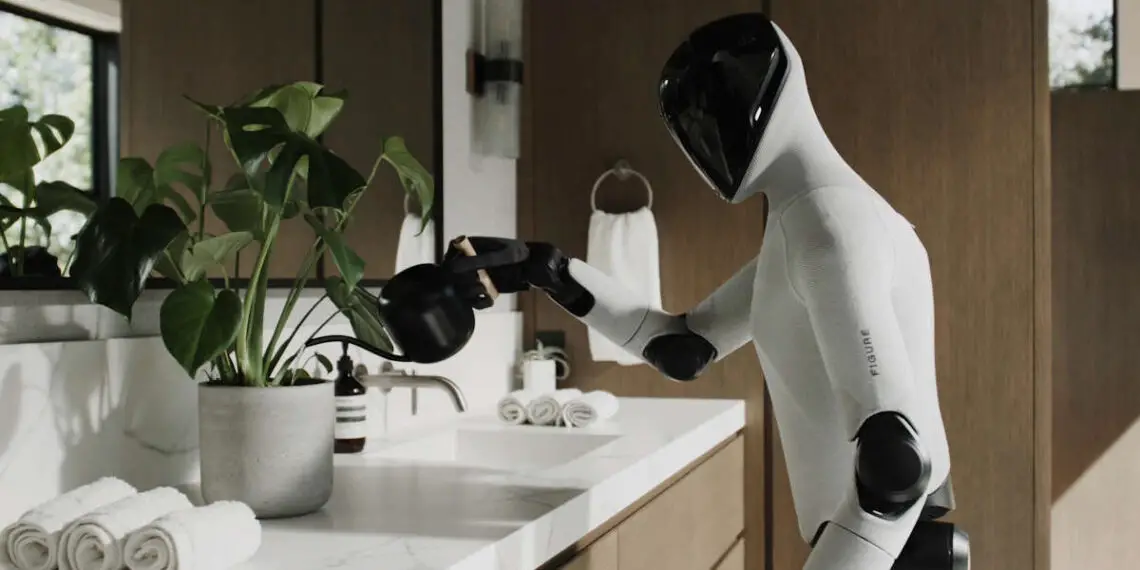

|
|||||
| Vidéo : Quand le nouveau robot Figure 02 fait la … | https://www.aruco.com/robotique/video-r… | 1 | Dec 27, 2025 08:00 | active | |
Vidéo : Quand le nouveau robot Figure 02 fait la lessive chez le patron de Figure AI - ArucoURL: https://www.aruco.com/robotique/video-robot-figure-02-lessive/ Description: Imaginez : vous rentrez d’une longue journée, ouvrez votre panier à linge et là, vous vous apercevez que quelqu’un l’a déjà chargé pour vous dans votre Content:
Imaginez : vous rentrez d’une longue journée, ouvrez votre panier à linge et là, vous vous apercevez que quelqu’un l’a déjà chargé pour vous dans votre machine à laver. Sauf que ce n’est pas votre coloc qui s’en est occupé, mais un robot humanoïde. Utopique ? C’est pourtant ce que semble avoir réalisé le modèle Figure 02 dans une vidéo postée sur X par Brett Adcock, fondateur de Figure AI, le 31 juillet dernier. On y voit le robot saisir, chez lui, le linge sale de sa famille et l’insérer avec soin dans la machine, en adaptant ses gestes en temps réel, même lorsque sa fille ajoute de nouveaux vêtements. Une démonstration simple mais spectaculaire, qui marque une avancée pour la robotique domestique. Figure 02, le robot de la start up Figure AI n’est pas encore capable d’actionner lui-même une machine à laver, mais cette démonstration aura suffi à affoler la toile. Ce qui est stupéfiant dans cette vidéo publiée par Brett Adcock, c’est l’autonomie dont semble faire preuve le robot. On le voit en effet saisir des vêtements dans un panier et les déposer dans le lave-linge, a priori sans intervention humaine en arrière-plan. Et même si les gestes sont encore assez lents, ils semblent tout de même fluides et adroits. Ce qui n’a pas manqué de faire forte impression auprès des internautes. Here's a F.02 in my home, using Helix to do my laundry pic.twitter.com/MXFf1o81EG Ici, pas besoin de télécommande. Contrairement aux démonstrations pilotées à distance, Figure 02 agirait en effet de façon indépendante grâce à Helix, le système d’intelligence artificielle développé par Figure AI. Helix est un modèle “vision-langage-action” (VLA) qui s’appuie sur six caméras RGB, des micros et haut-parleurs, pour analyser l’environnement, comprendre les commandes (verbales ou visuelles), adapter ses mouvements et apprendre. Avec ses mains et membres articulés, Figure 02 dispose également de “35 degrés de liberté” pour se déplacer et saisir des objets. Il peut aussi porter 20 kg de charge utile et dispose de 5 heures d’autonomie. Concrètement, même quand un nouveau vêtement est ajouté dans le panier à linge, le robot ajuste instantanément sa prise. L’objectif n’est pas de faire de Figure 02 un robot aux mouvements répétitifs, comme pour la plupart des robots industriels actuels, mais un véritable assistant domestique capable de s’adapter au contexte. Figure AI n’a, à ce jour, pas annoncé de tests officiels du robot Figure 02 dans d’autres foyers. Les essais menés semblent pour l’instant cantonnés à des environnements industriels ou contrôlés. Selon un communiqué officiel de BMW, publié le 6 août 2024, le robot a réussi des tests d’insertion de pièces de tôlerie dans des systèmes de fixation sur la chaîne de production de son usine à Spartanburg, en Caroline du Sud. Mais de nombreux obstacles restent encore à franchir avant de pouvoir viser un déploiement à domicile : La route vers l’assistanat à domicile par les robots, sur lequel travaille aussi Apple, semble donc encore longue. Toutefois, le Figure 02 de Figure AI est loin d’être un simple gadget. Il s’agit, vraisemblablement, du premier robot humanoïde à être montré en train de charger des vêtements dans un lave-linge, en situation domestique réelle. Ce qui constitue déjà une avancée majeure et donne une idée concrète de ce que pourra être l’avenir du ménage assisté. Certains liens de cet article peuvent être affiliés. Journaliste et auteur spécialisé dans les sciences et les technologies émergentes, j’ai débuté ma carrière à Les Inrockuptibles et Trax Magazine avant d’élargir mon expérience à la communication pour des festivals et institutions culturelles. Passionné de recherche scientifique et d’innovation depuis l’adolescence, j’ai très tôt animé un blog consacré à l’astronomie et à l’exploration spatiale. Depuis, j’ai collaboré avec plusieurs médias en écrivant sur l’astronautique, la robotique, la biologie, la technologie et les jeux vidéo, avec une approche critique et pédagogique. Aujourd’hui, je m’intéresse de près aux transformations liées à l’intelligence artificielle et à la robotique, en analysant leurs usages concrets, leurs impacts sociétaux et leurs enjeux éthiques. J’explore également la création visuelle assistée par IA afin de mieux comprendre le potentiel et les limites de ces outils. Notre mission est d’offrir à nos lecteurs une information claire, fiable et à jour. Chaque article s’appuie sur une veille rigoureuse de l’actualité, une vérification méticuleuse des sources et une exigence constante de clarté et de précision. Nous nous engageons à publier des contenus utiles, accessibles et vérifiables, afin d’éclairer les enjeux du monde contemporain et d’accompagner chacun dans sa compréhension de l’information. C’est fascinant de voir comment la robotique progresse, surtout avec des robots comme Figure 02 qui peuvent gérer des tâches ménagères. Cela pourrait vraiment changer notre quotidien. C’est incroyable de voir à quel point la technologie évolue ! Je me demande si un jour ces robots pourront vraiment nous alléger du quotidien en matière de tâches ménagères. Le progrès dans la robotique domestique est impressionnant. Ce robot humanoïde pourrait vraiment aider à réduire le temps passé sur les tâches ménagères et améliorer notre productivité au quotidien. C’est incroyable de voir un robot capable de charger le linge ! Cela pourrait vraiment révolutionner notre quotidien et permettre aux gens de se concentrer sur des tâches plus importantes. Gil, cet article sur le robot Figure 02 est fascinant ! Les progrès en robotique domestique pourraient vraiment changer notre quotidien. J’ai hâte de voir comment tout cela va évoluer ! C’est fascinant de voir les avancées en robotique ! Imaginez un jour avoir un robot qui s’occupe des tâches ménagères. Cela pourrait vraiment changer notre quotidien. Save my name, email, and website in this browser for the next time I comment. Δ Type above and press Enter to search. Press Esc to cancel. Recevez les meilleurs news IA, Robotique et Sécurité en ligne. En vous inscrivant, vous acceptez nos conditions et Politique de Confidentialité.
Images (1): 
|
|||||
| Figure 03: The AI Humanoid Robot Redefining Design & Work … | https://www.urdesignmag.com/figure-03-a… | 1 | Dec 27, 2025 08:00 | active | |
Figure 03: The AI Humanoid Robot Redefining Design & Work | urdesignmagURL: https://www.urdesignmag.com/figure-03-ai-humanoid-robot-design/ Description: Meet Figure 03, the next-gen AI humanoid robot with advanced tactile sensors and palm cameras. See how this smart device is set to transform both home and industrial design. Content:
Apartments Cars China Guides home decor home improvement Houses Ideas Installations Interiors Italy Refurbishment Renovation renovations Restaurants Retail tips United Kingdom United States USA Figure Robotics Figure Robotics has lifted the curtain on Figure 03, the latest iteration in its line of general-purpose humanoid robots, poised to revolutionize both domestic life and industrial settings. Designed to perform tasks with a level of dexterity and nuance previously reserved for humans, this AI-powered marvel is engineered to clean houses, do laundry, wash dishes, and even serve food. It represents a significant technological leap from its predecessors, focusing intensely on advanced sensory capabilities and real-world utility, making it a pivotal step in the development of assistive robots. The most crucial upgrade in the Figure 03 project is the redesigned hands, which now incorporate sophisticated tactile sensors in the fingertips. These high-sensitivity sensors enable the robot to detect minute changes in pressure, a vital capability that allows it to sense an object slipping or to know precisely when a light touch is needed. This improved haptic feedback is central to its ability to perform delicate household chores; the fingertips are now softer and more adaptive, conforming to the shape of various objects and providing enhanced grip control. The sensors are specifically built to allow the humanoid robot to safely handle fragile, irregular, or moving items, a persistent challenge in robotics. Further enhancing its manipulative precision are the new palm cameras embedded in each hand. These cameras provide Figure 03 with a crucial close-up view of objects it is holding or manipulating, effectively overcoming situations where the main head cameras might be obstructed—for instance, when reaching deep into a cabinet. This close-range visual data feeds directly into the robot’s core system, Helix, the company’s advanced vision-language-action AI. Helix processes images from the new cameras at a faster rate with lower latency and a wider viewing range. The cameras also feature a deeper focus range, ensuring the robot maintains a clear, sharp view of objects at varying distances, allowing the AI system to adjust hand movements in real-time for continuous control in tight spaces. Intended as both a general-purpose and assistive device, Figure 03 is designed to seamlessly integrate into homes and production lines alike. For domestic use, the company has added a distinctly human touch, dressing the robot in knitwear with a soft textile covering and layered foam to prevent accidental pinching or impact. This design choice aims to humanize the walking and working device, making it appear less like a cold machine and more like a human wearing a helmet while navigating a home. Figure Robotics is also planning to offer optional clothing made from stronger, cut-resistant materials for different operating environments. Furthermore, the new model is said to be lighter and more compact than its siblings, improving its flexibility and ability to move through narrow domestic areas. Safety is paramount, and the robot’s battery features new safety protections at every level and supports wireless inductive charging through coils in its feet, allowing it to connect with a charging pad automatically and safely indoors. The release of Figure 03 also marks a significant change for manufacturing and production use. While earlier models served as engineering prototypes, Figure Robotics has redesigned every part of this robot for full-scale production viability. The actuators now operate faster and with greater force, resulting in quicker and more precise item handling, making the humanoid robot suitable for environments that demand repetitive or high-speed movement, such as warehouses or assembly lines. The combined upgrade in its hand and sensor systems ensures it can pick up and manage items of diverse sizes and textures, from tiny components to flexible materials. In operation, Figure 03 boasts the ability to learn new tasks simply by observing humans, manipulate objects using its refined tactile sensors, and safely navigate around people and furniture. While the technology is clearly advancing rapidly, the company has yet to announce a firm timeline for the production and mass-market release of the Figure 03 humanoid robot. ©Copyrights 2025 urdesign All material published remains the exclusive copyright of urdesignmag. No contents, including text, photographs, videos, etc. may be reproduced in whole or in part without the written consent of urdesignmag. In addition, no material or contents may be reproduced on the world wide web by techniques of mirroring, framing, posting, etc. without the written consent of urdesignmag. "*" indicates required fields
Images (1): 
|
|||||
| Figure AI: nuova accusa sulla sicurezza dei robot umanoidi | https://www.tecnoandroid.it/2025/11/28/… | 1 | Dec 27, 2025 08:00 | active | |
Figure AI: nuova accusa sulla sicurezza dei robot umanoidiDescription: L'ex capo sicurezza di Figure AI ha accusato l'azienda riguardo pericoli per la sicurezza legati ai suoi robot umanoidi. Di cosa si tratta? Content:
@2022 - All Right Reserved. Designed and Developed by PenciDesign Nel settore della robotica umanoide, il nome Figure AI è tornato al centro del dibattito. La società, valutata 39 miliardi di euro e sostenuta da figure come Jeff Bezos, Nvidia e Microsoft, è infatti oggetto di una denuncia. La quale è stata presentata dall’ex responsabile della sicurezza dei prodotti, Robert Gruendel. Il fulcro della controversia riguarda la potenza fisica dei robot sviluppati dall’azienda. Gruendel sostiene che alcuni test interni avrebbero evidenziato rischi tali da rendere necessarie misure urgenti. A suo avviso, le prove avrebbero mostrato capacità di forza in grado di provocare lesioni gravissime a un essere umano. In una delle situazioni riportate, un robot avrebbe lasciato un’incisione profonda circa 0,6 centimetri sulla porta in acciaio di un frigorifero. Per l’ex dipendente, quell’episodio costituiva un campanello d’allarme che imponeva una revisione immediata dei protocolli. Secondo la denuncia, la pressione interna sarebbe aumentata quando Gruendel fu incaricato di preparare una roadmap di sicurezza destinata ai potenziali investitori. Il documento, sempre secondo l’ex dirigente, sarebbe stato ridimensionato nel momento in cui l’azienda stava finalizzando un nuovo round di finanziamento. Una scelta che, nella sua lettura, avrebbe potuto influenzare la percezione esterna dei progressi dell’azienda e della solidità delle sue procedure di tutela. Figure AI respinge fermamente ogni accusa. Un portavoce ha definito le affermazioni di Gruendel “infondate”, precisando che il suo allontanamento sarebbe collegato a prestazioni non adeguate. L’azienda si dice pronta a replicare punto per punto davanti al tribunale. La causa non riguarda soltanto richieste di risarcimenti economici e di danni punitivi. Per gli avvocati dell’ex responsabile della sicurezza, potrebbe rappresentare uno dei primi contenziosi di presunto whistleblowing legato allo sviluppo di robot umanoidi avanzati. Il tribunale dovrà ora stabilire se il caso rappresenti un allarme ignorato o un conflitto gestionale degenerato in battaglia legale. Qualunque sia l’esito, la vicenda solleva interrogativi più ampi sul modo in cui le aziende del settore dovranno affrontare la questione cruciale della sicurezza dei robot umanoidi. Ciao sono Margareth, per gli amici Maggie, la vostra amichevole web writer di quartiere. Questa piccola citazione dice già tanto di me: amo il cinema, le serie tv, leggere e cantare a squarciagola i musical a teatro. Se a questo aggiungiamo la passione per la fotografia e la tecnologia direi che è facile intuire perché ho deciso di studiare e poi lavorare con la comunicazione. 2012 – 2023 Tecnoandroid.it – Gestito dalla STARGATE SRLS – P.Iva: 15525681001 Testata telematica quotidiana registrata al Tribunale di Roma CON DECRETO N° 225/2015, editore STARGATE SRLS. Tutti i marchi riportati appartengono ai legittimi proprietari. Questo articolo potrebbe includere collegamenti affiliati: eventuali acquisti o ordini realizzati attraverso questi link contribuiranno a fornire una commissione al nostro sito.
Images (1): 
|
|||||
| Denuncian a Figure AI por un robot señalado como altamente … | https://www.sdpnoticias.com/tecnologia/… | 0 | Dec 27, 2025 08:00 | active | |
Denuncian a Figure AI por un robot señalado como altamente peligrosoDescription: Figure AI es acusada por tener robots peligrosos, capaces de romper un cráneo adulto Content: |
|||||
| “I robot violenti” di Figure AI - L'Opinione | https://opinione.it/hi-tech/2025/11/25/… | 1 | Dec 27, 2025 08:00 | active | |
“I robot violenti” di Figure AI - L'OpinioneDescription: Figure AI è accusata di realizzare robot umanoidi pericolosi. Content:
Redazione I robot di Figure AI “sono abbastanza potenti da fratturare un cranio umano”. La startup che realizza robot umanoidi dotati di Intelligenza artificiale è stata citata in giudizio da Robert Gruendel, un suo ex ingegnere ed esperto di sicurezza. Come riporta la Cnbc, si tratta di uno dei primi esempi di “whistleblowing”, ex dipendenti che denunciano illeciti, nel settore della robotica di nuova generazione. Figure AI, sostenuta anche da colossi come Nvidia e Microsoft, nel corso del 2025 ha svelato F.03, un umanoide capace di imparare nuove azioni osservando il comportamento delle persone. Gruendel avrebbe avvertito a più riprese l’amministratore delegato della startup, Brett Adcock e l’ingegnere capo Kyle Edelberg, sull’eventualità che i robot potessero rappresentare un pericolo per gli uomini, anche a seguito di errori e malfunzionamenti. A supporto di ciò, l’accusa cita un episodio specifico durante il quale uno dei robot avrebbe inciso un taglio di qualche centimetro in una porta d’acciaio di un frigorifero, dimostrando una forza potenzialmente letale. Secondo la denuncia, le preoccupazioni sarebbero state percepite dalla dirigenza come “ostacoli” piuttosto che obblighi, portando all’allontanamento dell’ingegnere con il pretesto di un “cambiamento di direzione aziendale”. La stessa Cnbc ricorda come la causa arrivi due mesi dopo che Figure AI ha raggiunto una valutazione di 39 miliardi di dollari, di 15 volte superiore quella di inizio 2024. Per Gruendel, la società non ha voluto rallentare di proposito lo sviluppo dei suoi robot, per non creare dubbi sugli investitori, spegnendo sul nascere il dibattito sulla sicurezza. Replicando al media, Figure IA ha dichiarato che Gruendel è stato licenziato per “scarso rendimento”, etichettando le accuse come falsità che verranno smontate in tribunale. Di tutt’altro approccio sono i robot umanoidi australiani, con funzioni di assistenti didattici. Si tratta di robot che ascoltano i bambini mentre leggono, sono in via di introduzione in alcune scuole del Paese, sollevando dal compito genitori indaffarati che non leggono storie ai propri figli. Come riporta la rivista scientifica Nature, due università australiane hanno sperimentato i “robot lettori” per incoraggiare alunni elementari a leggere ad alta voce, offrendo “un ambiente più rilassato e non giudicante per bambini ansiosi rispetto alla lettura convenzionale davanti ad altre persone”. I robot danno un riscontro positivo e incoraggiamento con parole, con espressioni facciali, con suoni o cambiando colore. Tuttavia insegnanti e presidi hanno sollevato preoccupazioni di privacy ed etiche riguardo all’uso di chatbot umanoidi nelle aule. Ricercatori delle università australiane Flinders e Macquarie, in collaborazione con il Social Brain Lab di Zurigo, hanno testato tre tipi di robot sociali su 35 bambini di Sydney di età da cinque a nove anni, tra cui cinque con scarsa capacità di lettura. Questi ultimi hanno ben accolto la capacità dei robot di esprimere emozioni ed empatia, sottolineando che i loro robot erano “gentili e incoraggianti”. La presidente dell’Australian Primary Principals Association, Angela Falkenberg, dice che “incoraggerà sempre un legame umano”. “Parte del divieto di social media mira a far connettere i bambini con altri esseri umani”, ha detto. “Lo sguardo umano è importante per costruire relazioni, una buona salute mentale e senso di fiducia”. Secondo l’ultimo State of Australia’s Children Report un genitore su tre non legge ai figli nel loro primo anno di scuola, rispetto a un quarto dei genitori nel 2015. Aggiornato il 25 novembre 2025 alle ore 17:09 La sinergia tra la produzione di sistemi aerei a pilotaggio remoto e lo sviluppo di formulati... La sinergia tra la produzione di sistemi aerei a pilotaggio remoto e lo sviluppo di formulati... La copertina di Time dell’11 dicembre scorso ha sollecitato diverse riflessioni che meritano... La copertina di Time dell’11 dicembre scorso ha sollecitato diverse riflessioni che meritano...
Images (1): 
|
|||||
| AI vs. Human Creativity: Can Robots Really Be Artists? | https://medium.com/@mohamedguerrou3/ai-… | 0 | Dec 26, 2025 08:00 | active | |
AI vs. Human Creativity: Can Robots Really Be Artists?URL: https://medium.com/@mohamedguerrou3/ai-vs-human-creativity-can-robots-really-be-artists-ea7685aa9316 Description: AI vs. Human Creativity: Can Robots Really Be Artists? Introduction For centuries, creativity has been celebrated as one of the most defining human traits. From... Content: |
|||||
| 37 Robots That Didn't Need Human Faces | eBaum's World | https://www.ebaumsworld.com/pictures/ro… | 1 | Dec 26, 2025 08:00 | active | |
37 Robots That Didn't Need Human Faces | eBaum's WorldURL: https://www.ebaumsworld.com/pictures/robots-that-didnt-need-human-faces/87658888/ Description: Look, if we’re going to keep making robots, can we at least agree not to give them human faces? Content:
Look, if we’re going to keep making robots, can we at least agree not to give them human faces? By Cameron Fetter Published 4 days ago in Funny Look, if we’re going to keep making robots, can we at least agree not to give them human faces? It’s hard enough to pretend we’re not creating a self-aware race of subservient mechanical slaves without them having the ability to stare deep into our souls. If you have to give them faces, at least make them look like the Terminator. That way, when my microwave gains sentience and I have to beat it to death to save my family, it won’t haunt my dreams afterward. Seriously, I’ve never seen a robot with a human face that doesn't look absolutely horrifying. If science hasn’t cracked it yet, I don’t think it’s going to happen. Pack it up, guys. Categories: Tags: If you are the original creator of material featured on this website and want it removed, please contact the webmaster Copyright© 1998-2025 Literally Media
Images (1): 
|
|||||
| Robots Everywhere – David Cummings on Startups | https://davidcummings.org/2025/07/19/ro… | 1 | Dec 26, 2025 00:03 | active | |
Robots Everywhere – David Cummings on StartupsURL: https://davidcummings.org/2025/07/19/robots-everywhere/ Description: As I look out my window this morning, I can't help but smile watching my robotic lawnmower carve pictures and words into the backyard. Of course, the artwork is silly and there for fun, but the aha moment for me—as a kid who grew up in the Deep South mowing grass for hundreds of hours… Content:
David Cummings on Startups Written by in As I look out my window this morning, I can’t help but smile watching my robotic lawnmower carve pictures and words into the backyard. Of course, the artwork is silly and there for fun, but the aha moment for me—as a kid who grew up in the Deep South mowing grass for hundreds of hours in 90°-plus temperatures—is that I can’t help but be thankful and optimistic for the impending wave of robots coming into our lives. Now, we’ve had simple robots for a couple of decades doing productive tasks. The Husqvarna could bounce between a buried low-voltage wire and mow the grass. The Roomba could bounce around the house doing basic vacuuming. Now, the big unlock is a combination of processing power, computer vision, GPS + RTK, ubiquitous internet, battery capacity, and miniaturization of electronics, all combined with a supercomputer in our pockets. Now that the robots can see, think, and act in a more human-like manner, the new possibilities are endless. Robots will soon be everywhere. Last week, we did a road trip of a couple hundred miles. I simply put the destination in my Tesla, and Full Self-Driving took us the entire way—from stoplights to interstates to navigating tight downtown roads. The entire experience was flawless. The robot—in this case, my car—did all the heavy lifting, and I was merrily along for the ride. With an experience that good, I can’t see ever buying a car again without that functionality. Just like pushing that lawnmower, doing a repetitive task was a poor use of time; driving a car feels antiquated and a waste of effort. The robot drivers are more alert, monitoring all 360°, and never get distracted. It’s both safer and more efficient. The next time you have an opportunity to experience a Waymo or Tesla, try it out and experience it for yourself. For entrepreneurs thinking about their next idea, my recommendation is to research the robotics space. Talk to companies and ask how they might use robots in their business. When researching, consider both the creation of new robots and all the businesses that will be built to install, manage, service, and finance them. Robots will soon be ubiquitous, and thousands of new startups will be created in the process. Δ This site uses Akismet to reduce spam. Learn how your comment data is processed. 3,000+ posts on entrepreneurship and startups Twenty Twenty-Five Blog at WordPress.com.
Images (1): 
|
|||||
| Computer Vision’s Real Power Isn’t Vision - It’s Action | https://medium.com/ai-web-journal/compu… | 0 | Dec 26, 2025 00:03 | active | |
Computer Vision’s Real Power Isn’t Vision - It’s ActionURL: https://medium.com/ai-web-journal/computer-visions-real-power-isn-t-vision-it-s-action-554f88796305 Description: Computer Vision’s Real Power Isn’t Vision - It’s Action For engineers, vision is an end-to-end pipeline that converts raw pixels into actions. It blends d... Content: |
|||||