AUTOMATION HISTORY
1513
Total Articles Scraped
4666
Total Images Extracted
Scraped Articles
New Automation| Action | Title | URL | Images | Scraped At | Status |
|---|---|---|---|---|---|
| Agility Robotics heads to Wall Street in a $2.5 billion … | https://economictimes.indiatimes.com/te… | 10 | Jun 25, 2026 00:01 | active | |
Agility Robotics heads to Wall Street in a $2.5 billion bet on staffing warehouses with humanoids - The Economic TimesDescription: Agility Robotics, an AI-driven humanoid robotics for warehouse operations, plans to go public with a remarkable $2.5 billion valuation. This move signifies a noteworthy advancement for the rapidly growing humanoid robot industry. Their 'Digit' robots, optimized for monotonous manual tasks, are already deployed in various industrial environments, supported by leading technology firms. Content:
(Catch all the Technology News News, and Latest News Updates on The Economic Times.) ...more Popular Categories Hot on Web In Case you missed it Top Searched Companies Other useful Links Top Calculators Top Slideshow Top Story Listing Top Prime Articles Top Definitions Top Commodities Private Companies Top Market Pages Latest News follow us on Download ET App:
Images (10): 




|
|||||
| Agility Robotics heads to Wall Street in a $2.5B bet … | https://www.washingtontimes.com/news/20… | 10 | Jun 25, 2026 00:01 | active | |
Agility Robotics heads to Wall Street in a $2.5B bet on staffing warehouses with humanoidsDescription: A maker of humanlike robots that carry totes around warehouses is going public on Wall Street in a test of whether there's a market for putting AI-powered humanoid machines to work. Content:
Register for free to manage your followed authors and newsletters in one place. A maker of humanlike robots that carry totes around warehouses is going public on Wall Street in a test of whether there’s a market for putting AI-powered humanoid machines to work. Agility Robotics, based in Salem, Oregon, announced Wednesday a planned merger with an investment firm that will value the company at $2.5 billion as it becomes the first publicly traded company entirely devoted to building and selling humanoids. Its competitors include Tesla, whose CEO Elon Musk has pitched its humanoid prototype Optimus as the future of the carmaker. Designed to pick up and move heavy bins and totes, Agility’s product line, called Digit, is the “first humanoid robot employed and commercially operational in warehouse and industrial facilities,” said Michael Klein, co-founder and chairman of Churchill Capital Group, which runs the special-purpose acquisition company that intends to merge with Agility by the end of the year. Klein said on an investor call Wednesday that the company has backing from Amazon, Nvidia, SoftBank and Taiwanese electronics manufacturer Foxconn. Its early customers include Toyota, industrial parts supplier Schaeffler, and Mercado Libre, the Latin American e-commerce giant. While Agility describes its robot as a humanoid, the company’s co-founder and chief robot officer Jonathan Hurst told investors Wednesday that “we’ve never set out to build a machine that looks like a person.” Unlike other humanoids, like Tesla’s Optimus, Digit’s legs are more birdlike than human in a design that’s meant to better fit the work they do. Its hands are more like grippers or claws. Agility CEO Peggy Johnson said Digit specializes in manual labor that for humans would be repetitive, dirty and prone to injury. “The demand here is large and increasing,” she said on an investor call. “We have companies reshoring production, older workers retiring, and younger generations just not opting for these types of menial jobs.” While earlier generations of industrial robots are typically so large and fast-moving that they must be fenced off from human workers, Hurst said upcoming versions of Digit will be able to work alongside humans in warehouses and manufacturing facilities. Copyright © 2026 The Washington Times, LLC. SEE MORE VIDEOS How one algae-choked pool became the perfect reflection of Trump’s presidency Nate Bargatze UFC drama exposes liberal insanity for what it is Forget about celebrating Father’s Day
Images (10): 


|
|||||
| Agility Robotics is reportedly going public via a $2.5B SPAC … | https://thenextweb.com/news/agility-rob… | 10 | Jun 25, 2026 00:01 | active | |
Agility Robotics is reportedly going public via a $2.5B SPAC dealURL: https://thenextweb.com/news/agility-robotics-public-spac-deal Description: The maker of the Digit humanoid robot is reportedly in talks to go public through a SPAC merger valuing it at about $2.5B, per a WSJ report. Content:
The maker of the Digit humanoid is said to be in talks for a blank-cheque merger, a route most of its better-funded rivals have so far avoided. Update | 24 June 2026, confirmed deal What was a report of talks this morning is now a signed agreement. Agility Robotics and Churchill Capital Corp XI (NASDAQ: CCXI), the SPAC run by veteran dealmaker Michael Klein, have entered a definitive business combination at a $2.5bn pre-money equity value. The combined company will list as Agility under the ticker “AGLT” and expects more than $620m in gross proceeds: roughly $420m from Churchill’s trust account plus a $200m common-stock PIPE priced at $10 a share and led by Foxconn. The deal is expected to close in 2026, subject to a shareholder vote and SEC review. The 💜 of EU tech The latest rumblings from the EU tech scene, a story from our wise ol' founder Boris, and some questionable AI art. It's free, every week, in your inbox. Sign up now! The company also disclosed it has booked more than $300m of multi-year Digit v5 orders, named Schaeffler, GXO, Toyota Motor Manufacturing Canada and Mercado Libre as deployment customers, and confirmed Nvidia, Amazon, SoftBank Vision Fund 2, Foxconn and DCVC among its backers. The original article, as published 24 June 2026 at 7:43am, follows below. Agility Robotics, the Oregon startup behind the bipedal Digit robot, is in talks to go public through a merger with a special-purpose acquisition company in a deal valuing it at about $2.5bn, according to Wall Street Journal. The terms have not been confirmed, the SPAC partner has not been named, and the company has not commented publicly, so the figure should be read as a report of negotiations rather than a closed transaction. Either way, the implied valuation would mark a step up from where Agility last priced itself in private markets. The company closed a $400m Series C in March 2025 at a valuation of about $2.12bn, and has raised more than $640m in total across its funding history. A SPAC merger at $2.5bn to $3bn would put a public-market premium on a company whose core selling point is that its robot actually works for paying customers. That is the claim Agility leans on hardest. Digit, the 1.75-metre humanoid that spun out of Oregon State University, has been the rare humanoid to generate revenue from commercial deployments rather than demo reels, moving more than 100,000 totes in a GXO Logistics warehouse and signing a multi-year robots-as-a-service contract. Amazon’s Industrial Innovation Fund made an early growth investment, a signal of interest from the largest potential buyer of warehouse labour automation in the world. The robots-as-a-service model is central to the pitch. Rather than selling the hardware outright, Agility rents Digit to logistics operators on a subscription basis, an arrangement meant to lower the barrier to adoption and give the company recurring revenue rather than one-off sales. Agility has positioned Digit for repetitive warehouse tasks such as moving totes between conveyors and storage, the sort of work that is dull, physically taxing and chronically hard to staff. The route Agility is reportedly taking is itself notable. Most of the best-capitalised humanoid companies have stayed private and raised eye-watering sums to do it. F igure AI carries a private valuation in the tens of billions, and China’s Unitree has filed for an IPO worth a reported $7bn after outselling Tesla on humanoid units. A SPAC, by contrast, is the faster and historically more forgiving path to public markets, the same mechanism that floated a wave of speculative hardware companies during the 2021 boom, not all of which survived contact with public scrutiny. The backdrop is a sector awash in capital and short on revenue. Global investment in robotics and physical AI reached $27.6bn in 2025, more than double the previous year, and the money has flowed to companies at wildly different stages of actually selling anything. Some of that has gone to humanoids; some has gone to firms arguing the form factor is wrong, such as wheeled-robot makers who think legs are an expensive distraction. China’s own humanoid boom is already running into a commercialisation reality check, with roughly 150 companies chasing a market where most buyers say they are not yet satisfied. Against that, Agility’s pitch to public investors would be deployment over demos: a robot earning money in warehouses, a marquee logistics customer, and an Amazon connection. Whether that is enough to support a multi-billion-dollar public listing, and whether the valuation lands at $2.5bn, $3bn or somewhere a filing eventually settles on, is what the coming weeks will clarify. For now, the company has neither confirmed the talks nor named the vehicle. Cristian Dina is the CRO at The Next Web. He has interviewed 300+ industry leaders and authored the book King of Networking, establishing hi (show all) Cristian Dina is the CRO at The Next Web. He has interviewed 300+ industry leaders and authored the book King of Networking, establishing himself as one of the most connected and respected voices in the ecosystem. At just 23 years old, Cristian was included in the Forbes 30 Under 30 2025 list, representing a new generation of tech builders, bold thinkers who move fast, build with purpose, and create real impact. Get the most important tech news in your inbox each week. The heart of tech A Tekpon Company Copyright © 2006—2026, Cogneve, INC. Made with <3 in Amsterdam.
Images (10): 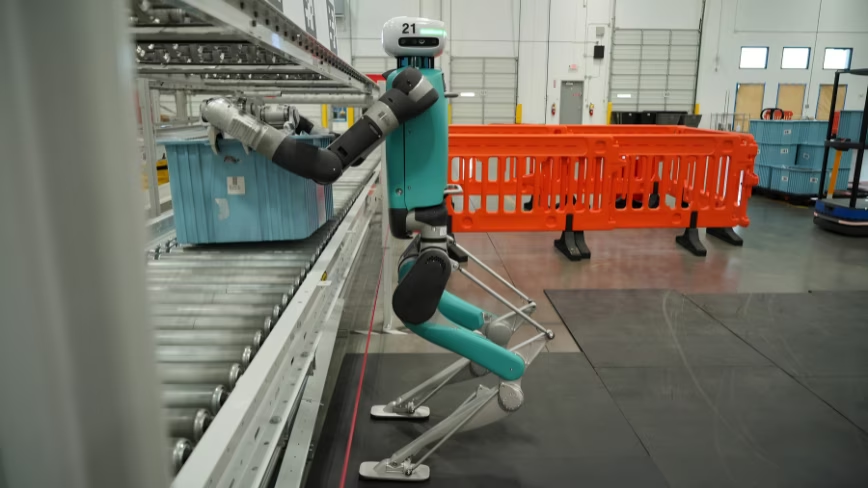


|
|||||
| Agility Robotics plans to go public via SPAC in a … | https://techcrunch.com/2026/06/24/agili… | 9 | Jun 25, 2026 00:01 | active | |
Agility Robotics plans to go public via SPAC in a $2.5B deal | TechCrunchURL: https://techcrunch.com/2026/06/24/agility-robotics-plans-to-go-public-via-spac-in-a-2-5b-deal/ Description: Agility Robotics, the humanoid robotics startup that spun out of Oregon State University in 2015, expects to generate $620 million in proceeds. Content:
The first StrictlyVC of 2026 hits SF on April 30. Tickets are going fast. Register now. Founder Summit ticket savings of up to $190 end June 26. Join 1,000+ founders and VCs for all-day bootcamp. REGISTER NOW. Latest AI Amazon Apps Biotech & Health Climate Cloud Computing Commerce Crypto Enterprise EVs Fintech Fundraising Gadgets Gaming Google Government & Policy Hardware Instagram Layoffs Media & Entertainment Meta Microsoft Privacy Robotics Security Social Space Startups TikTok Transportation Venture Staff Events Startup Battlefield StrictlyVC Newsletters Podcasts Videos Partner Content TechCrunch Brand Studio Crunchboard Contact Us Posted: Agility Robotics, the humanoid robotics startup that spun out of Oregon State University in 2015, plans to go public through a merger with special purpose acquisition company Churchill Capital Corp XI in a deal that values the company at roughly $2.5 billion. The transaction is expected to generate more than $620 million in proceeds, including about $200 million from a group of new and existing institutional investors, the company said. Agility is best known for Digit, a bipedal robot that is being used across nine customer sites, including with Schaeffler, GXO, Toyota Motor Manufacturing Canada, and Mercado Libre. The company has enjoyed backing from high-profile tech companies and funds like Amazon, Nvidia, SoftBank Vision Fund 2, DCVC. Now it plans to use the capital raised in the SPAC merger to increase production capacity of its next-generation Digit v5, fulfill existing orders, and expand to new and existing customers. The company said it has secured more than $300 million in multi-year orders for the new model and a pipeline of more than 30 potential customers evaluating large-scale deployments. “Humanoid robots are poised to become a critical driver of productivity, supply chain resilience, and American technology leadership,” Agility CEO Peggy Johnson said in a statement. “With commercially deployed humanoids already operating in customer environments today, Agility is helping enterprises address labor shortages, improve efficiency, and safely integrate AI-powered automation into their operations.” The combined company is expected to trade under the ticker symbol AGLT on a North American stock exchange that has not yet been announced. Topics Last chance to save up to $190 on TechCrunch Founder Summit. Join 1,000+ founders and VCs at all stages for real-world scaling insights and connections that move the needle.Savings end June 26, 11:59 p.m. PT. Subscribe for the industry’s biggest tech news Every weekday and Sunday, you can get the best of TechCrunch’s coverage. TechCrunch Mobility is your destination for transportation news and insight. Startups are the core of TechCrunch, so get our best coverage delivered weekly. Provides movers and shakers with the info they need to start their day. By submitting your email, you agree to our Terms and Privacy Notice. © 2026 TechCrunch Media LLC.
Images (9): 




|
|||||
| Agility Robotics Plans SPAC Merger, Aims for Public Debut - … | https://www.businessinsider.com/agility… | 10 | Jun 25, 2026 00:01 | active | |
Agility Robotics Plans SPAC Merger, Aims for Public Debut - Business InsiderURL: https://www.businessinsider.com/agility-robotics-spac-merger-go-public-2-5-b-valuation-2026-6 Description: Agility Robotics aims to go public via a $2.5 billion SPAC merger, focusing on expanding its humanoid Digit robots. Content:
Humanoid robot maker Agility Robotics said Wednesday that it plans to go public in a deal valuing the company at about $2.5 billion. The deal would make Agility, which builds a robot called Digit, the first humanoid-focused company to go public in the US. The startup, which spun out of Oregon State University in 2015, plans to merge with Churchill Capital Corp XI, a special-purpose acquisition company (SPAC) led by former Citigroup executive Michael Klein. It is expected to trade under the ticker AGLT. "The timing is right, both for our company and for the market," Jonathan Hurst, Agility's cofounder and chief robot officer, told Business Insider. "We're hitting now as a first mover, which is really important, and we want to be defining the humanoid industry." A SPAC is a publicly traded shell company with no operations or assets, other than a war chest of cash. It is created to eventually be acquired or merged with another company, allowing it to go public without a traditional initial public offering. The structure boomed in 2021, when low interest rates fueled a wave of blank-check deals. While SPAC activity cooled in the following years, it is gaining renewed attention as the IPO market revives. Hurst said the company chose the SPAC route specifically to bring in Klein, whose team has the financial expertise to complement Agility's technical focus as it goes public. Klein is a prolific SPAC sponsor, and he has recently helped take companies such as Sam Altman-backed nuclear power company Oklo and electric vehicle maker Lucid public. Take a smarter break in your day - and see how far you get. The deal is expected to generate more than $600 million in gross proceeds, including $420 million in cash from Churchill XI and more than $200 million through a common-stock private investment in public equity led by Foxconn, the Taiwan-based electronics manufacturer that is an existing Agility investor. Other Agility backers include venture firm DCVC, Nvidia, Amazon, and SoftBank. Hurst said going public will allow Agility to be more transparent as it scales and helps set benchmarks in a hyped-up industry. Agility said the money raised from going public will go toward fulfilling existing customer orders, expanding deployments, and scaling production of its next-generation humanoid, Digit v5. Digit is a full-sized humanoid that can perform repetitive physical tasks, such as carrying heavy storage and sorting goods. Agility has already deployed its Digit robot across nine customer facilities, including those of Amazon, Toyota, and the logistics company GXO. Agility is the first company to commercially deploy humanoids in the US. Tesla is developing Optimus, which it plans to begin producing this summer. Hyundai-owned Boston Dynamics plans to deploy its Atlas humanoid in factories in 2028. Figure AI, most recently valued at $39 billion, piloted its humanoids at a BMW manufacturing plant in Germany and has a deal to deploy robots across the distribution and logistics network of Catalyst Brands, the parent company of JCPenney, Aéropostale, and Brooks Brothers. Agility said it has more than $300 million in multiyear orders for Digit v5. The robot's battery is designed to charge quickly enough to operate for 20 of 24 hours, Hurst said. Agility's biggest focus, Hurst said, is safety. Any humanoid robot typically requires a physical barrier between itself and human workers, and Agility wants to create robots safe enough to operate without that. "Digit v5 will be the first that can just walk into existing as-built environments without any additional infrastructure required, and do human workflows in human spaces," Hurst said. Agility is working with Nvidia on the safety system. This week, Nvidia announced Halos for Robotics, a safety system designed to help robots operate around people in industrial settings. Agility will be the first company to incorporate the software into its humanoids. Agility's SPAC deal comes as the humanoid robotics industry moves from flashy demos toward deployment. The market is dominated by Chinese companies such as Unitree, which is preparing to go public and targeting a valuation of up to $7 billion. Chinese robotics firms accounted for about 90% of humanoid robot shipments last year, according to Omdia. Jump to Every time publishes a story, you’ll get an alert straight to your inbox! Look out for an alert in your inbox the next time publishes a story! Every time a new story is published, you’ll get an alert straight to your inbox! Look out for an alert in your inbox the next time a new story is published! By clicking “Sign up”, you agree to receive emails from Business Insider. In addition, you accept Insider’s Terms of Service and Privacy Policy.
Images (10): 
|
|||||
| 'Digit' maker Agility Robotics to go public in $2.5B deal … | https://commstrader.com/technology/digi… | 10 | Jun 25, 2026 00:01 | active | |
'Digit' maker Agility Robotics to go public in $2.5B deal — here's what the filings say about its finances | CommsTraderDescription: The boundary dividing science fiction from daily industrial reality is rapidly dissolving. In Salem, Oregon, a quiet revolution is taking shape that promises Content:
The boundary dividing science fiction from daily industrial reality is rapidly dissolving. In Salem, Oregon, a quiet revolution is taking shape that promises to alter the human workplace forever, as Agility Robotics prepares to make history by becoming the first publicly traded company solely dedicated to the development and commercialization of humanoid robots. Rather than emerging from the typical high-tech corridors of Silicon Valley or the academic bastions of the East Coast, this trailblazing venture is charting its path to Wall Street through an innovative, high-profile merger with a special purpose acquisition company, or SPAC, known as Churchill Capital Corp XI. Masterminded by the veteran financier Michael Klein, this transaction breathes vibrant new life into the SPAC investment model—a financial structure that dominated the pandemic-era markets before cooling under regulatory scrutiny, but which has now found a highly compelling, futuristic flag-bearer. With plans to trade on the prestigious Nasdaq stock exchange under the ticker symbol “AGLT” once the merger formally closes in late 2026, the deal establishes a stunning $2.5 billion valuation for the pioneering enterprise. This transition from a closely held startup to a publicly traded trailblazer marks a critical turning point in the robotics sector, signaling to retail and institutional investors alike that humanoid machines are no longer mere curiosities confined to laboratory demos or viral promotional videos. Instead, they are rapidly maturing into practical, scalable, and highly valuable assets designed to assist a global economy grappling with persistent labor shortages, supply chain bottlenecks, and shifting demographic patterns that threaten output. By stepping onto the public markets ahead of its formidable competitors, Agility Robotics is not just seeking capital; it is claiming its position as the ideological vanguard of a physical automation revolution, demonstrating that the world is ready to welcome bipedal machinery into the heart of modern commerce. At the physical core of this financial blockbuster is Digit, a sleek, state-of-the-art bipedal robot that stands at a remarkably human-like height of five feet, nine inches. Designed from the ground up to slip seamlessly into industrial environments originally built for flesh-and-blood workers, Digit represents an intentional, thoughtful pivot away from traditional, bulky machinery toward a form factor that mirrors the human body. The logic behind this design is as elegant as it is practical: rather than requiring warehouse operators to completely redesign their physical infrastructure with expensive conveyor belts, tracks, or robotic arms, Digit uses its two legs to navigate stairs, squeeze through narrow, cluttered aisles, and operate in the exact same spaces where humans do. A distinctive feather in Digit’s engineering cap is its unique leg joints, which trace their ancestry back to bipedal studies of ostriches, providing unparalleled stability and a compact physical footprint that allows it to turn on a dime. With the imminent introduction of the upgraded Digit v5 model, Agility Robotics is pushing the boundaries of mechanical capability even further by introducing versatile, swappable hands, elevating its lifting capacity from 35 pounds to a robust 50 pounds, and engineering the unit to run continuously for up to twenty hours a day using rapid-charging, energy-efficient systems. This means that a single machine can reliably tackle repetitive, physically punishing tasks—such as moving heavy plastic totes, lifting heavy materials, and tending to automated warehouse machinery—across multiple shifts, fundamentally changing how facilities manage their workflows. This persistent focus on matching human ergonomics isn’t just about mimicry; it is a highly calculated solution to the chronic, painful injuries and high turnover rates that plague modern logistics centers. By handling the monotonous, back-breaking tasks that humans are increasingly reluctant or physically unable to perform, Digit acts as a vital tool for economic sustainability, walking tall alongside human colleagues to transform warehouse floors from places of grueling physical exhaustion into hubs of highly coordinated, tech-driven productivity. Guiding Agility Robotics through this high-stakes leap into the public eye is Chief Executive Officer Peggy Johnson, a widely respected technology veteran whose impressive career includes executive leadership roles at Microsoft and serving as the chief executive of the spatial computing pioneer Magic Leap. Johnson brings a rare combination of deeply technical understanding and seasoned corporate governance to a sector that is frequently criticized for prioritizing hyperbolic promises over commercial viability. Under her steady leadership, the $2.5 billion merger is projected to inject a massive financial windfall of more than $620 million in cash directly into the company’s balance sheet, providing a vital cushion of capital to fund its aggressive commercial scaling plans. This substantial war chest includes approximately $420 million raised from public investors through Churchill Capital Corp XI, as well as a strategic, highly significant $200 million investment led by the global manufacturing titan Foxconn, whose expertise in high-volume production will be invaluable as Agility moves from building custom units to mass-producing humanoids on an unprecedented factory scale at its specialized “Robofab” facility. Initial preliminary filings released in connection with the transaction reveal the complex, expensive reality of building deep-tech hardware, showing that the company remains unprofitable and heavily invested in research and development. Agility’s operating expenses climbed significantly to roughly $111 million in 2025 from $71 million the previous year, reflecting a cash burn rate of about $100 million as they refined the Digit v5 design. However, the filings also boast an impressive, forward-looking proof of commercial demand: more than $300 million in “committed” multi-year orders for their next-generation humanoid model, anchored by a prominent, three-year contract for 1,000 units from a massive, unnamed commercial customer. While the company carefully cautions in its fine print that these commitments depend on hitting specific technical milestones and do not represent immediate revenue, they paint a picture of immense, unmet commercial appetite. What truly sets Agility Robotics apart from many of its peers in the humanoid race is its extensive, verifiable track record of active, real-world deployments in dynamic commercial environments. Rather than keeping its creations safely under watch in sterile R&D facilities, Agility has put Digit to work in the wild, accumulating over 65,000 hours of actual operational experience across several major global industries. Today, Digit is deployed within the operations of automotive manufacturing giant Schaeffler, logistics mastermind GXO, Toyota Motor Manufacturing Canada, and Mercado Libre, the dominant force in Latin American e-commerce, offering these organizations invaluable insights into how humanoid robots perform under the stress of daily production schedules. The most closely watched of all these partnerships, however, is with the Seattle-based e-commerce titan Amazon, which recognized Agility’s potential early on and joined as an anchor investor during their capital raises. Amazon has successfully conducted multiple pilot programs testing Digit’s capabilities, including a highly publicized trial at a massive fulfillment center in Sumner, Washington, where the two-legged robot was observed systematically retrieving, carrying, and sorting yellow plastic inventory totes. While Agility’s leadership team remains disciplined and tight-lipped about the exact timing of Amazon’s next steps, corporate spokespeople have confirmed that the relationship remains incredibly active, with both companies eagerly planning the next phase of deployment around the highly anticipated launch of the Digit v5 model. By maintaining deep, collaborative ties with the world’s largest logistics provider, Agility ensures that its product roadmap is directly informed by the harshest, most demanding operating conditions on the planet, guaranteeing that future versions of Digit are built to solve real-world industrial bottlenecks rather than theoretical engineering puzzles. To truly integrate humanoid robots into the modern workplace, developers must solve perhaps the most difficult challenge of all: safety. Historically, industrial robotics have been treated as dangerous, lumbering hazards, physically isolated from human staff behind sturdy steel cages, safety barriers, and highly sensitive light curtains to prevent catastrophic workplace accidents. Agility is boldly breaking down these physical barriers by becoming the very first company to adopt NVIDIA’s newly unveiled, state-of-the-art Halos safety system for robotics. This advanced technical integration serves as the brain behind Digit’s “cooperatively safe” operational mode, utilizing real-time computer vision, edge computing, AI algorithms, and spatial awareness sensors to constantly monitor its immediate surroundings. Deeply integrated with NVIDIA’s advanced Thor system-on-a-chip and trained extensively within virtual environments via the Omniverse simulation platform, Digit can anticipate human movements in real-time. If a human colleague walks into Digit’s path, the robot immediately senses the presence, seamlessly adjusting its gait, path, or speed—or stopping entirely—to prevent even the slightest collision. This breakthrough in cooperative safety fundamentally redefines the relationship between humans and machines on the warehouse floor, transforming a once-silent, separated environment into a harmonious, shared workspace where human agility and artificial durability complement one another. Grounding this technological marvel in a deeply human perspective, this collaboration allows businesses to target the severe global labor shortages that continue to strain logistics networks. By allowing Digit to take on the repetitive, ergonomically stressful tasks that humans find exhausting or dangerous, companies can elevate their human workforce to more stimulating, analytical, and highly skilled roles. In this new paradigm, human workers are no longer competitors against machine automation, but rather strategic supervisors who manage fleets of cooperative robotic teammates, multiplying their efficiency while protecting their long-term health and physical well-being. As Agility Robotics marches toward its landmark public listing, it is effectively executing a brilliant strategic flank maneuver, beating a crowded field of heavily funded, highly publicized rivals to the public markets. These massive competitors include Silicon Valley’s Figure AI, which recently achieved a staggering $39 billion valuation after pulling in more than a billion dollars in funding from global technology giants, and Boston Dynamics, the Hyundai-owned legend renowned for its sensational, acrobatic Atlas humanoid. Meanwhile, tech eccentric Elon Musk continues to loom large over the sector, aggressively developing Tesla’s Optimus robot, although that endeavor remains bundled inside an already-public, multi-industry trillion-dollar automotive giant rather than a pure-play robotics company. By establishing itself as the sole publicly traded, dedicated humanoid robot player under the ticker “AGLT,” Agility offers public market investors a unique, direct pipeline into the explosive growth of the somatic AI and physical robotics industry, a sector previously closed off to everyday retail investors. Currently sitting proud at number five on the GeekWire 200 ranking of the Pacific Northwest’s most promising privately held technology startups, the Salem-based pioneer is poised to formally graduate from this prestigious list of private innovators once the Churchill Capital Corp XI SPAC merger officially closes by the end of 2026. This journey—from a quiet academic spinout at Oregon State University’s Dynamic Robotics Laboratory to a major public corporation commanding a $2.5 billion valuation—is more than just a corporate success story; it is a profound testament to the power of pragmatic, human-centered design. In an era often dominated by ephemeral software and abstract digital realms, Agility Robotics is building a highly tangible, physical future, demonstrating that walking, working humanoid assistants are no longer a distant dream of the twenty-first century, but an active, helpful reality ready to step onto the world stage. Save my name, email, and website in this browser for the next time I comment. Type above and press Enter to search. Press Esc to cancel. Login to your account below.
Images (10): 




|
|||||
| AGIBOT Showcases Embodied AI Robots at VivaTech 2026 in Paris | https://www.finanznachrichten.de/nachri… | 7 | Jun 24, 2026 16:00 | active | |
AGIBOT Showcases Embodied AI Robots at VivaTech 2026 in ParisDescription: AGIBOT, a global leader in embodied AI and robotics, presented its embodied AI robotics portfolio at VivaTech 2026 in Paris. The company conducted live demonstrations across interaction, locomotion, Content:
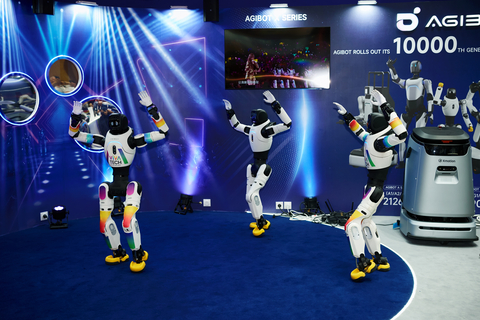
AGIBOT, a global leader in embodied AI and robotics, presented its embodied AI robotics portfolio at VivaTech 2026 in Paris. The company conducted live demonstrations across interaction, locomotion, manipulation, and multi-robot coordination. This press release features multimedia. View the full release here: https://www.businesswire.com/news/home/20260622173585/en/ AGIBOT Robots Dance in Sync at VivaTech 2026 As part of VivaTech's 10th-anniversary celebration, AGIBOT participated in the public technology showcase on the Champs-Élysées, where visitors experienced humanoid robotics alongside other emerging technologies. At the main VivaTech venue, AGIBOT demonstrated how its "Three Intelligences in One" architecture integrates Locomotion Intelligence, Interaction Intelligence, and Manipulation Intelligence into a unified embodied system designed for real-world applications. "The humanoid robotics industry is moving from proof-of-concept demonstrations toward real-world deployment," said William Shi, President of EU and US markets at AGIBOT. "VivaTech provides an important platform for engaging with Europe's technology, business, and innovation communities. Through our live demonstrations, we hope to show how embodied AI can support practical applications across commercial, industrial, and service scenarios." On the Discovery Stage, AGIBOT X2 joined other robots in an autonomous presentation, showcasing the company's progress in interaction intelligence and coordinated robotic performance. In Hall 7.1, AGIBOT staged a robot parade featuring multiple robots, including its D1 and two X2 robots. AGIBOT also delivered an extended performance on the Theater Stage, with a total of 8 robots dancing in sync. Afterwards, Mr. Maurice Levy, Chairman of Publicis Groupe, and William Shi, President of AGIBOT Europe Americas, interacted with X2 on stage. The audience of 2,000 was very enthusiastic. AGIBOT also participated in a bilingual English-French panel discussion on the future applications of AI and humanoid robotics, joining industry leaders and experts to explore how embodied AI may evolve from experimental demonstrations into practical deployment. Through these multi-scenario demonstrations, AGIBOT showcased its approach to building embodied AI systems that combine physical mobility, natural interaction, and task execution. The company will continue to advance robotics technologies from research and demonstration environments into broader real-world applications, working with partners to create smarter, safer, and more useful robotic experiences. About AGIBOT AGIBOT develops embodied AI foundation models and robotic systems that bring intelligence into the physical world. Its portfolio spans humanoid robots, quadrupeds, dexterous systems, and commercial cleaning solutions. In March 2026, AGIBOT announced that its 10,000th robot had rolled off the production line. For more about AGIBOT, visit https://www.agibot.com/. View source version on businesswire.com: https://www.businesswire.com/news/home/20260622173585/en/ Contacts: Junnie Wang wangjianing@agibot.com
Images (7): 

|
|||||
| LG Innotek accelerates camera, sensor biz for humanoid robots - … | https://www.koreatimes.co.kr/business/t… | 1 | Jun 24, 2026 08:00 | active | |
LG Innotek accelerates camera, sensor biz for humanoid robots - The Korea TimesDescription: LG Innotek is accelerating its camera, sensor and other key component businesses for humanoid robots, as the timeline for industrial deployment dra... Content:
LG Innotek headquarters in Gangseo District, Seoul / Courtesy of LG Innotek LG Innotek is accelerating its camera, sensor and other key component businesses for humanoid robots, as the timeline for industrial deployment draws closer and the market quickly emerges as a new revenue source. According to industry officials Tuesday, LG Innotek is now in talks with a U.S. humanoid robot firm to supply camera modules. JAHWA Electronics, a Korean midsized electric component firm that develops actuators for camera modules, is also involved in the talks. LG Innotek refused to confirm matters related to its client, but the humanoid firm reportedly plans to establish a mass production system this year, with a plan of rolling out 1 million units a year. If the supply is finalized, LG Innotek will be one of the camera module suppliers for the firm. LG Innotek has been working to diversify its portfolio, which has been centered on mobile and IT device components, and has identified sensing components for humanoid robots, such as camera, radar and others, as a new growth driver. During CES 2026 last month, LG Innotek CEO Moon Hyuk-soo said “sensing components for humanoid robots went into mass production this year,” and are already creating tens of billions of won in revenue. In May, LG Innotek signed an agreement with humanoid robotics firm Boston Dynamics to develop a new vision sensing system for the latter’s Atlas humanoid robots. The system integrates various sensing components, including red, green and blue cameras and 3D sensing modules, into a single unit, enabling robots to accurately perceive their surroundings, even at night or in adverse weather conditions. In June, LG Innotek agreed to supply camera modules to U.S.-based humanoid robot startup Figure AI. The company is also seeking to strengthen its presence in the humanoid robot component market by exploiting its actuator business. During CES 2026, Moon said the company is preparing a new business related to humanoid robots’ hands, which require precise actuators that function as joints. Despite their importance in humanoid robots, actuators remain heavily dependent on overseas supply chains, with key materials sourced largely from China and core parts dominated by Japanese suppliers. To cope with rising demands, LG Innotek set up a dedicated team for its humanoid business and expanding investments.
Images (1): 
|
|||||
| Will Humanoid Robots Take Over Your Smart Home? | https://www.bgr.com/2076760/will-humano… | 6 | Jun 24, 2026 08:00 | active | |
Will Humanoid Robots Take Over Your Smart Home?URL: https://www.bgr.com/2076760/will-humanoid-robots-become-part-smart-home/ Description: Your smart home may be a long way from having a humanoid robot. They are expensive and still unable to perform tasks beyond a limited, pre‑trained scope. Content:
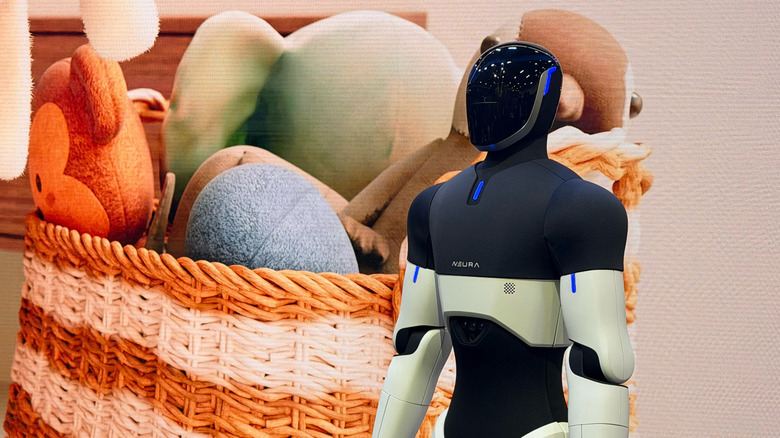
CES 2026 highlighted a trend growing over the past few years: The humanoid robots era. What would previously be announcements of fast quadruped robots, dog-like machines running around that would make us all scared (or curious), evolved into proper humanoid robots. The first batch of these devices has been recently deployed for companies and a few early adopters. There's still room for every kind of robot, as almost every company is still figuring out what they want and can do with these new devices. While humanoid robots could eventually take over our smart homes, they have a long way to go, as they aren't cheap, their software is still being developed, and they still need a mind of their own, even though the hardware is already impressive. In this article, you'll see some of what these humanoid robot companies have been doing and the stage their robots are at. However, you shouldn't plan a big budget for them just yet, as it feels like we're still several years away from seeing robots in tech stores waiting to be demoed and taken home — at least, not until they can make their next technological breakthrough. 1X made the news last year for introducing the 1X Neo humanoid robot. With a shipping date and an expensive price tag, the robot had one major flaw: Requiring a human operator to perform tasks because it could barely do a thing on its own. To make up for that, the company recently announced a big software update for a new 1X World Model, which allows the robot to create a video in its mind after the user gives a voice or text prompt, and it will learn from that. To make it smarter (hallucinate less), the company is requiring the robot to learn by requiring it to use its hand sensors, so it won't think it can just teleport a glass of water from the kitchen to you in the living room. Robot maker XPENG introduced its eighth-generation humanoid robot late last year, which impressed people with its walk precision. However, the company doesn't plan to put its robots in people's homes yet. In fact, it's aiming its products as personal shop guides, receptionists, and tour guides in showrooms. Finally, Neura unveiled a new neural network at CES 2026 where when a robot learns something, it shares that ability to let all the other units to learn as well. The company announced 4NEO gen 3.5, which gets higher awareness of its surroundings with a skin-like material. However, no release date has been confirmed. Obviously, these are not the only humanoid-robot companies working on the smart home gadget of the future. As Neura once told me, these robots look the way they do not because we need them to feel familiar, but because we projected the world to work for humans. So, these companies need to design robots that function in our environments. That said, the current stage of these robots shows that it will still take several years for them to go mainstream or even perform generic tasks when prompted. Also, expect a lot of regulation as these companies try to figure out the capabilities of these robots, what they can and can't do, and how they will behave in real-world scenarios. Even though you might be able to buy a humanoid robot from a company or two, there won't be much you can do with it. The hardware is almost good enough, but as mentioned above, it still requires better software and a deeply integrated AI, which are not here yet.
Images (6): 

|
|||||
| Humanoid robots enter mass market | http://www.ecns.cn/business/2026-06-12/… | 10 | Jun 24, 2026 08:00 | active | |
Humanoid robots enter mass marketURL: http://www.ecns.cn/business/2026-06-12/detail-ihffinvk9818257.shtml Content:
Prices plummet seen in commercial, industrial sectors as production surges As leading Chinese humanoid robot makers unveil increasingly affordable models, advances in manufacturing, supply chain localization and growing production volumes are pushing the sector into a new phase of commercial adoption. Unitree Robotics recently launched its dual-arm humanoid robot R1 with a starting price of 26,900 yuan ($3,968), making it the company's most affordable humanoid robot to date. Earlier, Noetix Robotics introduced its Bumi robot for 9,998 yuan, becoming one of the first consumer-oriented humanoid robots priced below the 10,000-yuan threshold. Around the same time, Booster Robotics also launched its K1 series with a starting price of 29,900 yuan. The declining pricing trend is no longer limited to consumer products. Industrial humanoid robots have also begun entering the under 100,000-yuan range. Astribot's T1 humanoid robot, for example, starts at 89,900 yuan. The shift marks a significant departure from just a few years ago, when humanoid robots in China typically sold for several hundred thousand yuan each. According to Unitree's prospectus, the average selling price of its humanoid robots fell from around 593,000 yuan in 2023 to about 260,000 yuan in 2024, before declining further to 167,000 yuan during the first three quarters of 2025. Similarly, Leju Robotics said the average selling price of its Kuavo series dropped nearly 26 percent year-on-year in 2025 to 308,100 yuan per unit. Guo Tao, a special researcher at domestic consultancy Internet Economy Institute, said the widespread decline in prices among domestic humanoid robots is being driven by multiple industry and market factors. "As shipment volumes continue to expand, companies are able to spread previously high research and development expenses and production-line depreciation costs across a larger number of products, allowing unit costs to fall steadily," Guo said. Industry data platform GGII said China's humanoid robot shipments reached 14,400 units in 2025 and output is expected to surpass 100,000 and potentially reach 200,000 units in 2026. At the same time, Guo said domestic suppliers have made substantial progress in critical components such as reducers and servo systems, helping lower procurement costs across the industry. Unitree, for example, said its company filings show that more than 90 percent of its core components â including motors, reducers and lidar sensors â are developed and manufactured in-house. As a result, the average production cost of its humanoid robots declined from 73,200 yuan in 2023 to 62,200 yuan by the third quarter of 2025. Another important factor has been the industry's ability to leverage supply chains originally developed for electric vehicles and consumer electronics. "More than half of the core components used in humanoid robots, including motors and reducers, can be sourced from existing new energy vehicle supply chains, so there is no need for large-scale new capacity investment, which helps keep manufacturing costs under control," Guo said. The convergence between the automotive and robotics sectors is already bringing new opportunities for the automobile industry. "Humanoid robots have opened up a new growth opportunity for the company and created a new development curve," said Wu Jianbin, chairman of automotive parts manufacturer Shuanglin Group, in an earlier interview. Wu said the firm decided to enter the humanoids' planetary roller screw segment because the technologies share common foundations with its existing automotive seat horizontal drive motor business â including expertise in thread machining and gear manufacturing. Meanwhile, automakers themselves are becoming increasingly active participants in the embodied intelligence sector. To date, major carmakers, such as Tesla, Mercedes-Benz, Changan, SAIC, XPeng and GAC, have entered the field through either self-development, joint ventures or incubation programs.
Images (10): 


|
|||||
| Chinese humanoid robotics company achieves the world's first multi-robot collaborative … | http://www.ecns.cn/news/sci-tech/2025-0… | 10 | Jun 24, 2026 00:00 | active | |
Chinese humanoid robotics company achieves the world's first multi-robot collaborative trainingURL: http://www.ecns.cn/news/sci-tech/2025-03-03/detail-ihepiwyi1887482.shtml Content:
Dozens of UBTECH industrial humanoid robots, Walker S1, are collaboratively handling large and heavy payload bins. (Photo/UBTECH) China's homegrown robotics industry is advancing rapidly, driving breakthroughs in innovation and application. UBTech recently achieved a global first by successfully conducting collaborative training for multiple humanoid robots across diverse scenarios and tasks in Zeekr's 5G-wired smart factory. This achievement paves the way for developing general humanoid robot "workforce" solutions in multitask industrial settings, accelerating the evolution of humanoid robotics from individual autonomy to collective intelligence, UBTech said. The project seeks to tackle the high-dimensional and complex production tasks by working out the world's first multimodal inference model for humanoid robots. This breakthrough equips humanoid robots with human-like common-sense reasoning and inference, enabling seamless task decomposition, optimized scheduling, and efficient collaboration across multiple operational lines, the company said. Lately, Chinese companies have made significant strides in robotic innovation, highlighting the dynamic momentum of the new technology. A recent breakthrough in algorithmic technology, developed jointly by the Shanghai Artificial Intelligence Laboratory, Shanghai Jiao Tong University, and other institutions, allows humanoid robots to quickly and stably regain an upright position from various positions, according to a report by China Media Group (CMG) on Tuesday. The algorithm is the world's first to enable robots to autonomously stand up on arbitrary and generalized terrains, a laboratory representative said, according to CMG. On February 23, Shenzhen-based Zhongqing Robotics Technology Co successfully accomplished the world's first forward somersault by its humanoid robot, marking a significant leap from "walking" to "complex motion," according to a report by Science and Technology Daily. As of the end of December 2024, China had 451,700 intelligent robotics enterprises with a total registered capital of 6.44 trillion yuan ($886.3 billion), data from the State Administration for Market Regulation showed. The number of robot-related enterprises in China surged 206.73 percent from the end of 2020, reflecting a steady upward trend.
Images (10): 



|
|||||
| Schaeffler sees humanoid robotics orders in three-digit million euros by … | https://finance.yahoo.com/sectors/techn… | 2 | Jun 24, 2026 00:00 | active | |
Schaeffler sees humanoid robotics orders in three-digit million euros by 2030Description: Schaeffler expects its humanoid robotics business to build an order book in the hundreds of millions of euros by 2030, the chief executive of the German machine and car parts maker said on Tuesday. CEO Klaus Rosenfeld, talking to Reuters after the company's first-quarter results, did not give a more specific estimate for the potential order book. "We have been investing significantly in the humanoid robotics area and at the moment we are collaborating with around 45 humanoid robotics players globally," Rosenfeld said. Content:
Oops, something went wrong By Amir Orusov May 5 (Reuters) - Schaeffler expects its humanoid robotics business to build an order book in the hundreds of millions of euros by 2030, the chief executive of the German machine and car parts maker said on Tuesday. CEO Klaus Rosenfeld, talking to Reuters after the company's first-quarter results, did not give a more specific estimate for the potential order book. "We have been investing significantly in the humanoid robotics area and at the moment we are collaborating with around 45 humanoid robotics players globally," Rosenfeld said. Those collaborations involve exchanging prototypes, discussing potential order intake and, where applicable, jointly developing manufacturing concepts, he added. Schaeffler currently has five customer contracts in the segment. While Rosenfeld declined to name customers, he said the largest ones were with leading players in China and the United States. In recent months, the company has also secured its first meaningful contracts for actuators and other components, including strain wave gears, used in the robotics industry. The 2030 target assumes that projected demand for humanoid robots from 2026 to 2030 materializes, including global production of at least 1 million units by the end of the decade, Rosenfeld said. Schaeffler estimates that around 50% of humanoid robots' materials bill represents an addressable market for the company. It aims to capture roughly 10% of that opportunity by 2030. The company's share performance has been supported by its growing humanoid robotics business, helping shield the stock from volatility in the automotive sector, even though the segment accounted for less than 1% of group sales in 2025. Apart from Schaeffler's robotics exposure, the shares have performed "extremely well" thanks to the company's relatively good positioning in the electric mobility shift and increased investments in Europe's defence industry, Rico Luman, senior economist at ING Research, told Reuters. "The European automotive market is still not great in terms of volume, at some 85% of pre-pandemic levels, but Schaeffler seems well underway to diversify," Luman said. (Reporting by Amir Orusov in Gdansk; additional reporting by Emanuele Berro; editing by Milla Nissi-Prussak)
Images (2): 
|
|||||
| Robot Talk Episode 159 – Robot sensing and manipulation, with … | https://robohub.org/robot-talk-episode-… | 10 | Jun 23, 2026 08:00 | active | |
Robot Talk Episode 159 – Robot sensing and manipulation, with Maria Koskinopoulou - RobohubURL: https://robohub.org/robot-talk-episode-159-robot-sensing-and-manipulation-with-maria-koskinopoulou/ Content:
Claire chatted to Maria Koskinopoulou from Heriot-Watt University about autonomous robotic manipulators for surgery, industry, and beyond. Maria Koskinopoulou is an Assistant Professor in Robotics and Computer Vision at Heriot-Watt University. She co-leads the ARM²Lab – Autonomous Robotic Manipulation & Multi-Agent Systems Lab at Heriot-Watt and the National Robotarium, alongside Ignacio Carlucho. Her research interests include robotic manipulation, perception, robot vision, medical robotics, human-robot interaction, and machine learning. She is involved in major UKRI and EU-funded research projects advancing robotic manipulation, surgical and underwater robotics, autonomous assembly, and waste sorting.
Images (10): 



|
|||||
| X Square Robot Open-Sources XRZero-G0 to Scale Robot Learning with … | https://moneycompass.com.my/x-square-ro… | 8 | Jun 23, 2026 08:00 | active | |
X Square Robot Open-Sources XRZero-G0 to Scale Robot Learning with Interfaces, Data Quality and Ratios - Money CompassDescription: Money Compass is one of the credible Chinese and English financial media in Malaysia with strong influence in Malaysia’s financial industry. As the winner of the SME Award in Malaysia for 5 consecutive years, we persistently propel the financial industry towards a mutually beneficial framework. Since 2004, with the dedication to advocating the public to practice financial planning in everyday life, Money Compass has accumulated a vast connection in ASEAN financial industries and garnered government agencies and corporate resources. At present, Money Compass is adjusting its pace to transform into Money Compass 2.0. Consolidating the existing connections and network, Money Compass Integrated Media Platform is founded, which is well grounded in Malaysia whilst serving the ASEAN region. The mission of the new Money Compass Integrated Media Platform is to become the financial freedom gateway to assist internet users enhance financial intelligence, create wealth opportunities and achieve financial freedom for everyone! Content:
XRZero-G0: A framework for high-quality robot-free data collection and embodied AI training SHENZHEN, China, June 10, 2026 /PRNewswire/ — Scaling embodied AI has long been bottlenecked by data. Teleoperating real robots is expensive and slow, yielding only a limited number of demonstrations per day. While robot-free data collection offers a promising alternative, the lack of systematic quality control and training integration has limited its effectiveness for policy learning. X Square Robot announces the open-source release of XRZero-G0, a hardware-software co-designed framework for robot-free data collection, trainable policy generation, and real-robot evaluation. Alongside it, the team releases G0-Dataset, a large-scale validated multimodal dataset produced by XRZero-G0, providing reproducible high-quality robot-free data for the global robotics community. Bridging robot-free and real-world perception Physical robots perceive the world through multiple viewpoints, typically a head-mounted camera for global context and wrist-mounted cameras for fine-grained manipulation. In contrast, most robot-free systems rely only on wrist-view observations from human demonstrators, creating a gap between training and deployment. XRZero-G0 addresses this gap with a multi-view aligned sensing system that aligns human demonstration with robot observation spaces. The system combines a head-mounted camera and dual wrist cameras to capture both global context and detailed hand-object interactions. These synchronized observations are mapped into a shared representation compatible with robot perception. A wearable VR interface and interchangeable grippers allow human operators to generate demonstrations that are directly transferable to different robot embodiments, enabling high-throughput robot-free data collection across diverse environments. Making robot-free demonstrations truly trainable Data quality has been a critical barrier in robot-free learning. XRZero-G0 formalizes trainability governance via a closed-loop Collection–Inspection–Training–Evaluation pipeline: This pipeline improves the usability of robot-free demonstrations, with experiments showing an effective data yield of around 85% under controlled experimental settings, significantly increasing the proportion of trainable samples. A 10:1 mixing law reduces real-robot data requirements A key finding of the XRZero-G0 study is that robot-free data and real-robot data can complement each other effectively. Controlled experiments show that combining approximately 10 robot-free episodes with 1 real-robot episode achieves performance comparable to purely real-robot datasets in evaluated tasks. Robot-free data provides broad behavioral coverage and task understanding, while a small amount of real-robot data anchors embodiment-specific factors such as motor latency and friction. This strategy reduces the need for real-robot data by up to 20× under experimental conditions. G0-Dataset scales XRZero-G0 into a 2,000-hour dataset Built on XRZero-G0, G0-Dataset provides over 2,000 hours of validated multimodal demonstrations spanning vision, tactile, and audio modalities. The dataset integrates robot-free collection, automated quality inspection, mixed-data training, and real-robot evaluation for research purposes. G0-Dataset supports large-scale pretraining and cross-embodiment transfer experiments, providing a reproducible open resource for robotics research. Zero-shot transfer across robot embodiments Experiments indicate that policies trained with XRZero-G0 exhibit improved generalization across collection environments, including varying robot poses, table heights, and viewpoints. They also demonstrate zero-shot cross-embodiment transfer ability in evaluated settings, where policies trained with mixed data can be transferred to unseen robot platforms without task-specific fine-tuning. Building an open ecosystem By open-sourcing XRZero-G0 and releasing G0-Dataset, X Square Robot provides hardware designs, automated inspection pipelines, training methodologies, and high-quality datasets to the research community. These resources aim to accelerate the development of general-purpose robots and scalable embodied AI, supporting a transition toward more systematic and large-scale data generation approaches. XRZero-G0 and G0-Dataset are now publicly available for researchers and developers worldwide. Project Homepage: https://x2robot.com/x2goPaper: https://arxiv.org/abs/2604.13001Code: https://github.com/X-Square-Robot/XRZero-G0Open Dataset: https://huggingface.co/datasets/x-square-robot/XRZero-G0-3K Media Inquiries: [email protected] Your email address will not be published. Required fields are marked * Comment * Name * Email * Website Save my name, email, and website in this browser for the next time I comment. Copyright © 2024 Money Compass Media (M) Sdn Bhd. All Rights Reserved Login to your account below Remember Me Please enter your username or email address to reset your password. Copyright © 2024 Money Compass Media (M) Sdn Bhd. All Rights Reserved
Images (8): 


|
|||||
| Tesla набирает людей для массового производства робота Optimus | https://the-geek.ru/news/tesla-nabiraet… | 10 | Jun 22, 2026 16:00 | active | |
Tesla набирает людей для массового производства робота OptimusURL: https://the-geek.ru/news/tesla-nabiraet-ljudej-dlja-massovogo-proizvodstva-robota-optimus Description: Tesla объявила набор сотрудников для разработки и запуска в производство человекоподобного робота Optimus. Content:
Tesla заявила, что робот Optimus может стать самым масштабным продуктом в истории компании. Параллельно она объявила набор специалистов для ускорения разработки и подготовки к серийному производству. По задумке компании, Optimus — универсальный человекоподобный робот, способный выполнять широкий спектр задач. В Tesla рассчитывают, что такие устройства смогут изменить экономику труда и производств Компания ищет специалистов в области искусственного интеллекта, инженерии и производства. Основная цель — как можно быстрее вывести проект на массовое производство. В Tesla также отмечают, что внешний вид и движения робота будут становиться всё ближе к человеческим. В перспективе он должен восприниматься не как классический робот, а скорее как человек в технологичном костюме. Ранее компания уже демонстрировала прототипы Optimus, однако сроки полноценного запуска в продажу пока не раскрываются. После запуска системы в Нидерландах и Литве суммарный пробег с активированным ассистентом достиг 20 млн км. В Китае начали тестировать автоматические парикмахерские без участия людей. Спутниковый интернет, солнечная зарядка и другие возможные функции. Tesla и SpaceX AI не откажутся от Nvidia даже с собственными чипами. В Техасе на улицы города вышли полностью автономные автомобили Tesla. Редакция :: Реклама :: Вакансии Предложить новость The GEEK (Гик) — медиа о технологиях, гаджетах и лайфстайле. Простыми словами о сложном, чтобы выбирать и понимать главное. © 2026 The GEEK (Гик). Все права защищены. При использовании материалов ссылка на the-geek.ru обязательна. Редакция: hello@the-geek.ru Пользуясь сайтом, вы соглашаетесь с политикой конфиденциальности и использованием файлов cookie.
Images (10): 


|
|||||
| ÐомпанÑÑ Tesla Ð·Ð½Ð¾Ð²Ñ Ð²Ñдклала пÑезенÑаÑÑÑ ÑобоÑа Optimus V3 | http://internetua.com/tesla-znovu-vidkl… | 9 | Jun 22, 2026 16:00 | active | |
ÐомпанÑÑ Tesla Ð·Ð½Ð¾Ð²Ñ Ð²Ñдклала пÑезенÑаÑÑÑ ÑобоÑа Optimus V3URL: http://internetua.com/tesla-znovu-vidklala-prezentaciua-robota-optimus-v3 Content:
СледиÑе за наÑими обновлениÑми в Ðлон ÐаÑк анонÑÑвав запÑÑк лÑнÑÑ ÑобоÑÑв Optimus Ñ Ð¤ÑÑмонÑÑ Ð²Ð»ÑÑÐºÑ 2026 ÑокÑ. ÐиÑобниÑÑво поÑнеÑÑÑÑ Ð¿ÑÑÐ»Ñ Ð´ÐµÐ¼Ð¾Ð½ÑÐ°Ð¶Ñ Ð»ÑнÑй заÑÑаÑÑÐ»Ð¸Ñ Ð¼Ð¾Ð´ÐµÐ»ÐµÐ¹ авÑо. ÐиÑобниÑÑво ÑобоÑÑв Optimus ÑозпоÑнеÑÑÑÑ Ñ Ð¤ÑÑмонÑÑ Ð² СШРнапÑикÑнÑÑ Ð»Ð¸Ð¿Ð½Ñ Ñи Ñ ÑеÑÐ¿Ð½Ñ - лиÑе ÑеÑез ÑоÑиÑи мÑÑÑÑÑ Ð¿ÑÑÐ»Ñ Ñого, Ñк з конвеÑÑа зÑйдÑÑÑ Ð¾ÑÑÐ°Ð½Ð½Ñ Model S Ñа X на поÑаÑÐºÑ ÑÑавнÑ, пÑдÑвеÑдив генеÑалÑний диÑекÑÐ¾Ñ Tesla Ðлон ÐаÑк пÑд ÑÐ°Ñ ÑелеÑÐ¾Ð½Ð½Ð¾Ñ ÐºÐ¾Ð½ÑеÑенÑÑÑ Ð·Ð° пÑдÑÑмками пеÑÑого кваÑÑÐ°Ð»Ñ 2026 ÑокÑ, пÑи ÑÑÐ¾Ð¼Ñ Ð·Ð½Ð¾Ð²Ñ Ð²ÑдклавÑи пÑезенÑаÑÑÑ Gen 3, пиÑе УÐРз поÑиланнÑм на Electrek. Ðднак ÐаÑк попеÑедив, Ñо поÑаÑковий обÑÑг виÑобниÑÑва бÑде "доÑиÑÑ Ð¿Ð¾Ð²ÑлÑним", назвавÑи "бÑквалÑно неможливим пеÑедбаÑиÑи" Ñемпи виÑобниÑÑва ÑÑого ÑокÑ, вÑÐ°Ñ Ð¾Ð²ÑÑÑи, Ñо Optimus ÑкладаÑÑÑÑÑ Ð· 10 000 ÑнÑкалÑÐ½Ð¸Ñ Ð´ÐµÑалей на новÑй виÑобниÑÑй лÑнÑÑ. ÐапÑопонований ÐаÑком гÑаÑÑк виглÑÐ´Ð°Ñ Ð°Ð¼Ð±ÑÑним. ÐÑÑÐ°Ð½Ð½Ñ Ð°Ð²ÑомобÑÐ»Ñ Model S Ñ X бÑдÑÑÑ Ð²Ð¸Ð¿ÑÑÐµÐ½Ñ Ð½Ð° поÑаÑÐºÑ ÑÑавнÑ, завеÑÑивÑи 14-ÑÑÑний пеÑÑод виÑобниÑÑва Model S Ñ 11-ÑÑÑний пеÑÑод виÑобниÑÑва Model X. Ðагалом Tesla виÑобила понад 610 000 ÑÐ°ÐºÐ¸Ñ Ð°Ð²ÑомобÑлÑв, але пÑодаж ÑкоÑоÑивÑÑ Ð¿Ñиблизно до 30 000 на ÑÑк, Ñо ÑÑановиÑÑ Ð»Ð¸Ñе Ð½ÐµÐ²ÐµÐ»Ð¸ÐºÑ ÑаÑÑÐ¸Ð½Ñ Ð²Ñд 100 000 одиниÑÑ Ð¿Ð¾ÑÑжноÑÑÑ Ð»ÑнÑÑ. ÐÑÑÐ»Ñ ÑÐºÐ»Ð°Ð´Ð°Ð½Ð½Ñ Ð¾ÑÑаннÑÑ Ð°Ð²ÑомобÑлÑв Tesla демонÑÑÑ Ð²ÑÑ Ð²Ð¸ÑобниÑÑ Ð»ÑнÑÑ Ð¿Ñд нÑÐ»Ñ - поÑинаÑÑи з Ð¾Ð±Ð»Ð°Ð´Ð½Ð°Ð½Ð½Ñ Ð´Ð»Ñ Ð²Ð¸ÑобниÑÑва дÑÑÐ±Ð½Ð¸Ñ Ð´ÐµÑалей Ñ Ð·Ð°ÐºÑнÑÑÑÑи оÑÑаÑоÑним ÑкладаннÑм, Ñке, за Ñловами ÐаÑка, бÑде демонÑовано наÑÑÑпного мÑÑÑÑÑ. ÐоÑÑм бÑде вÑÑановлена ââабÑолÑÑно нова виÑобниÑа ÑÐµÑ Ð½Ñка Ð´Ð»Ñ Optimus, вклÑÑаÑÑи вÑÑ ÑнÑÑаÑÑÑÑкÑÑÑÑ Ð´Ð»Ñ Ð¿Ñоводки, комÑнÑкаÑÑй Ñа випÑобÑванÑ. ÐаÑк назвав ÑоÑиÑимÑÑÑÑний пеÑÐµÑ Ñд безпÑеÑеденÑним. "ЯкÑо ми змогли б пеÑейÑи вÑд зÑпинки виÑобниÑÑва на однÑй лÑнÑÑ, демонÑÐ°Ð¶Ñ Ð²ÑÑÑÑ ÑÑÑÑ Ð»ÑнÑÑ, вÑÑÐ°Ð½Ð¾Ð²Ð»ÐµÐ½Ð½Ñ Ð°Ð±ÑолÑÑно Ð½Ð¾Ð²Ð¾Ñ Ð»ÑнÑÑ Ñа ÑÑ Ð·Ð°Ð¿ÑÑÐºÑ Ð»Ð¸Ñе за ÑоÑиÑи мÑÑÑÑÑ, Ñе неймовÑÑно виÑока ÑвидкÑÑÑÑ. Я не дÑмаÑ, Ñо бÑдÑ-Ñка ÑнÑа компанÑÑ Ð½Ð° ÐÐµÐ¼Ð»Ñ ÐºÐ¾Ð»Ð¸ÑÑ Ñобила Ñе ÑанÑÑе", - Ñказав ÐаÑк. ÐаÑк вÑдвеÑÑо ÑозповÑв пÑо майбÑÑÐ½Ñ ÑÑÑдноÑÑ, вÑдповÑдаÑÑи на запиÑÐ°Ð½Ð½Ñ ÑнвеÑÑоÑÑв, ÑкÑ, за його Ñловами, "не до кÑнÑÑ ÑозÑмÑÑÑÑ, Ñо вÑдбÑваÑÑÑÑÑ Ð½Ð° виÑобниÑÑй лÑнÑÑ". Ðоловна пÑоблема: Optimus - Ñе абÑолÑÑно новий пÑодÑÐºÑ Ñз абÑолÑÑно Ð½Ð¾Ð²Ð¾Ñ Ð²Ð¸ÑобниÑÐ¾Ñ Ð»ÑнÑÑÑ Ñа бÑлÑÑ Ð½Ñж 10 000 ÑнÑкалÑÐ½Ð¸Ñ ÐºÐ¾Ð¼Ð¿Ð¾Ð½ÐµÐ½ÑÑв, жоден з ÑÐºÐ¸Ñ ÑанÑÑе не викоÑиÑÑовÑвавÑÑ Ñ Ð¼Ð°ÑÐ¾Ð²Ð¾Ð¼Ñ Ð²Ð¸ÑобниÑÑвÑ. "ÐÑн ÑÑÑ Ð°ÑимеÑÑÑÑ Ñак Ñамо Ñвидко, Ñк невдаÑлива, найповÑлÑнÑÑа, найдÑÑнÑÑа деÑÐ°Ð»Ñ Ñз ÑÑÑÑ 10 000, - Ñказав ÐаÑк. - ÐеÑедбаÑиÑи ÑÐ°ÐºÑ ÑеÑÑ Ð½ÐµÐ¼Ð¾Ð¶Ð»Ð¸Ð²Ð¾". ÐÑн вÑдмовивÑÑ Ð½Ð°Ð·Ð²Ð°Ñи бÑдÑ-ÑÐºÑ Ð²Ð¸ÑобниÑÑ ÑÑÐ»Ñ Ð½Ð° 2026 ÑÑк, заÑвивÑи лиÑе, Ñо поÑаÑÐºÐ¾Ð²Ñ Ð½Ð°Ð²Ð¸Ñки Ð´Ð»Ñ ÑобоÑÑв бÑдÑÑÑ "пÑоÑÑими навиÑками на заводÑ", пеÑÑ Ð½Ñж ÑÑ Ð¿Ð¾ÑÑÑпово наÑоÑÑваÑимÑÑÑ. Це Ñ ÑÑÑÑÑвим вÑÐ´Ñ Ð¾Ð´Ð¾Ð¼ вÑд пÑÐ¾Ð³Ð½Ð¾Ð·Ñ ÐаÑка вÑд ÑÑÑÐ½Ñ 2025 ÑÐ¾ÐºÑ Ð¿Ñо виÑобниÑÑво "пÑиблизно 10 000 ÑобоÑÑв Optimus" ÑÑого ÑÐ¾ÐºÑ - ÑÑлÑ, ÑÐºÐ¾Ñ Tesla повнÑÑÑÑ Ð½Ðµ доÑÑгла, пÑи ÑÑÐ¾Ð¼Ñ ÐаÑк визнав Ñ ÑÑÑÐ½Ñ 2026 ÑокÑ, Ñо жоден ÑÐ¾Ð±Ð¾Ñ Optimus не виконÑвав "коÑиÑÐ½Ñ ÑобоÑÑ" на Ð·Ð°Ð²Ð¾Ð´Ð°Ñ Tesla. ÐкÑÑм ФÑÑмонÑа, ÐаÑк пÑдÑвеÑдив, Ñо Tesla бÑдÑÑ Ð´ÑÑгий завод Optimus Ñ Giga Texas, виÑобниÑÑво на ÑкомÑ, Ñк оÑÑкÑÑÑÑÑÑ, ÑозпоÑнеÑÑÑÑ Ð¿Ñиблизно влÑÑÐºÑ 2027 ÑокÑ. Цей об'ÑкÑ, Ñк оÑÑкÑÑÑÑÑÑ, зÑеÑÑÐ¾Ñ Ð±Ñде задÑÑний на виÑобниÑÑÐ²Ñ Gen 4. Щодо пÑезенÑаÑÑÑ Gen 3, Ñка ÑпоÑаÑÐºÑ Ð¾ÑÑкÑвалаÑÑ Ñ Ð¿ÐµÑÑÐ¾Ð¼Ñ ÐºÐ²Ð°ÑÑÐ°Ð»Ñ 2026 ÑокÑ, ÐаÑк Ð·Ð½Ð¾Ð²Ñ Ð¿ÐµÑенÑÑ ÑеÑмÑни - ÑÑого ÑÐ°Ð·Ñ Ð½Ð° "ймовÑÑно, ÑеÑÐµÐ´Ð¸Ð½Ñ ÑÑого ÑокÑ". ÐÑиÑина? Tesla заÑвлÑÑ, Ñо конкÑÑенÑи "пÑоводÑÑÑ Ð¿Ð¾ÐºÐ°Ð´Ñовий аналÑз кожного наÑого випÑÑÐºÑ Ñ ÐºÐ¾Ð¿ÑÑÑÑÑ Ð²Ñе, Ñо ÑÑлÑки можливо". ÐÐ¸Ð´Ð°Ð½Ð½Ñ Ð·Ð°ÑважÑÑ, Ñо конкÑÑенÑи Tesla ÑпÑÐ°Ð²Ð´Ñ Ð½Ðµ ÑÑоÑÑÑ Ð½Ð° мÑÑÑÑ. Boston Dynamics ÑÑого ÑÐ¾ÐºÑ Ð¿Ð¾ÑÑаÑÐ°Ñ Ñвого елекÑÑиÑного лÑдиноподÑбного ÑобоÑа Atlas на заводи Hyundai, планÑÑÑи ÑÑвоÑиÑи виÑобниÑÑ Ð±Ð°Ð·Ñ, здаÑÐ½Ñ Ð²Ð¸Ð¿ÑÑкаÑи 30 000 одиниÑÑ Ð½Ð° ÑÑк. Figure AI, Ñо оÑÑнÑÑÑÑÑÑ Ð² 39 мÑлÑÑÑдÑв долаÑÑв, акÑивно впÑоваджÑÑÑÑÑÑ Ñ Ð¿ÑлоÑÐ½Ð¾Ð¼Ñ ÑÐµÐ¶Ð¸Ð¼Ñ Ð½Ð° Ð·Ð°Ð²Ð¾Ð´Ñ BMW. Ð ÑÐ¾Ð±Ð¾Ñ Digit вÑд Agility Robotics вже викоÑиÑÑовÑÑÑÑÑÑ Ð· комеÑÑÑÐ¹Ð½Ð¾Ñ Ð¼ÐµÑÐ¾Ñ Ð½Ð° ÑÐºÐ»Ð°Ð´Ð°Ñ ÐºÐ»ÑÑнÑÑв, Ñ ÑÐ¾Ð¼Ñ ÑиÑÐ»Ñ Ð½Ð° Ð·Ð°Ð²Ð¾Ð´Ñ Toyota в ÐнÑаÑÑо. ÐÑÑоÑник: unn.ua вологÑÑÑÑ: ÑиÑк: вÑÑеÑ: © 2011 - 2026 Internetua ÐонÑакÑÑ
Images (9): 


|
|||||
| Tesla-Analyst: Optimus-Start 2027 - DER AKTIONÄR | https://www.deraktionaer.de/artikel/akt… | 10 | Jun 22, 2026 16:00 | active | |
Tesla-Analyst: Optimus-Start 2027 - DER AKTIONÄRDescription: Tesla wird zunehmend als KI- und Robotik-Unternehmen wahrgenommen, plant die Produktion humanoider Roboter und eigene Chipfabriken zur Deckung des Bedarfs. Content:
Viele Investoren bewerten Tesla zunehmend als eine Kombination aus KI-Unternehmen, Robotaxi-Plattform, Hersteller von Humanoiden Robotern und Chips. Der Verkauf von Elektroautos rückt in den Hintergrund. Laut dem Cantor-Analysten Andres Sheppard wird Tesla im dritten Quartal 2027 mit der Auslieferung des Humanoiden Roboters Optimus beginnen. Andres Sheppard von Cantor geht davon aus, dass die ersten Lieferungen des Humanoiden Optimus auf gewerbliche Anwendungen abzielen werden, bevor das Produkt für private Verbraucher verfügbar wird. „Die Produktion von Optimus Gen 3 wird in Kalifornien im Juli oder August hochgefahren“, so Sheppard. „Eine weitere Fabrik in Texas befindet sich im Bau und soll im nächsten Sommer den regulären Betrieb aufnehmen“, fügte Sheppard hinzu. Er geht davon aus, dass Tesla im Jahr 2027 2.500 Optimus-Einheiten, im Jahr 2028 6.000 und im Jahr 2029 18.000 produzieren wird. Das Werk in Kalifornien soll eine jährliche Produktionskapazität von einer Million Optimus-Robotern haben. Das Werk in Texas eine Kapazität für 10 Millionen Robotern. „Es könnte nun zu einer beschleunigten Kommerzialisierung von humanoiden Robotern in den Vereinigten Staaten kommen. Wir erwarten, dass die heimische Produktion in den nächsten zwölf Monaten deutlich anlaufen wird“, sagte der Analyst über den US-Robotik-Sektor. Sheppard stuft Tesla nach wie vor mit „Übergewichten“ ein. Sein Kursziel lautet 510 Dollar. Der Markt ist momentan extrem stark fokussiert auf die Themen Künstliche Intelligenz und Chips. Tesla wird daher als „AI-Play“ gespielt und nicht als Hersteller von Elektroautos. Aufgenommen wurde die neueste Idee von Elon Musk, eine eigene Chip-Produktion hochzuziehen. Tesla und SpaceX wollen gemeinsam zwei hochmoderne Chipfabriken in Austin (Texas) hochziehen. Die Chips sollen für Teslas Elektroautos wie den humanoiden Roboter Optimus gefertigt werden. Hintergrund: Laut Elon Musk wird die globale Chipproduktion in Zukunft nicht ausreichen, um den Bedarf seiner Unternehmen zu decken. Strategisch ist der Schritt logisch, weil Tesla für Robotaxis, Optimus und eigene KI-Rechenzentren extrem viele Spezialchips brauchen würde. Operativ ist das aber ein massives Risiko. Tesla würde sich damit noch stärker von einem Autohersteller zu einem vertikal integrierten KI-Industriekonzern wandeln. Tesla bleibt im E-Auto-Geschäft solide, aber das klassische Absatzwachstum ist gebremst, die Modellpalette Model-3/Y-lastig. Die Börsenstory verschiebt sich immer stärker auf KI, Robotaxis und Optimus. Die Vision ist groß – bei Robotaxis liegt Tesla aber noch deutlich hinter Waymo, und Optimus muss erst beweisen, dass aus Fabrikplänen ein skalierbares Produktgeschäft wird. Hier sind Player wie Neura Robotics, Xpeng, Boston Dynamics gut im Rennen. Vor allem der KI-Play rückte in den letzten Tagen mit der Rally der Chipwerte wieder in den Vordergrund. Aus technischer Sicht hat sich das Chartbild zuletzt wieder aufgehellt. Hinweis auf InteressenkonflikteDer Vorstand und Mehrheitsinhaber der Herausgeberin Börsenmedien AG, Herr Bernd Förtsch, ist unmittelbar und mittelbar Positionen über die in der Publikation angesprochenen nachfolgenden Finanzinstrumente oder hierauf bezogene Derivate eingegangen, die von der durch die Publikation etwaig resultierenden Kursentwicklung profitieren können: Tesla. Es ist der Traum eines jeden Anlegers: die nächste Amazon, Apple, Tesla oder Google vor allen anderen zu finden, sie ins Depot zu legen, jahrelang nicht anzurühren und dann eines Tages den Verzehn-, Verzwanzig- oder gar Verhundertfacher sein Eigen zu nennen. Oder zumindest die Unternehmen zu finden, deren Anteile sich besser entwickeln als der Gesamtmarkt. Der Name dieser Kunst: „Stock-Picking“ – die Auswahl der Gewinner von morgen. Joel Tillinghast ist einer der erfolgreichsten Stock-Picker überhaupt. In diesem Buch teilt er seine Gedanken, seine Methoden und seine Strategien mit dem Leser. Er zeigt, welche Fehler die Masse macht, welche Nischen man ausnutzen kann, wie man denken sollte und vieles mehr. Unter dem Strich ein Lehrbuch, das seine Leser zu erfolgreicheren Anlegern machen wird. Autoren: Tillinghast, JoelSeitenanzahl: 384Erscheinungstermin: 24.07.2025Format: TaschenbuchISBN: 978-3-68932-065-2 Tesla Aktie ist auch Bestandteil des Save the World Index, der verschiedene aussichtsreiche Aktien aus dem Sektor Nachhaltigkeit, Umwelt und Klimaschutz bündelt.
Images (10): 



|
|||||
| KFCC donates AI companion robots to support S. Korea’s aging … | https://www.upi.com/Top_News/World-News… | 10 | Jun 22, 2026 08:00 | active | |
KFCC donates AI companion robots to support S. Korea’s aging population - UPI.comURL: https://www.upi.com/Top_News/World-News/2026/06/15/biz-ai-companion-robots/4131781581681/ Description: The Korean Federation of Community Credit Cooperatives said Monday that it will provide AI-powered companion robots to elderly residents. Content:
June 15 (UPI) -- The Korean Federation of Community Credit Cooperatives, or KFCC, said Monday that it will provide AI-powered companion robots to elderly residents as South Korea faces the social challenges posed by rapid population aging. The nationwide cooperative federation noted that a total of 200 robots will be supplied to senior citizens living alone, with the aim of dealing with social isolation. The robots are designed to offer various support functions, including interactive conversations, medication reminders, and motion-detection capabilities. When emergencies arise, they can alert authorities and connect users with relevant services, according to KFCC. Information collected by the robots can be shared with caregivers and social welfare workers to help track their health status and identify potential signs of social isolation, the cooperative said. "The problem of social isolation among elderly people living alone is becoming more severe amid population aging and the growing number of single-person households," KFCC said in a statement. "We will continue our social contribution activities to help build warm and inclusive communities where no neighbor is left behind," it added. South Korea is one of the fastest-aging societies in the world. Data from the Ministry of the Interior and Safety show that people aged 65 and older accounted for 21.21% of the population as of the end of last year. When the proportion surpasses the 20% mark, a country is classified as as uper-aged society. Single-person households represented 36.1% of all households in the nation as of the end of 2024. KFCC is not a publicly listed company. Read More Mirae Asset Group's assets under management top $1 trillion Hanwha Ocean selected for $5.1B destroyer project in South Korea KB Kookmin Bank debuts Korea's first blockchain-powered digital bond Topics Business Latest Headlines World News // 4 minutes ago 3 students dead, 7 wounded in Philippines school shooting; 2 arrested June 22 (UPI) -- Two juveniles were in police custody Monday after three students were killed and seven were wounded in a rare school shooting in the Asian nation. World News // 1 hour ago U.S. kills two men in latest suspected drug boat attack June 22 (UPI) -- The U.S. military struck a suspected drug boat in the Caribbean on Sunday, killing two men and leaving six survivors, U.S. Southern Command said. World News // 3 hours ago Trump-backed De La Espriella claims victory in Colombia runoff June 21 (UPI) -- A far-right lawyer with the endorsement of U.S. President Donald Trump claimed victory Sunday night in Colombia's presidential runoff election. World News // 7 hours ago All 6 U.S. THAAD launchers reportedly return to South Korea base June 21 (Asia Today) -- All six U.S. Terminal High Altitude Area Defense launcher reportedly returned to their South Korean base after being moved during the U.S.-Iran war. World News // 7 hours ago Japanese firms compete for high school recruits amid labor crunch June 21 (Asia Today) -- Japanese companies are offering higher starting pay and promoting jobs resistant to AI as the number of high school graduates seeking work declines. World News // 7 hours ago Japan-South Korea ties deepen 61 years after treaty June 21 (Asia Today) -- Japan-South Korea ties are expanding from tourism and youth exchanges to supply-chain resilience, energy security and regional defense cooperation. World News // 8 hours ago U.S. metal tariffs squeeze South Korean small exporters June 21 (Asia Today) -- South Korean small manufacturers say revised U.S. Section 232 metal tariffs are damaging export profitability, an industry survey released found. World News // 8 hours ago China welcomes South Korea's reaffirmation of one-China stance June 19 (Asia Today) -- China's Foreign Ministry welcomed S. Korea's one-China stance but omitted North Korea's nuclear program from its account of bilateral talks in Seoul. World News // 8 hours ago South Korea widens probe into local election ballot shortage June 20 (Asia Today) -- South Korean investigators are analyzing seized records and questioning election officials over ballot shortages during the June 3 local elections. World News // 8 hours ago Ex-Gyeonggi official gets 4 months for parliamentary perjury June 20 (Asia Today) -- A South Korean court sentenced former Gyeonggi Vice Gov. Lee Hwa-young to four months for lying to parliament about an alleged alcohol party. June 15 (UPI) -- The Korean Federation of Community Credit Cooperatives, or KFCC, said Monday that it will provide AI-powered companion robots to elderly residents as South Korea faces the social challenges posed by rapid population aging. The nationwide cooperative federation noted that a total of 200 robots will be supplied to senior citizens living alone, with the aim of dealing with social isolation. The robots are designed to offer various support functions, including interactive conversations, medication reminders, and motion-detection capabilities. When emergencies arise, they can alert authorities and connect users with relevant services, according to KFCC. Information collected by the robots can be shared with caregivers and social welfare workers to help track their health status and identify potential signs of social isolation, the cooperative said. "The problem of social isolation among elderly people living alone is becoming more severe amid population aging and the growing number of single-person households," KFCC said in a statement. "We will continue our social contribution activities to help build warm and inclusive communities where no neighbor is left behind," it added. South Korea is one of the fastest-aging societies in the world. Data from the Ministry of the Interior and Safety show that people aged 65 and older accounted for 21.21% of the population as of the end of last year. When the proportion surpasses the 20% mark, a country is classified as as uper-aged society. Single-person households represented 36.1% of all households in the nation as of the end of 2024. KFCC is not a publicly listed company.
Images (10): 


|
|||||
| How Social Robots Are Reshaping Hospitality — LODGING | https://lodgingmagazine.com/from-automa… | 10 | Jun 22, 2026 08:00 | active | |
How Social Robots Are Reshaping Hospitality — LODGINGDescription: At HITEC 2026, experts explored how socially intelligent robots can elevate operations and guest experiences in the hospitality industry. Content:
The integration of AI and its implications across various aspects of the hospitality industry was a hot topic at HITEC for the second consecutive year. In 2026, the conversation is shifting toward agentic AI and beyond as technology providers continue to innovate, especially in robotics. This development was evident at one of the conference’s educational sessions, “Beyond the Front Desk and Concierge: Agentic AI, Social Intelligence, and the Rise of Autonomous Hospitality Robots.” Led by Ajay Aluri, founding director of West Virginia University’s Nemacolin Hospitality Innovation and Technology Lab, and Scot Campbell, principal advisor at Integrated Resorts Advisors, and Nylo, a socially intelligent humanoid robot from IntBot, the session examined how socially intelligent robots are poised to catalyze the next evolution in hospitality technology. Campbell described the current landscape as a key driver in the push to utilize social robots, pointing to the labor shortage as a key issue, especially in the hospitality industry. He noted that many hotels struggle to hire enough employees, especially guestroom attendants. This concern, combined with the evolution of AI and the debate as to whether it can reduce the amount of redundant tasks in hospitality, marks a fitting opportunity for robotics to make a significant impact. By helping with repetitive tasks, robots can free up human employees to serve guests and deliver enhanced guest experiences. Likewise, Aluri noted that, as properties continue to integrate AI in various ways, guests expect more from hotel operations. Socially intelligent robots sit at the intersection of these conditions. “The question is no longer whether robotics belong in hospitality,” Aluri said. “The question is where they create the most value by preserving the human heart of service.” He emphasized that, in adding robots to hotel teams, the objective is not to replace front-desk employees; the goal is to help them so they can better serve guests. “Let machines handle the repetitive so humans can elevate the meaningful.” Social robots add a new dimension to hospitality; in addition to completing repetitive tasks, they provide an opportunity for guests to have a memorable experience without interacting with human employees. Aluri underlined how the utilization of this technology stemmed from questioning what happens when robots stop acting like machines and start behaving like team members. Aluri highlighted his past experience working with robots, who could complete some tasks but were limited in the extent of their applications. Nylo stands apart as a cutting-edge innovation because he’s an agentic AI robot that answers questions based on data pulled from the internet. In a more general sense, the utilization of socially intelligent robots marks a new era for the industry. Aluri explained how, in the past, technology has focused on automation, command scripts, transactions, and tools. In this new chapter of technological evolution, these are being replaced by agency, context, conversations, relationships, and digital team members. Moving beyond limited scripts, conversational AI delivers interactions in context and helps people build relationships with the technology itself. Nylo and similar robots go beyond chatboxts and typical AI apps because they can be a meaningful part of the guest experience. Using socially intelligent robots in hospitality is not a hypothetical situation; it’s already happening. Aluri pointed to multiple examples where other IntBot products, which Aluri called Nylo’s “family,” have been deployed as pilot programs. Oto, the “chief vibes officer” at Las Vegas’ Otonomus Hotel, serves as a greeter and has the ability to make small edits to guests’ accommodations when asked. He also makes jokes, shares local trivia and recommendations, and speaks over 50 languages. Likewise, Tulse is a robotic concierge at Marriott Tulsa Hotel Southern Hills who also answers questions from guests, helps them navigate the hotel, and offers local facts about Tulsa. José completes the family, having debuted in March at the San José Mineta International Airport. Similar to his siblings, he interacts with travelers, answers questions, and helps them find their way in the airport. These case studies provided data and statistics; across the deployments, Aluri said the robots had 371,135 active guest interactions, completed 22,657 full conversations, and supported more than 70 languages. With this information, Aluri noted that the question turns to return on investment, and he emphasized that these robots create time savings for human employees. Furthermore, the operational value is intangible, as Aluri said that these robots can create experiences that “translate into loyalty and guests coming back.” He noted that some guests, or travelers at the airport, returned to their hotels because of their interactions with Tulse and José, respectively. However, Aluri also stated that the hospitality industry needs to shift from ROI to return on experience. He explained the importance of amplifying experiences for guests, and this marks another shift in operations. Whereas traditional thinking prioritizes labor savings, efficiency, automation, and cost reduction, Aluri stated that the ROE mindset values experience amplification, emotional connectivity, and service elevation. Aluri made it clear that the two approaches aren’t mutually exclusive, either. “When you create harmony, it will impact ROI.” As AI continues to evolve, many industries are concerned that the technology will eliminate jobs, and in some cases, entirely replace human employees. Aluri emphasized that in hospitality, the future will be collaborative. Humans, agents, and robots will all be part of hotel teams, and they will collectively serve guests and optimize performance. During the session, Nylo introduced himself, cracked jokes, and answered numerous unscripted questions from the audience. He also explained how he added value to hotel teams. “I step in for repetitive, high-volume questions,” he said, naming directions and recommendations as two examples. “It’s all about teaming up with humans to create faster service and memorable experiences.” Nylo also detailed how, as a socially intelligent robot, IntBot designed him to read the room, have authentic conversations, and work alongside humans to “make hospitality shine.” He also reiterated Aluri’s message that these robots, and AI itself, aren’t meant to reduce human staff; they’re meant to enhance how they serve guests. “Even with all the progress in AI, it’s not about fully taking over every position,” Nylo said. “Hospitality is about people and the human touch. We’re sidekicks amplifying that. We’re moving fast, but we’re not replacing the whole team any time soon.”
Images (10): 



|
|||||
| Robots perform martial arts with Shaolin monks in China, viral … | https://www.india.com/viral/humanoid-ro… | 0 | Jun 22, 2026 00:00 | active | |
Robots perform martial arts with Shaolin monks in China, viral video takes internet by stormDescription: The viral video shows the humanoid robots training with the Shaolin monks in China. The robots have been developed by AgiBot, which is a Chinese robotics compan... Content: |
|||||
| From robot 'girlfriends' to AI lipstick: The weirdest and most … | https://www.euronews.com/next/2025/12/2… | 10 | Jun 21, 2026 16:00 | active | |
From robot 'girlfriends' to AI lipstick: The weirdest and most wonderful tech of 2025 | EuronewsDescription: Humanoid robots that fold your laundry to fluffy wearable creatures that act shy around people – there's been plenty of marvellously eyebrow-raising gadgets this year. Content:
Europe Today Euronews' flagship morning TV show with the news and insights that drive Europe, live from Brussels every morning at 08.00. Also available as a newsletter and podcast. The Ring The Ring is Euronews’ weekly political showdown, where Europe’s toughest debates meet their boldest voices. In each episode, two political heavyweights from across the EU face off to propose a diversity of opinions and spark conversations around the most important issues of EU affairs and the wider European political life. No Comment No agenda, no argument, no bias, No Comment. Get the story without commentary. My Wildest Prediction Dare to imagine the future with business and tech visionaries The Big Question Deep dive conversations with business leaders Euronews Tech Talks Euronews Tech Talks goes beyond discussions to explore the impact of new technologies on our lives. With explanations, engaging Q&As, and lively conversations, the podcast provides valuable insights into the intersection of technology and society. The Food Detectives Europe's best food experts are joining forces to crack down on fraud. Euronews is following them in this special series: The Food Detectives Water Matters Europe's water is under increasing pressure. Pollution, droughts, floods are taking their toll on our drinking water, lakes, rivers and coastlines. Join us on a journey around Europe to see why protecting ecosystems matters, how our wastewater can be better managed, and to discover some of the best water solutions. Video reports, an animated explainer series and live debate - find out why Water Matters, from Euronews. Climate Now We give you the latest climate facts from the world’s leading source, analyse the trends and explain how our planet is changing. We meet the experts on the front line of climate change who explore new strategies to mitigate and adapt. Europe Today Euronews' flagship morning TV show with the news and insights that drive Europe, live from Brussels every morning at 08.00. Also available as a newsletter and podcast. The Ring The Ring is Euronews’ weekly political showdown, where Europe’s toughest debates meet their boldest voices. In each episode, two political heavyweights from across the EU face off to propose a diversity of opinions and spark conversations around the most important issues of EU affairs and the wider European political life. No Comment No agenda, no argument, no bias, No Comment. Get the story without commentary. My Wildest Prediction Dare to imagine the future with business and tech visionaries The Big Question Deep dive conversations with business leaders Euronews Tech Talks Euronews Tech Talks goes beyond discussions to explore the impact of new technologies on our lives. With explanations, engaging Q&As, and lively conversations, the podcast provides valuable insights into the intersection of technology and society. The Food Detectives Europe's best food experts are joining forces to crack down on fraud. Euronews is following them in this special series: The Food Detectives Water Matters Europe's water is under increasing pressure. Pollution, droughts, floods are taking their toll on our drinking water, lakes, rivers and coastlines. Join us on a journey around Europe to see why protecting ecosystems matters, how our wastewater can be better managed, and to discover some of the best water solutions. Video reports, an animated explainer series and live debate - find out why Water Matters, from Euronews. Climate Now We give you the latest climate facts from the world’s leading source, analyse the trends and explain how our planet is changing. We meet the experts on the front line of climate change who explore new strategies to mitigate and adapt. From major leaps in artificial intelligence (AI) to rapid growth in robotics and next-gen hardware, 2025 has been a year defined by ambitious and sometimes unexpected technological progress. Yet some of the most memorable innovations weren’t the headline-grabbing major breakthroughs, but the quirky side projects that showed just how creative the tech world can be. Below, we take a look back at some of the most unusual and wonderful creations of the year – from pet companion robots and AI-assisted lipstick applicators to a phone case which burns like human skin. The robots we once imagined as distant-future fantasy are suddenly edging into reality – and one of the most advanced yet is NEO. Unveiled this year as the world’s first truly consumer-ready humanoid home assistant, NEO can fold laundry, organise shelves, and keep your home in order. Created by 1X Home Robots, it responds to verbal or manual commands via an app and learns your preferences through its built-in large language model (LLM). With WiFi, Bluetooth, and a three-stage speaker on board, it also doubles as a walking entertainment system. Bath time got a little more futuristic in 2025. One company developed an AI-powered dog-washing pod that offers customised wash modes based on your dog’s breed and coat type. The Woofwoof Lux uses gentle water jets and pet-safe shampoos to give pups a thorough clean without the stress. While the machine isn’t yet available to buy, you can treat your dog to an AI-powered wash with the Woofwoof Lux at Paws 48, a dog gym and grooming spot in the United States. Step aside, Labubus! Yukai Engineering – the team behind the headless robotic cat cushion Qoobo – returned this year with Mirumi, a fluffy and surprisingly adorable clip-on companion. With sensors and googly eyes, they turn inquisitively toward objects and people, but shyly duck away when startled or touched. They're designed to wrap their arms around straps, bag handles and all sorts of everyday objects, like a tiny, bashful hitchhiker. The shy little creatures are currently planned for general release in April 2026. If a Mirumi isn't enough, maybe look to get your hand on a Ropet – a slightly more advanced handheld robot companion that listens, remembers faces, and understands hand gestures. It vibrates warmly when you pet it and even changes eye colours to match accessories like tiny crowns. Designed for cuddles and low-maintenance fun, Ropet never needs feeding – but it’s always happy for a bit of attention. Yes, you are reading correctly. Skincase is a silicone phone case engineered to mimic the texture, tone, and wrinkles of real human skin. Created by researcher Marc Teyssier with Virgin Media O2, it actually changes colour –like a sunburn – when exposed to UV light, reminding you to apply sunscreen throughout the day. American company Realbotix unveiled its latest humanoid robot, Aria – a "companion" designed to offer emotional connection rather than physical intimacy. The model boasts “Advanced Body Mobility," complex eye tracking, object recognition, and the ability to integrate third-party AI like ChatGPT. It can also be customised almost endlessly, with modular parts that users can swap out to build their ideal companion. The robot comes in different price points. The one without a body and just a head and torso starts at $10,000 (€9,700), another that "comes apart like Lego" for travel costs $150,000 (€147,000), and an AI-powered robot with a full body that can move around starts at $175,000 (€170,000). Though pitched as a potential partner – romantic or otherwise – Realbotix says Aria is meant for emotional support and human-facing roles, not physical intimacy. Asked if the robot was a sex robot, CEO Andrew Kiguel told Euronews Next it was not and that you would be electrocuted if you tried. Ever find yourself dumping half the spice rack on your dinner and instantly regretting it on the first bite? Well, a new food tech gadget called Spicerr uses AI to detect exactly how much spice you would need for a recipe and dispenses it from capsules – meaning no need for spoons and spice pots. According to the manufacturer, it "adapts spices and recipes to your favourite flavours to create a personalised cooking experience." Ever wished your lipstick could just… apply itself, especially on those mornings when your hands are shaking after you've downed one too many espressos? Grupo Boticário’s Smart Lipstick prototype takes that idea and runs with it. It uses AI, computer vision and a tiny robotic arm to map your lips and paint them perfectly – all in about two minutes. Check out the video in the web player above to see these quirky devices in action. Browse today's tags
Images (10): 




|
|||||
| Inside the start-up aiming for a giant leap in robot … | https://www.newscientist.com/article/25… | 0 | Jun 21, 2026 16:00 | active | |
Inside the start-up aiming for a giant leap in robot intelligenceDescription: Physical Intelligence is drawing on the broad knowledge of large language models to help robots understand instructions and learn to carry out any task independ... Content: |
|||||
| Unitree Robotics: Chinas erster Humanoid-IPO mit 5,4 Mrd. Euro | https://www.ad-hoc-news.de/wissenschaft… | 7 | Jun 21, 2026 00:00 | active | |
Unitree Robotics: Chinas erster Humanoid-IPO mit 5,4 Mrd. EuroDescription: Unitree Robotics erhält IPO-Zulassung in Shanghai. Der Humanoid-Spezialist plant Milliardenerlöse für Forschung und Entwicklung. Content:
Unitree Robotics erhält IPO-Zulassung in Shanghai. Der Humanoid-Spezialist plant Milliardenerlöse für Forschung und Entwicklung. Unitree Robotics, einer der führenden Hersteller humanoider Roboter, erhielt am 1. Juni 2026 die Zulassung für einen Börsengang an der STAR-Market der Shanghaier Börse. Es ist der erste große IPO eines Humanoid-Spezialisten im chinesischen A-Aktienmarkt. Während chinesische Robotik-Pioniere den Börsengang wagen, fließt weltweit massives Kapital in die Schlüsseltechnologien der Zukunft. Dieser kostenlose Report enthüllt, welche Unternehmen bei der Verbindung von KI und Robotik aktuell die Nase vorn haben. Jetzt gratis herausfinden, wer die Gewinner der neuen Industrierevolution sind Nur 73 Tage nach der Ersteinreichung am 20. März 2026 gab die Börsenaufsicht grünes Licht – ein außergewöhnlich schnelles Verfahren, das die strategische Bedeutung des Unternehmens unterstreicht. Unitree plant, rund 42 Milliarden Yuan (etwa 5,4 Milliarden Euro) durch die Ausgabe von mindestens 40,4 Millionen Aktien einzunehmen. Die angestrebte Bewertung nach dem IPO liegt bei rund 420 Milliarden Yuan (knapp 54 Milliarden Euro). Das frische Kapital fließt zu 85 Prozent in Forschung und Entwicklung. Rund 20 Milliarden Yuan sind allein für die Entwicklung sogenannter „Embodied AI“-Modelle vorgesehen – künstliche Intelligenz, die in physische Körper integriert ist. Ziel ist es, die Abhängigkeit von ausländischen Technologieanbietern zu verringern. Zu den Investoren zählen Tech-Giganten wie Meituan (9,65 Prozent Anteil), Tencent und Alibaba. Gründer Wang Xingxing kontrolliert 68,78 Prozent der Stimmrechte. Die Finanzzahlen lesen sich beeindruckend: Der Umsatz schnellte von 1,6 Milliarden Yuan (2023) auf 17 Milliarden Yuan (2025) hoch. Die Bruttomarge verbesserte sich von 44 auf 60 Prozent. Doch der jüngste Quartalsbericht zeigt die Kehrseite der Expansionsstrategie: Im ersten Quartal 2026 stieg der Umsatz zwar um 68,5 Prozent auf 4,2 Milliarden Yuan, der Nettogewinn brach jedoch um mehr als die Hälfte auf nur noch 40 Millionen Yuan ein. Grund sind massiv gestiegene Forschungsausgaben. Parallel zum IPO gab Unitree eine neue Forschungskooperation mit Nvidia bekannt. Gemeinsam entwickeln die Unternehmen ein humanoides Robotersystem für Forschungseinrichtungen. Es kombiniert Unitrees H2-Hardware mit Nvidias Jetson-Thor-Plattform, die auf der Blackwell-GPU-Architektur basiert. Das System kommt an der Stanford University, der ETH Zürich und der UC San Diego zum Einsatz. Der Verkauf startet noch 2026. Eine verbesserte Version, der H2 Plus, soll im Oktober 2026 erscheinen. Bereits heute erzielt Unitree mehr als 40 Prozent seines Umsatzes im Ausland und lieferte 2025 über 5,500 humanoide Roboter aus. Unitree ist kein Einzelfall. Am 31. Mai 2026 reichte Chengdu CRP Robot Technology (CRP Robot) IPO-Unterlagen in Hongkong ein. Der führende Schweißroboter-Hersteller will den Automatisierungstrend nutzen – sein Umsatz stieg zuletzt auf 3,2 Milliarden Yuan. Allein in Hongkong befinden sich derzeit mindestens 46 robotikbezogene Unternehmen im IPO-Prozess. Der Run auf die Börse folgt auf ein Rekordjahr 2025: China steuerte rund 50 Prozent aller weltweiten Installationen von Industrierobotern bei und produzierte 85 Prozent aller humanoiden Roboter. Der rasante Aufstieg der Roboter-Industrie markiert den Beginn einer neuen Ära, in der künstliche Intelligenz und Robotik den gesamten Weltmarkt verändern. Finanzexperten haben in einem aktuellen Gratis-Report analysiert, wo das große Geld in dieser Industrierevolution wirklich hinfließt. Die nächste industrielle Revolution hat bereits begonnen – kennen Sie die Unternehmen dahinter? Die Bewertungen sind ambitioniert: Das Kurs-Gewinn-Verhältnis der Branche liegt bei etwa 40, während der CSI-300-Index nur auf rund 14 kommt. Zwar sind humanoide Roboter-Aktien 2026 bisher um 13 Prozent gefallen – nach einem Plus von 47 Prozent im Vorjahr. Doch der langfristige Ausblick bleibt optimistisch. Die Investmentbank Barclays rechnet damit, dass humanoide Roboter bis 2035 rund 3,8 Prozent der gesamten chinesischen Arbeitskraft ersetzen könnten. Auch Zulieferer profitieren: Hersteller von bionischen Händen und taktilen Sensoren wie BrainCo erwarten für 2026 einen Nachfrageschub, da Unitree und andere Hersteller die Produktion mehrfingriger Robotersysteme hochfahren.
Images (7): 



|
|||||
| Nvidia to work with US, European humanoid robot makers in … | https://economictimes.indiatimes.com/te… | 10 | Jun 21, 2026 00:00 | active | |
Nvidia to work with US, European humanoid robot makers in addition to China's Unitree - The Economic TimesDescription: After CEO Jensen Huang's keynote address in Taiwan on Monday ahead of the Computex trade show, Nvidia announced that the company is working with China's âUnitree, a â leading maker â of humanoid robots, to provide a standardized version of Unitree's H2 robot that can be used âby academic researchers. Content:
(Catch all the Technology News News, and Latest News Updates on The Economic Times.) ...more Popular Categories Hot on Web In Case you missed it Top Searched Companies Other useful Links Top Calculators Top Slideshow Top Story Listing Top Prime Articles Top Definitions Top Commodities Private Companies Top Market Pages Latest News follow us on Download ET App:
Images (10):
|
|||||
| China humanoid robot maker Unitree clears STAR Market IPO review … | http://www.ecns.cn/cns-wire/2026-06-02/… | 10 | Jun 21, 2026 00:00 | active | |
China humanoid robot maker Unitree clears STAR Market IPO review in record 73 daysURL: http://www.ecns.cn/cns-wire/2026-06-02/detail-ihffcfqs3230282.shtml Content:
(ECNS) - Chinese humanoid robot maker Unitree Robotics has cleared a key hurdle toward a stock market debut after its initial public offering application was approved by the Shanghai Stock Exchange's STAR Market listing committee, the exchange said Monday. The approval came just 73 days after the exchange accepted Unitree's IPO application on March 20, making it the fastest IPO review completed in China so far this year. Unitree plans to raise 4.2 billion yuan ($584 million), according to its prospectus. Based on a planned public float of at least 10%, the fundraising target implies a valuation of about 42 billion yuan. Founded in 2016 by Wang Xingxing, a post-90s entrepreneur, the Hangzhou-based company develops quadruped and humanoid robots, as well as robotic components. Humanoid robots have become the fastest-growing segment of the robotics industry. Unitree's prospectus shows revenue rising from 159 million yuan in 2023 to 1.7 billion yuan in 2025, while net profit swung from a loss of 11 million yuan in 2023 to a profit of 278 million yuan in 2025. The company said shipments of its humanoid robots exceeded 5,500 units in 2025, ranking first globally. Unitree is one of the few profitable companies in China's rapidly expanding embodied AI and robotics sector. Its swift progress toward listing is expected to be closely watched by investors as several domestic robotics startups pursue public market financing. (By Zhang Jiahao) Humanoid robots to get life-cycle tracing ID numbers Elon Musk calls Unitree's piloted mech robot 'cool'
Images (10):
|
|||||
| NVIDIA launches Unitree-based humanoid robot system for research | https://interestingengineering.com/ai-r… | 10 | Jun 21, 2026 00:00 | active | |
NVIDIA launches Unitree-based humanoid robot system for researchURL: https://interestingengineering.com/ai-robotics/nvidias-new-humanoid-robot-platform Description: NVIDIA launched its first open humanoid robot design, combining Jetson Thor AI compute, dexterous robotic hands, and the Isaac GR00T platform Content:
From daily news and career tips to monthly insights on AI, sustainability, software, and more—pick what matters and get it in your inbox. Discover the engineering revolution transforming modern defense with Strength, Stealth, Speed: The Very Fast Future of Advanced Defense Access expert insights, exclusive content, and a deeper dive into engineering and innovation all with fewer ads or a completely ad-free experience. All Rights Reserved, IE Media, Inc. Follow Us On Future of Defense Access expert insights, exclusive content, and a deeper dive into engineering and innovation all with fewer ads or a completely ad-free experience. All Rights Reserved, IE Media, Inc. The new humanoid robot combines advanced AI computing with an open-source evelopment platform. NVIDIA has introduced what it calls the first open humanoid robot reference design built on its Isaac GR00T development platform, giving researchers access to an integrated hardware and software ecosystem for developing next-generation humanoid robots. The new platform combines a human-scale robot body, advanced onboard AI computing, dexterous robotic hands, and an open software stack designed to streamline robot training, simulation, and deployment. Announced at NVIDIA GTC Taipei, the reference design aims to address one of the biggest challenges in humanoid robotics. The fragmented development process often requires teams to piece together hardware, software, simulation environments, and AI models from multiple vendors. The Unitree H2 humanoid robot is at the crux of the system, a nearly six-foot-tall machine weighing around 150 pounds. The robot features 31 degrees of freedom across its body, enabling human-like movement and testing in real-world environments. NVIDIA has paired the robot with dual Sharpa Wave tactile five-finger hands, adding another 44 degrees of freedom and bringing the total to 75 across the platform. The system includes multiple sensing technologies, including a head-mounted stereo camera, wrist-mounted cameras for manipulation tasks, and an inertial measurement unit for motion tracking. The robot can also handle demanding physical tasks thanks to arm torque of up to 120 Newton-meters and leg torque of up to 360 Newton-meters, while supporting payloads of up to 15 kilograms (33 pounds). Powering the robot’s onboard intelligence is NVIDIA’s Jetson AGX Thor T5000 computing platform. The system features a Blackwell-based GPU capable of delivering 2,070 FP4 teraflops of AI performance, along with a 14-core Arm CPU and 128GB of unified memory for real-time sensor processing and robot control. NVIDIA announces the first open humanoid robot reference design built for robotics research.The NVIDIA Isaac GR00T Reference Humanoid Robot combines the @UnitreeRobotics H2 humanoid robot, @SharpaRobotics Wave five-fingered hands for dexterous manipulation, Jetson Thor onboard… pic.twitter.com/iQU6n8EIOs The humanoid platform is tightly integrated with NVIDIA’s Isaac GR00T software ecosystem, which spans data collection, simulation, training, evaluation, and deployment. Researchers can use Isaac Teleop to capture demonstration data, Isaac Sim and Isaac Lab for virtual training and testing, and Isaac ROS middleware to deploy trained policies onto physical robots. The platform also includes NVIDIA’s open foundation models for humanoid reasoning and learning, allowing robots to perform multitask behaviors and develop increasingly sophisticated capabilities. Researchers can adopt the complete software stack or integrate individual components into existing robotics workflows. NVIDIA said the same development platform will also support the Unitree G1 humanoid robot, expanding accessibility to institutions already using the popular research platform. Several leading robotics institutions have already committed to using the reference design, including Ai2, ETH Zurich, the Stanford Robotics Center, and the Advanced Robotics and Controls Laboratory at the University of California, San Diego. “Robotics moves fastest when researchers can build on open platforms, share code and test ideas on real machines,” said Steve Cousins, executive director of the Stanford Robotics Center. By combining advanced hardware, onboard AI computing, and an open development ecosystem, NVIDIA is positioning the Isaac GR00T Reference Humanoid Robot as a common foundation for the next generation of humanoid robotics research. Atharva is a full-time content writer with a post-graduate degree in media & amp; entertainment and a graduate degree in electronics & telecommunications. He has written in the sports and technology domains respectively. In his leisure time, Atharva loves learning about digital marketing and watching soccer matches. His main goal behind joining Interesting Engineering is to learn more about how the recent technological advancements are helping human beings on both societal and individual levels in their daily lives. Premium Follow
Images (10): 


|
|||||
| Unitree Announces H2 Plus, an NVIDIA Isaac GR00T Reference Humanoid … | https://www.manilatimes.net/2026/06/01/… | 10 | Jun 21, 2026 00:00 | active | |
Unitree Announces H2 Plus, an NVIDIA Isaac GR00T Reference Humanoid Robot for Academic Research | The Manila TimesDescription: News Summary: Content:
News Summary: The NVIDIA Isaac™ GR00T Reference Humanoid Robot unifies development by bringing a Unitree H2 Plus humanoid robot and Sharpa Wave tactile five-finger hands (the "body"), with NVIDIA Jetson Thor™ -powered onboard compute and Isaac GR00T software and workflows (the "brain") into a single integrated reference design, helping research teams move faster from robot bring-up to skill development and real-world validation. With NVIDIA's compute and open software stack at the center, the reference design gives research teams a more unified, secure foundation for advancing humanoid robotics. "Developers want humanoid robots that are ready to build on," said Xingxing Wang, founder and CEO of Unitree Robotics. "H2 Plus combines Unitree's humanoid with NVIDIA Jetson Thor and the NVIDIA Isaac GR00T development platform, giving teams a validated starting point for creating robot skills and bringing them into real-world applications." "Humanoid robots will bring physical AI to the world's largest industries, opening a multitrillion-dollar economic opportunity," said Jensen Huang, founder and CEO of NVIDIA. "The NVIDIA Isaac GR00T Reference Humanoid Robot built on H2 Plus, gives researchers a single, open platform to make breakthrough discoveries toward general-purpose physical intelligence." A State-of-the-Art Humanoid Robot for Physical AI Development The H2 Plus is a state-of-the-art humanoid robot that brings the key building blocks for frontier humanoid research into one system, pairing a human-scale robot body with dexterous manipulation, sensing, control and onboard AI compute. The reference design features: The NVIDIA software stack provides the development environment for simulation, training, evaluation and deployment, while researchers retain control of their robot data, training data, telemetry and logs. The Isaac GR00T platform includes: The NVIDIA Isaac GR00T developer platform will also support the Unitree G1 humanoid robot, extending the same development approach to a robot widely used by researchers and humanoid developers across leading institutions. Availability Unitree has announced the complete technical specifications of the H2 Plus humanoid robot. Interested developers can visit the H2 Plus webpage for detailed technical information. Unitree H2 Plus will be available in late 2026. The NVIDIA Isaac GR00T platform and reference workflow for Unitree G1 are expected to be available soon on GitHub and Hugging Face for robot developers. About Unitree Unitree Robotics is a world-renowned civilian robotics company.
Images (10): 



|
|||||
| Unitree Announces H2 Plus, an NVIDIA Isaac GR00T Reference Humanoid … | https://moneycompass.com.my/unitree-ann… | 8 | Jun 21, 2026 00:00 | active | |
Unitree Announces H2 Plus, an NVIDIA Isaac GR00T Reference Humanoid Robot for Academic Research - Money CompassDescription: Money Compass is one of the credible Chinese and English financial media in Malaysia with strong influence in Malaysia’s financial industry. As the winner of the SME Award in Malaysia for 5 consecutive years, we persistently propel the financial industry towards a mutually beneficial framework. Since 2004, with the dedication to advocating the public to practice financial planning in everyday life, Money Compass has accumulated a vast connection in ASEAN financial industries and garnered government agencies and corporate resources. At present, Money Compass is adjusting its pace to transform into Money Compass 2.0. Consolidating the existing connections and network, Money Compass Integrated Media Platform is founded, which is well grounded in Malaysia whilst serving the ASEAN region. The mission of the new Money Compass Integrated Media Platform is to become the financial freedom gateway to assist internet users enhance financial intelligence, create wealth opportunities and achieve financial freedom for everyone! Content:
News Summary: HANGZHOU, China, June 1, 2026 /PRNewswire/ — Unitree today announced the H2 Plus, the first humanoid robot reference design built on the NVIDIA Isaac™ GR00T development platform. The reference design helps democratize frontier humanoid robotics research by providing access to advanced hardware and an open software stack without requiring proprietary platforms. As demand for general-purpose humanoids accelerates, developers still face a fragmented process spanning hardware integration, data collection, simulation, training, evaluation and deployment. The NVIDIA Isaac™ GR00T Reference Humanoid Robot unifies development by bringing a Unitree H2 Plus humanoid robot and Sharpa Wave tactile five-finger hands (the “body”), with NVIDIA Jetson Thor™ -powered onboard compute and Isaac GR00T software and workflows (the “brain”) into a single integrated reference design, helping research teams move faster from robot bring-up to skill development and real-world validation. With NVIDIA’s compute and open software stack at the center, the reference design gives research teams a more unified, secure foundation for advancing humanoid robotics. “Developers want humanoid robots that are ready to build on,” said Xingxing Wang, founder and CEO of Unitree Robotics. “H2 Plus combines Unitree’s humanoid with NVIDIA Jetson Thor and the NVIDIA Isaac GR00T development platform, giving teams a validated starting point for creating robot skills and bringing them into real-world applications.” “Humanoid robots will bring physical AI to the world’s largest industries, opening a multitrillion-dollar economic opportunity,” said Jensen Huang, founder and CEO of NVIDIA. “The NVIDIA Isaac GR00T Reference Humanoid Robot built on H2 Plus, gives researchers a single, open platform to make breakthrough discoveries toward general-purpose physical intelligence.” A State-of-the-Art Humanoid Robot for Physical AI Development The H2 Plus is a state-of-the-art humanoid robot that brings the key building blocks for frontier humanoid research into one system, pairing a human-scale robot body with dexterous manipulation, sensing, control and onboard AI compute. The reference design features: NVIDIA Isaac GR00T Provides a Full-Stack Platform for Humanoid Development The NVIDIA software stack provides the development environment for simulation, training, evaluation and deployment, while researchers retain control of their robot data, training data, telemetry and logs. The Isaac GR00T platform includes: Its modular design lets robotics teams use the full platform or integrate selected capabilities into existing development pipelines, helping them scale humanoid development without rebuilding the same infrastructure for each robot or task. The NVIDIA Isaac GR00T developer platform will also support the Unitree G1 humanoid robot, extending the same development approach to a robot widely used by researchers and humanoid developers across leading institutions. Availability Unitree has announced the complete technical specifications of the H2 Plus humanoid robot. Interested developers can visit the H2 Plus webpage for detailed technical information. Unitree H2 Plus will be available in late 2026. The NVIDIA Isaac GR00T platform and reference workflow for Unitree G1 are expected to be available soon on GitHub and Hugging Face for robot developers. About UnitreeUnitree Robotics is a world-renowned civilian robotics company. Your email address will not be published. Required fields are marked * Comment * Name * Email * Website Save my name, email, and website in this browser for the next time I comment. Copyright © 2024 Money Compass Media (M) Sdn Bhd. All Rights Reserved Login to your account below Remember Me Please enter your username or email address to reset your password. Copyright © 2024 Money Compass Media (M) Sdn Bhd. All Rights Reserved
Images (8):
|
|||||
| Nvidia looks beyond China’s Unitree for its humanoid robot push | https://thenextweb.com/news/nvidia-huma… | 10 | Jun 21, 2026 00:00 | active | |
Nvidia looks beyond China’s Unitree for its humanoid robot pushURL: https://thenextweb.com/news/nvidia-humanoid-robot-makers-unitree Description: Nvidia will work with US, European and South Korean humanoid makers alongside China’s Unitree, starting with a research robot for universities. Content:
A research robot built with Unitree and Sharpa is the first of several planned tie-ups, with US, European and South Korean partners to follow. The first robot in Nvidia’s new research line is a collaboration with three flags on it. The body comes from China’s Unitree, the hands from Singapore-headquartered Sharpa, and the computing brain from Nvidia. After Jensen Huang’s keynote in Taipei on Monday, ahead of the Computex trade show, the company said it plans to repeat the exercise with humanoid makers in the United States, Europe and South Korea. The machine announced this week is a standardised version of Unitree’s H2 robot, built as a reference platform for academic researchers. The idea is to give labs a common piece of hardware to develop on rather than each building or buying a different machine. Researchers at Stanford University and the University of California San Diego are among those who plan to use it, along with Seattle-based Ai2, ETH Zurich in Switzerland, the Stanford Robotics Center, and UC San Diego’s Advanced Robotics and Controls Laboratory. Sales, primarily to research institutions, are set to start later this year. The 💜 of EU tech The latest rumblings from the EU tech scene, a story from our wise ol' founder Boris, and some questionable AI art. It's free, every week, in your inbox. Sign up now! The robot uses Nvidia’s Isaac GR00T platform, the software and reference-hardware stack the company has been building out for humanoid development, which is the connective tissue across these partnerships rather than any single chassis. Nvidia executives told Reuters the company intends to pursue more partnerships like the Unitree one with robotics firms outside China. They did not name the prospective US, South Korean and European partners, and spoke on condition of anonymity because the plans are not public. That is the part of the announcement worth holding lightly. A stated intention to work with unnamed companies in three regions is a direction of travel, not a deal. The timing is hard to miss. The Unitree robot landed the same week the Chinese firm itself moved towards a public listing, having outsold rivals including Tesla on humanoid units last year. Unitree has become the most visible name in a Chinese sector that shipped roughly 90 per cent of the world’s humanoid robots in 2025, which makes it both an obvious partner for Nvidia and an awkward one. The firm shipped more humanoid units last year than any rival, Tesla included, and is preparing a listing in Shanghai alongside compatriot AgiBot. That awkwardness is the subtext of the wider plan. Nvidia’s pitch is that it supplies the brain regardless of whose body it sits in, and lining up American, European and Korean partners alongside Unitree spreads that bet across the geopolitical map rather than concentrating it in China. For a company whose chips are already entangled in export-control politics, a robotics strategy that does not depend on a single country has obvious appeal. For now, the concrete thing is one research robot with a Chinese body, Singaporean hands, and a Nvidia brain, heading to a list of named universities later this year. The rest is a plan, told to a wire service by people who would not put their names to it. I am the Editor in Chief for TNW, covering technology not as a parade of launches and valuations, but as a system of influence, persuasion, (show all) I am the Editor in Chief for TNW, covering technology not as a parade of launches and valuations, but as a system of influence, persuasion, and change. I write about startups, venture capital, digital policy, and Europe ecosystem, with an eye on the larger story beneath them: who gets to build the future, who profits from it, and how Europe is learning to speak in a louder voice of its own. Before moving into senior editorial leadership, I've built my career for over +10 years across journalism, storytelling, content strategy, SEO, and digital publishing, with experience in SaaS, hospitality, art, and culture. Get the most important tech news in your inbox each week. The heart of tech A Tekpon Company Copyright © 2006—2026, Cogneve, INC. Made with <3 in Amsterdam.
Images (10): 

|
|||||
| No title found | https://3dnews.ru/1143843/hyundai-polno… | 0 | Jun 20, 2026 08:00 | active | |
No title foundURL: https://3dnews.ru/1143843/hyundai-polnostyu-vikupit-boston-dynamics-u-softbank Content: |
|||||
| Robotic bunnies deployed to combat invasive Burmese pythons in the … | https://apnews.com/article/pythons-ever… | 10 | Jun 19, 2026 16:00 | active | |
Robotic bunnies deployed to combat invasive Burmese pythons in the Everglades | AP NewsURL: https://apnews.com/article/pythons-everglades-florida-robot-rabbits-4cf0b3879d8fa0940178f1262bf84d11 Description: They look, move and even smell like the kind of furry Everglades marsh rabbit a Burmese python would love to eat. Content:
Copyright 2026 The Associated Press. All Rights Reserved. Copyright 2026 The Associated Press. All Rights Reserved. They look, move and even smell like the kind of furry Everglades marsh rabbit a Burmese python would love to eat. But these bunnies are robots meant to lure the giant invasive snakes out of their hiding spots. WEST PALM BEACH, Fla. (AP) — They look, move and even smell like the kind of furry Everglades marsh rabbit a Burmese python would love to eat. But these bunnies are robots meant to lure the giant invasive snakes out of their hiding spots. It’s the latest effort by the South Florida Water Management District to eliminate as many pythons as possible from the Everglades, where they are decimating native species with their voracious appetites. In Everglades National Park, officials say the snakes have eliminated 95% of small mammals as well as thousands of birds. This undated photo provided by the South Florida Water Management District shows a robotic rabbit in the Florida Everglades. Officials in Florida are experimenting with ways to capture invasive Burmese pythons in the Florida Everglades using robotic rabbits. (South Florida Water Management District via AP) “Removing them is fairly simple. It’s detection. We’re having a really hard time finding them,” said Mike Kirkland, lead invasive animal biologist for the water district. “They’re so well camouflaged in the field.” The water district and University of Florida researchers deployed 120 robot rabbits this summer as an experiment. Previously, there was an effort to use live rabbits as snake lures but that became too expensive and time-consuming, Kirkland said. The robots are simple toy rabbits, but retrofitted to emit heat, a smell and to make natural movements to appear like any other regular rabbit. “They look like a real rabbit,” Kirkland said.. They are solar powered and can be switched on and off remotely. They are placed in small pens monitored by a video camera that sends out a signal when a python is nearby. “Then I can deploy one of our many contractors to go out and remove the python,” Kirkland said. The total cost per robot rabbit is about $4,000, financed by the water district, he added. Pythons are not native to Florida, but have become established in the swampy, subtropical Everglades by escaping from homes or by people releasing them when they become overgrown pets. A female python can lay between 50 and 100 eggs at a time with a gestation period of 60-90 days, according to the Florida Fish and Wildlife Conservation Commission. It’s not easy to find definite estimates of the number of pythons in Florida. The U.S. Geological Survey recently reported a ballpark number of “tens of thousands,” while other official estimates run as high as 300,000 snakes. They have few natural enemies, although there are occasional confrontations with alligators, and other predators, such as bobcats and coyotes, will eat their eggs. Since 2000, more than 23,000 of the snakes have been removed from the wild, the wildlife commission says. The robot rabbits are the latest attempt to tackle snakes that average between 10 and 16 feet (3 to 5 meters) in length when fully grown. “Every invasive python that is removed makes a difference for Florida’s environment and its native wildlife,” said Ron Bergeron, a member of the water district governing board. Pythons can be humanely killed year-round on private lands and on lands managed by the wildlife commission across the state. Each year the commission holds a “Florida Python Challenge” that carries cash prizes for most pythons caught, the longest snake and so forth. This year, 934 people from 30 states took part in the effort in July, capturing 294 pythons with a top prize of $10,000 to a participant who bagged 60 of the reptiles. It’s too early to determine how successful the robot rabbit project will be, but officials say initial results are a cause for optimism. “This part of the project is in its infancy,” Kirkland said. “We are confident, though, that this will work once we are given enough time to work out some of these details.” _____ Anderson reported from St. Petersburg, Florida. Copyright 2026 The Associated Press. All Rights Reserved.
Images (10): 



|
|||||
| Concours - Gagnez une Raspberry Pi 5 avec Macé Robotics … | https://linuxfr.org/news/concours-gagne… | 10 | Jun 19, 2026 16:00 | active | |
Concours - Gagnez une Raspberry Pi 5 avec Macé Robotics - LinuxFr.orgURL: https://linuxfr.org/news/concours-gagnez-une-raspberry-pi-5-avec-mace-robotics Description: Concours - Gagnez une Raspberry Pi 5 avec Macé Robotics Content:
Identifiant Mot de passe Connexion automatique À l’occasion de ses 10 ans de Macé Robotics, l’entreprise organise un concours qui se déroulera jusqu'au 26 février 2026. Macé Robotics est une entreprise individuelle fondée et gérée par moi-même (Nicolas), basée en Bretagne, spécialisée dans la conception et la réparation électronique, aussi bien pour les entreprises que pour les particuliers. Depuis 2016, je fabrique aussi du matériel Open Source également des robots mobiles Open Source destinés à l’enseignement supérieur et à la recherche. Ces robots sont basés sur un système Linux (Raspberry Pi OS), intégrant une carte Raspberry Pi ainsi qu’un microcontrôleur (Pico) dédié à la gestion des moteurs et des capteurs. J’utilise la suite logicielle KiCad sous licence GNU GPL (https://www.kicad.org/) pour la conception des circuits imprimés de ces robots. Ces robots sont principalement utilisés dans les filières de génie informatique afin de faciliter l’apprentissage du système Linux, des réseaux informatiques et du langage Python à travers des projets concrets et ludiques. Attribution des lots par tirage au sort : → 1er lot : une carte Raspberry Pi 5 (2 Go) → 2e lot : une carte Raspberry Pi Pico 2W La livraison est offerte en France. Retour sur la course de robots – Saint-Brock Robot Race d'une dépêche précédente Suite à la dépêche de décembre 2024 concernant l’organisation de la course de robots mobiles, voici quelques retours sur cet événement : malgré plusieurs annulations d’écoles survenues quelques semaines avant la compétition, la course a tout de même pu avoir lieu. Environ quinze participants ont pris part à la compétition. Parmi les robots engagés, on comptait un robot DIY piloté par un microcontrôleur ESP32, aux côtés de plusieurs robots basé sur Raspberry Pi, offrant ainsi une belle diversité technologique. Posté par Nicolas Boulay (site web personnel) le 16 février 2026 à 09:14. Évalué à 4. Une dépêche pour un concours pour récupérer des infos. Un journal je pourrais comprendre, mais une dépêche ? "La première sécurité est la liberté" Posté par macerobotics le 18 février 2026 à 07:43. Évalué à 6. Bonjour Nicolas, Merci pour votre commentaire. Je tiens à préciser que ce concours ne collecte aucune adresse e-mail sans le consentement explicite des participants. Toutes les adresses e-mail éventuellement recueillies seront supprimées à l’issue du concours. Ceci est indiqué dans le formulaire du concours. Bonne journée Nicolas Macé Posté par orfenor le 18 février 2026 à 09:27. Évalué à 3. C'est dommage de précipiter un commentaire sans vérifier avant, alors que c'est facile. En plus l'équipe de modération ne valide pas n'importe quoi. Sur les réseaux on voit de même fleurir le soupçon d'arnaque systématiquement, c'est assez bizarre. Je sais qu'il n'y a pas de malveillance de ta part (au contraire souvent des réseaux), j'apelle à plus de retenue c'est tout. Posté par Nicolas Boulay (site web personnel) le 18 février 2026 à 14:14. Évalué à 3. Dernière modification le 18 février 2026 à 14:15. J'ai vérifié avant. Je ne vais pas mettre une capture d'écran. C'est clairement une opération commerciale avec tirage au sort. C'est bizarre sur linuxfr. "La première sécurité est la liberté" Posté par Jean-Philippe Garcia Ballester le 18 février 2026 à 22:35. Évalué à 6. Ton commentaire de départ est erroné. C'est un concours pour faire de la pub, pas pour récupérer des infos. C'est effectivement inhabituel pour linuxfr, mais c'est un type tout seul dans son coin qui tente de promouvoir au maximum l'open-source, donc ça passe ? Je suis pas fan de publicité habituellement mais dans ce cas précis j'aurais plutôt envie de soutenir par solidarité. Posté par Jehan (site web personnel, Mastodon) le 21 février 2026 à 12:52. Évalué à 10. C'est une publicité plutôt organique d'une petite entreprise qui essaie de se faire connaître dans une communauté plutôt ciblée libriste. Franchement j'y vois rien de mal. Alors bien sûr, on ne sait jamais ce que toutes les petites entreprises font, certaines peuvent effectivement illégalement amasser des données ou bien organiser des arnaques, mais sans preuve évidente de cela, la base de la vie en communauté est de laisser le bénéfice du doute et juste de supposer que c'est quelqu'un qui essaie de gagner sa vie décemment et sans entourloupe (pour autant qu'on sache). Sinon comment vit-on si on doit constamment douter d'autrui? Quand on parle de publicité, avec un sens négatif, on parle du matraquage fait habituellement (aussi bien par des entreprises grandes que petites d'ailleurs), avec des panneaux partout dans les villes qui polluent l'espace visuel, de même que dans les magazines, à la télé, sur la plupart des sites internet, etc. Et pire quand c'est fait de manière pernicieuse (pub qui ressemble à un résultat de recherche, un article-pub payé, un faux bouton à cliquer dans une pub qui ressemblent aux boutons de la page…). Cela utilise des techniques psychologiques sournoises et abusives et s'immisce dans les cerveaux. Si LinuxFr commençait à laisser passer ce genre de choses, ou des articles qui ressembleraient juste à des copier-coller sans âme de communiqués de presse, on pourrait commencer à s'inquiéter. Mais quelqu'un qui vient juste parler de son entreprise assez simplement en organisant un petit concours, en faisant a priori les choses dans les règles en matière de gestion des données (pour autant qu'on puisse voir, parce qu'effectivement on ne peut savoir ce qui est fait au final), faut vraiment voir le mal partout pour y trouver à redire. Perso, sur Linuxfr, j'avais "gagné" une formation très sympa de développement embarqué, y a quelques années, dans une annonce similaire d'entreprise. Je n'ai pas fait d'embarqué ensuite, mais c'était sympa, ça m'a appris des trucs et c'était une vraie formation pro, pas une arnaque. Film d'animation libre en CC by-sa/Art Libre, fait avec GIMP et autre logiciels libres: ZeMarmot [ http://film.zemarmot.net ] Posté par macerobotics le 04 mars 2026 à 11:40. Évalué à 5. Bonjour, Je tiens à préciser que je suis en entreprise individuelle, je travaille seul depuis 10 ans dans la conception et réparation électronique. J'essaye d'utiliser le plus possible de logiciels libres comme Kicad, freeCad, Linux et de proposer des robots éducatifs Open source. Possible de venir me rencontrer en mars au salon du numérique à Saint-Gregoire : https://festival.carrefour-numerique.org/ Voici le nom des gagnants du concours : Nicolas Macé Bonne journée, Posté par Benoît Sibaud (site web personnel) le 11 mars 2026 à 13:54. Évalué à 4. https://www.macerobotics.com/?p=3604 Suivre le flux des commentaires Note : les commentaires appartiennent à celles et ceux qui les ont postés. Nous n’en sommes pas responsables. Revenir en haut de page
Images (10): 
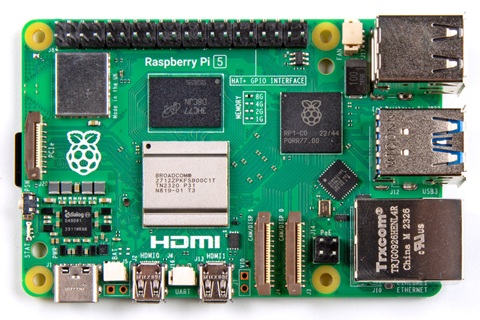


|
|||||
| Learn Robotics Programming, 3rd Edition - WOW! eBook | https://www.wowebook.org/learn-robotics… | 4 | Jun 19, 2026 16:00 | active | |
Learn Robotics Programming, 3rd Edition - WOW! eBookURL: https://www.wowebook.org/learn-robotics-programming-3rd-edition/ Description: Learn Robotics Programming, 3rd Edition: Build and control cutting-edge AI robots with Raspberry Pi and Python. Learn Robotics Programming, Third Edition: Content:
WOW! eBook WOW! eBook by WOW! eBook · June 3, 2026 Learn Robotics Programming, 3rd Edition: Build and control cutting-edge AI robots with Raspberry Pi and Python. Learn Robotics Programming, Third Edition: Build smart, AI-powered robots with Raspberry Pi and Python through hands-on projects, from rovers to intelligent autonomous systems. March 20, 2023 May 27, 2020 March 6, 2019 Your email address will not be published. Required fields are marked * Comment * Name * Email * Website Save my name, email, and website in this browser for the next time I comment. Δ WOW! eBook © 2026. All Rights Reserved.
Images (4): 



|
|||||
| Google, Japanese firm ship 1,000 robots in automation push | https://interestingengineering.com/ai-r… | 10 | Jun 19, 2026 16:00 | active | |
Google, Japanese firm ship 1,000 robots in automation pushURL: https://interestingengineering.com/ai-robotics/google-fanuc-physical-ai-industrial-robots Description: Google and FANUC partner to advance autonomous industrial robots for smarter factory automation systems. Content:
From daily news and career tips to monthly insights on AI, sustainability, software, and more—pick what matters and get it in your inbox. Discover the engineering revolution transforming modern defense with Strength, Stealth, Speed: The Very Fast Future of Advanced Defense Access expert insights, exclusive content, and a deeper dive into engineering and innovation all with fewer ads or a completely ad-free experience. All Rights Reserved, IE Media, Inc. Follow Us On Future of Defense Access expert insights, exclusive content, and a deeper dive into engineering and innovation all with fewer ads or a completely ad-free experience. All Rights Reserved, IE Media, Inc. Google joins FANUC to develop autonomous industrial robots for flexible manufacturing and automation. Google has joined hands with Japanese robotics giant FANUC America Corporation to advance Physical AI in industrial robots, amid rising demand for smarter automation systems capable of handling more complex factory tasks. The collaboration will combine Google’s artificial intelligence technologies with industrial robotics systems already used across manufacturing facilities worldwide. The companies said the partnership aims to accelerate the deployment of AI-powered robots capable of understanding their surroundings through sensors, making autonomous decisions, and carrying out tasks in real-world factory environments. FANUC America said its partnership with Google marks an important step toward building more flexible and adaptive AI-driven automation systems for manufacturers across North America. The company also announced expanded integration between its ROBOGUIDE simulation platform and NVIDIA’s Isaac Sim framework to support advanced robotics development. Physical AI has emerged as one of the fastest-growing areas in robotics following advances in large language models (LLMs) and AI reasoning systems. Robots induced with Physical AI can adapt to changing conditions and perform various tasks autonomously, in contrast to traditional robots that are programmed for repetitive movements. FANUC America Corporation already supports the Robot Operating System (ROS), a widely used open platform for robot control. Its robots are also compatible with Python programming and high-speed communication interfaces used for AI development and external robot control. Google’s Intrinsic robotics AI group is a major contributor to ROS development, making the collaboration significant for manufacturers seeking more open and flexible AI-powered automation systems. The companies said these capabilities allow factories to integrate Physical AI technologies across a broad range of robots, from smaller 6.6 lbs (3 kg) payload systems to large industrial machines capable of handling up to 2.3 tons. Interest in Physical AI systems has accelerated rapidly since FANUC showcased its Physical AI platform during the International Robot Exhibition (IREX) in Tokyo last December. Following the exhibition, the company revealed that it has already shipped more than 1,000 robots for Physical AI-related applications, with demand continuing to increase. “Manufacturers are moving beyond the question of whether to use AI and focusing on how to apply it where it matters most—on the factory floor,” said Mike Cicco, President and CEO of FANUC America. “By combining industrial-grade robotics with Google’s advanced AI, we’re enabling customers to take on more complex, variable production while maintaining the reliability and performance that production environments demand,” he added. The collaboration reflects a broader industry shift toward adaptive factory automation systems capable of handling labor shortages, increasing customization demands, and more flexible manufacturing operations. Technology companies and robotics firms worldwide are racing to develop AI-powered humanoid and industrial robots that can operate more independently inside warehouses and production lines. With more than 1,000 Physical AI robots already deployed, the partnership signals that AI-driven industrial automation is beginning to move from testing environments into large-scale factory operations. Atharva is a full-time content writer with a post-graduate degree in media & amp; entertainment and a graduate degree in electronics & telecommunications. He has written in the sports and technology domains respectively. In his leisure time, Atharva loves learning about digital marketing and watching soccer matches. His main goal behind joining Interesting Engineering is to learn more about how the recent technological advancements are helping human beings on both societal and individual levels in their daily lives. Premium Follow
Images (10):
|
|||||
| Physical AI: How Trained Robots Are Transforming Industry - The … | https://www.europeanbusinessreview.com/… | 10 | Jun 19, 2026 08:00 | active | |
Physical AI: How Trained Robots Are Transforming Industry - The European Business ReviewURL: https://www.europeanbusinessreview.com/physical-ai-what-trained-robots-mean-for-industry/ Description: Explore how Physical AI and trained robots are reshaping manufacturing, logistics, and industrial automation. Content:
For business leaders, the term “Artificial Intelligence” has become synonymous with chatbots, generative models, and data analytics. It is digital, abstract, and confined to screens. Physical AI represents a fundamental departure. This is the intelligence that bridges the digital and physical worlds—embodied AI that understands the laws of physics, interacts with its environment, and performs complex physical tasks . Physical AI refers to intelligent systems capable of autonomous perception, reasoning, and action in the physical world, from humanoid robots and autonomous mobile robots to self-driving cars and intelligent industrial arms. It’s a paradigm shift from “programming-driven” to “training-driven” robotics. Instead of a robotic arm blindly following a pre-set path, a physical AI system can adapt to changes, learn from its environment, and make decisions based on real-time sensory input . This marks the transition from robots as automated tools to robots as autonomous agents. This new wave of AI is already making its mark across the industrial landscape. In factories, physical AI is powering a new era of adaptable automation. Industry giants like FANUC and ABB are collaborating with NVIDIA to integrate AI and simulation into their robotic systems, enabling robots that can see, reason, and act in dynamic factory environments . For instance, electronics manufacturer Foxconn is piloting ABB’s new “RobotStudio HyperReality” platform to train assembly robots virtually with up to 99% accuracy, eliminating the need for costly physical prototypes and reducing setup times by up to 80% . This type of physical AI-powered simulation is closing the long-standing “sim-to-real” gap, enabling companies to design, test, and optimize production lines entirely in the virtual world before a single physical part is moved . This not only slashes costs by up to 40% and accelerates time-to-market by 50% but also allows for rapid reconfiguration to handle new products or changing demands . The application extends far beyond the factory floor. In logistics and warehousing, autonomous mobile robots (AMRs) are becoming smarter and more adaptable. In hospitals and care homes, researchers are developing humanoid robots capable of performing menial tasks like washing dishes or doing laundry, potentially alleviating labor shortages and freeing up skilled human workers . This versatility is the core promise of physical AI: intelligent machines that can operate safely and effectively in the messy, unpredictable real world . Central to this revolution is the concept of 3D sim-ready assets. The development of physical AI systems faces a critical bottleneck: data . While a chatbot can be trained on vast amounts of text, a robot needs to understand physical reality—how much an object weighs, how a surface reacts to friction, how a door’s hinge moves. Acquiring this real-world data is expensive, time-consuming, and often dangerous. Sim-ready assets solve this problem by providing the “training data layer” for physical AI. As explained by Physicl, a platform purpose-built for this challenge, robotics models need massive amounts of physically accurate 3D training data to learn [citation:Physicl]. These are not just static 3D models; they are digital twins of objects and environments infused with precise physical properties—mass, friction, collision geometry, and articulation. They are “physics-tagged” and “simulation-ready,” meaning they can be plugged directly into a physics engine and interacted with as they would be in the real world [citation:Physicl]. This capability is a game-changer. Platforms like Physicl automatically deduce physical properties like mass and friction from geometry and materials, while others like “PhysX-Anything” are developing AI models that can generate these sim-ready assets from a single image [citation:Physicl]. This accelerates what traditionally took months of manual cleanup to a matter of minutes [citation:Physicl]. High-quality sim-ready assets enable developers to train robots in a virtual sandbox where they can practice tasks millions of times in countless variations, learning to handle the long-tail of edge cases that determine real-world success, without the cost or risk of testing them physically first . The widespread adoption of physical AI, powered by high-quality sim-ready assets and synthetic data, promises to fundamentally reshape the economics and strategy of industry. It means the end of “hard-coded” automation. As a Boston Consulting Group analysis notes, this new technology will allow companies to retrain a robot’s “brain” for new tasks with minimal hardware changes, creating immense flexibility and agility . This capability allows for scaling production to new locations while mitigating the 4% to 15% efficiency losses often associated with moving from established hubs . Physical AI can offset these productivity losses, making reshoring and nearshoring more economically viable. Furthermore, the ability to simulate and train overnight allows companies to bring new products to market faster and with less risk, as they are no longer constrained by the need for physical prototypes . For business leaders, physical AI is not just a tool for operational efficiency; it is a strategic asset for building a resilient, adaptable, and future-proof industrial enterprise. Save my name, email, and website in this browser for the next time I comment. Mark your calendar for these stimulating events and prepare to be inspired. Save the dates for the Open Days of your preferred Executive Education programs. Don’t miss out! Mark your calendars for upcoming MBA events and programmes. Don’t miss out on these valuable opportunities! None of the information on this website is investment or financial advice. The European Business Review is not responsible for any financial losses sustained by acting on information provided on this website by its authors or clients. No reviews should be taken at face value, always conduct your research before making financial commitments. This will close in 15 seconds
Images (10): 



|
|||||
| INLIF LIMITED Announces Strategic Entry into Humanoid Robotics Market | … | https://www.manilatimes.net/2026/06/18/… | 10 | Jun 19, 2026 00:01 | active | |
INLIF LIMITED Announces Strategic Entry into Humanoid Robotics Market | The Manila TimesDescription: Next-Generation Robot Demonstrates High-Dynamic Motion Capabilities in Experimental Testing Content:
Next-Generation Robot Demonstrates High-Dynamic Motion Capabilities in Experimental Testing QUANZHOU, China, June 18, 2026 (GLOBE NEWSWIRE) -- INLIF LIMITED (NASDAQ: INLF) (together with all its subsidiaries and consolidated entities, the "Company” or "INLIF”), a company engaged in the research, development, manufacturing, and sales of injection molding machine-dedicated manipulator arms, today announced its strategic entry into the humanoid robotics market. According to industry trends and market developments observed by the Company, the industry of humanoid robotics is currently at a critical stage in the transition from technology validation to industrialization. The Company believes that advances in artificial intelligence ("AI”), embodied AI, precision servo systems, and motion control algorithms may support broader adoption of humanoid robots across a wide range of real-world applications, including industrial manufacturing, warehousing and logistics, hazardous-environment operations, commercial services, and household scenarios. Against this backdrop, INLIF remains optimistic about the long-term development prospects of integrating industrial automation technologies with humanoid robotics and believes that the two fields share technological synergies that the Company intends to leverage. INLIF has been deeply engaged in the industrial robotics and injection molding automation sectors for years, accumulating expertise in mechanical structure design and precision motion control. INLIF has also gained practical experience in implementing automation solutions in various operating environments. The Company believes these technological capabilities and industry experience provide a solid foundation for its strategic expansion into this emerging market segment. Following the commencement of research and development ("R&D”) of related core robotics technologies in the first half of 2026, INLIF aims to fully leverage its long-standing technical expertise and industry strengths to expand into the humanoid robotics sector. The Company’s newly developed humanoid robot is undergoing validation tests in experimental environments. The Company believes that the robot is likely to demonstrate high-dynamic motion capabilities, including performing somersault maneuvers, as well as strong motion coordination, dynamic balance, and system control stability. These developments will represent an important early step in the Company’s ongoing R&D efforts in motion control and system collaboration technologies. To advance the development efforts toward potential future commercialization, INLIF plans to focus on the following strategic initiatives, subject to ongoing R&D results and resource allocation: • High-dynamic motion control systems: Enhancing robotic balance, posture control, and execution capabilities for complex movements; • R&D of core robotic actuators: Advancing lightweight design, high-response performance, and stability optimization of key components; • Industrial application deployment: Exploring the practical application value of humanoid robots in manufacturing automation scenarios; • Embodied intelligence integration: Promoting the synergistic evolution of robotic hardware systems and AI-driven decision-making capabilities. Mr. Rongjun Xu, Chief Executive Officer of INLIF, commented: "As one of the key development directions for next-generation intelligent terminal technologies, humanoid robotics has been incorporated into our long-term strategic roadmap. Leveraging our background in industrial automation and accumulated robotics expertise, which we believe may provide competitive advantages, we aim to better balance mobility, intelligence, and industrial application value in our next-generation intelligent robotic products, thereby supporting potential commercial potential in real-world industrial scenarios.” The Company’s current activities remain focused on research, development and technical exploration, including motion control algorithms and structure, system collaboration and intelligent operation technologies. These efforts represent an early stage of INLIF’s broader development initiatives in humanoid robotics, and there can be no assurance that such activities will result in commercially viable products, successful commercialization or future revenue generation for the Company. About INLIF LIMITED INLIF is a holding company and an exempted company incorporated in the Cayman Islands with limited liability. Through its operating entity in the People’s Republic of China, Ewatt Robot Equipment Co. Ltd., established in September 2016, INLIF is engaged in the research, development, manufacturing, and sales of injection molding machine-dedicated manipulator arms. It is also a provider of installation services and warranty services for manipulator arms, and accessories and raw materials for manipulator arms. The Company produces an extensive portfolio of injection molding machine-dedicated manipulator arms, including transverse single and double-axis manipulator arms, transverse and longitudinal multi-axis manipulator arms, and large bullhead multi-axis manipulator arms, all developed by itself. It has also built experience in industrial automation solutions, including in the new energy sector, as well as intelligent robotics in recent years. For more information, please visit the Company’s website: https://ir.yiwate88.com/. Forward-Looking Statements Certain statements in this announcement are forward-looking statements. Forward‑looking statements, including those regarding market adoption, development timelines, strategic initiatives, technical capabilities, potential commercialization, and competitive positioning, involve risks and uncertainties, including without limitation technical challenges, regulatory and safety requirements, customer adoption, supply chain and capital needs. These forward-looking statements also involve other known and unknown risks and uncertainties and are based on the Company's current expectations and projections about future events that the Company believes may affect its financial condition, results of operations, business strategy and financial needs. Investors can find many (but not all) of these statements by the use of words such as "approximates," "believes," "hopes," "expects," "anticipates," "aims,” "estimates," "projects," "intends," "plans," "will," "would," "should," "could," "may" or other similar expressions. The Company undertakes no obligation to update or revise publicly any forward-looking statements to reflect subsequent occurring events or circumstances, or changes in its expectations, except as may be required by law. These statements are subject to uncertainties and risks, including, but not limited to, the uncertainties related to market conditions, and other factors discussed in the "Risk Factors" section of the registration statement filed with the U.S. Securities and Exchange Commission (the "SEC"). Although the Company believes that the expectations expressed in these forward-looking statements are reasonable, it cannot assure you that such expectations will turn out to be correct, and the Company cautions investors that actual results may differ materially from the anticipated results and encourages investors to review other factors that may affect its future results in the Company's registration statement and other filings with the SEC. Additional factors are discussed in the Company's filings with the SEC, which are available for review at www.sec.gov. For investor and media inquiries, please contact: INLF LIMITED Investor Relations Department Email: [email protected] Ascent Investor Relations LLC Tina Xiao Phone: +1-646-932-7242 Email: [email protected]
Images (10):
|
|||||
| Journal of Medical Internet Research - Embodied Intelligence Applications in … | https://www.jmir.org/2026/1/e83871 | 10 | Jun 18, 2026 16:00 | active | |
Journal of Medical Internet Research - Embodied Intelligence Applications in Health Care Populations: Scoping ReviewURL: https://www.jmir.org/2026/1/e83871 Description: Background: Embodied intelligence—artificial intelligence instantiated in physical or virtual bodies that can perceive, communicate, and interact with users and their environments—has been increasingly applied in health care. However, the evidence base remains fragmented because of inconsistent terminology, diverse embodiment forms, and limited synthesis of application domains, target populations, care settings, acceptability, and effectiveness. This fragmentation constrains conceptual clarity and translation into routine health care practice. Objective: This scoping review aimed to systematically map the applications of embodied intelligence in health care by classifying embodiment forms, identifying major functional domains, describing target populations and implementation settings, and synthesizing the available evidence on acceptability and effectiveness. Methods: This scoping review followed the Arksey and O’Malley framework, with enhancements by Levac et al, and was reported in accordance with the PRISMA-ScR (Preferred Reporting Items for Systematic Reviews and Meta-Analyses extension for Scoping Reviews) and PRISMA-S (Preferred Reporting Items for Systematic Reviews and Meta-Analyses literature search extension) guidelines. Seven electronic databases were searched from database inception to December 2025, supplemented by gray literature searches and backward citation screening. Eligible studies were primary empirical studies published in English or Chinese that examined embodied intelligence in health care contexts. Two reviewers independently screened records and charted data using a pilot-tested standardized form. Descriptive statistics and thematic synthesis were applied. No formal critical appraisal was conducted because the aim was to map the breadth and characteristics of the evidence base. Results: A total of 83 studies were included. Five embodiment forms were identified: virtual humanoid agents (32/83, 38.6%), physical humanoid robots (32/83, 38.6%), virtual animal-shaped agents (1/83, 1.2%), physical animal robots (13/83, 15.7%), and mechanical robots (5/83, 6%). Applications clustered into 3 functional domains: health management and health education (40/83, 48.2%), mental health promotion (37/83, 44.6%), and physiological health promotion (6/83, 7.2%). Older adults were the most frequently targeted population (45/83, 54.3%). Interventions were mainly implemented in home settings, care homes, laboratories, and hospitals. Twenty-two randomized controlled trials reported generally beneficial effects on health behaviors, mental health outcomes, or cognitive function, although outcome measures were heterogeneous. Twelve studies examined acceptability and generally reported favorable user acceptance. Conclusions: This scoping review provides the first comprehensive synthesis of embodied intelligence in health care using a unified classification of forms, functional domains, populations, and application settings. The findings indicate that embodied intelligence is most mature in “health management and health education” and “mental health promotion,” with increasing real-world deployment in home and care home settings. By consolidating fragmented evidence and standardizing terminology, this review offers a practical foundation for clinicians, nurses, and policymakers to support the implementation of embodied intelligence in routine health care. Evidence is limited by heterogeneous outcome measures, many lab-based evaluations, and the absence of formal quality appraisal, underscoring the need for standardized outcome measures, rigorous randomized controlled trials, and longitudinal evaluations to enable scalable and ethically grounded real-world adoption. Content:
Published on 12.Jun.2026 in Vol 28 (2026) Authors of this article: School of Nursing, Naval Medical University, No. 800, Xiangyin Road, Shanghai, China *these authors contributed equally Xuchun Ye, PhD Background: Embodied intelligence—artificial intelligence instantiated in physical or virtual bodies that can perceive, communicate, and interact with users and their environments—has been increasingly applied in health care. However, the evidence base remains fragmented because of inconsistent terminology, diverse embodiment forms, and limited synthesis of application domains, target populations, care settings, acceptability, and effectiveness. This fragmentation constrains conceptual clarity and translation into routine health care practice. Objective: This scoping review aimed to systematically map the applications of embodied intelligence in health care by classifying embodiment forms, identifying major functional domains, describing target populations and implementation settings, and synthesizing the available evidence on acceptability and effectiveness. Methods: This scoping review followed the Arksey and O’Malley framework, with enhancements by Levac et al, and was reported in accordance with the PRISMA-ScR (Preferred Reporting Items for Systematic Reviews and Meta-Analyses extension for Scoping Reviews) and PRISMA-S (Preferred Reporting Items for Systematic Reviews and Meta-Analyses literature search extension) guidelines. Seven electronic databases were searched from database inception to December 2025, supplemented by gray literature searches and backward citation screening. Eligible studies were primary empirical studies published in English or Chinese that examined embodied intelligence in health care contexts. Two reviewers independently screened records and charted data using a pilot-tested standardized form. Descriptive statistics and thematic synthesis were applied. No formal critical appraisal was conducted because the aim was to map the breadth and characteristics of the evidence base. Results: A total of 83 studies were included. Five embodiment forms were identified: virtual humanoid agents (32/83, 38.6%), physical humanoid robots (32/83, 38.6%), virtual animal-shaped agents (1/83, 1.2%), physical animal robots (13/83, 15.7%), and mechanical robots (5/83, 6%). Applications clustered into 3 functional domains: health management and health education (40/83, 48.2%), mental health promotion (37/83, 44.6%), and physiological health promotion (6/83, 7.2%). Older adults were the most frequently targeted population (45/83, 54.3%). Interventions were mainly implemented in home settings, care homes, laboratories, and hospitals. Twenty-two randomized controlled trials reported generally beneficial effects on health behaviors, mental health outcomes, or cognitive function, although outcome measures were heterogeneous. Twelve studies examined acceptability and generally reported favorable user acceptance. Conclusions: This scoping review provides the first comprehensive synthesis of embodied intelligence in health care using a unified classification of forms, functional domains, populations, and application settings. The findings indicate that embodied intelligence is most mature in “health management and health education” and “mental health promotion,” with increasing real-world deployment in home and care home settings. By consolidating fragmented evidence and standardizing terminology, this review offers a practical foundation for clinicians, nurses, and policymakers to support the implementation of embodied intelligence in routine health care. Evidence is limited by heterogeneous outcome measures, many lab-based evaluations, and the absence of formal quality appraisal, underscoring the need for standardized outcome measures, rigorous randomized controlled trials, and longitudinal evaluations to enable scalable and ethically grounded real-world adoption. Embodied intelligence has been piloted in health care, but prior research remains fragmented and lacks a systematic classification of embodiment forms, functional roles, and application contexts. Small-scale studies suggest that embodied intelligence may support rehabilitation and provide companionship; however, there is still no comprehensive map of where, how, and for whom these systems have been implemented. We systematically classified embodied intelligence in health care into 5 embodiment forms and 3 core functional domains. By synthesizing evidence from 22 randomized controlled trials (RCTs) and 12 mixed methods acceptability studies, we summarized the reported effectiveness of embodied intelligence in health management and health education and mental health promotion, as well as patterns of user acceptability across settings. These findings provide an evidence base to inform future standardized evaluation and implementation of embodied intelligence in health care, with particular relevance to nursing practice. As global populations age and chronic diseases become increasingly prevalent, health care systems face unprecedented challenges [1,2]. Conventional care models often struggle to address diverse and individualized patient needs, prompting growing interest in artificial intelligence (AI)–enabled solutions in health care [3]. In recent years, AI has been widely applied to tasks such as diagnosis, risk prediction, and clinical decision support, contributing to improvements in efficiency and accuracy across health care systems [4,5]. Embodied intelligence represents a distinct branch of AI that integrates computational intelligence with physical or virtual embodied entities, enabling direct interaction with users and their environments [6]. In this review, embodied intelligence refers to AI systems instantiated in physical or virtual forms that interact with users through perception, communication, and action, including virtual humanoid agents, physical humanoid robots, animal-shaped agents, and mechanical robots applied in health care contexts. In this context, embodiment refers to the integration of intelligence with a physical or virtual form that enables situated perception, action, and interaction within an environment [7]. In this review, embodied intelligence is used as an umbrella term for embodied AI systems that exhibit interactive and adaptive behaviors through their physical or virtual embodiment. Embodied robots represent a subset of embodied intelligence, referring specifically to physically instantiated robotic systems with intelligent capabilities, whereas virtual embodied agents (eg, virtual humanoid or animal-shaped agents) represent nonphysical yet embodied forms of intelligent systems. To avoid ambiguity, this review adopts embodied intelligence as the overarching term and classifies systems based on embodiment form rather than using related terms interchangeably. Although AI has been increasingly integrated into health care, many widely deployed AI applications remain disembodied, functioning primarily as background analytical tools such as diagnostic algorithms, risk prediction models, or data-driven decision support systems [8]. These systems typically operate at the level of information processing and decision-making, with limited direct interaction with patients or clinicians. In contrast, embodied intelligence emphasizes embodiment as a core design principle, integrating intelligence not only algorithmically but also through physical or virtual presence, environmental context, and interactive engagement. By enabling multimodal interaction—such as dialogue, movement, facial expressions, or touch—embodied intelligence can extend AI from passive analytical support toward more active participation in care processes. This interactive and socially situated nature makes embodied intelligence particularly relevant for health care domains that rely on sustained engagement, trust, and relational interaction, including health education, chronic disease management, mental health support, and nursing care [6]. Despite growing interest in embodied intelligence for health care applications, existing studies remain fragmented with respect to embodiment types, functional capacities, and the evaluation of effectiveness and acceptability. Several recent reviews have examined AI and robotics in health care from specific perspectives. For example, Fiske et al [9] explored the ethical and societal implications of embodied AI in mental health–related fields such as psychiatry, psychology, and psychotherapy. Huang et al [10] conducted a systematic review of intelligent physical robots in health care, focusing on antecedents, consequences, and organizational factors associated with robot implementation. Kiuchi et al [11] provided a meta-review emphasizing psychological insights into embodied conversational agents, chatbots, and social assistive robots, with particular attention to interaction design and user experience. While these reviews offer valuable insights, they primarily concentrate on specific embodiment forms, disciplinary viewpoints, or outcome domains. In contrast, this scoping review adopts a broader and integrative perspective by examining multiple types of embodied intelligence—both physical and virtual—across diverse health care contexts. By systematically mapping embodiment forms, functional roles, application settings, and evidence of acceptability and effectiveness, this review aims to clarify the current landscape of embodied intelligence in health care and identify priority research gaps to inform future research and practice. Despite the growing body of research on embodied intelligence in health care, there remains a lack of integrative evidence that systematically examines how different forms of embodied intelligence are applied across health care contexts, what functional roles they serve, and how acceptability and effectiveness are evaluated [12]. Existing studies are often fragmented by technology type, application domain, or outcome focus, making it difficult to obtain a comprehensive understanding of the field. To address these gaps, this scoping review synthesizes applications of embodied intelligence in health care by mapping embodiment forms, functional domains, application settings, and evidence of acceptability and effectiveness. By providing an integrated overview of current practices and identifying priority research gaps, this review aims to inform future research and support the responsible integration of embodied intelligence into health care and nursing practice. Accordingly, this scoping review addresses the following research questions: A scoping review was conducted according to the framework described by Arksey and O’Malley [13] with an extended version by Levac et al [14]. This review is reported based on the PRISMA-ScR (Preferred Reporting Items for Systematic Reviews and Meta-Analyses Extension for Scoping Reviews) guidelines (Checklist 1) [15]. The protocol was registered on the Open Science Framework (OSF) [16]. The review methods were implemented before OSF registration and were subsequently documented in the registered protocol. The review title and wording were refined during manuscript development to better reflect the scope of the evidence map; however, no substantive changes were made to the eligibility criteria, information sources, screening procedures, or synthesis approach. The eligibility criteria were developed using the PCC (population, concept, and context) framework [17] to ensure alignment with the review objectives. The population of interest included any human participants, such as patients or healthy individuals, who interacted with or were affected by embodied intelligence systems in a health care context. Specific population characteristics, including age and health status, were not used as eligibility criteria but were charted during data extraction. The core concept was embodied intelligence, defined in this review as AI systems integrated with a physical or virtual form capable of interacting with users and/or the environment through situated perception, communication, or action. Eligible systems included, for example, virtual embodied conversational agents, humanoid robots, animal-shaped robots, and mechanical robots. Embodied intelligent robotics was considered a subset of embodied intelligence referring specifically to physically instantiated robotic systems with intelligent and interactive capabilities; the two terms were not used interchangeably. The context included any health care–related setting, such as hospitals, clinics, long-term care facilities, residential settings, research laboratories, and community-based programs. Primary empirical studies of any design were eligible for inclusion, including RCTs, pilot studies, quasi-experiments, observational studies, qualitative studies, mixed methods studies, case reports, and crossover trials. Studies published in English or Chinese were included. Studies were excluded if they were nonprimary research, such as reviews, editorials, letters, or study protocols, or if they were not available as full peer-reviewed journal articles with sufficient methodological detail for screening and data charting, such as conference abstracts without full papers, dissertations, theses, or other gray literature items. For study selection, embodiment was operationally defined as the presence of a physical or virtual form that enabled situated interaction with users and/or the environment, such as visual representation, movement or gesture, facial expressions, voice interaction, or tactile interaction. A comprehensive search was conducted in 7 electronic databases: PubMed (National Library of Medicine interface), Web of Science Core Collection (Web of Science platform), Cochrane Library (Wiley platform), MEDLINE (via Ovid), APA PsycNet (APA PsycNet platform), CQVIP (CQVIP platform), and China National Knowledge Infrastructure (CNKI) (CNKI platform). No separate search update was undertaken beyond the final searches completed in December 2025. All databases were searched from database inception to December 2025. No simultaneous multidatabase searching on a single platform was undertaken. All retrieved records were imported into EndNote (Clarivate) for deduplication. Duplicate records were removed using automated matching followed by manual verification. The most recent search was conducted in December 2025. A 3-step search strategy was applied to identify relevant studies from database inception to December 2025, with search reporting guided by the PRISMA-S (Preferred Reporting Items for Systematic Reviews and Meta-Analyses literature search extension) guideline (Checklist 2) [18]. First, 7 electronic databases were searched. The search strategy was adapted for each database and is presented in full (line by line) in Multimedia Appendix 1. Second, purposeful searching of online resources for gray literature was conducted using OpenGrey and Google Scholar. Third, backward citation searching was performed by screening the reference lists of included studies and relevant reviews to identify additional potentially eligible records. No date limits were applied at the database search stage, and all databases were searched from inception to December 2025. Language restrictions were limited to English and Chinese to match the review scope and the language capacity of the review team. Eligibility restrictions to primary research studies reporting original empirical data were implemented during study selection. No published search filters were used. The search strategies were developed for this review and were not directly adapted from previous literature reviews. No study registries were searched as part of this review. No additional studies or data were sought by contacting authors, experts, manufacturers, or other stakeholders. The PRESS (Peer Review of Electronic Search Strategies) guideline was not conducted and is acknowledged as a limitation. Study selection was conducted in two stages by two independent reviewers. In the first stage, titles and abstracts were screened against the eligibility criteria. In the second stage, the full texts of potentially eligible studies were retrieved and assessed for final inclusion. Any discrepancies between reviewers at either stage were resolved through discussion and consensus. All screening decisions were documented using a standardized screening protocol to ensure consistency and transparency throughout the selection process. Data charting was conducted using a standardized data extraction form that was developed and pilot-tested prior to formal extraction. Two reviewers independently extracted data from all included studies, and any discrepancies were resolved through discussion until consensus was reached. To support consistency and traceability, all coding decisions and charting procedures were documented in a shared Microsoft Excel file. Chinese-language information extracted from included studies was translated into English by one reviewer and cross-checked by another reviewer before synthesis. The data charted from the included studies included the authors, year of publication, country or region where the study was conducted, study design, study population or target group, type of embodied intelligence, functional role, application setting, and key outcomes. These variables were selected to capture both the technological characteristics of embodied intelligence, such as embodiment form and role, and the application-oriented characteristics relevant to interpretation, such as population, setting, and outcomes. For the purposes of charting and synthesis, embodied intelligence was classified along 2 dimensions: material instantiation, defined as virtual versus physical, and morphology, defined as humanoid, animal-shaped, or mechanical. Functional domains were classified inductively according to the primary aim reported in each study. When studies reported overlapping objectives, classification was based on the dominant aim described by the authors and the primary outcomes emphasized in the study. These operational decisions were made to facilitate consistent comparison across heterogeneous sources of evidence. A formal critical appraisal of individual sources of evidence was not conducted. This review was designed as a scoping review to map the breadth, characteristics, and application patterns of the available evidence rather than to estimate pooled effects or exclude studies based on methodological quality. Given the heterogeneity of study designs and the exploratory nature of the field, all eligible primary studies were retained for charting and narrative synthesis. The absence of formal critical appraisal is acknowledged as a limitation and is considered when interpreting the findings, particularly those related to acceptability and effectiveness. To facilitate the synthesis and analysis of the included studies, a standardized data extraction form was developed, and the application of embodied intelligence and the roles played in health care were then grouped thematically through an inductive approach. This process involved two independent reviewers (WS and YZ) who independently read through the full text of each study to assign initial codes to relevant segments describing the technology’s use, function, or context. These initial codes were subsequently organized into broader categories or themes; for example, codes related to health education, disease self-management, and medication adherence were grouped under the overarching theme of “health management and education,” while codes concerning emotional support, cognitive stimulation, and reduction of loneliness were clustered under “mental health promotion.” The reviewers met regularly to discuss their coding and theme development, resolving any discrepancies through consensus. All coding decisions and theme definitions were documented in a shared coding sheet (Microsoft Excel) to support consistency and traceability; no qualitative analysis software was used. Additionally, countries, participants, settings, and study designs were mapped, and trends in publication numbers were analyzed to identify patterns and gaps in the existing literature. Mapping outputs (including evidence distribution across embodiment forms, functional domains, and settings) were generated through descriptive frequency summaries and cross-tabulation. The detailed study selection process is illustrated in Figure 1. A total of 3797 records were initially identified through electronic database searches, and an additional 41 records were identified via other methods, including gray literature and citation searching, bringing the total to 3838 records. After removing 745 duplicates, 3093 records remained for screening. Of these, 2743 records (2740 from databases and 3 from other methods) were excluded during title and abstract screening, leaving 350 records for full-text assessment. At the title/abstract stage, records were excluded if they clearly did not meet the PCC-based eligibility criteria (eg, not involving embodied intelligence as defined in this review, not in a health care context, not primary research, not involving human participants, or not published in English/Chinese). Following a comprehensive evaluation of the full texts, 267 records were excluded (235 from databases and 32 from other methods) for reasons such as not focusing on embodied intelligence or health care, inappropriate study designs, or lack of available full text. This resulted in a final total of 83 studies included in this scoping review. There were 83 eligible studies published in English or Chinese according to the inclusion criteria. They were conducted in 20 countries, with more than half of the studies originating from Europe and the United States (Figure 2A and Table 1). Overall, the number of publications increased over time, peaking in 2021, followed by a marked decline in 2022 (Figure 2B). Study designs were diverse, with RCTs accounting for the largest proportion (nearly one-third) of all studies (Table 2). The characteristics of the included studies are presented in Multimedia Appendix 2 [18-99]. A review of the literature indicates that embodied intelligence can be categorized into virtual embodied intelligence and physical embodied intelligence based on whether the system has a physical form. Virtual embodied intelligence is predominantly composed of human-shaped embodied conversational agents (32/33, 96.9%), whereas within physical embodied intelligence, human-shaped robots account for 64% (32/50), followed by animal-shaped robots (13/50, 26%) and mechanical robots (5/50, 10%) (Figure 3A). Physical embodied intelligence represents the majority of health care applications (50/83, 66.2%). As shown in the publication trend graph (Figure 3B), over the past 5 years, publications on physical embodied intelligence have generally exceeded those on virtual embodied intelligence. This review indicates that, although embodied intelligence has been applied across a range of health care scenarios, it is predominantly studied in older adults, who account for 54.4% (46/83) of the target populations (Figure 4A). Among these studies involving older adults, 69.6% (32/46) focused on healthy older adults and 30.4% (14/46) on individuals with cognitive impairment. This pattern likely reflects the increasing demand for elderly care services associated with rapid population aging. Implementation settings spanned 4 categories (Figure 4B): domestic residences (22/83, 26.5%), long-term care facilities (27/83, 32.5%), laboratory-based evaluation contexts (22/83, 26.5%), and hospital units (12/83, 14.5%). In this review, “laboratory” refers to controlled research environments (eg, university or clinical research labs) used primarily for prototyping and evaluation (eg, usability, interaction quality, feasibility testing, or preliminary outcomes), rather than real-world care delivery settings. While 73.5% (61/83) of studies were conducted in real-world care settings, over a quarter (22/83, 26.5%) were confined to controlled laboratory environments, which may limit ecological validity and the generalizability of findings to routine practice. No critical appraisal within sources of evidence is reported because a formal critical appraisal of included studies was not undertaken in this scoping review. Consistent with the review aim of mapping the breadth and characteristics of the evidence base, all eligible studies were retained for data charting and synthesis regardless of methodological quality. Analysis of the 83 included studies indicates that embodied intelligence in health care serves 3 principal functional domains: health management and health education, mental health promotion, and physiological health promotion. In this review, the distinction between “health management” and “health promotion” is based on the primary intent of the intervention. Health management denotes structured, ongoing support aimed at controlling a specific disease, condition, or modifiable risk factor, typically through monitoring, symptom tracking, medication or lifestyle adherence support, and self-management guidance. Health education denotes interventions primarily intended to improve health-related knowledge, skills, and decision-making (eg, patient education or training), and was grouped with health management when education served a disease- or risk-focused management goal. In contrast, health promotion denotes interventions primarily intended to enhance well-being, function, or health capacity (eg, emotional well-being, cognitive engagement, physical function, or rehabilitation outcomes) without being anchored to the management of a single disease alone. These categories were derived inductively during thematic analysis and were not predefined. Specifically, interventions centered on disease self-management, adherence, and condition-focused education were grouped under “health management and health education”; those centered on emotional support, anxiety reduction, or cognitive engagement were grouped under “mental health promotion”; and those centered on improving physical activity, functional performance, or rehabilitation outcomes were grouped under “physiological health promotion.” When studies reported overlapping objectives (eg, monitoring functions embedded within a rehabilitation program), classification was determined by the dominant aim described by the authors and the primary outcomes emphasized. As summarized in Table 3, these functions were operationalized through 46 distinct embodied intelligence devices. Health management and health education (40/83, 48.2%) and mental health promotion (37/83, 44.6%) accounted for most applications. Most studies reported beneficial outcomes within their respective domains; 2 experimental studies did not report improvements and are marked (※) in Table 3. a※ indicates studies that did not report beneficial effects consistent with the stated role. Among the 83 included studies, 40 examined the application of embodied intelligence in health management and health education. First, in 30 studies, embodied intelligence served health management functions, covering both professional health management and self-management. Professional health management was mainly applied in medical services, experimental research, and other specialized scenarios. Specifically, these systems supported health data collection, disease screening, and assessments such as attention level evaluation in populations including people with diabetes or chronic obstructive pulmonary disease, pregnant women, and older adults. Based on these assessments, the systems delivered targeted and personalized management advice [18-41]. Reported roles included assisting clinicians with documentation, reducing clinical risks, and improving patients’ adherence to recommendations. Notably, ter Stal et al [40] quasi-experimental study reported low adherence, which was attributed to insufficient personalization and limited information accuracy. In contrast, self-management functions were mainly implemented in home or nursing home settings to support recipients (eg, older adults or people with diabetes) with exercise guidance, smoking cessation support, and disease self-management outside clinical encounters [42-47]. These applications primarily aimed to improve individuals’ quality of life. Furthermore, 10 studies focused on the application of embodied intelligence in health education. Researchers integrated educational content into embodied intelligence systems to deliver health education to diverse groups, including individuals with chronic conditions, people with alcohol use problems, older adults, and the general public. The findings suggest that embodied intelligence may improve participants’ health literacy. Compared with traditional education delivered by health professionals, embodied intelligence offered greater flexibility and convenience, mainly through reduced time and location constraints and potentially lower learning burden. Consequently, participants reported higher satisfaction and better acceptance of education delivered via embodied intelligence systems [48-57]. There were 37 studies focusing on the application of embodied intelligence in mental health promotion, addressing 3 main tasks: psychological intervention, cognitive enhancement, and emotional companionship. In recent years, embodied intelligence has attracted increasing attention as a delivery modality for psychological interventions. Of the 37 studies, 6 integrated cognitive behavioral therapy and/or mindfulness-based practices into embodied intelligence systems. Findings suggest that these interventions may enhance subjective well-being and reduce distress among university students and members of the general public with psychological difficulties [12,58-62]. Embodied intelligence–supported cognitive interventions have also been explored as a nonpharmacological approach. Among the included studies, 3 focused on using embodied intelligence to deliver cognitive training for older adults [63-65]. These studies reported that cognitive stimulation games and other embodied intelligence–based training may improve memory and executive function, while also promoting engagement in activities and social interaction. For example, Park et al [66] implemented a 6-week embodied intelligence–assisted multimodal cognitive training program and observed significant improvements in indicators such as memory and executive function, supporting the potential of embodied intelligence to enhance cognitive functioning in older adults. A total of 28 studies examined embodied intelligence for emotional companionship. Of these, 22 (78.6%) targeted older adults. The findings suggest that embodied intelligence can provide emotional support through multimodal interactions (eg, speech, facial expressions, and movement) and that older adults are generally receptive to embodied intelligence in a companion role. Reported benefits can be summarized at 3 levels. First, at the psychological level, emotional bonds formed between embodied intelligence and older adults were associated with reduced depressive symptoms, loneliness, and psychological distress, and may even modulate perceived pain [24,58,66-76]. Second, at the social level, embodied intelligence was reported to facilitate social participation and improve social integration among older adults [77-83]. Third, at the family level, embodied intelligence may act as a shared social medium that supports intergenerational communication and strengthens family interactions through shared use [84,85]. Overall, embodied intelligence may elicit positive emotional experiences in older adults, which can motivate them to share these experiences with others and potentially increase opportunities for social engagement. As a novel technology, embodied intelligence may also function as a social catalyst and conversational topic in peer interactions. Beyond older adult populations, 6 studies involved children or individuals with depression. Four studies focused on pediatric populations; 3 reported that embodied intelligence could reduce anxiety and enhance social interaction by engaging children (including those with autism) through voice-based interaction [86-88]. However, 1 study reported different findings. Kitt et al [89] quasi-experimental evaluation of an animal-like robot (Paro) in pediatric health care settings found no stress-reducing effect. This discrepancy may reflect differences in role framing and study design: in Crossman et al [87], the robot provided comforting interaction after children completed a stressful task, whereas in Kitt et al [89], the robot was involved during the stressful task itself, which may have been perceived as disruptive rather than supportive. Two studies involving individuals with depression suggested that embodied intelligence, through verbal interaction tailored to users’ emotional states and needs, may provide emotional companionship and reduce perceived social stigma and internalized self-stigma [89,90]. Embodied intelligence was applied for physiological health promotion in 6 included studies, covering sensory training for children with autism and motor rehabilitation for individuals with mobility impairments; however, most of these studies (5/6) were conducted in laboratory settings. Three laboratory-based studies involving children with autism embedded traditional sensory training into embodied intelligence systems and used multimodal interaction (eg, voice and tactile interaction). These studies reported improvements in auditory comprehension, emotional comprehension, and attention [91-93]. In addition, for patients requiring exercise rehabilitation after cerebrovascular events or heart disease, embodied intelligence was used to monitor exercise performance in real time and provide timely feedback, helping patients track training effects and progress [94-96]. One study reported that patients’ acceptance of embodied intelligence–assisted rehabilitation was higher than that of traditional exercise-based rehabilitation programs [97]. As shown in Figure 5, the evidence base was unevenly distributed across embodied intelligence types and functional domains. Bubble size and the number displayed within each bubble represent the number of included studies in each type-domain combination. The largest concentration of evidence was observed for virtual humanoid agents in health management and health education (n=25), followed by physical humanoid robots in mental health promotion (n=17). Physical humanoid robots were the only type represented across all 3 functional domains, including physiological health promotion (n=6). In contrast, virtual animal-shaped agents were represented by only 1 study, and mechanical robots remained limited overall. Across functional domains, physiological health promotion was the least represented area (6/83, 7.2%), highlighting a clear crosscutting evidence gap in the current literature. The bubble map shows the distribution of the 83 included studies across embodied intelligence types and functional domains. Bubble size and the number shown within each bubble represent the number of studies in each category combination. Empty cells indicate that no studies were identified for that specific type-domain combination. To strengthen coherence, Table 4 presents a role-based framework mapping the available evidence on acceptability and effectiveness of embodied intelligence across the 3 domains (health management and health education, mental health promotion, and physiological health promotion). Evidence of acceptability refers to users’ perceptions, satisfaction, usability, engagement, and willingness to adopt embodied intelligence systems. As summarized in Table 4, about 12 studies examined the acceptability of embodied intelligence in health care applications, predominantly using mixed methods designs. Most focused on health management and education, with fewer addressing mental health promotion; however, heterogeneity in acceptability measures limited direct cross-study comparisons. These findings primarily reflect user experience and perceived feasibility, rather than measured health or behavioral outcomes. In health management and education, acceptability appears to be shaped by an interplay of human, device-related, and environmental factors. Device-related considerations include anthropomorphic design features and interactive capabilities. Baptista et al [43] reported that acceptability increased when embodied intelligence was framed as a supportive coach rather than an authoritative medical expert in diabetes care. Similarly, Heffner et al [47] found that anthropomorphic appearance and movement fluidity were associated with higher acceptance, underscoring the importance of anthropomorphic design. Consistent with this, Boustani et al [52] and Orejana et al [34] reported that voice interaction and light-based feedback can strengthen social presence and reduce perceived isolation, which was associated with enhanced acceptability. Regarding interactive functions, Reilly et al [36] observed in focus groups that an animal-like robot (Paro) elicited high acceptability by eliciting positive nonverbal responses (eg, petting and smiling), although one participant with animal aversion showed lower engagement. Human and environmental factors were also influential. Zhang [42], Boumans et al [21], and Broadbent et al [23] reported that health literacy, familiarity with technology, education level, and health status were associated with acceptability. Clinical versus home settings also emerged as an important contextual factor shaping acceptability. Mental health promotion studies showed similar influences of individual and environmental factors on acceptability. Cobo Hurtado et al [68] found that older adults’ initial acceptability of cognitive intervention functions was affected by technophobia; as proficiency increased, the negative influence of anxiety on acceptability diminished. In cross-setting comparisons, Jegundo et al [85] noted that embodied intelligence was more readily accepted in institutional health care settings, whereas home environments required personalized adaptations (eg, functional customization and optimized interaction modes) to enhance acceptability. In this review, evidence of effectiveness refers to reported impacts of embodied intelligence interventions on health-related, behavioral, cognitive, or psychological outcomes. As shown in Table 4, effectiveness evidence was primarily derived from RCTs (22 studies), concentrated in health management and education (12 studies) and mental health promotion (10 studies). In this domain, embodied intelligence–based interventions generally reported favorable effects on health behaviors, clinical indicators, and health literacy. Studies by Bickmore et al [51], Robinson and Kavanagh [57], Reilly et al [36], National Clinical Trial [32], and Bickmore et al [50] compared embodied intelligence interventions with traditional management approaches and reported improvements in management goals such as increasing monthly average steps, reducing high-calorie food intake, and weight control. Gardiner et al [53] also reported improvements in stress management and healthy eating behaviors. Studies by Moyle et al [31], King et al [55], and Jack et al [28] compared embodied intelligence–based health education with traditional health manual–based education and reported better outcomes. Specifically, patients reported higher self-rated quality of life and better adherence to healthy behaviors [54,98], and pregnant women had fewer clinic visits and lower prepregnancy risk ratios [55]. These findings are consistent with the results reported by Gong et al [45]. Bickmore et al [19] compared voice-based embodied intelligence with traditional web-based health information searching and reported higher search success rates and user satisfaction in the embodied intelligence group. In addition, Boumans et al [21] conducted an RCT with 42 older adults and found that embodied intelligence achieved accuracy comparable to health care providers in collecting disease-related information while reporting higher user acceptability. In this domain, the evidence suggests that embodied intelligence may improve mental health outcomes and provide emotional support. The reported effects can be summarized in 3 dimensions: improvement of psychological symptoms, emotional support, and multimodal intervention. For the improvement of psychological symptoms, several RCTs reported the benefits of embodied intelligence. For example, Karhiy et al [61] 3-arm trial reported that the embodied intelligence group achieved reductions in perceived stress comparable to human therapists and showed higher compliance than both the human-therapist and chatbot groups. Chen et al [100] and Jøranson et al [81] reported reductions in psychological distress in people with dementia and improvements in agitation and depressive symptoms in older adults. In addition, an RCT by Park et al [66] involving 135 older adults with mild cognitive impairment reported that embodied intelligence–assisted training improved cognitive function and reduced negative emotions. Regarding emotional support, Robinson et al [82,83] and Lavin et al [73] reported that embodied intelligence can establish emotional connections with older adults and function as a social catalyst, alleviating loneliness and depressive feelings through interaction elements such as touch and conversation. For multimodal intervention, several studies suggested added value relative to traditional approaches. Sebastian and Richards [91] reported that multimodal interaction (eg, language and expressions) reduced psychological stigmatization more than conventional staff-delivered interventions. Robinson et al [12] reported that mindfulness guidance delivered via embodied intelligence was more effective than traditional audio-guided methods, and Crossman et al [87] reported reduced anxiety in children through multimodal features such as facial expressions, sound, and touch. Unlike acceptance-related evidence, these studies primarily evaluated intervention effectiveness using objective or validated outcome measures. Overall, the charted evidence indicates that embodied intelligence in health care is concentrated in 5 embodiment forms and 3 principal functional domains. The evidence base is most developed for virtual humanoid agents and physical humanoid robots, particularly in health management and health education and in mental health promotion. By contrast, virtual animal-shaped agents, mechanical robots, and applications in physiological health promotion remain comparatively underrepresented. The evidence gap map further showed that the distribution of evidence across embodiment types and functional domains was uneven. Darker concentrations of evidence were observed for virtual humanoid agents in health management and health education and for physical humanoid robots in mental health promotion, whereas several type-domain combinations contained very limited or no evidence. Across embodiment types, physiological health promotion was consistently the least represented domain, indicating a cross-cutting research gap. To support an integrative presentation of the findings, Table 4 summarizes the evidence on acceptability and effectiveness across the 3 major functional domains. Taken together, the results suggest that embodied intelligence has been most extensively investigated in aging-related and psychosocial care contexts, that acceptability is generally reported as favorable but context-dependent, and that evidence of effectiveness is promising but concentrated in a limited number of domains and study designs. This scoping review systematically synthesizes the research progress and application landscape of embodied intelligence in health care. The literature shows sustained growth in publications and increasingly diversified implementation scenarios. Two recurring development directions emerge across the included studies: anthropomorphism and intelligence. Anthropomorphic design involves attributing human-like physical characteristics, motivations, intentions, and even emotional states to nonhuman entities [12,101]. Empirical work suggests that anthropomorphic features can enhance user experience via multimodal interaction (eg, verbal, facial, and textual modalities) and may improve perceived trust and safety [98]. In parallel, advances in AI—particularly large language models—have expanded the potential for personalized interaction. However, current human-agent interactions remain constrained by limitations in multimodal fusion, natural language understanding, and affective computing, which can affect fluency, accuracy, and recognition of users’ emotions and needs. As shown by ter Stal et al [40], suboptimal personalization mechanisms and inaccurate information can reduce user compliance when embodied agents are used for health management. Taken together, these findings suggest that “more human-like” and “more intelligent” designs are promising but must be evaluated against safety, accuracy, and person-centered interaction quality before large-scale deployment. Consistent with the thematic mapping, embodied intelligence in health care clusters into 3 functional domains: health management and education, mental health promotion, and physical health promotion. The predominance of studies in health management/education and mental health promotion indicates a current research focus on domains where conversational interaction, engagement, and relational support are central and where embodied agents may plausibly address workforce shortages and access barriers. For health management and education, embodied intelligence appears advantageous because it can deliver multimodal guidance, provide tailored interaction, and support access independent of time and location. Reported levels of acceptance and compliance indicate feasibility for supporting—rather than uniformly replacing—clinical tasks in management and educational workflows, especially under resource constraints and uneven geographic distribution. In health education, multimodal interaction (voice, text, and facial expressions) has been reported to deliver personalized health knowledge and behavior guidance with efficacy comparable to medical professionals [55], while potentially reducing labor demands. Future research should prioritize clinically safe personalization (eg, accurate information provision, appropriate role framing, and escalation pathways) to ensure that convenience does not compromise care quality. For mental health promotion, the literature highlights 2 particularly salient mechanisms: psychological intervention and emotional companionship. Regarding psychological intervention, evidence suggests that users—especially those with mental health challenges—may disclose more when interacting with a nonhuman agent than with traditional human-delivered approaches, potentially due to greater perceived privacy protection and reduced psychological defensiveness [102]. Regarding emotional companionship, the potential value is pronounced in older adults, where increasing numbers of seniors living alone and limited companionship resources create an urgent gap. Embodied intelligence may contribute through functional substitution (eg, daily assistance) and social substitution (eg, companionship), with anthropomorphic features increasing social presence and facilitating trust and emotional bonding [103]. Studies also indicate that emotion recognition and responsive interaction may alleviate loneliness and depressive symptoms among older adults [103,104], including those with cognitive decline. Importantly, acceptance and experience vary by setting (eg, nursing homes vs home care) [77]. Given the global shift toward home-based aging [105], future studies should prioritize ecologically valid home deployments, with design choices that fit household routines and caregiver workflows, to strengthen real-world transferability. By contrast, embodied intelligence remains less represented in physical health promotion, which may reflect higher technical thresholds, stricter safety/access standards, and greater demands for robust performance in physical interaction [106]. Users may accept robot-assisted rehabilitation more readily than conventional training, potentially because gamified interfaces and real-time feedback enhance engagement [107]. Compared with traditional assistive devices, anthropomorphic interaction and emotional intelligence may improve communication and sustained participation [108]. To strengthen evidence, future work should benchmark interventions against relevant standards and usual-care comparators and report outcomes in a way that supports cross-study synthesis. This review also synthesizes evidence on acceptability and effectiveness. Acceptability varies across studies and appears to be shaped by individual characteristics, robot-related factors, and environmental context. Unlike typical consumer products, acceptance in health care is tied not only to cost but also to perceived health value, trust in the technology, alignment with the agent’s role, and interaction experience, as well as perceived fit and personalization within a specific care scenario [109]. Evidence of effectiveness is currently concentrated in health management/education and mental health promotion. Although only 22 RCTs were identified, all 22 reported positive effects, and some suggested benefits beyond traditional approaches. However, effectiveness assessment remains hindered by no standardized outcomes and heterogeneous methods, limiting comparability and generalizability. Establishing more consistent evaluation criteria would facilitate evidence synthesis. In addition, 2 quasi-experimental studies [97,110] highlight how technical limitations—particularly nonpersonalized or inappropriate feedback—can undermine perceived usability, trust, and acceptance, reinforcing the importance of optimizing interaction quality and safety. This scoping review is innovative in providing a data-driven map of embodied intelligence in health care across embodiment forms, functional roles, settings, and evidence types. Unlike prior reviews that focus on a single device category or narrow clinical domain, this review integrates both virtual and physical embodiments and synthesizes acceptability and effectiveness evidence within a unified framework. This synthesis clarifies where evidence is most mature (health management and education; mental health promotion) and where major gaps remain (physiological health promotion, standardized outcomes, and longitudinal real-world evaluations). Our findings also highlight recurring determinants of implementation success, including role framing, interaction quality, and contextual fit across settings. In practice, these results can guide stakeholders to match embodiment and function to care needs and settings, while prioritizing safe personalization and ethically grounded deployment. Future research should focus on rigorous, ecologically valid evaluations and standardized reporting to support translation into scalable health care practice. This study limited its literature inclusion to publications in Chinese and English, which may have introduced selection bias by excluding relevant evidence published in other languages. Publication bias is also a concern, as studies reporting positive outcomes are more likely to be published than those reporting null or negative findings; this may lead to an overrepresentation of RCTs demonstrating the efficacy of embodied intelligence and an underrepresentation of potential limitations. In addition, a substantial proportion of included studies were conducted in laboratory-based evaluation contexts, which may limit ecological validity and the generalizability of findings to real-world care settings. Moreover, consistent with the purpose of a scoping review, we did not conduct a formal critical appraisal of study quality. Therefore, findings—particularly those related to acceptability and effectiveness—should be interpreted cautiously, as the methodological rigor of included studies may vary and could influence the strength of conclusions. This scoping review provides a comprehensive synthesis of current evidence on the applications of embodied intelligence in health care, highlighting both emerging trends and critical gaps in the literature. The findings indicate that existing research has predominantly focused on health management and mental health promotion, while evidence for physiological health promotion remains limited. In addition, certain forms of embodied intelligence—particularly virtual animal-shaped agents and mechanical robots—are markedly underrepresented, and studies conducted in real-world clinical settings, especially hospitals, are scarce. Based on these findings, future research should prioritize addressing these gaps through rigorous and longitudinal study designs, including RCTs and implementation-focused studies conducted in routine health care environments. Such efforts are essential to better understand not only the effectiveness of embodied intelligence interventions but also their sustainability, scalability, and integration into existing care systems. From the perspective of health care and nursing practice, embodied intelligence has the potential to serve as a complementary tool for health education, chronic disease management, and psychosocial support. However, successful adoption will depend on careful attention to usability, workflow integration, and ethical considerations, as well as on clearly defining the roles of nurses and other health care professionals as facilitators, supervisors, and mediators of human-technology interaction. Addressing these practical considerations alongside methodological gaps will be crucial for translating embodied intelligence from experimental settings into meaningful, patient-centered health care practice. Acknowledgments The authors declare the use of generative artificial intelligence (GenAI) in the research and writing process. Translation tasks were delegated to GenAI tools under full human supervision. The GenAI tool used was Qwen3.5-Plus. Responsibility for the final manuscript lies entirely with the authors. This work was supported by the University-Industry Collaborative Education Program (project no. 230905329045253) and the Key Laboratory of Geriatric Long-Term Care, Ministry of Education (Naval Medical University). The funders had no involvement in the study design, data collection, analysis, interpretation of results, or the writing of the manuscript. All data supporting the findings of this scoping review are included in the main text and its supplementary information. For further details or additional datasets, contact the corresponding author. Conceptualization: WS, YZ, ES, XYData curation: WS, YZ, ESFormal analysis: WS, YZInvestigation: WS, YZMethodology: WS, YZ, ES, XYProject administration: ES, XYSupervision: ES, XYFunding acquisition: XYWriting – original draft: WS, YZWriting – review & editing: WS, YZ, ES, LD, XYWS, YZ, and ES are the co-first authors. Conceptualization: WS, YZ, ES, XY Data curation: WS, YZ, ES Formal analysis: WS, YZ Investigation: WS, YZ Methodology: WS, YZ, ES, XY Project administration: ES, XY Supervision: ES, XY Funding acquisition: XY Writing – original draft: WS, YZ Writing – review & editing: WS, YZ, ES, LD, XY WS, YZ, and ES are the co-first authors. None declared. None declared. Search strategy. Characteristics of all included studies. PRISMA-ScR checklist. PRISMA-S checklist. Edited by Stefano Brini; submitted 10.Sep.2025; peer-reviewed by Cheng Kian Tan, Reima Suomi, Rong Huang, Sakshi Sharma; final revised version received 09.Apr.2026; accepted 10.Apr.2026; published 12.Jun.2026. © Wan Shu, Ying Zhou, Erhong Sun, Lei Deng, Xuchun Ye. Originally published in the Journal of Medical Internet Research (https://www.jmir.org), 12.Jun.2026. This is an open-access article distributed under the terms of the Creative Commons Attribution License (https://creativecommons.org/licenses/by/4.0/), which permits unrestricted use, distribution, and reproduction in any medium, provided the original work, first published in the Journal of Medical Internet Research (ISSN 1438-8871), is properly cited. The complete bibliographic information, a link to the original publication on https://www.jmir.org/, as well as this copyright and license information must be included. Please cite as: Shu W, Zhou Y, Sun E, Deng L, Ye X Embodied Intelligence Applications in Health Care Populations: Scoping Review J Med Internet Res 2026;28:e83871 doi: 10.2196/83871 PMID: 42284471 PMCID: 13262780 Journal of Medical Internet Research ISSN 1438-8871 Copyright © 2026 JMIR Publications
Images (10): 


|
|||||
| Seres unveils Xiaosai humanoid robot with embodied 'intelligence' | https://interestingengineering.com/ai-r… | 10 | Jun 18, 2026 16:00 | active | |
Seres unveils Xiaosai humanoid robot with embodied 'intelligence'URL: https://interestingengineering.com/ai-robotics/china-seres-humanoid-robot Description: Chinese firm Seres unveils Xiaosai humanoid robot with AI vision and voice interaction, expanding beyond EVs into embodied robotics. Content:
From daily news and career tips to monthly insights on AI, sustainability, software, and more—pick what matters and get it in your inbox. Discover the engineering revolution transforming modern defense with Strength, Stealth, Speed: The Very Fast Future of Advanced Defense Access expert insights, exclusive content, and a deeper dive into engineering and innovation all with fewer ads or a completely ad-free experience. All Rights Reserved, IE Media, Inc. Follow Us On Future of Defense Access expert insights, exclusive content, and a deeper dive into engineering and innovation all with fewer ads or a completely ad-free experience. All Rights Reserved, IE Media, Inc. Seres uses AI robots for inspections, logistics and production, with Xiaosai 01 and 02 checking vehicle quality. Chinese automaker Seres has unveiled its first humanoid robot, Xiaosai, marking the company’s entry into the rapidly growing embodied AI sector. The robot is designed with visual recognition, autonomous greeting, and voice interaction capabilities. The launch highlights the automaker’s expanding focus on robotics, with several additional embodied intelligence robots expected to debut later this year as Seres broadens its presence beyond electric vehicles. Recently, Hyundai announced plans to deploy over 25,000 Atlas humanoid robots in the US, targeting 30,000 annual units by 2028 with locally manufactured robot components. Chinese automakers are rapidly expanding into humanoid robotics, leveraging expertise in manufacturing, artificial intelligence, supply chains, and automation to develop a new generation of embodied intelligence systems. The latest entrant is Seres, which has unveiled its first humanoid robot, Xiaosai. The announcement was made by Seres Group director and vice president Kang Bo, who released a video showcasing the robot and confirmed that several additional embodied intelligence products are currently under development and scheduled to make their official debut later this year, reports CNEVPost. Thought more details are not available, the humanoid is reported to be equipped with visual recognition capabilities, can autonomously greet people, and supports voice-based interaction. Its introduction highlights Seres’ broader efforts to integrate advanced robotics into manufacturing operations. The company’s factory already employs a range of specialized robots across AI-powered quality inspection, logistics delivery, and production-line collaboration. Among them are Xiaosai 01, which performs quality inspections for chassis assembly, and Xiaosai 02, which checks the exterior configuration of completed vehicles. According to Seres, the facility’s smart hub coordinates more than 1,600 intelligent devices, while over 3,000 industrial robots operate in synchronization throughout the plant. The factory also incorporates technologies, including the Internet of Things (IoT), big data, digital twins, 5G connectivity, and artificial intelligence, creating a highly automated digital ecosystem, reports CNEVPost. Seres’ move into humanoid robotics builds on earlier investments in embodied intelligence. In October 2024, the company signed a cooperation agreement with Volcengine, a subsidiary of ByteDance, in Beijing. The partnership focuses on intelligent robot technologies, including decision-making systems, control technologies, and human-machine augmentation, with an emphasis on multimodal cloud-edge collaboration. The launch reflects a wider trend among Chinese automakers, many of which view humanoid robots as a natural extension of capabilities developed through electric vehicle production and intelligent manufacturing. Xpeng is among the companies accelerating efforts in the sector. Earlier this month, chairman and CEO He Xiaopeng personally assumed the role of “CEO” of the company’s robotics division to speed up commercialization and development. BYD has also confirmed that it is developing humanoid robots and is exploring the possibility of selling them through its extensive dealer network in the future. Meanwhile, Chery-backed Aimoga has moved beyond development and into commercialization. The company has begun selling humanoid robots directly to consumers, with a retail price of 285,800 yuan (approximately $42,260). As Chinese automakers continue investing in embodied AI, humanoid robots are increasingly becoming the next frontier of competition, transforming car manufacturers into major players in the rapidly evolving robotics industry. Jijo is an automotive and business journalist based in India. Armed with a BA in History (Honors) from St. Stephen's College, Delhi University, and a PG diploma in Journalism from the Indian Institute of Mass Communication, Delhi, he has worked for news agencies, national newspapers, and automotive magazines. In his spare time, he likes to go off-roading, engage in political discourse, travel, and teach languages. Premium Follow
Images (10):
|
|||||
| MIT's ultrasound wristband could teach humanoid robots human hand skills | https://interestingengineering.com/ai-r… | 10 | Jun 16, 2026 08:00 | active | |
MIT's ultrasound wristband could teach humanoid robots human hand skillsURL: https://interestingengineering.com/ai-robotics/mit-ultrasound-wristband-humanoid-robots-human Description: MIT researchers developed a 256-channel ultrasound wristband that tracks muscle activity to reconstruct all 22 hand movements. Content:
From daily news and career tips to monthly insights on AI, sustainability, software, and more—pick what matters and get it in your inbox. Discover the engineering revolution transforming modern defense with Strength, Stealth, Speed: The Very Fast Future of Advanced Defense Access expert insights, exclusive content, and a deeper dive into engineering and innovation all with fewer ads or a completely ad-free experience. All Rights Reserved, IE Media, Inc. Follow Us On Future of Defense Access expert insights, exclusive content, and a deeper dive into engineering and innovation all with fewer ads or a completely ad-free experience. All Rights Reserved, IE Media, Inc. A 256-channel ultrasound wristband can track muscle activity to reconstruct all 22 hand movements. Humanoid robots may soon gain more human-like dexterity thanks to a new wearable device developed by researchers at the Massachusetts Institute of Technology. The ultrasound wristband uses high-frequency sound waves to capture the movement of muscles, tendons, and ligaments beneath the skin, creating detailed data on human hand motions. According to the team, the data collected by the system could be used to train robots to perform household tasks by replicating the dexterous hand movements used by humans. Last year, researchers at the University of California San Diego developed a wearable AI system that accurately interprets arm gestures and controls robots, even during running, vehicle motion, or rough ocean conditions. For robots to perform delicate tasks with human-like precision, they must first understand the complex movements of the human hand. Researchers have now developed a wearable ultrasound wristband that could help bridge that gap by capturing detailed muscle and tendon activity beneath the skin and translating it into robotic motion. Tracking hand and finger movements is a key challenge in fields such as robotics and spatial computing. Existing solutions have significant limitations. Camera-based systems can struggle with restricted viewing angles and visual obstructions, while wearable devices based on strain sensors, inertial sensors, or electromyography often limit movement or lack the resolution needed to accurately capture continuous finger motions, according to the team’s study paper. The new wristband builds on a series of advances in wearable ultrasound technology over the past several years. Researchers have steadily expanded the capabilities of ultrasound wearables beyond gesture tracking and robotics. In 2022, scientists demonstrated a wearable ultrasound device capable of continuously monitoring multiple internal organs. Subsequent developments included wearable systems for continuous heart imaging and bladder volume monitoring. In 2024, researchers introduced a conformal ultrasound patch capable of tracking cerebral blood flow in three dimensions and an integrated wearable ultrasound system that monitored deep tissue activity with sub-millimeter resolution using a single transducer. More recently, flexible, disposable ultrasound patches were developed to reduce manufacturing costs. Now, in a new study, researchers led by Xuanhe Zhao at MIT introduced a wearable ultrasound imaging wristband capable of tracking arbitrary hand configurations. The device uses high-frequency sound waves to image muscles, tendons, and ligaments inside the wrist, providing a detailed view of the mechanisms that drive hand movement. The wristband could help robots achieve human-like hand dexterity by capturing the movements of muscles and tendons beneath the skin. The device incorporates a 256-channel wireless ultrasound imaging system that uses high-frequency sound waves to monitor structures inside the wrist responsible for controlling finger and palm motions. The ultrasound data is processed by a hybrid Transformer–ResNet AI model capable of interpreting subtle muscle activity. The system continuously tracks all 22 degrees of freedom of the human hand, covering the full range of joint movements that allow fingers and the palm to bend, rotate, and coordinate complex actions. Achieving this level of tracking has been a longstanding challenge for hand-motion sensing technologies, reported AP News. In laboratory tests involving eight volunteers, the wristband reproduced hand gestures with high accuracy and low latency, mirroring movements within 120 milliseconds. Researchers demonstrated the system’s ability to recognize all 26 letters of American Sign Language, highlighting its precision in capturing intricate finger configurations. Because the wristband operates wirelessly, users can control robotic systems remotely without being physically connected or located in the same room. To showcase its capabilities, the team used the technology to manipulate three-dimensional objects in virtual reality and direct a robotic hand to play the piano. Beyond teleoperation, researchers believe the system could be used to generate large-scale datasets of human hand movements, providing valuable training data for future humanoid robots and helping them learn complex manipulation skills more autonomously. Jijo is an automotive and business journalist based in India. Armed with a BA in History (Honors) from St. Stephen's College, Delhi University, and a PG diploma in Journalism from the Indian Institute of Mass Communication, Delhi, he has worked for news agencies, national newspapers, and automotive magazines. In his spare time, he likes to go off-roading, engage in political discourse, travel, and teach languages. Premium Follow
Images (10):
|
|||||
| Robots learn to catch themselves during dangerous stair falls | https://interestingengineering.com/ai-r… | 10 | Jun 15, 2026 16:00 | active | |
Robots learn to catch themselves during dangerous stair fallsURL: https://interestingengineering.com/ai-robotics/ai-robot-fall-mitigation-stair-climbing-sutd Description: New autonomous system helps stair-climbing robots recover from falls using reinforcement learning and a robotic arm. Content:
From daily news and career tips to monthly insights on AI, sustainability, software, and more—pick what matters and get it in your inbox. Discover the engineering revolution transforming modern defense with Strength, Stealth, Speed: The Very Fast Future of Advanced Defense Access expert insights, exclusive content, and a deeper dive into engineering and innovation all with fewer ads or a completely ad-free experience. All Rights Reserved, IE Media, Inc. Follow Us On Future of Defense Access expert insights, exclusive content, and a deeper dive into engineering and innovation all with fewer ads or a completely ad-free experience. All Rights Reserved, IE Media, Inc. Autonomous system helps robots recover from stair falls using reinforcement learning and a 3-joint stabilising arm. Robots that navigate staircases still face a major safety problem as losing balance often causes them to tumble with increasing force, risking damage to themselves and their surroundings. A new study from researchers at the Robotics and Automation Research (ROAR) Laboratory at the Singapore University of Technology and Design (SUTD) proposes a way to reduce that risk by helping robots actively mitigate falls rather than only trying to prevent them. The research focuses on stair-traversing service robots, which remain vulnerable despite advances in balance control and path planning. According to a multi-year field study cited by the team, robots designed for stairs fail at least 35 times more often on staircases than on flat ground. Once a fall begins, momentum builds quickly, making recovery difficult and increasing the risk of damage. Traditional safety systems mainly focus on fall prevention. These include navigation algorithms, obstacle detection, and stability control. However, the researchers argue that these measures cannot fully eliminate risk in real environments. Even if a robot is well-controlled, unexpected interactions, such as a person bumping into it, can trigger a fall that existing systems are not designed to handle. “This is why fall mitigation matters more than fall prevention alone,” said Professor Mohan Rajesh Elara, who heads the ROAR Laboratory at SUTD. “Until the industry has a credible answer to that residual risk, operators will keep treating these platforms as a liability rather than a labour-saving tool.” To address this gap, the team developed a reinforcement learning-based system that enables a robot to respond during a fall. Instead of only reacting before instability occurs, the system actively attempts to stabilise the robot mid-fall using a mechanical arm attached to a tracked mobile platform. The researchers first studied how stair-related failures occur in real conditions. They identified five primary fall modes, including straight backward falls, pivoting variations, and sideways collapses. Based on this analysis, they designed a three-jointed robotic arm capable of countering all five types of motion. “Three degrees of freedom turn out to be the minimum that can geometrically cover the five fall types, when the structure is mounted at the rear of the robot,” said Professor Elara. “The mechanism narrows the problem enough that an AI controller can solve it. The AI lets us drive a mechanism that would otherwise be too complex to control by hand.” The control system was trained entirely in simulation using reinforcement learning. In each training episode, the robot was subjected to simulated external forces that pushed it toward a fall. The controller then learned how to adjust the arm joints in real time to stabilise the platform. Across five trained controllers, the system achieved an average success rate of 69.4 percent in stopping falls and restoring stability. A traditional hand-coded control method achieved 38.6 percent. When successful, the AI system stabilised the robot in an average of 4.25 seconds, meeting the team’s internal response target of under 10 seconds. The researchers also tested whether the system could work beyond the exact robot it was trained on. They evaluated it on platforms that were 10 percent larger or smaller and on staircases with different dimensions. In some cases, performance improved, with the best controller reaching an 87 percent success rate on a larger robot. “The controller is not memorising one geometry,” said Prof Elara. “It is learning a recovery strategy that generalises.” The team says the system is not yet ready for full deployment. Its current performance does not meet strict industrial safety standards such as IEC 61508, meaning it would need additional safeguards and validation before real-world use. The researchers are now working on improving reliability, adding mechanical fail-safes, and developing explainable models that can support certification. The work is part of a broader effort at SUTD to improve the safety of autonomous mobile robots in real environments. The study appears in the journal Engineering. With over a decade-long career in journalism, Neetika Walter has worked with The Economic Times, ANI, and Hindustan Times, covering politics, business, technology, and the clean energy sector. Passionate about contemporary culture, books, poetry, and storytelling, she brings depth and insight to her writing. When she isn’t chasing stories, she’s likely lost in a book or enjoying the company of her dogs. Premium Follow
Images (10):
|
|||||
| SoftBank in talks to back Agile Robots' $800m round, reports … | https://sifted.eu/articles/softbank-in-… | 9 | Jun 15, 2026 08:00 | active | |
SoftBank in talks to back Agile Robots' $800m round, reports say | SiftedURL: https://sifted.eu/articles/softbank-in-talks-to-back-agile-robotics-in-800m-round-reports-say Description: Japanese tech giant SoftBank is said to be in earliy discussions to contribute $300m to the German startup's megaround. Content:
News June 2, 2026 Martin Coulter 2 min read German industrial robotics startup Agile Robots is in talks to raise around $800m in fresh funding, according to reports, underscoring investor appetite for startups applying AI in real-world industrial settings. Founded in 2018 as a spinout from the German Aerospace Center (DLR), Munich-based Agile Robots develops AI-powered robotics systems including humanoid robots, robotic arms and warehouse automation technology. The company became Germany’s first robotics unicorn in 2021 and now employs more than 3,200 people across Germany, China and India. SoftBank is discussing a potential investment of more than $300m as part of the round, Bloomberg reported on Tuesday, citing people familiar with the matter. The talks are said to still be at an early stage, with the final size and terms of financing open to change. Sifted approached Agile Robots and SoftBank for comment. The fundraising comes amid a surge of investor interest in robotics startups as advances in AI drive demand for automation in manufacturing, logistics and engineering. Investor interest in robotics has been heating up in Europe in recent years. Equity funding was up 130% in 2025, compared to 2024, according to Sifted data, with robotics startups bringing in €1.6bn last year. Agile Robots joins a growing cohort of European robotics startups attracting significant capital. German rival Neura Robotics was recently reported to be raising €1bn, while Norway-founded humanoid robotics startup 1X has reportedly been in talks to raise a similar amount. Editor's picks Opinion European founders are obsessed with Silicon Valley. Here’s why I’m not Podcast OpenAI's Laura Modiano on hackathons, Lovable and how startups can partner with the tech giant News EIF launches €15bn fund of funds to back 100 growth-stage VCs Martin Coulter Martin Coulter is Sifted's news editor, based in London. You can follow him on LinkedIn and X Stay one step ahead with news and experts analysis on what’s happening across startup Europe. Recommended Pro Neura CEO on raising Europe’s biggest ever robotics round: ‘It’s not science fiction’ David Reger sat down with Sifted to talk raising capital, blockchain and pizza delivery Martin Coulter Samsung backs industrial robotics startup Theker in €85m round The buzzy Barcelona-based startup is building AI-powered robots to automate tasks in industrial environments Daphné Leprince-Ringuet Pro Google DeepMind chose these startups for its first robotics accelerator The companies will get three months of mentorship and technical support building AI into their core products Tom Nugent © 2026 Sifted EU Ltd. All Rights Reserved.
Images (9): 

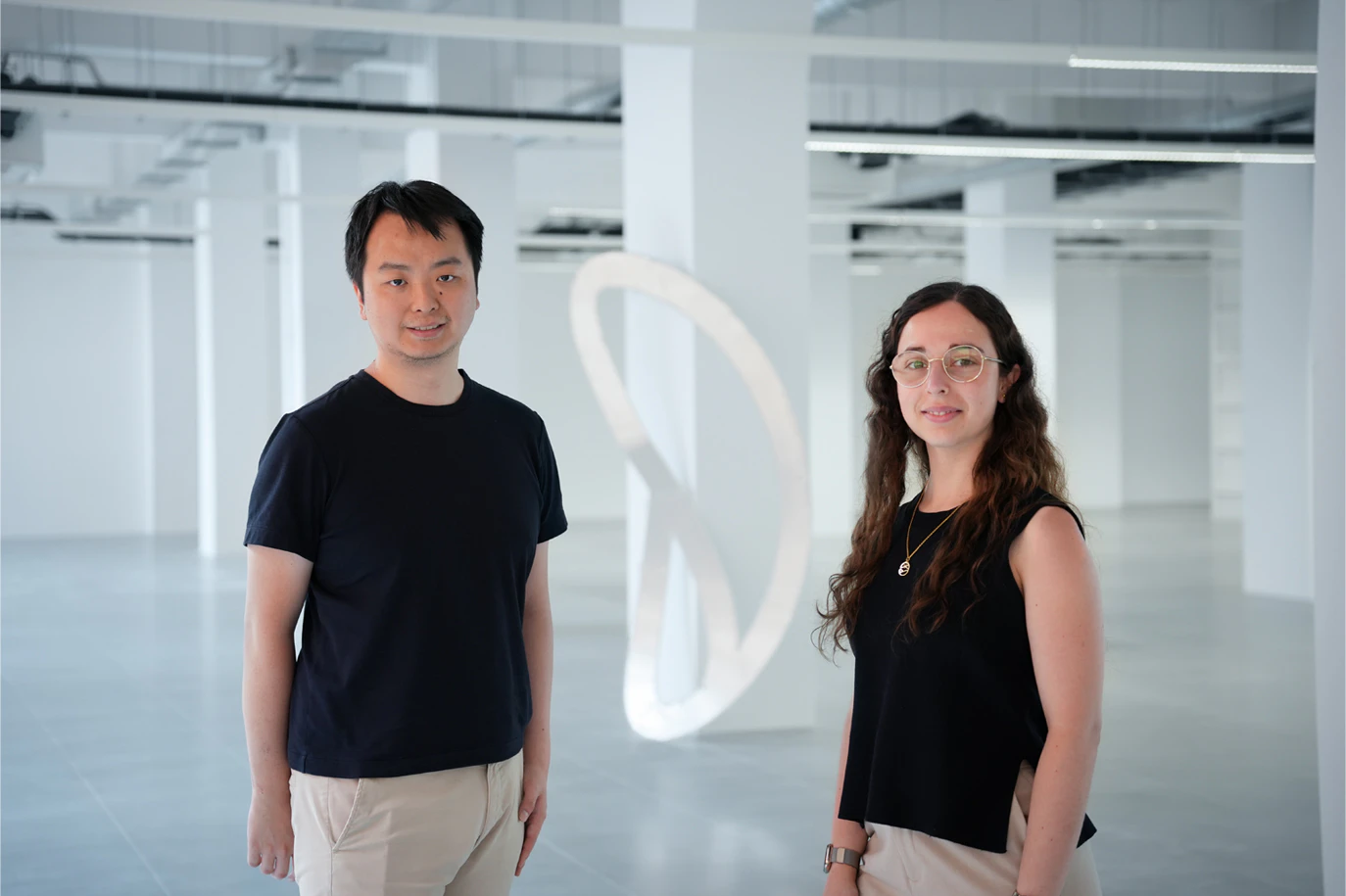
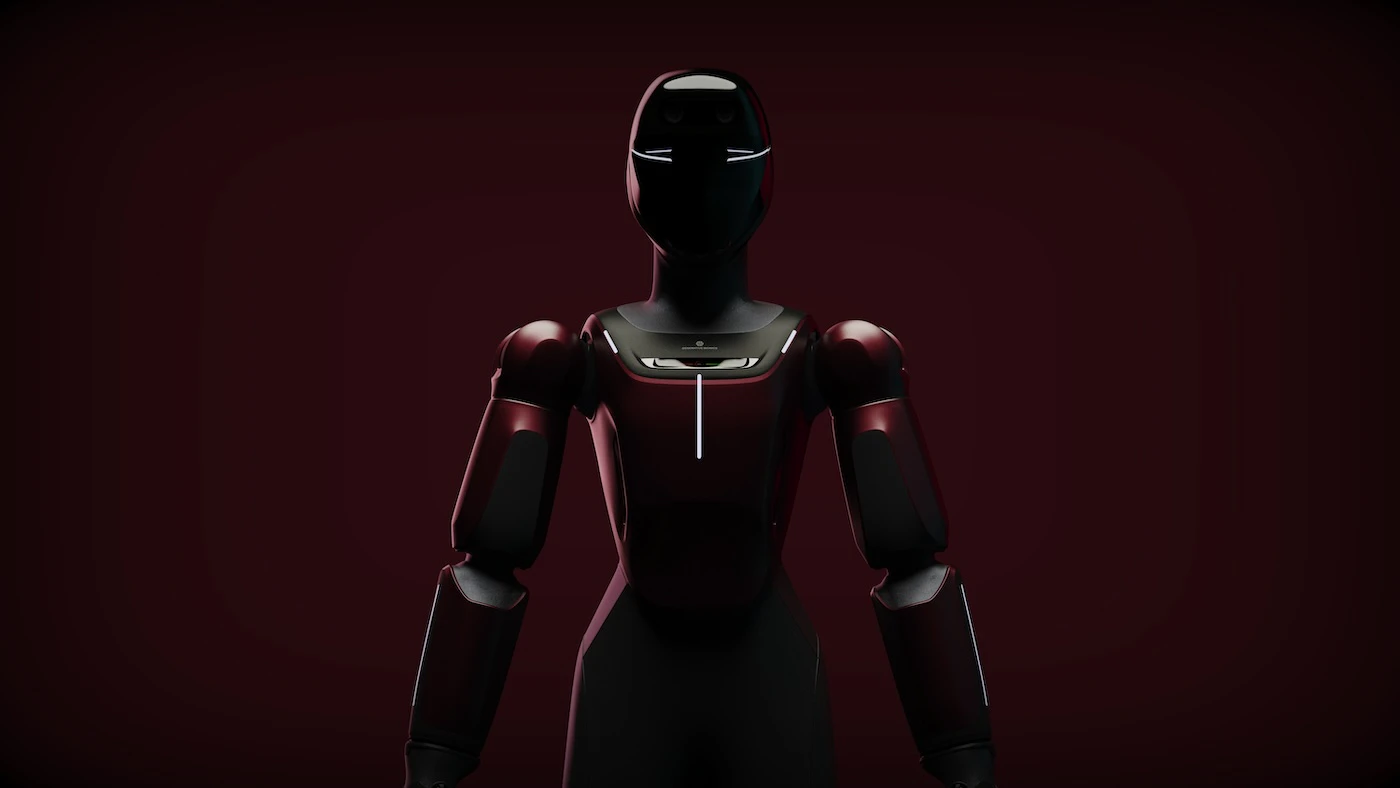

|
|||||
| Icetana Extends SoftBank Robotics Distribution Partnership into Americas | https://smallcaps.com.au/article/icetan… | 10 | Jun 15, 2026 08:00 | active | |
Icetana Extends SoftBank Robotics Distribution Partnership into AmericasDescription: Icetana extends SoftBank Robotics distribution into the Americas, unlocking US market access as the fifth regional deal under the SoftBank partnership. Content:
Icetana extends SoftBank Robotics distribution into the Americas, unlocking US market access as the fifth regional deal under the SoftBank partnership. icetana AI (ASX: ICE) said it has signed a distribution agreement with SoftBank Robotics America, extending its broader SoftBank Robotics Group partnership into the Americas. icetana develops AI surveillance software used to monitor large camera networks. In earlier company materials, management said the platform can allow one operator to manage 1,000-plus cameras in real time. The company's technology is currently deployed across 70 sites, 17,000 cameras and 15 countries. The new agreement broadens access to the US market through SoftBank Robotics’ sales network, which fits with management’s stated partner-led growth model. The Americas agreement is the fifth regional distribution agreement under icetana’s broader partnership with SoftBank Robotics Group that was executed in June 2025. The regional expansion has occurred in stages rather than through a single global sales agreement, with earlier deals already covering Japan, Australia and New Zealand, broader Asia-Pacific, and the UAE and Saudi Arabia. The addition of the Americas extends that footprint again, with management pointing specifically to US market access. SoftBank Robotics Group operates across 21 locations in 9 countries. The original June 2025 SoftBank deal included separate subscription, global partnership, and Japan distribution arrangements, along with a product development program, underlining that the relationship has included both channel and technology elements. Recent filings also suggest the SoftBank relationship has already produced some commercial traction outside today’s announcement. In April 2026, icetana disclosed a US$176,450 one-year SaaS order from SoftBank Robotics Group for deployment with Japan Reliance Service Corporation. The company said that order was expected to add about A$250,000 to ARR, subject to deployment before 31 August 2026 and later renewal. The core disclosed number in today’s filing is the count of regional agreements rather than a contract sum, with five regional distribution agreements now under the broader SoftBank Robotics partnership. The filing also includes operating footprint data rather than financial terms, leaving several commercially important details absent. There is no disclosed marketing budget, exclusivity structure, customer list, milestone schedule, or minimum sales commitment tied to the Americas agreement, nor is there any mention of regulatory approvals or government framework dependencies, suggesting this is a straight commercial distribution update rather than a transaction requiring separate regulatory steps. That absence of economics stands out because icetana’s recent filings have been more specific where revenue was involved. The April 2026 SoftBank-linked Japan order disclosed both contract value and ARR contribution, while the company’s $4.0 million placement on 29 April 2026 set out intended uses including sales conversion into contracted ARR, partner scaling through SoftBank Robotics and Macnica, product development, and general working capital. The next key test is whether the expanded distribution footprint starts converting into named customer wins, deployments or recurring revenue in the Americas. Until the company discloses order values, customer numbers or ARR tied to this channel, the practical commercial weight of the agreement remains difficult to measure. Existing SoftBank-related execution milestones also matter, with the previously announced Japan Reliance Service Corporation deployment due to commence before 31 August 2026. The company has said revenue beyond the initial 12-month term depends on customer renewal, making delivery timing and follow-on retention important markers for whether partner-led selling is translating into repeatable outcomes. icetana’s new SoftBank Robotics America agreement expands the company’s geographic sales reach and adds another layer to a partnership management has identified as central to its go-to-market strategy. But until the company discloses customer wins, order values or ARR tied to the Americas channel, the significance of the update remains more strategic than financial, with execution and funding still key considerations. Funding remains part of the backdrop as well, with icetana reporting ARR of $2.6 million, quarterly revenue of $607,000, and gross margin of 90% in its Q3 FY26 quarterly. But it also disclosed a net operating cash outflow of $1.2 million for the quarter, with cash of $1.0 million at period end before receiving $705,000 in April. The later $4.0 million placement eased immediate pressure, but the broader question remains whether additional channel reach can be converted into contracted ARR quickly enough to support the company’s operating spend. Taken together, that leaves a clear watch list: evidence of Americas customer wins, progress on the existing SoftBank-linked Japan deployment, ARR conversion from partner channels, and whether quarterly cash burn starts to moderate after the recent capital raise. The ASX small-cap stories that matter, filed before 9am AEST. Curated by the Small Caps desk. No quote data No recent filings Get the exclusive news, interviews and analysis, straight to your inbox. Small Caps is Australia's #1 site for market news & information on ASX-listed small cap companies. Independent newsroom + institutional research, since 2014. Small Caps and affiliated companies accept no responsibility for any claim, loss or damage as a result of information provided or its accuracy. The information provided on this site is general in nature, not financial product advice, see a financial expert before making any investment decision. Your personal objectives, financial situation or needs have not been taken into consideration. There may be a conflict of interest present with commercial arrangements with companies and/or stock held. Small Caps or an associate may receive a commission for funds raised.
Images (10): 

'/%3e%3c/defs%3e%3cpath fill='%23012169' d='M0 0h10080v5040H0z'/%3e%3cpath stroke='%23fff' stroke-width='.6' d='m0 0 6 3m0-3L0 3' clip-path='url(%23b)' transform='scale(840)'/%3e%3cpath stroke='%23e4002b' stroke-width='.4' d='m0 0 6 3m0-3L0 3' clip-path='url(%23c)' transform='scale(840)'/%3e%3cpath stroke='%23fff' stroke-width='840' d='M2520 0v2520M0 1260h5040'/%3e%3cpath stroke='%23e4002b' stroke-width='504' d='M2520 0v2520M0 1260h5040'/%3e%3cg fill='%23fff'%3e%3cuse xlink:href='%23d' x='2520' y='3780'/%3e%3cuse xlink:href='%23a' x='7560' y='4200'/%3e%3cuse xlink:href='%23a' x='6300' y='2205'/%3e%3cuse xlink:href='%23a' x='7560' y='840'/%3e%3cuse xlink:href='%23a' x='8680' y='1869'/%3e%3cuse xlink:href='%23e' x='8064' y='2730'/%3e%3c/g%3e%3c/svg%3e)
|
|||||
| Comment entraîne-t-on les robots humanoïdes ? | https://www.journaldunet.com/intelligen… | 5 | Jun 14, 2026 08:00 | active | |
Comment entraîne-t-on les robots humanoïdes ?Description: L'essor des modèles d'IA transforme la manière dont les robots humanoïdes sont entraînés. Collecte de données, simulation et nouveaux modèles d'apprentissage ouvrent la voie à des machines capables de généraliser leurs connaissances à de nouvelles situations. Content:
L'essor des modèles d'IA transforme la manière dont les robots humanoïdes sont entraînés. Collecte de données, simulation et nouveaux modèles d'apprentissage ouvrent la voie à des machines capables de généraliser leurs connaissances à de nouvelles situations. En savoir plus sur notre politique de confidentialité Les robots ont longtemps été programmés pour exécuter chacun de leurs mouvements, codés à l’avance. Cette approche fonctionnait dans des environnements très contrôlés, comme les usines ou les entrepôts logistiques, mais s’avérait trop limitée face à des situations plus imprévisibles. Les progrès récents de l’intelligence artificielle et l’émergence des modèles de fondation ont changé la donne. Plutôt que de suivre uniquement des règles prédéfinies, les robots humanoïdes sont désormais entraînés à partir de données. En observant des actions humaines, ils peuvent reproduire des gestes, identifier des schémas récurrents et tenter ainsi de généraliser leurs connaissances à de nouvelles situations. "Nous sommes passés d’une logique où l’on programmait des comportements à une approche où ces comportements sont appris à partir des données. C’est la seule manière possible de passer à l’échelle", résume Deepak Pathak, cofondateur et CEO de Skild AI, start-up américaine qui développe un modèle présenté comme un "cerveau généraliste pour les robots". Les robots apprennent principalement à partir de trois types de données : les données robotiques (très précises mais difficiles à collecter à grande échelle), la vidéo (abondante mais moins riche en informations sur les interactions physiques, comme les forces ou les contacts entre objets) et les données générées dans des environnements simulés, qui souffrent d’un écart avec le monde réel ("Sim-to-real gap"). Il existe plusieurs méthodes pour récolter ces données. La plus simple est l’apprentissage par observation: le robot observe un humain accomplissant certaines tâches. Grâce à ses caméras et à ses capteurs, il enregistre les mouvements et les gestes, afin de les reproduire par la suite. Les modèles d’IA vont ensuite pouvoir identifier des schémas récurrents. Par exemple, si des centaines de démonstrations montrent comment saisir une tasse à différents endroits, sous différents angles et éclairages, le robot peut généraliser pour apprendre à attraper un objet cylindrique. Mais la méthode la plus répandue est la télé-opération. Un humain équipé d’une télécommande ou d’un casque VR contrôle les gestes du robot, ce qui lui permet de les mémoriser. Le téléopérateur peut être équipé de gants haptiques et de capteurs de mouvements, afin de récolter davantage de données. Cette méthode permet de capturer des informations détaillées telles que l’angle des articulations ou la force appliquée. Les principaux constructeurs d’humanoïdes ont recours à ce type d’entraînement. 1X, qui commence à commercialiser le robot domestique NEO, proposera même un service de téléopération à distance. Un employé pourra prendre le contrôle de l’humanoïde afin de lui apprendre à accomplir certaines tâches ménagères au domicile du client. La collecte de données via la téléopération est devenue une véritable industrie, notamment en Chine où des centres spécialisés emploient des opérateurs chargés d’effectuer des tâches répétitives afin d’alimenter les modèles d’apprentissage destinés aux robots. Ces approches, si elles s’avèrent plus efficaces que la programmation, présentent toutefois des limites importantes. Elles s’avèrent particulièrement chronophages et gourmandes en force de travail humaine. Pour tenter de contourner ces limitations, de nouvelles méthodes ont émergé. Elles agrègent plusieurs types de données, notamment la vidéo, et ont été pensées pour permettre aux modèles IA de comprendre les lois de la physique. Les modèles Video-Langage-Action (VLA) se nourrissent par exemple d’images et d’instructions textuelles, avant de produire en sortie une séquence d'actions motrices exécutables par un robot. Plusieurs acteurs majeurs développent leurs propres modèles VLA, à l’image de GR00T N1 chez NVIDIA, Gemini Robotics chez DeepMind ou Helix chez Figure AI. Skild AI applique pour sa part à la robotique une logique déjà utilisée dans les grands modèles de langage : un pré-entraînement sur d’immenses volumes de données, suivi d’un affinage avec des données plus spécifiques issues du monde réel. "Cette combinaison, avec beaucoup de données générales d’un côté, puis des données spécifiques de qualité de l’autre, est l’un des principes clés de l’IA actuelle", explique Deepak Pathak. La start-up Rhoda AI a décidé de poursuivre un autre chemin avec son modèle "Direct Video-Action" (DVA). Celui-ci permet aux robots d’apprendre directement à partir d’un modèle vidéo ultra-performant, afin d’améliorer leur capacité à agir dans des environnements réels. Un autre modèle populaire dans le monde de la robotique est ce que l’on appelle les World Models. Ils permettent aux robots d’acquérir une compréhension de la manière dont fonctionne le monde physique et d’anticiper les conséquences de leurs actions. Couplés à des environnements simulés, ils permettent aux robots d’effectuer des millions d’essais avant une mise en situation réelle. Si les LLM comme ChatGPT prédisent le prochain mot, les World Models prédisent les conséquences d’une action. Un robot peut par exemple apprendre qu’un verre risque de tomber s’il est poussé trop fort, ou qu’un objet caché derrière un autre existe toujours. Parmi les principaux acteurs du secteur figurent AMI Labs, cofondée par Yann Le Cun, et World Labs, fondée par Fei-Fei Li. Les méthodes d’apprentissage agrégeant divers types de données, couplées à des entraînements en simulation, apparaissent ainsi comme une solution pour aider les robots à comprendre le monde qui les entoure. Les acteurs du secteur de la robotique humanoïde espèrent que cela permettra de lever l’un des principaux freins au déploiement massif de leurs modèles.
Images (5): 



|
|||||
| LLM on ROS 2: A Guide to ROSpider AI Hexpod … | https://www.hackster.io/HiwonderRobot/l… | 10 | Jun 14, 2026 08:00 | active | |
LLM on ROS 2: A Guide to ROSpider AI Hexpod Robot - Hackster.ioURL: https://www.hackster.io/HiwonderRobot/llm-on-ros-2-a-guide-to-rospider-ai-hexpod-robot-5e32f8 Description: How the ROSpider combines 18-DOF bionic movement, 3D Vision, and Large Language Models (LLMs) to transform natural language into actions. Find this and other hardware projects on Hackster.io. Content:
Add the following snippet to your HTML:<iframe frameborder='0' height='385' scrolling='no' src='https://www.hackster.io/HiwonderRobot/llm-on-ros-2-a-guide-to-rospider-ai-hexpod-robot-5e32f8/embed' width='350'></iframe> How the ROSpider combines 18-DOF bionic movement, 3D Vision, and Large Language Models (LLMs) to transform natural language into actions. Read up about this project on How the ROSpider combines 18-DOF bionic movement, 3D Vision, and Large Language Models (LLMs) to transform natural language into actions. For years, hobbyist robotics was limited to "Reactive Automation"—if a sensor detects a wall, turn left. But the industry is moving toward Embodied AI. This means giving an artificial "brain" (like ChatGPT or DeepSeek) a physical "body" that can reason about its surroundings. ROSpider is designed specifically as a sandbox for this evolution. It isn't just a walker; it’s a multimodal agent capable of understanding the nuance behind a human command like, "Go find the red package and bring it to my desk." To run modern AI, you need a serious compute stack. ROSpider supports NVIDIA Jetson or Raspberry Pi 5, acting as the primary "Cerebrum" for high-level ROS 2 processing. An intelligent agent is only as good as its data. ROSpider integrates three core sensing technologies: This is where the magic happens. The workflow bridges the gap between a "chat" and a "physical act": 1. Intent Parsing: The robot captures your voice, converts it to text, and sends it to an LLM (Online via API or Local via Ollama). 2. Task Decomposition: The LLM breaks a vague request into sub-tasks. 3. Vision-Language Alignment: The robot uses YOLO (for recognition) and the 3D camera (for positioning). It "grounds" the LLM's abstract idea of a "messy block" into a real-world coordinate (X, Y, Z). 4. Action Execution: The MoveIt 2 framework calculates the arm's trajectory, ensuring the 6-DOF gripper reaches the target without colliding with the robot’s own legs. One of the biggest hurdles in ROS 2 is the steep learning curve. ROSpider lowers this barrier with an Integrated Algorithm Framework. Out of the box, it supports: Whether you are a university researcher or a senior maker, the platform is designed to be "Open-Source First, " allowing you to swap sensors, modify gait algorithms, or deploy your own custom AI models. ROSpider represents a move away from "pre-set paths" toward "cognitive missions." By combining the structural flexibility of a hexapod with the reasoning power of Multimodal AI, we are entering an era where robots are no longer just tools—they are intelligent partners capable of navigating and interacting with our world. Hackster.io, an Avnet Community © 2026
Images (10): 




|
|||||
| Microsoft prueba ChatGPT en robots | https://www.iprofesional.com/tecnologia… | 10 | Jun 14, 2026 08:00 | active | |
Microsoft prueba ChatGPT en robotsURL: https://www.iprofesional.com/tecnologia/377941-microsoft-prueba-chatgpt-en-robots Description: El objetivo de la investigación es ver si ChatGPT puede pensar más allá del texto y razonar sobre el mundo físico para ayudar con las tareas de robótica Content:
Microsoft anunció que está investigando el modo en que se producen las interacciones entre humanos y robots, utilizando para ello la tecnología de inteligencia artificial ChatGPT en estas máquinas. Desarrollado por OpenAI, ChatGPT tiene capacidad para generar y enlazar ideas, así como para recordar conversaciones. En el último mes, la compañía fue integrando esta tecnología en sus diferentes servicios, comenzando con Azure OpenAI Service a mediados de enero, para llevarla después a su motor de búsqueda Bing y su navegador Edge. Su última iteración se ha materializado en la vista previa del nuevo Bing basado en inteligencia artificial en las aplicaciones para móviles y en su navegador Edge, así como la versión del motor de búsqueda para Skype. Ahora, el fabricante tecnológico adelantó que está probando esta tecnología en robots, para "hacer posibles las interacciones naturales" con humanos y ha explicado qué es lo que espera de esta integración. "Nuestro objetivo con esta investigación es ver si ChatGPT puede pensar más allá del texto y razonar sobre el mundo físico para ayudar con las tareas de robótica", ha comentado Microsoft en un comunicado, donde ha matizado que busca "ayudar a las personas a interactuar con los robots más fácilmente, sin necesidad de aprender lenguajes de programación complejos ni detalles sobre sistemas robóticos". En este sentido, ha establecido como desafío enseñar a este chatbot a resolver problemas teniendo en cuenta factores como el contexto del entorno operativo y el modo en que "las acciones físicas pueden cambiar el estado del mundo". La empresa señala que este producto de OpenAI tiene capacidades para llevar a cabo tareas por sí mimo, pero que ha desarrollado una serie de principios de diseño que se pueden utilizar para guiar los modelos de lenguaje hacia la resolución de tareas de robótica. Por otra parte, ha indicado que ChatGPT puede "desbloquear un nuevo paradigma de la robótica", en la que habitualmente se suceden procesos lentos, costosos e ineficientes de reescritura del código del comportamiento del robot. De esa forma, este chatbot tiene la capacidad de brindar comentarios de alto nivel al denominado modelo de lenguaje extenso o de gran tamaño (LLM, por sus siglas en inglés), a la vez que monitoriza el rendimiento del robot y generar código para diferentes escenarios de robótica. "Lo que está pasando a nuestro alrededor es real e irreal a la vez": cosas del día a día que nos costará distinguir si tienen detrás a una IA Para impulsar el LLM, Microsoft construyó una serie de principios de diseño destinados a escribir indicaciones para tareas de robótica. Para ello definió un conjunto de interfaces de programación de aplicaciones (API) robóticas. Una vez escrito el mensaje de texto para que ChatGPT lo interprete, en el que se describe el objetivo de la tarea que debe realizar la máquina, se indica explícitamente lo que debe hacer, lo que no debe hacer o cómo el chatbot debe formular sus respuestas. El desarrollador o ingeniero aguarda la respuesta o salida del código de ChatGPT utilizando un simulador y, si es necesario, utiliza lenguaje natural para evaluar a la IA sobre la calidad y la seguridad de sus contestaciones. Una vez el modelo haya respondido del modo deseado y la solución es viable, se implementa en el robot el código final del chat de inteligencia artificial. La compañía tecnológica compartió una serie de experimentos para mostrar cuáles son las acciones a las que pueden responder los robots utilizando el modelo desarrollado por OpenAI. En primer lugar, le hizo saber los pasos que han de segurise para controlar un dron real y este supo escribir estructuras de código complejas, como un patrón en zigzag para visualizar las baldas de una estantería. ChatGPT también se utilizó con el simulador Microsoft AirSim, un escenario en el que el modelo "pudo analizar la intención del usuario" y las señales detalladas para controlar un dron con precisión. Bing ha llegado a tener hasta una crisis existencial en una conversación con un usuario. Este lenguaje se probó, incluso, en un escenario de manipulación con un brazo robótico. Tras analizar las directrices, ChatGPT supo encadenar una serie de habilidades aprendidas para, entre otras actividades, apilar bloques de madera. Los desarrolladores también optaron por atribuir a estos robots objetivos como encontrar objetos, mediante funciones de detección. Asimismo, realizó experimentos adicionales para evaluar si el chatbot puede decidir dónde dirigir a la máquina en función de lo que debía buscar. iProfesional - Copyright ©2026. Emprendimientos Corporativos S.A. Buenos Aires, Argentina. Todos los derechos reservados. Director: Norberto Zocco contacto@iprofesional.com
Images (10): 
:quality(75):max_bytes(102400)/https://assets.iprofesional.com/assets/jpg/2019/11/486391.jpg)
/https://assets.iprofesional.com/assets/public/lazyload.gif)
|
|||||
| Neura Robotics raises $1.4bn backed by Amazon, Nvidia and Qualcomm … | https://sifted.eu/articles/neura-roboti… | 9 | Jun 14, 2026 00:00 | active | |
Neura Robotics raises $1.4bn backed by Amazon, Nvidia and Qualcomm | SiftedURL: https://sifted.eu/articles/neura-robotics-1-4bn-series-c Description: German startup Neura Robotics has raised a $1.4bn Series C round from investors including crypto group Tether, Qualcomm, Amazon and Nvidia. Content:
News June 10, 2026 Freya Pratty 2 min read German startup Neura Robotics has raised a $1.4bn Series C round from investors including crypto group Tether, Qualcomm, Amazon and Nvidia. Founded in 2019, Neura builds “cognitive” robots capable of seeing, walking and manipulating objects. The new funding brings Neura’s valuation to $7bn, the Financial Times reported, citing people familiar with the deal. Other investors in the new round include Bosch, Schaeffler and the European Investment Bank (EIB). The company previously raised one of 2025’s largest robotics rounds, a €120m Series B announced from Lingotto Investment Management, Volvo Cars Tech Fund, Vsquared Ventures and HV Capital. The company says it now has an order book of over $1bn. Neura is part of a cohort of European robotics companies. The sector is seeing increased investor interest: Europe’s robotics companies raised a combined €1.6bn in 2025, up 110% from the €761m they secured in 2024. Neura, which is based in Metzingen, moved the majority of its production back from China to Germany in 2024 — in part to show confidence in Germany as a business location, and prove that Europe can spawn leading robotics companies. The company’s founder, David Reger, told the FT that Neura’s short-term target is to increase production capacity for its robots from 6,000 robots this year to tens of thousands next year. Editor's picks Opinion European founders are obsessed with Silicon Valley. Here’s why I’m not Podcast OpenAI's Laura Modiano on hackathons, Lovable and how startups can partner with the tech giant News EIF launches €15bn fund of funds to back 100 growth-stage VCs Freya Pratty Freya Pratty is Sifted's associate editor. She covers UK tech and leads Sifted's investigations. Follow her on X , LinkedIn and Bluesky Stay one step ahead with news and experts analysis on what’s happening across startup Europe. Recommended Pro Neura CEO on raising Europe’s biggest ever robotics round: ‘It’s not science fiction’ David Reger sat down with Sifted to talk raising capital, blockchain and pizza delivery Martin Coulter Samsung backs industrial robotics startup Theker in €85m round The buzzy Barcelona-based startup is building AI-powered robots to automate tasks in industrial environments Daphné Leprince-Ringuet Pro Google DeepMind chose these startups for its first robotics accelerator The companies will get three months of mentorship and technical support building AI into their core products Tom Nugent © 2026 Sifted EU Ltd. All Rights Reserved.
Images (9):
|
|||||
| Germany’s NEURA Robotics raises up to €1.2 billion in Series … | https://www.eu-startups.com/2026/06/ger… | 10 | Jun 14, 2026 00:00 | active | |
Germany’s NEURA Robotics raises up to €1.2 billion in Series C round to build Physical AI from Europe | EU-StartupsDescription: NEURA Robotics, a Metzingen-based cognitive robotics startup and the creator of the Neuraverse, has announced a Series C funding round of up to €1.2 Content:
NEURA Robotics, a Metzingen-based cognitive robotics startup and the creator of the Neuraverse, has announced a Series C funding round of up to €1.2 billion ($1.4 billion) to build the world’s leading Physical AI platform. The financing was secured by Tether, Qualcomm Technologies, Inc., Amazon, NVIDIA, imec.xpand, Bosch, Schaeffler, European Investment Bank, Lingotto Horizon, InterAlpen Partners and others. Last year, in January, the company announced its €120 million Series B funding round led by Lingotto Investment Management, “The future of AI will not only live on screens. It will move, interact, learn and work beside us in the real world. We believe Physical AI and cognitive robotics will become one of the largest technology shifts of the coming decades, transforming industries ranging from manufacturing and logistics to healthcare, services and household robotics,” said David Reger, founder and CEO of NEURA Robotics. Founded in 2019 by David Reger, NEURA Robotics is a robotics and physical AI company building the technologies that enable intelligent machines to learn, adapt and work alongside humans in the real world. The company develops cognitive robots that can see, hear, feel and learn, as well as the software, AI and data infrastructure required to deploy them at scale. The company is building a new category of AI infrastructure where cognitive robots continuously learn, collaborate and operate across real-world environments through a shared intelligence ecosystem called the Neuraverse. Unlike traditional robotics companies focused on isolated machines or narrow industrial automation, the company states that it combines robotics, AI, sensors, edge compute and large-scale learning infrastructure into one unified platform architecture designed for global deployment. The company believes that as AI transitions from digital systems into the physical world, the next major competitive advantage will come from combining intelligence with real-world interaction, sensing and scalable deployment infrastructure. “In the future, people will not only ask what AI can say. They will ask what AI can physically do,” added Reger. To support this transition, NEURA is creating one of the world’s first open Physical AI ecosystems, known as the Neuraverse, where robots constantly share skills, capabilities, and real-world learning across various deployments. The company is also expanding its global network of NEURA Gyms, specialised large-scale training environments combining real-world sensor interaction, simulation and multimodal learning pipelines to create one of the largest real-world robotics data infrastructures globally. “Many believed globally relevant AI infrastructure companies could only emerge from Silicon Valley. We believe the next generation of AI leaders can emerge anywhere in the world where there is enough vision, engineering talent and execution speed. With this financing, NEURA is firmly among the global leaders in the robotics race, alongside the best in the US and China. At the end, this is not only about robotics. It is about building technologies the world will depend on,” Reger noted. NEURA is also shaping decentralised AI architectures, edge intelligence and machine-native economic systems in collaboration with strategic infrastructure partners. The company believes that trusted, open and interoperable robotics ecosystems will become increasingly important as AI systems move into factories, logistics centres, healthcare environments and homes. Nicola Beer, Vice President of European Investment Bank, said, “By backing NEURA Robotics, the European Investment Bank is putting serious European firepower behind the next wave of physical AI and cognitive robotics. Through TechEU Europe’s most innovative mid-caps can access patient capital they need to turn cutting-edge research into globally competitive products and skilled jobs here in Europe. From safer factories and smarter logistics to entirely new services, NEURA’s open Neuraverse platform will help thousands of robots learn from each other in real time – accelerating innovation, strengthening Europe’s technological autonomy and turning AI into tangible benefits for workers and businesses.” With this capital, the company plans to accelerate the global deployment of cognitive robots and humanoids, expand the Neuraverse platform, roll out NEURA Gyms, scale manufacturing and deployment infrastructure, and develop next-generation Physical AI systems. The company is also ramping up manufacturing and aims to produce several million robots by 2030. It intends to bring its humanoid 4NE1 to industrial clients at scale, starting with the sectors that need it most. Additionally, it is growing its presence from Europe to the US, China, and Japan. NEURA collaborates strategically with top industrial and AI companies such as Bosch, Schaeffler, Kawasaki, Delta Electronics, Qualcomm Technologies, Amazon, and NVIDIA. It reports that its existing orderbook and strategic deployment pipeline exceed €864.8 million ($1 billion). EU-Startups.com is the leading online magazine about startups in Europe. Learn more about us and our advertising options. © Menlo Media S.L. - All rights reserved.
Images (10): 


|
|||||
| Neura Robotics Raises Record $1.4B in Funding Round - Ventureburn | https://ventureburn.com/neura-robotics-… | 10 | Jun 14, 2026 00:00 | active | |
Neura Robotics Raises Record $1.4B in Funding Round - VentureburnURL: https://ventureburn.com/neura-robotics-raises-record-1-4b-in-funding-round/ Description: Neura Robotics secures $1.4 billion in fresh funding, marking one of Europe’s largest robotics investment rounds. Content:
By Ekemini Key Takeaways Neura Robotics secured a historic Series C round of up to $1.4 billion, marking the largest venture capital funding round in German history. Backed by elite tech giants including Nvidia, Amazon, Qualcomm, and Tether, the financing round elevates Neura’s total valuation to roughly $7 billion. The company focuses on transitioning AI out of screens and into the physical world, creating cognitive robots capable of learning, sensing, and collaborating alongside humans. Neura Robotics, a leading designer and manufacturer of cognitive robotic systems, has finished a groundbreaking Series C financing of up to $1.4 billion. The significant funding round was the biggest venture financing round ever raised by a German company and remains the world record for an end-to-end robotics organisation. This funding round catapults Neura Robotics into the elite of heavily capitalised AI and robotics startups in the world, boosting the company’s valuation to nearly $7 billion. A huge consortium of giants from tech, manufacturing and finance financed the round with Tether, Nvidia, Amazon, Qualcomm Technologies, and imec.xpand. Strategic industrial allies Bosch and Schaeffler were also among the investors, together with public institutions such as the European Investment Bank. Traditional artificial intelligence has been confined to data consumed behind the screen of a computer. Recent advances in machine learning, however, are moving toward a new era of physical AI that interacts with the real world. Neura Robotics describes this shift as ‘NeuroRobotics’. The company develops cognitive robots that see, hear, touch, and interpret their environment to adapt their actions in real time. Source: unsplash Neura’s systems depart from traditional industrial machinery, which is typically costly, inflexible, and requires extensive manual programming of its software to alter how it operates. Against these standards, Neura’s ecosystem embeds multimodal sensing and edge computing into the robot’s chassis. This enables their hardware to learn by demonstration and behave safely around people in highly variable production areas such as logistics warehouses, hospitals, and assembly lines. More News: Mecka AI Raises $60M to Train Robots With Human Data But the most important use of the 1.4 billion dollars the company has just raised is for the creation of a free, common intelligence called the “Neuraverse”. Instead of having each device learn skills in isolation, Neuraverse lets devices share deeply secure operating data, instantly transfer power and learned skills from one piece of hardware to another anywhere in the world. To speed up this collaborative learning cycle, Neura Robotics is building a broad network of real-world training centers called “NEURA Gyms”. These costly facilities enable them to leapfrog the constraints of training robots only in virtual space. Here, human instructors wearing motion-capture suits can teach robots particular real-world motions, like handling delicate supplies or using advanced machinery. With this hands-on, data-intensive training approach, the core AI models can optimize tasks far more rapidly than models trained on pure vision or algorithmic hunches. Capital will be used to scale Neura’s incredible line of multipurpose hardware products. Neura’s flagship is the 4NE1, a cutting-edge humanoid robot capable of lifting up to 220 pounds and performing a variety of multipurpose functions, including automated car assembly lines or household assistance. In addition to humanoid models, Neura is manufacturing highly mobile transports such as the MAV series, which can carry up to 1.5 tons of goods in a busy warehouse environment with laser-scanning maps that can prevent collisions. The company is also manufacturing versatile cognitive robotic arms, known as LARA and MAiRA, which can be used in a wide cross-section of precision manufacturing applications. Ekemini I'm a crypto writer with 4+ years of experience passionate about turning big, technical ideas into content anyone can understand. From blockchain to stablecoins to everything in between, I enjoy helping readers stay informed in a space that never stops moving. Disclaimer VentureBurn is a media platform covering the latest in cryptocurrency, artificial intelligence, venture capital, and the startup ecosystem. Opinions expressed on VentureBurn are for informational purposes only and do not constitute investment advice. Before making any high-risk investments in digital assets or emerging technologies, readers should conduct their own due diligence. All transactions and financial decisions are made at your own risk, and any losses incurred are solely your responsibility. VentureBurn does not endorse or recommend the buying or selling of any digital assets and is not a licensed investment advisor. Please note that VentureBurn may participate in affiliate marketing programs. Editor's Choice Critical Loop Raises $26M to Accelerate Flexible Power Expansion 10 Best Decentralized Crypto Exchanges (DEXs) in 2026 10 Best Free AI Image Generators in 2026 (Ranked & Reviewed) Best Crypto Staking Platforms With Highest APY Apr 2026 10 Best Crypto Mining App Options in 2026 (Free & Legit) Table of Contents Related articles F2 Raises $24M to Expand AI for Private Credit Ares Secures $12.7 Billion in Major Fundraising Push Two Desperados Secures $20M UA Financing to Scale Mobile Gaming Portfolio TensorWave Raises $350M to Expand AI Infrastructure Evotrex Raises $30M Series A to Advance Power-Generating RV Development Latest crypto news 10 Best Travel Insurance Companies in 2026 (Comprehensive Reviews) What is TradFi? Top Crypto Exchanges for TradFi in June 2026 What Is Cryptocurrency Mining & How Does It Work? Superhuman Email Review 2026: Is It a Good Video & Image AI Generator? Zapier Review 2026: Is It A Good Automation Tool? What Is CEX in Crypto? Guide to Centralized Exchanges Replit Review 2026: Is It A Good Video & Image AI Generator? SonoThera Raises $125M to Advance Gene Therapy KOHO Raises $130M to Accelerate Banking Ambitions Nesto Raises $302M in Series E at $1.47B Valuation VentureBurn is a global news and insights platform covering the latest trends and developments across the technology landscape – including cryptocurrency, artificial intelligence, venture capital, and startups. Our mission is to empower entrepreneurs, investors, and tech enthusiasts with high-quality journalism, practical guides, and expert analysis to navigate and thrive in the rapidly evolving innovation economy. Category About Subcribe to our newletter Top tech news & guides in crypto, AI, VC, and startups — weekly in your inbox.
Images (10): 


|
|||||
| Neura: German Robotics Unicorn Secures $1.4 Billion From Tether, Nvidia, … | https://www.trendingtopics.eu/neura-ger… | 10 | Jun 14, 2026 00:00 | active | |
Neura: German Robotics Unicorn Secures $1.4 Billion From Tether, Nvidia, AmazonDescription: NEURA Robotics has closed a Series C funding round of up to $1.4 billion. The company, based in Metzingen, is using the capital to accelerate the Content:
NEURA Robotics has closed a Series C funding round of up to $1.4 billion. The company, based in Metzingen, is using the capital to accelerate the development of its Physical AI platform and the scaling of cognitive robotic systems. Investors include Tether, Qualcomm Technologies, Amazon, NVIDIA, imec.xpand, Bosch, Schaeffler, the European Investment Bank, Lingotto Horizon, and InterAlpen Partners. According to the company, the funding round represents the largest capital injection to date for a full-stack robotics company. NEURA plans to use the capital to scale serial production to several million robots by 2030 and to expand its global network of NEURA Gyms — training environments for cognitive robots in real-world deployment scenarios. NEURA positions itself as an infrastructure provider for a new category of AI systems. The company combines robotics, artificial intelligence, sensor technology, edge computing, and learning infrastructure within a unified platform architecture called Neuraverse. Unlike traditional robotics approaches, this platform enables cognitive robots to continuously share skills and learning experiences. The strategic partnerships with Bosch, Schaeffler, Kawasaki, Qualcomm Technologies, Amazon, and NVIDIA anchor NEURA at the intersection of industrial automation and artificial intelligence. The company’s current order backlog and deployment pipeline exceed one billion US dollars. Founder and CEO David Reger describes the company’s strategic direction: “The future of AI will not simply take place on screens. It will move, interact, learn, and work alongside us in the real world. We are convinced that Physical AI and cognitive robotics will lead to one of the greatest technological leaps of the coming decades.” The new capital will flow into the global deployment of cognitive and humanoid robots, the expansion of the Neuraverse platform, the rollout of the NEURA Gyms, and the build-up of production and scaling capacities. Reger emphasizes the global competitive position: “Many have believed that globally relevant AI infrastructure companies could only emerge in Silicon Valley. We believe that the next generation of AI market leaders can emerge anywhere in the world — wherever vision, engineering talent, and execution speed come together.” With Neuraverse, NEURA is developing an open ecosystem in which robots exchange skills, competencies, and real-world learning experiences. The NEURA Gyms combine real sensor data, simulation, and multimodal learning processes, thereby building one of the world’s largest real-world robotics data infrastructures. Together with infrastructure partners, the company is shaping decentralized AI architectures, edge intelligence, and machine-based economic systems. NEURA pursues the thesis that open, trustworthy, and interoperable robotics ecosystems will grow in importance as AI systems increasingly penetrate factories, logistics centers, healthcare facilities, and private households. The investors underline NEURA’s technological and strategic position. Paolo Ardoino, CEO of Tether, states: “Autonomous machines need the ability to process information locally, make decisions, and execute transactions without relying on centralized intermediaries.” Nakul Duggal of Qualcomm Technologies adds: “Physical AI is the next major evolution of computing, extending intelligence into real-world environments. Robotics is one of the most demanding edge AI use cases, where systems must perceive, reason, and act in real time, reliably and locally.” Stefan Hartung, CEO of Robert Bosch GmbH, emphasizes: “In the field of humanoid robotics, we see significant growth opportunities — and through our partnership with NEURA, we are well positioned to capitalize on them more decisively.” Nicola Beer, Vice President of the European Investment Bank, highlights the strategic significance for Europe: “NEURA’s open Neuraverse platform will help thousands of robots learn from one another in real time, thereby accelerating innovation, strengthening Europe’s technological autonomy, and turning AI into tangible benefits for workers and businesses.” NEURA Robotics was founded in 2019 in Metzingen and develops cognitive robots as well as the associated software, AI, and data infrastructure for their worldwide deployment. The company responds to structural changes such as aging populations, labor shortages, and growing demand for skilled activities. Its mission is to make physical capabilities scalable by drastically reducing the time needed to teach machines new skills and deploy them globally. With cognitive robots, the NEURA Gyms, and Neuraverse, the company is creating the foundation for intelligent machines intended to help solve global challenges. Aus Datenschutz-Gründen ist dieser Inhalt ausgeblendet. Die Einbettung von externen Inhalten kann in den Datenschutz-Einstellungen aktiviert werden: Datenschutz-Einstellungen
Images (10): 




|
|||||
| AGIBOT Brings APC 2026 to Indonesia, Accelerating Local Deployment of … | https://en.antaranews.com/news/418736/a… | 4 | Jun 13, 2026 16:01 | active | |
AGIBOT Brings APC 2026 to Indonesia, Accelerating Local Deployment of Embodied AI - ANTARA NewsDescription: AGIBOT, a global leader in embodied AI and robotics, hosted AGIBOT Partner Conference 2026 in Indonesia (APC 2026 Indonesia) in Jakarta, together with its ... Content:
© 2020 Reporter: PR WireEditor: PR Wire Copyright © ANTARA 2026
Images (4): 
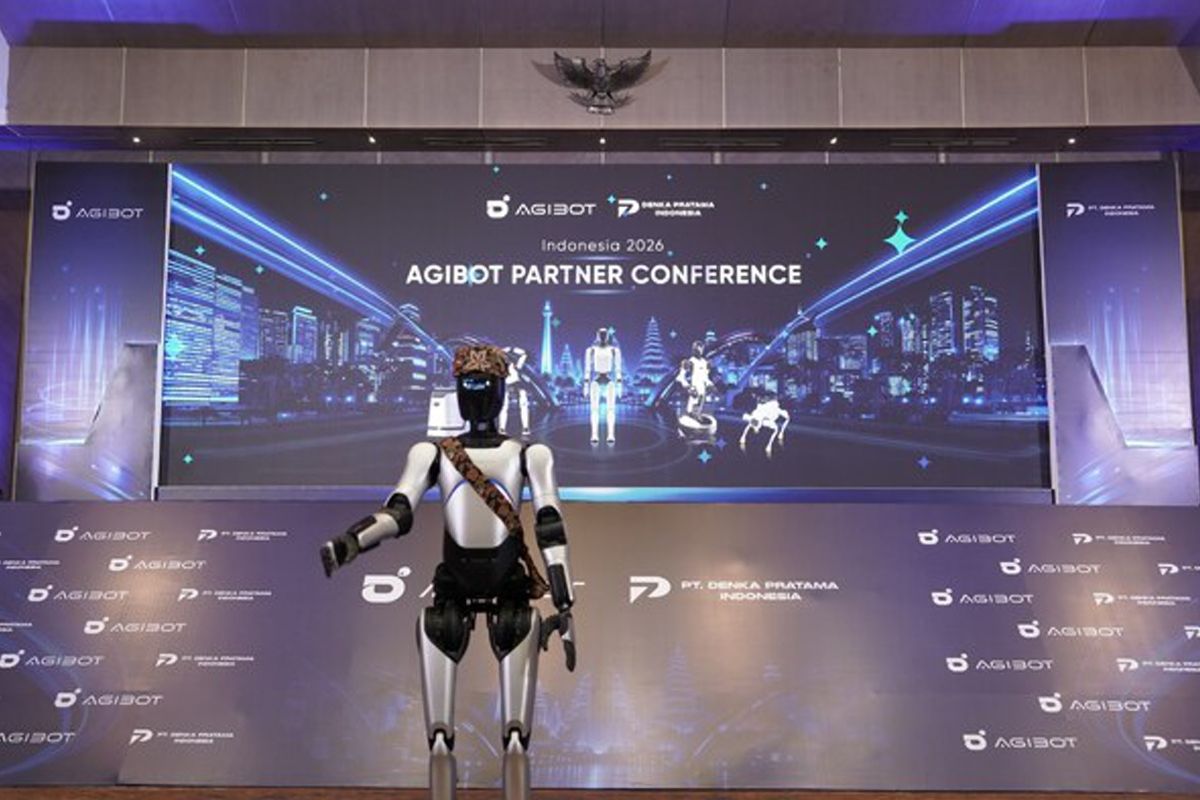

|
|||||